

Tbilisi serves as a perfect starting point to reach Georgia’s most beautiful destinations. You can take trips that last a day and cover distances from 25 kilometers to 184 kilometers. Each destination shows unique aspects of the country’s beauty.
The ancient capital Mtskheta, a UNESCO World Heritage site, sits just 25 kilometers away. Mountain views await in Kazbegi, 160 kilometers to the north. Georgia’s attractions are perfect for single-day trips. Wine lovers can experience 8,000-year-old traditions in Kakheti while history buffs will enjoy Soviet-era sites in Gori. Travel times range from 45 minutes to 4 hours.
Tours from Georgia’s capital start at 39 USD and suit different interests and budgets. David Gareji’s cave monasteries and Sabaduri Forest’s snowy landscapes offer unique experiences in every season. Tbilisi proves to be the perfect base to discover the country’s heritage and natural beauty.
Mtskheta: Georgia’s Ancient Capital (30 Minutes from Tbilisi)
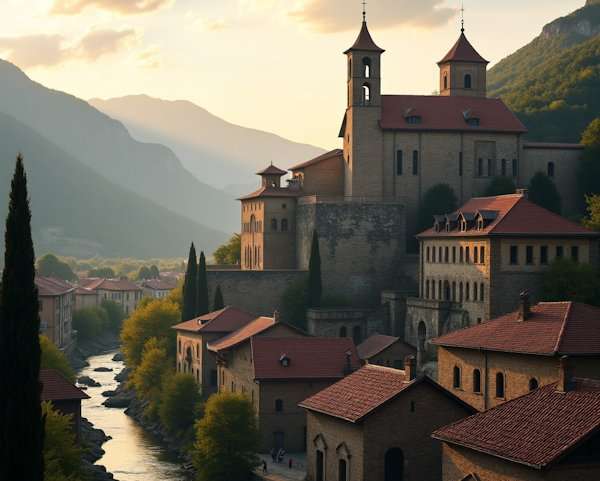
Mtskheta, one of Georgia’s oldest cities, sits 20 kilometers north of Tbilisi. People have lived in this ancient capital since 1000 BCE. UNESCO recognized its rich cultural and religious heritage by granting it World Heritage status in 1994.
Learning About Svetitskhoveli Cathedral
The magnificent Svetitskhoveli Cathedral dominates Mtskheta’s center. Built between 1010-1029 CE, it stands on foundations that date back to the 4th century. The cathedral’s most precious treasure is what many believe to be Christ’s holy robe, which a Jewish man from Mtskheta brought to Georgia. This sacred relic has made Svetitskhoveli one of Georgia’s most significant pilgrimage destinations. The cathedral’s interior features detailed frescoes that show biblical scenes and saints. Several Georgian monarchs rest here, including Tbilisi’s founder, King Vakhtang Gorgasali.
Hiking to Jvari Monastery
The 6th-century Jvari Monastery stands proudly on Jvari Mount, 656 meters above sea level. Visitors can see exceptional views of Mtskheta and the meeting point of Mtkvari and Aragvi rivers. Most people take taxis up the mountain, but nature lovers can walk through beautiful fields of wildflowers and woods. This monastery shows the best of Early Medieval Georgian architecture and looks almost the same as it did when first built.
Local Cuisine in Mtskheta
The city serves exceptional Georgian dishes. Salobie restaurant makes delicious lobio (bean stew with cornbread). Other local favorites include shkmeruli (chicken in garlic-milk sauce) and mtsvadi (grilled pork kebabs). The local candy churchkhela deserves special mention – made from grape juice and walnuts, people often call it the “Georgian Snickers bar”.
Transportation Options from Tbilisi
Getting to Mtskheta is easy and cheap. Marshrutkas (minibusses) leave often from Tbilisi’s Didube station. The trip takes about 20-25 minutes and costs 2 GEL per person. Taxi apps like Bolt charge 20-25 GEL, while shared taxis cost 5-7 GEL per seat. Most people spend 3-4 hours seeing the main sights, which makes Mtskheta perfect to visit on a half-day trip from Tbilisi.
Rustavi: Soviet Industrial Heritage (45 Minutes from Tbilisi)
Rustavi lies just 30 kilometers south of Tbilisi and makes an unusual day trip into Georgia’s Soviet industrial past. The city came up in 1948 as Georgia’s main industrial hub. Not many tourists visit here, but the city’s architectural heritage and local experiences make it worth exploring.
Brutalist Architecture Tour
The city stands as a perfect example of Soviet urban planning with its striking Brutalist architecture. German prisoners of World War II designed and built most structures in the city center, giving it distinct German-influenced facades. Impressive 9-story apartment blocks, Soviet mosaics and old factories create a perfect setting for photography. Hotel Rustavi remains the city’s most eye-catching landmark. This classic Brutalist building opened on May 1, 1989 and still runs today. Photographers will love capturing the Soviet-era esthetics that remain largely untouched.
Metallurgy Museum Highlights
The Rustavi History Museum houses 28,711 exhibits that tell both ancient and Soviet Rustavi’s story. Ancient treasures found during factory construction fill the first floor. The second floor shows how the huge metallurgical plant developed. The museum has artifacts from the 19th century BCE to the 18th century CE. These items come from clay, china, glass, bronze, silver and gold. You’ll learn how archeologists rushed to document ancient settlements before industrial growth took over.
Local Markets and Eateries
The food here costs much less than in Tbilisi. A hearty meal with wine usually costs 20-30 GEL (₹600-900) per person. Cafe Askili draws people with its cozy vibe and European dishes. Pasanauri makes both meat and vegetarian khinkali dumplings that locals love. Retro serves great vegetarian ajapsandali stew, while Genatsvale Rustavi makes excellent khachapuri cheese bread. Several cafés by the riverside offer terrace seating with views of ancient stone ruins. These spots provide a nice break from the city’s industrial feel.
Getting to Rustavi is easy. Regular marshrutkas and city busses leave from Tbilisi’s Station Square.
Sabaduri Forest: Winter Wonderland (1 Hour from Tbilisi)
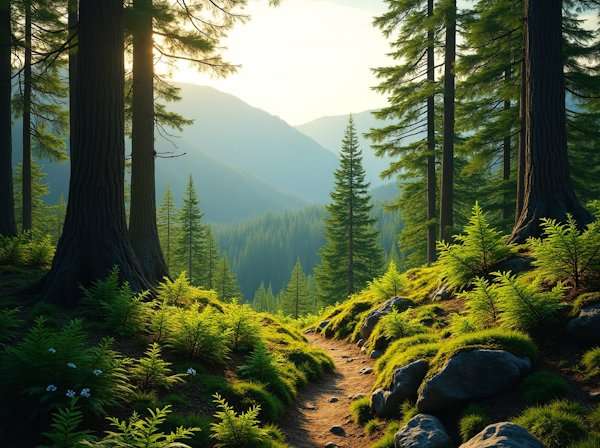
Just an hour’s drive north of Tbilisi lies a winter paradise called Sabaduri Forest. This gem inside Tbilisi National Park turns into something straight out of a fairy tale when winter arrives.
Snow Forest Photography Spots
Sabaduri Forest looks magical right after fresh snow falls. The trees stand delicate and white, their branches heavy with powder and sparkling icicles. Photographers get their best shots on clear days after snowfall, usually from January to early March when snow is almost guaranteed. The designated hiking area gives you pristine snow shots. The forest road looks beautiful but stays off-limits to walkers. You’ll find plenty of spots among the snow-covered trees to capture amazing photos.
Bear Sanctuary Visit
Next to Sabaduri Forest sits the Bear Sanctuary in Tskhvarichamia, a 13-year-old non-profit animal shelter. This amazing place cares for over 100 animals, including about 20 brown bears rescued from restaurants and gas stations in Georgia. These bears used to live in tiny cages as entertainment but now enjoy proper care, good food and plenty of space. Visitors can watch the bears and feed them fruits and vegetables.
Family-Friendly Activities
Sabaduri Forest makes a perfect winter playground for families. Kids love making snowmen and snow angels when conditions allow, while adults enjoy traditional Georgian BBQs in the snow. Several tour companies run family trips here, often including stops at nearby attractions. Remember to dress warmly, wear good shoes, and pack snacks – this matters even more with kids. While winter shows off Sabaduri’s snowy beauty, the forest stays stunning year-round. Summer brings lush hiking trails and autumn paints the landscape in amazing colors.
David Gareji Monastery: Desert Landscapes (1.5 Hours from Tbilisi)
The David Gareji Monastery complex sits carved into the stark desert landscape along Georgia’s eastern border with Azerbaijan. Visitors can find this remarkable site approximately 60-70 km southeast of Tbilisi.
Learning About the Cave Monasteries
St. David of Gareja founded this remarkable complex in the 6th century. The site has hundreds of cells, churches, chapels, refectories and living quarters carved into the rock face. The monastery thrived as a vital center of religious and cultural activity for centuries despite its harsh surroundings. Indeed, the complex has about 5,000 monk cells spread across 19 medieval monasteries. The monks developed a clever technique – they heated the rock with fire and poured water over it. This caused expansion and splitting that created the caves.
Rainbow Hills Hiking Trails
The area around David Gareji showcases spectacular desert landscapes called the Rainbow Hills. These mountains display vibrant colors throughout the year, except when snow covers them. They provide amazing opportunities for photography. The hiking trail stretches about 4 km (2.5 miles) and requires sturdy closed-toe shoes. The trail crosses parts of the disputed Georgian-Azerbaijani border, but hiking here is usually allowed.
Best Season to Visit
The best time to visit is from late August through late October. Spring, particularly April, brings a stunning transformation as the semi-desert bursts with green grass and wildflowers. The desert shows its unique character from late November through March with striking yellows, reds and whites.
Transportation and Tour Options
Visitors can reach David Gareji in several ways. The Gareji Line runs daily transport from Tbilisi at 11 am (April-October) for 30 GEL per person. The trip takes about two hours each way. Organized jeep tours start at 75€ per person and often come with picnic lunches. Adventure seekers can drive themselves in a 4WD vehicle through no man’s land, though they won’t find many facilities until reaching the monastery.
Asureti and Birtvisi: German Heritage and Canyons (2 Hours from Tbilisi)
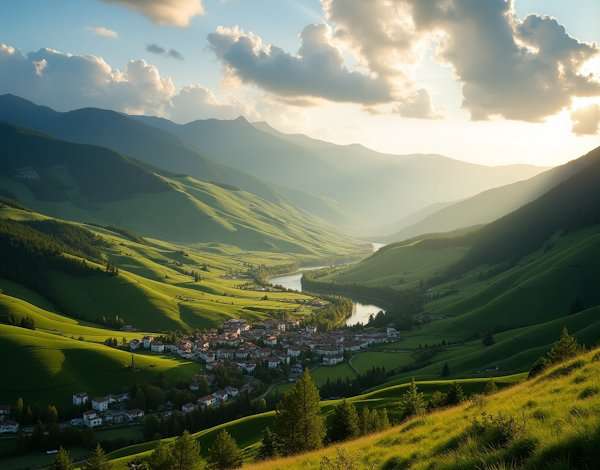
The Kvemo Kartli region southwest of Tbilisi holds two remarkable attractions that make great day trips: Asureti’s German colonial roots and Birtvisi’s dramatic canyon views.
Swabian Architecture
Asureti, once called Elisabethtal, reveals Georgia’s unexpected German heritage that dates back to the early 19th century when Swabian Germans settled here. The village features distinctive half-timbered houses built on stone foundations that blend southern German and Caucasian architectural styles beautifully. Buildings constructed from 1854 to 1900 stand out with their high facades and deep cellars reaching six meters underground. The Lutheran church became the village’s heart after its consecration in 1871. Some families speak German here even today, making this cultural pocket quite different from typical Georgian villages.
Birtvisi Canyon Hiking Guide
Birtvisi Canyon amazes visitors with its volcanic hillocks and towering cliffs shaped over millions of years. The 5km trail ranks as moderately difficult and needs careful navigation in some technical spots. Most hikers start from Tbisi village and follow unmarked forest paths until they reach impressive cone-shaped rocks. The trail’s gems include Devis Naprali (Giant’s Cleft), a narrow passage that leads to a natural paradise filled with greenery and the ancient Birtvisi Fortress ruins. Stay safe by:
- Getting trail guides from Wikiloc or Maps.me since mobile networks don’t work in the gorge
- Staying off trails after heavy rain due to mud and flooding
- Using proper hiking shoes with good grip on steep sections
Local Food Experiences
Bahnhof Station, a German-style beer garden in Asureti, pays tribute to the area’s cultural heritage. The restaurant is a chance to taste dishes that mix Georgian ingredients with German cooking traditions. Fish restaurants near Algeti reservoir make perfect stops after a Birtvisi hike.
Kakheti Wine Region: Georgia’s Vineyard Paradise (2 Hours from Tbilisi)
Georgia’s Kakheti region pulses with an 8,000-year-old winemaking tradition. Wine enthusiasts based in Tbilisi should not miss this remarkable destination. The region boasts hundreds of wineries that craft unique wines from native grapes like Saperavi and Rkatsiteli.
Top Family Wineries to Visit
Family-run cellars provide the most genuine Georgian wine experience. Akido, which means “bunch of grapes” in Georgian, welcomes visitors to a beautifully restored Kakhetian house from the early 1900s. Guests can savor wines on a charming wooden balcony. Wine Yard N1 serves family wines under sprawling pear trees. Autumn visitors can join the Rtveli harvest tradition to pick and press grapes. TEMI showcases traditional qvevri winemaking and produces organic wines in the Kindzmarauli Grand Cru microzone. The winery doubles as a social enterprise.
Sighnaghi Walled City Tour
The “City of Love” Sighnaghi sits majestically above the Alazani Valley. Visitors can wander through cobblestone streets and along massive defensive walls that frame breathtaking mountain views. Local restaurants serve a mix of Georgian, fusion and continental dishes. The historic 9th-century Bodbe Monastery lies just outside town. This sacred site houses St. Nino’s remains, who brought Christianity to Georgia.
Wine Tasting Etiquette
Georgian wine drinking follows specific cultural customs:
- Wait for the tamada (toastmaster) to make a toast before drinking
- Women can drink at their own pace
- When toasted personally, let others drink first
- Show respect by finishing your glass (bolomde) during important toasts
Transportation Options from Tbilisi
Kakheti lies 1.5-2 hours from Tbilisi. Shared taxis run from Isani Metro Station at 15-20 GEL per person. Marshrutka minivans depart Samgori Metro Station at fixed times throughout the day – 9am, 11am, 1pm, 3pm, and 6pm daily, with an extra 7am service in summer. These cost 10 GEL. GoTrip offers private transfers starting at 170 GEL per car for added convenience.
Gori and Uplistsikhe: Stalin’s Birthplace and Ancient Cave City (2 Hours from Tbilisi)
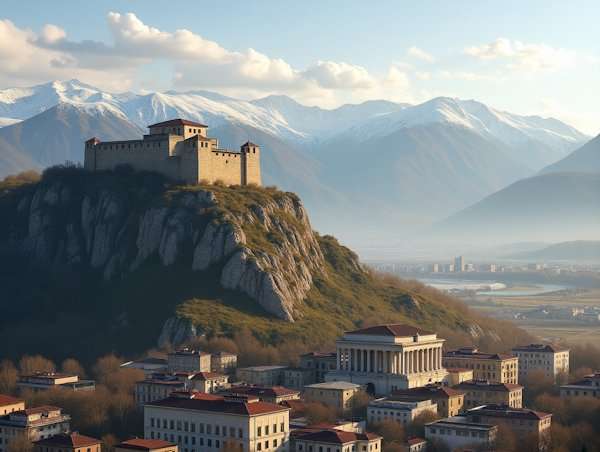
85 kilometers west of Tbilisi, the city of Gori stands as a testament to two contrasting attractions. The city’s most notorious son, Joseph Stalin and the remarkable ancient cave city of Uplistsikhe make this destination one of central Georgia’s most captivating day trips.
Stalin Museum Tour
The Stalin Museum complex opened its doors in 1957 during the Soviet era. Three main sections comprise the museum: the exhibition building, Stalin’s birthplace house and his personal railway carriage. Visitors can see:
- Stalin’s death mask (one of only six copies)
- Personal belongings and gifts from foreign dignitaries
- Photographs that document his rise and political career
The museum focuses primarily on Stalin’s revolutionary activities and leadership rather than his reign of terror. A guided tour costs 15 GEL per person and lasts about 45 minutes. Stalin’s modest wooden birthplace stands in the courtyard, moved to the museum grounds from its original location.
Learning About Uplistsikhe Cave Complex
Uplistsikhe lies just 14 kilometers from Gori. This ancient rock-hewn town dates back to the first millennium BCE. Streets, irrigation systems, temples, dwellings and a secret tunnel to the Mtkvari River make this archeological site remarkable. Uplistsikhe started as a thriving pagan religious center and later added Christian architecture. The site declined after Mongol invasions. Adult visitors pay 15 GEL while children’s entry costs 5 GEL.
Local Cuisine Specialties
Gori’s restaurants serve authentic Georgian food at reasonable prices. The local specialties include khachapuri (cheese-filled bread), lobio (kidney bean stew with cornbread) and mtsvadi (grilled meat skewers). Shin da Gori offers traditional Georgian cuisine with live music, while Chinebuli sits conveniently near the Stalin Museum.
Getting There by Public Transport
Marshrutkas (minibusses) run hourly from Tbilisi’s Didube station. These cost-effective options charge 5 GEL one-way and take about 90 minutes. Trains provide another option, running twice daily for 3-4 GEL with a 2.5-hour journey time. Local busses connect Gori to Uplistsikhe for 2 GEL. Taxis charge 30-40 GEL for a return trip and wait while you explore.
Rkoni Valley: Autumn Colors and Monasteries (2 Hours from Tbilisi)
The Rkoni Valley sits between Tbilisi and Gori in the Kaspi District. This hidden gem lies about 50 kilometers from Georgia’s capital and offers visitors a magical escape with its medieval architecture and stunning autumn views. The ancient monastery complex and historic Queen Tamar Bridge engage travelers who venture here.
Hiking to Rkoni Monastery
The experience to Rkoni starts at the Tedzami River bridge in Rkoni Village. An information board shows details about hiking routes in the area that lead to the monastery complex, Queen Tamar’s Bridge and Kldekari Fortress. The trail follows the Tedzami River Valley and rewards hikers with beautiful views of Rkoni Forest. The monastery’s construction spanned a millennium. It began with the Mother of God Church in the 7th century and ended with the bell tower in the 17th-18th centuries. The complex features a chapel, refectory, tower and the unique John the Baptist Church.
Queen Tamar Bridge Photography
The spectacular Queen Tamar Bridge stands beyond the monastery. This 12th-13th century stone arch structure bears the name of the famous Georgian monarch who ruled from 1184 to 1213. The bridge was once part of a vital commercial and military road that connected Shida Kartli to Georgia’s southern provinces and the Middle East. Photographers can capture the best views of the bridge from across the river near Rkoni Monastery, just a few steps upriver. The bridge’s elegant high arching stone design without supports matches European flying buttresses in beauty.
Best Season for Visiting
The scene becomes magical in fall, making September through October the perfect time to visit. Falling leaves hide the monastery path, while the mountains show off their red and gold colors. Late spring (May-June) also provides mild weather and lovely natural views.
Transportation Options
Visitors have several ways to reach Rkoni from Tbilisi. A direct drive takes about 1.5-2 hours. Another option combines a train ride from Tbilisi to Kaspi (18 GEL) with a taxi to Rkoni Monastery (10-18 EUR). Budget travelers might prefer taking a marshrutka (minibus) to Gori for 2 GEL and then arranging local transport to Rkoni.
Bolnisi and Dmanisi: Archeological Wonders (2 Hours from Tbilisi)
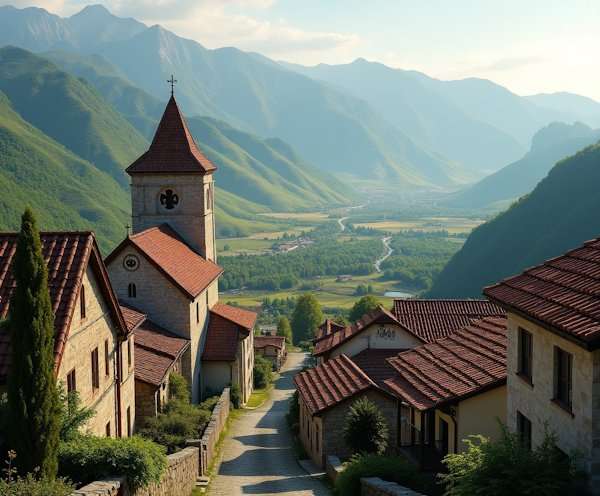
Two hidden gems await history lovers beyond the tourist paths in Kvemo Kartli region. Dmanisi amazes visitors with its groundbreaking archeological finds, while Bolnisi reveals its unexpected German roots.
Dmanisi Archeological Site Tour
The Dmanisi Archeological Site lies 104 kilometers from Tbilisi. Scientists found that there was one of humanity’s most important discoveries here—hominid remains dating back 1.7-1.8 million years. These fossils, named Homo Georgicus, stand as the oldest human remains found outside Africa. They represent what many call the “first Europeans”. The site caught worldwide attention in the 1990s after archeologists found fossils that altered the map of human migration patterns. Today, visitors can walk through the 4.5-hectare archeological grounds with ancient dwellings, defensive walls, and a medieval fortress.
German Colonial Architecture
Bolnisi, known earlier as Katharinenfeld, tells Georgia’s fascinating German story. Swabian settlers built this town in 1818, leaving their unique architectural mark. The buildings that still stand today were built between 1854-1900. They showcase tall facades and deep cellars that go six meters underground, blending southern German and Caucasian styles beautifully. Thirteen of these historic German houses earned Cultural Heritage Monument status in 2016. Each building typically had its summer kitchen, stable, and enclosed courtyard.
Wine Tasting in Bolnisi
Bolnisi’s rich wine culture started with its German settlers. The region earned its PDO (Protected Designations of Origins) status in 2018. Local winemakers craft white wines from Rkatsiteli, Goruli-Mtsvane and Chinuri grapes. Their red wines come from Saperavi, Tavkveri and the special Asuretuli Shavi varieties. The “Wine Bolnisi Association” started in 2018 and brings together over 40 family wineries that offer wine tasting.
Transportation Logistics
The journey from Tbilisi to these spots takes about two hours. Renting a car gives travelers the most freedom. Regular busses run from Tbilisi as a budget-friendly choice. Several tour companies arrange private day trips to both locations. These usually cost around USD 250 and include a guide with transport.
Tsalka and Paravani Lake: Georgian Arctic (2.5 Hours from Tbilisi)
Georgia’s “Arctic,” the Tsalka area and the stunning Paravani Lake, is a chance to experience an amazing cold-weather adventure just 2.5 hours from Tbilisi. This part of the Samtskhe-Javakheti region boasts Georgia’s largest lake and some of the country’s harshest winter conditions. The temperature can drop to minus 40 Celsius during January and February.
Birdwatching Hotspots
The Javakheti Plateau includes several lakes that matter – Paravani, Sagamo and Madatapa. These waters play a vital role for both migratory and resident birds. Birdwatching towers with helpful information boards let you observe the wildlife perfectly. Bird lovers will find their paradise here with 140 species that nest or migrate through the area. The sort of thing I love about this place is that it’s Georgia’s only spot where you might catch sight of flamingos among other endangered species that use these lakes to migrate and mate.
Visiting Doukhobor Villages
Gorelovka stands as one of the last remaining homes of Doukhobors—ethnic Russians who belong to a rare Christian Orthodox sect. The Caucasus became their home after their expulsion in the mid-nineteenth century. These peaceful people turned away from traditional Orthodox practices. They believed each person’s soul was a temple. The community has shrunk from thousands to just 135 Doukhobors who now live in Gorelovka and nearby Orlovka. Their beautiful blue-and-white houses with decorated window frames make great subjects for photos.
Photography Opportunities
Paravani Lake creates magical landscapes. The crystal-clear waters mirror the sky beautifully at sunrise and sunset. Wildlife photographers will find great shots of various birds, especially during spring and autumn migrations. The untouched environment around the lake lets photographers capture nature in its purest form.
Seasonal Considerations
Birds are most diverse during spring and autumn migrations. All the same, summer months (July-August) bring pleasant weather with temperatures reaching 20 degrees Celsius. Winter transforms Paravani Lake into solid ice that’s 57-73 cm thick. The roads between Tsalka and Ninotsminda become hard to navigate in winter. Snow blankets the region for about 100 days each year, which creates both challenges and amazing photo opportunities.
Kazbegi and the Georgian Military Highway: Mountain Majesty (3 Hours from Tbilisi)
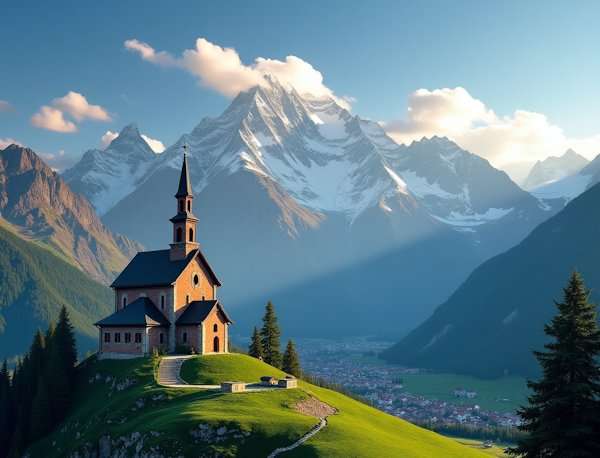
The majestic peaks of the Greater Caucasus draw visitors along the historic Georgian Military Highway. Kazbegi stands out as one of the most popular day trips from Tbilisi. The three-hour trip winds through stunning mountain landscapes that connect Georgia with Russia to the north.
Gergeti Trinity Church Visit
The 14th-century Gergeti Trinity Church sits majestically at 2,170 meters above sea level. It rewards visitors with spectacular views of the Tergi valley and Mount Kazbek (5,047m). You can take a 30-40 minute uphill hike of moderate difficulty or grab local taxis for about 15 GEL per person. A round-trip by vehicle costs 60 GEL. The church’s interior showcases beautiful 16th-century art, including unique icons called “Saavdro” (for bad weather) and “Sadaro” (for good weather). Note that visitors must cover their knees and shoulders, and women need to cover their hair with scarves available at the entrance.
Scenic Stops Along the Military Highway
The 220-kilometer Georgian Military Highway, built in the 19th century, features several stunning spots:
- Ananuri fortress complex with views over the turquoise Zhinvali Reservoir
- Russia-Georgia Friendship Monument, built in 1983 to mark 200 years of Georgian-Russian relations, showcases striking mosaics and mountain views
- Gudauri, Georgia’s largest ski resort, boasts 57 kilometers of prepared tracks
Rooms Hotel Experience
Rooms Hotel Kazbegi, a transformed Soviet sanatorium, now offers luxury stays with natural materials like worn brick, reclaimed wood and cognac-colored leather. The hotel’s floor-to-ceiling windows frame Mount Kazbek perfectly. Its restaurant serves local seasonal produce paired with Georgian wines. The wellness facilities include a swimming pool and sauna open from 8:00-00:00. A wooden deck terrace runs the entire length of the hotel, offering mountain views whatever the weather.
Transportation Options and Costs
Travelers can reach Kazbegi from Tbilisi through several options:
- Marshrutkas (minibusses) leave hourly from Didube Station at 5 EUR, with a 3.5-hour travel time
- Shared taxis from Didube cost 40 GEL per person
- Private taxis run 30-40 EUR for the full trip
- Hosted day tours range from 23-90 USD based on what’s included
The government might close roads to Kazbegi during winter months (November to February) to ensure safety.
Borjomi and Bakuriani: Mineral Springs and Forests (3 Hours from Tbilisi)
Borjomi and Bakuriani, tucked away in the Lesser Caucasus Mountains, are perfect destinations throughout the year. These towns sit just three hours from Tbilisi and blend therapeutic mineral waters with outdoor adventure opportunities.
Mineral Water Tasting
Borjomi’s springs produce naturally carbonated mineral water that comes from 1,500 meters underground through natural carbon dioxide pressure. This 1,500-year-old volcanic spring water contains more than 60 different mineral compounds. The water helps treat digestive issues, diabetes, and circulatory problems. Tourists can taste this mineral-rich water right at Ekaterina’s Spring in Borjomi Central Park. They can also hike upstream to soak in warm thermal baths at 27°C. Local hotels provide specialized spa treatments with this unique water. The Borjomi Palace Hotel even features their “special recipe” Borjomi mud baths.
Borjomi National Park Hiking
The 104,099-hectare Borjomi-Kharagauli National Park, a 28-year-old preserve, covers more than 1.5% of Georgia. Visitors can explore 12 marked hiking trails complete with picnic areas and shelters. The popular 13-kilometer Footprint Trail takes 6-8 hours. Hikers need to get a free safety permit from the National Park Administration Office. The park also welcomes visitors to ride horses, cycle, and join educational tours.
Winter Activities in Bakuriani
Bakuriani, which started as an Olympic training facility, now boasts 23 ski pistes covering 29.1 kilometers. The resort splits into three main zones:
- Didveli area spreads across 16 kilometers and offers night skiing from 17:00-21:30
- Kokhta features 3.1 kilometers of intermediate and advanced runs
- Mitarbi provides 10 kilometers of expert-level tracks
Visitors can ride snowmobiles, skate at Crystal Park or take traditional horse-drawn sleigh rides. The resort hosts various events, including the upcoming 2025 Ice Festival with ice sculptures and live music.
Transportation Guide
Travelers can reach Borjomi from Tbilisi through several options:
- Marshrutka minivans leave Didube Bus Terminal every hour (7am-7pm) at 12-15 GEL
- Trains depart twice daily (6:35am/6:35pm) at 2 GEL with a 4-hour journey
- GoTrip offers private transfers starting at 200 GEL
A rental car gives you freedom to visit nearby attractions like ancient Mtskheta and Stalin’s hometown of Gori.
Chiatura and Katskhi Pillar: Soviet Cable Cars (3 Hours from Tbilisi)
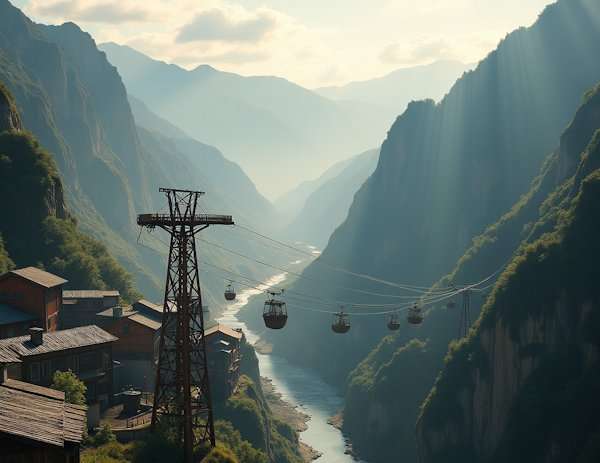
The industrial town of Chiatura sits three hours from Tbilisi. Visitors can experience one of Georgia’s most unusual attractions here – an extensive network of Soviet-era aerial tramways that locals once called “flying coffins.”
Riding the Historic Cable Cars
Stalin’s government installed these cable cars in 1954. They served as essential transportation for manganese miners who needed to navigate the town’s steep terrain. The transportation system has changed dramatically over the last several years. Four new French-built ropeways with modern gondolas have replaced some of the original lines as of September 2021. These new cable cars – Sanatorium, Mukhadze, Lezhubani, and Naguti – run daily from 8am-10pm. Each ride costs just 50 tetri.
The vintage cable cars continue to receive preservation attention. The historic Sashevardno Cable Car, which has operated since 1966, reopened after restoration in late 2024. The Chiatura-Perevisa line will follow in 2025. History buffs can still view several abandoned stations with their suspended wagons.
Katskhi Pillar Monastery Visit
A remarkable natural limestone monolith rises more than 40 meters into the sky in nearby Katskhi village. This stunning formation houses what could be the world’s most remote church. Secular visitors can no longer climb to the top. The first level remains open and features a prayer area and a 6th-century cross carved into the limestone.
Photography Opportunities
Chiatura presents photographers with stunning subjects. Dramatic cable cars hang over the Kvirila River alongside cliffside Soviet-era apartment blocks. The Chiatura Memorial, officially named the Memorial to the Great Patriotic War, creates striking images with its lone soldier figure against apartment building backgrounds.
Getting There Independently
A rental car gives you the most flexibility for this 3-hour trip from Tbilisi. Municipal bus #2 connects Chiatura with Katskhi village regularly. Busses leave from the Central Cable Car Station at 8am, 10:30am, 1pm, 3:30pm and 6pm. Several Tbilisi-based tour operators run day trips to both destinations if you don’t have your own transportation.
Vardzia and Rabati Fortress: Cave Cities and Castles (4 Hours from Tbilisi)
The dramatic cave city of Vardzia and the restored Rabati fortress sit about 235 kilometers southwest of Tbilisi. These remarkable sites make for an amazing historical day trip through Georgia’s Samtskhe-Javakheti region.
Learning About Vardzia Cave Complex
The Vardzia complex stands carved into the mountainside above the Mtkvari River. This engineering marvel from the 12th-13th century showcases the brilliance of its builders. Built during King George III and his daughter Queen Tamar’s reign, the complex stretches across 13 tiers and reaches 100 meters in height with more than 600 rooms. What started as a defensive fortress grew into a monastic center. The site features an intricate network of streets, tunnels and stairs that connect monasteries, temples and living quarters. The Church of the Dormition stands out with its unique frescoes showing Queen Tamar and other notable figures.
Rabati Fortress Tour
Most visitors stop at Rabati fortress in Akhaltsikhe on their way to Vardzia. The name comes from Arabic, meaning “fortified place”. This medieval complex sits on a small hill overlooking the Potskhovi River. The fortress dates back to the 9th century and saw major expansion in the 12th-13th centuries as the Jakeli lords’ residence. The restored complex now shows off its rich cultural heritage with an Orthodox Cathedral, mosque, Medresi and the Samtskhe-Javakheti History Museum.
Meskheti Regional Cuisine
The Samtskhe-Javakheti region’s food stands out from other Georgian cuisines. Local dishes include Tenili cheese (hand-pulled preserved cheese), Apokhti (dried meat of lamb, beef, goose and duck) and snails (Lokokina). The region’s French Catholic heritage influenced many of these dishes. You’ll find authentic Meskhetian dishes with wheat-flour based foods in restaurants and guesthouses throughout the area.
Transportation Options
The trip from Tbilisi to Vardzia takes about four hours each way. You can choose from these options:
- Guided tours start at 38 USD per person and usually include Borjomi, Rabati and Vardzia
- Direct morning marshrutkas leave at 10:10am and 11am for 22 GEL
- GoTrip offers private transfers with flexible stops along the way
Most visitors pick guided day tours that last 12-14 hours, which makes sense given the distance and sites to cover.
Northern Armenia: Cross-Border Adventure (2.5 Hours from Tbilisi)
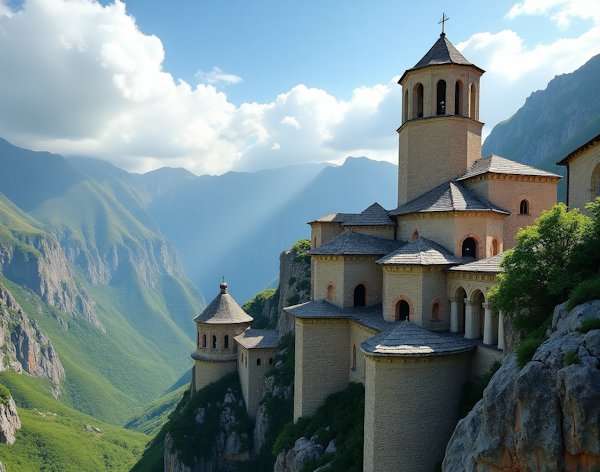
Northern Armenia beckons travelers just across Georgia’s southern border. This fascinating destination sits only 2.5 hours away from Tbilisi and rewards visitors with remarkable religious heritage and genuine cultural encounters.
Haghpat and Sanahin Monasteries
The UNESCO-listed Haghpat and Sanahin monasteries showcase outstanding Armenian ecclesiastical architecture from the 10th century. Monks built Haghpat halfway up a hill that overlooks the Debed River, creating their perfect sanctuary. Sanahin’s name adds a touch of humor, meaning “this one is older than that one” – a playful jab at its neighbor Haghpat. The monastery boasts impressive khatchkars (Armenian cross-stones), ornate facades and ancient manuscripts. These architectural marvels blend Armenian and Byzantine styles and stand just 16 kilometers apart, making it easy to visit both sites in one day.
Border Crossing Procedures
Travelers use the Bagratashen-Sadakhlo checkpoint, a 1.5-hour drive from Tbilisi. The crossing works simply – you’ll leave your vehicle at the Georgian checkpoint, walk across and board again after Armenian immigration. The whole ordeal usually takes 15-20 minutes. Remember to bring:
- Valid passport
- Georgian lari to exchange for Armenian dram (AMD)
- Extra patience if you’ve visited Azerbaijan before
Armenian Cuisine Experience
Local families welcome visitors into their homes instead of restaurants. They serve traditional dishes like barbecued pork and chicken, fresh salads and homemade bread. These home-cooked meals offer a window into Armenian hospitality and farming traditions, turning simple meals into memorable cultural moments.
Tour Options and Costs
Private tours begin at 75 USD per person, with prices that change based on group size. Most tours cover transportation, guide services and entrance fees. Independent travelers might prefer taxis, which cost about 12,000 AMD (25 USD) between sites. A driver hired for the day in Vanadzor gives you the freedom to spend 45-60 minutes at each monastery.
Gudauri: Georgia’s Premier Ski Resort (2.5 Hours from Tbilisi)
Gudauri, located 120 kilometers north of Tbilisi, offers a unique high-altitude escape that goes well beyond typical tourist spots. This largest ski resort in Georgia sits 2,200 meters above sea level and provides amazing adventures throughout the year as seasons change.
Winter Sports Activities
Gudauri stands out as Georgia’s top ski destination with 57 kilometers of prepared tracks that span three distinct areas: New Gudauri, Lower Gudauri and Upper Gudauri. Skiers of all skill levels can find their perfect slope, and professional instructors are ready to help at $45-50 per session. The resort’s thrilling activities include:
- Freeriding with professional guides (starting at $120)
- Snowmobiling adventures ($25)
- Tandem paragliding with certified instructors ($130)
The Didveli zone comes alive from 17:00-21:30 with night skiing that lets visitors enjoy the slopes after dark. Adventure seekers can explore the resort’s untamed backcountry terrain through heli-skiing opportunities.
Panoramic Cable Car Ride
The Kobi-Gudauri cable car system delivers both practical transport and breathtaking views. Modern 10-person enclosed gondolas travel through four consecutive sections in an inverted V-shape over Jvari Pass at 2,900 meters. Passengers can enjoy spectacular views of Mount Kazbegi (5,054m) during their journey. The cableway serves a vital purpose by helping skiers in winter and providing essential public transportation at the time mountain roads close due to heavy snowfall.
Summer Hiking Options
Summer transforms Gudauri into a paradise for hikers of all experience levels. Beginners will love the Chrdili Mountain path’s two routes – one leads to the peak while another loops around the mountain with valley views. The path from Kvesheti Village to Zemo Mleta offers a more challenging experience with river views and possible sightings of wild horses. Nature enthusiasts might spot falcons and eagles flying above the colorful wildflowers.
Transportation Guide
The journey from Tbilisi to Gudauri takes 2-2.5 hours based on your chosen transport. Here are your options:
- Private transfers through GoTrip start from 175 GEL
- Marshrutka minivans from Didube Bus Station cost 10 GEL
- Winter group transfers are available at 80 GEL per person
GoTrip provides the most convenient option with door-to-door service, vetted drivers and proper winter tires.
Javakheti Plateau: Volcanic Lakes and Diverse Communities (3 Hours from Tbilisi)
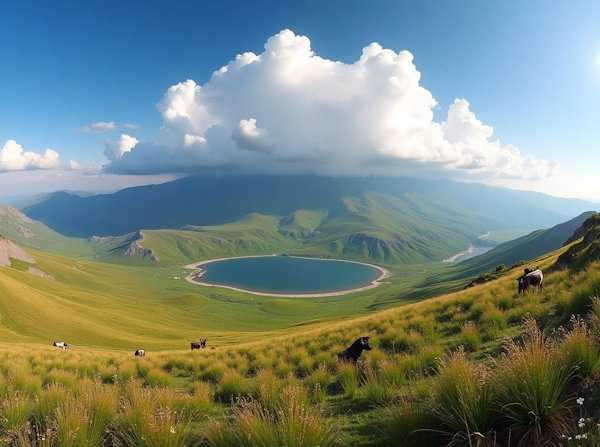
The volcanic highlands of southwestern Georgia feature the Javakheti Plateau, a magical landscape filled with sapphire lakes and some of the country’s most diverse communities. People call this place “The Georgian Arctic” because of its harsh weather. You can reach this captivating highland region on a day trip about three hours from Tbilisi.
Lake Hopping Guide
Georgia’s most stunning volcanic lakes are in the Javakheti region. Paravani Lake is the country’s largest with a surface area of 37.5 square kilometers at 2,073 meters above sea level. You can visit several amazing lakes in just one day:
- Madatapa Lake: A bird-watcher’s dream with observation towers where you can spot pelicans, ducks and cormorants
- Khanchali Lake: Part of Javakheti National Park’s 16,000 hectares of protected land
- Bughdasheni Lake: Perfect spots for camping and watching wildlife
Scientists have found ancient Bronze Age structures under Paravani’s waters, which points to a prehistoric settlement that now lies submerged.
Ethnic Diversity Experience
The Javakheti region shows off a cultural mix you won’t find anywhere else in Georgia. The area’s population has 50.52% Armenians, 48.28% Georgians and smaller communities including Russians (0.44%). Gorelovka village preserves the heritage of Doukhobors, a Christian sect that fled Tsarist Russia in the 1840s. Their houses stand out with white-washed walls and bright blue-and-green window frames decorated with flower patterns on the shutters. The community keeps its traditions alive by meeting on Saturdays at their central house and singing hymns from memory on Sundays.
Photography Hotspots
The stark, treeless landscapes of Javakheti Plateau make it a photographer’s paradise. Didi Abuli mountain creates stunning backdrops with its rust-colored cone shape reaching 3,300 meters. Traditional stone houses with turf roofs blend naturally into Tambovka village’s hillsides – you might miss them until you’re right there. The “Blue House” in Gorelovka, an old Doukhobor orphanage, has become popular on Instagram thanks to its colorful exterior.
Seasonal Considerations
Winters turn Javakheti into a true Georgian Arctic. January and February temperatures can drop to minus 40°C. Snow covers the ground for about 100 days each year and Paravani Lake freezes solid between 57-73cm thick. Summers bring mild weather that rarely goes above 20°C. Bird enthusiasts should visit during spring and fall migrations to see some of the 260+ bird species that call this region home.
Transportation Options
The trip to Javakheti takes about 3-3.5 hours from Tbilisi. Minibusses (marshrutkas) are cheap but might take longer because of road conditions. Renting a car in Tbilisi gives you more freedom to explore. Remote areas need a 4×4 vehicle, especially on the plateau’s cobblestone roads. Tour companies offer day trips that include multiple lakes and cultural stops for USD 150-250.
Comparison Table
| Destination | Distance from Tbilisi | Main Attractions | Best Season to Visit | Transportation Options | Approximate Cost |
|---|---|---|---|---|---|
| Asureti & Birtvisi | 2 hours | German colonial architecture, canyon hiking | – | – | – |
| Bolnisi & Dmanisi | 2 hours | Archeological sites, German architecture, wineries | – | Busses, rental cars | USD 250 (guided tour) |
| Borjomi & Bakuriani | 3 hours | Mineral springs, ski resort, national park | Year-round | Marshrutka (12-15 GEL), Train (2 GEL), Private transfer (200 GEL) | 2-200 GEL |
| Chiatura & Katskhi | 3 hours | Soviet cable cars, limestone pillar monastery | – | Municipal bus, rental car | 50 tetri (cable car ride) |
| David Gareji | 1.5 hours | Cave monasteries, Rainbow Hills | Late Aug-Oct, April | Gareji Line (30 GEL), Hosted tours (75€) | 30-75€ |
| Gori & Uplistsikhe | 2 hours | Stalin Museum, cave city | – | Marshrutka (5 GEL), Train (3-4 GEL) | 5-15 GEL |
| Gudauri | 2.5 hours | Ski resort, cable cars, hiking trails | Winter for skiing, Summer for hiking | Private transfers (175 GEL), Marshrutka (10 GEL) | 10-175 GEL |
| Javakheti Plateau | 3 hours | Volcanic lakes, bird watching, ethnic villages | Spring/Fall for birds | Minibusses, rental cars | USD 150-250 (tours) |
| Kakheti | 2 hours | Wineries, Sighnaghi town | – | Shared taxis (15-20 GEL), Marshrutka (10 GEL) | 10-170 GEL |
| Kazbegi | 3 hours | Gergeti Trinity Church, mountain views | – | Marshrutka (5 EUR), Private taxi (30-40 EUR) | 5-90 USD |
| Mtskheta | 30 minutes | Svetitskhoveli Cathedral, Jvari Monastery | – | Marshrutka (2 GEL), Taxi (20-25 GEL) | 2-25 GEL |
| Northern Armenia | 2.5 hours | Haghpat & Sanahin monasteries | – | Private tours, taxis | 75 USD (tours) |
| Rkoni Valley | 2 hours | Monastery complex, Queen Tamar Bridge | Sept-Oct, May-June | Train + taxi, driving | – |
| Rustavi | 45 minutes | Soviet architecture, metallurgy museum | – | Marshrutka, city busses | 20-30 GEL (meals) |
| Sabaduri Forest | 1 hour | Snow forest, bear sanctuary | Jan-March for snow | – | – |
| Tsalka & Paravani | 2.5 hours | Lakes, birdwatching | Spring/Fall for birds | – | – |
| Vardzia & Rabati | 4 hours | Cave city, medieval fortress | Not mentioned | Marshrutka (22 GEL), Guided tours (38 USD) | 22-38 USD |
Conclusion
Tbilisi makes an exceptional home base to discover Georgia’s attractions, and seventeen amazing destinations sit just a short trip away. Each spot brings something special – you’ll find ancient monasteries, Soviet-era sites, crystal-clear lakes and stunning mountain views.
Quick trips to Mtskheta (30 minutes away) and Rustavi (45 minutes away) work perfectly for half-day adventures. Adventure seekers might head over to Vardzia or Northern Armenia for longer stays. Getting around won’t break the bank – marshrutkas cost between 2-22 GEL, while comfortable private rides run about 200 GEL.
The weather shapes your trip’s possibilities. Gudauri and Bakuriani turn into winter wonderlands during cold months. Bird watchers flock to Javakheti’s volcanic lakes in spring and fall. Summer opens countless hiking trails in Kazbegi and Borjomi National Park.
Georgia’s incredible variety shines through these day trips. You’ll discover ancient cave monasteries next to German colonial buildings. Soviet industrial sites stand near traditional wine-making villages. Nature matches this cultural richness – Paravani Lake’s beauty rivals Mount Kazbek’s majestic peaks.
Smart travelers pick their destinations based on their interests, time and the season. Many spots sit close enough to visit together, which lets you see more of Georgia’s treasures beyond Tbilisi’s city limits.
FAQs
Q1. What are some popular day trips from Tbilisi?
Some popular day trips from Tbilisi include visiting Mtskheta and Jvari Monastery, exploring the Kakheti wine region, hiking in Kazbegi, touring the cave city of Vardzia, and relaxing in Borjomi’s mineral springs.
Q2. How long should I stay in Tbilisi?
Two full days is generally considered enough time to explore the main attractions of Tbilisi, allowing you to experience both the old and new parts of the city. However, if you want to include day trips, consider extending your stay.
Q3. When is the best time to visit Tbilisi?
The best time to visit Tbilisi is during spring (March to May) or fall (September to November) when the weather is pleasant and there are fewer crowds. These seasons offer comfortable temperatures for sightseeing and outdoor activities.
Q4. What is Tbilisi’s most famous attraction?
Narikala Fortress is considered Tbilisi’s most-visited tourist attraction. Originally named Shuris-Tsikhe (“enviable fortress”), it offers panoramic views of the city and represents a significant part of Tbilisi’s history.
Q5. Which day trip should I choose if I only have one free day in Tbilisi?
If you only have one day for a trip from Tbilisi, consider visiting either Kakheti for its renowned wineries and picturesque landscapes, or Kazbegi for its stunning mountain scenery and the iconic Gergeti Trinity Church. Both offer unique experiences of Georgian culture and nature.


Leave A Comment