
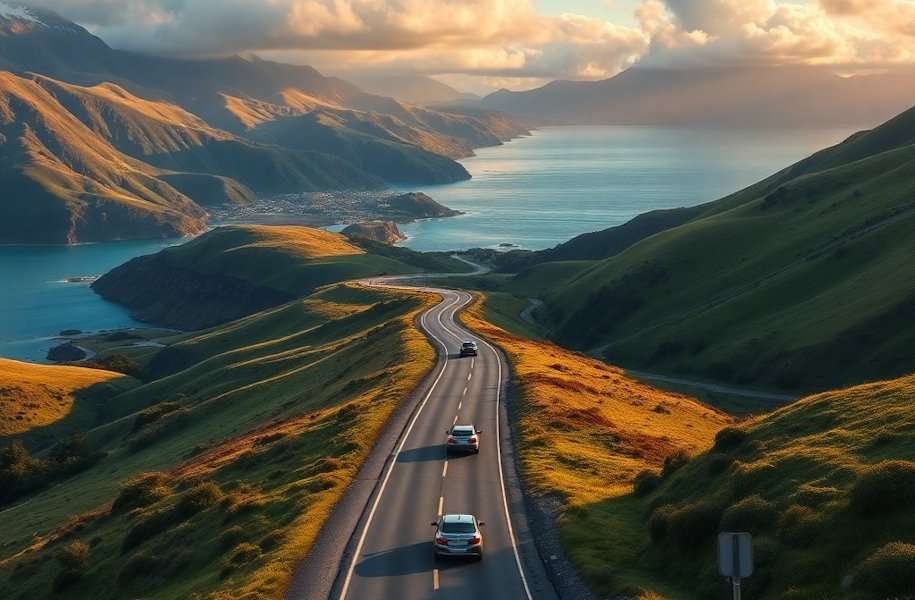
Road trips in New Zealand give travelers some of the world’s most spectacular scenic drives. The star-filled skies above Lake Wanaka shine brighter than Bolivia’s wilderness. The breathtaking views make Aotearoa one of earth’s most beautiful places. This island nation seems made for discovery by car.
First-time visitors need to think about several factors to plan their perfect New Zealand journey. Two weeks might not be enough to see everything, but travelers can still enjoy an amazing trip with good planning. The best time to visit both islands is during summer (December-February). The weather stays perfect for exploration then. A detailed New Zealand road trip map and planner will help you make the most of your adventure.
You should know some key requirements before you begin this journey. Travelers from the US, UK, Canada and other countries need a New Zealand Electronic Travel Authority (NZeTA). A campervan gives you unique freedom since you won’t need to book rooms every night. You can choose from different vehicles based on your priorities.
Choosing the Right Vehicle for Your Road Trip
Picking the right vehicle is a vital part of your New Zealand adventure. Your choice between a car and campervan will shape your road trip and affect everything from your budget to how you’ll experience this beautiful country.
Car vs Campervan: Pros and Cons
Car Rental Advantages:
- Lower upfront costs and better fuel economy
- Better handling on New Zealand’s winding roads and tight parking spots
- You’ll blend in better instead of standing out as a tourist
- Cheaper ferry tickets for island crossings
- Easier to drive, especially on unpaved roads or in winter weather
Car Rental Disadvantages:
- You won’t have much room for bags and gear
- Hotel costs add up fast
- You’ll need to stick to your booking schedule
- Finding bathrooms and showers can be a hassle
Campervan Advantages:
- Your transport and accommodation come in one package
- Plans can change easily without worrying about hotel bookings
- You get the comforts of home with beds, kitchen and often bathrooms
- Great for group trips (vehicles fit 2-6 people)
- Stop wherever catches your eye for spontaneous adventures
Campervan Disadvantages:
- Rental and fuel costs are much higher
- Driving on narrow, winding roads takes more skill
- Most rental campervans are 2WD, so stick to paved roads
- Ferry tickets cost more between islands
- City parking can be tricky
Where to Rent and What to Expect
Self-drive tours are among the most popular ways to see New Zealand. You’ll find rental options everywhere, from big companies to local operators, with pickup spots at major cities and regional airports across both islands.
Here’s what you need to know about renting:
- You must be at least 21 years old to rent and drivers under 25 usually pay extra fees
- Your home country’s license or International Driving Permit works for up to 12 months
- Non-English licenses need an official translation
- Take photos and document any damage before you leave
- Fill up the tank before returning – that’s the standard policy
Book early, especially if you plan to visit between December and February when tourism peaks. Looking for deals? Car relocation offers can save you money since companies often need vehicles moved between locations.
Tips For Driving in New Zealand
New Zealand roads have their quirks, so here’s what you should know:
- Drive on the left side – This takes extra focus if you’re used to driving on the right
- Roads aren’t always straight – Most are narrow, winding, and have just one lane each way
- Weather changes fast – Mountain areas need extra attention to forecasts
- Roundabouts are everywhere – These circular intersections replace regular crossroads
- One-lane bridges – Watch for signs showing who gives way
- Speed limits – Highways max out at 100 km/h, towns at 50 km/h, with strict enforcement
- Take breaks – Leave extra time for your trips and stop often
- Spotty phone service – Rural areas might not have coverage
- Alcohol limits – None for under 20s; over 20s can’t exceed 50 milligrams per 100 milliliters of blood
- Watch your fuel gage – Gas stations are scarce in remote areas
The right vehicle choice can turn a good New Zealand road trip into an amazing one. Think about your needs, priorities, and how you like to travel before making your decision.
Most scenic road trips in the world .
When to Go: Best Time for a New Zealand Road Trip
The right timing can make your New Zealand road trip amazing. Since New Zealand sits in the Southern Hemisphere, its seasons run opposite to the North, which creates some interesting possibilities and challenges.
Seasonal Weather Patterns
New Zealand’s weather changes a lot across its small size. Each season brings something different:
Summer (December to February) brings sunny days that stretch long into the evening, with temperatures usually between 20-25°C (68-77°F). The North Island gets nice and warm, especially in places like Bay of Plenty. The South Island has perfect weather for outdoor activities. You can keep exploring until about 9:30 pm thanks to the extended daylight.
Autumn (March to May) turns New Zealand into a photographer’s dream. The landscape bursts with golden colors. The mild temperatures range from 17-21°C (62-70°F). This makes autumn great for hiking without summer’s heat. May gets cooler, but you’ll still get warm days and cool nights.
Winter (June to August) blankets the South Island and North Island’s Central Plateau with snow. The temperature really varies – you might see -10°C (14°F) in mountain areas but 15°C (59°F) up north. The crisp, clear winter days are perfect for mountain photos and soaking in hot springs.
Spring (September to November) shows off New Zealand at its freshest. Flowers bloom, baby lambs appear and waterfalls roar to life. The mercury climbs to 16-19°C (60-66°F), though the weather can turn quickly. November feels most like summer.
Crowds and Pricing by Season
Your travel dates will affect both your wallet and your experience:
Summer draws the biggest crowds. Prices peak from December through February, especially around the holidays. Late January to early March gives you warm weather without holiday crowds.
Autumn hits the sweet spot between good weather and good deals. Prices drop as summer tourists leave. April stands out as a great month to explore.
Winter gives you the best deals, except in ski areas. Prices are lowest from May through October. Ski towns like Queenstown stay pricey during snow season. You’ll find fewer tourists competing for rooms if you don’t mind the cold.
Spring keeps moderate prices with fewer tourists around. October and November stay pretty quiet before summer tourists arrive.
Events and Festivals to Consider
Local events can make your road trip even better:
Summer comes alive with festivals. Summerdaze fills January with everything from rodeos to outdoor movies. Late December and January bring music festivals and Wellington’s Pasifika Festival (January 17) celebrates Pacific culture.
Autumn features the Marlborough Food and Wine Festival (February 14) and Waitangi Day (February 6), New Zealand’s National Holiday. The Hamilton Gardens Arts Festival runs for 11 days in March with lots of performing arts.
Winter brings Queenstown’s Winter Festival in June. It started as a ski season celebration but now includes many entertainment options. The Matariki Festival in June celebrates Māori New Year with events all over the country.
Spring shows off garden festivals like Taranaki in late October. The Great Walk hiking trails open up too – perfect timing for your New Zealand adventure.
Pick your travel dates based on what matters most to you. Whether you want summer sun, autumn colors, winter adventures or spring’s fresh start, New Zealand has something special in store.
Starting in the North Island: Auckland to Rotorua
Your New Zealand adventure starts in Auckland, the country’s largest city and a perfect base to begin your North Island road trip. The city blends vibrant urban life with magical movie sets and unique geothermal landscapes that showcase New Zealand’s character.
Learning Auckland and Waiheke Island
Auckland makes an ideal starting point with its mix of city attractions and natural wonders. The Auckland Skytower stands as New Zealand’s tallest building and gives you amazing views of the city. Thrill-seekers can even try bungy jumping here for about USD 40.00 NZD.
Mount Eden offers a free way to see the city. This quiet volcano in Auckland’s central suburbs has an easy 30-minute climb that rewards you with beautiful views.
Waiheke Island sits just 45 minutes away by ferry from downtown. Sea Link ferries take cars, which makes it perfect for road trippers who want to see everything. The island’s famous vineyards, white sand beaches and blue waters draw visitors year-round. You can walk along cliff-top paths and through patches of native forest.
Hobbiton and the Magic of Matamata
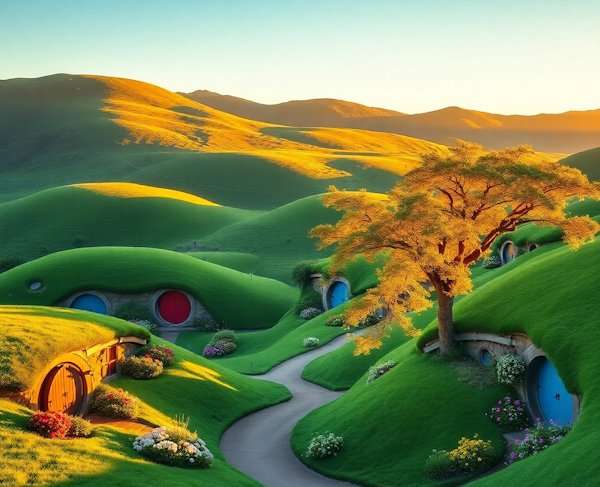
The road south leads to the Hobbiton Movie Set near Matamata. This 12-acre slice of Middle-earth from The Lord of the Rings and The Hobbit movies lets you step into fantasy.
Guided tours take you past colorful Hobbit Hole doors on rolling hills, including the famous Bag End. Since 2024, visitors can walk inside a Hobbit hole home and check out Bagshot Row. Your tour ends at the Green Dragon Inn with a free drink from the Hobbit Southfarthing collection.
Adult tickets cost USD 120.00 NZD while youth tickets (9-16 years) are USD 60.00 NZD. You can upgrade to special experiences like the Second Breakfast Tour or Evening Banquet Tour. Remember, you’ll need a guided tour since solo exploration isn’t allowed.
Geothermal Wonders in Rotorua
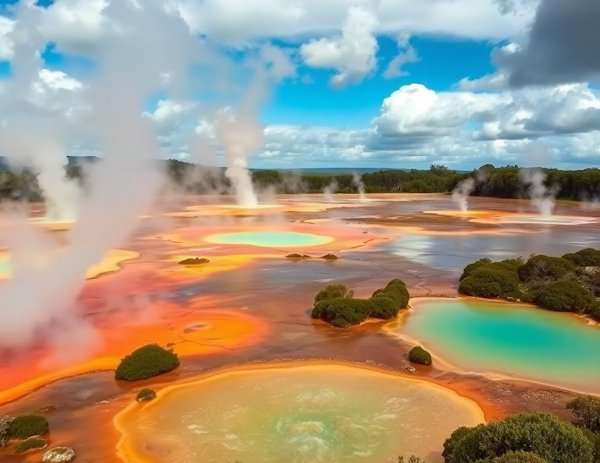
Rotorua caps this part of your New Zealand road trip with its unique character. Steam rises from the earth here, while geysers shoot skyward and mud pools bubble in this strange landscape.
The city lies in the Pacific Rim of Fire and has one of the world’s most active geothermal areas. Te Puia’s famous Pohutu Geyser erupts up to 20 times each day, reaching 30m (100 feet). It once amazed visitors by erupting non-stop for over 250 days!
Rotorua’s rich Māori culture adds depth to its natural wonders. Te Puia showcases both geothermal sites and cultural heritage through its New Zealand Māori Arts and Crafts Institute and Kiwi Conservation Center.
The Polynesian Spa helps you unwind with its popular geothermal pools. Kuirau Park gives you a free taste of geothermal activity with its bubbling mud, steaming lakes and foot pools.
Most travelers spend 3-5 days in Rotorua to really take in its unique attractions. The city’s blend of natural wonders and cultural experiences makes it worth the extra time.
Tips for first time travelers to New Zealand.
From Rotorua to Wellington: Culture and Nature
New Zealand’s landscape changes as you head south from Rotorua. Volcanic wonders blend into the cultural sophistication of the capital city. This stretch of road gives travelers extraordinary natural phenomena and rich cultural experiences that are the foundations of any memorable New Zealand road trip.
Lake Taupo and Huka Falls
Taupo’s centerpiece attraction welcomes visitors with a massive lake formed following a volcanic eruption in 180 CE. This giant crater lake has plenty of options to relax or seek adventure, from water sports to scenic boat rides that show off the remarkable Maori Rock Carvings. A Maori master carver created these detailed carvings in the 1970s. You can see them decorating the cliffs around Lake Taupo, but they’re only available by boat.
Huka Falls sits just north of Taupo. Nature’s raw power is on display as the Waikato River—New Zealand’s longest—narrows through a volcanic rock ravine. The pressure creates a spectacular sight as 220,000 liters of water cascade over the falls every second. That’s enough water to fill an Olympic-sized swimming pool in under 11 seconds. The water’s tremendous force creates a foamy appearance, which gave the falls their Maori name “Huka” (meaning foam).
You’ll find several viewing platforms, including a bridge right over the falls, perfect for photography. Jet boat tours get you to the base of the falls, close enough to feel the spray on your face.
Tongariro National Park and Desert Road
The route to Wellington passes through Tongariro National Park—New Zealand’s oldest national park and a UNESCO World Heritage Site. Te Heu Heu Tukino IV, a Tuwharetoa chief, gifted this protected area to the nation to preserve sacred lands. It became the world’s fourth national park.
Weather in the park changes quickly, with temperatures ranging from 25°C in summer to -10°C in winter. Three active volcanoes stand at its heart, including Mount Ngauruhoe—which movie fans might recognize as “Mount Doom” from The Lord of the Rings trilogy.
The Tongariro Alpine Crossing, maybe New Zealand’s most famous day hike, covers 19.4 km and usually takes 7-8 hours to complete. Hikers who take on this challenging trek see craters, emerald lakes and volcanic landscapes that look more like Mars than Earth.
The Desert Road along the park’s eastern edge lets you enjoy spectacular views from your car. This route follows the Rangipo Desert—a barren, desert-like landscape with tussock and snow grasses that stands in stark contrast to the volcanic peaks.
Wellington’s Museums and Cable Car
Wellington’s iconic Cable Car is a great way to start exploring New Zealand’s capital city. This bright red funicular railway has run for over 120 years and become a favorite tourist spot. The five-minute ride goes through three tunnels and crosses three bridges, climbing 120m above sea level to show off amazing views of the city and harbor.
You’ll find the Cable Car Museum in the original winding house, spread across three floors. It explains how Wellington’s most iconic transport system developed. The museum features two restored original cable cars—including the “Relentless Red Rattler” that ran from the 1950s to the 1970s—and the winding machinery used from 1902 to 1978.
This experience from Rotorua to Wellington shows off the perfect mix of New Zealand’s natural wonders and rich cultural heritage—everything in any ultimate New Zealand road trip itinerary.
Crossing to the South Island: Picton to West Coast
A trip between New Zealand’s islands is a vital highlight for any detailed road trip plan. Travelers leave the North Island and begin a magnificent marine crossing to discover new landscapes and adventures.
Taking the Interislander Ferry
The Interislander ferry service has linked New Zealand’s North and South Islands for over 60 years. This iconic sea crossing covers 96 kilometers (52 nautical miles) and usually takes about 3.5 hours.
The trip gives passengers a spectacular two-part experience. The ferry first guides travelers through Te Moana o Raukawakawa/Cook Strait, which many consider one of the world’s most unpredictable waters. The journey continues through the stunning fjord-like channels of the Marlborough Sounds. Beautiful hills rise on both sides with just a few holiday homes scattered along the shores.
Vehicle passengers should check in at least an hour before departure. Walk-on passengers need to arrive 45 minutes early. The Wellington terminal’s location is just five minutes from downtown, which makes it easy to switch from city exploration to ocean adventure.
Nelson and Abel Tasman National Park
The road to Abel Tasman National Park from Picton has many great stops. Queen Charlotte Drive between Picton and Havelock shows off beautiful views of the Marlborough Sounds. Cullen Point Lookout gives travelers an excellent view of the area.
Havelock, known as New Zealand’s “Greenshell Mussel Capital,” is perfect for seafood lovers. The next stop is Māpua, a charming wharfside town where you can sample craft beers and browse artisan shops.
Abel Tasman National Park is a coastal paradise with calm turquoise waters, rich native forest and soft golden-sand beaches. The park’s famous Abel Tasman Coastal Track stretches 60 km (37 miles) through granite headlands and subtropical rainforest mixed with empty beaches. Unlike other South Island Great Walks, visitors can use this track in winter without special gear.
Short on time? Water taxis run by Wilsons Abel Tasman and Abel Tasman Aqua Taxi can drop you off at specific track sections. Sea kayaking through the park’s protected coves is another popular choice. Many operators offer guided tours that combine coastal walks with water taxi returns.
Punakaiki Pancake Rocks and Greymouth
The drive southwest to the West Coast takes about 4 hours and 45 minutes from Abel Tasman. The coastal road from Westport to Punakaiki ranks among New Zealand’s most beautiful routes. Drivers see amazing ocean views and cliffs dotted with nikau palm trees.
Punakaiki’s famous Pancake Rocks are the area’s main attraction. These unique limestone formations started forming 30 million years ago from lime-rich pieces of dead sea creatures on the seabed. The distinct pancake-like layers came from alternating hard limestone and soft sandstone deposits. Rain and wind carved these layers after earthquakes pushed them above sea level.
A well-kept 1.1 km loop walkway lets everyone explore these formations. The path works for all fitness levels and wheelchairs with help. High tide brings spectacular shows, especially during south-westerly swells. Compressed water and air burst through underground caverns, creating huge spray walls.
After seeing this natural wonder, travelers head south to Greymouth, the West Coast’s biggest town. It’s the perfect spot to start the next part of your South Island adventure.
Glaciers and Lakes: Franz Josef to Wanaka
A New Zealand trip through glacier country offers unique experiences you won’t find anywhere else. The West Coast stretch shows nature at its finest with ice rivers flowing near sea level, lakes that mirror snow-capped peaks and alpine routes that guide you to peaceful lakeside spots.
Franz Josef and Fox Glacier Hikes
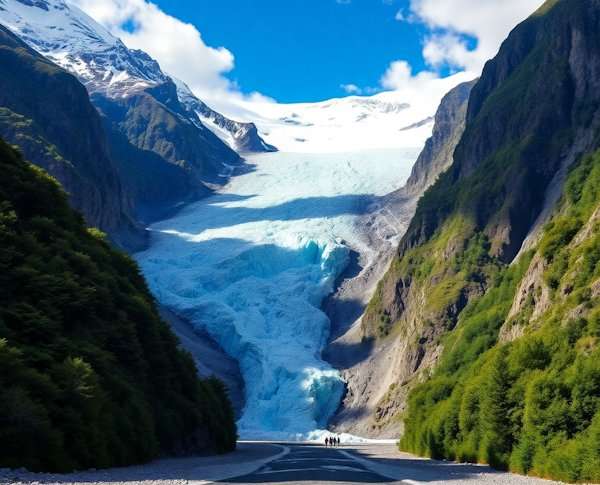
Franz Josef and Fox Glaciers rank among New Zealand’s most available ice formations, which flow down almost to sea level. Several walking tracks give amazing glacier views without breaking the bank. The Fox Glacier Te Moeka o Tūawe Valley Walk (2.6km return) takes you to spots 500m from the glacier’s end. More adventurous folks might like the Alex Knob Track—an 8-hour, 17.2km trip with sweeping glacier views.
Helicopter experiences turn a glacier visit into an adventure you’ll never forget. These aerial tours usually land on the snow-covered glacier. A quick stop next to Mt. Cook and Mt. Tasman’s twin summits gives you an amazing viewpoint.
Lake Matheson and Haast Pass
Lake Matheson sits just outside Fox Glacier township and ranks as one of New Zealand’s best spots for photos. This mirror-like lake reflects Mount Cook and Mount Tasman perfectly. Many call it one of the country’s finest views. The easy 2.6km loop track takes about 1.5 hours. Early morning and sunset give the best chances for perfect reflection shots.
The Haast Pass route links the West Coast to Wanaka through Mount Aspiring National Park. This alpine road curves through thick rainforests past glacier-fed blue pools and rushing rivers. Three beautiful waterfalls line the highway—Roaring Billy Falls (30 meters), Thunder Creek Falls (28 meters) and Fantail Falls. Short walks from the road lead to each one.
Relaxing in Wanaka
Wanaka’s stunning lakeside setting offers the perfect rest stop after your glacier country adventures. This alpine town opens the door to Mount Aspiring National Park. It sits on Lake Wanaka’s shore—New Zealand’s fourth largest lake at 192 square kilometers.
The famous Roy’s Peak Track gives you one of New Zealand’s most photographed views. This 16km hike takes 5-6 hours and rewards you with amazing panoramic views of Lake Wanaka surrounded by mountain ranges.
Yes, it is Wanaka’s peaceful beauty that makes it the perfect place to pause on your ultimate New Zealand trip. You’ll want time to soak in all the extraordinary landscapes you’ve seen on this remarkable trip from glaciers to lakes.
Search for penguins in New Zealand.
Adventure and Scenery: Queenstown and Milford Sound
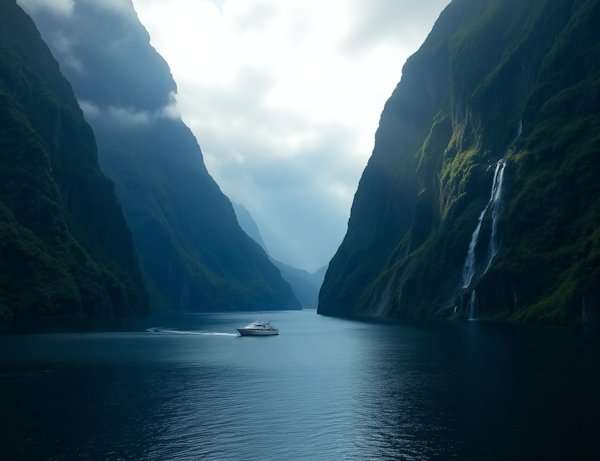
Queenstown deserves its reputation as the world’s adventure capital. The city gives visitors heart-stopping experiences with mountains and lakes as a stunning backdrop. Your New Zealand road trip will combine adrenaline-packed activities with some breathtaking scenery.
Jet Boating and Bungee Jumping
The commercial bungy jumping legacy started in Queenstown back in 1988 and the tradition of adventure breakthroughs continues today. Thrill-seekers can choose from three different bungy experiences. The historic Kawarau Bridge (43m) allows tandem jumps, while the massive Nevis Bungy (134m) lets you experience an amazing 8.5 seconds of free fall.
Jet boating brings thrills that anyone can enjoy. Boats race close to shorelines and perform exciting 360-degree spins. You’ll find several operators with unique offerings:
- K-Jet runs one-hour tours from downtown Queenstown
- Shotover Jet takes you through the narrow Shotover Canyon
- Dart River Adventures gives you a chance to explore the untouched Dart River near Glenorchy
Cruising Milford Sound
Milford Sound lies 288km away, about 4 hours and 15 minutes from Queenstown. Visitors see sheer cliffs, dark waters, and towering alpine peaks. Most people stay overnight in Te Anau instead of making the round trip in one day.
A typical Milford Sound cruise takes 1 hour and 45 minutes. You’ll pass the famous Miter Peak and get close to powerful waterfalls. Stirling Falls drops dramatically from 150 meters. Lucky guests might spot New Zealand fur seals sunbathing on rocks or dolphins playing near the boat.
Day tours that combine transportation with cruises let you relax and enjoy the scenic Milford Road without driving.
Glenorchy and Lake Wakatipu
The charming town of Glenorchy sits 45 minutes from Queenstown at Lake Wakatipu’s northern end, surrounded by snowy mountains. The scenic drive features Bennetts Bluff Lookout, a perfect spot to capture the lake’s mountain-framed beauty.
Movie fans will spot Glenorchy’s landscapes from The Lord of the Rings and The Hobbit. The area served as filming locations for Isengard, Lothlorien and Amon Hen. Guided tours, jet boat trips and horse rides help you explore these famous spots.
Paradise, a settlement past Glenorchy, offers something special. Native beech forests here became the magical realm of Lothlorien. A 13-kilometer gravel road leads to endless green landscapes and mountain views.
Final Stretch: Mount Cook to Christchurch
The route from Mount Cook to Christchurch showcases New Zealand’s most fascinating alpine scenery. This final stretch completes your South Island trip with stunning geological wonders and cultural landmarks.
Hooker Valley Track and Lake Pukaki
The Hooker Valley Track ranks among New Zealand’s most rewarding hikes that anyone can do. This 10km round trip has minimal elevation change (124m). Ngāi Tahu iwi considers this sacred Tōpuni area special. The mostly flat track begins at White Horse Hill carpark and crosses three swing bridges. Most hikers complete the track in 3-4 hours.
Lake Pukaki’s drive rewards travelers with breathtaking views. Glacial rock particles give this lake its brilliant turquoise color. Aoraki/Mount Cook’s reflection creates a perfect mirror image on clear days.
Lake Tekapo and the Church of the Good Shepherd
Lake Tekapo’s distinctive turquoise waters leave visitors spellbound. The lake sits within Aoraki Mackenzie International Dark Sky Reserve and offers amazing stargazing opportunities.
The Church of the Good Shepherd stands as a local icon since 1935. This small stone church’s large clear glass window frames stunning lake views instead of traditional stained glass. The church maintains its peaceful atmosphere by prohibiting indoor photography. Visitors should park on the village side of the footbridge and walk about 400m to respect local guidelines.
Learning Christchurch
Christchurch blends Gothic architecture with modern buildings, a result of post-2011 earthquake rebuilding. The city’s Botanic Gardens covers 21 hectares and features plants from around the world. This peaceful oasis marks a perfect end to your New Zealand road trip.
Enjoy New Zealand Road Trip
New Zealand road trips rank among the world’s best travel experiences. The country stretches from Auckland’s bustling city life to the misty beauty of Milford Sound. This island nation packs amazing diversity into easy-to-drive distances. Both islands showcase ever-changing views – from geothermal wonders and glacier-carved valleys to mirror lakes. The rugged coastlines look almost otherworldly in their beauty.
Good planning will improve your experience, but staying flexible matters just as much. The weather changes quickly, you’ll find hidden spots around corners, and the best moments often happen when you ditch your schedule. Your choice of vehicle shapes your experience – campervans give you freedom to roam while rental cars save money and handle the winding roads better.
The time of year affects your trip in big ways. Summer brings long, warm days that work great for hiking and beach trips, but prices go up and crowds get bigger. Winter changes everything, especially in the South Island where snow-topped mountains create perfect photo scenes. Spring and autumn offer their own magic with fewer tourists and beautiful natural displays.
This piece covers spots like Hobbiton’s charming world, Rotorua’s steaming landscapes, Abel Tasman’s golden beaches, Franz Josef’s ancient ice and Queenstown’s thrilling adventures. These barely hint at what you’ll find. Each region has its own character and treasures waiting for you to explore.
Two weeks won’t be enough to see all of New Zealand’s wonders. But you can still have an amazing trip and hit many key spots while getting to know what makes this country special. The best road trips leave you wanting more – another valley to check out, another mountain to climb, another sunset to watch.
New Zealand gives its best to travelers who stay curious and adventurous. The memories you’ll make on these roads – dealing with one-lane bridges, spotting wildlife or pulling over to take in yet another stunning view – will without doubt stay with you forever.
FAQs
Q1. How long should I plan for a comprehensive New Zealand road trip?
For a thorough exploration of both North and South Islands, plan for at least 14-21 days. This timeframe allows you to experience major highlights while still maintaining a comfortable pace.
Q2. What’s the best starting point for a New Zealand road trip?
Auckland is an ideal starting point. As New Zealand’s largest city, it offers a blend of urban attractions and natural beauty, allowing you to ease into your journey while overcoming jet lag and preparing for your adventure.
Q3. Why is New Zealand considered an excellent destination for road trips?
New Zealand is tailor-made for road trips with its diverse landscapes, well-maintained roads, and relatively light traffic. The country’s compact size allows you to experience dramatic changes in scenery within short driving distances.
Q4. What are some must-visit destinations on a New Zealand road trip?
Key destinations include Rotorua for its geothermal wonders, Abel Tasman National Park for coastal beauty, Franz Josef for glacier experiences, Queenstown for adventure activities and Milford Sound for breathtaking fjord landscapes.
Q5. When is the best time to embark on a New Zealand road trip?
The best time depends on your preferences. Summer (December-February) offers warm weather and long days, ideal for outdoor activities. Spring (September-November) and autumn (March-May) provide mild temperatures and fewer crowds. Winter (June-August) is perfect for snow activities and scenic snowy landscapes.


Leave A Comment