
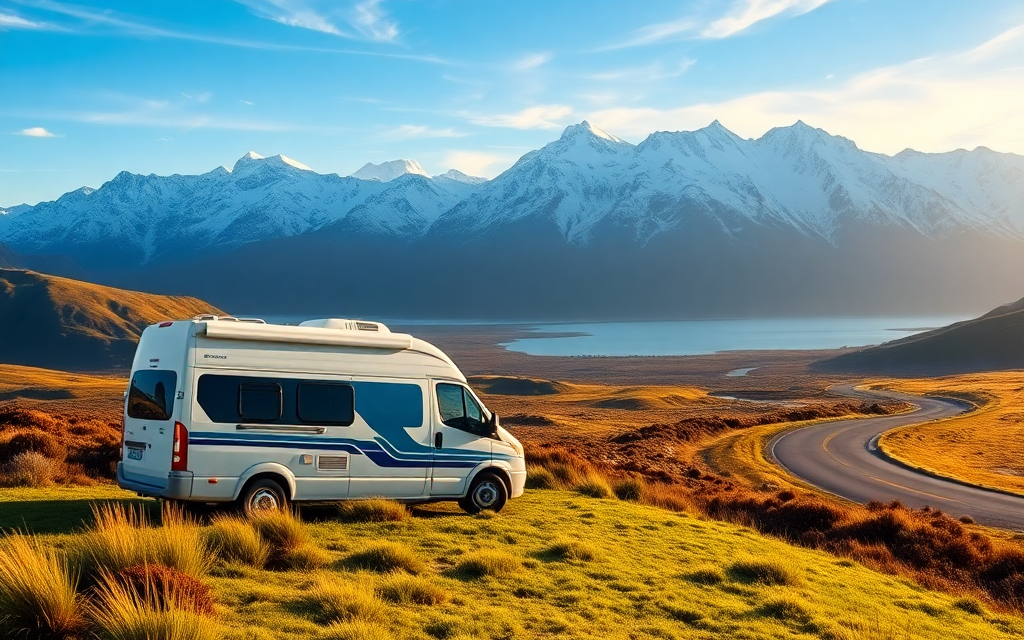
Campervan travel is one of the most invigorating ways to explore New Zealand. It offers the freedom to shape each day as it unfolds and reach landscapes well beyond the usual tourist routes. This style of travel suits couples, friends, and families alike, combining comfort with flexibility. It also offers solo travellers the same independence.
However, travelling alone brings practical considerations. Personal safety, daily decision-making, and opportunities for social connection become more important when you are on the road by yourself. With a thoughtful approach, a solo Auckland campervan rental experience can be secure and richly social.
1) Choose the Right Places to Stay
Where you park for the night shapes much of your campervan experience. For solo travellers, Department of Conservation (DOC) campsites and holiday parks tend to offer the best balance of safety and social atmosphere. These locations are usually well-maintained and clearly signposted, which reduces uncertainty at the end of the day.
Freedom camping can still be rewarding, but it pays to be selective. Look for designated areas with good reviews and clear local council rules. It’s also best to arrive before dark so you can assess the surroundings and check for nearby vehicles. You’ll also have more time to decide whether the spot feels comfortable. If it does not, moving to a different location is always the right choice.
Once you have found a safe place to stay, a few simple precautions go a long way. Lock the doors and close the curtains before settling in for the night. When leaving the vehicle, keep valuables out of sight. Develop these habits consistently and they soon become second nature, allowing you to relax and feel more at ease wherever you park.
2) Stay Safe on the Road
Drivers must remain fully attentive on New Zealand roads, especially when travelling alone. Many roads are narrow and winding, and unfamiliar routes combined with shifting weather conditions can easily catch visitors off guard. To manage this, plan shorter driving days, which reduces fatigue and allows you to pause safely whenever something along the way draws your attention.
Additionally, avoid driving late at night when visibility drops and wildlife becomes more active. It also adds peace of mind to your family back home if you share a rough itinerary with them. Even a simple message every few days helps someone keep track of where you are.
3) Create Social Opportunities at Campsites
Campsites are one of the easiest places to meet people without effort. Shared kitchens and picnic tables naturally bring travellers together. A brief greeting while cooking dinner often turns into a longer conversation about routes or favourite spots.
You don’t even have to be the first person at the campsite to socialise. In fact, arriving in the late afternoon works in your favour. This is when people are winding down for the day and are more open to chatting.
4) Meet People Through Activities and Tours
Group activities offer a relaxed way to connect with others while doing something memorable. Guided walks and kayaking trips often attract solo travellers who enjoy easy conversation without long-term commitments. Experiences such as glowworm tours or winery visits also create the same relaxed setting.
If you need some ideas, check out cities such as Auckland, Wellington, Christchurch, and Queenstown. They offer walking tours that suit short stays. These experiences create natural conversation and allow you to share a few hours with people on similar timelines before heading off in different directions.
5) Use Travel Apps and Communities Safely
Traveller-focused apps and online communities are widely used across New Zealand. Platforms like CamperMate highlight campsites and occasional meet-ups, while social media groups connect campervan and backpacker travellers passing through the same regions. That said, make sure to leverage these tools when solo travelling.
When meeting people through apps or online communities, start with public and casual interactions. Arrange to meet during the day in busy, familiar areas such as popular cafes, parks, or campsite common spaces. Additionally, keep initial conversations light and focused on shared interests like local attractions or travel tips, and avoid sharing personal details or your full itinerary too soon.
6) Balance Independence with Awareness
Solo travel benefits from being open to new experiences and meeting people along the way, but safety relies on careful judgement. You can join conversations, share meals, or take part in group activities without giving up control of your plans or compromising your comfort. Trust develops over time, so it is perfectly acceptable to spend an evening socialising and then continue your journey the next morning.
It’s also essential to listen to your instincts. If a person or place feels uncomfortable, act on that feeling. Leaving early or choosing a different site does not require explanation, and it often prevents small concerns from becoming larger issues later on.
7) Travel Slow to Make Solo Journeys Easier
When you rush from place to place, it can increase stress and reduce opportunities for connection. If your schedule allows it, stay two or three nights in one area to help you recognise familiar faces and settle into the rhythm of a location. It also gives you time to explore without feeling pressured by the road ahead.
Slower travel improves safety, too. Less driving means less fatigue and helps you make clearer decisions. It also leaves you with more energy to engage in social interactions whenever opportunities arise.
Travel Solo Around New Zealand Confidently
Solo campervan travel in New Zealand does not need to feel lonely or risky. As long as you choose well-used camps, drive mindfully, and place yourself in social environments, you can create a strong foundation for safety and connection. With awareness guiding your decisions, the journey becomes more relaxed and far more rewarding.


Leave A Comment