

Picture this – a perfect sunset bathes ancient ruins in golden light, street life buzzes through bustling markets, and wildlife appears in unexpected encounters. These magical moments deserve more than just good photos – they need extraordinary visual stories that only the right camera can capture.
My years of experience testing cameras in different travel scenarios have taught me valuable lessons. The testing covered everything from compact point-and-shoots to professional mirrorless systems. This detailed guide will help you pick the perfect camera that matches your travel photography needs in 2025. Beginners starting their photography journey and experienced photographers looking to upgrade will find valuable insights here. The guide covers budget-friendly options and premium gear, with special attention to features that truly matter during your travels.
Understanding Different Types of Travel Photography
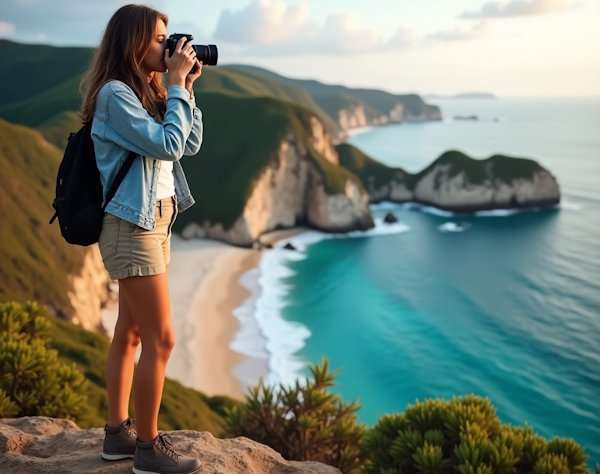
Picking the best camera for travel photography starts with knowing different photography styles. This knowledge is vital to success. My experience shows that travel photography isn’t a one-size-fits-all attempt – each style needs specific features.
Street and Cultural Photography Requirements
Street and cultural photography needs discretion and quick shooting capabilities. The perfect camera should be lightweight and portable. It needs easy-to-adjust settings and effective autofocus to capture those fleeting moments. Experience taught me that a fast lens works best, especially to document cultural events or indoor locations with tricky lighting.
Key features I look for:
- Fast autofocus capabilities
- Compact, unobtrusive design
- Good low-light performance
- Silent shooting modes
Landscape and Nature Photography Needs
Image quality stands above everything else in landscape photography. Speed becomes less important than it does in street photography. Weather sealing proves significant because we shoot in tough conditions often. The camera’s dynamic range must excel to capture high-contrast scenes, especially during golden and blue hours.
Higher megapixel counts benefit nature photography, though most modern cameras take excellent shots whatever their sensor size. Built-in stabilization makes a real difference to me, especially with handheld shots in natural settings.
Adventure and Action Photography Considerations
Adventure photography brings its own set of challenges that need specific camera features. Experience shows durability matters most in extreme conditions. Action shots need fast shutter speeds – typically 1/500 of a second or faster to freeze motion effectively.
My gear handles temperatures from -45°C to 45°C reliably. Weather resistance proves essential, along with a strong autofocus system that tracks fast subjects. Cameras with high continuous shooting rates give us the best chance to capture those perfect moments in action photography.
Matching Camera Types to Your Travel Style
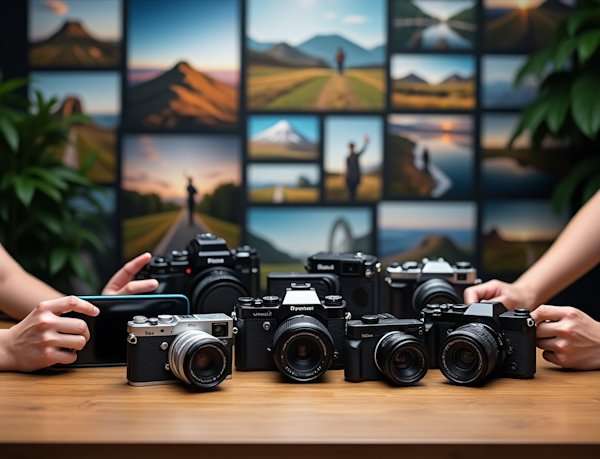
The best travel camera isn’t always about top-notch specifications – it’s about finding gear that fits your travel style. I’ve gained this insight from years of trying different camera setups in destinations of all types.
Smartphones vs Compact Cameras vs Mirrorless
My experience with different options shows that each camera type shines in its own way. Today’s smartphones have become amazing tools, with new models showing off impressive low-light performance and computational photography. But I’ve found that dedicated cameras still give you better results for serious photography.
If you want better image quality without lugging around heavy gear, compact cameras hit the sweet spot. To name just one example, the Ricoh GR III delivers excellent images in a size that fits your pocket. The Sony a7CR and other mirrorless cameras give you the best mix – professional-quality images from relatively compact bodies.
Weight and Portability Trade-offs
The weight of your gear affects how much you’ll use your camera. These factors matter most:
- Camera body size and weight
- Lens combinations for different scenarios
- Additional accessories needed
- How easy it is to carry on long walks
My tests show that full-frame sensors take better pictures but need bigger, heavier lenses. Many travelers do great with APS-C or Four Thirds sensors. These let you use lighter, more compact lenses while still taking great shots.
Weather Resistance and Durability Factors
Weather resistance can make or break your travel photography experience. The latest weather-sealed cameras handle everything from light rain to dusty conditions well. Some cameras are built tough enough to go underwater up to 15-30 meters and survive 2-meter drops.
The OM System OM-5 gives you great weather protection in a small package. For rough adventures, tough cameras like the Olympus TG series can take drops, crushing forces and freezing temperatures without breaking a sweat.
Discover more must-have gifts for travelers.
Essential Features for Travel Cameras in 2025

My extensive testing of travel cameras reveals several must-have features in 2025. These capabilities can transform your travel photography experience.
Image Stabilization Capabilities
Image stabilization technology has revolutionized travel photography. Recent advances show up to 5-stops advantage with the latest IS modules. The OM System OM-5, to name just one example, leads the market in image stabilization. This camera excels at handheld video and low-light shooting. You can leave your tripod at home, which makes traveling light much easier.
Low-light Performance Requirements
Recent cameras have made huge strides in low-light capabilities. New models come with impressive ISO ranges that reach 102,400. This feature proves invaluable in dimly lit temples or during blue hour cityscapes. The Sony a7S III redefines the limits of sensitivity with an expandable ISO range up to 409,600. The best image quality comes from staying within moderate ranges.
Connectivity and Sharing Options
Travel cameras now include features that are a great way to get more from your photography. The features I recommend include:
- Built-in Wi-Fi capabilities
- Touch screen interfaces
- Time-lapse recording options
- Face detection technology
The Fujifilm X100VI takes things further with subject-detection autofocus. This system recognizes animals, birds and vehicles. Capturing diverse travel scenes becomes easier and you won’t miss those vital moments.
These connectivity features do more than enable instant sharing – they boost your workflow efficiency. Quick image transfers to your phone or tablet let you edit and share while traveling. Your social media stays current without sacrificing image quality.
How to photograph the pyramids of Egypt.
Budget-Conscious Camera Selection
The perfect travel camera doesn’t have to empty your savings account. My tests of many cameras at different price points revealed excellent choices that deliver impressive results without breaking the bank.
Entry-level vs Mid-range Options
The value of entry-level cameras surprised me when I started my photography experience. The Kodak Pixpro FZ55, priced at around $100, serves as a perfect starting point for new travel photographers. The Sony A7 III competes well with newer models and offers features like in-body stabilization and auto-tracking at a better price point for photographers willing to spend more.
Most photographers, including myself, struggle to choose between body and lens investments. My golden rule states: it’s better to invest in a less expensive camera body and higher-quality lenses than the other way around.
Cost-effective Lens Combinations
My experience shows that a two-lens solution works best:
- A versatile wide-angle zoom for landscapes and architecture
- A prime lens for low-light situations and street photography
Prime lenses in the $100-500 range can produce better image quality than $2000 zoom lenses while staying lighter and more compact. This rings especially true with 50mm prime lenses, with excellent options available from major brands for just over $100-200.
Value-adding Features Worth Paying For
Features that boost travel photography capabilities deserve attention. These features justify the extra cost based on my testing:
- Weather Sealing: Protects your investment during unexpected weather conditions
- Image Stabilization: Helps with handheld shots in low light
- Reliable Autofocus: Adds value for street and action photography
The Fujifilm X-T50, to cite an instance, comes with an excellent 16-50mm F2.8-4.8 kit lens that provides versatile focal length for travel and performs well in darker environments. This combination gives beginners great value while leaving room for growth.
Note that travel photography captures memories, not expensive gear. Better results come from becoming skilled at using a simpler setup rather than investing in every possible feature.
Crater lake facts and photography.
Real-World Performance Considerations
Ground application performance can make or break your travel photography experience. My extensive testing of cameras in various travel scenarios has helped me identify vital factors that matter most on the road.
Battery Life and Charging Solutions
Camera batteries perform differently, and some models like the Ricoh GR III last only 200 shots per charge. Experience has taught me to work around these limits by carrying extra batteries and using smart charging solutions.
My tested charging strategies for extended trips include:
- USB charging capabilities with power banks
- Car charging adapters for road trips
- Dual-battery chargers for overnight charging
- Solar charging options for remote locations
Storage and Backup Options
The protection of your precious travel memories needs a layered approach that works best. Experience shows that splitting storage into “hot” and “cold” categories helps manage costs well. Hot storage serves frequently accessed files, while cold storage keeps older images at a lower cost.
Multiple SD cards work better than a single high-capacity card. This method provides better redundancy and saves money, as prices jump sharply with card capacity.
These backup solutions have served me well:
- Portable SSDs for immediate backup (kept separate from camera gear)
- Cloud storage for critical shots when internet is available
- Multiple memory cards stored in different locations
- Wireless drives with built-in SD card readers
Ease of Use While Traveling
The sort of thing I love about travel photography is that the best camera isn’t always the most advanced one. The OM System OM-5, to name just one example, offers excellent image stabilization that lets you leave your tripod at home, making it more practical for mobile shooting.
Weather resistance becomes vital during extended trips. The OM-5’s IP53-rated weather-sealed body has saved my shots many times in unexpected weather. Serious travelers should look for cameras that handle temperatures from extreme cold to tropical heat.
Menu interface customization and shooting modes matter a lot in ease of use evaluation. Some cameras now offer ‘Easy’ and ‘Pro’ modes that help when switching between casual and more technical shooting situations.
Enjoy Your Travel Photography in 2025
Your specific needs, shooting style, and practical constraints should guide your travel camera choice. My extensive testing and real-life experience shows that the perfect travel camera combines image quality, portability, and durability within your budget. Today’s cameras feature impressive capabilities like advanced stabilization, excellent low-light performance and continuous connection. Note that you’ll get the most value from a camera you can easily carry and use regularly.
Photography success doesn’t depend on expensive gear. The right equipment that aligns with your travel style and photography goals makes all the difference. You might choose a versatile mirrorless system, a compact point-and-shoot, or stick with your smartphone. The key is becoming skilled at using your chosen tool rather than pursuing the newest features.
Battery life, storage solutions, and weather resistance often matter more than pure specifications during travel. Quality lenses deserve investment priority, and your gear can evolve gradually as your skills grow. The pure joy of capturing and sharing travel experiences should always take precedence over equipment decisions.
FAQs
What are the top compact cameras for travel photography in 2025?
Some of the best compact cameras for travel photography in 2025 include the Fujifilm X100VI, Sony RX100 Mark VII, Sony ZV-1, Ricoh GR IIIx and Panasonic Lumix LX100 II. These cameras offer a balance of portability, image quality and features suitable for various travel photography needs.
Is a mirrorless camera a good choice for travel photography?
Yes, mirrorless cameras are excellent for travel photography. They offer a great balance of image quality and portability. For example, the Fujifilm X-T50 is a 40MP APS-C mirrorless camera that’s ideal for beginners and comes with a versatile 16-50mm F2.8-4.8 kit lens, making it suitable for various travel scenarios.
What shutter speeds are recommended for travel photography?
For travel photography, a range of shutter speeds from 1/8th to 10 seconds is often used. Slower shutter speeds (1-10 seconds) are great for creating motion blur in landscapes, capturing light trails, or showing water movement. Faster shutter speeds are better for freezing action or shooting in bright conditions.
How important is weather resistance in a travel camera?
Weather resistance is crucial for travel photography, especially for extended trips or adventures in diverse environments. Cameras like the OM System OM-5 offer excellent weather sealing (IP53-rated), allowing you to shoot in various conditions without worrying about damage from light rain or dust.
What should I consider when choosing between a smartphone and a dedicated camera for travel?
When deciding between a smartphone and a dedicated camera for travel, consider factors like image quality, versatility and convenience. While modern smartphones offer impressive capabilities, dedicated cameras generally provide better image quality, more control over settings and superior performance in challenging conditions. However, smartphones are more portable and offer instant sharing capabilities.
How can I manage battery life for my camera during long trips?
To manage battery life during long trips, consider carrying multiple batteries, using USB charging with power banks, packing car charging adapters for road trips and using dual-battery chargers for overnight charging. Some cameras also offer USB charging capabilities, which can be convenient when traveling.
What are some cost-effective lens options for travel photography?
A cost-effective approach for travel photography often involves a two-lens solution: a versatile wide-angle zoom for landscapes and architecture, and a prime lens for low-light situations and street photography. Many prime lenses in the $100-500 range can produce excellent image quality while being lighter and more compact than expensive zoom lenses.
How can I ensure my travel photos are safely backed up?
To safely back up your travel photos, use a multi-layered approach. This can include using multiple SD cards, carrying portable SSDs for immediate backup, utilizing cloud storage for critical shots when internet is available and using wireless drives with built-in SD card readers. It’s also wise to store backups in different locations to minimize the risk of loss.












Leave A Comment