

Learning to travel alone and enjoy it lets travelers do what they want on their own terms. Solo travel might seem daunting at first, but it becomes liberating once you start. Seasoned travelers with 16 years of experience under their belts confirm the lasting benefits of exploring the world on your own.
You can approach solo travel in different ways. Some people prefer complete independence while others join group tours that provide structure. On top of that, it promotes personal growth, independence and problem-solving skills that make you more confident and engaging. New travelers should try smaller activities alone before they start bigger adventures. This builds the confidence needed to fully embrace solo exploration. Solo travelers often connect with locals and find hidden gems. The experience helps them enjoy their own company and find their true selves without social pressure.
Start with a Solid Plan
A successful solo adventure starts with good preparation. Good planning helps solo travelers stay confident and secure, especially first-timers who might feel nervous about traveling alone.
Choose Your Destination Wisely
Your first solo trip’s success depends on picking the right destination. New solo travelers should think about places where they speak the language. Many seasoned travelers suggest starting your solo experience in countries where you won’t face language barriers. Most travelers say they picked countries where they knew some local language or where English was common.
Cities make great starting points because they have reliable public transport and plenty of resources. Urban spots give solo travelers more safety options with help readily available. Places like Belgium, France, Ireland and Thailand rank high on lists for first-time solo travelers because of their friendly locals and reliable tourist setup.
Your travel style and goals matter. Do you want to relax, seek adventure, explore cultures or mix it all? Let your answer guide where you go. Research the local politics, visa rules and required vaccinations before you leave.
Book Accommodations with Good Reviews
Finding the right place to stay is vital to your solo travel plans. Seasoned travelers say you should check recent reviews from other solo travelers before booking. Look for reviews that mention “solo traveler” or “traveling alone” to learn from relevant experiences.
Location should top your list when picking accommodation. Pick places in central spots near attractions and public transport. Stay safe by choosing properties that have 24-hour front desks and secure entry. Many solo travelers use Google Maps Street View to check out the neighborhood around their potential stays.
Budget-smart solo travelers should know single rooms usually cost about 80% of double rooms, making solo stays pricier. Think about options like hostels (they welcome all ages), Airbnb private rooms or hotels with true single rooms that have twin beds.
Check prices on different booking sites since rates for similar rooms often change. Early bookings usually get better rates and will give you the room type you want.
Create a Flexible Daily Itinerary
Plans that mix structure with flexibility work best for solo adventures. Experienced travelers suggest making a daily outline with key details while leaving room for unexpected fun.
Try this approach to plan your days:
- Write down dates with confirmed transport and accommodation details
- Plan one main activity daily plus a few backup options
- Group nearby activities to save time
- Add extra time for delays or surprise finds
- Set aside time to rest and reflect
Finding the sweet spot between too much and too little planning matters. Managing everything alone takes more energy than traveling with others, so rest time becomes significant. Happy solo travelers often talk about enjoying simple pleasures like lingering at cafés, exploring markets or changing plans on a whim.
Digital tools like Google Docs or travel apps help organize plans and share them with family back home. This setup gives you both structure and peace of mind, letting you enjoy your experience instead of constantly working out details.
Build Confidence Before You Go
Confidence is the foundation of a great solo travel experience. Even veteran travelers get nervous before trips, but self-assurance can substantially boost your upcoming adventure.
Practice Doing Things Alone at Home
You should start getting comfortable with solitude before you board any plane or train. Expert solo travelers suggest you adapt to independent activities in places you know well.
Here’s how to add solo activities to your daily life:
- Have a meal at a restaurant by yourself
- Watch a movie or concert alone
- Check out a local museum or tourist spot in your city
- Take a quick trip to a nearby town
These small steps help you feel at ease with your own company. A solo traveler puts it well: “When traveling alone, you must be your own company—and incorporating solo dates and experiences for yourself in your daily life is practice.” These experiences teach you to value your thoughts and observations without needing others around.
Visualize Your Solo Travel Experience
Mental preparation is vital to building your confidence before the trip. Good visualization can reduce your worries and create positive expectations about your adventure.
Picture specific situations you’ll face while traveling. See yourself moving through airports with ease, ordering food at local spots or checking out landmarks. Your visualization should include all five senses—what you’ll see, hear, smell, taste and touch. This detailed mental practice creates familiar patterns in your brain that help when you actually do these things.
Think about the rewards too. Picture how great you’ll feel after using public transport successfully or finding an amazing hidden spot. This positive thinking helps you curb anxiety during your actual travels.
Learn Basic Safety and Navigation Skills
Real knowledge builds travel confidence. Good navigation skills prevent common travel worries.
Look at maps of where you’re going to understand the layout. Find major landmarks that can help you get around. Like in coastal cities, the ocean or lake usually shows you which way is which. Big buildings or natural features can also guide you.
Walk like you mean it – this simple trick changes how others see you. Move with purpose, especially in places where looking like a tourist might not be safe.
Try to develop your direction sense at home by exploring new neighborhoods or nearby towns. Use these outings to practice finding your way without always checking your phone. Phone maps are great backup, but knowing how to orient yourself makes you a confident traveler.
Learn about local customs and culture at your destination. Understanding how to act and dress helps you blend in better, which makes you feel more comfortable and safer.
By practicing independence at home, using visualization and learning practical safety skills, new solo travelers can build enough confidence to enjoy their adventures alone.
Make the Most of Each Day
Solo travelers create memorable experiences through daily exploration. The right mix of planned activities and unexpected finds helps them fully enjoy their destination without feeling overwhelmed.
Plan One Big and a Few Small Activities
Your daily exploration works best with one major activity and several smaller ones. This creates what travel experts call anchor activities — key experiences that shape each day. Research shows solo travelers who participate in organized activities report a 40% higher satisfaction rate with their overall travel experience.
Here’s a proven strategy to plan your daily activities:
- Pick one main experience for the day (museum visit, hiking trail or historic site)
- Add smaller activities that need less energy
- Keep some extra time for surprises or delays
- Save at least one hour to wander freely
This approach lets you control your experience while embracing the spontaneous moments that make solo travel special.
Visit Local Cafes and Markets
Local cafes and markets make perfect spots for solo travelers to observe daily life. These lively places give you authentic views of local culture and comfortable spaces to rest between adventures.
Cafe culture varies dramatically in different places. Cities like Vienna and Rome offer experiences that feel like time travel. Markets show you local products and traditions you won’t find in guidebooks. Both places naturally help you connect with locals, which often leads to great conversations and insider tips.
You’ll get more from these places during quiet hours when locals aren’t busy. Try ordering something local and stay longer than usual. Learning a few simple phrases in the local language can spark friendly chats.
Explore Hidden Gems Off the Tourist Path
Solo travel becomes magical when you venture beyond popular spots. Less crowded areas give you many benefits: relaxed pace, friendlier people, unique local events, and better prices.
Finding these hidden spots takes some effort. Take public transport through neighborhoods where locals live instead of tourist routes. Small walking tours can reach narrow streets that big tour busses miss.
Smart travelers watch where locals go. Busy restaurants away from tourist areas and places where residents gather often lead to real experiences you won’t read about in guides.
The best solo trips mix planned activities with free exploration. This blend gives you both direction and discovery—perfect for travelers learning to enjoy their own company in new places.
Connect with People Along the Way
Making connections with others adds magic to solo trips. Solo travelers often say they meet more interesting people when they travel alone than with companions.
Talk to Locals for Tips and Stories
Meeting local people can turn a regular trip into an amazing cultural experience. Locals share stories that you won’t find in any guidebook. They know the best hidden restaurants and off-the-beaten-path landmarks. Quick chats with shopkeepers or café staff can lead to great tips about authentic experiences.
Simple attempts at the local language can break down barriers. As one travel expert notes, “Locals who hear you trying to communicate in their language will thoroughly appreciate your efforts and instantly warm to you.” You can start with simple greetings and ask for recommendations. Let the conversations flow naturally from there.
Real interest in people’s lives opens doors to connection. People respond best when you show genuine respect and curiosity. You can ask open-ended questions about local traditions, daily routines or neighborhood stories to build meaningful conversations.
Join Walking Tours or Group Classes
Walking tours create perfect settings to meet other travelers who share your interests. These guided walks help you learn about culture and make friends as people naturally connect over shared experiences.
You can try these skill-based activities:
- Cooking classes that teach local food techniques
- Language courses to learn practical communication
- Craft workshops that showcase traditional skills
These activities usually last several hours, giving you plenty of time to connect. Many teachers help break the ice because they know cultural exchange adds value to the experience.
Use Hostels or Social Apps to Meet Travelers
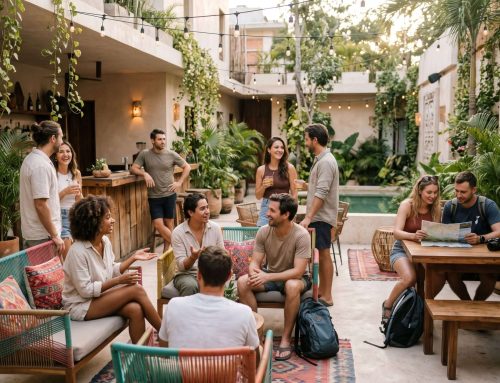
Hostels work great as meeting spots whatever your age. Many experienced solo travelers pick hostels because they’re social spaces, not just because they’re cheaper. Common rooms, shared kitchens and group activities make it easy to start conversations with other guests.
Apps can also help you connect with people. Meetup shows you group activities that locals host, while Couchsurfing offers places to stay and chances to meet people. EatWith brings travelers together for meals, so you don’t have to eat alone.
Group tours can really help if you’re new to solo travel. One solo traveler found more than just scenery: “On a group tour to Antarctica, I unexpectedly met my boyfriend!” These organized trips keep you safe while you make friends through shared adventures.
You might travel alone, but the friends you make along the way become your most precious souvenirs. Solo trips rarely mean spending time all by yourself.
Take Care of Yourself and Have Fun
Self-care is everything in a successful solo trip, yet many travelers overlook it. Taking care of yourself while discovering new places creates the perfect balance to enjoy adventures on your own.
Enjoy Solo Meals and Try Local Food
Many solo travelers find dining alone challenging at first, but it soon becomes one of their favorite parts of independent trips. Bar seating at restaurants makes solo dining easier because you can chat naturally with bartenders or other guests. You’ll find more relaxed dining and better service during quiet hours.
Local food gives you a unique way to learn about cultures that you can’t get anywhere else. Here’s how to get authentic experiences:
- Shop at morning markets for fresh ingredients and watch local life unfold
- Pick cafés where locals hang out instead of tourist spots
- Join food tours or cooking classes to discover culinary traditions firsthand
A seasoned traveler shares, “When I visit places, I generally try not to use my phone as much as possible… I want to spend more time with myself”.
Schedule Downtime and Self-care
Even the most excited travelers get tired from constant exploring. You need planned rest breaks to avoid burning out and enjoy your trip more. Staying in one place longer lets you soak in the culture and recharge naturally.
Solo wellness travelers now choose activities they truly enjoy rather than what they feel they should do. Self-care could mean getting a haircut, reading quietly or watching people pass by in a park. These quiet moments often give you the best memories of your trip.
Limit Social Media to Stay Present
Social media helps solo travelers feel less alone, but many struggle to balance sharing and living in the moment. Many travelers now consider a more aware approach and avoid the constant urge to document everything digitally.
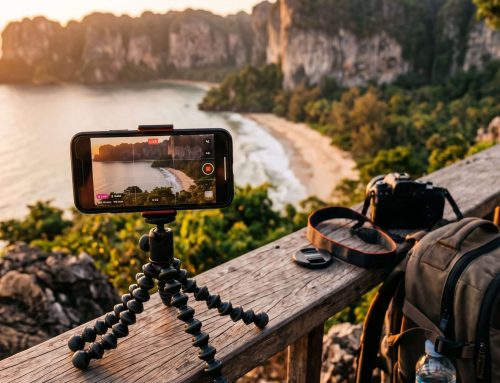
Seasoned travelers suggest you enjoy experiences first and capture them later. “Take in the sounds, sight, surrounding, emotions, thoughts and connections” before grabbing your phone. Simply switching to airplane mode for parts of your day creates room to be present and notice small details you might miss otherwise.
Solo travel becomes more than just seeing new places when you take care of yourself through good meals, proper rest and staying present. You start to truly experience the places you visit.
Appreciate How to Travel Alone and Enjoy It
Solo travel is a chance to grow and find yourself. This amazing trip of exploration helps travelers find new places and test their own limits. The mix of good planning, growing confidence and meaningful experiences builds the foundation for unforgettable adventures.
New solo travelers who use these tips will adapt quickly to being on their own. You might feel nervous before leaving, but these feelings fade once your trip begins. Most experienced travelers see their first solo adventure as a turning point that changed their viewpoint forever.
The real magic of traveling alone comes from its freedom. You don’t need to match anyone else’s schedule or priorities. You can dive deep into experiences that strike a chord with you. The connections you make along the way often turn meaningful and sometimes lead to lasting friendships or romance.
Solo travel teaches crucial life skills. Knowing how to solve problems, adapt to different cultures and rely on yourself grows stronger with each trip alone. These rewards go way beyond the reach and influence of the trip itself. They shape how you handle challenges and opportunities in daily life.
Note that solo travel is your personal adventure. Each person creates their own path and balances planning with spontaneity based on what feels right. The best solo trips happen when you stay true to your interests while embracing unexpected discoveries. The greatest reward from traveling alone isn’t something you can buy—it’s finding a better connection with yourself.
FAQs
Q1. What are some essential tips for first-time solo travelers?
Start by choosing a destination where you feel comfortable with the language and culture. Create a flexible itinerary with one major activity per day, leaving room for spontaneous exploration. Practice doing things alone at home to build confidence, and learn basic safety and navigation skills before your trip.
Q2. How can I meet people and avoid feeling lonely while traveling solo?
Connect with others by joining walking tours or group classes, staying in hostels and using social apps designed for travelers. Engage with locals by visiting cafes and markets, and don’t be afraid to strike up conversations. Remember that solo travel often leads to more meaningful interactions than traveling with companions.
Q3. What’s the best way to handle meals when traveling alone?
Embrace solo dining as an opportunity to try local cuisine and observe the culture. Look for restaurants with bar seating for a more social atmosphere or visit local markets to sample fresh ingredients. Consider joining food tours or cooking classes to learn about culinary traditions and meet fellow food enthusiasts.
Q4. How can I ensure my safety as a solo traveler?
Choose accommodations in central, well-reviewed areas with 24-hour reception. Research your destination’s customs and cultural norms to blend in more effectively. Walk confidently and purposefully, especially in unfamiliar areas. Stay aware of your surroundings and trust your instincts. It’s also wise to share your itinerary with someone back home.
Q5. How do I balance planning and spontaneity during solo travel?
Create a flexible daily itinerary with one major activity and a few smaller options. Group activities by geographic proximity for efficiency, but leave buffer time for unexpected discoveries or delays. Schedule some downtime for rest and reflection. This approach provides structure while allowing for the spontaneity that makes solo travel special.











Leave A Comment