

Florida is renowned for its beautiful beaches and vibrant marine life, but it’s also known for its frequent shark sightings. Understanding why there are so many sharks in Florida is essential for both safety and conservation. This article explores the reasons behind the high shark populations in Florida. More importantly, delves into shark behavior, and provides safety tips for beachgoers and conservation information.
The Diverse Shark Species in Florida

Florida’s waters are home to a wide variety of shark species, each with unique characteristics.
- Bull Sharks: Known for their aggressive nature and ability to thrive in both saltwater and freshwater environments. As a matter of fact, bull sharks are commonly found in Florida’s coastal and inland waters.
- Tiger Sharks: Recognizable by their distinctive tiger-like stripes, these sharks have a diverse diet and are often seen in Florida’s waters.
- Hammerhead Sharks: With their unique head shape, hammerhead sharks are known to school in large numbers. Especially near the coasts of Florida.
- Blacktip Sharks: Frequently seen during their migration, blacktip sharks are known for their acrobatic jumps and are a common sight in Florida.
Factors Contributing to High Shark Populations

Several factors contribute to the high number of sharks in Florida.
- Warm Coastal Waters: Florida’s warm waters provide an ideal habitat for sharks. Additionally, the state’s long coastline with shallow waters creates a perfect environment for various shark species to thrive.
- Abundant Food Sources: The rich marine biodiversity in Florida supports large shark populations. Common prey includes fish, seals, rays, and other marine life, making Florida’s waters a buffet for these predators.
- Migration Patterns: Many shark species migrate to Florida’s waters due to seasonal changes and breeding cycles. The warm Gulf Stream current also plays a significant role in directing sharks towards Florida.
- Human Activity: Fishing, tourism, and water sports influence shark behavior. While human activity can attract sharks, conservation efforts are crucial in managing shark populations and their interactions with people.
Read about Hutchinson Island, Florida.
Shark Behavior and Safety Tips – Why Are There So Many Sharks in Florida?
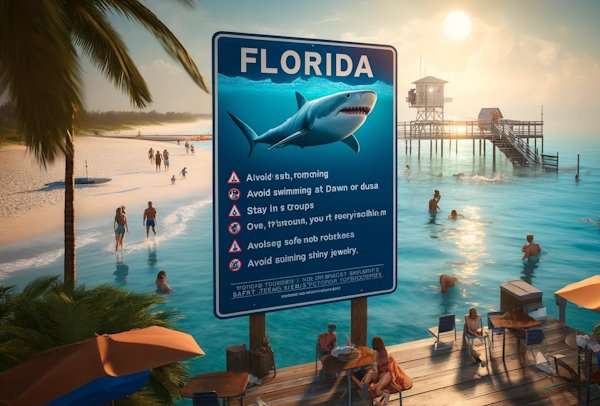
Understanding shark behavior and taking precautions can help reduce the risk of shark encounters.
- Understanding Shark Behavior: Sharks are often curious but not necessarily dangerous to humans. Many shark encounters are a result of mistaken identity, where sharks confuse humans with their natural prey.
- Safety Tips for Swimmers and Surfers:
- Avoid swimming at dawn, dusk, or nighttime when sharks are most active.
- Stay in groups, as sharks are more likely to approach solitary individuals.
- Avoid wearing shiny jewelry that can attract sharks.
- If you see a shark, remain calm, avoid sudden movements, and slowly back away while keeping the shark in sight.
Think about this when you take the Yankee Freedom ferry to Dry Tortugas.
The Role of Conservation Efforts

Conservation plays a vital role in maintaining healthy shark populations and marine ecosystems.
- Shark Conservation Initiatives: Sharks are crucial for maintaining the balance of marine ecosystems by controlling the population of other marine species. Various conservation programs in Florida focus on protecting shark habitats, regulating fishing practices, and conducting research to better understand shark behavior.
- How Individuals Can Contribute: Supporting sustainable seafood choices, reducing plastic waste, and participating in local conservation programs can help protect sharks and their habitats.
Enjoy these Florida road trips.
Now We Know Why There Are So Many Sharks in Florida
Florida’s warm waters, abundant food sources, and migration patterns contribute to the high shark populations in the region. Understanding and respecting these marine predators is essential for ensuring both human safety and the conservation of these vital species. By staying informed and supporting conservation efforts, we can coexist with sharks and appreciate their role in the marine ecosystem.


Leave A Comment