
Firstly, where is Tropea Italy? Tropea Italy sits on the beautiful coast of Calabria drawing visitors with its looks and past. This lovely town stands on a cliff above the clear Tyrrhenian Sea mixing tropea beach charm and cultural roots. Tropea’s spot and views make it a secret find among Italian places pulling in people who want a real taste of the Mediterranean.
Tropea Italia has a lot to offer visitors. You can check out its old town with narrow streets that twist and turn. You can also hit the clean Tropea Beach Italy with blue-green water. The town gives you many different things to do in Tropea Italy. You can try the local food from Calabria, including specialties like ‘nduja and tartufo. You can also take day trips to nearby spots like Capo Vaticano and Pizzo. Tropea calabria italy mixes natural beauty, rich culture and tasty food. As a result, it’s a great Italian getaway for people who want to find the hidden gems of Southern Italy.
Visiting Calabria – Tropea’s Historic Old Town
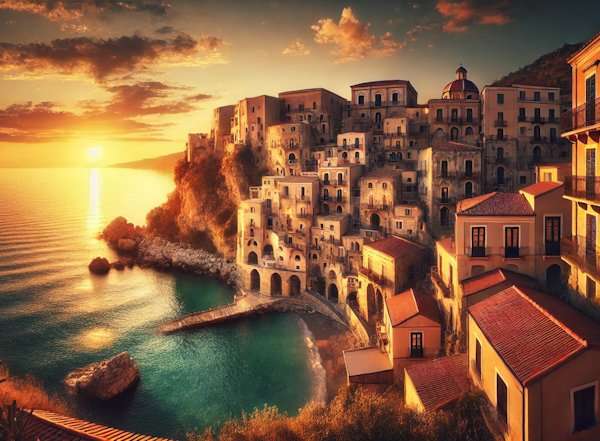
Tropea’s historic old town grabs visitors with its peek into the cultural past of this pretty seaside spot in Calabria Italy. The old town’s well-kept buildings, cute streets and breathtaking views of the Tyrrhenian Sea have put it among Italy’s most beautiful villages, earning it the title of Borgo dei Borghi.
Piazza Ercole
Piazza Ercole stands at the core of Tropea’s historic center, a bustling square encircled by vibrant structures and tight alleyways. This main meeting spot gets its name from Hercules, who legend says started Tropea calabria. The story goes that Hercules set up the city after beating the Giants calling it “Portercole”. Some experts, like Michael Paladini, think Hercules built Tropea existed 400 to 500 years before Aeneas showed up in Italy. Consequently, making it older than Rome.
The name “Tropea” has several origin stories. One version links it to the ancient Greek word for “nurse,” honoring Juno, who nursed Hercules. Another theory connects the name to “Tropea” referring to the prizes Scipio Africanus placed on the cliff after he beat Carthage. Alternatively, that Sextus Pompey put there to celebrate his win over Caesar Octavian.
Piazza Ercole acts as a main center linking the two key streets that used to lead to the city gates, Porta Vaticano being one of them. This old square offers a great place to begin exploring the old town’s appeal and past.
Cattedrale di Maria Santissima di Romania
The Cattedrale di Maria Santissima di Romania also called the Duomo, stands as a beautiful Baroque cathedral that rules over Tropea’s skyline. Built in 1163, this church has an influence on the city with its grand design. It boasts a basilica layout with three naves held up by eight-sided stone pillars and multi-colored ashlars, in line with the Sicilian-Norman Romanesque style.
The cathedral’s main entrance features a high arched doorway built from tuff stone. Its outer apse section, with three curves and ornate arches, displays a mix of yellow tuff and brown lava stone copying the original Norman-era design.
Inside, guests can see the Icon of the Madonna of Romania, which protects the city, on the main altar. This 13th-century painting on cedar wood touched up over the years, is linked to the Giotto school. Moreover, people believe it has kept the town safe from earthquakes, plagues and war damage.
The cathedral also contains other important works of art. These include the 17th-century Carrara marble statue of the Madonna of Liberty. Another piece is the full-figure marble statue of the Madonna of the People. Fra’ Giovanni Agnolo da Montorsoli, who learned from Michelangelo, carved this statue in 1555.
Corso Vittorio Emanuele
Corso Vittorio Emanuele serves as the main street in Tropea’s old town. Shops, cafes like Caffe del Corso and historic buildings line this street. This lively road combines history with modern life. It gives visitors a chance to soak up the town’s atmosphere.
To have the best time, check out Corso Vittorio Emanuele in the early morning when it’s quiet and not so busy. As the day goes on during the early evening passeggiata (the usual Italian evening walk), the street buzzes with both locals and visitors.
When you walk down Corso Vittorio Emanuele, make sure to stop by the Belvedere Piazza del Cannone at the end of the street. This spot gives you one of the top views of Tropea and the coast nearby. What’s more, you’ll see the sea colors change a lot throughout the day.
Relaxing the Best Beaches in Calabria
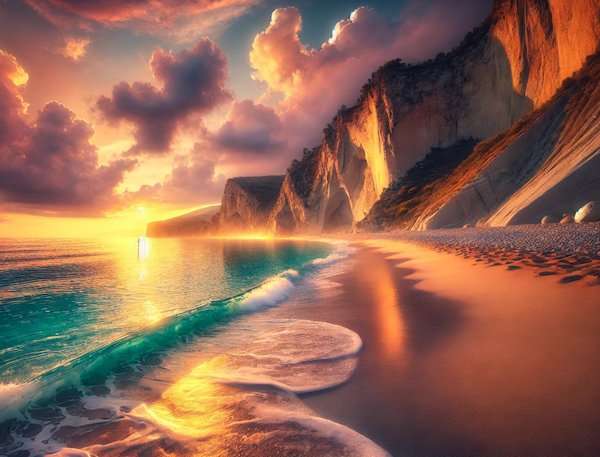
Tropea, a charming town in southern Italy’s Calabria region, is famous for its beautiful beaches and cliffs. For this reason, making it one of the best beach towns in Italy. People who visit this coastal haven can experience different types of beaches, from long golden sand stretches to clear waters and sweeping views of the Tyrrhenian Sea.
Marina Grande Beach – Southern Italy Beaches
Marina Grande Calabria Beach stands out as one of Tropea’s most loved beaches. This extended golden sand strip offers a perfect spot to swim, sunbathe and unwind. The beach’s wide shore of Tropea gives visitors plenty of room to spread out and soak up the Mediterranean sun. With its gentle waves, Marina Grande suits families and those who want to cool off in the sea.
Rotonda Beach
Rotonda Beach, also known as Marasusa Beach, stands out as another go-to spot in Tropea drawing visitors with its see-through waters and eye-catching cliff views. This beach stretches 300 meters boasting beige sand, and sits close to the Porto di Tropea marina. It provides a breathtaking setting with rugged cliffs, plants along the coast and the famous Sanctuary of Santa Maria dell’Isola sitting atop a cliff.
Rotonda Beach has earned the Blue Flag certification. This honor highlights its stunning scenery, spotless environment, and top-notch water quality. The beach provides many amenities to make your visit comfortable. You’ll find seasonal lifeguards, bathrooms, shower facilities and spots to escape the sun. Beachgoers can dive into a variety of fun activities. Take a dip in the water, try your hand at paddleboarding, go for a kayak ride, explore underwater with snorkeling gear or plunge into the depths while scuba diving.
Beach Clubs vs Public Areas
Tropea has beach clubs and public areas suiting different tastes and wallets. Beach clubs called stabilimenti balneari or bagni, offer perks like sun loungers, umbrellas as well as food and drink service. As a result, these clubs keep their beach sections clean and in good shape.
Beach clubs offer a more upscale and relaxing seaside experience for those who want it, but they cost more. As a ballpark figure, you might pay around 20 euros per person to use a beach club. However, this can change depending on where you go when you visit, what amenities they provide and what time of year it is.
On the other hand public areas known as spiaggia libera, offer free entry. These spots let visitors bring their own towels or chairs to enjoy the beach at no extra cost. Keep in mind that public beaches are smaller and fill up fast in high season.
When you plan Tropea holidays and visit Tropea’s beaches, remember that booking a spot at beach clubs ahead of time has become more common in high season. This practice guarantees availability and helps avoid letdowns upon arrival.
When picking between a beach club and a public spot, Tropea’s clean beaches give you a great place to chill and enjoy the beautiful Calabrian coast. The golden sand clear water, and amazing views on these Spiagge Tropea make for an Italian seaside trip you won’t forget.
More on the best beaches in Genoa.
Trying Calabrian Food Specialties
Calabria, at the toe of Italy’s boot, is known for its rich food traditions and top-notch produce. From the famous cipolla rossa di Tropea (Tropea red onions) to the spicy ‘Nduja sausage and the rich Tartufo ice cream. Indeed, Calabrese cuisine has an influence on your senses.
Tropea Red Onions
The Tropea red onion gets its name from the scenic coastal town of Tropea and is famous for its sweet and sharp taste. These onions, which have a distinct purple color, play a key role in many Calabrian recipes giving more flavor and richness to the area’s food. The special taste of these onions comes from the specific climate and sandy soil where they grow. In fact, an area that stretches from Monte Poro’s slopes to Ricadi and along the shore to Nicotera.
Tropea red onions offer many options for eating, whether you cook them or eat them raw. People put them in salads, sandwiches and lots of other dishes. If you caramelize them, they make a great starter or side dish with stewed meat. In May and June, you can buy these onions fresh from farms along the road. Then in June and July, you’ll find them at markets tied up in strings called ristras.
‘Nduja Sausage
‘Nduja, a zesty spreadable sausage, has gained worldwide fame as another Calabrian specialty. This rich and tasty condiment blends pork with hot peppers resulting in a one-of-a-kind flavor that can boost many dishes. ‘Nduja started as food for the poor. Contadini (farmers who worked the land) who raised and slaughtered pigs first made it.
The real ‘nduja comes from Spilinga, a small Calabrian town with fewer than 2,000 residents. This sausage contains pork fat (up to 70%), pork, salt, spices, culture and chili peppers. These ingredients get ground together to create a smooth, wet, rich and deep red mixture. ‘Nduja is Calabrian slang and people say it stems from the name of the smoked French sausage andouille.
‘Nduja works well as a spread on fresh bread similar to pâté. You can also use it to add flavor to pasta sauces. This versatile ingredient goes with sautéed cime di rape Italian pork sausages, and various seafood dishes.
Tartufo Ice Cream
Tartufo, a luxurious ice cream dessert, comes from Calabria and has won over food lovers worldwide. This indulgent treat has its roots in Pizzo Calabria. It consists of two or more ice cream flavors. At its center, you’ll often find fruit syrup or frozen fruit.
The Tartufo di Pizzo ice cream came into existence in 1952 at a party for a high-society wedding. A resourceful dessert maker called Don Pippo de Maria created this special treat when he ran out of cups to serve ice cream to the guests. He placed a small amount of hazel and chocolate ice cream in his hand, poured melted chocolate over it and wrapped it all in special paper to shape it.
Wrapped in a chocolate or cocoa coating, Tartufo sometimes includes cinnamon or nuts. The De Maria family keeps the original recipe under tight security making sure this famous Calabrian dessert keeps bringing joy to people visiting the area. You can try it at Gelati Tonino in Tropea.
Read about the food of Bologna.
Day Trips from Tropea
Tropea, a charming town on Calabria’s Tyrrhenian coast, makes a great starting point to explore the nearby region. Visitors can take several fun day trips to close-by places, each with its own special sights and things to do.
Capo Vaticano
You can find Capo Vaticano about 20 km southwest of Tropea. This eye-catching promontory has an impact on visitors with its steep cliffs see-through waters, and picturesque beaches. Capo Vaticano belongs to the Costa degli Dei (Coast of the Gods), a heavenly stretch of shoreline that shows off some of the region’s most breathtaking views.
Visitors to Capo Vaticano can enjoy several beaches:
- Spiaggia di Grotticelle: The biggest and most liked beach made up of three side-by-side natural bays with caves and hidden spots spread around.
- Spiaggia del Tono: A built-up beach with resorts, guesthouses, and camping spots behind it.
- Spiaggia di Ficara: A quiet beach you can only reach by boat or a steep path, great for snorkeling and swimming.
People visiting can also enjoy amazing views along the coast where they’ve put benches in lookout spots to take in the sights. For something different, think about renting a boat from Tropea to check out the coastline between the two places.
Pizzo
Pizzo, a nice beach town about 30 km northeast of Tropea, works well for a day trip. People know it for its chill vibe and Pizzo has enough to see and do to keep visitors busy all day.
Main things to check out in Pizzo include:
- Aragonese Castle: An old fort with a view of the sea.
- Piazza della Repubblica: The town’s central square great for watching people and eating local food.
- Tartufo di Pizzo: A famous local ice cream treat that visitors should try.
For the best experience, get there when the day starts to find free parking spots on weekends when the place gets crowded. You’ll need about 30 minutes to drive from Tropea on the SS522.
Reggio Calabria
If you’re up for a longer trip, Reggio Calabria, Calabria’s biggest city, makes for a great day out. You’ll find it about 90 km south of Tropea and you can get there by train in around 2 hours and 11 minutes. As a matter of fact, tickets start at less than 10 Euros.
Some top spots in Reggio Calabria include:
- Museo Archeologico Nazionale: Houses the renowned Riace Bronze statues.
- Lungomare Falcomatà: A bustling waterfront walkway with breathtaking views of the Strait of Messina.
- Aragonese Castle: One more historic fortress to explore.
These trips from Tropea give travelers varied experiences ranging from nature and beaches to historic landmarks and city attractions highlighting the finest spots in Calabria’s coastal area.
Alternatively, read about Sirmione Italy.
Enjoy the Things to Do in Tropea Italy
Tropea Italy shines as a little-known treasure on the Calabrian shoreline giving visitors a perfect mix of natural beauty deep history and delicious food. The charming old town with its twisting streets and beautiful cathedral. In addition, with the clean beaches and clear waters, it has an impact on travelers looking for a real Mediterranean experience. The Tropea Italy restaurants, with local favorites like Tropea red onions and ‘nduja sausage, adds another reason to love it making it a heaven for food fans.
Outside its limits, Tropea works great as a starting point to check out the area around it. You can take day trips to nearby spots like Capo Vaticano, Pizzo, and Reggio Calabria to get a better feel for what Calabria has to offer.
FAQs
Is visiting Tropea worth it? Absolutely, Tropea was honored with the Borgo dei Borghi 2021 award, recognizing it as a picturesque historic village in Italy. It is celebrated for its perfect blend of sea, sun, art, culture, architecture, gastronomy, and hospitality.
Should I stay in Tropea or Capo Vaticano? While Capo Vaticano boasts some of the most stunning beaches in Italy, Tropea offers a richer variety of attractions and activities. Although Capo Vaticano has numerous resorts, they tend to be isolated. Therefore, Tropea might be a better choice if you’re looking for a more diverse experience.
How much time should I spend in Tropea, Italy? A minimum of three days is recommended to fully enjoy what Tropea has to offer.
What is Tropea, Italy famous for? Tropea is one of the key towns on the Coast of the Gods and is believed to have been founded by Hercules. Historically part of Magna Graecia and inhabited by Greeks before the Romans, today it is renowned for its stunning beaches and the highly esteemed Tropea red onions.
Next, read about the best cities to visit in Italy.



Leave A Comment