
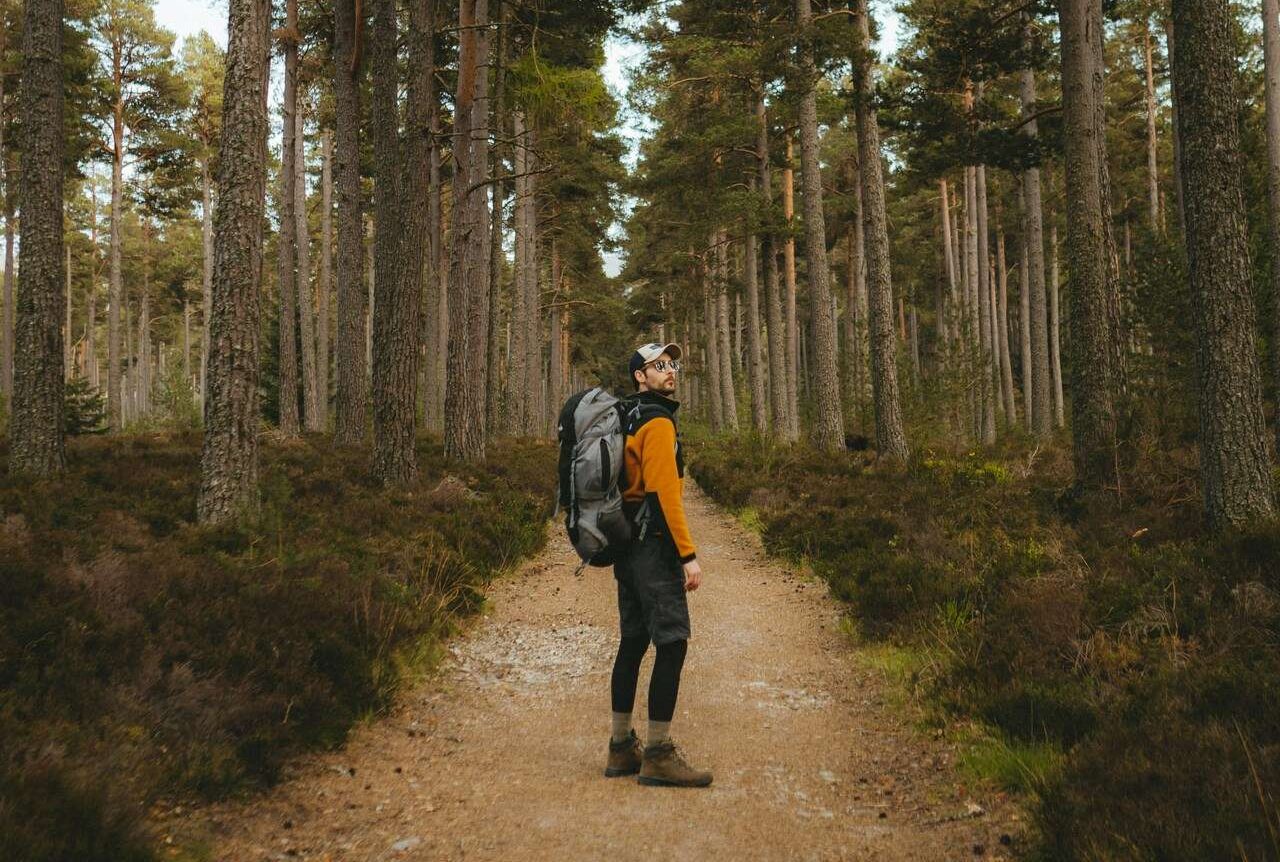
When you think of long-distance hiking in Europe, the Alps usually come to mind first. But, while those landscapes are certainly jaw-dropping, they often ask you to pick between wilderness and comfort. The Camino de Santiago, on the other hand, combines the best of both worlds, with stunning and wild nature, as well as a hot meal and comfy bed at the end of the day.
A Challenge with Unique History
The Camino de Santiago originally started as a pilgrimage journey back in the 9th century. Legend has it, the very first trail in the network (Camino Primitivo) was established by King Alfonso II of Asturias, who walked from Oviedo to Santiago de Compostela with one goal in mind: to visit the remains of Saint James, one of Jesus Christ’s twelve apostles.
By the 11th century, this spiritual journey turned into a major European pilgrimage, prompting the development of other routes (e.g. the Camino Ingles was a route created by pilgrims coming from the British Isles).
Today, the Camino is walked for plenty more reasons than just spirituality, becoming one of the most popular walking and hiking holidays Spain has to offer. More than half a million people complete the challenge each year, receiving the Compostela certificate (to achieve this, they have to collect stamps along the way, making the journey more interesting too).
So while yes, the Camino is filled with breathtaking landscapes and quaint historic towns, the history and cultural importance of these routes is what makes them truly unique.
Unmatched Infrastructure and Accessibility
A big part of the Camino’s appeal for hikers is how little guesswork it involves. Yellow arrows and scallop-shell markers, first standardised in the 1980s, guide every official route all the way to Santiago – no group tours needed. Hotels are dotted along the routes with both budget-friendly and boutique options, and towns are spaced closely enough that food and supplies are rarely a problem.
There are also convenient services available to make your journey more comfortable. Long-distance walking specialists like Santiago Ways are there to help sort out the logistics, including personalised itineraries, pre-booked accommodations for each night, luggage transfers in-between hotels and 24/7 emergency support. All you have to do is pick a route and do the actual walking, with them handling the rest!
Great Selection of Routes
The Camino de Santiago has 12 main routes, however, there are well over 200 paths associated with the pilgrimage network. They come in a variety of different distances and difficulty levels, so every hiker can find something for them.
The Camino Frances, for example, is the most popular route by far, known for its sociable nature and manageable terrains. Although the entire trail is over 800 kilometres, you can choose to start in closer points for shorter sections, such as Sarria (marking the final 100 kilometers to Santiago de Compostela).
For those interested in more physically challenging routes (more hiking than just walking), the Camino del Norte is a scenic and hilly route along Spain’s rugged northern coastline, while the Camino Primitivo is known as the most challenging of the main routes, taking you on a mountainous trail.
The Reward is in the Journey
With many classic hiking trails, the reward tends to come at the finish point, when the main viewpoint is reached. Camino de Santiago is a journey that rewards the walking itself, surprising you at every step of the way.







Leave A Comment