
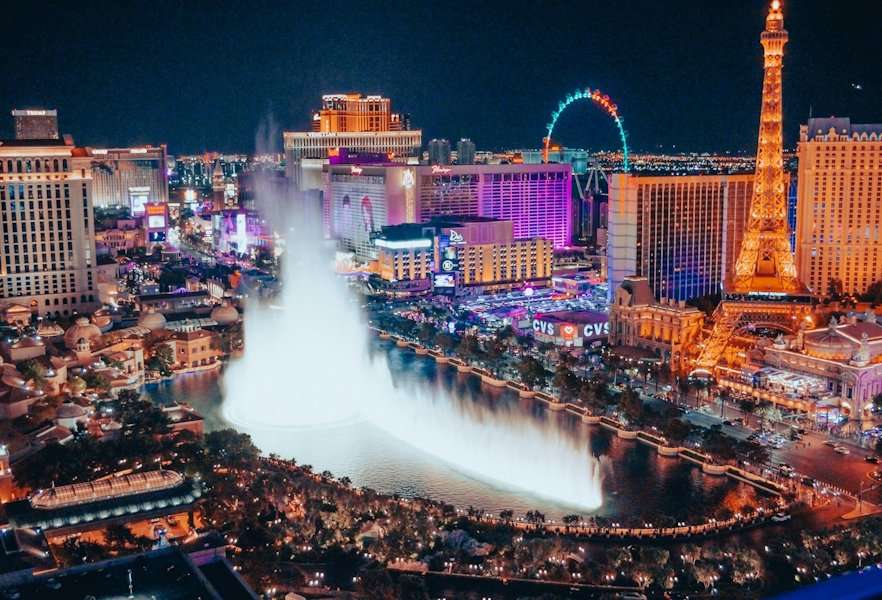
Las Vegas is renowned for its dazzling lights, luxurious casinos, and spectacular water displays, particularly its iconic fountains. The Bellagio Fountains, with their perfectly choreographed water and light shows, have become one of the city’s most recognizable attractions. However, beneath the beauty and grandeur of these famous water features lies a potential health concern that can affect both visitors and locals: Legionella bacteria.
Legionella, the bacteria that causes Legionnaires’ disease, thrives in water systems and can pose a risk if not properly managed. Understanding the connection between water fountains, particularly large, public ones like those in Las Vegas, and Legionella safety is essential for both residents and tourists.
What Is Legionella and Why Is It Dangerous?
Legionella is a type of bacteria found naturally in freshwater environments like lakes and streams. However, it becomes a serious concern when it grows in man-made water systems such as cooling towers, hot tubs, large plumbing systems and water fountains. Legionella can multiply rapidly in warm, stagnant water, making large water features in public spaces a potential breeding ground.
When water containing Legionella becomes aerosolized—through mist, droplets, or vapor—it can be inhaled by individuals nearby. This can lead to a severe form of pneumonia known as Legionnaires’ disease, which is especially dangerous for older adults, smokers, and those with weakened immune systems. Legionella symptoms include cough, fever, shortness of breath and muscle aches. In severe cases, the disease can lead to hospitalization or even death.
While Legionella infections are relatively rare, they are serious, and outbreaks have been linked to large public water systems, making maintenance and safety protocols crucial.
Las Vegas: A City of Water Fountains
Las Vegas, located in the middle of the Mojave Desert, may seem like an unlikely place to showcase elaborate water displays. Yet, its iconic Vegas water fountains are a central part of the city’s allure. The most famous of these is the Bellagio Fountains, a choreographed spectacle of water, music, and lights that attracts thousands of onlookers each day. With its intricate design and the sheer volume of water in use, the Bellagio Fountains are a modern marvel of engineering.
Other notable water features in Las Vegas include the Mirage Volcano, which combines water, fire, and music in its nightly performances, and the Wynn Las Vegas Lake of Dreams. These water features are meticulously maintained and designed to ensure a flawless experience, but they also demand careful attention when it comes to public safety.
The Link Between Water Fountains and Legionella
Large water features, like those in Las Vegas, require vast amounts of water that can be recirculated for extended periods. This creates an environment where water temperature, flow, and maintenance practices must be carefully managed to prevent the growth of Legionella.
Several factors make water fountains particularly susceptible to Legionella growth:
- Water Recirculation: In most fountains, water is continuously recirculated. If not properly treated, this can create stagnant areas where Legionella can multiply.
- Warm Temperatures: Las Vegas experiences high temperatures for much of the year, and warm water is an ideal environment for Legionella bacteria to thrive.
- Aerosolization: The water in these fountains is sprayed into the air, creating fine droplets and mist, which can spread Legionella if the water is contaminated.
While the risk of contracting Legionnaires’ disease from a fountain show may seem low, it is a risk that requires proper management. Public health concerns like Legionella highlight the importance of diligent maintenance, regular testing, and water treatment in water features.
Safety Measures in Place
Las Vegas understands the potential risks of Legionella, especially in a city that attracts millions of tourists each year. The large water displays, like the Bellagio Fountains, are managed with state-of-the-art filtration and water treatment systems. These systems are designed to minimize the risk of bacterial growth, including Legionella.
Some key safety measures that help protect public health include:
- Regular Water Treatment: The water in these fountains is treated with chemicals such as chlorine or bromine to kill bacteria and prevent their growth. Automated systems monitor and adjust these levels to ensure the water remains safe.
- Filtration Systems: High-tech filtration systems are used to remove debris and other contaminants from the water, reducing the likelihood of bacteria like Legionella flourishing.
- Routine Testing: Water in large public systems is routinely tested for harmful bacteria, including Legionella. Regular testing ensures that any potential problems are identified and addressed before they can pose a risk to public health.
- Temperature Control: Maintaining the appropriate water temperature is crucial to preventing Legionella growth. Systems are designed to regulate the water temperature to ensure that it does not reach levels where the bacteria can thrive.
- Cleaning and Maintenance: Proper cleaning and maintenance of water systems is essential. Pipes, pumps, and nozzles are regularly inspected and cleaned to ensure that there is no buildup of biofilm, a substance that can harbor bacteria.
Las Vegas’ Commitment to Public Health
While Las Vegas is known for its luxury and entertainment, the city also takes public safety seriously. The maintenance and management of its iconic water fountains are carried out by experienced professionals who understand the importance of water safety.
Furthermore, the Nevada Division of Public and Behavioral Health, along with local authorities, enforces strict guidelines for water systems in public spaces. These regulations are in place to ensure that the risk of Legionella and other waterborne illnesses is minimized, allowing tourists and residents to enjoy the fountains worry-free.
What You Can Do as a Visitor
As a visitor to Las Vegas, you may wonder if there is anything you can do to stay safe. While the risk of Legionnaires’ disease from water fountains is low due to the safety measures in place, there are still precautions you can take, especially if you are part of a high-risk group:
- Avoid standing too close to water fountains where mist or droplets are present.
- Be aware of symptoms of Legionnaires’ disease, such as fever, cough, and shortness of breath, especially after spending time near large water features.
- If you experience any of these symptoms after visiting Las Vegas, seek medical attention and inform your healthcare provider about your travel history. Don’t forget to reach out to a Las Vegas legionnaires outbreak lawyer for legal help.
Conclusion
Las Vegas is home to some of the most breathtaking water fountains in the world, offering visitors an unforgettable experience. While the potential for Legionella bacteria is a legitimate concern, the city’s commitment to safety and the rigorous measures in place ensure that these attractions remain safe for public enjoyment. With proper maintenance, testing, and water treatment, the risks are kept low, allowing millions of people to marvel at the beauty of Las Vegas’ water shows without worry.


Leave A Comment