

Arizona boasts some of the most remarkable monuments in the United States that span natural wonders and ancient cultural sites. These Arizona monuments highlight the state’s varied geological formations, rich Native American heritage, and unique desert ecosystems that have evolved over millions of years. The state’s protected areas attract millions of visitors annually and serve as significant destinations for nature enthusiasts and history buffs alike.
The majestic Grand Canyon National Park and the ancient cliff dwellings of Montezuma Castle allow visitors to explore various national monuments throughout Arizona. The remarkable collection features the fossilized remains at Petrified Forest National Park, the towering saguaros of Saguaro National Park, and the rare cacti of Organ Pipe Cactus National Monument. These sites provide distinct opportunities to hike, view wildlife, and understand the natural and cultural history that shapes this southwestern state.
Grand Canyon National Park: A Natural Wonder
The Grand Canyon ranks among nature’s most breathtaking displays of erosion, with 278 miles of the Colorado River carving through its adjacent uplands. This World Heritage Site stands as one of Arizona’s most important natural monuments.
Geological Significance
The Grand Canyon reveals a captivating story that spans nearly two billion years through its distinctive rock layers. Scientists explain this remarkable formation through a simple acronym “DUDE” – Deposition, Uplift, Down cutting and Erosion. The canyon’s walls stretch a mile high and showcase an pristine cross-section of Earth’s crust. Rock layers from the Paleozoic Era stand out prominently in this geological masterpiece. The Colorado Plateau Province creates a magnificent foundation for this natural wonder, with elevations ranging from 5,000 to 13,000 feet above sea level.
Wildlife Viewing Opportunities
The Grand Canyon stands out as a paradise for nature enthusiasts with its remarkable wildlife diversity. The park proudly showcases:
- The park’s bat population ranks among America’s most diverse with 22 species
- Majestic desert bighorn sheep that can reach weights of 300 pounds
- American bison, which reign as North America’s largest land mammals
- Powerful mountain lions that rule as the canyon’s top predators
- A rich variety of bird species that earned the park its status as a Globally Important Bird Area
Best Viewpoints and Hiking Trails
The canyon features many vantage points that showcase this natural wonder’s beauty. Mather Point stands at over 7,000 feet elevation and remains one of the most popular spots for first-time visitors. The Desert View Watchtower, constructed in 1932, gives visitors magnificent views of both the canyon and the Painted Desert.
Hiking enthusiasts will find a variety of trail options throughout the park. The Bright Angel Trail stretches 9 miles roundtrip to Havasupai Gardens and descends halfway down the canyon. Shorter alternatives await on the South Kaibab Trail, where the popular Ooh Aah Point sits just 0.9 miles down. The North Kaibab Trail stands out uniquely as it winds through almost every ecosystem found between Mexico and Canada.
The park’s varying elevation creates five of the world’s seven life zones and three of North America’s four desert types. This rich geological and ecological diversity makes the Grand Canyon a living laboratory of natural history and Arizona’s most visited monument.
Ancient Cliff Dwellings: Montezuma Castle and Tonto National Monuments
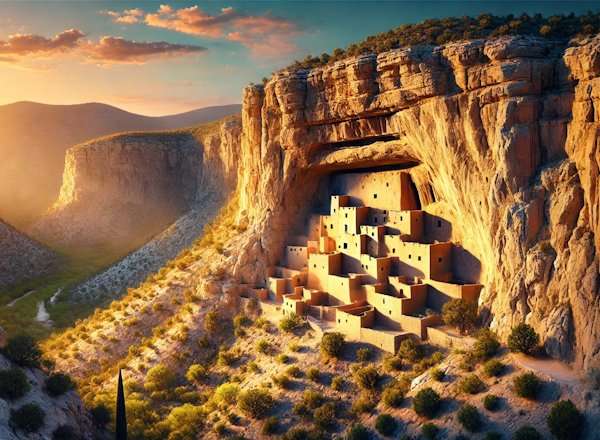
Ancient cliff dwellings in Arizona’s rugged terrain prove the remarkable architectural and cultural achievements of prehistoric peoples. These centuries-old structures show visitors the sophisticated civilizations that once thrived in the American Southwest.
History of the Sinagua People
The Sinagua people, whose Spanish name ironically translates to “without water”, emerged as a civilization 900 years old in the Verde Valley. These people excelled at agriculture and craftsmanship. Their society thrived between 1100 and 1300 CE and developed complex systems that reflected their technological and cultural achievements. The Northern Sinagua moved to Verde Valley around 1125 CE, and their southern counterparts built impressive hilltop and cliff pueblos by 1150 CE.
The Sinagua people showed incredible resourcefulness in their daily activities. They were:
- Skilled artisans who crafted stone tools and bone implements
- Talented weavers who created cotton garments
- Expert traders who exchanged shells, turquoise, and local red stone
- Accomplished potters recognized for their polished reddish-brown ceramics
Architectural Marvels
Montezuma Castle ranks among North America’s most remarkable prehistoric structures. This magnificent five-story dwelling sits 24 meters (80 feet) above the valley floor. The builders created this masterpiece around 1150 CE with 20 rooms that provided living space for 35 to 50 people.
Tonto National Monument’s Upper Cliff Dwelling represents another architectural achievement from ancient times. Built around 1300 CE, this remarkable structure stretches 70 feet wide, 80 feet high, and 60 feet deep. The dwelling features several innovative design elements:
- Small doorways that regulate temperature
- T-shaped entryways that enhance accessibility
- Second-story rooms with preserved roof sections
- An advanced water collection system with a 100-gallon cistern
Visitor Information and Guided Tours
These ancient wonders welcome modern visitors with managed to keep facilities and guided tours. Montezuma Castle features a self-guided 1/3-mile loop trail that takes you past the cliff dwelling and along the spring-fed Beaver Creek. You’ll find educational exhibits and a museum with artifacts that clarify the Sinagua people’s daily lives.
Tonto National Monument gives visitors two distinct experiences:
- The Lower Cliff Dwelling trail stays open throughout the year. Summer visiting hours run from 8 AM to 12 noon, while winter hours extend from 8 AM to 4 PM
- The Upper Cliff Dwelling needs guided tours, which you can book November through April on weekends only
The Upper Cliff Dwelling access requires a 1.5-mile hike on a dirt path. This remarkable dwelling once housed up to 100 people, and visitors can learn about its unique features during their tour. Park rangers at these sites share detailed stories about the architectural elements, cultural importance, and daily routines of the ancient inhabitants who made these incredible structures their home.
Petrified Forest National Park: A Journey Through Time
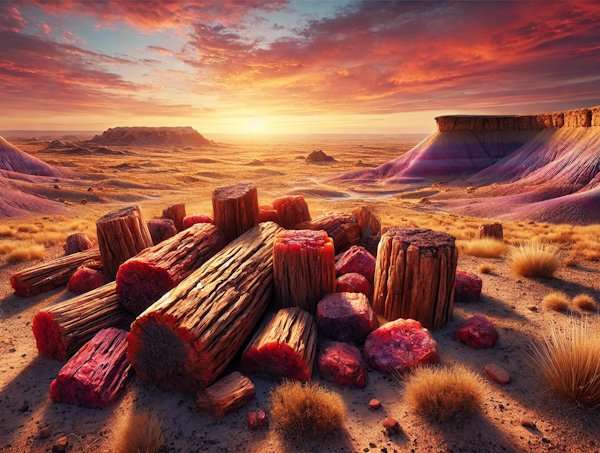
Arizona’s landscape holds a remarkable piece of prehistoric life where ancient forests now stand as brilliant stone. Nature’s extraordinary preservation process has turned this area into the Petrified Forest National Park, which covers 7,500 square miles. This park stands as evidence of how minerals can preserve history.
Formation of Petrified Wood
The sort of thing I love about petrified wood is how living trees turned to stone through a process that took millions of years. Ancient trees that fell became buried in mineral-rich river channels. These conditions managed to keep decay at bay due to oxygen scarcity, which allowed minerals to replace organic material gradually. Nature’s preservation method captured remarkable details as silica minerals bonded with cell wall’s cellulose. This created a perfect template that mirrors the wood’s original structure. These fossilized trees now consist of almost pure silica, and trace elements give them their beautiful rainbow colors.
Scientists named the park’s petrified logs Araucarioxylon arizonicum. These logs date back approximately 225 million years. The region’s location at the time was close to the equator on the supercontinent Pangaea. Nature’s mineralization process preserved stunning details such as:
- Tree rings and bark patterns
- Crystal formations of clear quartz and purple amethyst
- Vibrant colors from iron, carbon, and manganese deposits
Painted Desert Landscapes
A striking panorama of multicolored badlands defines the Painted Desert section of the park. This protected wilderness area spans 120 miles long by 60 miles wide and showcases eroded clay formations that paint a remarkable rainbow-hued landscape. The Colorado Plateau’s gradual uplift 60 million years ago shaped the region’s unique topography.
The desert’s distinctive features include:
- Erosion-carved badlands topography
- Ancient dinosaur tracks and prehistoric plant fossils
- Early human settlement evidence
- Desert climate shaped by the Mogollon Rim’s influence
Hiking Trails and Scenic Drives
Visitors can explore the park easily through its network of trails and scenic routes. The Blue Mesa Trail, a 1-mile loop, ranks among the most popular hikes and showcases unique bluish bentonite clay formations. The Crystal Forest Trail stretches 0.75 miles and lets visitors see amazing petrified wood deposits.
The park’s main road serves as a perfect driving tour with many viewpoints and educational stops. Key attractions include:
- Tiponi Point – First glimpse of the painted desert hills
- The Tepees – Distinctive zebra-striped mountains
- Newspaper Rock – Ancient petroglyphs
- Rainbow Forest Museum – Educational exhibits and giant logs
The historic Painted Desert Inn has stood since the 1920s and features beautiful Hopi murals created by Fred Kabotie. Richard Neutra designed the park’s visitor center complex in 1958, which showcases mid-century modern architecture and holds National Treasure status.
A 28.4-mile point-to-point trail winds through the park with stunning vistas and connects to several shorter hiking paths. The trails vary from easy paved walks to moderate backcountry routes, making the park available to visitors of all fitness levels.
Saguaro National Park: Icon of the Sonoran Desert
Saguaro National Park in southeastern Arizona serves as proof of the Sonoran Desert’s remarkable biodiversity. This unique desert ecosystem, split between two districts near Tucson, remains the only one in North America with two distinct rainy seasons each year. The park safeguards one of the world’s most varied desert environments.
Unique Characteristics of Saguaro Cacti
Saguaro cactus (Carnegiea gigantea), the park’s namesake, shows remarkable ways to survive in the desert. These magnificent giants grow 40-60 feet tall and thrive for 150-200 years. Their growth moves at an incredibly slow pace and young saguaros need 10 years to grow just 1.5 inches tall.
These cacti have developed sophisticated ways to survive:
- A waxy coating waterproofs the plant
- A complex root system reaches 5 feet deep with a surface network that collects water
- Knowing how to store massive amounts of water makes one foot of saguaro weigh up to 90 pounds at full hydration
Best Times to Visit
Seasonal patterns at the park shape each visitor’s experience. Visitors will find the best conditions from November through April when temperatures stay between the high 50s to low 80s Fahrenheit. The park features these notable seasonal events:
- Wildflower Season: Mid-March through mid-April
- Saguaro Flowering: Late April through June
- Summer Monsoon: July and August
Summer brings intense heat with temperatures between 100°F and 115°F. Visitors should plan their trips in early morning or evening hours during these months. The park stays available year-round, except on Thanksgiving and Christmas.
Wildlife and Plant Diversity
The Sonoran Desert boasts a rich tapestry of life with over 550 animal species and 2,000 plant species. Multiple ecosystems thrive in the park’s elevation range of 2,180 to 4,687 feet.
The wildlife population has:
- Mammals: Javelina, coyotes, Mexican wolves, bobcats and two desert bat species unique to this region
- Birds: The Tucson Mountain District houses 150 species while the Rincon Mountain District is home to 200 species
- Reptiles and Amphibians: The park’s habitat supports eight frog species, one salamander, 48 lizard and snake species and three turtle species
Research shows remarkable growth in the park’s plant communities over three decades. The Rincon Mountain District’s plant count has doubled from 2,659 in 1990 to 5,056 in 2020. The Tucson Mountain District also grew by 44 percent during this time.
Saguaros do more than stand as desert icons – they are vital keystone species. These majestic cacti provide natural shelter where various birds, like Gila woodpeckers, make their nests inside the trunks. Each cactus produces tens of millions of seeds throughout its life, yet nature ensures only a small number reach maturity, which reflects the desert’s delicate ecological balance.
Visit Monument Valley.
Organ Pipe Cactus National Monument: A Desert Oasis
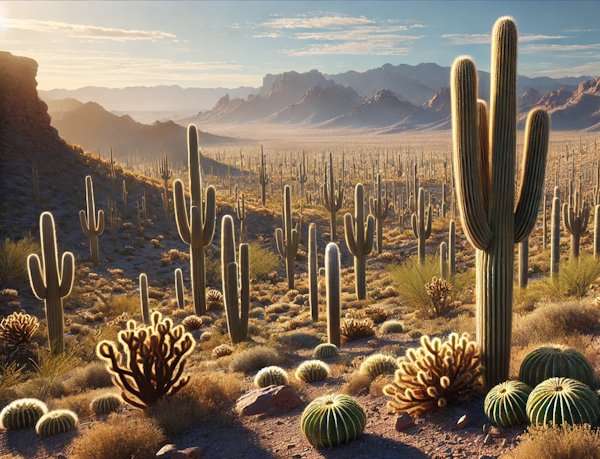
Organ Pipe Cactus National Monument sits right on the United States-Mexico border and serves as an International Biosphere Reserve. This protected wilderness area contains some of North America’s most unique desert ecosystems that demonstrate nature’s amazing ability to thrive in extreme desert conditions.
Rare Organ Pipe Cacti
This monument represents the only place in the United States where organ pipe cacti grow naturally in their native habitat. These magnificent plants show remarkable survival skills in the desert’s harsh conditions and can thrive for over 150 years. The cacti’s first flowers appear when they reach age 35, creating a breathtaking scene during May-June blooming months.
Organ pipe cacti stand out from other desert plants with these unique features:
- Beautiful creamy-white flowers bloom exclusively at night
- Lesser long-nosed bats serve as their essential pollinators
- Bright red pulp filled with seeds develops right before summer rains
- Multiple stems stretch 10 to 20 feet skyward
Scenic Drives and Hiking Trails
Ajo Mountain Drive stands out as the monument’s most popular scenic route that winds through a variety of desert landscapes for 21 miles. Visitors need about two hours to complete this graded, one-way dirt road that reveals some of the monument’s most breathtaking views.
The monument boasts over 28 miles of well-maintained trails that showcase the desert ecosystem from different points of view. Here are some notable trails:
- Desert View Trail: A 1.2-mile loop that offers stunning sunrise and sunset views
- Arch Canyon Trail: A 1.2-mile roundtrip that leads to a verdant canyon setting
- Bull Pasture Trail: A challenging 3-mile roundtrip with magnificent views of Mexico
- Alamo Canyon Trail: A 1.8-mile roundtrip where visitors often spot local wildlife
Birdwatching Opportunities
This monument sits along a major migratory flyway that makes it a perfect spot for birdwatching. Visitors can spot more than 270 bird species within its boundaries. 36 species make their permanent home here, from the Quitobaquito oasis to Arch Canyon’s cliffs.
Best spots to watch birds include:
- Alamo Canyon: Best viewing time is 8:00 am to 10:00 am in March and April
- Visitor Center Area: A small pond here draws many bird species
- Picnic Ramadas: Northern Cardinals and Gila Woodpeckers appear regularly
You’ll find these amazing resident birds at the monument:
- Black-tailed Gnatcatchers
- Canyon Towhees
- Gambel’s Quail
- Phainopeplas
- Costa’s Hummingbird
- Varied Buntings
Birds can be spotted throughout the year, but fall and spring migrations bring the best chances to see warblers, orioles and occasional waterfowl. Golden eagles and other birds of prey soar around the mountains alongside Turkey Vultures, Caracaras and Zone-tailed Hawks.
The monument’s rich ecosystem helps sustain this amazing bird population through various desert adaptations. Birds and plants share fascinating relationships here. Woodpeckers create homes in saguaros while cactus wrens use thorny plants as shelter. This natural balance shows the monument’s value as a nature preserve and desert ecology study site.
The Visitor Center Nature trail stretches 0.1-mile and welcomes everyone with its wheelchair-accessible path. A small pond along the trail provides excellent bird viewing spots. Educational exhibits and comfortable seating make this trail perfect to start your birdwatching adventure, whether you’re new to birding or an experienced observer.
Enjoy the Arizona Monuments
Arizona’s national monuments are living museums that tell unique stories through their geological formations, ancient dwellings and diverse ecosystems. Nature’s artistic touch shows through the Grand Canyon’s magnificent walls, Petrified Forest’s rainbow-hued landscapes, and the Sonoran Desert’s towering sentinels. Ancient cliff dwellings showcase prehistoric peoples’ remarkable achievements, while rare desert flora shows nature’s resilience through thousands of years of environmental changes.
These monuments are vital sanctuaries that protect countless species and irreplaceable cultural treasures. Future generations just need proper preservation of these sites. Scientists continue to learn about these remarkable places and give explanations about desert species’ complex relationships and ancient peoples’ sophisticated engineering. Visitors can experience both geological forces’ raw power and desert life’s delicate balance at Arizona’s monuments. These sites help people connect deeply with their natural and cultural heritage.
Next, a road trip from Vegas to Grand Canyon.


Leave A Comment