
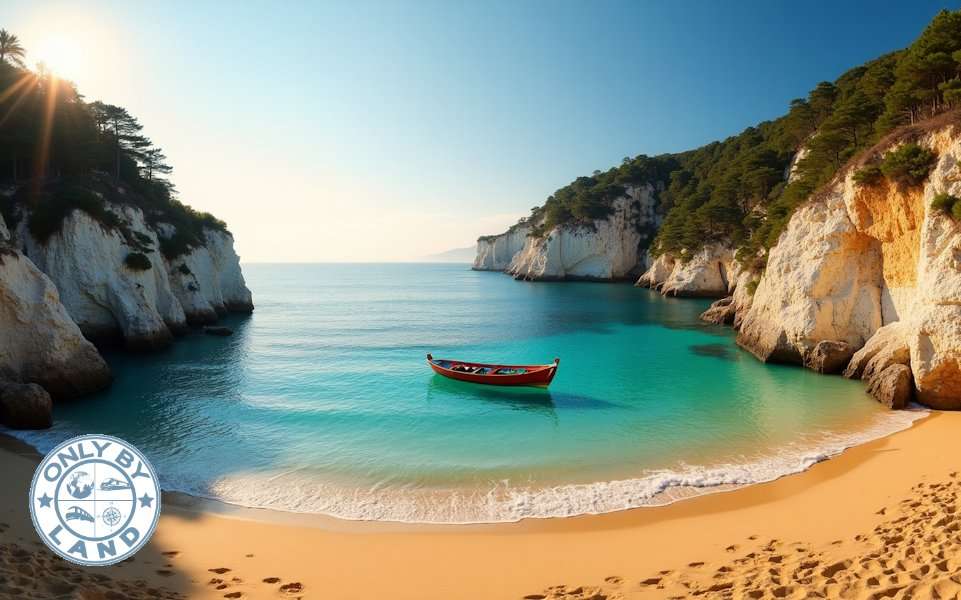
Setubal Portugal lies just 50 kilometers south of Lisbon and remains one of the country’s best-kept secrets. Most tourists head to Sintra and Cascais, but this historic fishing city provides a more authentic Portuguese experience. A resident pod of 28 bottlenose dolphins has made the Sado Estuary their home since 1981.
The city’s industrial heritage naturally combines with its natural wonders. Stunning Serra da Arrábida hills and pristine beaches of the Troia Peninsula surround the area. Visitors can find countless activities that showcase Setubal’s genuine character. They can learn about the 16th-century Forte de São Filipe or sample fresh catches at the prominent Mercado do Livramento.
This local perspective unveils Setubal’s hidden treasures. Secret swimming spots, family-run restaurants, lesser-known hiking trails and authentic cultural experiences make this guide different from typical tourist books.
Discovering Setubal’s Hidden Beaches and Coves
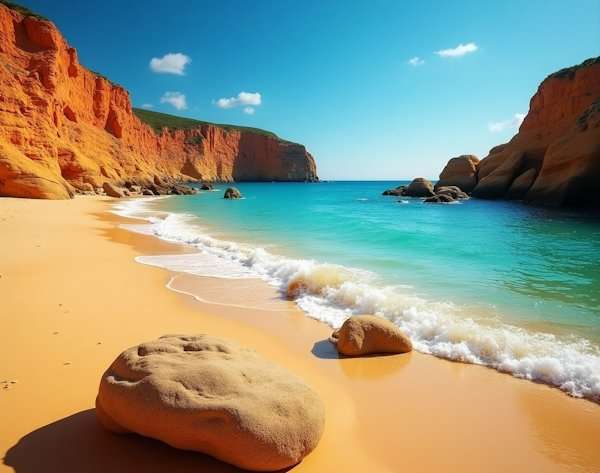
The rugged coastline of Setubal Portugal holds some of the most breathtaking beaches in the country. Its crystal-clear waters match those of the Mediterranean. These pristine shores sit within the Serra da Arrábida Natural Park and give you a refreshing break from Portugal’s crowded tourist spots.
Praia dos Coelhos: The locals’ Favorite Escape
Praia dos Coelhos (Rabbits Beach) remains one of Setubal’s hidden gems, though it’s getting more attention on social media. This wild, idyllic bay lies just east of the busy Praia do Creiro. You’ll need to take a 10-15 minute hike down a steep trail from the main road to reach it.
The beach’s untouched natural beauty makes it special. Fine golden sand meets lush Mediterranean vegetation and Praia dos Coelhos lets you truly escape from the world. You won’t find lifeguards, bars, restaurants, bathrooms or any facilities here. This lack of amenities keeps the beach peaceful and uncrowded – a perfect spot if you want some quiet time.
Note that you should pack these essentials:
- Sneakers instead of flip-flops for the trail
- Water and food supplies
- Bags to take all trash with you
- Light backpack and umbrella
- Fully-charged phone for photos
The crystal-clear, calm waters are great for swimming, though they run cold. At low tide, you can walk to the nearby coves of Anicha and Monte Branco.
Secret Swimming Spots in Serra da Arrábida
Serra da Arrábida has several pristine swimming spots beyond its prominent beaches. You can reach these only by boat or challenging hikes. Ribeiro do Cavalo beach sits just one nautical mile from Sesimbra. Its striking turquoise-blue waters helped it become the best beach in Europe in 2017.
Cova da Mijona beach is another hidden treasure you can only reach by boat from Sesimbra’s harbor. This south-facing bay has a newly renovated fishing shelter. White pebbles create magic when the sun hits them.
Baleeira beach near Cape Espichel is a snorkeler’s paradise with exceptional water clarity. Two large cliffs protect this ancient fishing spot. Its clear waters teem with marine life – octopuses, various types of algae and young fish call it home.
The secluded beaches in Parque Natural da Arrábida give you quiet spots to relax. Clear blue waters meet golden sands far from the crowds.
Best Beaches for Families with Young Children
Praia da Figueirinha shines as Setubal’s most family-friendly beach and with good reason too. This expansive shoreline in Serra da Arrábida Natural Park has shallow, calm waters where kids can splash safely. You’ll find everything you need here – paid parking, showers, cafés, lifeguard supervision and restaurants.
Parents love Figueirinha because its water runs a couple degrees warmer than nearby beaches. Fine sand and the stunning Arrábida hills create a perfect backdrop for family days out.
Troia Beach on the Troia Peninsula is another great option for families. A quick 15-minute ferry ride from Setubal takes you there. Kids can play safely on wide stretches of sand by calm waters. Europe’s longest beach stretches over 65 kilometers here, with soft, clean sand and typically crystal-clear water.
When to Visit: Avoiding Summer Crowds
Smart timing makes a huge difference when you visit Setubal’s beaches. Summer brings strict rules that limit access. Authorities restrict car traffic through parts of Serra da Arrábida from mid-June to mid-September to reduce fire risks and manage crowds.
Cars can’t reach Albarquel, Galapos, Galapinhos, Coelhos beaches or Portinho da Arrábida during summer months. Even at accessible beaches like Figueirinha and Creiro, you need to arrive early to find parking.
Spring (April-May) or early fall (September-October) offer a better experience. Spring gives you mild weather that’s perfect for hiking Serra da Arrábida’s trails without summer heat. September stays pleasantly warm but skips July and August’s tourist rush.
Early fall is nowhere near as crowded as summer. You get “still-warm (and even potentially hot) days” with much more space to yourself. This creates a relaxed vibe that’s perfect to discover the region’s natural beauty at your own pace.
Seasonal Food Experiences Only Locals Know About
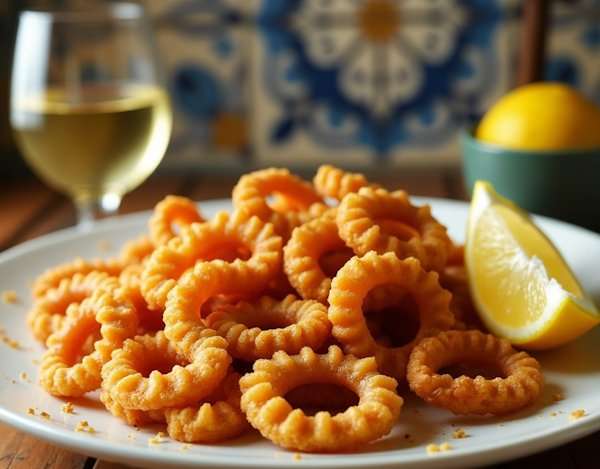
Setubal’s food identity comes from its deep connection to the sea. The city’s traditional fishing background and Mediterranean weather create amazing seasonal dishes that most visitors miss.
Beyond Choco Frito: Seasonal Seafood Specialties
Fried cuttlefish (choco frito) might be Setubal’s famous dish, but locals know there’s much more to the region’s seafood. Red mullet (salmonete) is one of the area’s special catches, known for its tender white flesh. This amazing fish lives in Setubal’s mixed-salt waters and gets its own food celebration called Salmonete Week.
Monkfish livers, known as “the foie gras of Portuguese seafood,” are a special treat you won’t see on most tourist menus. These delicacies show up at seafood stands year-round and surprise visitors with their rich, buttery taste.
Local oysters have become a new favorite in recent years. These salty treats come from the clean waters of Sado Estuary and need just a squeeze of lemon to bring out their natural taste. Neptuno Aquacultura lets you sample fresh oysters during a sunset wine cruise on the Sado River from May through September.
Where to Find the Freshest Catch at Mercado do Livramento
Mercado do Livramento is the soul of Setubal’s food scene. USA Today named it one of the world’s best fish markets in 2015. About 70 vendors – nearly half the market – sell only seafood.
The market welcomes visitors Tuesday through Sunday from 7 am to 2 pm. Locals suggest skipping Mondays completely. A trusted source explains, “Since fishermen don’t fish on Sundays, you will not have the chance to see the fantastic diversity of fresh fish”. Your best bet is to visit between Tuesday and Saturday when the selection is at its peak.
The market has more than just seafood. You’ll find wines from over 250 local makers, handmade honey and several kinds of traditional bread. The covered hall from 1930 shows beautiful azulejo (tile) panels that tell stories of Portuguese life, especially about fishing and farming.
Family-run Restaurants Hidden in Residential Neighborhoods
The city’s best food experiences lie away from the tourist-packed waterfront. Troino, a traditional fishermen’s neighborhood, has family-owned places serving incredible meals without any fuss. Summer brings outdoor grills that fill the streets with tempting smells.
Tasca do Xico da Cana stands as a symbol of local tradition for over 100 years. This food landmark, named after Francisco José Batista (a famous local fisherman and musician), makes the best turbot with clams (pregado com amêijoas) in their special house sauce.
Pérola da Mourisca started as a simple café near the historic Mourisca Estate by the Sado Estuary. Over 40 years, Maria dos Anjos and her sons turned it into a local favorite. Their restaurant serves amazing tapas that mix Alentejan flavors with fresh seafood.
Seasonal Food Festivals Worth Planning Your Trip Around
Setubal celebrates its food heritage with festivals throughout the year:
- Festa do Choco (April): This festival celebrates the city’s famous fried cuttlefish. Restaurants across town create their own special versions.
- Festival da Ostra (July): The region’s hand-picked oysters from the Sado River take center stage. Fresh oysters pair with local wines while chefs show their cooking skills.
- Cheese, Bread and Wine Festival (March/April): Quinta do Anjo hosts this free three-day event showing the region’s best products. You can taste Moscatel de Setúbal, Faralhão bread, Belmar preserves and watch chefs prepare traditional dishes like feijoada de chamuças.
These seasonal festivals are perfect for food lovers who want to learn about local food culture and taste specialties at their best.
More on the best beaches near Lisbon.
Authentic Cultural Experiences in Setubal Portugal
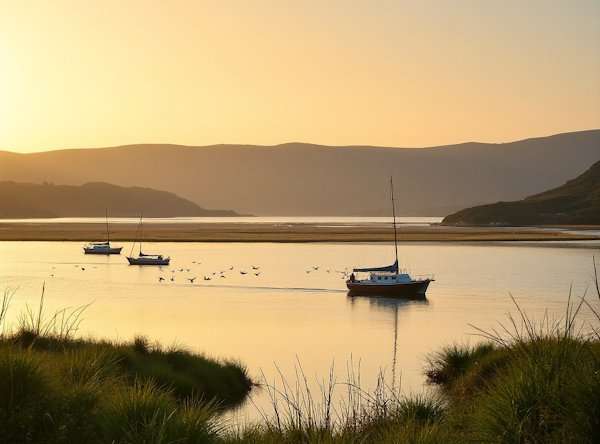
The cultural heart of Setubal Portugal blends centuries-old traditions with modern artistic expression. Visitors can learn about local life beyond typical tourist spots. This coastal city’s heritage remains hidden from mainstream tourism, making it perfect for travelers who want real connections with local traditions.
Participating in Traditional Sado Estuary Fishing
The Sado Estuary has shaped Setubal’s identity for thousands of years. Fishing traditions here go back to Roman times. The city was once a major sardine industry hub and has kept its strong connection to the sea. Visitors can now take part in these age-old practices instead of just watching.
You can join local fishermen at Carrasqueira village, which has the largest fishing community in the Sado Estuary. The village features Portugal’s biggest stilt harbor—an amazing maze of wooden stakes that hold up walkways leading to boat anchorages. These structures sink deep into the mud and create picture-perfect scenes while serving the local fishermen.
Mourisca shows another side of traditional fishing life. This 40-hectare property sits in the heart of the Sado Estuary Nature Reserve. It houses one of just four tide mills that existed in the region. Guided tours help visitors learn fishing techniques passed down through generations of setubalenses who keep their deep bond with the sea.
Local Festivals That Tourists Rarely Hear About
The Festival de Música de Setúbal is a hidden cultural treasure that celebrates the region’s nature and communities. The festival has brought together professional and amateur musicians since 2011. Much of Setubal’s population—about 10,000 locals—have helped create and perform over the years.
The festival welcomes everyone and believes each person has something musical to share. Professional groups like the Gulbenkian Choir perform with community ensembles throughout the city. The 2023 festival brought famous artists Pedro Abrunhosa, Paco Peña and Cuca Roseta to celebrate “Life and Celebration.”
Festa das Vindimas (Wine Harvest Festival) turns the quiet village of Palmela into a lively party from late August to early September. Almost every winery in the Setubal region sets up booths to sell wine. The festival includes:
- Crowning of the Vindimas queen
- Nightly music performances
- Regional food specialties
- Wine tasting opportunities
The locals say weekend evenings have the best festival atmosphere, but daytime visits are more relaxed.
Art and Music Scenes Off the Tourist Trail
Art in Setubal goes beyond museum walls and into daily life. The city shows its dedication to public art through colorful street decorations along cobbled shopping streets. Local groups create new, creative decorations every few weeks out of community pride.
Street art holds deep cultural meaning here. Ricardo Romero’s 2023 mural shows this perfectly. It depicts José Domingues, the last caulker from the Fisherman’s neighborhood. This artwork preserves not just one person’s memory but a disappearing craft that’s central to Setubal’s maritime identity.
Several excellent music venues await discovery in the city. Casa da Cultura stands as an iconic landmark in an 18th-century building that’s now a dynamic performance space. It hosts everything from traditional fado to modern jazz with great acoustics in an intimate setting. Forum Municipal Luísa Todi—named after the famous Portuguese opera singer—shows cultural revival with modern facilities that seat up to 600 people.
La Bohémia and Bardo offer a more casual vibe. These venues draw different crowds with varied music, from Portuguese classics to international acts.
Outdoor Adventures Beyond the Typical Tourist Trail
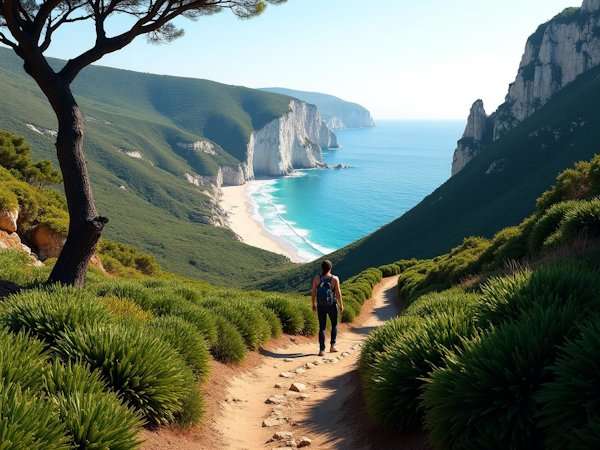
Setubal Portugal sits between mountains and sea, giving adventure seekers many ways to connect with nature away from tourist crowds. The area’s varied landscape makes a perfect playground for outdoor lovers who want real experiences beyond typical tourist spots.
Hidden Hiking Trails With Spectacular Views
The Serra da Arrábida mountains hide trails that give hikers amazing views. Alto do Formosinho, the highest peak in Arrábida Natural Park, lets you see in every direction. Hikers can spot Lisbon on clear days from this spot. The trail is moderately difficult but rewards climbers with stunning views.
History buffs will love the Trail of the Mills with its line of old windmills. This mostly flat path runs alongside Palmela Village and shows off northern views. The trail’s height gives better views than nearby paths, making it perfect for photographers.
The unmarked trail from Calhau da Cova to Cabo de Ares beckons more daring hikers. This path in Arrábida Natural Park leads through wild landscapes with dramatic cliff views along Sesimbra’s east coast. The Atlantic Coast trail from Sesimbra to Portinho da Arrábida gives a complete experience with quiet beaches and beautiful lighthouses.
Kayaking Routes Only Locals Use
Skilled paddlers head to Portinho da Arrábida to kayak far from tourist spots. The spot lets you safely explore the Atlantic coast while seeing mountains meet the sea. Clear waters show rich marine life, and you might spot dolphins, turtles, and various fish.
Lagoa de Albufeira works great for beginners or anyone wanting calm waters. The lagoon has many birds and fish, letting you watch wildlife while paddling through quiet waters.
Local kayakers love exploring the Arrábida mountain coastline to find hidden sea caves and small coves you can’t reach by land. These routes show off the area’s rock formations, with amazing caves and cliffs near Cabo Espichel. Some local guides mix kayaking with snorkeling stops at beaches like Ribeiro do Cavalo, which Europe named its best beach in 2017.
Wildlife Spotting in Lesser-known Parts of the Natural Park
Arrábida Natural Park holds amazing biodiversity with 213 vertebrate species. The park has 8 amphibians, 16 reptiles, 154 birds and 35 mammals. This wealth of nature gives wildlife fans many chances to observe animals away from tourist paths.
Bird watchers should look for the rare Bonelli’s Eagle, the only pair nesting on Portugal’s coast. Other notable birds include:
- Peregrine falcon and eagle owl
- Swift-real and black redstart
- Nightingale and robin
- Hoopoe and kingfisher
- Woodpecker spotted-large
Park caves and cliffs house special bat species like the Bat-of-Teddy, bat of horseshoe-Mediterranean and bat of horseshoe-large. You might see foxes, weasels, badgers, wild rabbits and maybe even the shy wildcat.
The Sado Estuary adds its own special wildlife viewing chances. This natural reserve has one of Europe’s few resident bottlenose dolphin groups. Boats leave from Setubal harbor so visitors can watch these smart creatures in their natural home. It’s one of the rare places in Europe where dolphins live in estuaries.
Spring or early autumn works best for memorable wildlife encounters. These seasons bring mild weather, fewer tourists and more active animals. Nature photographers will find perfect conditions for authentic wilderness shots.
Living Like a Local: Neighborhood Secrets
Living like a local in Setubal Portugal means becoming part of the neighborhood’s daily rhythm. The real magic happens away from tourist spots, where authentic moments shape this coastal community’s character.
Morning Routines: Where Locals Get Their Coffee and Pastries
Setubalenses start their days with strong coffee and fresh-baked treats at their favorite spots. Pastelaria Bambu has earned its reputation with delicious pastries and exceptional cakes that locals have enjoyed through generations. Many residents can recall their childhood birthday cakes from this beloved spot.
Botequim du Bocage on Praça de Bocage offers a genuine morning experience. The friendly staff serves outstanding coffee and “cakes to die for”. The central square comes alive with locals starting their day, making it perfect to watch the city wake up.
Tania and Ricardo Amante’s Confeitaria d’Arrábida, a 10-year old establishment, has quickly become a neighborhood gem. Their unique mix of traditional and modern pastries draws regular customers. Health-conscious locals head to Alegre-me, where fresh ingredients and the owners’ warm welcome create a homey atmosphere.
Evening Traditions: Sunset Spots and Neighborhood Gatherings
Locals flock to Miradouro de São Sebastiao as the day winds down. This elevated spot showcases stunning views of the coastline and Troia Peninsula, particularly during golden hour. A picnic basket makes the experience even better.
Praça Machado dos Santos buzzes with activity in the evening. Simple restaurants dot this leafy square, with outdoor grills placed between plastic chairs and paper tablecloths—Portuguese dining at its most authentic.
The fishing port springs to life at sunset. Residents take leisurely walks along the docks, admiring the colorful wooden boats. Photography enthusiasts love this spot, and several excellent fish restaurants serve the day’s catch fresh.
Shopping Where the Locals Shop
Mercado do Livramento stands as the cornerstone of local shopping. Open Tuesday through Sunday from 7am to 2pm, this market was recognized by USA Today as one of the world’s best fish markets. Locals come here not just for seafood but also regional wines, honey, artisanal bread and handicrafts.
Solar do Pão serves as the go-to bakery for daily essentials. The friendly staff consistently delivers fresh bread and pastries. Locals skip tourist shops and head to small boutiques hidden in residential areas that sell everything from beachwear to modern Portuguese fashion.
Practical Tips for an Authentic Setubal Experience

Local knowledge can turn your regular tourist visit to Setubal Portugal into a genuine local experience. These tips will help you blend in, make the most of your time, and build real connections in this beautiful coastal town.
Getting Around Like a Local
The historic center of Setubal is flat, making it perfect to explore on foot since most attractions are within easy walking distance. TST (Transportes Sul do Tejo) runs a detailed bus network for longer trips. You’ll find busses leaving from two main spots—Terminal Rodoviário TST near Praça do Quebedo and Setubal Station. Uber and other rideshare services work great for places too far to walk.
Best Times to Visit Popular Attractions
The shoulder seasons (April-June and September-October) are the best time to visit Setubal. The weather is nice, crowds are smaller, and you might find better deals on places to stay. Head to Mercado do Livramento early (Tuesday through Sunday from 7am to 2pm) to see the best selection and feel the real local vibe. Skip Mondays completely since fishermen take Sundays off.
Budget-friendly Activities Throughout the Year
Setubal has plenty of ways to have fun without spending much. The hiking trails at Parque Natural da Arrábida are free and so are public viewpoints like Miradouro de São Sebastiao. Forte de São Filipe offers amazing views at no cost, though there’s a small fee to go inside. Most beaches, including Albarquel, are free except for possible parking fees. Cultural spots like Museu do Trabalho Michel Giacometti cost about €1 to visit.
Language Tips That Will Win Over the Locals
A few simple Portuguese phrases can boost your experience and show respect. Greetings change through the day: “Bom dia” until noon, “Boa tarde” until 6pm, and “Boa noite” after that. Men should say “obrigado” and women “obrigada” when saying thanks. Locals love it when visitors try speaking Portuguese, even if it’s not perfect. Remember to say hello when entering shops—locals expect this courtesy. Two helpful phrases are “Preciso de ajuda” (I need help) and “Fala inglês?” (Do you speak English?).
Enjoy Setubal Portugal
Setubal Portugal is different from your typical tourist spot. This old fishing city welcomes visitors who step away from the busy tourist routes. You’ll see everything from quiet beaches and hidden swimming spots to small family restaurants that serve seasonal local dishes. The Serra da Arrábida hills and playful dolphins make this place special all year round.
Locals help turn a simple visit into something memorable. The city reveals its Portuguese soul in morning bakeries, traditional fishing spots and quiet hiking paths. Setubal’s seasonal beat comes alive through food festivals and cultural events that show you Portugal’s ground life.
Setubal keeps its charm despite being near Lisbon. The best visits happen when you learn some simple Portuguese words and follow local customs. This coastal town blends old traditions with stunning nature. Its mix of local culture, beautiful views, and sea heritage makes it perfect for anyone who wants to see the real Portugal away from tourist crowds.
FAQs
Q1. What are some hidden beaches in Setubal that locals love?
Praia dos Coelhos is a favorite among locals, accessible only by a short hike. Other secluded spots include Ribeiro do Cavalo and Cova da Mijona, which offer crystal-clear waters and are less crowded than popular tourist beaches.
Q2. When is the best time to visit Setubal to avoid crowds?
The best times to visit Setubal are during the shoulder seasons of April-June and September-October. These periods offer pleasant weather, fewer tourists and potentially lower accommodation prices compared to the peak summer months.
Q3. What unique food experiences can I find in Setubal?
Beyond the famous choco frito (fried cuttlefish), try seasonal specialties like red mullet or locally cultivated oysters. Visit the Mercado do Livramento for the freshest seafood and explore family-run restaurants in residential neighborhoods for authentic local cuisine.
Q4. Are there any interesting cultural events in Setubal that tourists might not know about?
Yes, Setubal hosts several unique events throughout the year. The Festival de Música de Setúbal celebrates local music and community involvement, while the Festa das Vindimas in nearby Palmela offers a genuine wine harvest experience with local flavors and traditions.
Q5. How can I explore Setubal’s natural areas like a local?
For an authentic outdoor experience, try kayaking along the Arrábida coastline to discover hidden caves and coves or hike lesser-known trails in the Serra da Arrábida Natural Park. The Sado Estuary also offers unique opportunities for dolphin watching and traditional fishing experiences.



Leave A Comment