

The Indianapolis Motor Speedway ranks as the world’s largest sports venue. This famous landmark can seat 257,325 people permanently for its iconic racing events.
The city’s architectural beauty and cultural heritage tell amazing stories beyond racing. A magnificent monument to common soldiers, the Soldiers and Sailors Monument, reaches 284 feet into the sky above Monument Circle. The world’s biggest children’s museum sits right here in Indianapolis. Its five floors burst with hands-on exhibits that captivate young minds.
The city offers countless attractions to explore. White River State Park spreads across 250 acres of natural beauty. The historic Indiana State Capitol has stood proudly since 1888. Art lovers can view over 54,000 pieces at the Indianapolis Museum of Art at Newfields. The Eiteljorg Museum houses 25,000 Native American artifacts. This piece explains 15 landmarks that showcase Indiana’s capital city’s heritage and culture beautifully.
Monument Circle: The Heart of Indianapolis

Monument Circle beats at the heart of downtown Indianapolis. Visitors experience a fascinating mix of history, architecture and civic pride in this iconic circular street. The space surrounds one of Indiana’s most recognizable landmarks and serves as a year-round gathering spot for locals and tourists alike.
Historical Significance of the Soldiers and Sailors Monument
The majestic Indiana Soldiers and Sailors Monument towers over the circle. It stands 284 feet and 6 inches tall—just 15 feet shorter than the Statue of Liberty. German architect Bruno Schmitz completed this limestone obelisk in 1902. The neoclassical masterpiece holds a special place in history as America’s first monument dedicated to the common soldier. It pays tribute to Hoosiers who served in the Revolutionary War, War of 1812, Mexican War, Civil War, Frontier Wars and Spanish-American War. The monument earned National Historic Landmark status in 2017, securing its place among America’s most important memorials.
Best Times to Visit Monument Circle
Spring and fall shoulder seasons offer the best visiting experience, especially late May or September. The “Original Farmers’ Market” livens up Wednesday afternoons with special “SPARK on the Circle” programming. You’ll find the monument’s gift shop and observatory open from 10:30 AM to 5:30 PM, Thursday through Sunday. The observation deck rewards visitors with amazing views, but note that you’ll need to climb 49 steps after the elevator ride.
Annual Events and Celebrations
Monument Circle comes alive with signature events throughout the year:
- Circle of Lights (November-December): Indianapolis’ oldest holiday tradition turns the monument into a stunning light display
- Pride Celebration on the Circle (June): A free, family-friendly two-day event celebrates the LGBTQ+ community
- Shining A Light: Regular light shows honor various causes and celebrations
Photography Tips for Capturing the Monument
Monument Circle creates perfect urban backdrops with its classic architectural elements. Nearby parking garages give you elevated views to capture the cityscape with the monument. Sundays tend to be less crowded and offer free parking. The “Shining A Light” presentations create dramatic shots as colorful projections light up the monument and surrounding buildings.
Indianapolis Motor Speedway: Racing Heritage
The Indianapolis Motor Speedway, built in 1909, stands as one of the most important historical sites in Indianapolis and represents the peak of American racing heritage. This legendary 2.5-mile oval track reshaped the scene from a testing ground to become the world’s premier racing venue.
The Birth of the Indy 500
Carl G. Fisher began the mission to create the Speedway. He joined forces with James Allison, Arthur Newby, and Frank Wheeler to build a testing facility for Indiana’s growing automotive industry. Fisher wanted to build a 5-mile track at first, but the team chose the now-iconic 2.5-mile rectangular oval instead. The first Indianapolis 500 took place on Memorial Day, May 30, 1911 and drew about 80,000 spectators. Ray Harroun made history that day by using the first documented rearview mirror in his Marmon “Wasp”. The track got its nickname “The Brickyard” after workers paved it with 3.2 million bricks in 1909.
Indianapolis Motor Speedway Museum Highlights
The Indianapolis Motor Speedway Museum opened its doors in 1956 and showcases this famous landmark in Indiana‘s rich history. The museum completed a $60.50 million renovation in April 2025 and now features:
- Over 55,000 artifacts including 150+ historic vehicles
- Indianapolis 500 winning cars in chronological order
- The sterling silver Borg-Warner Trophy displaying winners’ faces
- Interactive STEAM exhibits that explain racing technology
Track Tour Experience
This Indianapolis must-see offers several ways to explore its grounds. The popular “Kiss the Bricks” tour takes visitors on a 30-minute narrated trip around the oval and stops at the start/finish line. The 90-minute Golf Cart Tour gives access to restricted areas like the Pagoda, Gasoline Alley and Victory Podium.
Best Times to Visit for Non-Race Days
The facility opens its doors all year except on Thanksgiving and Christmas. Museum tickets cost $25 for adults, $23 for seniors and $18 for youth ages 6-15. Tours run daily from 10:00 a.m. to 3:00 p.m., but weather and track events might change schedules. Visitors can park free on non-event days. The best time to avoid crowds is during weekdays outside the May racing season.
Indiana War Memorial Plaza: A Tribute to Veterans
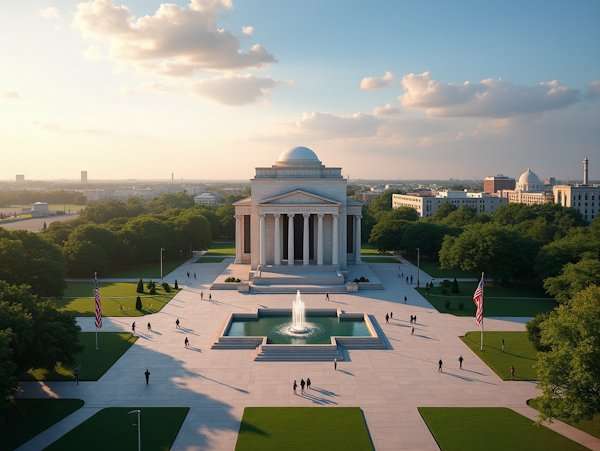
The Indiana War Memorial Plaza spans 25 acres in downtown Indianapolis and stands as a remarkable tribute to American veterans. This National Historic Landmark District ranks among the most important Indianapolis historical sites. The plaza has the largest war memorial project in the United States, second only to Washington D.C. in the number of monuments dedicated to veterans.
Learning about the Indiana War Memorial Museum
The museum spreads across 30,000 square feet and tells the story of American military history. Its exhibits range from the Revolutionary War to recent conflicts. The detailed collection includes:
- Thousands of military artifacts with uniforms, medals and equipment
- An AH-1 Cobra Attack Helicopter from the Vietnam era
- The USS Indianapolis Gallery showcases medals, photographs and the ship’s bell
- Over 400 original battle flags, mostly from Indiana Civil War regiments
Architectural Features and Design
The memorial takes its design inspiration from the ancient Mausoleum of Halicarnassus. Its neoclassical architecture reflects Greek design elements from the fifth century. Six Ionic columns grace each side and support a classical entablature decorated with bas-relief carvings of stylized eagles.
The Shrine Room stands as the interior’s masterpiece. This stunning space reaches 110 feet tall and measures 60 feet square. Twenty-four blood-red Vermont marble pillars reach toward the ceiling. A Swedish crystal Star of Destiny hangs majestically above the Altar of Consecration. The names of all Hoosiers who served in World War I line the stairway walls.
Photography Opportunities
Photographers will find many compelling subjects at the memorial. The grand limestone staircase and twenty-foot-tall golden doors create stunning backdrops. In fact, the steps provide interesting composition angles against the urban landscape. The Pro Patria statue commands attention on the south steps. This 24-foot-tall bronze figure was once America’s largest bronze casting.
Nearby Historical Sites
The historic district features several notable landmarks:
- USS Indianapolis CA-35 Memorial along the Canal Walk
- American Legion Mall with its national headquarters
- Cenotaph Square honors James Bethal Gresham, the first American Expeditionary Forces member killed in WWI
- Korean, Vietnam, and World War II memorials added in the 1990s
History enthusiasts can visit this landmark Wednesday through Sunday from 9 AM to 5 PM. The memorial offers free admission, making it an available must-see Indianapolis destination.
Laugh at these Indiana puns.
The Children’s Museum of Indianapolis: World’s Largest Children’s Museum
The Children’s Museum of Indianapolis stands as the world’s largest children’s museum, with its impressive 481,000 square feet of interactive experiences. This famous landmark in Indiana features five floors of immersive exhibits that fascinate visitors young and old.
Top Exhibits for Families
The museum’s signature experiences draw families naturally. Visitors can enjoy 7.5 acres of outdoor sports activities at The Riley Children’s Health Sports Legends Experience, where they practice basketball, football and racing. The Power of Children exhibit brings to life inspiring stories through recreated environments of Anne Frank, Ruby Bridges, Ryan White and Malala Yousafzai. Many experienced visitors suggest that newcomers should focus on exhibits matching their children’s interests rather than trying to see everything at once.
Dinosphere: A Journey Through Time
Dinosphere, the museum’s crown jewel, takes visitors back 150 million years. The expanded exhibit now features three distinct areas. Giants of the Jurassic showcases massive 65-foot sauropods, while Creatures of the Cretaceous houses the popular T. rex named Bucky. Monsters of the Mesozoic Seas displays prehistoric marine life. Young visitors can touch actual fossils, work alongside paleontologists and watch their dinosaur artwork come alive on projection screens.
Seasonal Events and Special Exhibitions
The museum celebrates its centennial in 2025 with “Memories, Wonders and Dreams: Stories from 100 Years”. Children ages 2-5 can help Mickey throw a surprise birthday party for Pluto in “Mickey Mouse Clubhouse: The Exhibit” from February through August. The museum hosts First Thursday Nights with USD 6.00 admission, an Annual Haunted House each October and Museum My Way sessions tailored for families with sensory sensitivities.
Visitor Tips from Local Parents
Local parents suggest visiting before 11:30 a.m. or after 3 p.m. to avoid crowds. The museum provides surface parking north on Illinois Street as an alternative to the main garage. Families should have their digital membership cards ready and check the Food Court’s online menu for allergy-friendly options before their visit.
White River State Park: Urban Oasis

White River State Park, America’s only urban cultural state park, spans 250 acres in downtown Indianapolis and draws nearly 4 million visitors annually. This green sanctuary blends natural beauty with world-class attractions to create a famous Indianapolis landmark that stands unique in the Midwest.
Must-Visit Attractions Within the Park
Seven world-class attractions call the park home. The Indianapolis Zoo and White River Gardens opened their International Chimpanzee Complex. Art lovers will find the Eiteljorg Museum of American Indians and Western Art fascinating with its rich collection of Native American artifacts. The Indiana State Museum captivates science and history enthusiasts with its state-of-the-art IMAX Theater. Sports fans can spend time at the NCAA Hall of Champions, while baseball fans enjoy Indianapolis Indians games at Victory Field.
Seasonal Activities and Events
White River State Park buzzes with activities year-round. The Indianapolis Zoo lights up spring with its xZOOberance Spring Festival. The OneAmerica Broad Ripple Art Fair brings summer to life. Fall welcomes visitors to the Eiteljorg Museum’s Indian Market, and winter comes alive with the Indiana State Museum’s Celebration Crossing. The park creates comfortable environments through sensory-inclusive days for families with sensory needs.
Walking and Biking Trails
A vast trail network showcases Indianapolis’s urban beauty. The White River Trail runs 4.75 miles from Riverside Regional Park to White River State Park. The Indianapolis Cultural Trail, an eight-mile dedicated path, connects the park with downtown attractions and cultural districts. Visitors can enjoy the Central Canal Towpath, a 7.7-mile crushed limestone trail that links the Monon Trail in Broad Ripple Village to the White River Greenway.
Concert Venues and Performances
The Everwise Amphitheater stands as the park’s crown jewel for outdoor concerts, featuring 2,500 reserved seats under a covered artistic canopy and 3,500 general admission lawn seats. This venue earned the 2021 Indy Chamber Monumental Awards and hosts major music acts from April through October. The 2025 lineup includes Judas Priest, Chris Young, Bad Religion and NEEDTOBREATHE. Music lovers appreciate the venue’s location, just a short walk from five-star hotels and the Indianapolis Convention Center.
A guide to the largest zoos in the world.
Indianapolis Museum of Art at Newfields: Art and Nature
The Indianapolis Museum of Art at Newfields spans 152 acres and stands as one of the city’s most diverse famous Indianapolis landmarks. This unique space blends artistic treasures with natural splendor.
Notable Collections and Masterpieces
The museum proudly houses over 54,000 works that showcase global art history from ancient times to today. It boasts the ninth oldest and eighth largest encyclopedic art collection in the United States. Art lovers come from far and wide to see:
- Robert Indiana’s iconic LOVE sculpture, which celebrates its 50th anniversary in 2025
- One of America’s richest collections of Neo-Impressionist paintings
- Masterpieces by Rembrandt, Turner, Gauguin, van Gogh, and O’Keeffe
- Rich collections of Japanese Edo period paintings and Chinese ceramics
The Virginia B. Fairbanks Art & Nature Park
This 100-acre natural haven serves as America’s only major art park that commissions temporary works. Visitors enjoy free access from sunrise to sunset. The park features playful interactive sculptures. People love to climb on Atelier Van Lieshout’s Funky Bones—the white bone-shaped benches that appeared in John Green’s novel “The Fault in Our Stars”. The 2024 “Home Again” exhibition brings three new sculptures that explore themes of shelter.
Seasonal Garden Displays
The 52-acre horticultural space transforms beautifully with Indiana’s seasonal changes. Spring Blooms (March-May) creates a spectacular display with over 60,000 daffodils, hyacinths and tulips covering The Garden. Art in Bloom kicks off the spring season with a four-day celebration where floral designs complement museum artworks.
Events and Programs for Art Lovers
The museum offers compelling exhibitions that connect artistic expression with cultural meaning. Right now, visitors can see “Käthe Kollwitz: Visions of Solidarity and Resilience” which showcases the German artist’s printmaking. Garden tours happen monthly to highlight seasonal beauty. The Ruth Lilly Visitors Pavilion, a LEED-certified space, hosts educational programs, artist talks, performances and readings.
Benjamin Harrison Presidential Site: Presidential History

The Benjamin Harrison Presidential Site welcomes visitors to a beautifully preserved 10,000 sq. ft. Italianate Victorian residence. This Indianapolis historical site has stood proudly since 1875 and gives people a window into America’s 23rd president’s life.
Tour Highlights of the Victorian Home
This elegant 16-room limestone mansion took two years to build and cost $24,000. The house boasts 23 light fixtures and running water, which was rare back then. Visitors can explore three floors of this stunning home where 80% of the items belonged to the Harrison family. Beautiful craftsmanship shines through the ornamental door knobs, door panels, intricate moldings and decorative hinges that showcase 19th-century artistry. The Welcome Center in the red barn behind the main house serves as the starting point for tours. These run every two hours Monday through Thursday and every hour Friday through Sunday.
Historical Artifacts and Exhibitions
This independently-funded presidential site holds over 10,000 historical items of national importance. Visitors can discover:
- Harrison’s rosewood Renaissance Revival bed that features an Egyptian medallion headboard
- An 1890 upright piano crafted by J & C Fischer of New York
- Caroline Scott Harrison’s hand-painted serving dishes
- Letters between Frederick Douglass and President Harrison during Douglass’ time as Ambassador to Haiti
The third floor used to be a ballroom where the Harrisons threw parties. Now it houses rotating exhibits curated by VP of Curatorship Jennifer Capps that range from historic fashion to presidential pets.
Special Events and Educational Programs
The Mary Tucker Jasper Endowment funds the Presidential Speaker Series, which runs throughout the year. Students learn about American history through Harrison’s legacy in programs like “Civics Squared” tours. These free programs started in Marion County schools and use Harrison’s actual artifacts to teach history. The site celebrates Harrison’s role as the first president with a decorated White House Christmas tree through special holiday tours each December.
Central Canal and Canal Walk: Scenic Waterwa
The picturesque Central Canal winds through downtown Indianapolis and gives visitors a peaceful break from city life with calm waters and beautiful views. This 3-mile loop runs from 11th Street to White River State Park and has become a Indianapolis must see for locals and tourists alike.
Gondola and Boat Rental Options
The canal lets visitors create lasting memories on this famous Indianapolis landmark through several boat options. Old World Gondoliers celebrates 25 years of bringing authentic Italian-style gondola rides with singing gondoliers. Their prices are:
- 30-minute private gondola: $189 (2-8 people)
- 60-minute private gondola: $378 (2-8 people)
- 30-minute public gondola: $36 per person
Wheel Fun Rentals gives you different options with hourly rates for single kayaks at $22, double kayaks at $28 and decorative swan-shaped pedal boats at $44 per hour. The swan boats light up after dark to give amazing views of the Indianapolis skyline.
Dining Along the Canal
Hungry visitors will find several great places to eat along the water. Fresco Italian Café stands as one of the canal’s first restaurants and serves homemade Italian ice—perfect when summer heats up. High Velocity sits just 0.1 miles from the canal and ranks as Indianapolis’ #1 restaurant on TripAdvisor. Stardust Terrace Café and many nearby restaurants offer food choices for every taste.
Public Art Installations
Art pieces funded by $4 million in private support make the canal walk even more special. Notable works include William Dennisuk’s “Spin,” which is part of a three-piece environmental project, and Truman Lowe’s “Water Whispers” that uses flowing glass to create a waterfall effect. The 92 County Walk decorates the canal walls with art representing each Indiana county.
Connecting to the Cultural Trail
The eight-mile Indianapolis Cultural Trail meets the Canal Walk at two points and creates an easy-to-walk network through downtown. This award-winning trail works as the hub of Indianapolis’ regional greenway system and connects you to White River State Park and several museums.
Eiteljorg Museum of American Indians and Western Art
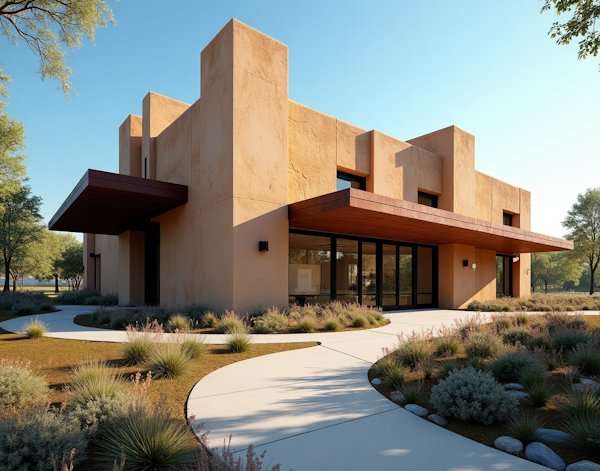
The Eiteljorg Museum stands as a unique Indianapolis historical site – the only museum east of the Mississippi that showcases both Native American and Western art. This distinctive famous landmark in Indiana houses one of the world’s best collections of contemporary Native American art, thanks to Indianapolis businessman Harrison Eiteljorg who founded it in 1989.
Notable Collections and Exhibits
The museum’s galleries display over 50,000 pieces spanning two centuries of artistic expression. Visitors can explore “Attitudes: The West in American Art,” which showcases different viewpoints of Western identity. The newly reimagined Native American galleries offer themed experiences around relation, continuation, and state-of-the-art design. “Voices from the Arctic: Contemporary Inuit Art” now features more than 80 stunning sculptures and prints created from the 1960s to present day.
Native American Cultural Events
Since 1993, the Indian Market and Festival has become one of Indianapolis’ premier summer cultural events. Artists from more than 50 Native American and First Nations groups gather to share their work. The museum also hosts Indigenous Peoples’ Day celebrations with cultural demonstrations and hands-on activities. Year-round events include Indigenous Food Sovereignty dinners, Juneteenth celebrations and the National Day of Awareness for Missing and Murdered Indigenous Women and Girls.
Western Art Masterpieces
The Western Art Collection features works by celebrated artists Georgia O’Keeffe, Charles Russell, Frederic Remington and Albert Bierstadt. George Gund’s 2002 donation substantially expanded the collection with important paintings and bronzes. Kenneth ‘Bud’ Adams’s bequest ranks among the largest historically significant Western art donations, now featured in the “Titan of the West” exhibition.
Educational Programs and Workshops
The museum welcomes students and lifelong learners with guided tours that last 45-60 minutes and adapt to any grade level. Indianapolis Public School groups can visit free of charge. The museum’s educational resources center on three themes—relation, continuation, and innovation—to frame discussions about Native cultures. Studio sessions with visiting artists in residence add depth to these learning opportunities.
Spiritual retreats in New Mexico.
Indiana State Capitol: Architectural Marvel
The Indiana State Capitol stands as one of the most visually striking Indianapolis historical sites. Built in 1888, this stately building showcases stunning Italian Renaissance Revival architecture. Indiana limestone and oak serve as the life-blood materials of this structure that has been the center of civic life for almost 140 years.
Historical Significance and Design
Edwin May named his winning design “Lucidus Ordo” (Latin for “clear arrangement”). He shaped the building as a Greek cross with a central dome and rotunda. Swiss-born architect Adolph Scherrer took over the project after May’s death. He modified facade details and supervised construction. The ten-ton life-blood stone came from Spencer, Indiana. Workers placed it on September 28, 1880, and sealed forty-two different items inside. The building ended up housing all three branches of government: executive offices, the Indiana State Senate, the Indiana House of Representatives and the Indiana State Supreme Court.
Guided Tour Highlights
Visitors can explore this famous landmark in Indiana through two types of free guided tours:
- Statehouse Tours: These 30-45 minute detailed tours cover all three branches of government among the building’s history and architecture
- School Tours: These 60-minute unique experiences cover state history, architectural details and government functions. Students might even meet legislators during their visit
Government in Action: Visiting During Sessions
The sort of thing I love about first-time visits is watching government in session. The building houses both the House and Senate chambers where the General Assembly meets. Yes, it is worth noting that lawmakers conducted business amid ongoing construction when the legislature first met in 1887.
Photography Tips for Capitol Visitors
Visitors can freely take casual photos with non-professional equipment throughout most public areas. Professional portrait sessions cost USD 50.00 per session, while commercial photography starts at USD 150.00. The stunning rotunda offers dramatic shots with its stained glass dome, marble floors and two three-story atriums. The Washington Street elevation provides excellent exterior photography opportunities.
Madam Walker Legacy Center: Cultural Landmark

The Madam Walker Legacy Center, the last iconic building standing on Indiana Avenue, is evidence of America’s first female self-made millionaire and remains a must-see Indianapolis destination for culture enthusiasts. This four-story flatiron landmark continues to captivate visitors with its rich history and dynamic programming.
Madam C.J. Walker’s Entrepreneurial Legacy
The structure, built to house the Madam C.J. Walker Manufacturing Company, showcases the groundbreaking achievements of a woman born to former slaves who created a hair care and beauty products empire for Black women. Her entrepreneurial spirit opened doors for over 3,000 women who found employment at her company. The Walker family preserves her legacy through lectures, books and the Madam Walker Family Archives—a collection of business records, clothing, furniture, and personal artifacts. Indianapolis celebrates Walker’s impact through public art, with murals adorning the Indianapolis International Airport and Alexander Hotel.
Architectural Significance
The striking building, completed in 1927, blends Art Deco with African, Egyptian and Moorish motifs. It stands as one of the few African-Art Deco buildings left in the United States. The structure earned National Historic Landmark status in 1991 after joining the National Register of Historic Places in 1980. Moody Nolan, the nation’s largest African American-owned architecture practice, led a USD 15.30 million restoration in 2018. They meticulously restored original features, including large street-level windows previously hidden behind brick.
Cultural Events and Performances
The center thrives as a cultural hub with diverse programs:
- Jazz performances in the historic theater where Ella Fitzgerald, Nat King Cole and Lena Horne once performed
- The Legacy Fest brings concerts and a free community block party
- Art exhibitions like “Soul Real Ism” showcase Midwest artists
- Monthly events include “Jazz on the Avenue” and “Steppin’ on the Avenue”
Educational Programs
The center’s nonprofit mission drives various youth development initiatives. The Madam Walker Summer Institute runs a four-week STEAM-based program that focuses on underserved students through culture, arts and entrepreneurship. Project MAPPED delivers a 12-week curriculum with lessons in chorus, string orchestra, poetry, visual arts and dance that culminate in stage performances. These programs honor Walker’s legacy by promoting social justice, supporting entrepreneurship and strengthening future civic leaders.
Fountain Square Cultural District: Vibrant Neighborhood
Fountain Square Cultural District sits southeast of downtown Indianapolis. The neighborhood runs on artistic energy and historic charm that makes it a must-see Indianapolis destination for anyone looking for real local experiences.
Historic Fountain Square Theater Building
The Fountain Square Theater Building has been around since 1928 and serves as the district’s architectural jewel. The building’s original 1,500-seat theater showed motion pictures and vaudeville acts under a 40-foot domed ceiling filled with twinkling stars. Renovations started in 1994 turned the theater into a starlit courtyard while keeping its original architectural details and beautifully restored painted ceiling motifs. The building’s fourth floor was home to Fountain Square Recreation, where people bowled and played billiards.
Dining and Entertainment Options
Today, food lovers can pick from casual to upscale dining spots in the district. Upland Brewing Co. draws crowds with its small-batch brewery and local menu options. The historic Theater Building is now a complete entertainment hub with restaurants, bars, a hotel and duckpin bowling. Guests at the Rooftop Garden Restaurant get amazing views of the Indianapolis skyline while they dine.
Art Galleries and Creative Spaces
Murphy Arts Center anchors the district’s creative scene with its art galleries and 23 artist studios. The center opened in 1999 in what used to be the G.C. Murphy building from 1895. Art enthusiasts can find galleries all around the area that showcase contemporary works from local and national artists.
Local Events and Festivals
The district buzzes with activities year-round:
- First Friday art exhibitions fill Murphy Arts Center’s halls and studios with artists showing their work
- Swing Night happens at Fountain Square Theater on the 2nd and 4th Fridays with dance lessons ($3) and live swing bands ($12)
- Art Squared ranks among Indianapolis’ biggest art events, with vendor booths and competitions usually in late September
- Chreece Hip-hop Festival brings together over 80 local artists who perform across eight venues
Crown Hill Cemetery: Historical Resting Place

The 160-year old Crown Hill Cemetery started its journey in 1863 at Strawberry Hill and has grown into a remarkable Indianapolis historical site. This peaceful landmark covers 555 acres and stands as the third largest non-governmental cemetery in the United States.
Famous Graves and Monuments
More than 200,000 people from all walks of life rest here. Some notable graves include:
- President Benjamin Harrison (23rd President) with his gravesite marked by presidential commemorations
- John Dillinger, the notorious Depression-era bank robber whose headstone shows chips and wear from countless visitors
- James Whitcomb Riley, the beloved “Hoosier Poet” rests at “The Crown” – the highest point that gives stunning views of Indianapolis’s skyline
The National Cemetery section, added in 1866, features 795 Civil War soldiers laid to rest in neat rows with distinctive typography on plain markers.
Architectural and Natural Beauty
German architect Diedrich A. Bohlen’s Gothic Chapel stands as a centerpiece of Crown Hill’s architecture. Built in 1875 as a temporary storage vault, this limestone structure got a $3 million restoration in the early 2000s. The grounds feature 88 family mausoleums and a Community Mausoleum from the 1950s built with Indiana Bedford limestone exterior and marble interior.
This accredited arboretum hosts over 10,000 trees with about 130 different species. These trees create beautiful displays that look spectacular during fall.
Guided Tours and Events
The Crown Hill Foundation runs several public guided tours, including the Heritage Tour that showcases the cemetery’s history and notable graves. Visitors can join specialized tours about architecture, Civil War connections, tree specimens and artistic symbolism. Memorial Day brings Civil War reenactments at the Confederate Mound, where 1,616 Confederate prisoners lie at rest.
Photography Opportunities
Crown Hill serves as a perfect backdrop for photographers year-round. The cemetery’s rolling hills, historic graves, crypts and diverse trees make compelling subjects. Artists love the natural beauty here, as shown by the summer solstice Cyanotype Workshop where they create blue prints using UV light exposure among the historic surroundings.
Bottleworks District: Revitalized Historic Site
The Bottleworks District stands proudly on Massachusetts Avenue, where a remarkable $300 million project turned the 1931 Coca-Cola Bottling Plant into one of captivating Indianapolis historical sites. This beloved Indianapolis landmark has become a vibrant urban destination that draws both tourists and residents.
Art Deco Architecture of the Coca-Cola Bottling Plant
This architectural masterpiece, once the world’s largest Coca-Cola bottling plant, showcases beautiful Art Deco design elements. The building’s white glazed terra cotta façade displays ornate details with chevrons, sunbursts and elaborate spandrels. Hendricks Commercial Properties carefully restored thousands of exterior white terra cotta tiles with hand-lettered gold leaf accents. The building’s interior reveals beautifully restored intricate balustrades, glazed tile mosaics and vaulted ceilings.
The Garage Food Hall Experience
The Garage Food Hall occupies 38,000 square feet of two former commercial garages that housed Coca-Cola delivery trucks. This bustling marketplace now houses more than 14 restaurants and shops. Visitors can savor diverse cuisines from Modita’s Asian-inspired dishes to fresh seafood at BluPoint Oyster House. The industrial-chic space has become a community hub where people gather to enjoy regional flavors.
Entertainment Options
The district’s entertainment venues create memorable experiences. Living Room Theaters shows indie, foreign, and local films on eight screens, complete with comfortable seating and craft cocktails. Pins Mechanical brings together duckpin bowling and arcade games with an extensive beer selection. Sandbox VR takes gaming to new heights with full-body motion capture technology.
Shopping and Dining Highlights
The Fountain Room complements The Garage’s offerings by providing an upscale dining experience that brings “Supper Club flair without the formality”. Sundry and Vice creates modern versions of classic cocktails using house-made syrups. The district’s retail therapy options include boutique shopping, while Woodhouse Day Spa and W Nail Bar provide relaxation services.
Soldiers and Sailors Monument: Iconic Symbol

The Soldiers and Sailors Monument stands 284 feet tall in downtown Indianapolis. This remarkable limestone obelisk ranks among the most notable famous Indianapolis landmarks. Built in 1902, it measures just 15 feet shorter than the Statue of Liberty.
Observation Deck Experience
The observation deck sits 231 feet above street level and gives visitors stunning views of the Indianapolis skyline. Guests can take a trip up by climbing 330 interior steps or using an elevator for easier access. The elevator doesn’t go all the way – visitors must climb 49 more steps to reach the observatory. The observation area has glass windows on all sides instead of an open platform. Summer temperatures inside can reach above 85 degrees. Staff might restrict stair access when outside temperatures go above 90 degrees.
Historical Exhibits and Museum
The Col. Eli Lilly Civil War Museum sits in the monument’s basement. The museum opened its doors in 1918 with Civil War equipment and artifacts. Today’s visitors can explore:
- Historical exhibits that showcase events from the Revolutionary War through Spanish-American War
- Original artifacts that tell Indiana’s military story
- A gift shop with commemorative items
Visitors can check out the monument and gift shop Thursday through Sunday, 10:30 AM to 5:30 PM.
Holiday Light Celebrations
The monument becomes a stunning holiday display each Christmas season since 1945. This tradition grew into the “world’s largest Christmas tree” in 1962. The display now features 4,784 LED lights and 52 garland strands. Colored bulbs honor different military branches through January 12: green (Army), clear (Air Force), blue (Navy), yellow (Coast Guard) and red (Marines). The base features 26 large toy soldiers and 26 peppermint sticks that add to the festive mood.
Architectural Details and Design Elements
The monument shows off its neoclassical design with amazing artistry. Rudolf Schwarz created beautiful limestone sculptures including the “War” and “Peace” groupings, “The Dying Soldier,” and “The Homefront”. Statues representing Infantry, Cavalry, Artillery and Navy stand at the four corners. Victory’s statue tops the monument, holding a sword in her right hand and a torch in her left. These symbols represent freedom and liberty.
Comparison Table
| Landmark | Year Established | Type | Notable Features | Size/Capacity | Key Attractions |
|---|---|---|---|---|---|
| Monument Circle | 121 years old | Memorial/Plaza | Limestone obelisk, neoclassical design | 284 feet tall | Soldiers and Sailors Monument, observation deck, holiday light displays |
| Indianapolis Motor Speedway | 114 years old | Sports Venue | 2.5-mile oval track, brick surface | 257,325 seats | Racing events, Museum with 55,000+ artifacts, “Kiss the Bricks” tour |
| Indiana War Memorial Plaza | – | Memorial District | Neoclassical architecture, Shrine Room | 25 acres | Museum with 30,000 sq ft of exhibits, USS Indianapolis Gallery |
| Children’s Museum | – | Museum | Five floors of exhibits | 481,000 sq ft | Dinosphere, Sports Legends Experience, Riley Children’s Health exhibits |
| White River State Park | – | Urban Park | America’s only urban cultural state park | 250 acres | Indianapolis Zoo, Eiteljorg Museum, NCAA Hall of Champions |
| Indianapolis Museum of Art | – | Art Museum | Encyclopedic art collection | 152 acres | 54,000+ artworks, LOVE sculpture, Virginia B. Fairbanks Art & Nature Park |
| Benjamin Harrison Site | 148 years old | Historic Home | Italianate Victorian mansion | 10,000 sq ft | 80% original Harrison furnishings, 10,000+ historical items |
| Central Canal | – | Waterway | 3-mile loop waterway | N/A | Gondola rides, boat rentals, public art installations |
| Eiteljorg Museum | 34 years old | Art Museum | Contemporary Native American art | 50,000+ pieces | Western art collection, Indian Market and Festival |
| Indiana State Capitol | 135 years old | Government Building | Italian Renaissance Revival architecture | N/A | Legislative chambers, rotunda, guided tours |
| Madam Walker Legacy Center | 96 years old | Cultural Center | Art Deco with African motifs | 4 stories | Historic theater, cultural events, educational programs |
| Fountain Square | 95 years old | Cultural District | Historic theater building | N/A | Murphy Arts Center, dining venues, entertainment spaces |
| Crown Hill Cemetery | 160 years old | Cemetery | Gothic Chapel, arboretum | 555 acres | 200,000+ graves, notable memorials, 10,000 trees |
| Bottleworks District | 92 years old | Mixed-Use Development | Art Deco architecture | N/A | The Garage Food Hall, entertainment venues, restored Coca-Cola plant |
| Soldiers and Sailors Monument | 121 years old | Memorial | Limestone obelisk, neoclassical design | 284 feet tall | Col. Eli Lilly Civil War Museum, observation deck |
Enjoy Indianapolis Landmarks
History, culture and innovation naturally blend throughout Indianapolis’s remarkable landmarks. The city’s 15 iconic destinations tell the story of its rise from early days to today’s vibrant community. Unique stories echo from the thundering engines at Indianapolis Motor Speedway to the quiet spaces for reflection at Crown Hill Cemetery.
Exceptional craftsmanship shines in the city’s architectural marvels. The limestone details of the Soldiers and Sailors Monument and Art Deco beauty of the Bottleworks District stand as prime examples. The Children’s Museum of Indianapolis and Eiteljorg Museum share important stories through their world-class collections and programs.
These landmarks have shaped Indianapolis’s identity and attract millions of visitors each year. The city works hard to preserve these sites so future generations can experience Indiana’s rich heritage firsthand. Careful restoration and thoughtful programming help these destinations grow while keeping their historical significance intact.
More than tourist attractions, these landmarks capture Indianapolis’s spirit, determination and creativity. Their preservation and ongoing relevance show how a city can honor its past and adopt progress. They create spaces where history thrives alongside modern culture.
FAQs
Q1. What are some must-see attractions in Indianapolis?
Some top attractions include the Indianapolis Motor Speedway, Monument Circle with its Soldiers and Sailors Monument, the Children’s Museum of Indianapolis, White River State Park and the Indianapolis Museum of Art at Newfields. These landmarks showcase the city’s rich history, culture and innovation.
Q2. When is the best time to visit Monument Circle?
The best times to visit Monument Circle are during spring and fall, particularly in late May or September. Wednesday afternoons feature a farmers’ market and special programming. The monument’s gift shop and observatory are open Thursday through Sunday from 10:30 AM to 5:30 PM.
Q3. What can visitors experience at the Indianapolis Motor Speedway?
Visitors can tour the Indianapolis Motor Speedway Museum, which houses over 55,000 artifacts including 150+ historic vehicles. The popular “Kiss the Bricks” tour offers a 30-minute narrated journey around the oval with a stop at the start/finish line. For a more extensive experience, the 90-minute Golf Cart Tour provides access to restricted areas.
Q4. What makes the Children’s Museum of Indianapolis unique?
The Children’s Museum of Indianapolis is the world’s largest children’s museum, spanning 481,000 square feet with five floors of interactive exhibits. It features popular attractions like Dinosphere, which transports visitors 150 million years into the past and the Riley Children’s Health Sports Legends Experience, an outdoor sports park.
Q5. What cultural experiences does the Eiteljorg Museum offer?
The Eiteljorg Museum of American Indians and Western Art houses over 50,000 pieces across its galleries, featuring both Native American and Western art. It hosts the annual Indian Market and Festival, showcasing artists from more than 50 Native American and First Nations groups. The museum also offers educational programs, workshops and rotating exhibits exploring themes of Native American culture and history.


I’ve never considered Indianapolis but some of these landmarks look fantastic. A must see town indeed.
I don’t know why this city is so overlooked. Why go to the over touristy places when you can visit Indianapolis landmarks in peace! This blog post should be kept secret
I simply could not depart your website before suggesting that I extremely
loved the standard information an individual provide on your visitors?
Is gonna be back regularly to inspect new posts
This article has certainly put Indianapolis on the map. Can’t wait to see it for myself!
hi!,I love your writing very a lot! Indianapolis is an overlooked city but not by you! Thanks brother.
Hey Daniel, Enjoy Indianapolis landmarks!
Hi there! Do you use X? I’d like to follow you if that would be ok.
I’m absolutely enjoying your blog and look forward to new updates.
Sure, there’s a link to my X on every page of this travel blog!