

Georgia’s natural wonders hide secrets that rival prominent landmarks worldwide. The state features its own “Little Grand Canyon” with stunning pink and white sandstone formations that reveal a unique geological story, though most people only know about its western counterpart.
The state’s landscape holds remarkable hidden gems away from popular tourist spots. Tallulah Gorge amazes visitors with its 1,000-foot deep canyon and five spectacular waterfalls. The massive 438,000-acre Okefenokee National Wildlife Refuge stands as a testament to nature’s grandeur. Ancient Native American mounds tower 57 feet high among these natural landmarks, while pristine wildlife habitats support over 300 bird species. Georgia’s untold beauty stretches from mysterious mountain springs to secluded coastal wilderness areas quietly.
North Georgia’s Mountain Treasures

North Georgia’s mountains hide natural treasures that tourism hasn’t touched yet. These hidden gems give adventurous travelers a chance to experience spectacular scenery and peaceful solitude away from crowded attractions.
Hidden Waterfalls Only Locals Know About
Misty valleys of North Georgia hide cascading waterfalls that longtime residents protect as cherished secrets. These elusive waterfalls need some detective work to find them. Sea Creek Falls, to name just one example, needs persistence—even experienced hikers try multiple times to find this secluded spot.
Local people protect the mystery of these hidden treasures. A forest ranger in Blairsville puts it well: “The misinformation is part of the adventure,” which keeps these natural landmarks uncrowded. This protective mindset has saved places like Mill Creek Falls, where the third of four main cascades has a rope swing into a pristine swimming hole.
Helton Creek Falls is a great spot for beginners with two spectacular waterfall tiers just 0.2 miles from the trailhead. More adventurous hikers can find Dicks Creek Falls (also known as Falls on Water Creek), where cell service vanishes but a pristine 60-foot waterfall makes the trek worthwhile.
Secret Hiking Trails with Breathtaking Views
Local residents and dedicated outdoor enthusiasts know trails that don’t show up on official park maps. The Jarrard Gap Trail is one such hidden path that runs two miles from Lake Winfield Scott Recreation Area through babbling streams before it meets the Appalachian Trail.
Wildlife lovers will enjoy the Hemptop to Penitentiary Branch trail where native animals roam freely. The stretch between Bushy Head Gap and Hatley Gap gives bird watchers some of North Georgia’s best viewing spots.
The 301 trail takes adventurers through stunning rhododendron forests to waterfalls rarely caught on camera. Fort Mountain State Park’s Gahuti trail reveals incredible overlooks without taking up your whole day—the West Overlook shows spectacular sunset views from the mountain’s peak.
Lesser-known Mountain Springs and Swimming Holes
Crystal-clear waters of North Georgia cool you down during hot summer months. Blue Hole Falls in Hiawassee lives up to its name with pristine waters and a rope swing for brave swimmers. Conasauga Snorkel Hole near the Georgia-Tennessee line has such clear water that people bring snorkeling gear to watch bass, turtles and other wildlife.
Cave Spring stands out among Georgia’s natural wonders. This small town features a limestone cave with stalagmites and fresh spring water flowing from its entrance. The spring water is so pure that locals fill their jugs there every week.
Thrill-seekers love the Edge of the World rapids on Amicalola River for challenging swims and wades. Devil’s Elbow adds extra excitement with both a cliff jumping spot and a rope swing.
These mountain treasures give you authentic experiences away from tourist crowds. Finding them becomes an adventure—driving on gravel roads, following forest service routes, and sometimes getting lost. These moments create memories that mean more than visits to popular attractions.
Read about Wolf Creek Lodge.
Central Georgia’s Surprising Natural Landmarks
Central Georgia surprises visitors with geological formations that most people never find. This region stands apart from the northern mountains and coastal flatlands. You’ll see some of the most amazing Georgia natural wonders that will change how you think about the state’s landscape.
The Little Grand Canyon of Georgia
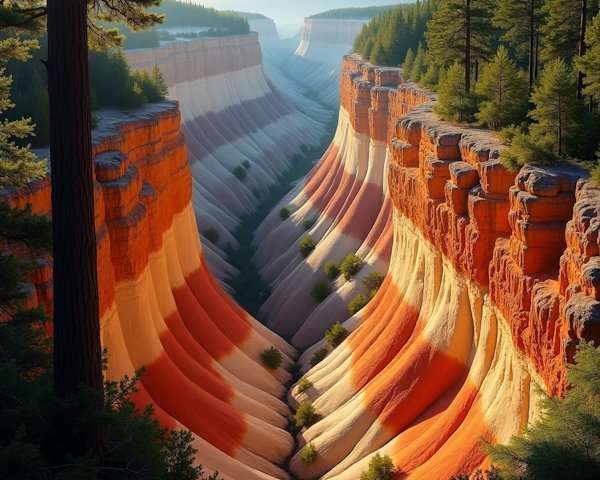
Providence Canyon ranks among the most impressive natural landmarks in Georgia with its huge gullies that go down 150 feet. The story behind this spectacular place is quite interesting – it all started with bad farming choices in the 1800s. Farmers plowed straight up and down hills instead of following the natural curves of the land.
The canyon walls show off nature’s artistic side. Pink, orange, red, and purple colors create scenes that look like they belong out west. Yes, it is common to hear visitors say they can’t believe this exists in Georgia. Many think they’re looking at something from Utah or Sedona.
The “Georgia’s Little Grand Canyon” keeps changing. Park officials say the canyon loses 3-4 feet each year from erosion. These quick changes mean your kids might see something completely different here. The canyon draws about 300,000 people yearly, with around 1,500 visitors showing up each weekend day.
Ancient Rock Formations with Mysterious Origins
Track Rock Gap in northern Georgia holds secrets in its ancient petroglyphs. Six massive soapstone boulders show more than a hundred symbols. Ancient people made these marks by pecking (hitting repeatedly with hammer stones) or incising (rubbing with harder stones).
Scientists still puzzle over these carvings. A complete study in 2009 used modern methods like nighttime photos and halogen lights, but questions remain about who made them. Most experts think several native groups – Cherokee, Creek and Catawba – created these designs over many years.
The Broxton Rocks Preserve tells another amazing story in Georgia’s coastal plain. Years of weathering exposed part of a huge sandstone band that runs 15,000 square miles under the region. This created an unexpected sight – rushing waterfalls, 30-foot cliffs, and cave-like spaces in an otherwise flat area.
Secluded River Spots for Peaceful Exploration
The river systems in Central Georgia let adventurers escape the crowds. The Broad River earned National Park Service recognition for staying pristine along its 99-mile journey. Bluffs rise 200 feet above the water. On top of that, it remains one of Georgia’s few rivers that flow naturally through farms and wild areas.
The Ocmulgee River Water Trail runs 200 miles through beautiful landscapes and past historic sites with Native American mounds. You’ll find everything from calm waters to Class II rapids. The trail shows off forests, wetlands and places where wildlife thrives.
The Etowah River Water Trail offers more challenge for skilled paddlers. It runs 163 miles from Lumpkin County to Floyd County. Paddlers can use 156 miles of the trail, which passes through towns but still offers quiet spots between access points.
These hidden treasures in Georgia give explorers something different from regular tourist spots. Local groups work hard to keep these waterways clean and protected. Their efforts help these hidden gems in Georgia stay perfect examples of the state’s natural beauty.
More southern towns to visit in America.
Coastal Georgia’s Untouched Wilderness

Georgia’s Atlantic coastline stretches 100 miles and holds remarkable wilderness that most tourists haven’t discovered yet. The coastal area features some of the most impressive Georgia natural wonders, from barrier islands to vast salt marshes and quiet beaches where adventurous travelers can experience nature.
Pristine Barrier Islands Without the Crowds
The United States‘ most undisturbed collection of large barrier islands lies along Georgia’s coast. The coastline features fourteen islands between Savannah and the Florida border. All but one of these islands – Jekyll Island, St. Simons Island, Sea Island and Tybee Island – are only available by boat. This limited access helps preserve the natural state of other islands, creating genuine hidden gems in Georgia for adventurous visitors.
Cumberland Island stands as Georgia’s largest and southernmost barrier island with over 17 miles of untouched beach. Visitors can reach this National Seashore by a 45-minute ferry ride to explore diverse ecosystems like maritime forests and salt marshes. The island’s rich history includes the Timucua indigenous people who called it home for over a thousand years before European settlers arrived.
Little St. Simons Island shines as another natural jewel among Georgia’s natural landmarks. Seven miles of pristine beaches and more than 300 bird species make their home or stop here during migration each year. Visitors can walk through forests filled with birdsong and see centuries-old magnolia trees blooming in this naturally interconnected environment.
Hidden Marshlands Teeming with Wildlife
Georgia’s Lower Coastal Plain contains nearly one-third of the Atlantic Coast’s tidal salt marshes. These salt marshes spread between the mainland and barrier islands in four to six-mile-wide bands. Scientists consider them among Earth’s most biologically productive natural systems. The Georgia Department of Natural Resources reports they produce nearly twenty tons of biomass per acre – four times more than well-maintained cornfields.
The marshlands serve several vital ecological roles. They provide nursery areas for blue crabs, oysters, shrimp, and commercially important fish. These areas also filter pollutants and protect against offshore storms. While salt marshes might look uniform, biologists identify specific ecological zones based on elevation changes from creek banks to landward edges.
Secret Beaches with Unique Natural Features
Jekyll Island’s Driftwood Beach showcases one of Georgia’s most unique coastal landscapes. The north end of Jekyll Island erodes slowly, creating dramatic scenes with bare branches and tangled trees along this magical mile-long stretch. Photographers find exceptional opportunities at sunrise and sunset in this natural gallery of weathered trees that seems almost otherworldly.
Cumberland Island’s Sea Camp Beach offers a peaceful coastal escape. The ferry allows only 300 daily visitors, so people share the beach mainly with horseshoe crabs, sea turtles and hundreds of shorebirds. Lucky visitors might spot some of Cumberland’s wild horses walking through the dunes.
Conservation efforts protect these coastal hidden treasures in Georgia. Ten barrier islands belong to public ownership as wildlife management areas, heritage preserves and natural recreational spaces. Future generations will experience this extraordinary Georgia natural beauty in its unspoiled state.
Laugh at these Georgia puns.
Urban-Adjacent Natural Wonders

Georgia’s busy cities give you quick access to amazing natural wonders. These spots are perfect places to experience Georgia natural beauty without traveling far. You can plan day trips or head out on the spur of the moment.
Nature Escapes Within an Hour of Atlanta
Urban Wilderness Retreat sits just 21 minutes from Atlanta. It blends wooded terrain with open spaces – a perfect escape from city life. Nature lovers can head over to Yellow River Wildlife Sanctuary east of Stone Mountain. The walking trail takes you past black bears, lemurs and other fascinating wildlife.
Panola Mountain State Park lets you sleep in tree hammocks 20 to 50 feet above the ground. This amazing adventure costs $90 plus a $5 parking fee. You can fall asleep under the stars while forest sounds surround you.
Cascade Springs Nature Preserve Trail is a peaceful spot just 15 minutes from downtown Atlanta. It strikes the right balance between easy access and natural immersion. Constitution Lakes Park might seem out of place in DeKalb County’s industrial area. Yet it rewards bird watchers with yellow-crowned night herons and both pileated and red-headed woodpeckers.
Hidden Green Spaces Near Savannah
Savannah holds beautiful gardens behind its wrought iron gates and ivy-covered walls. The NOGS Tour of Hidden Gardens gives you access to these private spaces north of Gaston Street. You’ll discover carefully planned gardens and stunning green spaces that are usually closed to visitors.
Savannah Botanical Gardens spreads across ten beautiful acres. It shows off different plant life, rose gardens, herb beds and camellia collections. The Coastal Georgia Botanical Gardens features impressive displays with bamboo groves, fruit orchards and a stunning iris garden.
Natural Retreats Close to Athens
Sandy Creek Nature Center includes 225 acres of woodlands and wetlands. It has over 4 miles of trails, with an ADA interpretive trail that connects to the North Oconee River Greenway. The SPLOST-funded Education & Visitor Center houses live reptiles, amphibians, marine and freshwater aquariums, and hands-on natural history exhibits.
Athens has many hiking options nearby. You can join mushroom foraging adventures and nature workshops to learn about hidden treasures in Georgia. The area’s Georgia natural landmarks connect you to the state’s rich ecological diversity without long trips.
Seasonal Hidden Gems in Georgia’s Landscape
Georgia’s natural beauty changes with each passing season and reveals hidden treasures in Georgia that showcase different characteristics throughout the year. Smart travelers who plan their visits at the right time can enjoy these Georgia natural wonders peacefully without large crowds.
Spring Wildflower Meadows off the Tourist Trail
Hard Labor Creek comes alive with colorful wildflowers as spring arrives. Visitors can spot deer grazing in the golden dusk light. These meadows serve as wildlife sanctuaries with beautiful views from spring through summer. The Appalachian foothills’ forests bloom with wildflowers. Butterflies dance between trees as temperatures rise during warmer months.
Summer Swimming Spots Locals Keep Quiet About
Dicks Creek Falls, also called Waters Creek Falls, features refreshing pools with natural rockslides deep in Chattahoochee National Forest. The crystal-clear Conasauga Snorkel Hole near the Georgia-Tennessee border lets swimmers observe bass, turtles and various wildlife with their snorkeling gear. Blue Hole Falls in Hiawassee remains a cherished local spot with an exciting rope swing for brave visitors.
Fall Foliage Viewpoints Without the Crowds
Victoria Bryant State Park features eight miles of hiking trails through hardwood forests. Wooden platforms welcome tent campers amid autumn colors. Red Top Mountain State Park transitions from summer hotspot to fall paradise with over 15 miles of trails weaving through colorful forests. James H. Floyd State Park offers a peaceful alternative in northwest Georgia. The easy Marble Mine Trail leads visitors to a 35-foot waterfall next to an old mine entrance.
Winter Natural Phenomena Worth the Experience
The Farmers’ Almanac suggests Georgia’s next winter will bring mild, wet conditions with snow and cold spells later in the season. Providence Canyon’s landscape shows its true beauty in winter. Bare hardwood trees reveal unique geological features not found anywhere else in Georgia. The state’s night sky dazzles with celestial displays, including a rare Christmas Star and four distinct meteor showers in November alone.
Enjoy Georgia Natural Wonders
Georgia’s landscape hides amazing secrets that adventurous explorers love to uncover. Most tourists stick to well-known spots, but the state’s hidden treasures give visitors a genuine taste of nature away from busy tourist areas. The secluded waterfalls of North Georgia and untouched barrier islands along the coastline create perfect spots to explore.
Providence Canyon and Broxton Rocks showcase Georgia’s surprising geological features that challenge what people expect to see. Nature lovers in cities don’t need to go too far because beautiful green spaces and nature preserves exist just minutes away from urban centers. These natural landmarks show different sides of their beauty as seasons change, and each visit brings new experiences.
Strong conservation work keeps these natural wonders intact for tomorrow’s visitors. Smart travelers who step off the beaten path will find Georgia’s natural beauty matches any other place in America. These hidden spots reward adventurous souls with peaceful moments and real connections to nature that busy tourist attractions can’t match.
FAQs
Q1. What are some of Georgia’s most impressive hidden natural wonders?
Georgia boasts several remarkable hidden natural wonders, including Providence Canyon (known as Georgia’s Little Grand Canyon), the pristine barrier islands along the coast and secluded waterfalls in North Georgia like Sea Creek Falls and Helton Creek Falls. These lesser-known treasures offer unique geological features and breathtaking landscapes without the crowds of more popular destinations.
Q2. Are there any secret swimming spots in Georgia?
Yes, Georgia has several secret swimming spots that locals cherish. Some notable ones include the Blue Hole Falls in Hiawassee, which features crystal-clear waters and a rope swing, and the Conasauga Snorkel Hole near the Georgia-Tennessee border, where the water is so clear that swimmers can observe aquatic life. Additionally, Mill Creek Falls offers a pristine swimming hole with a rope swing at its third cascade.
Q3. What unique natural attractions can be found near Georgia’s urban areas?
Even near urban centers, Georgia offers remarkable natural retreats. Within an hour of Atlanta, you can find the Urban Wilderness Retreat, Yellow River Wildlife Sanctuary and the unique tree hammock camping experience at Panola Mountain State Park. Near Athens, the Sandy Creek Nature Center provides 225 acres of woodlands and wetlands with various trails and educational exhibits.
Q4. How do Georgia’s natural wonders change with the seasons?
Georgia’s landscape transforms dramatically throughout the year. In spring, wildflower meadows bloom in places like Hard Labor Creek. Summer reveals hidden swimming holes in the mountains. Fall brings vibrant foliage to parks such as Victoria Bryant State Park and Red Top Mountain State Park. Winter offers unique views of geological features at Providence Canyon and celestial events in the night sky.
Q5. Are there any lesser-known coastal areas worth exploring in Georgia?
Georgia’s coast harbors several hidden gems. Cumberland Island, accessible only by ferry, offers 17 miles of undeveloped beach and diverse ecosystems. Little St. Simons Island is a pristine environment with seven miles of undeveloped beaches and rich birdlife. For a unique coastal experience, visit Jekyll Island’s Driftwood Beach, known for its dramatic landscape of weathered trees along the shoreline.


Leave A Comment