

Patagonia Trip Overview
Spanning the southern regions of Chile and Argentina, Patagonia offers some of the most dramatic landscapes on Earth. This 10-day itinerary is designed to showcase the region’s highlights while minimizing travel time between destinations. You’ll begin in Chilean Patagonia before crossing the border to Argentina, experiencing the best of both countries.
Best Time to Visit Patagonia
The optimal time to visit Patagonia is during the southern hemisphere’s summer (December to February), when days are long and temperatures are mild. However, this is also peak tourist season with higher prices and crowded trails. The shoulder seasons (October-November and March-April) offer a good balance of decent weather, fewer crowds, and lower prices. We particularly recommend March-April for beautiful autumn colors.
Weather Note: Patagonia is famous for its unpredictable weather. Even in summer, temperatures can range from 40°F to 70°F (4°C to 21°C) in a single day, with strong winds and sudden rain showers. Always be prepared for all conditions, regardless of when you visit.
Transportation Options in Patagonia
There are two main ways to get around Patagonia:
Self-Drive Rental Car
- Maximum flexibility to explore at your own pace
- Ability to stop at viewpoints and detours
- More economical for groups of 3-4 people
- Requires international driving permit
- Additional paperwork needed for border crossing
Public Buses
- Reliable and comfortable long-distance buses
- More economical for solo travelers or couples
- No need to worry about navigation or border paperwork
- Fixed schedules with less flexibility
- May require advance booking in high season
This itinerary works with either option, though we’ve included specific bus information for those choosing public transportation. If you’re driving, be aware that rental cars require additional permits and insurance to cross between Chile and Argentina.
Patagonia 10-Day Itinerary Map
This map shows the main destinations covered in our 10-day Patagonia itinerary, including Puerto Natales, Torres del Paine National Park, El Chaltén and El Calafate.
Days 1-2: Punta Arenas & Puerto Natales, Chile
Day 1: Arrival in Punta Arenas
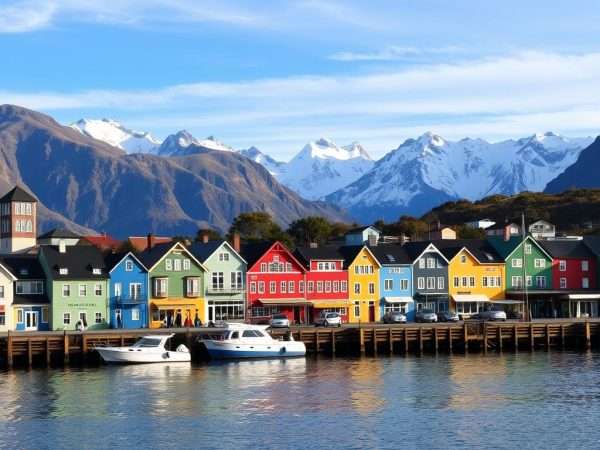
Your Patagonian adventure begins with arrival at Punta Arenas Airport (PUQ), the main gateway to Chilean Patagonia. After collecting your luggage, either pick up your rental car or take a bus to Puerto Natales (3 hours, approximately $10-15 USD). If you arrive early enough, consider visiting the Plaza de Armas and the Magellan Monument in Punta Arenas before continuing to Puerto Natales.
Bus Tip: Bus-Sur offers reliable service between Punta Arenas and Puerto Natales with multiple daily departures. Tickets can be purchased online in advance or at the terminal.
Day 2: Puerto Natales & Preparation
Spend the day in Puerto Natales preparing for your Torres del Paine adventure. Visit the CONAF office (Chilean National Forest Corporation) to get the latest trail information and pay your national park entrance fee in advance to save time. Stock up on snacks and hiking supplies at the local supermarkets, as options are limited and expensive inside the park.
Don’t miss the opportunity to try Patagonian lamb (cordero patagónico) at one of Puerto Natales’ restaurants. This local specialty is slow-roasted over an open fire and is absolutely delicious after a day of preparation.
Recommended Accommodations in Puerto Natales
Budget Option
Hostel El Patagonico
Centrally located with helpful staff and comfortable dorms or private rooms.
Mid-Range Option
Hotel Costaustralis
Waterfront hotel with stunning views and comfortable rooms.
Luxury Option
The Singular Patagonia
Historic hotel with exceptional service and gourmet dining.
Days 3-5: Torres del Paine National Park, Chile
Day 3: Enter Torres del Paine & Explore
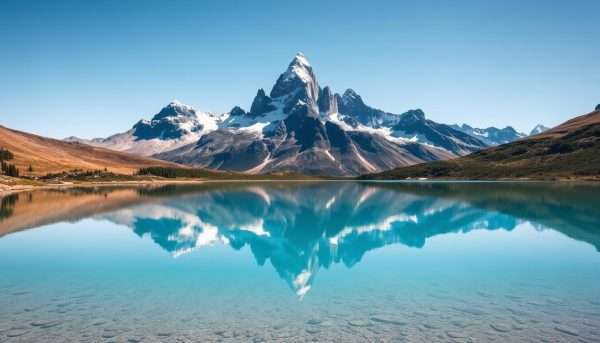
Depart Puerto Natales early morning for Torres del Paine National Park (2-hour drive or bus ride). After paying the entrance fee (approximately $45 USD for foreign visitors) if you haven’t already done so in Puerto Natales, head to your accommodation to check in and drop off your luggage.
Spend the afternoon on an introductory hike to Mirador Cuernos, a relatively easy 2-hour round trip that offers spectacular views of the famous “horns” of Torres del Paine and Lake Nordenskjöld.
The late afternoon light on the Cuernos del Paine creates dramatic shadows and colors. Bring a polarizing filter to enhance the turquoise color of the lakes and reduce glare.
Day 4: Hike to Base of the Towers
Today, tackle one of Patagonia’s most iconic hikes: the trail to the Base of the Towers (Base Las Torres). This challenging 18-20 km (11-12 mile) round trip hike takes 7-9 hours and rewards you with the spectacular view of the three granite towers rising above a glacial lake.
Start this hike very early (around 7 AM) to avoid crowds at the viewpoint and increase your chances of clear weather at the top. The final hour of the hike is the steepest, over a moraine field, but the view is absolutely worth the effort!
Day 5: Grey Glacier & Western Highlights
Explore the western section of the park today, focusing on Grey Glacier. You have two options:
Option 1: Hike to Glacier Grey Viewpoint
A moderate 7.5 km (4.7 mile) one-way hike from Paine Grande to the first Grey Glacier viewpoint. Return the same way or continue to the hanging bridges for even more spectacular views.
Option 2: Grey Glacier Boat Tour
Take a 3-hour boat tour that brings you up close to the towering blue ice wall of Grey Glacier. Tours depart from Hotel Lago Grey and should be booked in advance.
Accommodation Options in Torres del Paine
Camping/Refugios
For hikers, the refugios (mountain lodges) and campsites along the W Trek provide basic but convenient accommodation.
Mid-Range
Hotel Las Torres: Located at the eastern entrance to the park, with excellent access to the Base of the Towers trail.
Luxury
Explora Patagonia: All-inclusive luxury lodge with guided excursions and gourmet dining.
Days 6-7: El Calafate & Perito Moreno Glacier, Argentina
Day 6: Border Crossing & Travel to El Calafate
Depart Torres del Paine and cross the border into Argentina, heading for El Calafate. This journey takes approximately 5-6 hours by car or bus, including the border crossing procedures. If driving, ensure you have all necessary documentation for taking a rental car across the border.
Border Crossing Note: Have your passport, accommodation details, and vehicle documentation ready. The border crossing can take anywhere from 15 minutes to over an hour depending on the season and time of day.
After arriving in El Calafate and checking into your accommodation, spend the evening exploring this charming lakeside town. Walk along Avenida del Libertador, the main street filled with restaurants, shops and tour agencies.
Day 7: Perito Moreno Glacier
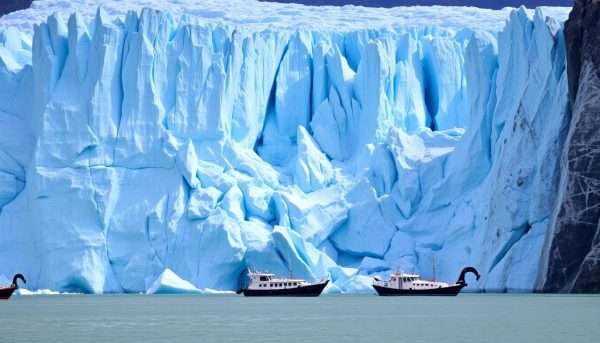
Dedicate today to visiting the magnificent Perito Moreno Glacier, one of the few advancing glaciers in the world and a UNESCO World Heritage site. Located 80 km (50 miles) from El Calafate in Los Glaciares National Park, this massive ice formation is 30 km (19 miles) long, 5 km (3 miles) wide and 70 meters (230 feet) high above the water surface.
You have several options for experiencing the glacier:
Viewing Platforms
Explore the extensive network of viewing platforms and walkways that offer spectacular views of the glacier from different angles.
Cost: Park entrance fee only (approximately $30 USD)
Boat Tour
Take a one-hour boat tour that brings you close to the towering ice wall for a different perspective.
Cost: $30-40 USD plus park entrance fee
Ice Trekking
For the adventurous, ice trekking tours allow you to walk on the glacier itself with crampons (age restrictions apply).
Cost: $100-150 USD plus park entrance fee
Perito Moreno is famous for its spectacular ice calving events. Be patient and keep your camera ready—you might capture the dramatic moment when massive chunks of ice break off and crash into the water below.
Recommended Accommodations in El Calafate
Budget
America del Sur Hostel: Clean, friendly hostel with private and dorm rooms.
Mid-Range
Hotel Kosten Aike: Comfortable hotel with Patagonian decor in the town center.
Luxury
Xelena Hotel & Suites: Lakefront hotel with spa and indoor pool.
Days 8-10: El Chaltén & Mount Fitz Roy, Argentina
Day 8: Travel to El Chaltén
Take a morning bus or drive from El Calafate to El Chaltén (3 hours), Argentina’s “Trekking Capital” and gateway to the northern section of Los Glaciares National Park. The journey itself is scenic, with views of Lake Argentino and the Patagonian steppe.
After checking into your accommodation, visit the Los Glaciares National Park Visitor Center at the entrance to town for trail maps and the latest weather information. If time permits, take the short hike to Mirador Los Cóndores (1.5 hours round trip) for panoramic views of El Chaltén and the surrounding mountains.
Day 9: Laguna de los Tres & Mount Fitz Roy
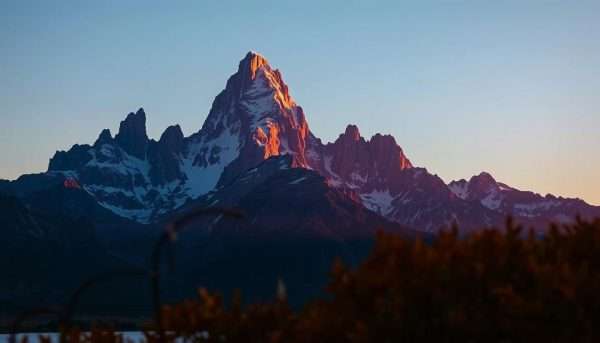
Embark on the classic full-day hike to Laguna de los Tres for the most spectacular view of Mount Fitz Roy. This challenging 20 km (12.4 mile) round trip takes 8-10 hours and includes a steep final ascent, but the reward is the iconic view of Mount Fitz Roy rising above a turquoise glacial lake.
Start this hike very early to catch the sunrise on Mount Fitz Roy, when the peaks glow red (this phenomenon is called “alpenglow”). Bring a headlamp for the pre-dawn start and plenty of layers, as mornings are cold even in summer.
Day 10: Laguna Torre or Departure
Depending on your departure plans, you have two options for your final day:
Option 1: Laguna Torre Hike
If you have a full day, hike to Laguna Torre (18 km/11 miles round trip, 6-7 hours), which offers spectacular views of Cerro Torre, another iconic peak. This trail is less strenuous than the Laguna de los Tres hike and follows the Fitz Roy River valley.
Option 2: Early Departure
If you need to return to El Calafate for an afternoon flight, take an early morning bus. Consider a shorter hike to Chorrillo del Salto waterfall (5 km/3 miles round trip, 1.5 hours) before departing.
Recommended Accommodations in El Chaltén
Budget
Rancho Grande Hostel: Popular hostel with private and dorm rooms, plus a good restaurant.
Mid-Range
Destino Sur Hotel & Spa: Comfortable hotel with spa facilities to soothe tired muscles after hiking.
Luxury
Explora El Chaltén: All-inclusive luxury lodge with guided excursions.
Practical Tips for Your Patagonia Trip
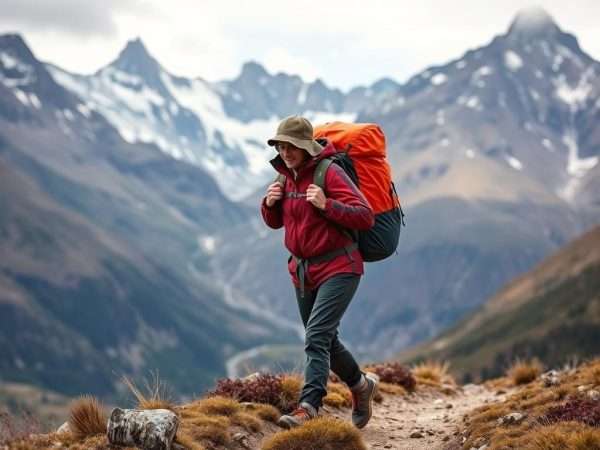
Border Crossings
Crossing between Chile and Argentina requires proper documentation:
- Valid passport with at least six months validity
- For rental cars, you need special permission from the rental company and additional insurance
- Keep accommodation details handy, as border officials may ask for them
- Be prepared for potential delays, especially during high season
Money & Payments
Cash is king in many parts of Patagonia:
- ATMs can be found in Puerto Natales, El Calafate, and El Chaltén, but may have withdrawal limits
- Many smaller establishments don’t accept credit cards, especially in remote areas
- Carry some US dollars as backup, as they’re widely accepted in tourist areas
- In Argentina, you might get better rates paying in cash than with cards
Budget Considerations
Patagonia is not a budget destination, but costs can be managed:
| Expense Category | Budget Option | Mid-Range Option | Luxury Option |
| Accommodation | $15-30/night (dormitory/camping) | $80-150/night (private room) | $300+/night (luxury lodge) |
| Meals | $15-25/day (self-catering) | $40-60/day (restaurants) | $100+/day (fine dining) |
| Transportation | $10-20/day (public buses) | $30-50/day (shared transfers) | $70+/day (private car/driver) |
| Activities | $50-100 (park fees, self-guided) | $200-300 (boat tours, guided hikes) | $500+ (helicopter tours, exclusive experiences) |
Essential Packing List for Patagonia
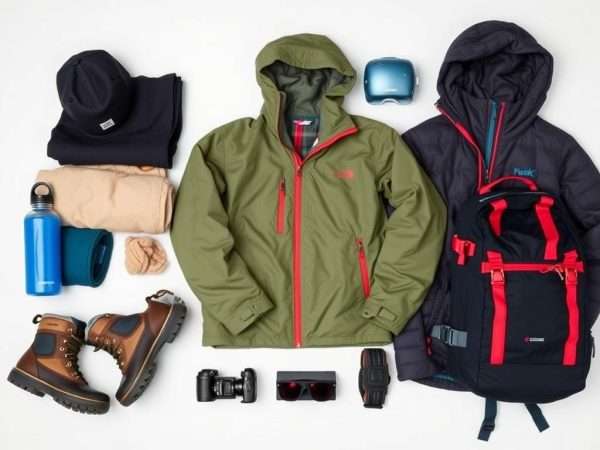
Patagonia’s weather is notoriously unpredictable, with four seasons possible in a single day. Proper packing is essential for comfort and safety.
| Category | Essential Items | Notes |
| Clothing | • Waterproof/windproof jacket • Waterproof pants • Insulating mid-layer (fleece/down) • Quick-dry hiking pants • Thermal base layers • Hiking socks (3-4 pairs) • Hat with brim • Warm beanie • Gloves | Layer, layer, layer! The key to comfort in Patagonia is the ability to add or remove layers as conditions change. |
| Footwear | • Waterproof hiking boots • Camp/town shoes • Gaiters (optional) | Ensure boots are well broken-in before your trip. Trails can be muddy, rocky and sometimes snowy. |
| Gear | • Backpack (25-35L for day hikes) • Trekking poles • Headlamp • Water bottle/hydration system • Sunglasses (polarized) • Sunscreen (SPF 50+) • Lip balm with SPF | Trekking poles are highly recommended for the steep, uneven terrain and river crossings. |
| Electronics | • Camera with extra batteries • Power bank • Universal adapter • Weather-resistant case/bag | Cold weather drains batteries quickly. Keep spares in an inside pocket to stay warm. |
| Documents | • Passport + copies • Travel insurance details • Credit/debit cards • Cash (USD, CLP, ARS) | Keep digital copies of important documents in cloud storage as backup. |
For photographers, consider bringing a lightweight tripod for long exposures and night photography. A polarizing filter is essential for reducing glare on lakes and enhancing the blue of glaciers. Don’t forget extra memory cards—you’ll take more photos than you expect!
Frequently Asked Questions About Patagonia
Do I need permits for hiking in Patagonia?
For most day hikes in Torres del Paine and Los Glaciares National Parks, you only need to pay the park entrance fee. However, if you plan to camp in Torres del Paine or do the full W Trek or O Circuit, you need to book campsites or refugios well in advance (up to 6 months during high season). These reservations serve as your permit for overnight stays.
What fitness level is required for hiking in Patagonia?
The main day hikes in this itinerary (Base of the Towers, Laguna de los Tres) are challenging but accessible to reasonably fit hikers. They involve 6-9 hours of walking with significant elevation gain (600-800m). If you can comfortably walk for 4-5 hours on varied terrain, you should be able to complete these hikes, though you may need to take it slowly. There are also many easier options available if you prefer less strenuous activities.
Is it possible to see both Chilean and Argentine Patagonia in 10 days?
Yes, this itinerary is specifically designed to showcase the highlights of both countries in a 10-day period. While you won’t see everything Patagonia has to offer (that would take months!), you’ll experience the most iconic landscapes and attractions. The border crossing is straightforward, though it does take time, so we’ve minimized the number of crossings to maximize your time enjoying the destinations.
What wildlife might I see in Patagonia?
Patagonia is home to diverse wildlife, including guanacos (wild relatives of llamas), Andean condors, foxes and the elusive puma. Birdwatchers will enjoy spotting woodpeckers, hawks, and waterbirds. While wildlife viewing is never guaranteed, keeping a respectful distance and moving quietly improves your chances. Early morning and late afternoon are the best times for wildlife sightings.
Is it safe to drink tap water in Patagonia?
In towns like Puerto Natales and El Calafate, tap water is generally safe to drink, though some travelers prefer bottled water. In the national parks, many streams are safe for drinking, especially at higher elevations, but it’s always wise to use a water filter or purification tablets. Never drink from water sources near camping areas or livestock.
Can I extend this itinerary if I have more time?
Absolutely! With additional days, consider adding Ushuaia (the “End of the World”), the Carretera Austral in Chile or Bariloche in Argentina’s Lake District. You could also extend your time in Torres del Paine to complete the full W Trek (5 days) or spend more time in El Chaltén to explore additional trails.
Final Thoughts on Your Patagonia Adventure
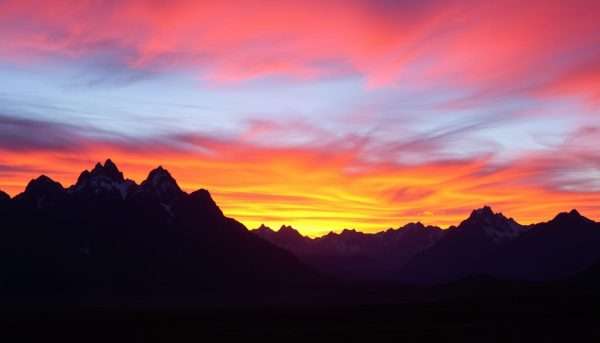
Patagonia is a land of superlatives—home to some of the most dramatic landscapes, cleanest air and purest water on Earth. This 10-day itinerary offers just a taste of what this remarkable region has to offer, focusing on the most iconic destinations while minimizing travel time.
The key to enjoying Patagonia is embracing its unpredictability. Weather conditions can change rapidly, but these changes often create the most magical photographic opportunities and memorable experiences. Come prepared with the right gear, an adaptable attitude, and a sense of adventure and Patagonia will reward you with experiences that will stay with you for a lifetime.
Ready to Book Your Patagonia Adventure?
Start planning your dream trip with our recommended tour operators who specialize in Patagonia adventures.


Leave A Comment