

Khao Yai National Park became Thailand’s first national park in 1962. It paved the way for 127 other national parks that spread across the country. This massive natural wonder covers 2,168 square kilometers, making it Thailand’s third largest national park. The park stretches through four provinces right up to the Cambodian border.
Most people know Khao Yai as a UNESCO World Heritage Site with over 80% of its land covered in evergreen or semi-evergreen forest. Yet the park’s hidden spots remain unexplored by many visitors. The name Khao Yai means “big hills”, and the park has countless hidden spots just waiting to be found. Secret wildlife spots and quiet waterfalls make this park special beyond the usual tourist spots. The park is one of Southeast Asia’s best places to see regional wildlife, whether you’re planning a tour or trying to get there from Bangkok. This piece shows you 17 hidden gems that most people miss. The park also gives you some of the world’s best chances to watch elephants roam freely in their natural habitat.
Haew Sai Waterfall
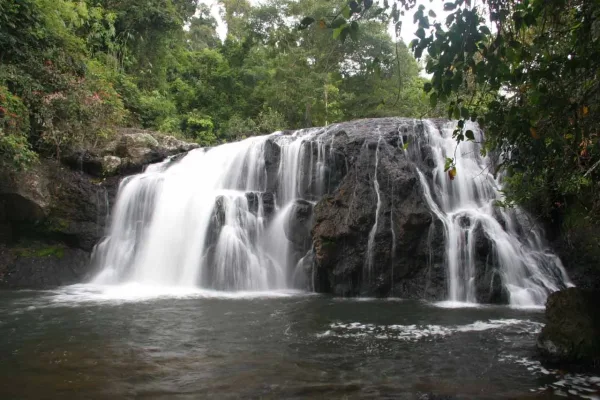
Image Source: World of Waterfalls
The secluded Haew Sai Waterfall sits just 700 meters north of its popular neighbor Haew Suwat in Khao Yai National Park. Different sources report varying heights for this modest cascade. Some estimate 5 meters, others suggest 10 meters, and the fall can reach up to 20 meters during peak flow.
Haew Sai Waterfall description
A wide, segmented cascade tumbles over naturally layered rock at Haew Sai. The waterfall splits into distinct sections when water levels are low but merges into one continuous flow during high-water seasons. Several natural pools with crystal-clear, cool water make perfect swimming spots to escape Thailand’s heat. The pristine forest creates a stunning backdrop that highlights the waterfall’s beauty.
Why Haew Sai Waterfall is a hidden gem
You won’t find the usual crowds here that pack other Thai attractions. Haew Sai remains wonderfully peaceful. Early morning visitors often have the trail completely to themselves. The quiet setting lets you connect with nature without other tourists around. Many casual visitors skip this spot because of the moderate hike needed to reach it. This helps keep its untouched charm intact.
This waterfall gives you something rare in popular destinations today – true solitude in pristine nature. Mindful travelers looking for real wilderness experiences in Khao Yai National Park will find exactly what they want at this uncrowded spot.
How to find Haew Sai Waterfall
The path to this hidden gem starts at Haew Suwat Waterfall’s base. A 1-kilometer detour each way takes you along a narrow, overgrown track. Your journey includes:
- Careful moves around several fallen trees
- A steep 100-meter scramble down an embankment
- Rough terrain through forest paths
Park officials suggest taking a guide for this trek. Reasonably fit hikers shouldn’t worry about the moderate difficulty, but good shoes are a must. Early morning visits give you cooler temperatures and better chances to spot wildlife.
Pha Kluai Mai Waterfall
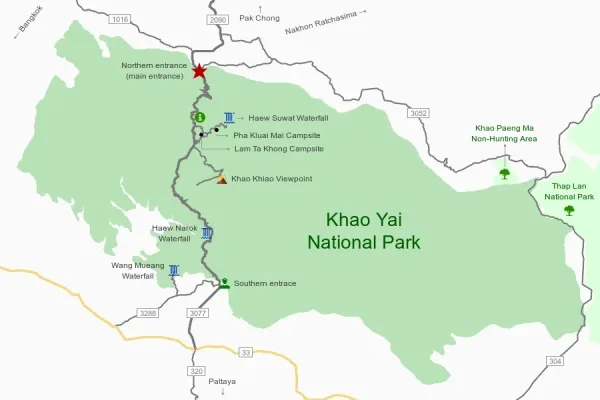
Image Source: Thai National Parks
The Thai name “orchid cliff” perfectly suits Pha Kluai Mai Waterfall, especially between March and April when Renanthera orchids (Wai Daeng) display their striking dark red flowers around the cascading waters. This beautiful waterfall lies along a 3 km trail that connects Pha Kluai Mai Campsite to the popular Haew Suwat Waterfall.
Pha Kluai Mai Waterfall description
A 10-meter drop creates a refreshing swimming pool that visitors can enjoy during certain seasons. The waterfall hides a secret cave behind its curtain of water, which becomes available during dry months as water levels drop. Nature shows off its best work here with bamboo groves and dry forest surrounding the Lam Ta Khong stream. The area’s last crocodile called this place home but hasn’t made an appearance since October 2018.
Each season brings a different personality to the waterfall:
- Rainy season: Swimming becomes dangerous as thundering currents roar through the falls
- Dry season (November-April): Gentle waters reveal ancient volcanic rocks and lava flow traces from eruptions millions of years ago
Why Pha Kluai Mai Waterfall is a hidden gem
The waterfall’s natural beauty comes with a bonus – it tells stories about Thailand’s volcanic history. The volcanic gravel and hardened lava flows let us peek into events from millions of years ago. Water level drops reveal something special – Polypleurum ubonense, a newly discovered plant species that grows between the rocks.
Life thrives in the evergreen forest surrounding the waterfall. Bird watchers love this spot since it attracts many different species.
How to find Pha Kluai Mai Waterfall
The trail to this natural wonder stretches 1.4 miles (about 2.25 km) out and back with a gentle 164-foot climb. Most people find it easy to complete the walk in 30-60 minutes.
Drivers from Bangkok should take Phaholyothin Road through Rangsit and Saraburi, then turn right onto Mittraphap. After Muak Lek, a right turn at Pak Chong intersection leads to highway No.2090 (Thanarat Road). The park entrance sits about 20 kilometers ahead. Visitors can also reach the national park by taking trains, busses, or minivans to Pak Chong and using local transport from there.
October through May offers the best visiting conditions with good weather and clear trails.
Nong Phak Chi Wildlife Observation Tower
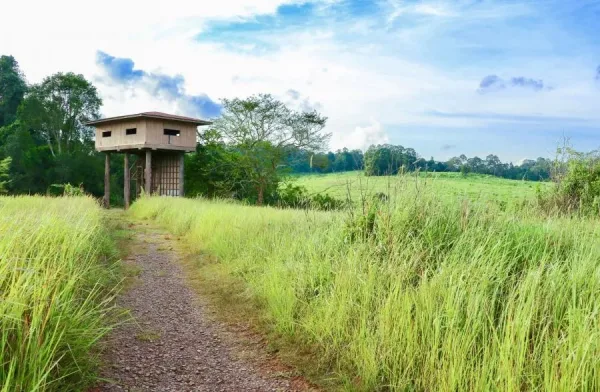
Image Source: Thai National Parks
Standing 20 meters tall, the Nong Phak Chi Wildlife Observation Tower gives visitors a unique view of Khao Yai National Park’s ecosystem and its wild residents. You’ll find this impressive structure 2.5 kilometers northwest of the visitor center. The tower looks out over vast grasslands that have transformed from farmland into a thriving wildlife sanctuary.
Nong Phak Chi Tower description
The tower sits next to Nong Phak Chi, a vital water source that sustains the park’s wildlife. Nearby artificial salt licks supply essential minerals to herbivores and create a natural meeting point for different species. Visitors can spot various animals throughout the day:
- Common sightings: sambar deer, barking deer, and wild boar
- Rarer appearances: wild elephants, gaur, and dhole (Asian wild dogs)
The area boasts a mix of mature dry forest, secondary forest, and grassland. Local people call this diverse environment a “restaurant for wildlife”. Visitors can explore the tower daily from 6 AM to 6 PM. The best times to spot wildlife are early morning and late afternoon.
Why Nong Phak Chi Tower is a hidden gem
The tower sees fewer visitors than other spots in Khao Yai National Park, even with its excellent wildlife-watching opportunities. Nature photographers and wildlife enthusiasts love its panoramic views of the surrounding landscape. The tower’s location connects to several hiking trails, so visitors can combine wildlife watching with a good walk.
How to find Nong Phak Chi Tower
Trail No. 3, also known as the 90th Anniversary Thai-Switzerland Friendship Trail, leads to the tower. This 4.2-kilometer one-way path starts at the Km. 33 milestone and takes about 2.5-3 hours to walk. A shorter option exists – a 30-minute walking trail from the park’s main road straight to the tower.
Clear signs along the main road help drivers find the tower easily. First-time visitors should get a mandated trail guide, especially when hiking the complete Trail No. 3 route.
Pha Diew Die Viewpoint
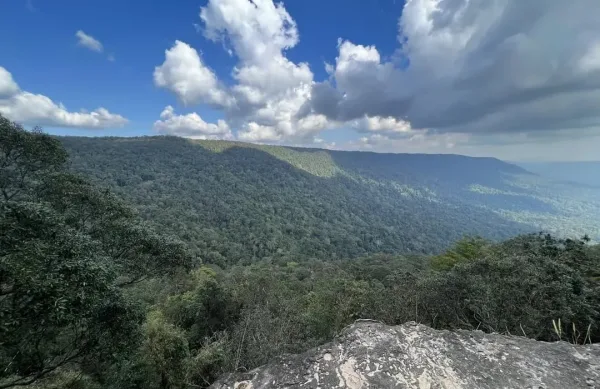
Image Source: AllTrails
Pha Diew Die (Lonely Cliff) stands at an elevation of 1,142 meters above sea level and ranks as the most spectacular viewpoint in Khao Yai National Park. The natural rock platform juts out about 15 meters from the cliff edge to create an extraordinary viewing spot.
Pha Diew Die Viewpoint description
Visitors can enjoy stunning panoramic views of the Rom Khwang mountain range from this spectacular spot. The right side reveals Thung Nguluam (named for its pythons) and Khao Samor Poon mountains, while Prachinburi Province’s plains stretch out in the distance. The viewpoint nestles amid pristine montane forest that manages to keep a cool, moist atmosphere year-round. Early morning visitors often catch spectacular scenes as daylight starts to clarify the mountain landscape.
Why Pha Diew Die Viewpoint is a hidden gem
This viewpoint offers superior views yet rarely draws crowds. Nature lovers might spot serows, silver pheasants, and ground-dwelling birds along the approach trail. The surrounding trees host black bulbuls, wedge-tailed green pigeons, and lesser racket-tailed drongos – a treat for birdwatching enthusiasts.
How to find Pha Diew Die Viewpoint
The viewpoint lies about 14km from the visitor center and connects to a wooden boardwalk nature trail that stretches 450-600 meters. A well-laid-out path meanders through forest ecosystems before reaching the cliff. Families can easily complete the loop in about 30 minutes.
Khao Luk Chang Bat Cave
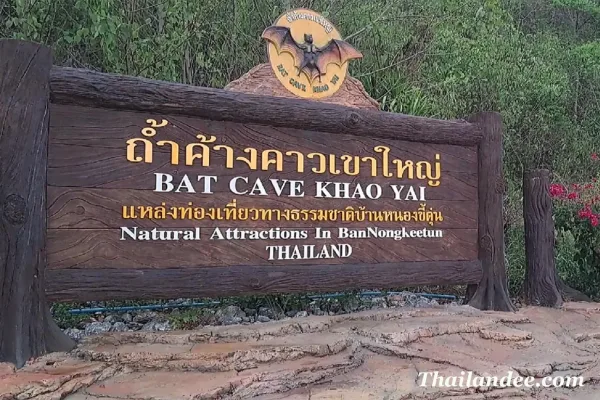
Image Source: Thailandee.com
The mesmerizing Khao Luk Chang Bat Cave sits just six kilometers beyond Khao Yai National Park’s main boundaries. This natural wonder draws visitors to witness millions of bats taking flight each evening.
Khao Luk Chang Bat Cave description
This limestone cave stands 35 kilometers from the northern park entrance and 40 kilometers from Pak Chong town. The cave houses countless bats that create one of Thailand’s most breathtaking wildlife displays. Visitors can watch a remarkable sight as bats emerge at dusk, around 6 PM. The bats form a long, serpentine black cloud that stretches across the twilight sky. The mass exodus lasts over two hours, and the bats’ synchronized movements create what looks like a living, twisting ribbon.
Why Khao Luk Chang Bat Cave is a hidden gem
The cave offers visitors:
- A unique wildlife experience that showcases Thailand’s rich biodiversity
- A peaceful setting away from the park’s busier attractions
- Deep cultural significance within Thailand’s first national park
Local communities value these bats as natural pest control for their agricultural areas.
How to find Khao Luk Chang Bat Cave
Visitors can find the cave along DPT Nakhon Ratchasima 2213 by turning into Soi 7. GPS coordinates (14.549768, 101.543567) help pinpoint the exact location. The cave itself stays closed to visitors, who watch the evening bat flight from designated viewing areas. Most tours include this spectacular sight and make sure to arrive before sunset.
Mo Sing Wildlife Watchtower
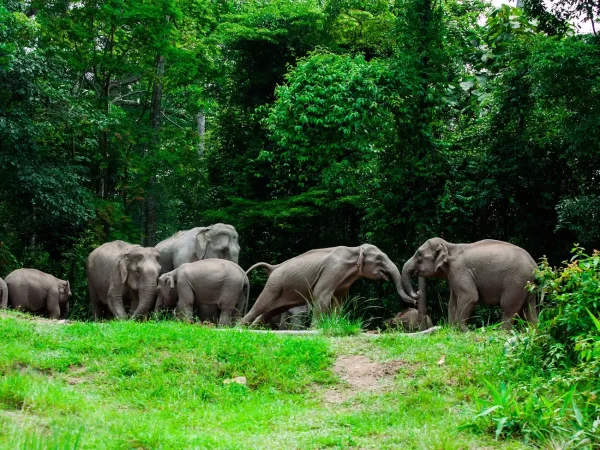
Image Source: Thai National Parks
The Mo Sing Wildlife Watchtower sits near the visitor center in Khao Yai National Park. This spot gives you amazing chances to spot wildlife, especially deer that gather at the nearby saltlick.
Mo Sing Watchtower description
A natural pond lies beneath the watchtower and serves as a vital water source for the park’s animals. The area draws diverse wildlife, with Water Monitors often sunbathing near the water’s edge. Visitors might catch the deep “Gok Gok” calls of Great Hornbills flying between trees, sometimes joined by Wreathed Hornbills.
Why Mo Sing Watchtower is a hidden gem
This observation point lets you witness unique wildlife moments including:
- Dramatic predator-prey interactions—visitors have seen packs of seven Dholes (Asian wild dogs) chasing Sambar deer into the water
- Great birdwatching spots where you’ll find Chestnut-headed Bee-eater, Stejneger’s Stonechat, Rufescent Prinia, Gray-breasted Prinia, and Bright-headed Cisticola
- You might spot Asian Elephants and, on very rare occasions, tigers
How to find Mo Sing Watchtower
A trail from the designated car park leads straight to the watchtower. Since this spot gets busy, early morning visits give you the best wildlife viewing chances and easier parking. The pond area is perfect for watching Brown-backed Needletails as they hunt insects overhead.
Haew Sai Bat Cave
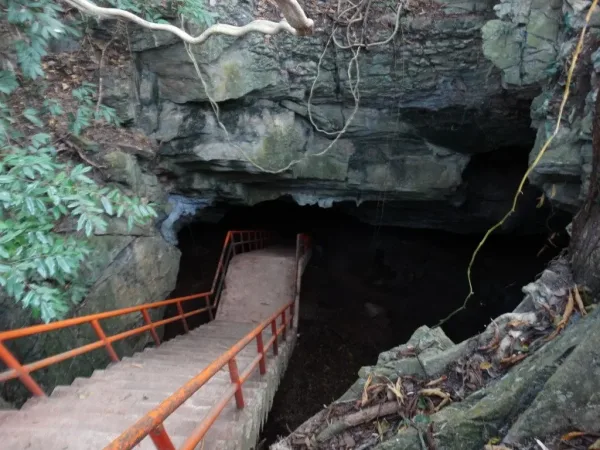
Image Source: Slumber Party Hostels
Thousands of bats create one of nature’s most captivating displays at Haew Sai Bat Cave, a natural wonder in Khao Yai National Park. The bats emerge at dusk to form mesmerizing patterns against the twilight sky.
Haew Sai Bat Cave description
Limestone outcrops have eroded over eons into intricate tunnels that now form the Haew Sai Bat Cave, home to countless wrinkle-lipped bats. The cave’s two distinct exits create a remarkable spectacle as bats emerge simultaneously, and this stunning display can last for hours each evening. Visitors see the most dramatic displays during the rainy season when bats fly swiftly away from the cave, perfectly silhouetted against the sky. The bats tend to stay closer to the mountain face during drier months like February, making them harder to spot but still impressive to watch.
Why Haew Sai Bat Cave is a hidden gem
This cave has stayed away from mainstream tourism’s spotlight and offers visitors:
- A chance to witness natural wildlife without the usual crowds at other Khao Yai National Park attractions
- A vital ecological role as these bats help control pests in surrounding agricultural areas
- Deep cultural significance, with local monks honoring some bat caves in the region
How to find Haew Sai Bat Cave
Signs near Wang Katha point visitors toward the Bat Cave. The area has new parking facilities and the Bat Tales restaurant right next to the cave. The best time to arrive is before sunset, around 6 PM. Visitors can take Highway 2213 and follow signs to Bat Tales restaurant to reach this location.
Yod Khao Khieo Mountain
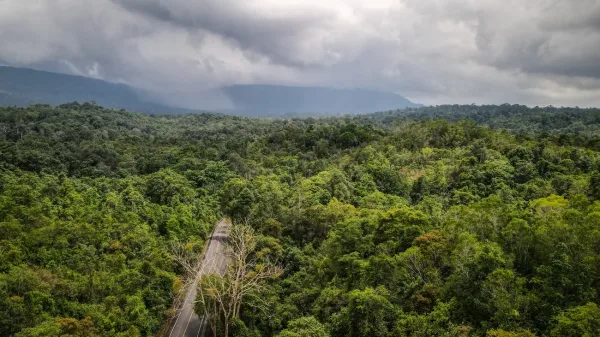
Image Source: Pin Your Footsteps – Travel Blog
Yod Khao Khieo Mountain stands 1,292 meters above sea level and ranks as the highest peak in Nakhon Nayok Province within Khao Yai National Park. This magnificent mountain sits just 11 kilometers from the visitor center and lets nature lovers experience Thailand’s wilderness from a higher point of view.
Yod Khao Khieo description
The mountain’s trail system connects three unique viewpoints through mature forest paths. Viewpoint 3 really shines with its stunning panoramic views that look completely different after the rain. Cool temperatures year-round make this spot perfect for many plant species to thrive. Wooden walkways and stairs make the area available to visitors while keeping its natural beauty intact.
Why Yod Khao Khieo is a hidden gem
This peak might be one of the park’s highest spots, but it sees fewer crowds than other Khao Yai attractions. The landscape becomes magical when rain falls as mist dances through the air, creating perfect photo opportunities. The area stays closed from June 1st to September 30th each year, which helps the forest recover naturally.
How to find Yod Khao Khieo
You can drive your car or ride a motorbike right to the summit. The biggest problem is parking since only 2-3 vehicles can fit in marked spots. Early birds get the best deal here – both for parking spots and chances to see the morning mist at this high viewpoint. Landslides can block access roads during rainy seasons, so it’s smart to check conditions before you head out.
Ban Tha Chang Spring

Image Source: Tripadvisor
Ban Tha Chang Spring’s crystal-clear turquoise waters bubble up from the ground, creating one of the most refreshing natural swimming spots near Khao Yai National Park. This tranquil oasis in Nakhon Ratchasima gives visitors the perfect escape from Thailand’s heat.
Ban Tha Chang Spring description
The spring’s stunning blue water comes from natural filtration through rocks rich in calcium carbonate. You’ll find several tiered pools of different depths that create a pristine swimming environment. The first pool supplies village water and stays off-limits, but swimmers can enjoy the second and third tiers. This underground water source flows year-round and keeps its striking clarity even with heavy use. Visitors can rent kayaks to explore the stream—100 THB gets you short routes while longer guided trips cost 170 THB.
Why Ban Tha Chang Spring is a hidden gem
The spring’s crystalline swimming conditions stand out compared to the muddy stretches of Lam Takong River inside Khao Yai National Park. Towering trees shade the area and create excellent spots for picnics. This local favorite stays relatively quiet since few travelers know about it. The surrounding scenery showcases beautiful flora, and you might spot wildlife like Takon (a local iguana-like species), hornbills, and hawks.
How to find Ban Tha Chang Spring
The spring sits about 8 kilometers northeast of Khao Yai National Park’s northern gate on Ban Tha Chang Road. You can visit daily between 8:30 AM and 4:30 PM. Another option is to catch public transport to Mu Si village and grab a songthaew (shared taxi) for 50-100 THB per person. Walking enthusiasts can reach the spring from Mu Si village by following Soi Yothathikan road for 2-3 kilometers, which takes about 30-40 minutes.
Fruit Bat Cave
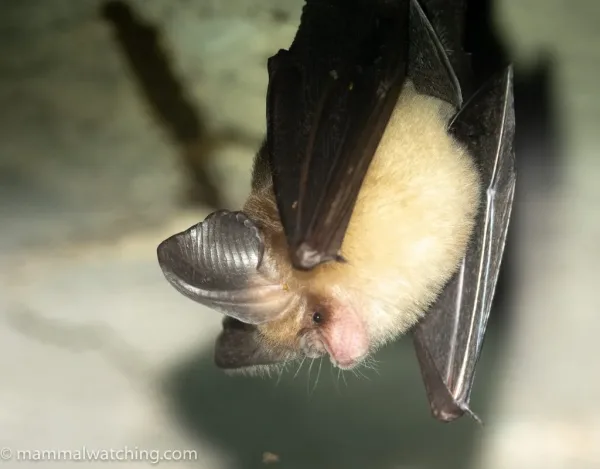
Image Source: Mammal Watching
Fruit bats make their home in several hidden caves throughout Khao Yai National Park. These amazing creatures give visitors a wildlife experience that’s different from the park’s popular attractions. The bat colonies help regenerate forests and pollinate plants.
Fruit Bat Cave description
The Cave fruit bats are different from their insect-eating cousins. These remarkable creatures fly over 50 kilometers nightly to find food. Visitors will notice guano’s (bat droppings) distinct smell and hear constant clicking sounds from above. The cave holds hundreds of thousands of bats hanging upside-down from the ceiling, which creates an almost alien landscape. These bats have amazing ways to communicate—when they return with pollen-covered chests, they signal to others about which trees are in bloom.
Why Fruit Bat Cave is a hidden gem
The cave stays off the usual tourist paths because you need to climb steep, rough terrain without any clear trail. Visitors become ground explorers here. The intelligent bats and their complex social behaviors teach us a lot about tropical forest life. The cave holds special meaning for local Buddhist monks, who see these places as sacred.
How to find Fruit Bat Cave
The cave sits away from regular routes, so you’ll need to plan your visit carefully. The best way to get there is through trusted tour operators in Khao Yai. If you want something easier, there are nearby viewing spots (coordinates: 14.549254, 101.545786). Get there by 5:30 PM—the bats usually start flying out around 6:25 PM.
Hidden Trail to Haew Narok
A hidden forest trek runs past the main paved path to Haew Narok Waterfall. This secret route gives adventure seekers a closer look at Khao Yai National Park Thailand. The path leads to Thailand’s largest waterfall that drops 150 meters in three spectacular tiers.
Haew Narok hidden trail description
The secret trail starts at Pua Kluaimai Campground and stretches 3 kilometers through thick forest. A creek with small waterfalls runs next to the path. Hikers need to cross fallen trees, walk over natural log bridges across streams, and tackle muddy slopes with steep climbs. Unlike the regular 800-meter paved path with 199 steps, this hidden route lets you experience real jungle trekking.
Why this trail is a hidden gem
The quiet path sees way fewer tourists but shows amazing plant life throughout your walk. You’ll spot unique champagne-shaped mushrooms in bright reds, oranges, and yellows growing by the trail. The place has a rich history as an elephant’s feeding ground, though it’s also known for the tragic deaths of several elephants in 1992 and 2019.
How to find the hidden trail
The moderate hike takes about two hours to finish. The best time to visit is between October and May. You’ll just need good hiking boots because of the rough ground. Remember, this trail needs decent fitness – you should be able to climb over obstacles and handle steep slopes.
Long-tailed Broadbill Spotting Trail
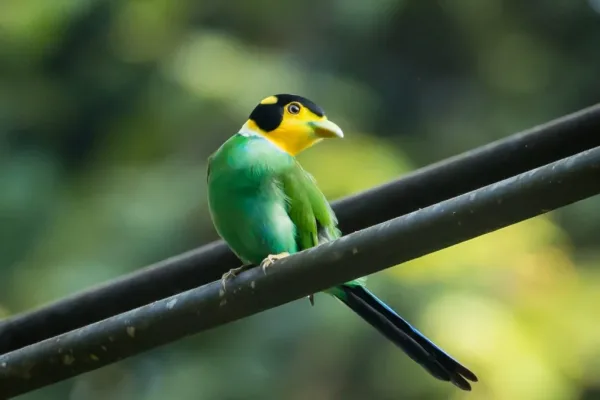
Image Source: Great Bird Pics
Birdwatchers will find a great chance to spot the stunning Long-tailed Broadbill near the KM 33 marker trail in Khao Yai National Park Thailand. This vibrant bird looks like it flew straight out of a Disney movie.
Broadbill trail description
A small parking layover at the KM 33 marker leads to this specialized birding path that branches into the forest. The trail ranks among the park’s most productive birding spots. Steep sections and many muddy gully crossings make it challenging. The trail becomes maybe the “leechiest” spot in Khao Yai during wet season. The reward makes up for the effort though – birders often see Long-tailed Broadbill nesting right above the road.
Why this trail is a hidden gem
This location stands out because it reliably shows the colorfully distinctive Long-tailed Broadbill. These birds catch everyone’s eye with their black “helmet” head, bright yellow face and throat, and brilliant blue patches. Even seasoned guides are amazed when these birds perch calmly as visitors take photos. Hikers spot more than just broadbills here. Orange-breasted Trogons, Red-headed Trogons, and the hard-to-find Banded Kingfisher show up regularly.
How to find the trail
Visitors can find the trail entrance right at the KM 33 marker on the main park road. Morning visits usually lead to the best sightings. Bird enthusiasts should plan enough time since the trail is moderately difficult. Good footwear helps a lot because the trail gets muddy often.
Scenic Drive to Southern Gate
A peaceful trip along Highway 3077 to Khao Yai National Park’s southern entrance gives you a refreshing break from the packed northern gates. This quiet route cuts through Thailand’s lush countryside and shows you a part of the park that most visitors miss.
Southern Gate drive description
Highway 3077 cuts through the national park with perfect pavement that any vehicle can handle. The scenery changes from flat farmlands to mountain slopes as jungle vegetation takes over. The road follows the Bang Pakong river’s winding path through the countryside. Morning mist creates a magical feel when sunlight breaks through the hazy landscape.
Why this drive is a hidden gem
This quiet route stays empty while tourists crowd the popular spots. Empty roads give you amazing chances for wildlife photos – elephants sometimes cross the smooth highway and create picture-perfect moments. The sunrise puts on a spectacular show when the orange sun breaks through jungle mist on deserted roads. You’ll get a real adventure here without the tourist traps you find in other places.
How to find the route
You should leave Bangkok between 5-6 AM and head east. The scenery shifts from city sprawl to rural Thailand, where local fruit stands sell fresh produce. An 8 AM arrival at the southern entrance lets you take your time and enjoy this magical route.
Khao Yai Art Museum

Image Source: www.khaoyai-artmuseum.com
The Khao Yai Art Museum sits on a small hill near the entrance to Khao Yai National Park. This cultural oasis spreads across 20 Rais of land in Tambon Moosee, Pak Chong District. Mr. Pongchai Chindasook’s private museum boasts a gallery space of over 1,700 square meters that showcases contemporary artworks and installations from both prominent and emerging Thai artists.
Khao Yai Art Museum description
The museum complex has indoor galleries and an outdoor sculptural garden with six modern ‘Art Space’ residences. Visitors will find an impressive collection of works by celebrated Thai artists inside. A dedicated room displays pieces by Ajarn Chalermchai, the creative mind behind the famous White Temple. The outdoor space features thought-provoking sculptures that naturally blend with the scenic landscape, creating a perfect harmony between art and nature.
Why Khao Yai Art Museum is a hidden gem
This artistic sanctuary stands out from typical tourist spots by offering free admission, making art available to everyone. The museum’s remote location doesn’t stop it from hosting high-quality, diverse art exhibitions. A second-floor café provides beautiful views of the surrounding area and a well-stocked souvenir shop. The peaceful setting creates a perfect environment to appreciate art away from busy venues.
How to find Khao Yai Art Museum
The museum’s address is Ban Tha Chang Soi 6, Moo 16, Mu Si, Pak Chong, Nakhon Ratchasima. It welcomes visitors daily from 9:00 AM to 5:00 PM. GPS coordinates are available online to help with navigation. Visitors should plan to arrive by private vehicle since the museum lies off main roads.
Issara Estates Winery

Image Source: issarawinery.com
A family-owned boutique vineyard sits nestled in the hills of Muek Lek, giving visitors a surprising wine experience as they venture beyond Khao Yai National Park. The Issara Estates Winery stretches across a picturesque mountainous slope and adds a welcome contrast to the park’s natural attractions.
Issara Estates Winery description
Two generations of the Issara family run this boutique establishment. They work with viticulturists, oenologists, and winemakers to produce premium New Latitude Wines. The small-scale operation keeps yields low to maintain exceptional quality. The estate’s facilities include a 35-room boutique hotel with American lodge and farmhouse-inspired design. Guests can enjoy complete experiences with wine tasting sessions, guided winery tours, a terrace wine lounge, and views of the aging room with its French Oak Barrels.
Why Issara Estates Winery is a hidden gem
This establishment stands out among Khao Yai National Park attractions through its immersive wine-making workshops. Guests can create their personal blends and bottle them with customized labels. The property also features Thailand’s first commercial project with homes overlooking a vineyard. Visitors often say the energy here takes them to “another world,” making it perfect for romantic getaways.
How to find Issara Estates Winery
The winery lies just 140 kilometers north of Bangkok. A 1-hour 20-minute drive along Mitraphap highway takes you there. You’ll find it at 71 Mittraphap, Muak Lek District, Saraburi 18180, open Wednesday through Sunday, 10AM-6PM. Nearby landmarks like Palio, Smokehouse, and ChokChai Farm help visitors find this hidden treasure.
Timber Tales Café
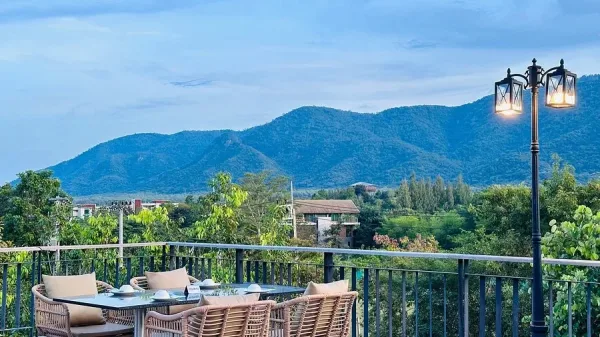
Image Source: Tripadvisor
Timber Tales Café sits nestled in a man-made forest, surrounded by enchanting greenery near Khao Yai National Park. This charming hideaway welcomes visitors with its spacious layout. The rustic wooden décor blends perfectly with the natural surroundings.
Timber Tales Café description
The café combines indoor comfort with stunning outdoor spaces. A picturesque garden features a waterfall and koi pond that add to its charm. The rooftop area treats guests to breathtaking mountain views, creating a perfect dining backdrop. The menu brings together authentic Thai-Isaan flavors and international dishes. Vegetarian options cater to different dietary priorities. Fresh local ingredients enhance the delicious dishes, and the beverages strike the right balance without being too sweet.
Why Timber Tales Café is a hidden gem
The peaceful ambiance makes this spot unique among tourist destinations. Picture-perfect corners spread throughout the property, perfect for capturing memories. Visitors can escape the usual tourist crowds here. The café’s connection to Timberton hotel creates a relaxed retreat experience. Quality food comes at reasonable prices.
How to find Timber Tales Café
You’ll find Timber Tales Café at 36, 18/8 Mu Si, Pak Chong District, Nakhon Ratchasima 30130. The café welcomes guests daily from 9AM-9PM on weekdays and 7:30AM-9PM Friday through Sunday. To make a reservation or ask questions, call +66 97 974 1996.
Hidden Spirit Houses
Visitors to Khao Yai National Park in Thailand will see enchanting San Phra Phum (shrine of the guardian spirit) nestled between ancient trees and along the trails. These small shrine-like structures house protective spirits that locals believe bring good fortune and safety to the area.
Spirit Houses description
These tiny temple-like structures sit on pedestals and serve as homes for guardian spirits that protect the property and bring good luck. The park features two main types: the single-pillared San Phra Phum that houses the guardian deity Phra Chai Mongkon, and the four-pillared San Chao Thii with figurines of ancestral spirits. Park rangers decorate these miniature dwellings with fresh flowers, incense, and fruits. The sort of thing I love is how they include bottles of red Fanta—a modern offering that people believe makes the spirits happy.
Why Spirit Houses are a hidden gem
Most visitors come to see wildlife, but these spiritual monuments are a great way to get insights into Thailand’s unique blend of Buddhism and animistic beliefs. Special spirit houses near caves contain offerings for spirits that people believe live in natural formations like waterfalls, cliffs, and caves. Thailand welcomes modern changes, yet these shrines show the lasting respect for unseen forces.
How to find the Spirit Houses
Spirit houses dot the entire park, usually near building entrances or next to prominent trees. Newcomers can easily spot them around the visitor center, ranger stations, and along certain trails.
Comparison Table
| Location Name | Main Feature/Attraction | Best Time to Visit | Accessibility Level | Notable Wildlife/Nature |
| Haew Sai Waterfall | 5-20m cascading waterfall with clear pools | Morning | Moderate (1km detour from main trail) | – |
| Pha Kluai Mai Waterfall | 10m waterfall with hidden cave | October-May | Easy (1.4-mile trail) | Renanthera orchids (March-April) |
| Nong Phak Chi Tower | 20m high wildlife observation tower | Early morning/late afternoon | Easy (30-min walk from road) | Sambar deer, wild boar, elephants |
| Pha Diew Die Viewpoint | 1,142m elevation viewpoint | Sunrise | Easy (30-min loop) | Serows, silver pheasants |
| Khao Luk Chang Bat Cave | Massive bat exodus | 6 PM (dusk) | Easy (viewing area only) | Millions of bats |
| Mo Sing Watchtower | Wildlife observation point near saltlick | Early morning | Easy | Dholes, hornbills, water monitors |
| Haew Sai Bat Cave | Dual-exit bat cave | 6 PM (dusk) | Easy (parking available) | Wrinkle-lipped bats |
| Yod Khao Khieo Mountain | 1,292m peak with three viewpoints | Early morning | Moderate (limited parking) | – |
| Ban Tha Chang Spring | Natural swimming pools | 8:30 AM – 4:30 PM | Easy | Takon, hornbills, hawks |
| Fruit Bat Cave | Cave fruit bat colony | 5:30 PM | Difficult (steep terrain) | Cave fruit bats |
| Hidden Trail to Haew Narok | Alternative 3km forest trek | October-May | Moderate-Difficult | Unique mushrooms |
| Long-tailed Broadbill Trail | Specialized birding path | Early morning | Moderate (muddy) | Long-tailed Broadbill, trogons |
| Scenic Drive to Southern Gate | Rural countryside route | 5-6 AM departure | Easy (paved road) | Elephants, morning mist |
| Khao Yai Art Museum | 1,700 sqm gallery space | 9 AM – 5 PM daily | Easy | – |
| Issara Estates Winery | Boutique vineyard | Wed-Sun, 10 AM-6 PM | Easy | – |
| Timber Tales Café | Forest dining retreat | 9 AM-9 PM (7:30 AM weekends) | Easy | – |
| Hidden Spirit Houses | Traditional shrine structures | – | Easy | – |
Enjoy Khao Yai National Park
Khao Yai National Park gives adventurous travelers so much more than typical guidebooks suggest. Thailand’s first national park holds 17 hidden gems just waiting for those ready to head deeper into its wilderness. Each spot tells its own story – from the spectacle of millions of bats taking flight at dusk to colorful broadbills on quiet trails and pristine spring waters perfect for a swim.
This UNESCO World Heritage Site offers a wealth of experiences that nature lovers will love. The park’s character changes throughout the day. Misty peaks greet early risers, wildlife comes alive in the morning hours, and dramatic bat flights paint the sunset sky. Each moment shows a different side of this natural wonder.
The best time to visit runs from October through May for most attractions. Every hidden spot follows nature’s own schedule. Some places need a good hike to reach while others are just a short drive away. This mix makes the park perfect for everyone, regardless of their fitness level.
A comparison table helps plan your trip based on what you like, how much time you have, and how far you want to walk. These spots stay peaceful and quiet because they take extra effort to find.
People who spend time in Khao Yai National Park’s secret corners get to see Thailand’s natural beauty at its finest. The mix of natural wonders and cultural experiences creates memories that are nowhere near as ordinary as typical tourist photos. Those who step off the beaten path find themselves face-to-face with extraordinary moments in one of Southeast Asia’s greatest natural treasures.
FAQs
Q1. When is the best time to visit Khao Yai National Park? The most pleasant time to visit is from November to February, with cooler temperatures and clearer skies. However, June to October offers lush greenery and fuller waterfalls, ideal for those who don’t mind occasional rain.
Q2. What makes Khao Yai National Park special for wildlife enthusiasts? Khao Yai is a haven for wildlife, home to diverse species including barking deer, macaques, gibbons, and various birds like great hornbills. While wild elephant sightings are rare, the park offers excellent opportunities for animal observation.
Q3. What are some must-see attractions in Khao Yai National Park? Key attractions include stunning waterfalls, scenic viewpoints, wildlife observation towers like Nong Phak Chi, and the Chao Phor Khao Yai Shrine. The park also offers hiking trails and opportunities for birdwatching.
Q4. How accessible are the hidden gems in Khao Yai National Park? Accessibility varies. Some attractions like Ban Tha Chang Spring and Khao Yai Art Museum are easily reachable, while others like the Fruit Bat Cave require more challenging hikes. Many hidden gems offer a mix of accessibility levels to suit different preferences.
Q5. Are there any unique cultural experiences near Khao Yai National Park? Yes, visitors can explore the Khao Yai Art Museum, visit the Issara Estates Winery for wine tasting, or discover hidden spirit houses throughout the park. These experiences offer insights into local art, agriculture, and spiritual beliefs.





Leave A Comment