
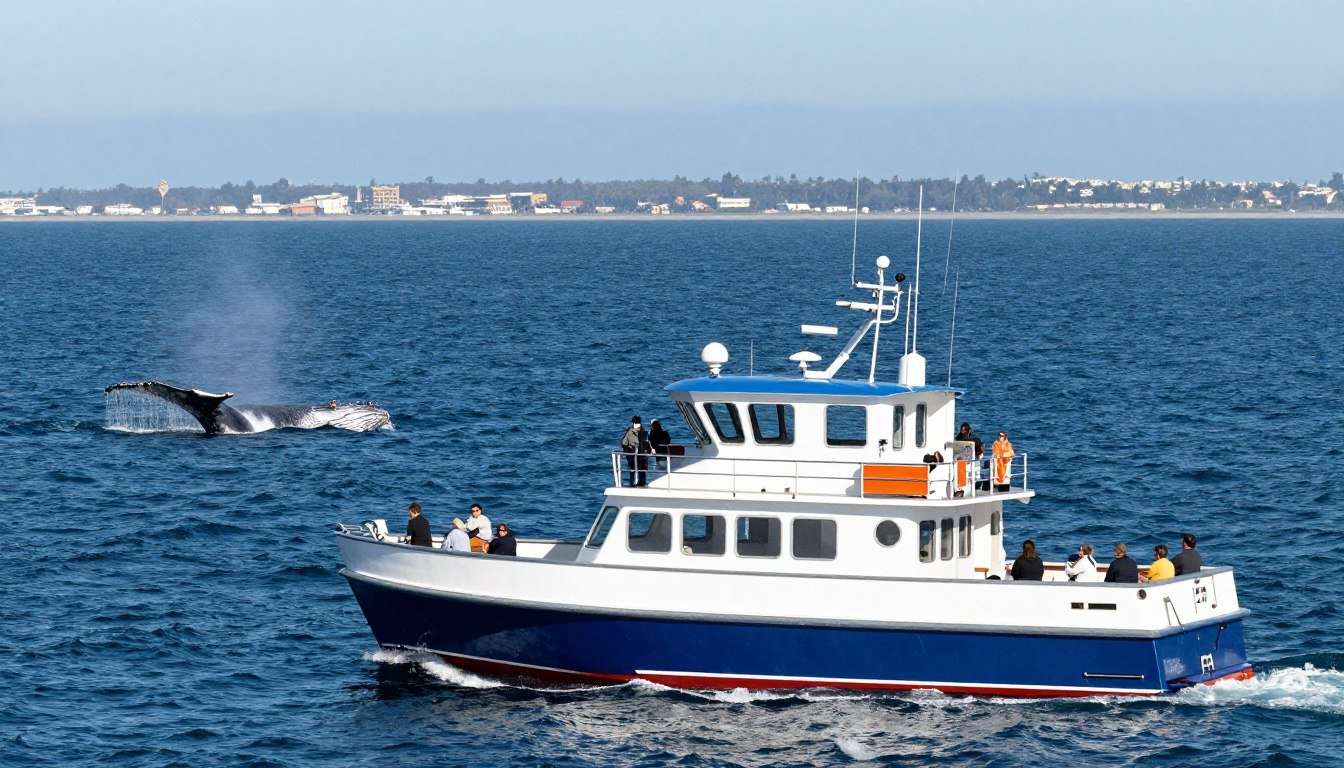
Long Beach offers some of the most spectacular whale watching experiences on the California coast. The waters off Long Beach serve as migration routes for multiple whale species throughout the year. Visitors can witness majestic gray whales, enormous blue whales, and acrobatic humpback whales in their natural habitat.
This guide covers everything you need to know about whale watching in Long Beach. You will learn the best times to visit, which tour operators offer the finest experiences, and what to expect during your ocean adventure.
Why Long Beach Is Perfect for Whale Watching
Long Beach sits along prime whale migration routes in the Pacific Ocean. The continental shelf drops dramatically just offshore, creating deep water channels that attract whales. These conditions make Long Beach one of the top destinations for beach whale watching on the West Coast.
Prime Geographic Location
The Pacific waters near Long Beach provide ideal conditions for whale sightings. The deep water allows whales to travel close to shore during their migration. Tour boats can reach whale-rich areas within minutes of departure.
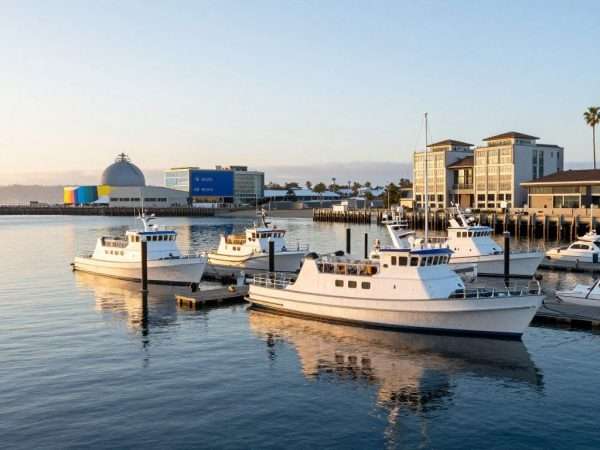
Long Beach Harbor serves as the launching point for most whale watching tours. The protected harbor provides calm departure conditions. Boats quickly access open ocean waters where whales feed and travel.
Year-Round Whale Activity
Different whale species visit Long Beach waters throughout the year. Gray whales migrate past the coast from December through April. Blue whales and humpback whales frequent the area during summer and fall months. This extended season means visitors can experience whale watching long beach adventures almost any time of year.
Ready to Experience Long Beach Whale Watching?
Join expert-guided tours departing daily from Long Beach Harbor. See majestic whales, playful dolphins, and stunning ocean views on a memorable 2.5 hour cruise.
Best Times of Year for Whale Watching Long Beach
Timing your visit significantly impacts your whale watching experience. Long Beach waters host different whale species during specific seasons. Understanding these patterns helps you plan the perfect trip.
Gray Whale Season: December to April
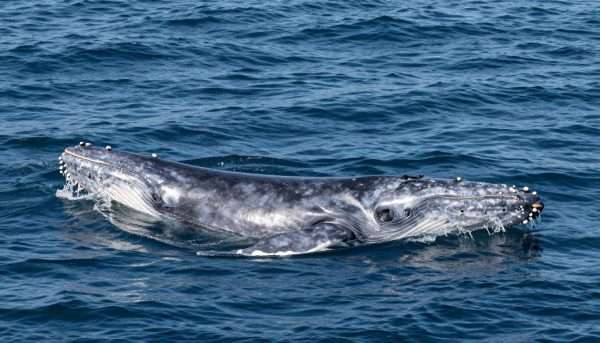
Gray whale migration represents the peak season for whale watching long beach. These magnificent creatures travel from Alaska to Mexico and back again. The southbound migration occurs from December through February. Gray whales return north with their calves from March through April.
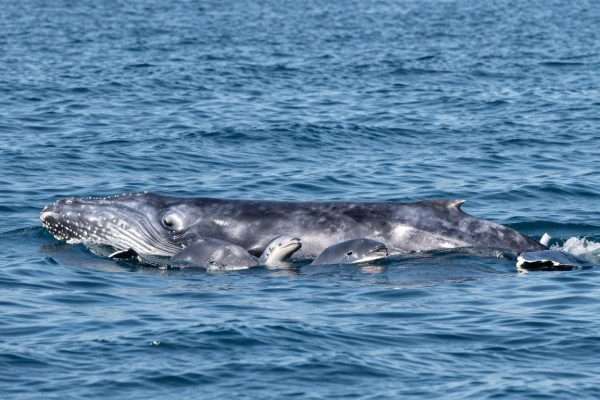
December through January offers excellent opportunities to see southbound whales. These whales swim steadily toward their breeding lagoons in Baja California. February and March provide chances to witness mothers with newborn calves. The northbound journey shows more playful behavior as whales rest and feed along the coast.
Peak Gray Whale Months
- January: Highest southbound whale counts
- February: Transition between migrations
- March: Northbound mothers and calves
- April: Final migration opportunities
Best Time: Mid-February through late March offers the best combination of whale numbers and calf sightings. Weather conditions improve as winter storms decrease.
Blue Whale and Humpback Season: May to November
Summer and fall bring different species to Long Beach waters. Blue whales, the largest animals on Earth, feed in the rich waters offshore. Humpback whales also frequent the area during these months. Both species come to feed on abundant krill and small fish.
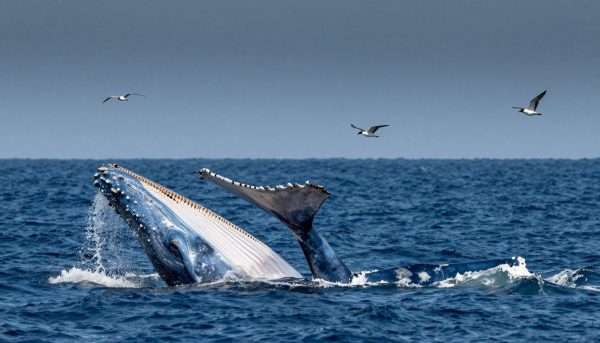
Blue whale sightings peak from June through September. These enormous whales can reach 100 feet in length. Their blue-gray coloring and enormous size create unforgettable sightings. Humpback whales often breach and display acrobatic behaviors that thrill visitors.
Summer Whale Watching
- Blue whales feeding actively
- Warmer ocean temperatures
- Calmer sea conditions
- Longer daylight hours
- Humpback whale activity
- More dolphin encounters
Winter Whale Watching
- Gray whale migration spectacle
- Mother and calf pairs
- Closer approaches to shore
- Cooler weather conditions
- Fewer crowds early season
- Dramatic winter seascapes
Dolphin and Sea Life Year-Round
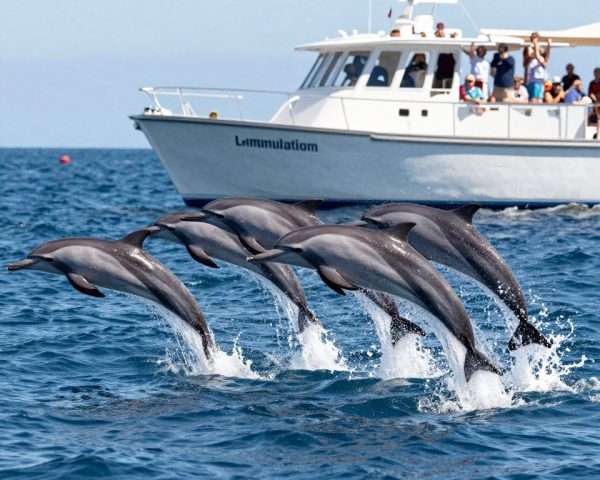
Whale watching tours encounter dolphins throughout the year. Common dolphins and bottlenose dolphins live in local waters permanently. These playful animals often ride boat wakes and perform acrobatic displays. Sea lions, seals, and various seabirds add to the marine life experience.
Don’t Miss Peak Whale Season
Book your tour now for the best whale watching opportunities. Tours fill quickly during peak migration periods. Secure your spot today.
Whale Species You Can See in Long Beach
Long Beach waters host several whale species throughout the year. Each species offers unique characteristics and behaviors. Understanding these differences enhances your whale watching experience.
Gray Whales: The Classic Migrators
Gray whales complete one of the longest mammal migrations on Earth. These medium-sized whales travel over 10,000 miles annually. Adult gray whales reach 40 to 50 feet in length and weigh up to 40 tons.
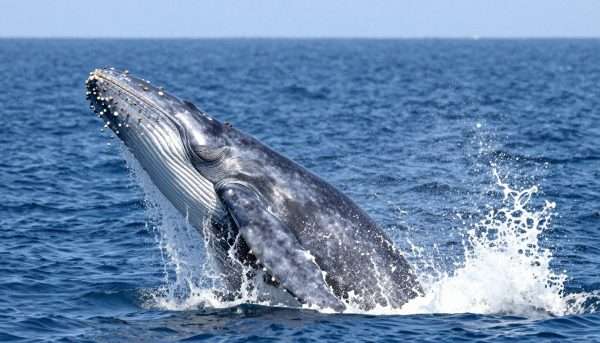
Gray whale skin displays distinctive mottled patterns and often carries barnacles. These whales travel close to shore during migration. They feed by bottom-feeding in shallow waters, stirring up sediment. Whale watching tours frequently encounter gray whales during winter and spring months.
Gray Whale Viewing Highlights
- Predictable migration timing
- Often swim close to boats
- Mother-calf pairs common
- Frequent surface activity
- Year-round resident population
Viewing Challenges
- Less dramatic breaching than humpbacks
- Sometimes stay submerged longer
- Peak season brings more tour boats
- Weather can be rough in winter
Blue Whales: The Ocean Giants
Blue whales represent the largest animals ever to exist on Earth. These magnificent creatures can exceed 100 feet in length and weigh over 200 tons. Their presence in Long Beach waters creates extraordinary wildlife encounters.
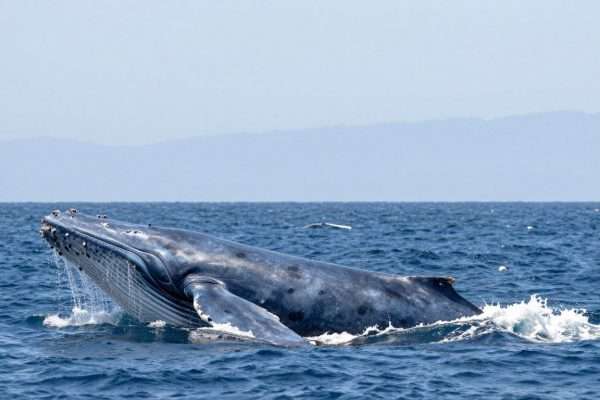
Blue whales visit Long Beach waters from late spring through fall. They feed on massive quantities of krill in the productive offshore waters. Their blue-gray coloring appears stunning in clear water. The whale’s blow can reach 30 feet high and is visible from great distances.
Witnessing a blue whale surface next to your boat creates unforgettable memories. These gentle giants move gracefully despite their enormous size. Tours during summer months offer the best chances for blue whale encounters.
Humpback Whales: The Acrobats
Humpback whales provide some of the most exciting whale watching moments. These whales frequently breach, slapping their bodies on the water surface. They also perform tail slapping, pectoral fin waving, and other surface behaviors.
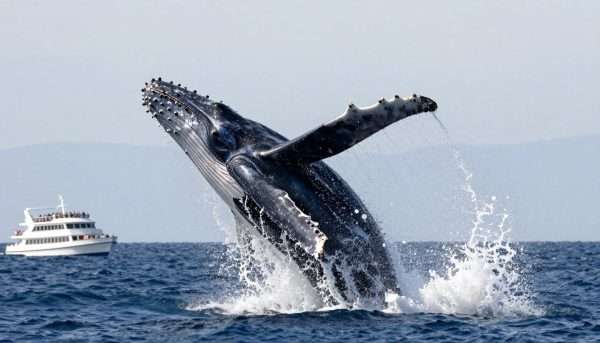
Humpback whales grow to about 50 feet in length. Their distinctive features include long pectoral fins and knobby heads. These whales visit Long Beach from spring through fall. They feed on small fish and krill in the productive ocean waters.
Humpback behavior includes tail fluking before deep dives. The unique patterns on their tail flukes allow researchers to identify individuals. These whales sometimes approach boats closely, offering incredible viewing opportunities.
| Whale Species | Size | Best Season | Key Features | Behavior |
| Gray Whale | 40-50 feet | Dec – Apr | Mottled gray skin, barnacles | Migration, bottom feeding |
| Blue Whale | 80-100 feet | Jun – Sep | Massive size, blue-gray color | Surface feeding, powerful blows |
| Humpback Whale | 45-50 feet | May – Nov | Long fins, knobby head | Breaching, tail slapping |
| Minke Whale | 25-30 feet | Year-round | Small, sleek body | Fast swimmers, elusive |
| Killer Whale (Orca) | 20-26 feet | Occasional | Black and white coloring | Hunting, pod travel |
Other Marine Mammals
Long Beach whale watching trips encounter additional marine life. Dolphins appear on nearly every cruise, with common dolphins and bottlenose dolphins being most frequent. These animals often swim alongside boats and perform aerial displays.
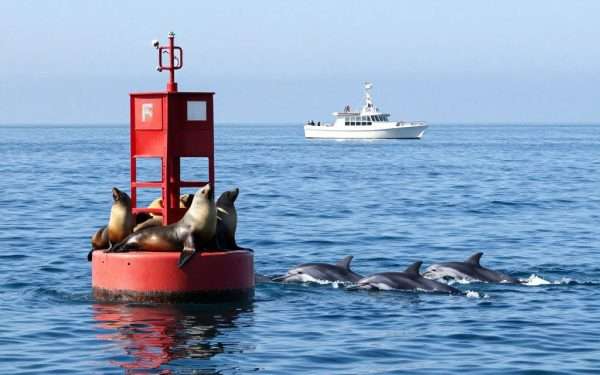
Sea lions and harbor seals frequent the area around Long Beach Harbor. Tours sometimes spot these animals resting on buoys or swimming near shore. Seabirds including pelicans, gulls, and cormorants provide constant entertainment throughout the trip.
Top Whale Watching Tour Operators in Long Beach
Several experienced companies offer whale watching tours from Long Beach. Each operator provides unique features and services. Choosing the right tour enhances your beach whale watching experience.
Harbor Breeze Cruises
Harbor Breeze Cruises operates the largest fleet of whale watching boats in Long Beach. The company has served visitors for over 30 years. Their experienced crew includes marine naturalists who provide educational commentary throughout each trip.
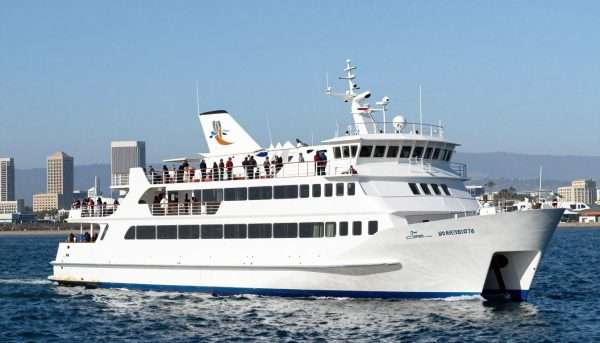
The fleet includes multiple vessels accommodating different group sizes. Boats feature indoor and outdoor viewing areas. Climate-controlled cabins provide comfort during cooler weather. Upper deck viewing platforms offer unobstructed ocean views.
Harbor Breeze offers 2.5 hour whale watching cruises year-round. Tours depart multiple times daily during peak season. The company guarantees whale sightings with a return cruise voucher if no whales appear. Tickets include expert narration and complimentary whale watching guide materials.
Pricing: Adult tickets start at approximately $45. Children ages 3-11 receive discounted rates. Seniors qualify for reduced pricing. Group rates available for parties of 15 or more. Pricing subject change based availability and season.
Departure Location: Dock 2, Rainbow Harbor, Long Beach
Harbor Breeze Cruises Features
- Largest whale watching fleet in Long Beach
- Multiple daily departures year-round
- Expert marine naturalist guides
- Climate-controlled indoor seating
- Outdoor viewing decks
- Whale sighting guarantee policy
- Snack bar and beverages available
- ADA accessible vessels
Newport Landing Whale Watching
Newport Landing operates whale watching cruises serving both Long Beach and Newport Beach areas. The company maintains a strong reputation for successful whale sightings. Their naturalist staff provides detailed information about marine life and ocean ecosystems.
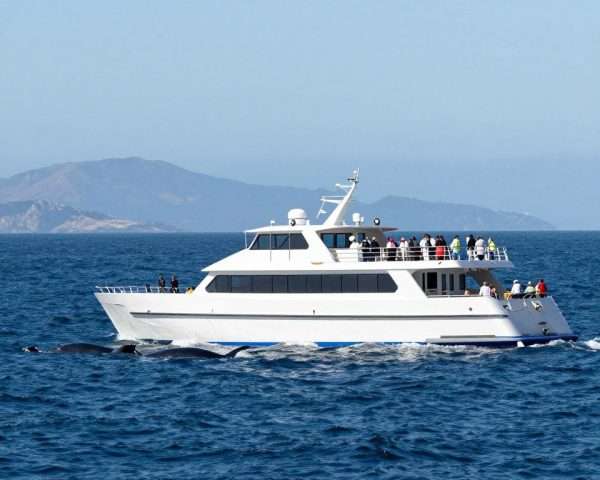
Tours last approximately 2.5 hours and venture into prime whale habitat. The boats accommodate up to 149 passengers comfortably. Multiple viewing levels provide excellent vantage points. The company offers a 90-day return ticket if whales do not appear during your cruise.
Newport Landing emphasizes education alongside entertainment. Staff members answer questions throughout the cruise. The company supports marine research and conservation efforts. They frequently collaborate with researchers studying whale populations.
Pricing: Standard adult fares begin around $40. Youth and senior discounts apply. Private charters available for special events. Pricing subject change based availability and booking timing.
Departure Location: Newport Landing, 309 Palm Street, Newport Beach (accessible from Long Beach)
Newport Landing Highlights
- Year-round whale watching tours
- Experienced naturalist guides
- Double-decker viewing boats
- 90-day whale sighting guarantee
- Educational focus on marine conservation
- Snack bar with refreshments
- Partnerships with research organizations
Dana Wharf Whale Watching
Dana Wharf offers whale watching experiences from nearby Dana Point, easily accessible from Long Beach. The company has operated for over 25 years. Their expert captains know the local waters extensively and position boats for optimal viewing.
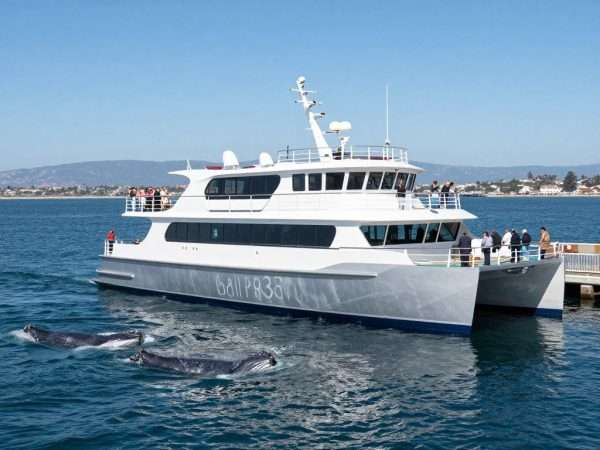
Dana Wharf operates both traditional boats and stable catamarans. The catamaran design provides smoother rides in rougher conditions. This makes trips more comfortable for passengers concerned about seasickness. All vessels feature indoor and outdoor seating areas.
Tours include expert narration from trained naturalists. The company maintains strong marine life sighting rates throughout the year. They offer specialized trips including sunset cruises and extended whale watching adventures.
Pricing: Adult tickets average $45-50. Children and seniors receive discounted rates. Special pricing for extended tours and private charters. Pricing subject change based availability and cruise type.
Departure Location: Dana Point Harbor (approximately 45 minutes from Long Beach)
Dana Wharf Advantages
- Catamaran option for smoother rides
- 25+ years of whale watching experience
- Expert captain knowledge of local waters
- Multiple daily departures
- Specialized sunset and extended cruises
- Full-service snack bar
- Photography-friendly viewing areas
Comparing Long Beach Whale Watching Tours
| Operator | Tour Duration | Starting Price | Fleet Size | Guarantee | Special Features |
| Harbor Breeze Cruises | 2.5 hours | $45 | Large fleet | Return ticket | Multiple daily departures |
| Newport Landing | 2.5 hours | $40 | Medium fleet | 90-day return | Conservation focus |
| Dana Wharf | 2.5-3 hours | $45-50 | Multiple vessels | Varies by season | Catamaran option |
Choose Your Perfect Whale Watching Tour
Each operator offers unique advantages for your Long Beach whale watching adventure. Compare features and book the tour that matches your preferences and schedule.
What to Expect During Your Whale Watching Cruise
Understanding what happens during a whale watching trip helps you prepare and maximize your experience. Most Long Beach whale watching tours follow similar formats while offering unique features.
Before Departure
Arrive at the departure location at least 30 minutes before scheduled cruise time. This allows time for parking, check-in, and boarding. Most operators recommend arriving even earlier during peak season weekends and holidays.
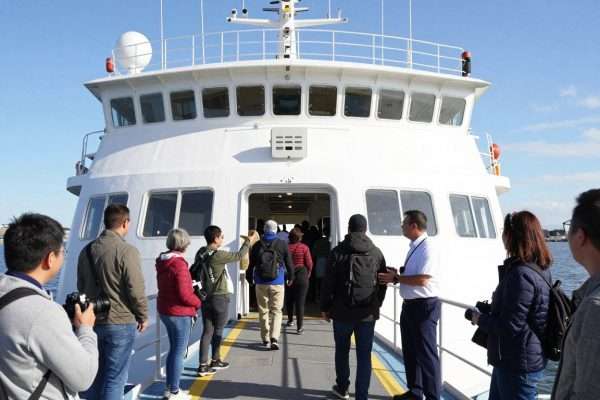
Check-in typically occurs at the ticket booth near the dock. Staff verify your reservation and provide boarding passes. Some operators offer optional add-ons like premium seating or meal packages. Restrooms are available at most departure facilities.
Boarding begins approximately 15-20 minutes before departure. Staff direct passengers to appropriate seating areas. Choose outdoor deck space for unobstructed viewing or indoor cabin areas for climate-controlled comfort. Both options provide excellent whale watching opportunities.
The Journey to Whale Waters
The cruise begins with departure from Long Beach Harbor. Boats navigate through the harbor past Aquarium Pacific and other waterfront landmarks. This initial portion typically takes 10-15 minutes as vessels reach open ocean.
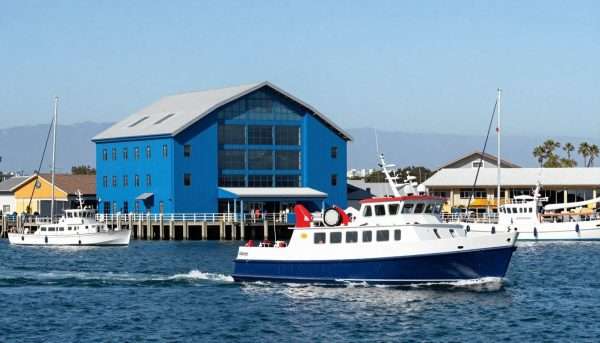
Once in open water, boats increase speed toward known whale activity areas. The crew monitors marine mammal reports and uses their experience to locate whales. Communication between boats helps captains find the best viewing locations.
The journey itself offers beautiful coastal views. Passengers see the Long Beach skyline, Palos Verdes Peninsula, and Catalina Island in the distance. Dolphins frequently appear during this transit time, swimming alongside the boat.
Whale Watching Activity
When whales are spotted, the captain slows the boat and positions it for optimal viewing. Experienced crews know how to approach whales safely while providing excellent viewing angles. They maintain legal distances and follow marine mammal protection guidelines.
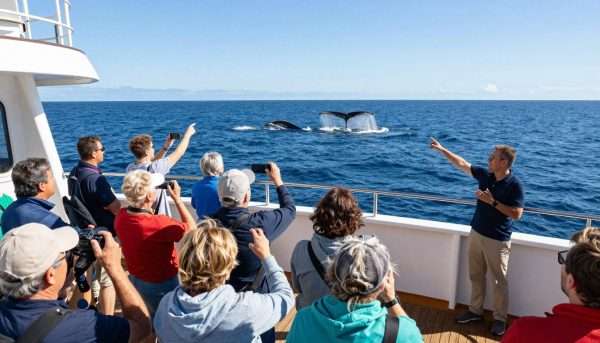
Naturalist guides provide commentary about whale behavior and biology. They explain what you are seeing and answer passenger questions. Many boats have hydrophones that allow passengers to hear whale vocalizations underwater. This adds an audio dimension to the visual experience.
Whale encounters vary in duration and intensity. Sometimes whales surface briefly before diving. Other times they remain near the boat for extended periods. Patient observation often rewards visitors with spectacular displays of breaching, tail slapping, or close approaches.
Additional Marine Life
Whale watching cruises encounter diverse ocean life beyond whales. Dolphins appear on most trips, often in large pods numbering dozens or hundreds of animals. These playful creatures perform aerial acrobatics and ride the boat’s bow wake.
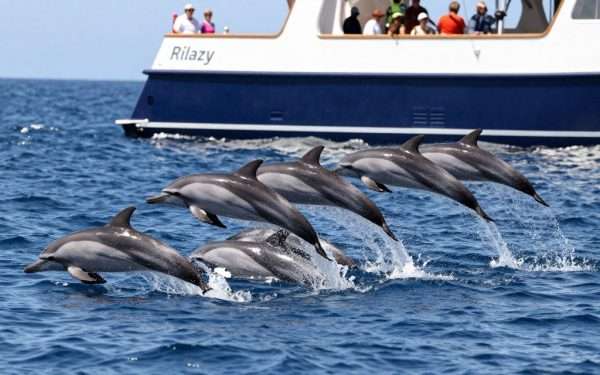
Sea birds follow the boats, diving for fish stirred up by the vessel. Pelicans, gulls, and cormorants provide constant entertainment. Sea lions occasionally appear, swimming near the boat or resting on navigation buoys.
During certain seasons, additional species appear. Mola mola (ocean sunfish) sometimes surface near boats. Schools of fish create feeding frenzies attracting birds and marine mammals. Each cruise offers unique wildlife encounters beyond the target whale species.
Return Journey
The return trip to Long Beach Harbor provides time to reflect on your experience. Crew members remain available to answer final questions. Many passengers visit the snack bar for refreshments or browse educational materials available onboard.
Total cruise time averages 2.5 hours for most operators. Some extended trips last 3-4 hours and venture farther offshore. The boat docks at the same location where you departed, allowing easy access back to parking areas.
Typical Timeline for 2.5 Hour Cruise:
- 0:00 – Boarding and departure preparation
- 0:15 – Depart harbor, transit to ocean
- 0:30 – Reach whale watching areas
- 0:45-2:00 – Active whale watching and marine life viewing
- 2:00-2:25 – Return journey to harbor
- 2:30 – Arrival and disembarkation
Weather and Sea Conditions
Ocean conditions significantly impact the whale watching experience. Calm seas provide smooth rides and excellent viewing. Rougher conditions can make the trip more challenging but whales still appear in various sea states.
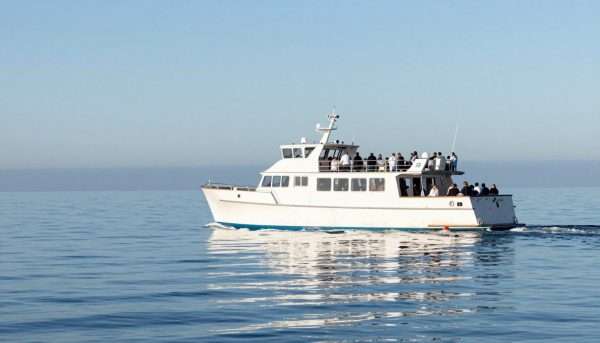
Captains monitor weather forecasts and ocean conditions continuously. They may adjust routes based on conditions to provide the smoothest possible ride. Safety remains the top priority, and trips may be rescheduled if conditions become too severe.
Morning trips often feature calmer conditions, especially during summer months. Afternoon winds can create choppier seas. Winter trips may encounter larger swells but also feature dramatic seascapes and active whales.
Tips for the Best Whale Watching Experience
Proper preparation enhances your whale watching long beach adventure. These practical tips help ensure a comfortable and memorable trip.
What to Wear and Bring
Dress in layers to accommodate changing temperatures and conditions. Ocean temperatures stay cooler than land temperatures year-round. Bring a warm jacket even during summer months. Wind on the water creates additional chill factor.
Essential Items to Bring
- Layered clothing including warm jacket
- Sunscreen (ocean sun reflects strongly)
- Sunglasses and hat
- Camera or smartphone for photos
- Binoculars for distant viewing
- Motion sickness medication if needed
- Water bottle (stay hydrated)
- Light snacks if desired
What to Leave Behind
- Valuable jewelry or accessories
- Unnecessary electronics
- Large bags or luggage
- Drones (restricted near boats)
- Strong perfumes or colognes
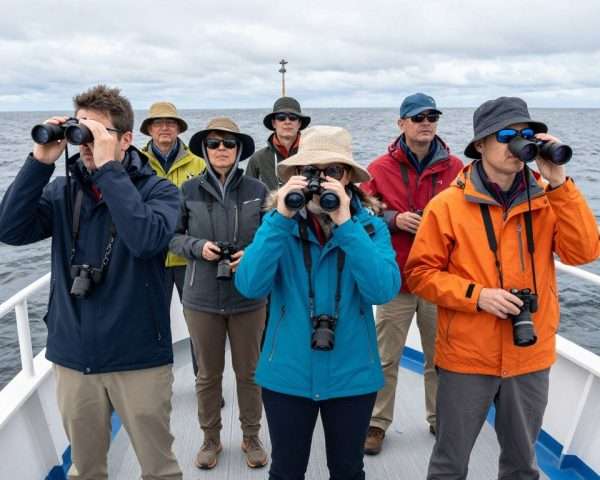
Wear comfortable, non-slip shoes suitable for boat decks. Avoid high heels or flip-flops that can be unsafe on moving vessels. Soft-soled shoes work best and protect the boat’s deck surfaces.
Bring sunscreen and reapply frequently. Ocean reflection intensifies sun exposure even on cloudy days. Use reef-safe sunscreen to protect marine ecosystems. Sunglasses reduce glare and improve your ability to spot whales at distance.
Photography Tips
Capturing whale photos requires patience and preparation. Whales surface unpredictably, so keep your camera ready. Use fast shutter speeds to freeze whale motion. Sports or action modes work well for whale photography.
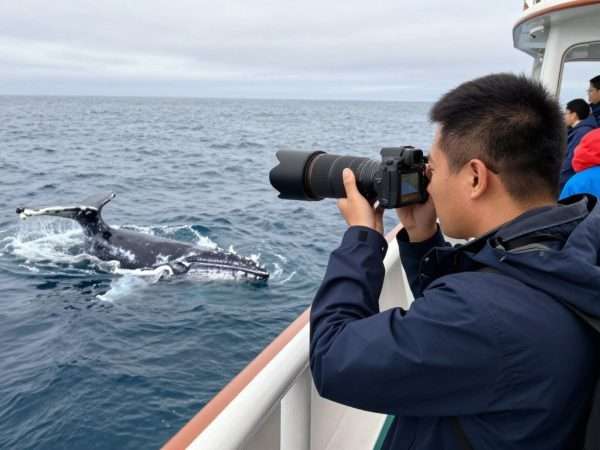
Telephoto lenses help capture distant whales but aren’t necessary. Modern smartphone cameras perform well for whale watching photography. Keep your camera in continuous shooting mode to capture whale breaches. The action happens quickly and continuous mode increases your chances of getting the perfect shot.
Focus on the experience first, photography second. Don’t spend the entire trip viewing whales through a camera screen. Take some photos then put the camera down and simply observe these magnificent creatures. The memories you create matter more than perfect photos.
Preventing Seasickness
Seasickness concerns some first-time whale watchers. Several strategies minimize motion sickness risk. Take medication 30-60 minutes before departure if you are prone to motion sickness. Over-the-counter options include Dramamine, Bonine, or ginger supplements.
Seasickness Prevention Strategies:
- Take medication before departure, not after symptoms start
- Eat a light meal before the trip (avoid heavy, greasy foods)
- Stay on outer decks with fresh air and horizon views
- Focus on distant horizons rather than nearby water
- Stay hydrated throughout the cruise
- Avoid reading or screen time when feeling queasy
- Choose mid-ship seating for least motion
Fresh air and horizon views help tremendously. Stay on outdoor decks when possible. Looking at the stable horizon helps your inner ear adjust to boat motion. Avoid spending extended time in enclosed cabin areas if you feel queasy.
Most whale watching boats operate in relatively calm waters close to shore. Severe seasickness is uncommon on these trips. Captains often seek sheltered areas when conditions become rough, improving passenger comfort.
Best Viewing Positions on the Boat
Positioning yourself effectively improves whale sighting opportunities. The bow (front) of the boat offers unobstructed forward views. This location works well when whales are ahead of the vessel. However, bow areas experience more motion in rough seas.
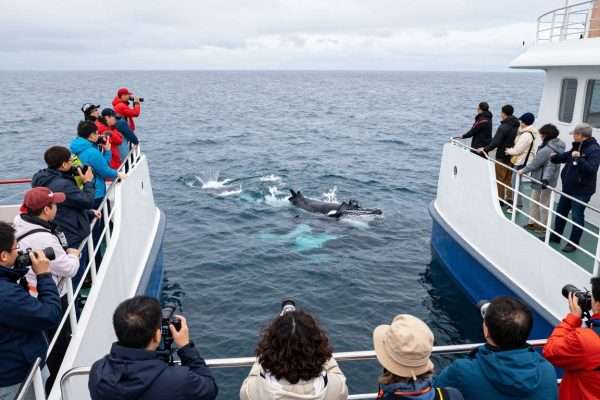
Side railings provide excellent viewing when whales surface alongside the boat. Move to the side where crew members point out whale activity. The stern (back) offers good viewing with less motion, though exhaust fumes occasionally drift back.
Upper decks provide elevated perspectives and longer sight distances. You can spot whale blows and surfacing from farther away. Lower decks place you closer to water level for intimate encounters when whales approach the boat.
Don’t stay in one spot the entire cruise. Move around the boat as whale activity shifts. Crew members announce whale positions and guide passengers to optimal viewing locations. Follow their directions for the best experiences.
Booking and Timing Recommendations
Book whale watching tours in advance, especially during peak season. Gray whale migration months (January-April) and summer blue whale season see high demand. Tours sometimes sell out days or weeks ahead during these periods.
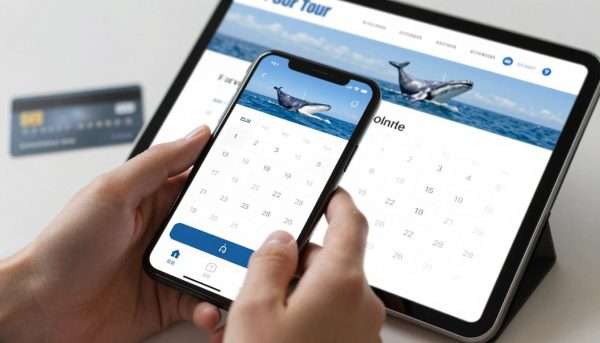
Morning trips often feature calmer ocean conditions. Whales feed actively in morning hours. Afternoon trips can be excellent but may encounter windier conditions. Sunset cruises during summer provide beautiful lighting for photography.
Weekday trips typically have smaller crowds than weekends. You will have more space at the railings and better viewing opportunities. Holiday weekends and school vacation periods see the highest passenger numbers.
Check cancellation policies before booking. Weather can impact whale watching trips, and flexible cancellation terms provide peace of mind. Most operators offer rescheduling options if trips are cancelled due to weather or mechanical issues.
You’re Ready for an Amazing Whale Watching Adventure
Armed with these tips and insights, you’re prepared for an unforgettable whale watching experience in Long Beach. Book your tour now and witness these magnificent ocean giants in their natural habitat.
Whale Watching Regulations and Conservation
Responsible whale watching protects these magnificent animals and ensures sustainable tourism. Federal and state regulations govern how boats interact with whales and other marine mammals. Understanding these rules helps you appreciate how operators protect wildlife.
Marine Mammal Protection Act Guidelines
The Marine Mammal Protection Act establishes rules for approaching whales. Boats must maintain minimum distances from whales and other marine mammals. For most whale species, vessels must stay at least 100 yards away. Closer approaches are prohibited except under specific circumstances.
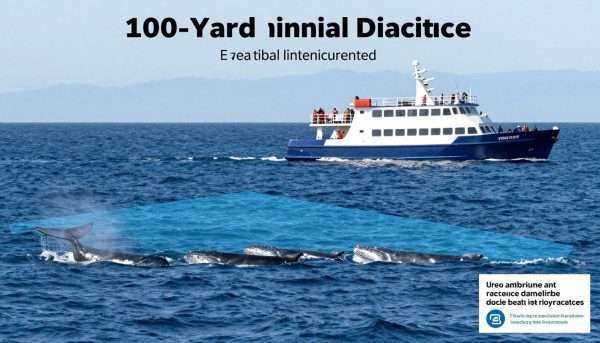
Licensed whale watching operators follow strict protocols. Captains approach whales slowly and never chase or harass animals. If whales approach the boat voluntarily, passengers can enjoy close encounters while the boat remains stationary. These regulations ensure whale safety and natural behavior.
Killer whales receive additional protections in some areas. Operators must maintain even greater distances from these animals. Feeding whales or attempting to swim with them is strictly prohibited. These rules protect both whales and humans.
Conservation Efforts
Many Long Beach whale watching operators support marine conservation research. Companies often collaborate with scientists studying whale populations. Some donate portions of ticket sales to conservation organizations. This creates a positive cycle where tourism supports species protection.
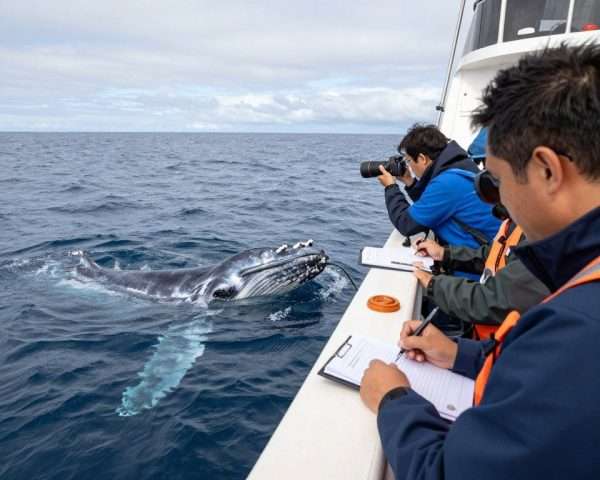
Whale watching tourism generates economic value for whale conservation. When whales have economic importance through ecotourism, communities have incentive to protect them. This model has proven successful in encouraging whale population recovery worldwide.
Passengers contribute to conservation simply by participating responsibly. Your whale watching tour supports local businesses that depend on healthy whale populations. The more people who appreciate whales through direct experience, the stronger the support for protecting these animals and their habitat.
Educational Value of Whale Watching
Whale watching provides powerful environmental education. Seeing whales in their natural habitat creates lasting impressions. This firsthand experience often inspires people to support ocean conservation efforts.
Naturalist guides aboard whale watching boats teach passengers about marine ecosystems. They explain whale biology, migration patterns, and conservation challenges. This knowledge helps visitors understand the interconnected nature of ocean health.
Many passengers report that whale watching changed their perspective on marine conservation. The experience makes abstract environmental concepts tangible and personal. Children especially benefit from seeing these enormous animals and learning about protecting ocean life.
Sustainable Tourism Practices
Choose operators committed to sustainable practices. Look for companies using fuel-efficient vessels or hybrid engines. Some boats minimize waste through recycling programs and reusable serving materials. These practices reduce the environmental impact of whale watching tourism.
Questions to Ask Operators About Sustainability:
- What distance do you maintain from whales?
- How does your company support marine research?
- What fuel efficiency measures does your fleet use?
- Do you have waste reduction or recycling programs?
- How do you train staff in marine mammal protection?
- Do you contribute to conservation organizations?
Responsible operators view whales as partners in their business rather than products. They prioritize animal welfare over maximizing sightings. This long-term perspective ensures whale populations remain healthy and whale watching remains viable for future generations.
Planning Your Long Beach Visit
Long Beach offers numerous attractions beyond whale watching. Planning a comprehensive visit maximizes your Southern California coastal experience. The city provides excellent tourist infrastructure with diverse activities for all ages.
Aquarium of the Pacific
The Aquarium of the Pacific sits adjacent to whale watching departure docks in Rainbow Harbor. This world-class facility showcases marine life from the Pacific Ocean. Over 12,000 animals represent more than 500 species across multiple galleries.
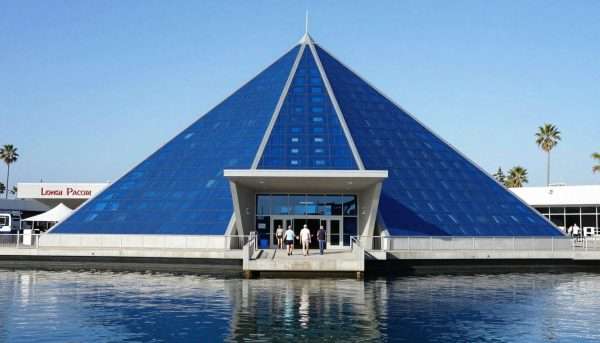
Visiting the aquarium pairs perfectly with whale watching. Many visitors combine both activities in a single day. The aquarium provides controlled viewing of marine animals including sharks, rays, sea otters, and tropical fish. Interactive exhibits allow hands-on experiences with tide pool creatures.
Special exhibits rotate throughout the year, covering topics like ocean conservation and deep-sea ecosystems. The aquarium offers educational programs for children and adults. Plan 2-3 hours to explore the facility thoroughly.
Location: 100 Aquarium Way, Long Beach, CA 90802
Long Beach Waterfront and Beaches
Long Beach features miles of sandy beaches and oceanfront paths. The beach stretches along the coastline providing swimming, sunbathing, and water sports opportunities. Beach volleyball courts, bike paths, and walking trails accommodate active visitors.

The Long Beach Pier offers dining and entertainment options. Street performers, souvenir shops, and restaurants create a festive atmosphere. The pier provides excellent ocean views and fishing opportunities.
Shoreline Village near Rainbow Harbor features shops, restaurants, and waterfront dining. This pedestrian-friendly area connects easily to whale watching departure points. Visitors can enjoy meals with harbor views before or after their cruise.
Queen Mary
The historic Queen Mary ocean liner serves as a floating hotel and museum. This retired luxury ship offers tours showcasing 1930s elegance and maritime history. The vessel played important roles in both peacetime luxury travel and wartime troop transport.
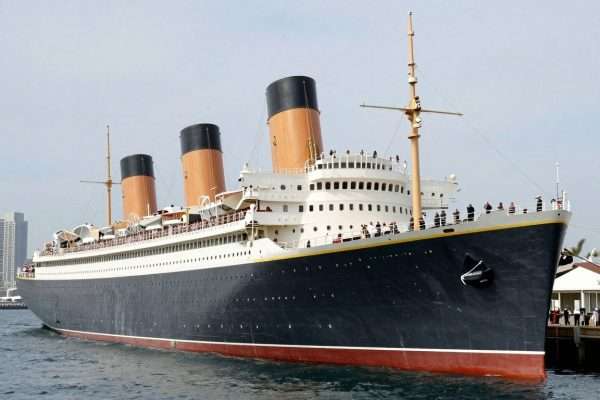
Self-guided tours explore the ship’s decks, staterooms, and engine rooms. Special exhibits detail the Queen Mary’s service history. The ship includes restaurants, bars, and overnight accommodation for visitors seeking unique lodging.
Paranormal tours attract visitors interested in the ship’s haunted reputation. Evening tours explore reportedly haunted areas of the vessel. Whether you believe in ghosts or not, these tours provide entertaining historical insights.
Location: 1126 Queens Highway, Long Beach, CA 90802
Dining in Long Beach
Long Beach offers diverse dining options near whale watching departure areas. Fresh seafood restaurants feature local catches and ocean views. Many establishments serve California coastal cuisine emphasizing fresh, seasonal ingredients.

Rainbow Harbor and Shoreline Village concentrate restaurants within walking distance of tour departure points. Options range from casual fish and chips to upscale dining experiences. Many restaurants offer outdoor seating with harbor views.
Second Street in Belmont Shore provides additional dining options. This neighborhood features eclectic restaurants, cafes, and bars. The pedestrian-friendly street includes boutique shopping alongside dining establishments.
Accommodations
Long Beach provides numerous hotel options at various price points. Downtown hotels near the waterfront offer convenient access to whale watching tours. Many properties provide harbor or ocean views.
The Renaissance Long Beach Hotel sits adjacent to the convention center and within walking distance of Rainbow Harbor. This upscale property features modern amenities and waterfront dining. The hotel caters to both business and leisure travelers.
The Queen Mary offers unique overnight experiences aboard the historic ship. Staterooms retain original 1930s design elements while providing modern comfort. This accommodation option appeals to history enthusiasts and those seeking distinctive lodging.
Budget-conscious travelers find value options slightly inland from the waterfront. These properties offer free parking and complimentary breakfast. Rideshare services provide easy transportation to whale watching departure points.
Getting to Long Beach
Long Beach sits approximately 25 miles south of Los Angeles. Interstate 405 and Interstate 710 provide direct freeway access. Traffic can be heavy during rush hours, so plan travel time accordingly.
Rainbow Harbor – Primary whale watching tour departure location in Long Beach
Los Angeles International Airport (LAX) serves as the nearest major airport. The airport sits approximately 30 minutes from Long Beach depending on traffic. Long Beach Airport offers regional service with less congestion than LAX.
Public transportation includes Metro rail and bus service. The Metro Blue Line connects Long Beach to downtown Los Angeles. Local bus routes serve major tourist areas including the waterfront and Aquarium Pacific.
Parking near Rainbow Harbor includes metered street parking and paid parking lots. Arrive early during peak season to secure convenient parking. Some hotels offer parking packages for guests visiting local attractions.
Frequently Asked Questions About Whale Watching Long Beach
What is the best month for whale watching in Long Beach?
The best months depend on which whale species you want to see. For gray whales, January through March offers peak viewing as mothers and calves migrate north. For blue whales, June through September provides the best opportunities. December through April remains the most popular overall season due to consistent gray whale activity.
How likely am I to see whales on a Long Beach whale watching tour?
Success rates are very high, typically exceeding 90% during peak migration seasons. Gray whale season (December-April) sees the most consistent sightings. Summer blue whale season also boasts high success rates. Most operators offer guarantees or return tickets if no whales appear during your cruise.
How long does a typical whale watching cruise last?
Most Long Beach whale watching tours last approximately 2.5 hours. This includes transit time to and from whale viewing areas plus active whale watching time. Some operators offer extended 3-4 hour cruises that venture farther offshore. Check specific tour details when booking.
Are whale watching tours safe for children?
Yes, whale watching tours are safe and family-friendly. Most operators welcome children of all ages. Young children should be supervised at all times on deck. Some companies offer discounted rates for children ages 3-11. Infants under 3 often ride free. The experience provides excellent educational opportunities for kids.
What should I do if I get seasick?
Take preventive medication 30-60 minutes before departure. Stay on outer decks with fresh air and horizon views. Eat light meals before the trip and avoid heavy, greasy foods. Focus on distant horizons rather than nearby water. Most whale watching occurs in relatively calm waters close to shore, making severe seasickness uncommon.
Can I bring my own food and drinks on the boat?
Policies vary by operator. Most boats have snack bars selling refreshments, snacks, and light meals. Many allow passengers to bring water bottles and light snacks. Alcohol policies differ between companies. Check specific rules when booking your tour. Glass containers are typically prohibited for safety reasons.
What happens if weather cancels my whale watching tour?
Operators monitor weather conditions continuously and prioritize passenger safety. If conditions are unsafe, tours may be cancelled or rescheduled. Most companies offer full refunds or the option to reschedule for another date. Contact the operator directly if you have concerns about weather on your scheduled day.
Are whale watching boats wheelchair accessible?
Many Long Beach whale watching vessels are ADA accessible and accommodate wheelchairs. Contact operators directly to confirm accessibility and arrange any necessary accommodations. Staff can assist with boarding and positioning for optimal viewing. Restrooms on most boats are wheelchair accessible as well.
How close do the boats get to whales?
Federal regulations require boats to maintain at least 100 yards from most whale species. Licensed operators follow these rules strictly. However, whales sometimes approach boats voluntarily, creating close encounters while vessels remain stationary. Captains never chase or harass whales. These distance rules protect both whales and passengers.
Do I need to book whale watching tours in advance?
Advance booking is highly recommended, especially during peak season (January-April). Popular tours sell out days or weeks ahead during gray whale migration. Summer weekends also see high demand. Booking online often provides discounts compared to walk-up tickets. Early booking ensures you get your preferred date and time.
Start Your Whale Watching Long Beach Adventure
Whale watching in Long Beach offers unforgettable encounters with nature’s most magnificent creatures. The combination of accessible location, experienced operators, and abundant whale populations makes Long Beach a premier whale watching destination on the California coast.
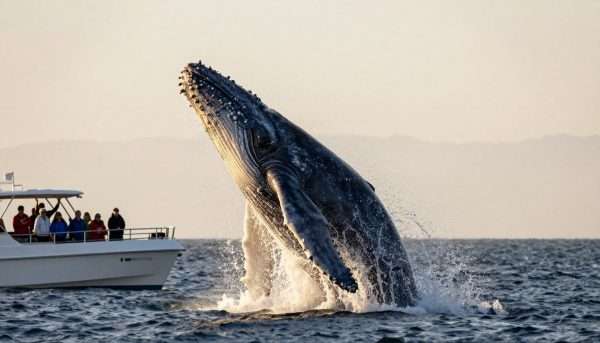
Whether you visit during gray whale migration season or summer blue whale months, you will witness incredible marine life. Professional crews provide safe, educational, and thrilling experiences on the Pacific Ocean. The memories you create will last a lifetime.
Long Beach provides more than just whale watching. The city offers world-class attractions, excellent dining, and beautiful beaches. Plan a complete coastal getaway combining whale watching with other Southern California experiences.
The time to book your whale watching adventure is now. Tours fill quickly during peak seasons. Secure your spot aboard a Long Beach whale watching cruise and prepare for an ocean adventure you will never forget.
Book Your Long Beach Whale Watching Experience Today
Don’t wait to witness these magnificent creatures in their natural habitat. Choose from top-rated operators, select your perfect tour time, and prepare for the adventure of a lifetime on the beautiful Pacific Ocean.
Ready to Book? Most operators offer online booking with instant confirmation. Check multiple tour options to find the perfect fit for your schedule and preferences. Remember to book early during peak gray whale season (January-April) and summer months.


Leave A Comment