
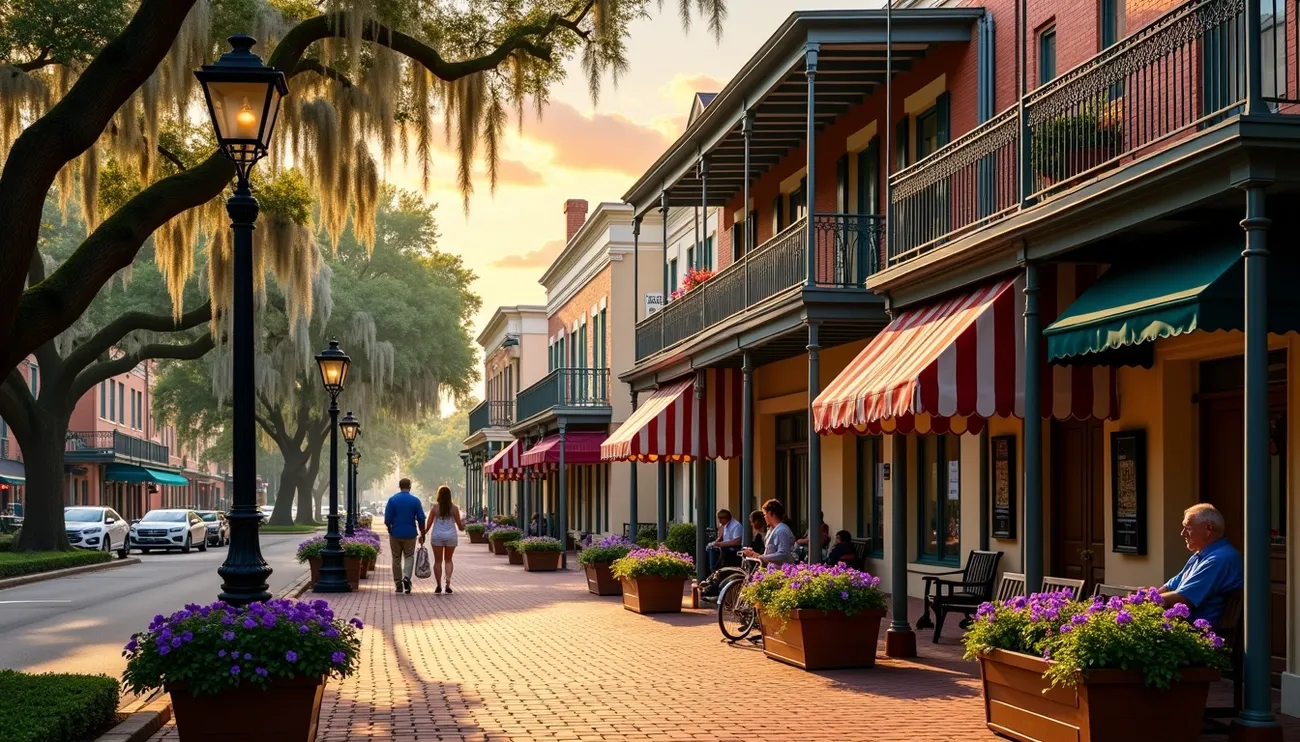
Small towns in Mississippi reshape ordinary days with blues music, handmade crafts, scenic shorelines, and timeless architecture that continues to draw travelers back. The state has shaped the industries and cultures of the American South, and its communities carry a distinct charisma worth learning. So, the best small towns in Mississippi offer points of interest in a variety of ways, from the Delta Blues Museum in Clarksdale to charming villages along the Great River Road. This piece explores Mississippi’s prettiest towns to visit in 2026, complete with top attractions, dining recommendations and outdoor activities.
Oxford
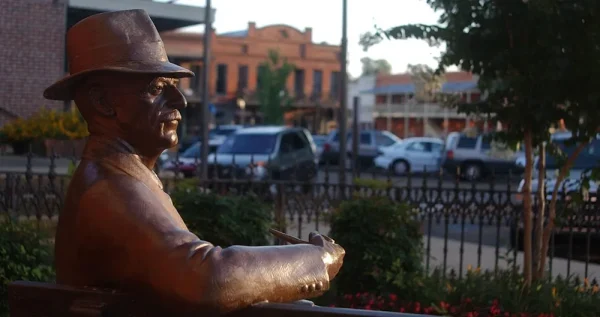
Image Source: Oxford, MS
What Makes Oxford Special
Oxford sits 75 miles southeast of Memphis in Lafayette County and stands as the “Cultural Mecca of the South“. This university town surrounds the University of Mississippi (Ole Miss) and draws visitors from all over the country. The town was named after the British university in 1837 with hopes of attracting Mississippi’s first public institution, which opened there in 1848. Union troops set fire to much of Oxford in 1864, but the town survived. Landmarks like Neilson’s Department Store, dating back to 1839, were among the few structures that endured. Nobel Prize-winning author William Faulkner made Oxford his home and used it as inspiration for his fictional Yoknapatawpha County.
Top Attractions in Oxford
The historic Square anchors downtown Oxford with its mix of restaurants, bookstores and boutiques surrounding the Lafayette County Courthouse, built in 1873. Rowan Oak, Faulkner’s Greek Revival home at 916 Old Taylor Road, preserves his 1920s furnishings and displays the outline of his Pulitzer Prize-winning novel scrawled on office walls. The Lyceum and Circle Historic District, designated a National Historic Landmark in 2008, has eight buildings tied to the 1962 Ole Miss riot when James Meredith became the school’s first African-American student. The Confederate Cemetery south of Tad Smith Coliseum holds 700 soldiers who died after the Battle of Shiloh in 1862, though only 340 have been identified. Square Books at 160 Courthouse Square hosts many author signings each year. The University Museum offers free admission to collections that include Roman artifacts and 18th-century Italian ink drawings.
Where to Eat in Oxford
Oxford’s culinary scene has several James Beard award-winning establishments. City Grocery at 152 Courthouse Square, led by chef John Currence for over 30 years, serves Creole cuisine with its signature shrimp and grits. Ajax Diner offers traditional southern comfort food at 118 Courthouse Square. Big Bad Breakfast at 719 North Lamar Boulevard specializes in homemade country breakfasts. Snackbar presents New Orleans-inspired cuisine with an oyster bar at 721 North Lamar Boulevard. SoLa at 401 South Lamar Boulevard has Mediterranean and Gulf Coast influences and opens for dinner Wednesday through Saturday and weekend brunch.
Outdoor Activities
The South Campus Rail Trail offers a flat, shaded 2.5-mile pathway through Oxford, with exercise stations every half mile and an additional half-mile that connects to county roads. Bailey’s Woods Trail spans 3/5 mile and links the University Museum to Rowan Oak in about 20 minutes on foot. Patricia C. Lamar Park has walking trails, a tranquil lake and the Yokna Sculpture Trail with 18 large-scale sculptures. Sardis Lake provides 32,500 acres of recreation that include boating and fishing, located 12 miles from Oxford. Oxford maintains 11 city parks with tennis courts, playgrounds and sports facilities.
Biloxi
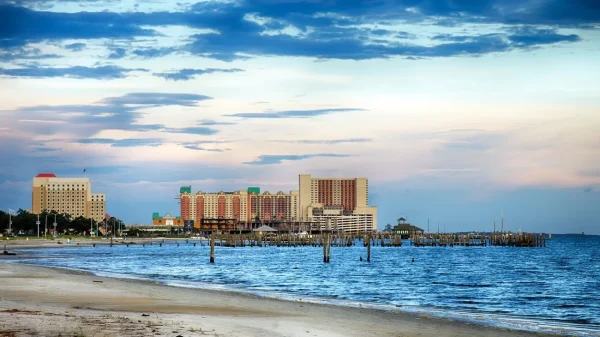
Image Source: KAYAK
What Makes Biloxi Special
Biloxi emerged as one of the oldest communities in the country, first settled in 1699. The city’s population reached 49,449 at the 2020 census and made it Mississippi’s fourth-most populous city and a principal destination along the Gulf Coast. The early 20th century brought Biloxi recognition as the “Seafood Capital of the World”, a title rooted in its rich shrimping heritage and fresh Gulf catches. The city’s culinary pride centers on Royal Reds, sweet deep-water shrimp celebrated for their lobster-like flavor. Mississippi Gulf Coast tourism gets $1.6 billion each year and accounts for a third of the state’s total tourism revenue. Biloxi blends this seafood legacy with world-class casinos introduced in the 1990s. The result is a destination where historic landmarks meet modern entertainment.
Top Attractions in Biloxi
The Biloxi Lighthouse stands as an 1848 icon, built in Baltimore and shipped south to complete. This cast iron structure is one of two surviving lighthouses on the Mississippi Gulf Coast. It gets hot as the day progresses, so climbs occur only between 9 and 9:30 in the morning. The Maritime & Seafood Industry Museum showcases shrimping nets and oyster harvesting methods with a full-size Nydia schooner. The Ohr-O’Keefe Museum of Art displays the whimsical ceramics of George Ohr, the Mad Potter of Biloxi. Frank Gehry designed the silver buildings that house it. Eight world-class casinos line the waterfront, such as Beau Rivage Resort & Casino and Harrah’s Gulf Coast. Beauvoir, the final home and Presidential Library of Jefferson Davis, features an oak tree believed to be 1,000 years old.
Where to Eat in Biloxi
Half Shell Oyster House earned 4.6 out of 5 ratings from 3,090 reviews and serves charbroiled oysters with fresh seafood. Mary Mahoney’s Old French House operates in a heritage home dating from 1700. It offers steaks and seafood with its famous 2,000-year-old live oak tree. The Reef Biloxi features a three-story beachfront location with a second-floor restaurant. The Sky Bar sits on the third floor with 30 beers on tap. White Pillars Restaurant provides farm-to-table options with an elegant setting. Shaggy’s Biloxi Beach delivers casual waterfront dining with Gulf views.
Outdoor Activities
The Biloxi Shrimping Trip has operated since 1954 and offers a 70-minute experience aboard the Sailfish with a 16-foot trawl to view live shrimp and sea creatures. Paradise Pier Biloxi sits beside Margaritaville Resort and claims recognition as the largest pier on the Gulf Coast with thrilling rides and the Aero bar. Biloxi Beach provides soft white sand along the Mississippi Sound. Beachcombing and sunbathing are popular here. Boat tours include two-hour sightseeing cruises to Deer Island and dolphin watching excursions. Water sports enthusiasts access kayaking and paddleboarding along the calm waters. Jet skiing and parasailing are also available.
Tupelo
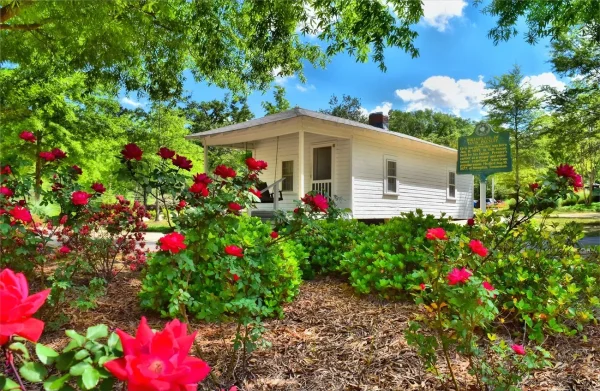
Image Source: www.tupelo.net
What Makes Tupelo Special
Music pulses through Tupelo, the birthplace of Elvis Presley and a city where live performances fill 18 venues nightly. Tupelo sits in the center of the Mississippi Hills region and received recognition as the first city in America to gain electric power under the New Deal in 1934. The Tennessee Valley Authority delivered reliable electricity to Tupelo as its first major achievement. The National Civic League awarded the city the All-America City Award five times for tackling community challenges with exceptional results. Over 200 restaurants serve southern comfort food and creative contemporary cuisine, making Tupelo a culinary destination beyond its musical heritage.
Top Attractions in Tupelo
The Elvis Presley Birthplace Museum spans way beyond the small house where he was born. Visitors spend 90 minutes at the birthplace house with knowledgeable docents, a museum filled with items from Elvis’s early years, a reflection chapel that plays gospel music, the “Becoming” statue, and an abridged Pentecostal church service in his childhood church. The Tupelo Buffalo Park and Zoo covers 210 acres as Mississippi’s largest zoo by area. The zoo is home to a herd of 300 buffalo, zebras, giraffes, pythons and monkeys. The Natchez Trace Parkway headquarters sits in Tupelo near the halfway point of the 444-mile route from Natchez to Nashville. The parkway ranked among the ten most visited National Park Service units in 2015.
Where to Eat in Tupelo
Blue Canoe offers innovative southern cuisine with weekly live music and the largest beer selection in Tupelo. The restaurant features over 100 beers with 35 on tap. Neon Pig Cafe operates as Mississippi’s only all-in-one butcher shop and restaurant. Thrillist.com awarded it the Best Burger in America for its Smash Burger made from aged filet, ribeye, sirloin and bacon. Johnnie’s Drive-In preserves the booth where Elvis sat for his famous 1956 photo shoot and serves classic diner fare.
Outdoor Activities
Tombigbee State Park sits six miles southeast of Tupelo and provides lakeside picnic areas, fishing and camping. Fairpark in downtown features a splash pad and playground. Ballard Park offers an accessible playground and expansive lake with walking tracks. Veterans Memorial Park combines the Tupelo Aquatic Center, disk golf course and Vietnam Veterans Replica Wall Memorial.
Clarksdale
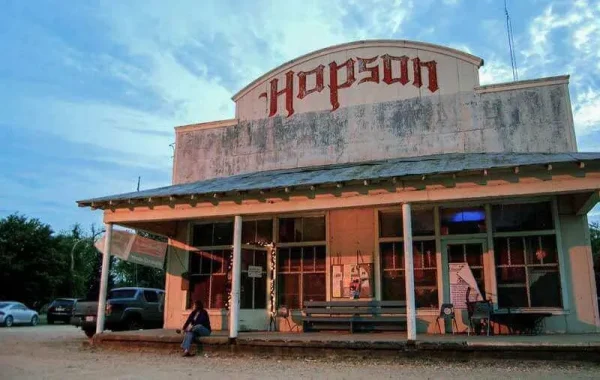
Image Source: Visit Mississippi
What Makes Clarksdale Special
Clarksdale runs on authentic cultural experiences rather than manufactured tourist attractions, with 76% of baby boomers rating authentic local culture as the most important aspect of their travel decisions. People call it the most Southern place on earth. This Delta town earned recognition as the birthplace of the blues and rock and roll. Visitors can take historic tours with Robert Birdsong, a former Clarksdale fireman and cultural historian. He tends bar at Hopson Commissary where he found the gravestone for Jackie Brenston, who sang Rocket 88, the first rock and roll song that ever spread. The Shack Up Inn offers stays in actual sharecropper’s shacks on the historic Hopson Plantation, where International Harvester introduced the first mechanized cotton picker.
Top Attractions in Clarksdale
The Delta Blues Museum, 45 years old as Mississippi’s oldest music museum, operates Monday through Saturday from 10:00 AM to 5:00 PM. The museum will show ‘The River and The Road to the Blues’ in January 2026, a collaborative project that learns about the effect the Mississippi River and Highway 61 had on Blues music. Muddy Waters’ cabin remains from Stovall Farms sit displayed in the gallery. The Robert Johnson Crossroads at Highway 49 and Highway 61 marks the fabled spot where the bluesman sold his soul to the devil for guitar talent. Red’s Blues Club operates as an authentic juke joint in the former LaVene Music Center building.
Where to Eat in Clarksdale
Ground Zero Blues Club, co-owned by Morgan Freeman, serves down-home Southern cooking with live music throughout the week. Yazoo Pass works as a French-style bistro, bakery and espresso bar that offers breakfast, lunch and dinner Wednesday through Saturday. Abe’s BBQ has operated as a family-owned establishment since 1924 at the Crossroads. The restaurant is famous for homemade bbq sauce and hot tamales. Ramon’s serves Italian and seafood in a locally owned joint from 1945. Rest Haven, a local favorite since the 1940s, specializes in Lebanese and Southern cooking.
Outdoor Activities
Quapaw Canoe Company provides custom-guided adventures on the Lower Mississippi from Clarksdale and accesses remote wilderness locations by canoe or kayak. The Sunflower River runs through Downtown Clarksdale with free public access. Soldiers Field Disk Golf Course stretches along the Sunflower River bank with a walking trail and picnic tables. Moon Lake offers public boat launches and fish cleaning stations at multiple access points.
Weekend getaways from New Orleans.
Ocean Springs
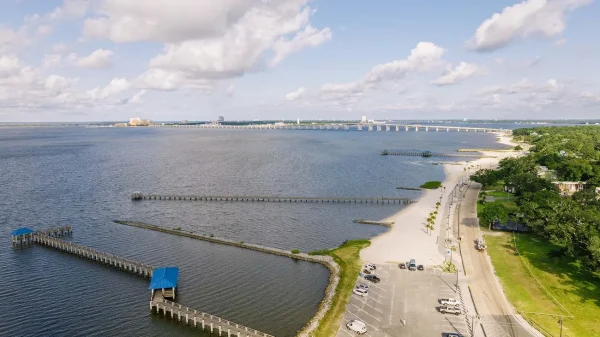
Image Source: Visit Mississippi
What Makes Ocean Springs Special
Artistic energy defines Ocean Springs, a coastal community about 2 miles east of Biloxi where creativity intersects with Gulf Coast living. The population reached 18,429 at the 2020 census, yet this small town earned recognition as a top 10 Happiest Seaside Town by Coastal Living in 2015 and a top 10 Best Coastal Small Town by USA Today in 2022. Ocean Springs maintains a reputation as an arts community and goes by the name “City of Discovery.” More than 200 independent shops, galleries and restaurants line its historic downtown streets shaded by live oaks. The town hosts the Peter Anderson Festival each November, the state’s largest fine arts gathering for over four decades. The festival takes its name from the potter who founded Shearwater Pottery in 1928.
Top Attractions in Ocean Springs
The Walter Anderson Museum of Art celebrates the painter and muralist who drew inspiration from coastal landscapes and barrier islands. Shearwater Pottery displays nearly a century of family-owned ceramic work across three generations and is free to the public. The Ohr-O’Keefe Museum of Art features Frank Gehry-designed buildings that showcase George Ohr’s ceramics alongside contemporary exhibitions. Mary C. O’Keefe Cultural Arts Center offers galleries, performances and classes in its theater space.
Where to Eat in Ocean Springs
Vestige serves seasonal five-course tasting menus that change each day. Chef Alex Perry, a James Beard Award finalist, leads the kitchen. The Shed BBQ & Blues Joint operates in a 10,000-square-foot space filled with antiques. Live blues performances happen on weekends [193]. Aunt Jenny’s Catfish Restaurant provides all-you-can-eat options beneath 500-year-old oak trees in an 1850s home. Woody’s Roadside features nearly 20 gourmet burgers and the famous Cheese Bombs appetizer.
Outdoor Activities
Front Beach and East Beach provide white sand, fire pits, volleyball nets and shallow calm waters perfect for families. Leashed dogs are allowed. The Live Oaks Bicycle Route spans 15.5 miles through Gulf Islands National Seashore, the harbor and downtown. Fort Maurepas Park offers a splash pad and walking paths to Chester M. McPherson Jr. Fishing Pier.
Natchez
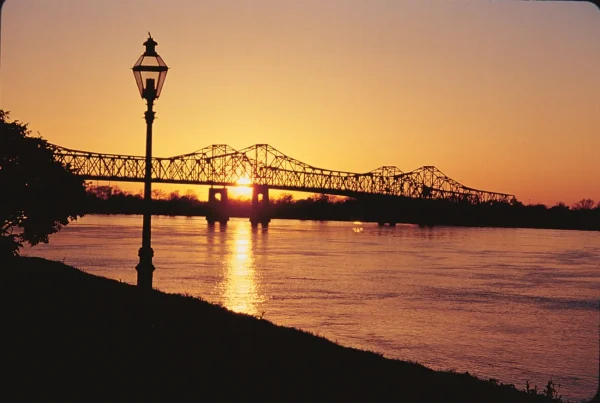
Image Source: Visit Natchez
What Makes Natchez Special
Historical preservation reaches its peak at Natchez, a 308-year-old French fort site founded on August 3, 1716. This Mississippi River town became the first capital when Mississippi achieved statehood in 1817. Natchez preserves over 600 examples of historical architecture, more than any other city in the South. The town’s population stands at 14,520. The town escaped major Civil War damage due to its non-strategic position and allowed antebellum mansions and heritage buildings to survive intact. The town sits over 200 feet above the Mississippi River and gives visitors 30-mile views along the waterway.
Top Attractions in Natchez
Longwood Mansion is the largest octagonal house in America. Construction halted during the Civil War and was never completed. The original furnishings and tools remain intact. Natchez National Historical Park runs four sites that showcase the area’s complex history. The Grand Village of the Natchez Indians has three ceremonial mounds, a museum and a nature trail identifying native plants on 128 acres. Windsor Ruins and Emerald Mound add historical depth. The 5.6-mile Walk Natchez trail system gives breathtaking Mississippi River vistas 24 hours daily.
Where to Eat in Natchez
Magnolia Grill sits in the Under the Hill area and specializes in redfish with lump crab meat and creole meuniere. Sunset river views come standard. The Camp serves burgers and tacos alongside Mississippi River scenery. Cotton Alley Cafe runs downtown with salads, sandwiches and pasta jambalaya. Restaurant 1818 at the Historic Monmouth Inn gives white tablecloth dining in the early 1800s mansion.
Outdoor Activities
Natchez State Park spans 48,000 acres with disk golf, nature trails, freshwater fishing and a boat launch. Clark Creek Nature Area has 700 acres with 30-foot waterfalls and rugged terrain 36 miles south of town. St. Catherine Creek Wildlife Refuge has a three-mile nature trail for wildlife viewing.
Bay St. Louis
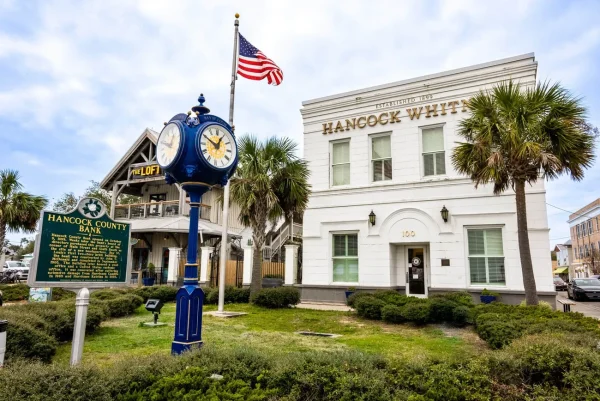
Image Source: Visit Mississippi
What Makes Bay St. Louis Special
National publications have positioned Bay St. Louis as a destination worth learning about. Budget Travel named it one of the coolest small towns in America and Southern Living included it among the fifty best small towns in the South. This quaint seaside community sits 51 miles from New Orleans and received its name in 1699 after King Louis IX of France. The city earned recognition for having the 7th most picturesque skyline in America. The Bay St. Louis Bridge, moss-draped live oaks and white sand beaches along the Mississippi Sound form this stunning vista. Hurricane Katrina devastated the town in 2005. A refreshed art scene emerged afterward as local artists banded together and built a stronger creative community.
Top Attractions in Bay St. Louis
The Historic L&N Train Depot houses both the Alice Moseley Folk Art Museum and the Bay St. Louis Mardi Gras Museum. This mission-style building was constructed in 1928. Miss Alice’s artwork captures life throughout the 20th century. The Mardi Gras Museum displays unique costumes and memorabilia. 100 Men Hall was built in 1922 and served as the hub of African-American culture. Ray Charles, James Brown, Etta James and B.B. King performed there. The venue remains part of the Mississippi Blues Trail. Angel Trees throughout town stand as moving tributes. These were carved from live oak trees that Hurricane Katrina killed. Old Town features art galleries and antique stores. It hosts Second Saturday Art Walk monthly with live music and gallery openings.
Where to Eat in Bay St. Louis
Field’s Steak & Oyster Bar serves dry-aged beef and fresh oysters. The menu includes gourmet options from seaweed salad to panko-fried cauliflower. Cuz’s Old Town Oyster Bar & Grill is a family-run establishment that features the freshest seafood with southern hospitality. Mockingbird Cafe operates inside an 1868 antique building known as the ‘Living Room of the Bay’. 200 North Beach Restaurant & Bar showcases early 20th-century architecture with bay views. Po’boy sandwiches feature fried shrimp or oysters on French baguettes. The Blind Tiger is an open-air bar at the marina. A chef who trained under Emeril Lagasse owns it and offers waterside views.
Outdoor Activities
White sand beaches along South Beach Boulevard welcome families and leashed pets. Visitors enjoy beachcombing and sunbathing. Jimmy Rutherford Fishing Pier provides year-round opportunities to catch speckled trout and summer red snapper. Bay St. Louis Municipal Harbor offers boat views and dock relaxation. Activities include sailing, kayaking, paddleboarding and world class fishing opportunities. Cruisin’ the Coast is held the first full weekend of October. USA Today designated it the #1 Best Car Show in 2018 and 2020. Pirate Day in the Bay features kids’ parades and scavenger hunts. Pub crawls benefit local causes.
Corinth
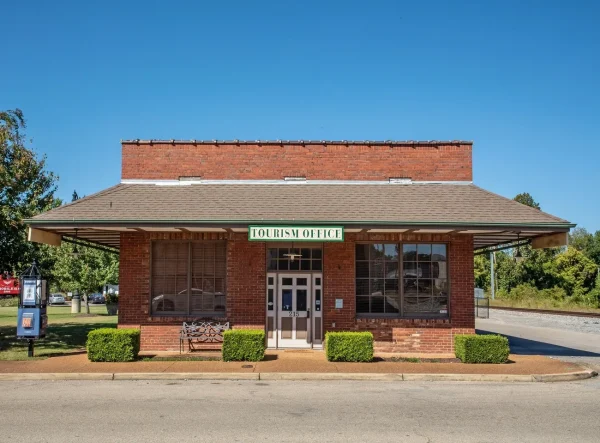
Image Source: Visit Corinth
What Makes Corinth Special
Civil War strategists recognized Corinth’s value at the time two vital railroads, the Memphis & Charleston and Mobile & Ohio, intersected in this northeast Mississippi town. The population reached 14,622 at the 2020 census. Union and Confederate forces fought to control this railroad junction repeatedly. The army holding it gained a decisive advantage in moving troops and supplies. Federal forces established the Corinth Contraband Camp after the Union victory. Over 6,000 enslaved people found refuge, education, and their first paid employment there.
Top Attractions in Corinth
The Corinth Civil War Interpretive Center operates as a 15,000-square-foot facility. Videos and interactive exhibits explain the area’s significance. The outdoor Corinth Contraband Camp features six life-size bronze sculptures. These sculptures depict the men, women, and children who sought freedom there. Shiloh National Military Park lies 20 miles northeast and preserves the battlefield where nearly 24,000 men fell.
Where to Eat in Corinth
Borroum’s Drug Store serves slugburgers and malts in Mississippi’s oldest operating soda fountain. Pizza Grocery has unique downstairs dining. Vicari Italian Grill provides upscale casual Italian cuisine. Blazing Noodles delivers Thai dishes.
Outdoor Activities
Crossroads Regional Park features a 1-mile paved trail and sports fields. Tishomingo State Park has waterfall loops via the CCC Camp Trail.
Holly Springs
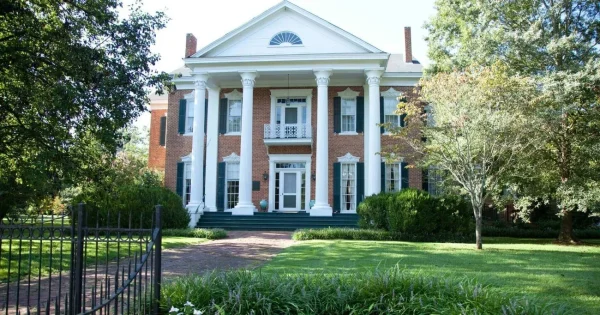
Image Source: Visit Mississippi
What Makes Holly Springs Special
Holly Springs calls itself Mississippi’s Best Kept Secret. The Marshall County area showcases approximately 175 historic homes and buildings. This county seat sits 30 miles southeast of Memphis and has a population of 6,968. The town dates back to 1836 and survived most important moments in American history. General Ulysses S. Grant used it as his headquarters during the Civil War. Civil rights crusader Ida B. Wells-Barnett was born here. Rust College was founded in 1866 and operates as the second-oldest private college in the state. It ranks among ten historically black colleges founded before 1868 that remain open.
Top Attractions in Holly Springs
Hill Crest Cemetery is the final resting place for 6 Confederate Generals and the first African-American senator Hiram Revels. Unknown soldiers from the Battle of Shiloh also rest here. Strawberry Plains Audubon Center spans 2,500 acres with hummingbird gardens and the restored Davis House. The Yellow Fever Martyrs Museum honors those lost during the 1878 epidemic that killed about 10% of the population. Kate Freeman Clark Art Gallery displays hundreds of paintings from one of the South’s most accomplished impressionists.
Where to Eat in Holly Springs
Marshall Steakhouse attracts visitors with its enormous building visible from I-22. The restaurant features a second-floor dining area and signature tomahawk ribeye. Phillips Grocery serves world-famous burgers.
Outdoor Activities
Wall Doxey State Park sits just 7 miles from town around a 60-acre spring-fed lake. The park provides fishing, boating, hiking trails and cabin accommodations.
Vicksburg
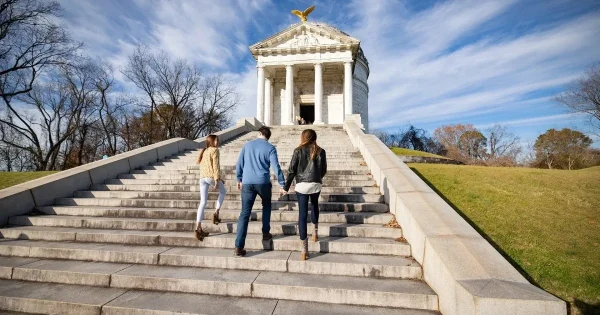
Image Source: Visit Vicksburg
What Makes Vicksburg Special
Confederate President Jefferson Davis described Vicksburg as the “nailhead that holds the South’s two halves together,” while President Abraham Lincoln called it “the key” to victory. Built by French colonists in 1719, this city perched high on bluffs above the Mississippi River became a fortress that determined the war’s outcome. The 47-day siege ended July 4, 1863, and gave the Union control of the river. The population reached 21,573 at the 2020 census. War history aside, visitors find the Biedenharn Coca-Cola Museum, the first place Coca-Cola was bottled, and 32 murals along the waterfront depicting the city’s history.
Top Attractions in Vicksburg
Vicksburg National Military Park ranks as the most visited site in the state. Over 1,400 monuments and memorials dot the 1,800-acre park. The park features 20 miles of reconstructed trenches and earthworks, 144 emplaced cannons, and the restored USS Cairo Gunboat salvaged from the Yazoo River. The 16-mile tour road offers self-guided exploration. Licensed battlefield guides provide two-hour tours.
Where to Eat in Vicksburg
Vicksburg’s dining scene ranges from American and Cajun & Creole to steakhouses and Italian cuisine. Anchuca features Mississippi’s only advanced-level sommelier, Mark Warren, whose award-winning wine selections complement signature dishes including filet and shrimp & grits.
Outdoor Activities
The Mississippi River Trail runs through downtown Vicksburg on its path from Minnesota to the Gulf of Mexico. Battlefield Bicycle provides rentals to explore the city. The Al Scheller Hiking Trail stretches 11.6 miles, while Vicksburg National Military Park offers biking trails including the North Loop. Waters here offer fishing opportunities.
Greenwood
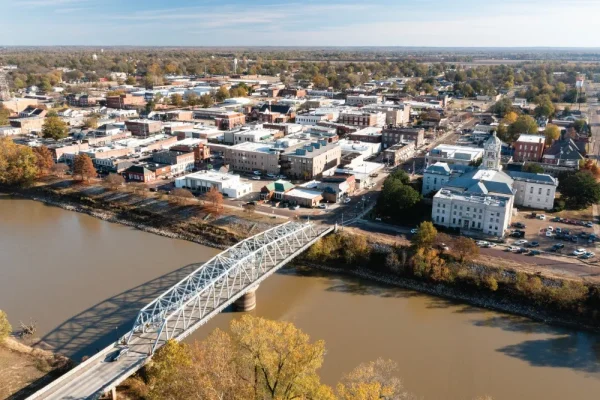
Image Source: Mississippi Farm Country
What Makes Greenwood Special
History and music meet in Greenwood, nestled in the Mississippi Delta where legends like Robert Johnson and B.B. King shaped the blues. The area boasts 8 of the state’s 200 Mississippi Blues Trail markers. Baptist Town is among them, where Morgan Freeman was raised and Robert Johnson lived before his death. Viking Range maintains its headquarters here. This makes Greenwood a culinary destination where traditional Southern recipes meet chef-driven creativity. The downtown area saw a cultural renaissance with dozens of completed renovations. Upscale shops, unique dining experiences, a boutique hotel and galleries now fill the streets.
Top Attractions in Greenwood
The Museum of the Mississippi Delta showcases exhibits on Military History and The Delta: Yesterday & Tomorrow. Turnrow Book Company earned recognition from a New York Times writer as one of the most beautiful bookstores she knows. Fort Pemberton Memorial Park preserves Civil War history. Florewood Park offers visitors recreational opportunities.
Where to Eat in Greenwood
The Crystal Grill has been in the family’s hands since 1933 and ranks as a Top 10 restaurant by the Clarion Ledger. Fan and Johnny’s uses local ingredients and creative Southern classics from James Beard-nominated Chef Taylor Bowen Ricketts. Giardina’s serves premier steaks and seafood in fourteen private booths.
Outdoor Activities
Greenwood maintains 11 parks with tennis courts, soccer fields and baseball diamonds. The Yazoo River Trail offers scenic views along the Yazoo for walkers and cyclists. Greenwood Country Club features an 18-hole championship course with tree-lined fairways.
Yazoo City
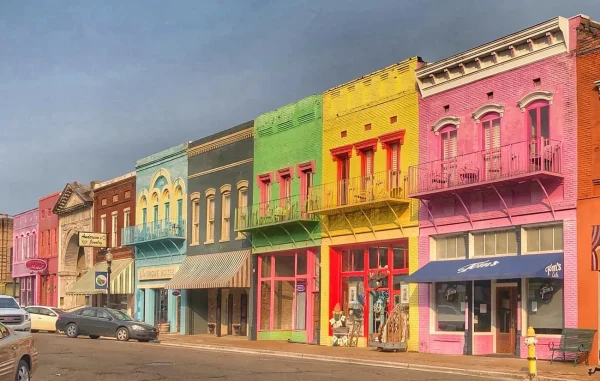
Image Source: Mississippi Delta
What Makes Yazoo City Special
Yazoo City serves as the Gateway to the Delta and occupies a prime spot where Mississippi Delta culture meets historic Southern charm. The town emerged in the 1820s after Chief Greenwood LeFlore sold land along the Yazoo River. This created what became Manchester before residents changed the name to honor the waterway. The great fire of 1904 destroyed the entire business district and over 100 residences. The town rebuilt with handsome brick structures that now grace the National Register of Historic Places. Downtown Main Street features original buildings painted in bright colors and creates a visual identity that sets this Delta town apart.
Top Attractions in Yazoo City
Glenwood Cemetery draws visitors seeking the legendary Witch’s Grave, surrounded by chain links and made famous by author Willie Morris. His grave sits 13 steps south. The Triangle Cultural Center operates in the 1904 Main Street School building and houses the Sam Olden Historical Museum and William Duke Carter Collection of Antique Tools. Panther Swamp National Wildlife Refuge covers 38,697 acres. The refuge provides habitat for over 100,000 wintering waterfowl and 200 species of migratory songbirds each year.
Where to Eat in Yazoo City
Ubon’s Barbeque attracts visitors worldwide. Thousands of autographs from guests spanning California to Iceland cover the walls. Hall of Fame Restaurant serves NFL player-themed burgers. One is named after Philadelphia Eagles star Fletcher Cox. Tom’s On Main operates in a bright pink building downtown with different daily menus. The Lucky Dawg serves breakfast all day.
Outdoor Activities
Outdoor Life recognized Yazoo City as one of the Top 200 towns for Hunters and Fishermen in 2008. The Yazoo Parks & Recreation Commission manages 11 park properties throughout the city. Wolf Lake and Panther Swamp National Wildlife Refuge provide prime fishing and hunting grounds.
Comparison Table
| Town | Population | Founded/Time Period | Main Difference/Nickname | Notable Historical Event | Top Attraction | Signature Restaurant/Food |
| Oxford | – | 1837 | “Cultural Mecca of the South” | Union troops set fire to much of it in 1864 | Rowan Oak (William Faulkner’s home) | City Grocery – shrimp and grits |
| Biloxi | 49,449 (2020 census) | First settled in 1699 | “Seafood Capital of the World” | One of the oldest communities in the country | Biloxi Lighthouse (1848) | Half Shell Oyster House – charbroiled oysters |
| Tupelo | – | – | Birthplace of Elvis Presley | First city in America to gain electric power under the New Deal (1934) | Elvis Presley Birthplace Museum | Neon Pig Cafe – Best Burger in America award |
| Clarksdale | – | – | Birthplace of the blues and rock and roll | “Most Southern place on earth” | Delta Blues Museum (45 years old) | Ground Zero Blues Club (co-owned by Morgan Freeman) |
| Ocean Springs | 18,429 (2020 census) | – | “City of Discovery” – arts community | Coastal Living named it a top 10 Happiest Seaside Town (2015) | Walter Anderson Museum of Art | Vestige – seasonal five-course tasting menus |
| Natchez | 14,520 | French fort built August 3, 1716 | First capital of Mississippi (1817) | Escaped major Civil War damage | Longwood Mansion – largest octagonal house in America | Magnolia Grill – redfish with lump crab meat |
| Bay St. Louis | – | Got its name in 1699 after King Louis IX | One of the coolest small towns in America (Budget Travel) | Hurricane Katrina devastated it in 2005 | Historic L&N Train Depot (1928) | Field’s Steak & Oyster Bar – dry-aged beef |
| Corinth | 14,622 (2020 census) | – | Strategic Civil War railroad junction | Site of Corinth Contraband Camp (over 6,000 enslaved people found refuge) | Corinth Civil War Interpretive Center | Borroum’s Drug Store – slugburgers and malts |
| Holly Springs | 6,968 | Founded in 1836 | Mississippi’s Best Kept Secret | Birthplace of civil rights crusader Ida B. Wells-Barnett | 175 historic homes and buildings | Marshall Steakhouse – tomahawk ribeye |
| Vicksburg | 21,573 (2020 census) | Built by French colonists in 1719 | “The key” to Civil War victory (Lincoln) | 47-day siege ended July 4, 1863 | Vicksburg National Military Park – most visited site in Mississippi | Anchuca – Mississippi’s only advanced-level sommelier |
| Greenwood | – | – | Viking Range headquarters – culinary destination | 8 of the state’s 200 Mississippi Blues Trail markers | Museum of the Mississippi Delta | The Crystal Grill – family-owned since 1933 |
| Yazoo City | – | Emerged in the 1820s | Gateway to the Delta | Great fire of 1904 destroyed entire business district | Glenwood Cemetery – legendary Witch’s Grave | Ubon’s Barbeque – attracts visitors worldwide |
Enjoy Small Towns in Mississippi
Each Mississippi town on this list brings something distinct to the table. Blues legends and Civil War battlefields sit alongside coastal charm and antebellum architecture. Travelers will find experiences that match their interests. These 12 destinations showcase authentic Southern culture without manufactured tourist traps.
Visitors can seek fresh Gulf seafood in Biloxi, Elvis history in Tupelo, or artistic communities in Ocean Springs. 2026 presents the ideal chance to explore Mississippi’s hidden gems. Start planning your experience through these charming small towns and find why the Magnolia State continues to captivate travelers year after year.
FAQs
Q1. Which Mississippi town is considered the safest to live in? Pass Christian, a small coastal town in southern Mississippi with a population of 6,307, is considered the safest place to live in the state. Its violent crime rate is 96% lower than the national average, making it an ideal destination for families and those seeking a peaceful community.
Q2. What makes Oxford, Mississippi special for visitors? Oxford is known as the “Cultural Mecca of the South” and is home to the University of Mississippi (Ole Miss). The town features a historic downtown Square with restaurants and bookstores, Rowan Oak (William Faulkner’s former home), and numerous James Beard award-winning establishments. Founded in 1837, it combines rich literary history with vibrant college-town energy.
Q3. Why is Clarksdale significant in American music history? Clarksdale is recognized as the birthplace of the blues and rock and roll. The town is home to the Delta Blues Museum, Mississippi’s oldest music museum established in 1979, and features the legendary Robert Johnson Crossroads where the bluesman allegedly sold his soul to the devil for guitar talent. It offers authentic juke joints and deep musical heritage.
Q4. What historical importance does Vicksburg hold? Vicksburg played a crucial role in the Civil War as a strategic fortress on the Mississippi River. The 47-day siege that ended on July 4, 1863, gave the Union control of the river and was described by President Lincoln as “the key” to victory. Today, Vicksburg National Military Park is the most visited site in Mississippi with over 1,400 monuments across 1,800 acres.
Q5. What makes Natchez unique among Mississippi towns? Natchez preserves over 600 examples of historical architecture, more than any other city in the South. Established as a French fort in 1716, it served as Mississippi’s first capital in 1817 and escaped major Civil War damage, allowing its antebellum mansions to survive intact. The town sits over 200 feet above the Mississippi River, offering spectacular 30-mile views.


Leave A Comment