
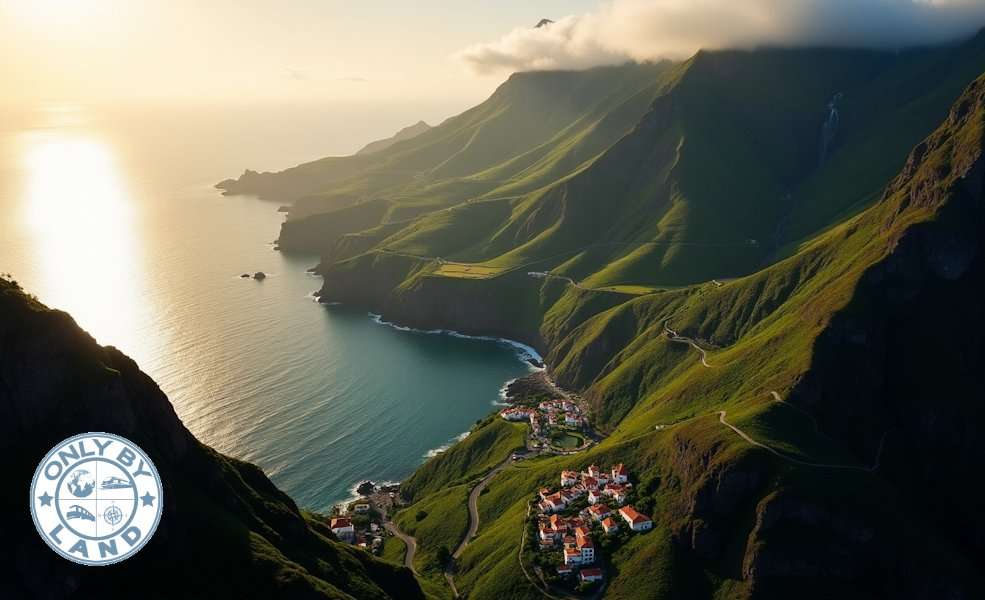
Madeira Portugal sits 520 km west of Morocco in the North Atlantic Ocean and ranks among Europe’s finest island destinations. The autonomous Portuguese region claimed the title of European Safest Destination in 2021. Madeira’s ancient laurel forest stands proud as a UNESCO World Heritage site.
Dramatic coastlines and the majestic Pico Ruivo peak at 1,861 meters shape the island’s stunning landscape. Visitors can explore hundreds of miles of hiking trails and unique Levada paths throughout the year. The mild subtropical climate maintains an average temperature of 19.6°C, making outdoor activities possible in any season.
Madeira deserves a top spot on your 2025 travel list. The island’s rich cultural heritage and natural wonders captivate visitors year after year. Traditional experiences await in Funchal’s historic capital, while hidden local gems dot the 801 km² island. Madeira blends European charm with tropical allure to create an authentic escape for travelers.
Why Madeira Is Different from Other Islands
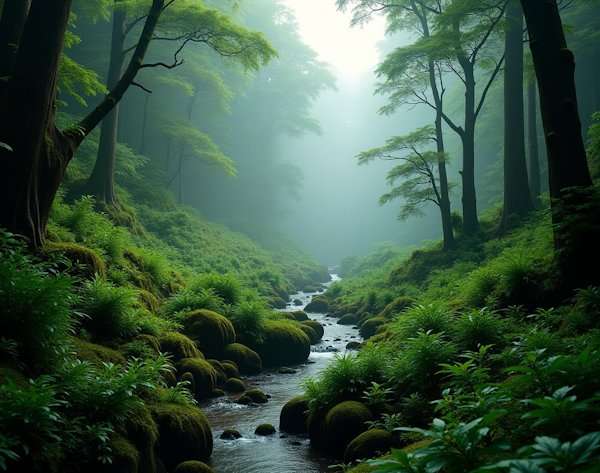
Volcanic activity shaped Madeira five million years ago. This distinctive archipelago fascinates visitors with its extraordinary features. The island’s volcanic beginnings created dramatic landscapes that make it unique among European destinations.
Natural Wonders That Set it Apart
The ancient Laurisilva forest stands as Madeira’s crown jewel, recognized as a UNESCO World Heritage Site. This prehistoric woodland traces back to the Tertiary period and serves as home to rare species of plants and wildlife that exist nowhere else. The island’s clever network of levadas, traditional irrigation channels, now doubles as scenic hiking paths through mountains and hidden waterfalls.
Volcanic forces blessed Madeira with remarkable natural formations. The island towers about 6 km above the Atlantic Ocean floor. Its landscape features steep cliffs, black-sand beaches and natural saltwater pools carved by ancient lava flows. Curral das Freiras, a small town surrounded by towering mountains, shows nature’s raw power that sculpted this exceptional terrain.
Unique Blend of European and Tropical Culture
Madeira belongs to Portugal but sits 434 miles west of Morocco. This location helped create its own cultural identity. Funchal’s architecture tells this story through its mix of Gothic, Romanesque and Manueline styles. The famous ‘Bordado Madeira’ embroidery showcases the island’s artistic heritage.
Local food brings together European and African flavors. Residents love their bolo de caco, a traditional flatbread made with sweet potatoes. The island’s famous Madeira wine, which Thomas Jefferson enjoyed, represents centuries of wine-making expertise.
Year-round Perfect Climate
The island’s climate stands out as exceptional. Mild temperatures last all year, with coastal readings between 20-21°C (68-70°F) from December to April and 26-27°C (79-81°F) from July to September. These perfect conditions earned Madeira its nickname “island of eternal spring”.
Six distinct climate zones exist across the island’s varied terrain. Each zone supports different plants and animals. The Gulf Stream and Canary Current affect these microclimates by a lot. This creates a gardener’s paradise where an amazing variety of flowers bloom throughout the year.
Volcanic landscapes, mixed cultures, and ideal weather make Madeira special among island destinations. Two-thirds of its land remains protected as conservation areas. The archipelago keeps its natural heritage safe while celebrating its cultural treasures, giving visitors an exceptional island experience.
Best Times to Visit Madeira in 2025
The best time to visit Madeira really comes down to your priorities since the island’s mild climate makes it a great destination year-round. Let me help you understand what makes each season special so you can plan your perfect island getaway.
Peak Season (June-September)
Summer brings the warmest weather to Madeira with temperatures between mid-20s to low 30s Celsius. The Atlantic waters warm up to a comfortable 23°C, making it perfect for anyone who loves water sports.
The summer fun kicks off with the Atlantic Festival in June, featuring amazing fireworks and concerts. The island comes alive with cultural events throughout the season including:
- The Funchal Jazz Festival (July 5-9, 2025)
- Madeira Summer Opening (July 12-13, 19-20)
- The prestigious Madeira Wine Rally (August 1-3)
Summer is also Europe’s main vacation time, so you’ll see more tourists and cruise ships around the island. Make sure to book your hotel early, especially if you plan to visit in July or August.
Hidden Benefits of Shoulder Season
April to May and September to October are a great way to get the best of everything Madeira has to offer. The temperature stays in the low 20s Celsius, which is perfect to explore the island’s famous hiking trails and natural beauty.
Autumn is especially nice with temperatures between 19°C and 26°C. You’ll find several perks during this time:
- Fewer tourists at popular spots
- Better deals on places to stay
- Perfect weather for outdoor activities without summer heat
- Special events like the Wine Festival in October
The shoulder season is also the best time to spot marine life. Whale watching peaks from May through June. You might see sei whales, humpback whales and maybe even orcas.
Winter stays pretty mild with temperatures from 15 to 20 degrees Celsius. The southern coast near Funchal gets less rain than the north, which makes it a good choice for winter visits.
Each season in Madeira has something special to offer. Beach lovers and festival fans might enjoy summer more, but they should be ready for higher prices and bigger crowds. Many travelers find the shoulder seasons most rewarding because they strike a perfect balance between nice weather and cultural events, with fewer tourists around.
When is the best time to visit Portugal?
Must-Do Experiences in Madeira
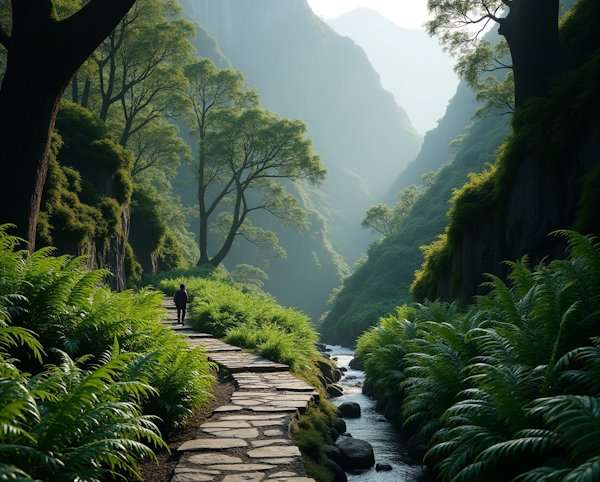
Madeira captivates visitors with its unique mix of natural wonders and cultural heritage. The island’s charm lies in everything from its ancient water channels to the crystal-clear ocean depths.
Traditional Levada Walks
Madeira’s levada network stretches over 1,350 miles and serves as more than just irrigation channels – these paths lead straight to the island’s heart. The Levada do Caldeirão Verde ranks among the most rewarding trails. It runs 8.7 kilometers each way through lush jungle and passes stunning waterfalls.
The Levada das 25 Fontes has become the most popular trail for casual hikers. The path leads to its namesake fountains and the spectacular Risco Waterfall. New hikers should join guided walking tours to learn about the trails’ history and local plant life.
Local Food Adventures
Madeira’s food scene shows centuries of refinement, with fresh regional products that shine with quality. The island’s subtropical climate and rich volcanic soil create distinct flavors in traditional dishes.
Local specialties you shouldn’t miss include:
- Espada (Black Scabbardfish) with banana or passion fruit sauce
- Bolo do Caco, a special wheat flour and sweet potato flatbread
- Lapas (grilled limpets) with garlic, butter, and lemon
Ocean Activities
Madeira’s crystal-clear waters create perfect conditions for sea adventures. Visitors can watch cetaceans near the shore year-round, with over 20 different species of dolphins and whales calling these waters home.
Water lovers can try:
- Diving in some of Europe’s finest underwater spots
- Snorkeling in waters rich with marine life
- Stand-up paddleboarding near volcanic coasts
- Kayaking in deep blue waters
Mountain Excursions
Madeira’s mountainous interior holds amazing adventures. Queimadas Forest Park showcases unique forest experiences with its picturesque buildings, terracotta roofs and beautiful gardens.
Pico Ruivo stands 1,862 meters tall and offers stark beauty and excellent hiking. The well-laid-out R1.2 footpath from Achada do Teixeira leads to this highest peak. First-time climbers can join guided trips.
Small group mountain tours with 4 to 10 people give personal attention and a chance to explore quiet, untouched areas away from busy trails. These trips show how the terrain changes and let visitors see the island’s different ecosystems up close.
Local Secrets for Authentic Experiences
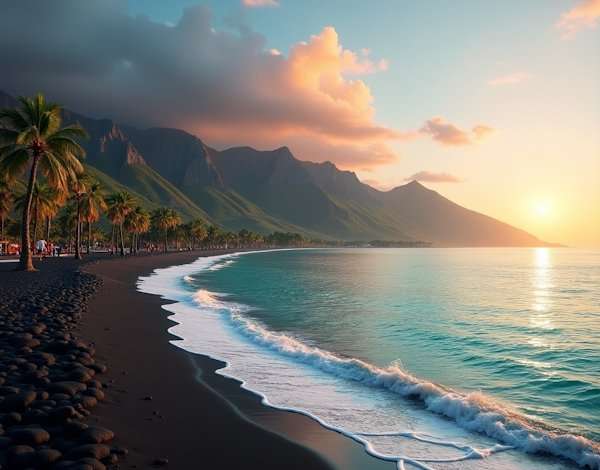
Madeira’s charm extends beyond its prominent attractions. The island holds secret spots and genuine experiences that locals treasure. These hidden gems reveal the island’s true character away from crowded tourist destinations.
Hidden Beaches and Swimming Spots
Seixal Beach stands as a natural wonder on Madeira’s north coast. Its black sand and crystal-clear waters make it unique. Towering cliffs and verdant greenery frame this beach, creating a magical setting perfect for swimming and photography.
Calhau da Lapa offers a remarkable getaway you can reach only by foot or boat. A 700-step journey takes adventurers to a pristine waterfall next to a distinctive pebble beach. Ancient fishermen’s cave-houses dot the volcanic cliffs, adding splashes of color to the landscape.
Prainha Beach in Caniçal provides a quiet retreat with simple facilities like showers and restrooms. Visitors can spend their days relaxing in this untouched setting, with a small beach bar nearby for refreshments.
Where Locals Eat and Drink
Local flavors come alive in family-run restaurants away from tourist spots. Restaurante Santo Antonio has served customers since 1966. They specialize in espetada – traditional meat skewers cooked on bay laurel branches. Their fresh Bolo do Caco, flatbread with garlic butter, captures authentic island tastes.
Restaurante Lá ao Fundo in Funchal’s old town serves as a culinary haven. Owner-chef Jaime Cruz creates dishes that draw inspiration from Portuguese diaspora recipes. The restaurant pairs theatrical tuna tartare preparation with an extensive wine list.
SolMar draws locals and mainland Portuguese visitors with its signature arroz de lapas – tomato rice studded with limpets. Cabo Aéro Café sits atop a cliff with simple plastic chairs but serves excellent grills. Their off-menu ventresca de atum grelhada (grilled tuna belly) is a local favorite.
Adega do Pomar nestles in the mountains, serving hearty Portuguese dishes in rustic clay crockery. This cozy lodge borders one of Madeira’s last old-growth forests, offering genuine flavors amid natural beauty.
Joe’s Bar in Jardim Do Mar provides the perfect spot to try poncha, a traditional fisherman’s cocktail. This drink blends local rum, lemon juice, and honey. Garden seating lets visitors enjoy island life with residents.
These secret spots in Madeira exceed typical tourist experiences. They provide genuine encounters with the island’s natural wonders and food heritage. Each place adds its story to the mixture of Madeiran culture that continues to fascinate visitors looking for authentic island moments.
Planning Your Perfect Madeira Trip
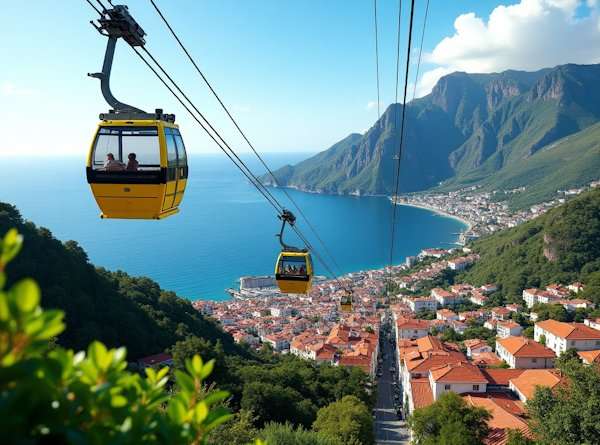
Your perfect Madeira trip needs good planning, from how you’ll get around to where you’ll stay. This piece will help you make smart choices for an unforgettable island experience.
Getting Around the Island
A rental car stands out as the best way to see Madeira’s beautiful landscapes. The island has great roads with modern tunnels through mountains that make driving easy. New visitors should know that Madeira has very steep terrain, which matters when you pick your rental car.
If you’d rather not drive, the island gives you these options:
- Cable cars with stunning views of landscapes
- Double-decker tour busses with expert guides
- Segway and tuk-tuk rides to explore the city
- Inter-island ferries that connect to Porto Santo
Four main companies run public busses – Horários do Funchal, SAM, Rodoeste, and EACL – each covers different areas of the island. Bus service isn’t frequent outside main routes, so a rental car works better if you want to explore more.
Where to Stay Based on Your Style
Madeira’s hotels fit all budgets and priorities. Luxury travelers might like the famous Reid’s Palace, which starts at €1,000 each night. You can also find great hotels and lovely guesthouses from €100 per night for double rooms.
Your interests might help you pick the right spot:
- Funchal: Great for short stays and culture
- Porto da Cruz: Perfect if you love hiking
- Calheta: Best for beaches and water sports
- São Vicente: Right choice for nature lovers
Budget Planning Tips
Daily costs in Madeira change a lot based on how you like to travel. Here’s what you might spend per person each day:
- Backpacker: €60 (simple accommodation, public transport, cooking your own meals)
- Basic: €100 (cheap car rental, good hotel, mix of eating in and out)
- Mid-range: €150 (better places to stay, eating out often)
- Luxury: €200+ (top experiences)
Food prices are reasonable. Main courses cost about €15-20 per person with drinks. Local taverns and bakeries sell quick meals under €5, which helps save money. Transport costs include car rentals from €30 per day for good vehicles, while longer bus rides cost about €5.
Early booking saves money, especially in busy seasons. Book your stay 6 months before summer visits (mid-June through August) and 4 months ahead for slower seasons to get better choices and prices. Booking cars early through comparison websites can also save you a lot.
Enjoy Funchal Madeira
Madeira is a unique destination that perfectly combines natural beauty with rich cultural experiences. This Portuguese archipelago may be small, but it packs countless adventures – from ancient levada trails to stunning black sand beaches that few people know about.
You can explore the island any time of the year thanks to its perfect weather. The varied landscape reveals something new around every corner. Madeira fits everyone’s priorities and budget, whether you want to stay in Funchal’s luxury resorts or experience life in authentic mountain villages.
The island’s genuine character shines through its traditional restaurants and hidden swimming spots that locals love. Smart planning will give you the best experience possible, especially when you have to figure out getting around and picking the right time to visit.
This island of eternal spring calls out to travelers as 2025 draws near. Careful explorers will enjoy a blend of European sophistication, tropical beauty and authentic Portuguese warmth. Madeira truly offers an unmatched island getaway.
FAQs
Q1. What makes Madeira a unique island destination?
Madeira stands out for its stunning volcanic landscapes, ancient Laurisilva forest (a UNESCO World Heritage Site) and perfect year-round climate. The island blends European charm with tropical allure, offering diverse experiences from levada walks to hidden beaches.
Q2. When is the best time to visit Madeira?
The best time to visit depends on your preferences. Summer (June-September) offers warm weather and festivals, while the shoulder seasons (April-May and September-October) provide a balance of pleasant weather, fewer crowds and lower prices. Madeira’s mild climate makes it enjoyable year-round.
Q3. What are some must-do experiences in Madeira?
Key experiences include hiking the traditional levada trails, trying local cuisine like espada and bolo do caco, engaging in water activities such as diving or whale watching and exploring the mountainous interior, including a visit to Pico Ruivo, the island’s highest peak.
Q4. Are there any hidden gems or local secrets in Madeira?
Yes, Madeira has several hidden treasures. These include secluded beaches like Seixal and Prainha, and authentic local restaurants such as Restaurante Santo Antonio and Lá ao Fundo, where you can enjoy traditional Madeiran cuisine away from tourist hotspots.
Q5. How should I plan my trip to Madeira?
For the best experience, consider renting a car to explore the island freely. Choose accommodations based on your interests, whether it’s cultural experiences in Funchal or nature in São Vicente. Book in advance, especially for summer visits, and budget around €100-150 per person per day for a comfortable stay, including accommodation, food and activities.



Leave A Comment