
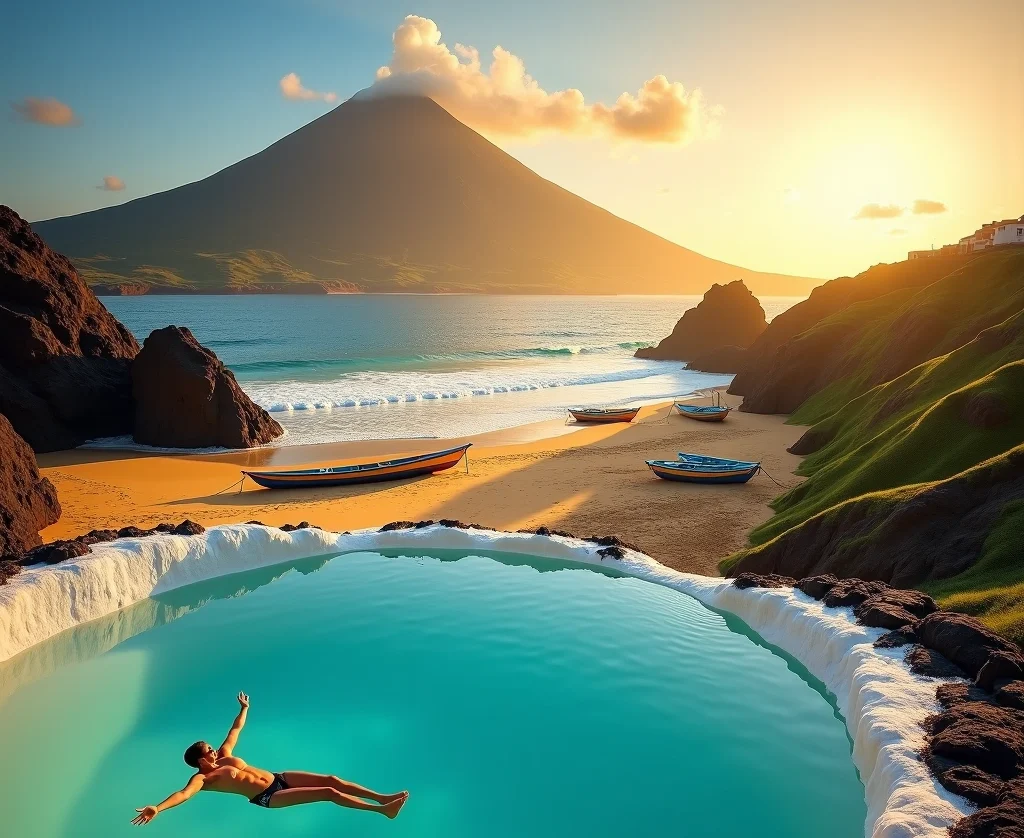
Scattered 500km off West Africa’s coast, Cape Verde is an archipelago of 10 islands that delivers diverse experiences for travelers seeking the top 10 things to do in Cape Verde. This former Portuguese colony has a population of less than half a million and offers everything from floating in ancient salt craters to hiking volcanic peaks. January temperatures hover around 25°C (77°F), which makes it a perfect winter escape. The top 10 things to do in Sal Cape Verde are particularly appealing. Visitors can kite surf, swim with lemon sharks and explore Martian-like desert landscapes.
Float in the Salt Pools of Pedra de Lume
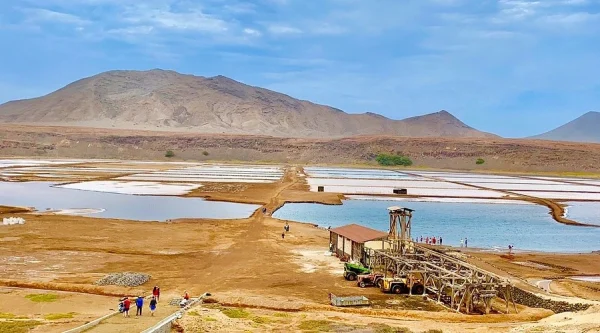
Image Source: Tripadvisor
Pedra de Lume sits inside the crater of an extinct volcano on Sal Island and offers one of the most unusual wellness experiences among the top 10 things to do in Cape Verde. The salt lake’s waters contain salt concentrations 26 times higher than normal seawater. This creates a buoyancy effect like in the Dead Sea. Visitors float on the mineral-rich surface without effort while volcanic crater walls surround them. This makes it a standout addition to any list of top 10 things to do in Sal Cape Verde.
What Makes Pedra de Lume Unique
The Salinas de Pedra de Lume sits within a protected landscape covering 8.02 km² and is recognized on Cape Verde’s UNESCO Tentative List. Salt extraction began here in the 18th century and transformed Sal Island into a major trading center. Geologists have determined that waters in this lake rise from deep within the earth rather than from lateral ocean infiltration, which sets it apart from typical coastal salt pans. Current production focuses on beauty products and thalassotherapy, though the site’s historical significance remains evident throughout.
The mineral-rich waters leave skin feeling refreshed and rejuvenated. The muddy appearance results from the mixture of salt and earth. Non-swimmers can float on the surface comfortably and enjoy therapeutic properties without swimming skills. Visitors can also apply mud from the lake onto their bodies to improve their wellness experience.
Best Time to Visit Pedra de Lume
November through March delivers the most pleasant conditions. Cooler temperatures make outdoor exploration comfortable during these months. Early morning visits between 7-8 AM allow for minimal crowds and stunning lighting on the salt formations. Late afternoon hours from 4-6 PM provide magical golden hour conditions that transform the white salt terraces.
Weekdays see substantially fewer visitors than weekends, especially Tuesday through Thursday. Travelers during peak season should prioritize weekday visits for a more peaceful experience and better opportunities to observe the site without crowds.
How to Get to Pedra de Lume
Transportation options include taxis, 4×4 vehicle rentals, or hosted excursions. Tours include Pedra de Lume as part of island itineraries often, with guided experiences ranging from USD 38.00 to USD 92.00. The site requires hiking to reach the crater’s base, so visitors should prepare for moderate physical activity.
Tips for Visiting
Entry costs 6 euros per person, with cash payment required. Showering facilities are available for 1 euro and provide 30 seconds of fresh water to rinse off salt. Bring a bathing suit or shorts, towel, and water shoes. The lake’s floor is uneven, which makes water shoes essential for comfort. Hard-sole options like crocs work well, though rental shoes are available for 2 euros.
Protect your eyes and mouth with care, as excessive salt exposure can be dangerous. Therefore, hypertensive patients and children should avoid entering the water. Limit time spent in the salt pools to just a few minutes, as prolonged exposure is not recommended. Pack a change of clothes, as the high salt concentration can damage electronics and leave residue on fabric. Wear good walking shoes for hiking around the crater and bring high SPF sunscreen along with a wide-brimmed hat for sun protection.
Explore the Historic UNESCO Site of Cidade Velha
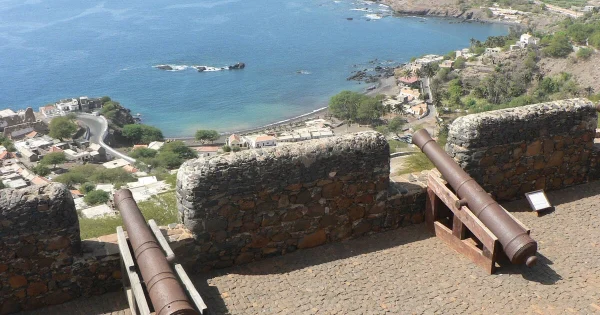
Image Source: UNESCO World Heritage Center
Cape Verde’s first UNESCO World Heritage Site in 2009, Cidade Velha ranks among the essential top 10 things to do in Cape Verde for history enthusiasts. This settlement was founded in 1462 and became the first European colonial outpost in the tropics. The town’s original name, Ribeira Grande, reflected the river that flowed into the ocean and provided fresh water that drew medieval European settlers. Famous explorers like Vasco da Gama, Ferdinand Magellan and Christopher Columbus stopped here during their voyages between continents.
What Makes Cidade Velha Special
The historic center offers exceptional testimony to Atlantic trade routes and the origins of Creole society. The town sits 15 kilometers west of Praia and preserves its original street layout with remarkable colonial architecture. Fortaleza Real de São Filipe towers at 120 meters above the town. It was built between 1587-93 to defend against pirate attacks. Entry to the fort costs 500 Cape Verde escudos and has a map for exploring other sites.
The Church of Nossa Senhora do Rosário holds particular significance as the world’s oldest colonial church, constructed in 1495. The white marble Pillory dates to 1512 or 1520 and served as a place where enslaved people faced public punishment. Rua Banana, Africa’s oldest European-built street, connects the fort to the chapel. The Cathedral ruins date from 1693 and bear damage from French pirate raids two decades later. Visitors can explore the Convent of São Francisco halfway up the hill, a sanctuary and learning center from the mid-17th century.
Best Time to Visit Cidade Velha
The dry season from November to June delivers sunny weather perfect for exploring outdoor attractions. December through February brings mild temperatures and reduced humidity. Weekdays offer quieter conditions compared to weekends and allow exploration at a relaxed pace. Festivals like Festa de São Tiago in July provide opportunities to experience living traditions through music and dance.
How to Get to Cidade Velha
The distance between Praia and Cidade Velha measures 14 kilometers. Driving takes about 14 minutes. Taxi fares range from €21-€26, while aluguers (shared minibusses) depart from Sucupira Market in Praia for 200 escudos. Return aluguers to Praia leave from the main square near the Pillory. Rental cars provide flexibility for independent exploration.
Tips for Visiting
Cobblestone streets and hillside terrain require comfortable walking shoes. Visitors should prepare for uneven surfaces throughout the historic center. Simple Portuguese knowledge enhances interactions, as English may not be spoken widely. Cash proves necessary since smaller establishments may not accept credit cards. Guided tours range from hosted excursions to local drivers who provide helpful information during trips. The compact town allows covering most sights within 20-30 minutes on foot.
Hike the Dramatic Valleys of Santo Antão
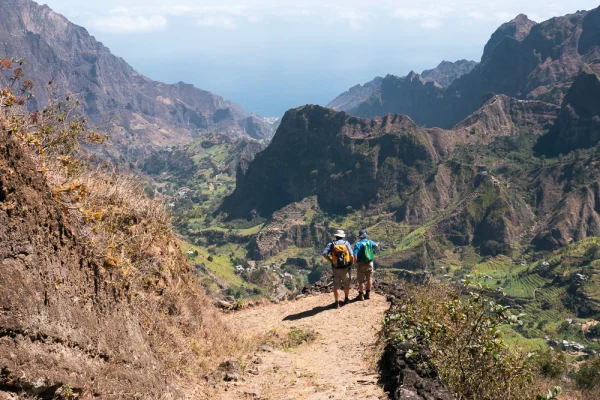
Image Source: Indie Traveler
Cape Verde’s second-largest island transforms outdoor enthusiasts into devoted hikers through landscapes that change dramatically from volcanic desert to emerald valleys. Santo Antão covers 779 km² with a maximum length of 43 km and width of 24 km. It rises to its highest point at Topo de Coroa at 1979 meters. This geographical diversity positions it among the most rewarding entries on any list of the top 10 things to do in Cape Verde.
What Makes Santo Antão Unique
The island presents stark contrasts between its barren southern coastline and lush northern valleys filled with terraced fields cultivating banana, papaya, mango and palm trees. Ribeira do Paúl, Ribeira de Torre and Ribeira de Figueiral valleys offer the most available hiking territory. Trails range from moderate 2-3 hour walks to challenging 7-8 hour climbs featuring 1000-meter elevation changes. The Cova Crater to Paul Valley descent ranks among Cape Verde’s most stunning routes and zigzags down steep stone-built switchbacks surrounded by banana groves.
Coastal paths between Cruzinha and Ponta do Sol stretch about 11 miles and cling to mountainsides above the Atlantic while showcasing terraced farmlands. Slaves built trails in the 19th century that remain well-maintained with cobblestones. Villagers and trekkers use them alike. Tarrafal de Monte Trigo sits on the western point and provides the island’s largest swimmable beach, sheltered from northeast trade winds. The new road reduces travel time from Porto Novo to just one hour.
Best Time to Visit Santo Antão
November through June delivers optimal conditions, with temperatures ranging between 20°C and 28°C. Trails remain dry and available during these months, especially from December to April when humidity stays low and rain risks minimize. The rainy season from August to October transforms hillsides into vibrant green landscapes but creates muddy, slippery paths. Therefore hikers visiting during these months need waterproof clothing and non-slip shoes.
How to Get to Santo Antão
Two ferry companies operate daily between Mindelo on São Vicente and Porto Novo. The InterIlhas ferry “Chiquinho” completes the crossing in 50 minutes, while the ARMAS ferry takes 60 minutes. Both charge 1,511 Escudos per ticket. Passengers must arrive 25 minutes before departure, as stairs remove 10 minutes early. Aluguers provide onward transport from Porto Novo to island towns for €1-4.
Tips for Visiting
Local guides organize logistics including transfers, accommodation and meals. This allows hikers to focus on trails. Download offline map apps like OrganicMaps or OsmAnd, given that Google Maps coverage proves very poor on hiking trails. Start early to catch aluguers more easily, as Sunday service operates less frequently. Bring much more water than estimated needs, especially in remote areas.
Experience the Blue Eye at Buracona
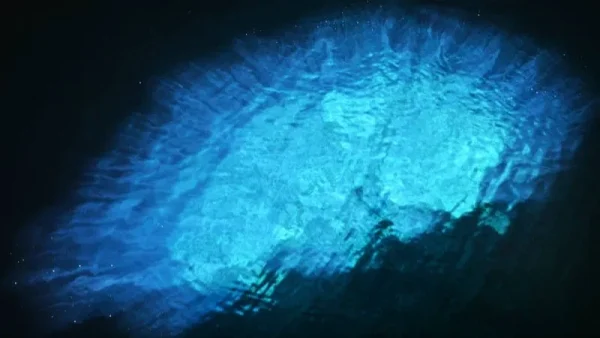
Image Source: Cape Verde Islands (Cabo Verde)
When sunlight penetrates an underwater cave at just the right angle, something extraordinary occurs on Sal’s northwest coast. The brilliant blue glow created inside this volcanic formation ranks among the most photographed moments in the top 10 things to do in Sal Cape Verde and draws visitors who time their arrival for midday magic.
What Makes Buracona Special
The Blue Eye phenomenon takes place when light streams through a crack in the rocks and illuminates azure water at the cave’s bottom. Seawater enters through a natural tunnel. The refraction creates an effect that resembles a giant blue eye staring upward. The cave measures about 9 meters in diameter, with the entrance positioned 25 meters deep.
Buracona features a natural tide pool carved into black lava rocks beyond the luminous cave. This pool offers a swimming channel into emerald-blue water when conditions are calm and creates stunning contrast against the dark volcanic coastline. The Atlantic crashes against rocky cliffs here and produces spectacular white spray that photographers capture at length. The cave rim reveals fish and occasional coral to snorkelers, though most tours emphasize viewing rather than diving.
Best Time to Visit Buracona
Visitors who arrive between 10:30 AM and 1 PM catch the moment when sunbeams pierce the cave’s opening. The phenomenon appears most spectacular during summer months, especially in June when the sun’s rays fall almost vertically through the rock crack. Autumn and winter visits often disappoint because the eye becomes less visible during these seasons. Overcast skies eliminate the illusion entirely and leave only cave and ocean swirl.
How to Get to Buracona
The journey requires 30-45 minutes by vehicle from Santa Maria, located about 25 kilometers away. Tours often include Buracona among other attractions, with packages that incorporate multiple island highlights. Rental cars and taxis provide alternatives, though public transport remains limited on Sal. The site sits about 6 kilometers north of Palmeira town.
Tips for Visiting
Entry costs €3 per person, purchased on-site. Sturdy footwear proves essential to walk on sharp, uneven volcanic rock. Flip-flops cannot handle the rugged basalt terrain. Bring swimwear to use the natural pool if sea conditions permit and camera equipment to capture the glowing blue effect and dramatic coastline. High SPF sunscreen becomes necessary because visitors often wait under strong midday sun. Dawn and late afternoon visits offer quieter experiences, though the eye effect fades outside peak sunlight hours.
Relax on the Golden Sands of Santa Maria Beach
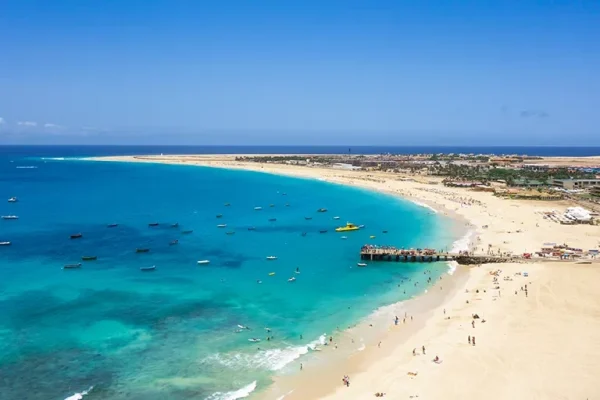
Image Source: Cape Verde
Stretching 2 kilometers along Sal’s southern coastline, Santa Maria Beach delivers the quintessential beach experience that completes any exploration of the top 10 things to do in Sal Cape Verde. Golden sands extend from Santa Maria’s city center eastward to Ponta do Sinó, the island’s southernmost point. Eight kilometers of white sand continue around to Ponta Preta beach and create an expansive shoreline that attracts beachgoers seeking turquoise waters and gentle waves.
What Makes Santa Maria Beach Unique
The sloping beach meets warm, clear waters that remain inviting throughout the year. Soft waves create ideal swimming conditions, though visitors should monitor the tides as they move. The beach serves as the venue for Festival da Praia de Santa Maria each mid-September and transforms the shoreline into a celebration of music and culture. Marine life appears close to shore on occasion, with rays that glide beneath the surface. The relaxed atmosphere encourages connection between travelers and locals without the pressure of overtouristed destinations.
Best Time to Visit Santa Maria Beach
November through July brings the dry season and delivers clear skies with minimal rainfall. Temperatures hover between 24°C and 29°C year-round, warm enough for swimming without excessive heat. Peak tourist season runs from December to March, when beaches see higher visitor numbers. Therefore, November or April offers shoulder-season advantages with fewer crowds and lower accommodation costs. Water sports conditions peak from November to June due to calmer seas, which makes these months ideal for snorkeling and diving activities.
How to Get to Santa Maria Beach
Santa Maria sits 16 kilometers south of Amílcar Cabral International Airport and requires just 20 minutes by car. Taxis wait at the terminal with fixed fares for transfers. Private transfer services can be arranged through hotels and agencies before arrival. Shuttle services operate for groups and trips. Given that the beach location sits within Santa Maria town, visitors staying locally reach the sands on foot.
Tips for Visiting
Early mornings and late afternoons provide relief from midday sun intensity. Sunscreen requires frequent reapplication, as the sun proves relentless during peak hours. Keep belongings within sight, though theft remains uncommon. Water sports equipment rentals include surfboards and windsurfers. Praia de Igrejinha, positioned just east of town, offers peaceful swimming and snorkeling in shallow natural pools suitable for children, though water shoes help you move through rocky sections.
Swim with Lemon Sharks at Shark Bay
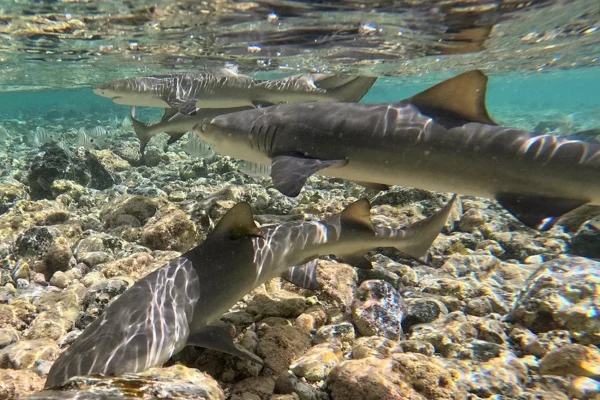
Image Source: Sal Cape Verde
Few wildlife encounters match the thrill of standing in shallow Atlantic waters while juvenile lemon sharks glide past your legs. Shark Bay on Sal’s east side delivers this experience at a natural nursery where young lemon sharks spend their early years protected from deep-water predators. The bay sits next to Pedra de Lume village and presents a wild landscape free from shops or beach clubs. Volcanic rock, clear water and the Atlantic’s constant rhythm define this stretch of coastline.
What Makes Shark Bay Special
The seafloor remains sandy and shallow. It rarely exceeds waist height and creates ideal raising grounds for shark pups. Lemon sharks (Negaprion brevirostris) return here each year to breed and nurture their young, with juveniles measuring under two meters swimming around visitors. About 40 minutes at the bay allows time to observe these harmless creatures in their natural environment. Cape Verde researchers and conservation groups have confirmed the site’s role as authentic nursery habitat.
Best Time to Visit Shark Bay
Tide conditions determine visibility more than time of day. High tide starting to recede brings sharks closer while keeping water shallow enough to stand comfortably. Mornings and late afternoons work well, though midday light helps with underwater visibility. Sharks remain visible throughout most days, but tide timing makes the difference in proximity and clarity of sightings.
How to Get to Shark Bay
The bay lies about 8 kilometers southeast of Santa Maria. You can reach it by car, taxi or guided tour. Tours last 2-3 hours and include transportation. The final approach crosses gravel terrain that standard vehicles handle without issue.
Tips for Visiting
You need water shoes for the rocky seabed filled with sea urchins. On-site rentals cost 3 euros, and local guides who rent shoes often provide free guidance in the water. Wear swimwear that can get wet, as water reaches knee to waist depth. Move slowly and calmly to avoid disturbing sharks. The site offers no shade, making sunscreen, hats and water necessary. A guide ensures proper positioning and understanding of shark behavior.
Climb Pico do Fogo Volcano
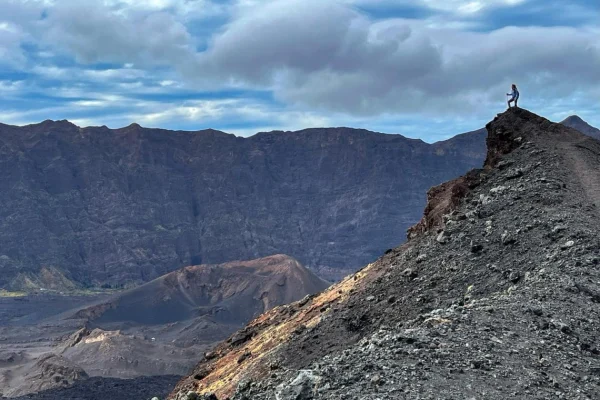
Image Source: Conservation Mag
Pico do Fogo rises from the heart of Fogo Island and reaches 2829 meters. It claims the title of Cape Verde’s highest peak and ranks as the Atlantic Ocean’s third tallest mountain. This active Strombolian volcano has erupted over 30 times since records began. The most recent event lasted 77 days in 2014-2015. The eruption consumed homes in Chã das Caldeiras village and covered structures with lava. Residents salvaged belongings until molten rock crossed their thresholds.
What Makes Pico do Fogo Unique
The climb delivers about 1000 meters of vertical ascent through powdery ash, coal-like fragments and loose lava boulders. Summiteers stand above the clouds with 360-degree panoramic views of Fogo Island and neighboring islands when weather permits. This happens after 3-4 hours of hiking. The descent is a chance for an exhilarating alternative: slide down ankle-deep volcanic ash on the cone’s opposite face and reach Chã das Caldeiras in mere minutes. Over 500 people inhabit the caldera despite periodic lava flows. Fertile volcanic soil supports coffee and wine cultivation, which draws them there.
Best Time to Visit Pico do Fogo
November through June provides stable weather conditions. October and November deliver post-rain green landscapes. Start between 5:00-7:00 AM to capture sunrise from the summit and avoid midday temperatures exceeding 30°C[332]. The rainy season from July through September creates slippery conditions and reduced visibility.
How to Get to Pico do Fogo
Flights arrive at São Filipe airport. A 1-2 hour drive to Chã das Caldeiras via rough roads follows. Shared aluguer taxis operate once daily between these locations.
Tips for Visiting
Local guides are mandatory to attempt the summit[332]. Accommodations in Chã das Caldeiras arrange guides for 6000 CVE (about 55 EUR) to groups of three or fewer. Bring hiking boots, at least 1.5 liters of water, trekking poles and layers for early morning cold. Tie pants into shoes to prevent volcanic rocks from entering during the ash descent.
Discover Mindelo’s Vibrant Music and Culture
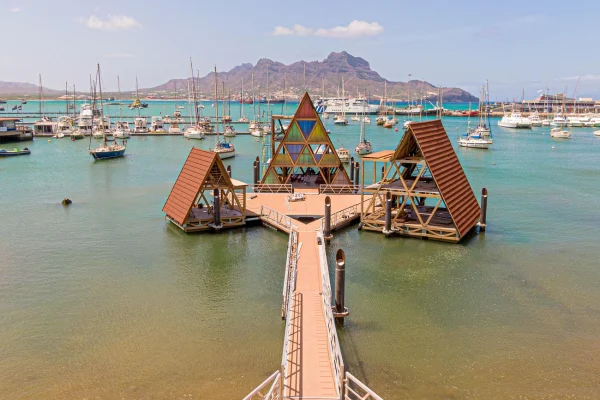
Image Source: TIME
São Vicente’s capital stands as the undisputed cultural heart of Cape Verde. Morna melodies drift from waterfront bars and colonial architecture frames cobblestone streets. Nearly 95% of São Vicente’s population lives in this vibrant city, birthplace of world-renowned singer Cesária Évora. Her legacy pervades every corner of Mindelo’s music scene. The historic center showcases pastel-colored mansions in sobrado style, among landmarks like Torre de Belem, the former presidential palace, and fortress d’El Rei.
What Makes Mindelo Special
Live music defines the Mindelo experience. Bars and restaurants host performances almost nightly. Morna carries emotional depth connected to Cape Verde’s diaspora history, while coladeira adds rhythmic energy to the cultural soundtrack. Venues along the waterfront and city center ignite after midnight. Crowds stay until 4 AM or 5 AM on weekends. The city beach Laginha provides daytime relaxation, while the long harbor promenade offers sunset views of Atlantic-crossing sailboats.
Best Time to Visit Mindelo
November through June brings dry weather and pleasant temperatures. February visits for Carnival are especially compelling—a four-day celebration inspired by Brazilian festivities with elaborate costumes and street parades. August draws music enthusiasts to the Baia das Gatas festival during the full moon weekend. You should book accommodation six months early for these peak periods.
How to Get to Mindelo
São Vicente’s international airport (VXE), named after Cesária Évora, sits 10 kilometers from the city. Taxi transfers take 20 minutes and cost around 10 euros. Inter-island ferries and domestic flights connect to Sal and Santiago islands.
Tips for Visiting
Light natural fabrics work best, though ocean winds make windbreakers necessary for evenings. Cape Verdean Escudo is the local currency. Euros are accepted, but exchange rates favor carrying cash. Tap water is desalinated and may cause stomach upset, so bottled water is essential. Portuguese serves as the official language, with Creole dialect in daily use. Greet shop staff politely and request permission before photographing locals. Respect the “No Stress” rhythm that characterizes Mindelo’s welcoming atmosphere.
Watch the Mirage at Terra Boa Desert
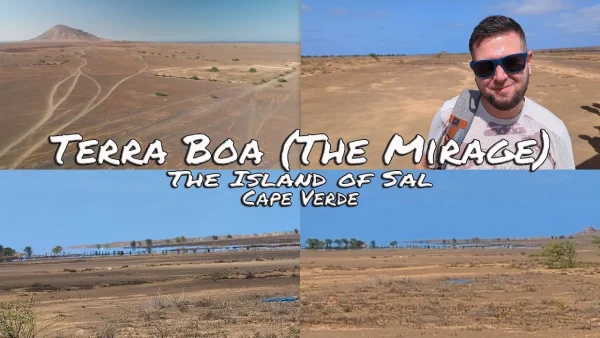
Image Source: YouTube
A vast expanse of sand stretches endlessly across northern Sal, where the intense African sun creates one of nature’s most captivating optical illusions. Terra Boa sits 4 kilometers north of Espargos. The flat desert terrain produces mirages so convincing that 87% of visitors mistake the shimmering illusion for an actual lake at first. Two-thirds of travelers ranked this experience among their entire Sal trip’s highlights. This makes it a distinctive entry among the top 10 things to do in Sal Cape Verde.
What Makes Terra Boa Unique
Hot air near the ground bends light from the sky and creates the illusion of water pooling on the desert floor. The name translates to “Good Land” in Portuguese. It references rare pockets of moisture that supported modest agriculture in the past. Lush green grass reshapes the scene when rain arrives and contrasts sharply with its usual arid appearance. Monte Grande rises on the horizon. It’s Sal’s highest peak at 406 meters, while brown mountains frame the eastern and western edges.
Best Time to Visit Terra Boa
Mid-morning to early afternoon on clear sunny days produces the strongest mirage effect. The hotter the ground, the more pronounced the illusion becomes. Overcast conditions eliminate the phenomenon.
How to Get to Terra Boa
Guided island tours in 4×4 vehicles include Terra Boa along with Pedra de Lume and Shark Bay. The site lacks public transportation and sits in a sparsely populated area.
Tips for Visiting
Quad bikes or four-wheel-drive vehicles handle the deep sand and rough tracks better than standard cars. No facilities or shade exist. Water and sun protection are essential to bring.
Kite Surf at Kite Beach in Sal
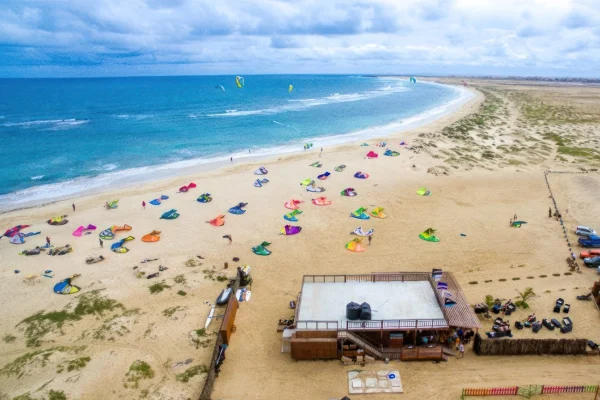
Image Source: Cabo Verde
Trade winds propel kites across Kite Beach at consistent speeds and create conditions that attract riders of all skill levels. This southeastern coast spot, also known as Costa de Fragata, delivers cross-onshore winds that blow learners back to shore rather than out to sea. The combination of reliable air currents and protective wind direction makes this location one of the premier entries in the top 10 things to do in Sal Cape Verde for adventure seekers.
What Makes Kite Beach Special
Sandy bottom and shallow waters near shore give gentle landings to beginners. The wide-open beach will give ample space for practicing without congestion. Flat water zones coexist with wave sections and allow riders to choose conditions that match their skill level. Between 15 and 20 kite schools operate during high season and offer instruction with rescue services on the beach.
Best Time to Visit Kite Beach
Trade winds reach peak strength from November through April and deliver 15 to 25 knots. May through October brings calmer conditions. These months are ideal for new riders who want to gain confidence.
How to Get to Kite Beach
The beach sits 2 kilometers from Santa Maria and requires a 10-minute drive. Taxis charge €10 for the five-minute ride. Many kite schools provide complimentary transportation from Santa Maria hotels.
Tips for Visiting
Beginner instruction packages cost €400-600 for six hours of lessons. Equipment rental runs €50-80 per day.
Comparison Table
| Activity | Location | Best Time to Visit | Entry Cost | Duration | Main Features | Difficulty Level |
| Float in the Salt Pools of Pedra de Lume | Sal Island (inside extinct volcano crater) | November-March; Early morning (7-8 AM) or late afternoon (4-6 PM); Weekdays (Tue-Thu) | €6 per person | A few minutes in water (limited exposure recommended) | Salt concentration 26x higher than seawater; therapeutic mineral-rich waters; UNESCO Tentative List site | Moderate (requires hiking to crater base; uneven lake floor) |
| Explore the Historic UNESCO Site of Cidade Velha | Santiago Island (15 km west of Praia) | November-June (dry season); December-February (mild temps); Weekdays to avoid crowds | 500 Cape Verde escudos (fort entry) | 20-30 minutes on foot to cover main sights | First European colonial outpost in tropics (1462); UNESCO World Heritage Site (2009); oldest colonial church (1495) | Easy to Moderate (cobblestone streets and hillside terrain) |
| Hike the Dramatic Valleys of Santo Antão | Santo Antão Island (779 km²) | November-June; December-April optimal (dry, low humidity) | – | 2-3 hours (moderate trails) to 7-8 hours (challenging routes) | Stark contrasts between barren south and lush north; terraced valleys; Cova Crater to Paul Valley descent | Moderate to Challenging (elevation changes up to 1000m) |
| Experience the Blue Eye at Buracona | Sal Island (northwest coast, 6 km north of Palmeira) | 10:30 AM – 1 PM (peak sunlight); June (best visibility); Summer months | €3 per person | About 40 minutes | Brilliant blue glow from underwater cave (9m diameter, 25m deep); natural tide pool in lava rocks | Easy to Moderate (sharp volcanic rocks require sturdy footwear) |
| Relax on the Golden Sands of Santa Maria Beach | Sal Island (southern coastline, Santa Maria town) | November-July (dry season); November or April (shoulder season); Early morning/late afternoon | Free (public beach) | Flexible (full day possible) | 2 km golden sand beach; warm clear waters; gentle waves; Festival da Praia mid-September | Easy (gently sloping beach, suitable for swimming) |
| Swim with Lemon Sharks at Shark Bay | Sal Island (east side, next to Pedra de Lume village) | High tide starting to recede; Mornings and late afternoons | €3 (water shoe rental) | About 40 minutes | Natural nursery for juvenile lemon sharks; shallow waters (waist-deep); ~40 sharks visible | Easy (shallow sandy bottom, but sea urchins present) |
| Climb Pico do Fogo Volcano | Fogo Island (Chã das Caldeiras) | November-June; October-November (green landscapes); Start 5-7 AM to catch sunrise | 6000 CVE (~€55) for guide (groups ≤3) | 3-4 hours ascent; minutes for ash descent | Cape Verde’s highest peak (2829m); active volcano (last eruption 2014-15); 360° views above clouds | Challenging (1000m vertical ascent through ash and lava) |
| Find Mindelo’s Vibrant Music and Culture | São Vicente Island (Mindelo city) | November-June; February (Carnival); August (Baia das Gatas festival) | Varies by venue | Flexible (nightlife until 4-5 AM) | Birthplace of Cesária Évora; live morna and coladeira music nightly; colonial architecture; cultural capital | Easy (urban exploration and entertainment) |
| Watch the Mirage at Terra Boa Desert | Sal Island (4 km north of Espargos) | Mid-morning to early afternoon on clear sunny days | – | – | Optical illusion of water on desert floor; 87% of visitors mistake it for a real lake; Monte Grande (406m) visible | Easy (flat terrain, but requires 4×4 vehicle access) |
| Kite Surf at Kite Beach in Sal | Sal Island (southeastern coast, 2 km from Santa Maria) | November-April (peak winds 15-25 knots); May-October (calmer for beginners) | €400-600 (6-hour beginner lessons); €50-80/day (equipment rental) | 6 hours (beginner course) or flexible | Cross-onshore winds; sandy bottom; shallow waters; 15-20 kite schools; flat water and wave sections | Beginner to Advanced (lessons available at all levels) |
Enjoy Things to Do in Cape Verde
Cape Verde delivers extraordinary diversity across ten volcanic islands, from floating in mineral-rich craters to climbing active volcanoes. The archipelago rewards adventurous travelers who accept both natural wonders and cultural experiences. The islands showcase everything from shark encounters in shallow nurseries to witnessing optical illusions in desert landscapes. Visitors should prioritize activities that match their interests. Some travelers crave adrenaline-filled kite surfing. Others seek peaceful moments floating in ancient salt pools. Trips between November and June will give optimal conditions for most activities. Cape Verde’s combination of African warmth, Portuguese heritage and pristine Atlantic coastlines creates unforgettable memories that extend way past typical beach destinations.
FAQs
Q1. When is the least favorable time to visit Cape Verde? The rainy season from August to October is generally less ideal for visiting Cape Verde. During these months, hiking trails can become muddy and slippery, visibility for attractions like the Blue Eye at Buracona decreases significantly, and some outdoor activities may be limited. For the best experience with stable weather conditions, plan your visit between November and June when temperatures range from 20°C to 29°C and rainfall is minimal.
Q2. What are the must-see attractions and activities in Cape Verde? Cape Verde offers diverse experiences including floating in the salt pools of Pedra de Lume, exploring the UNESCO World Heritage Site of Cidade Velha, hiking the dramatic valleys of Santo Antão, and swimming with lemon sharks at Shark Bay. Adventure seekers can climb Pico do Fogo volcano or kite surf at Kite Beach, while culture enthusiasts will enjoy Mindelo’s vibrant music scene. Beach lovers can relax on Santa Maria’s golden sands, and nature watchers can witness the Blue Eye phenomenon at Buracona.
Q3. How long should I plan to stay in Cape Verde? The ideal duration depends on how many islands you want to explore. For a single island like Sal, 4-5 days allows you to experience the main attractions including Pedra de Lume, Shark Bay, and Santa Maria Beach. To visit multiple islands and enjoy activities like hiking Santo Antão or climbing Pico do Fogo, plan for 7-10 days. This gives you time to experience the diverse landscapes and cultural offerings without feeling rushed.
Q4. What safety precautions should visitors take in Cape Verde? When visiting salt pools at Pedra de Lume, avoid excessive exposure and keep salt away from eyes and mouth, as it can be dangerous. Hypertensive patients and children should not enter the salt water. For beach and water activities, wear water shoes to protect against sea urchins and sharp volcanic rocks. Bring plenty of water and high SPF sunscreen, as the sun is intense. When hiking, start early to avoid midday heat and always hire local guides for challenging climbs like Pico do Fogo.
Q5. What is the best season for outdoor activities in Cape Verde? November through June represents the optimal period for most outdoor activities in Cape Verde. During these months, you’ll experience dry weather, clear skies, and comfortable temperatures between 20°C and 28°C. This period is particularly ideal for hiking, beach activities, and water sports. For kite surfing specifically, November through April offers peak wind conditions with speeds of 15-25 knots. If you’re interested in festivals, visit in February for Carnival in Mindelo or mid-September for the Festival da Praia in Santa Maria.


Leave A Comment