
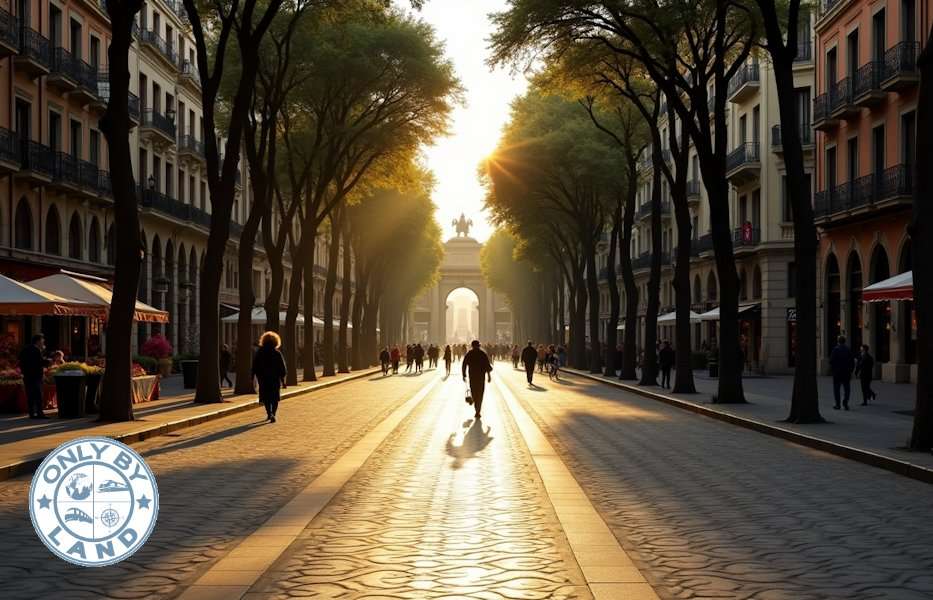
“The only street in the world which I wish would never end” – these words by poet Federico García Lorca perfectly capture La Rambla Barcelona’s magic, Spain’s most enchanting boulevard. This 1.2-kilometer tree-lined pedestrian street started as a sewage-filled stream and grew into Barcelona’s beating heart. The street stretches from Plaça de Catalunya to the towering Columbus Monument at Port Vell.
La Rambla serves as Barcelona’s main street and attracts thousands of visitors each day with its lively atmosphere. The famous boulevard splits into distinct sections that tell unique stories through cultural landmarks. The historic Liceu Theater and the renowned Boqueria Market stand as testaments to its cultural significance. Tourist-filled promenades buzz with activity, but the street’s true charm lies in its local life, hidden courtyards and centuries of history waiting to be found.
The Story Behind La Rambla Barcelona

La Rambla Barcelona’s story begins in ancient times as a natural watercourse called Riera d’en Malla. The name “Rambla” comes from the Arabic word “ramla,” which means sandy riverbed. This area started as a sewage-filled stream carrying rainwater from the Collserola hills to the Mediterranean Sea.
From Ancient Stream to Famous Street
Barcelona’s city council started a major change in 1377 by extending the city walls to include La Rambla and El Raval district. The stream was moved outside these new walls in 1440, and this marked the beginning of Barcelona’s iconic boulevard. The first homes appeared in 1704. Soon after, 280 birch trees were planted, which were later swapped for elm trees.
Key Historical Events That Shaped La Rambla
La Rambla has seen many defining moments through the centuries. The St. James’s Night riots of 1835 brought big changes as revolutionaries burned monasteries and churches, which altered the map of the street. The Spanish Civil War (1936-39) left its scars too, as the street took hits from pro-Franco forces’ artillery and air attacks.
The street grew with new cultural landmarks. Barcelona’s prestigious opera house, the Gran Teatre del Liceu, opened in 1847. The Columbus Monument was built in 1888, and its 60-meter height became a standout feature at the boulevard’s seaside end.
Cultural Importance Through Centuries
La Rambla became Barcelona’s cultural heart during the 19th and 20th centuries. Artists and intellectuals loved meeting here. Antoni Gaudí designed his first work, the Palau Güell, along this street. The Café de la Ópera, right across from the Teatre del Liceu, became a hotspot for political and cultural talks during the roaring 1920s.
The boulevard means much more than just its history. By 2018, it had become Barcelona’s most visited spot, with approximately 75% of tourists seeing it as a must-visit destination. Today, about 70 million people walk down La Rambla each year, showing just how much people still love this cultural Barcelona landmark.
La Rambla’s future looks bright with a detailed transformation planned to finish in 2027. This big project will create wider spaces for walking and better connect the Gòtic and Raval neighborhoods. The renovation will focus on three special areas – Betlem-Moja, Pla de la Boqueria, and Pla del Teatre – while keeping lanes for public transport and essential services.
Hidden Gems Along the Boulevard
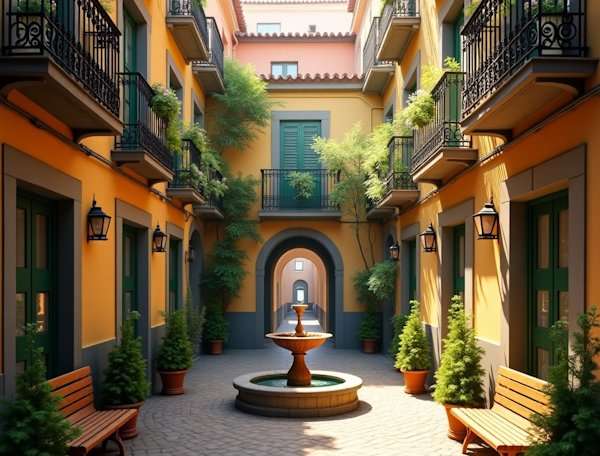
La Rambla Barcelona hides a network of magical spaces just steps away from its busy main promenade. Most tourists miss these hidden treasures that show the true spirit of Barcelona’s famous street, far from the usual tourist spots.
Secret Courtyards and Passages
The Eixample district features beautiful interior courtyards that builders have carefully restored to match their original 19th-century designs. These spaces started as private areas but now welcome everyone. You’ll find a beautifully preserved 19th-century building with its original interior patio at Carrer València 302, right between Pau Claris and Roger de Llúria.
El Raval district’s old convents and palaces boast peaceful courtyards. The Hospital de la Santa Creu, which now houses the National Library of Catalonia, gives visitors a quiet escape filled with green spaces. The Gothic Quarter holds gems like Plaça de Sant Felip Neri where baroque buildings and gentle fountains tell Barcelona’s stories.
Lesser-known Historical Buildings
Carrer de Petritxol takes you back in time. Locals love this narrow street with its historic chocolate shops, especially Granja Dulcinea – a 100-year old spot where Salvador Dalí used to hang out.
The Palau Moja, an 18th-century mansion, shows rotating exhibits about Catalan culture. Arts Santa Monica stands nearby as a symbol of Barcelona’s creative spirit with its digital art shows and modern cultural displays.
Manu Chao’s secret bar, El Mariatchi, sits quietly between Josep Pijuan and d’en Rull streets. The Petit Palace Boqueria Garden’s tree-filled courtyard lets you catch your breath away from the city buzz.
Local Artists’ Corners
Street performers bring La Rambla to life. Artists set up their easels near Teatro del Liceu to show their work. Since 2019, city rules have set up 12 special spots in the Rambla Santa Monica area where performers work from 9:00 am to 4:00 pm and 4:00 pm to 11:00 pm.
Every weekend, local artists display their work at the Mostra d’art de pintors del Pi in Plaça del Pi and Sant Josep Oriol square. These squares let you experience Barcelona’s modern art scene up close.
Hidden alleys near La Rambla house vintage clothing stores that sell clothes by weight – a budget-friendly way to shop differently. Arts Santa Mónica showcases cutting-edge architecture, visual arts and literature in its digital innovation space.
These secret spots along La Rambla Barcelona show the street’s real character that surpasses regular tourist spots. From old courtyards to modern art spaces, these hidden corners keep Barcelona’s most famous street’s true spirit alive.
Overnight trips from Barcelona.
Best Time to Experience La Rambla
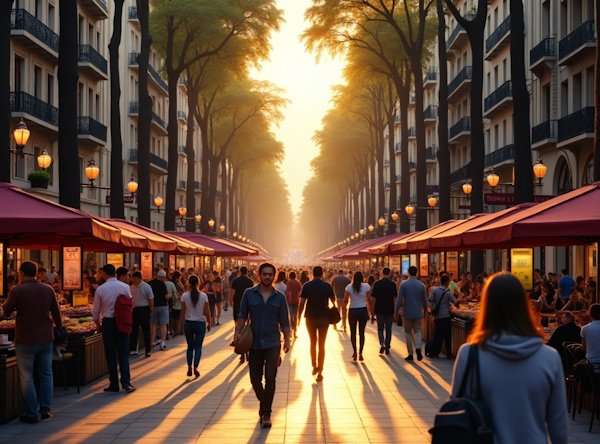
Time of day creates a unique character on Barcelona’s most iconic boulevard. Each hour brings something different to this vibrant street that gives visitors fresh experiences throughout the day.
Morning Magic: 6 AM to 9 AM
La Rambla’s early morning hours are peaceful and perfect for an authentic experience. Visitors can walk this famous Barcelona street without crowds between 6 AM and 9 AM. Local street vendors and artists quietly set up their kiosks near the Columbus Monument at this hour, which creates chances for real conversations.
The boulevard stays especially peaceful on weekday mornings when locals begin their daily routines. Visitors can see authentic Barcelona life from 8 AM to 11 AM. This quiet time lets people admire the street’s architecture and watch local merchants prepare their shops.
Evening Atmosphere
La Rambla becomes completely different as night falls. The street buzzes with activity late into the night, and its character changes completely. Break dancers and tango performers light up the boulevard near Santa Mònica area.
Plaça Reial next to La Rambla has many bars and music spots for nighttime fun. Notwithstanding that, people should stay alert after dark, particularly in the southern part near the Columbus Monument. The stretch between Plaça Reial and the waterfront needs extra caution at night.
Seasonal Highlights
La Rambla hosts amazing festivals throughout the year that show Barcelona’s cultural heritage. The Festa del Roser Festival happens every October and turns the boulevard into a spectacular display of colors and traditions. The festival includes:
- Floral displays lining the street
- Traditional parades
- Street food stalls
- Free open house events at local attractions
- Craft fairs and concerts
Winter makes the street magical with Christmas decorations. Twinkling lights reflect off cobblestone streets and create an enchanting atmosphere. June brings the “Tast a la Rambla” food festival where local restaurants show off their signature dishes and traditional cuisine through tastings and cooking shows.
Spring and autumn give the best conditions to explore with nice weather and fewer crowds. The street gets busier in afternoons from April through October, but these seasons have the most comfortable climate to enjoy all attractions.
Knowing these time patterns helps visitors get the most from Barcelona’s main street. Each time slot gives different opportunities, from quiet morning walks to evening entertainment and seasonal celebrations that show the street’s cultural importance.
Local Life vs Tourist Spots
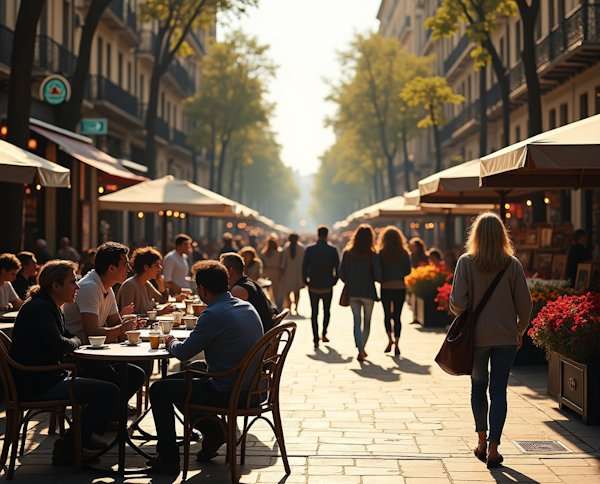
La Rambla might be Barcelona’s famous boulevard, but there’s a stark difference between tourist spots and real local life. The street that Federico García Lorca loved now sees very few locals because it caters mainly to tourists. Look beneath the surface though, and you’ll find a world worth exploring.
Where Locals Actually Hang Out
Barcelona residents skip the main boulevard and head to nearby neighborhoods for their daily life. El Born district has become a favorite local spot that buzzes with artists and unique shops. The Raval area has changed completely from its shady past and now houses the MACBA museum along with cultural cafés and bars.
Rambla del Poblenou shows you real local life. Residents of all ages love this pedestrian-friendly street with its mix of restaurants and shops away from tourist crowds. A pleasant 15-20 minute walk takes you straight to the beach, which makes it popular among Barcelona natives.
Authentic Cafes and Shops
Visitors who want genuine experiences should check out places where locals eat. Pinotxo bar at La Boqueria’s entrance serves traditional tapas, while El Quim de la Boqueria makes signature dishes like eggs with squid. Casa Guinart serves up fancy cuisine with truffled veal cannelloni, and Kiosko Universal focuses on Catalan rice dishes.
Old establishments near Plaça de Catalunya keep Barcelona’s food traditions alive. Els 4Gats has 125 years of history and once welcomed artists like Picasso. Ca L’Estevet still serves traditional Catalan food, and their cod fritters are famous. Vegetarians will love Biocenter on Pintor Fortuny street.
Skip the Tourist Traps
New visitors often make common mistakes along La Rambla. The outdoor terraces on the main street charge too much for average food. Smart travelers should try these options instead:
- Time Out Market Barcelona lets you taste food from 14 award-winning chefs under one roof
- Sant Andreu market offers fresh, quality produce away from tourist crowds
- The underground Liceu Opera House or traditional Café de l’Opera make great spots for morning coffee
You can spot tourist traps easily: they have menus in many languages, pictures of food, and staff who try to pull you in. Real Barcelona restaurants serve lunch after 1:00 PM and dinner after 8:00 PM because that’s when locals eat.
The street changes completely as the day goes on. Street vendors and performers come out at night, but you should stay alert, especially in the southern part near the Columbus Monument. The side streets and hidden courtyards off the main boulevard offer a safer and more authentic experience.
Smart Tips for Visitors in 2025
A trip down La Rambla Barcelona needs both street smarts and local knowledge. These tips will help you explore this iconic boulevard safely in 2025.
Safety Essentials
This famous Barcelona street needs your full attention. Pickpockets often target tourists, especially at metro stations and busy areas. Here’s how to stay safe:
- Leave valuables in hotel safes and take just what you need daily
- Wear crossbody bags or belt bags with phone leashes
- Watch your bags closely at cafes and restaurants
- Skip dark, empty streets, especially in southern La Rambla
U.S. citizens should sign up for the Smart Traveler Enrollment Program (STEP). This program gives you safety alerts and embassy support when needed.
Best photo spots
The boulevard looks amazing early in the morning before the crowds show up. You’ll want to snap pictures at:
- The Columbus Monument roundabout
- Gran Teatre del Liceu’s facade
- Mercat St. Josep La Boqueria’s entrance
- The nautical harbor viewpoint
The best shots happen between 6 AM and 9 AM when the light is perfect and tourists are scarce. The Umbrella House makes a fantastic backdrop with its Oriental umbrellas and dragon.
Money-saving Tricks
You don’t need deep pockets to enjoy La Rambla. A T-10 travel card is your best friend for budget-friendly transport – each ride costs about €1, half the price of single tickets.
Smart dining choices save you money. The “menú del día” gives you great value with three courses plus drinks under €10. Here’s how locals eat well without overspending:
- Head 15-20 minutes away from La Rambla for cheaper restaurants
- Eat lunch instead of dinner – midday meals cost less
- Check out Time Out Market Barcelona for quality local food
Hotels near La Rambla vary in price by a lot. Neighborhoods like Gràcia, Poble Sec or Poblenou offer better deals while keeping you close to attractions. Many museums let you in free on the first Sunday monthly.
Shoppers should grab El Corte Inglés’s 10% tourist discount at the Tourist Information Center with their passport. Weekend markets across Barcelona sell vintage clothes and items for €5 or less, making them a budget-friendly option.
Enjoy La Rambla Barcelona
La Rambla is more than just Barcelona’s most famous street – it tells the story of the city’s rise through time. Tourist crowds fill this historic boulevard today, but smart planning reveals its true charm. Quiet morning visits let you explore peacefully, and hidden courtyards and secret passages show you real Barcelona life.
Travelers who step away from the main street find a deeper connection through local cafes, traditional markets and cultural spaces. A planned makeover through 2027 will boost pedestrian areas while keeping its historic character intact.
La Rambla rewards people who take time to understand it. Staying alert and timing your visits help you experience both the street’s energy and its hidden gems. Federico García Lorca’s endless street continues to fascinate millions, showing different sides to those who look past its surface charm.
FAQs
Q1. What is the significance of the Columbus Monument at the end of La Rambla?
The Columbus Monument, or Mirador de Colom, stands at the southern end of La Rambla near the sea. Built in 1888 for the Universal Exhibition, it honors Christopher Columbus and marks a popular photo spot for visitors to Barcelona’s famous boulevard.
Q2. Is La Rambla safe to visit at night?
While La Rambla is generally safe, visitors should exercise caution, especially in the southern part near the Columbus Monument after dark. It’s advisable to stay vigilant, keep valuables secure, and avoid isolated areas, particularly late at night.
Q3. What’s the difference between “La Rambla” and “Las Ramblas”?
“La Rambla” refers to the single, continuous boulevard, while “Las Ramblas” (or “Les Rambles” in Catalan) refers to the series of shorter streets that make up the entire stretch. Each section has its own name, contributing to the plural form.
Q4. When is the best time to experience La Rambla?
The early morning hours, between 6 AM and 9 AM, offer the most serene experience of La Rambla. This time allows visitors to explore without crowds and observe local life. Evenings are lively but busier, while seasonal events like the Festa del Roser in October provide unique experiences.
Q5. How can visitors save money while exploring La Rambla and surrounding areas?
To save money, consider purchasing a T-10 travel card for public transport, opt for the “menú del día” at restaurants, explore areas 15-20 minutes away from La Rambla for better-priced dining options and take advantage of free museum days. Additionally, staying in neighborhoods like Gràcia or Poble Sec can offer more affordable accommodation while maintaining easy access to attractions.



Leave A Comment