

León’s magnificent cathedral showcases Europe’s finest medieval stained glass windows that cover an incredible 1,800 square meters. The cathedral stands as a centerpiece among the many captivating attractions in this ancient Spanish city. León’s story began over 2,000 years ago as a Roman military camp and today its walls echo with tales from centuries past.
The city blends its rich heritage with modern culture in unique ways. Visitors can discover UNESCO World Heritage sites and enjoy local delicacies in the lively Barrio Húmedo district. The city’s medieval charm shines through its Gothic architecture, while its contemporary art scene displays over 1,650 works from 400 artists. Casa Botines adds another layer to León’s architectural beauty – it’s one of just three buildings outside Catalonia created by the renowned Antoni Gaudí. This piece shares local points of view about experiencing this remarkable city that seamlessly connects its historic roots with modern cultural offerings.
Hidden Gems in León’s Old Town
The Plaza del Grano sits quietly in León’s medieval quarter, its original cobblestone floor a reminder of its busy past as a grain market. This charming square feels different from tourist hotspots and gives visitors a chance to experience authentic local life.
Local Markets and Traditional Shops
The Plaza Mayor comes alive every Wednesday and Saturday morning. Local farmers fill the vibrant greenmarket with fresh produce, handmade cheeses and homemade sausages. Shoppers can find great deals from 10:00 AM to 2:00 PM, with prices nowhere near as high as supermarkets. The Mercado del Conde Luna next to the 14th-century Palacio de Conde Luna shows off the city’s best local products.
Antique lovers should head to Barrio del Mercado’s weekly market along Calle Fernández Cadorniga and Plaza Don Gutierre on Saturday mornings. Sunday brings bargain hunters to the flea market at Paseo de Papalaguinda.
Secret Courtyards and Gardens
The historic center reveals its secrets through atmospheric cobblestone streets and quiet plazas. Locals love to gather near Plazuela de San Marcelo’s hidden corners their evening walks, known as paseo por la noche.
The city’s ancient walls have their own stories. Houses along Serradores Street merge beautifully with medieval fortifications. Golden footprints in the ground mark ‘The Footprint of the Legion’ route and celebrate the city’s Roman roots.
Lesser-known Historical Spots
León’s oldest church, the Iglesia de San Salvador de Palat del Rey, started as a convent before becoming a royal pantheon. This remarkable building shows unique Mozarabic architecture with Moorish influences.
The Casa Museo Sierra Pambley, often missed by visitors, has been an important educational center since 1887. The ancient walls rest on Roman foundations and went through many medieval changes. They stand today as quiet witnesses to the city’s progress.
The old quarter’s streets still carry names from medieval trades – blacksmiths, jet workers, silversmiths and cobblers. These streets keep their historic charm while mixing traditional craft shops with modern boutiques. This creates a shopping experience that connects past and present.
Best Local Food Experiences

León, a city in Spain’s Castilla y León region, brings authentic Spanish gastronomy to life. This city’s remarkable food scene shines through its tapas culture and traditional recipes that have stood the test of time.
Where Locals Eat Tapas
The vibrant Barrio Húmedo district is the heart of León’s tapas scene. Plaza de San Martín sits at its center with more than a dozen authentic tapas bars. León’s tapas culture stands out because most bars give you a free tapa when you order a drink.
Nuevo Racimo de Oro makes amazing albóndigas (meatballs) with fries and La Bicha has become a local favorite for serving the best morcilla in town. Taberna Los Cazurros lets you enjoy potatoes with your choice of picante, ali-oli or blue cheese sauces.
Traditional León Dishes to Try
Morcilla de León, the region’s signature blood sausage, is different from its Spanish cousins. Unlike Burgos‘ rice-based version, León’s recipe combines pig’s blood, fat, onion, and spices. The province takes pride in its non-ibérico charcuterie, with standout chorizo and cecina de León – their special cured beef.
Local specialties include:
- Botillo: A regional emblem featuring stuffed pig’s stomach with meat from the spine, ribcage, and tail
- Cocido maragato: A unique chickpea stew served backwards – meat first, then vegetables, and broth last
- Sopa de Ajo: A traditional garlic soup made better with bread, paprika, and sometimes poached eggs
Best Times for Authentic Dining
León’s dining schedule follows Spanish traditions. People start their day with aperitivo between breakfast and lunch. Lunch (la comida) is the main meal, starting at 2:00 PM until 3:30 PM. Restaurants serve a menu del día – a three-course meal with wine and dessert that gives you great value.
Locals usually eat dinner between 9:00 and 11:00 PM. Weekends bring friends and families together for pre-lunch drinks. They share platters of squid, prawns, and jamón with local vermouths, sherries, and wines.
Tierra de León’s wines, made from the native Prieto Picudo grape, deserve special attention. The local clarete shows off León’s wine heritage by blending red and white grapes with extended skin contact.
A guide to tapas in Barcelona.
Modern Side of León

León combines medieval charm with modern culture through creative architectural designs and city renewal projects. Advanced art spaces, environmentally responsible developments and lively neighborhoods shape the city’s modern character.
Contemporary Art Scene
The Museum of Contemporary Art of Castile and León (MUSAC) stands as a centerpiece of León’s modern cultural world. This museum houses an impressive collection of over 1,650 works from nearly 400 artists both Spanish and international. The museum’s eye-catching design features white concrete walls and colorful glass panels. This remarkable architecture earned the prestigious European Union Mies van der Rohe Award for Contemporary Architecture in 2007.
MUSAC creates a vital platform that connects local artists with international trends. The museum earned worldwide recognition for its creative programming and focus on art from 1992-2012. The New York Times praised it as “one of the most astonishingly bold museums to hit the Spanish cultural landscape in years”.
New Urban Developments
León demonstrates its dedication to environmentally responsible urban growth through several groundbreaking projects. The city began a bold €70M Heat Network project that serves 28,000 homes and 150 public buildings. This project lines up with León’s vision for 2050, which emphasizes a low-carbon economy and environmental protection.
The city focuses its renewal efforts on:
- Energy efficiency improvements in commercial buildings
- Renewable energy projects incorporating solar PV and hydroelectric power
- Smart City platform integration for energy, transport, and waste management
- Development of public EV charging networks
León became a leader in urban renewal after Castilla y León approved Law 7/2014. This law created detailed measures for rehabilitation and renewal. The city also created seasonal landscaped spaces and recreational areas specifically designed to help elderly residents live independently.
Trendy Neighborhoods
The Barrio Húmedo quarter shows how León blends historical charm with modern energy. This district sits near the pedestrian avenue Calle Ancha and buzzes with activity, particularly at night as young people gather there.
Recent city planning projects have created walkable neighborhoods with better connections. These areas now feature shared spaces and pedestrian-friendly zones that reflect the city’s dedication to sustainable urban living. Low Emission Zones and active mobility programs make these rejuvenated districts even more appealing.
The 2022-established León Living Lab shows how the city continues to evolve. This platform brings together public entities, private organizations and citizens. It tackles energy and climate challenges while getting the community involved in urban development projects.
Discover more Spanish landscapes.
Local Life and Culture
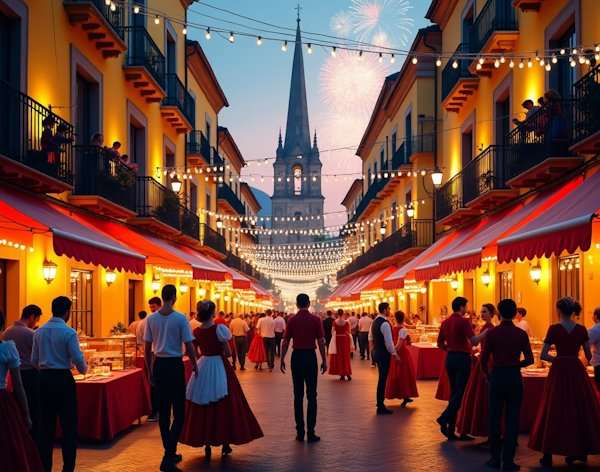
León’s rhythm beats to its own drum, where old traditions naturally mix with modern Spanish life. The city’s character comes from its daily life, community gatherings and colorful celebrations that show off its cultural roots.
Daily Routines and Customs
Life in León runs on a schedule that makes it different from other European cities. People eat their main meal, lunch, between 2:00 PM and 3:00 PM. Local businesses take long breaks at midday that last two to five hours, so the workday runs later and ends around 8:00 PM.
The Mediterranean lifestyle shows in how late people eat dinner, usually between 9:00 PM and 10:00 PM. Locals love their evening walks called paseos through the historic streets and squares all year round.
Popular Meeting Spots
León’s social life revolves around its charming cafés and meeting places. Sonríe y Café catches everyone’s eye with its vintage charm and special carrot bread. Victoria café near the Cathedral gives guests a fancy spot upstairs to relax. Early birds head to Converso café for budget-friendly breakfast options.
Plaza Mayor sits at the center of it all, with its red and yellow buildings and arched walkways. The square changes as the day goes by:
- Locals sip coffee at outdoor cafés in the morning
- Families and friends meet casually in the afternoon
- The plaza buzzes with social activity at night
Local Festivals and Celebrations
León’s festival calendar is packed with color and tradition. The Fiestas de San Juan y San Pedro in late June stands as the city’s biggest celebration. These festivals feature:
- Top-notch firework shows that draw Spain’s best pyrotechnic fans
- Daily fun workshops and shows for kids
- Street acts, circus shows, and music from jazz to traditional Leonese tunes
During Semana Santa (Holy Week), León becomes a living museum of sacred art. Sixteen cofradías (brotherhoods), some over six centuries old, organize about thirty processions. The Entierro de San Genarín adds a fun twist – a non-religious procession that mixes bar visits with cultural celebrations.
Every fall, the city celebrates San Froilán with events like Las Cantaderas and Leonese wrestling matches. This festival honors Saint Froilan and the Virgin of El Camino, bringing thousands to the Shrine of the Virgen del Camino. The celebration started in the 16th century and perfectly mixes religious devotion with art through its special parade floats.
Practical Tips from Locals
You’ll need some insider tips to truly discover León’s authentic charm as you walk its delightful streets. Local residents have shared their wisdom about everything from getting around to saving money in this historic Spanish city.
Getting Around Like a Local
The city’s flat terrain and pedestrian-friendly design makes walking your best option. You can reach most attractions within a 20-minute walk from Plaza Mayor. The old city remains easy to explore on foot. The city runs reliable bus services, but most visitors prefer walking to admire the medieval architecture.
You’ll find free parking spots just behind Plaza Mayor, outside the old city and Ensanche areas. A rental car might help if you want to see nearby villages. Smart travelers pick one person to drive, which cuts down insurance costs substantially.
Best Times to Visit Attractions
The streets stay quiet during early morning hours – the perfect time to see León’s landmarks. Most places close between 2 PM and 5 PM. The cathedral opens from 9:30 AM to 1:30 PM and again from 4 PM to 7 PM. Summer hours extend until 8 PM from May through September.
Hotel rates drop to their lowest from December through February. The weather turns ideal for outdoor activities between May and September.
Money-saving Tips
León stands out from other Spanish cities with its great value. Bars serve free tapas with your drinks – often giving you a full meal instead of just snacks. A glass of wine costs just 1-2 euros.
Smart ways to save money include:
- Eat lunch instead of dinner
- Ask for tap water – it’s free everywhere since April 2022
- Try the “Menu del Día” for complete meals
- Check tourist offices near Plaza San Marcelo or across from the cathedral about free entry times
You can save on lodging by coming during off-peak times or staying at hostels that offer simple amenities with Wi-Fi. The tourist train (“Tren Turístico”) shows you the main sights for just 4.50€ per adult and 3.50€ for children.
Local markets let you sample regional specialties without breaking your budget. Many bakeries and cafes cut their prices just before closing to reduce waste.
Don’t forget your dining etiquette in Spain.
Enjoy the Things to do in Leon
León is a remarkable Spanish city that blends ancient history with modern life. Visitors can find real experiences as they walk through medieval streets – from free tapas in Barrio Húmedo to amazing contemporary art at MUSAC. The city’s magic comes from its stunning cathedral and hidden courtyards. Local people here embrace both old traditions and new progress.
Smart planning makes a big difference when you visit León. You can make the most of your trip and save money by seeing landmarks early, timing your meals well and traveling in the off-season. The city rewards travelers who follow local customs, especially when you have to adjust to Spanish dining times and social traditions.
León offers more than tourist spots. You can dive into the local culture through festivals, daily life, and neighborhood hangouts. Gothic masterpieces stand alongside modern city developments and preserved traditions. Every visitor finds something special here. This former Roman military camp shows how history stays alive and meaningful in today’s Spain.
FAQs
Q1. What are some unique local experiences in León?
León offers several unique local experiences, including exploring hidden courtyards in the Old Town, enjoying complimentary tapas with drinks in the Barrio Húmedo district, and participating in traditional evening strolls known as “paseos” along historic streets and plazas.
Q2. When is the best time to visit León’s attractions?
The best time to visit León’s attractions is early morning when the streets are quieter. Most attractions close between 2 PM and 5 PM, so plan accordingly. The cathedral, for instance, is open from 9:30 AM to 1:30 PM and then from 4 PM to 7 PM (8 PM from May to September).
Q3. What are some must-try traditional dishes in León?
Some must-try traditional dishes in León include morcilla de León (a unique blood sausage), cecina de León (cured beef), botillo (stuffed pig’s stomach) and cocido maragato (a distinctive chickpea stew). Don’t miss the opportunity to taste local wines, especially those made from the indigenous Prieto Picudo grape.
Q4. How can I save money while visiting León?
To save money in León, take advantage of complimentary tapas served with drinks, dine during lunch hours for better deals, use free tap water available at establishments and look for “Menu del Día” offerings. Consider visiting during off-peak seasons (December to February) for lower hotel rates and check with tourist offices for free admission times to attractions.
Q5. What modern attractions does León offer besides its historical sites?
León offers several modern attractions alongside its historical sites. The Museum of Contemporary Art of Castile and León (MUSAC) houses an impressive collection of contemporary art. The city also features new urban developments focused on sustainability, trendy neighborhoods like the revitalized Barrio Húmedo and innovative initiatives like the León Living Lab for community engagement in urban projects.



Leave A Comment