
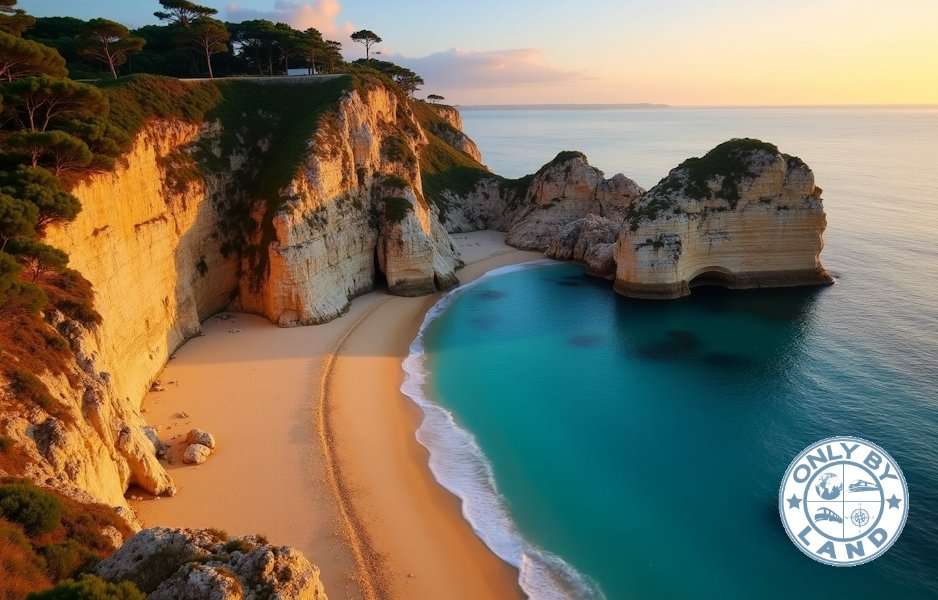
Cadiz proudly stands as Western Europe’s oldest city. Its history spans over 3,000 years and its pristine beaches stretch along Spain’s beautiful coastline. The beaches of La Victoria, Santa María and La Cortadura draw crowds of visitors, but the region has many more coastal gems waiting to be explored.
This historic port city extends into the Gulf of Cadiz on a narrow peninsula. The area offers much more than its popular shoreline. Beyond the prominent beaches, visitors can explore quiet coves, traditional fishing spots and untouched sandy stretches. Local residents have treasured these special places for generations. This piece shares these hidden coastal spots and gives visitors insider tips to experience Cadiz’s authentic coastal beauty in 2025.
Best Hidden Beaches Near Cadiz City
The sun-drenched coastline of southwestern Spain hides Cadiz’s quiet beaches that offer peaceful breaks from busy tourist areas. These hidden coastal gems blend centuries of history with untouched natural beauty.
Playa de los Corrales: Ancient Fishing Grounds
Rota’s shoreline has a remarkable piece of ancient fishing innovation. The Corrales, spanning 110 hectares of intertidal zone, has stone walls that have worked as traditional fishing spots since Roman times. These clever structures work with the tides. Fish swim over the walls when water levels rise and get trapped naturally as the tide goes down.
These historic traps work best during spring tides, which creates perfect conditions for traditional fishing. The corrales are more than just historical sites – they’re vital ecological spaces. Their stone walls help create rich marine ecosystems that support different types of seaweed, fish and mollusks. They also attract many seabirds.
El Cañuelo: The Locals’ Morning Spot
El Cañuelo beach sits surrounded by vast pine forests and serves as a quiet retreat. You can reach this small cove through a single path near the Camarinal lighthouse, making it a perfect escape from city life. The beach got its name from a seasonal stream that runs into its banks during rain, which adds to its natural beauty.
The beach’s crystal-clear waters meet fine golden sand in this untouched coastline. Small, hidden coves line the southern section, but keep in mind these narrow strips of sand might disappear during high tide.
Las Canteras Beach: Natural Rock Pools
Las Canteras Beach changes constantly, which is why locals call it “the Changing Beach”. Its standout feature, ‘La Barra,’ is a unique volcanic rock formation that runs parallel to the shore. This natural wall creates safe swimming spots, and at low tide, the area between sand and rock looks like a calm pool.
The beach’s marine life thrives behind this natural barrier and its clear waters are home to countless fish species. Visitors can almost “walk on water” along the volcanic formation at low tide – a rare sight that makes this beach special.
The beach has earned several environmental awards and managed to keep high standards through:
- The Q for Tourist Quality certification
- The Blue Flag award (maintained almost continuously since 1989)
- The Universal Accessibility Certificate
- ISO 14001 Environmental Management System certification
Las Canteras has something for everyone, from protected swimming areas behind La Barra to spots perfect for water sports. The beach’s natural features make it great for different activities. Visitors can snorkel or watch marine life in the clear waters.
Visit Seville Spain.
Secret Beaches Along Costa de la Luz

The Costa de la Luz’s Atlantic coastline hides some of Spain’s most magical beaches. Crystal-clear waters meet dramatic cliffs and untouched landscapes here.
Calas de Roche: Hidden Coves
Near Conil de la Frontera, Calas de Roche covers seven distinct coves along a 5-kilometer coastal route. Each cove shows its own character beneath striking reddish cliffs. Shoreline paths connect these secluded spots, letting visitors explore multiple coves when tides allow.
Nature rules these untouched coves without beach bars, toilets or modern comforts. The pristine sands and clear waters remind visitors of Pacific paradise spots. Visitors can park in four convenient areas and walk down cliff-side stairs for just two minutes to reach these natural gems.
These coves become peaceful havens outside peak season. Naturist bathers often enjoy these quiet spots during May, June and September.
Playa del Cañón: Cliff-backed Beauty
Playa del Cañón stretches 335 meters between towering cliffs. Dark sand meets a modern seafront promenade here. This modest beach offers great facilities:
- Dedicated disabled access points
- Professional rescue teams
- Sport equipment rentals
- Sun bed and parasol services
Families love this beach’s mix of comfort and peace, as it never gets too crowded during season. The moderate swell creates ideal conditions for water activities and its Blue Flag status adds extra appeal.
Playa de los Alemanes: Secluded Paradise
Playa de los Alemanes sits near Zahara de los Atunes. The beach got its name from land Franco gave to his German allies. This sheltered cove lies between Cabo de la Plata and Cabo de Gracia. Gentle grassy slopes create a stunning natural amphitheater behind it.
Cliffside steps lead down to crystal-clear waters that snorkeling fans love. The beach lacks standard amenities – no restrooms, lifeguards or parking exist. Visitors should arrive early since roadside parking fills up fast.
Protective cliffs shield the beach from common winds, but weather can still affect your experience. The water shows beautiful green and turquoise colors that feel almost Caribbean. Local vendors sometimes sell drinks and snacks near a beach access point, which helps day-trippers get basic supplies.
What are the best cities in Spain to visit?
When to Visit These Hidden Gems
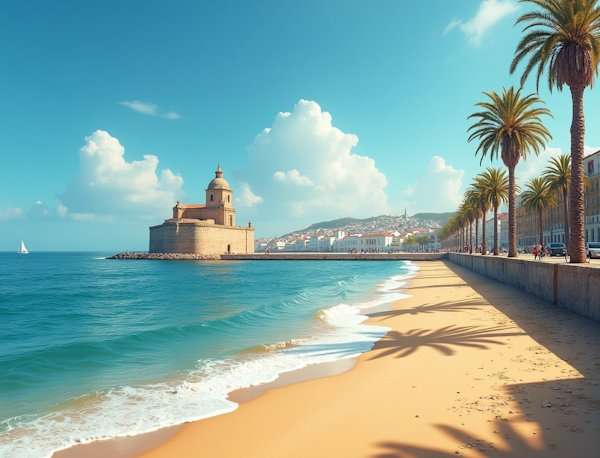
The magic of Cadiz’s hidden coastal treasures comes alive when you time your visit right. Smart travelers can dodge crowds and see these secluded spots at their best by picking the perfect time to visit.
Best Months for Privacy
Late spring and early autumn are perfect to explore Cadiz’s secret beaches. May and June have nice temperatures around 25°C, which makes beach activities enjoyable without summer tourists. September is also great with its comfortable weather and fewer visitors.
Stay away from July and August – they bring scorching heat and big crowds. The beaches are peaceful from October through April, but the weather can be unpredictable.
Ideal Times of Day
The hidden beaches are best early in the morning, before parking spots fill up. You’ll see these secluded spots in their most natural state at dawn.
The area’s unique wind patterns affect your beach experience a lot throughout the day. Beach-goers should check wind forecasts unless they plan to kitesurf. The sunset views are amazing at spots like:
- Calas de Roche – A photographer’s paradise at dusk
- Trafalgar Lighthouse area – Known for its stunning sunset views
- Mojama Beach – Shows off exceptional evening scenes near Playa Sancti Petri
Local Festival Dates to Avoid
The city celebrates many festivals yearly, which bring crowds even to hidden beaches. Here are the main events to think about before you plan:
The famous Cadiz Carnival happens from February 27 to March 3, 2025. It packs the city and drives up hotel prices. Holy Week fills the streets in early April, while the International Puppet Festival brings life to the city twice – in May and December.
Summer brings more celebrations:
- July: Folklore Festival “City of Cadiz”
- August: Carranza Trophy
- September: “Cadiz, Sea of Flavors” Gastronomic Route
Fall features cultural events like the Ibero-American Theater Festival in October and the International Contemporary Dance Festival in November. These events make finding beach access and rooms harder.
The sweet spots for beach visits are between festivals. Mid-May to early June or any time in September give you great weather with smaller crowds. These times let you see Cadiz’s hidden coastal gems at their peaceful best.
Enjoy the landscapes of Spain.
Local Tips for Beach Access
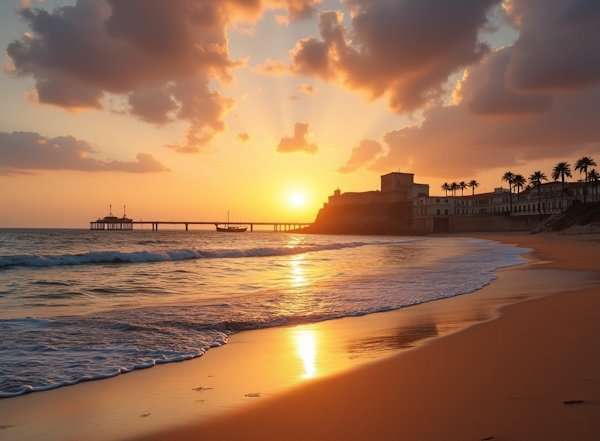
You’ll need local knowledge to find Cadiz’s hidden coastal spots and the best places to park your car. The region’s most beautiful beaches are there for you to enjoy if you know the right trails and understand the tides.
Parking Spots Only Locals Know
Parking near Cadiz’s beaches can be tricky, especially during peak season. The municipal fish market area makes a great starting point and busses run every few minutes. Budget travelers will find free parking spaces at La Punta de San Felipe.
La Viña and El Balón neighborhoods have some free parking spots near the city center. The Extramuros district gives you affordable parking options with good public transport links.
Downtown Cadiz has eleven parking facilities:
- Six underground structures
- Five surface lots
- Total capacity exceeding 4,000 spaces
Rates vary from €1.10 to €4.80 per hour based on where you park. Street parking in blue zones runs daily from 9:30 AM to 9:00 PM. These spots cost €1 per hour and you can stay up to three hours.
Hidden Walking Trails
The most secluded beaches in Cadiz lie at the end of footpaths that wind through beautiful natural settings. Sendero Rio Majaceite offers a shaded 5-kilometer route that leads you through pine forests to hidden coves.
Camino Natural de Rota starts at Playa de la Costilla’s northwestern end and meanders through coastal pine trees. Some beaches are only available on foot, and you’ll need about 30 minutes to walk down to them.
Hidden coves connect through a network of footpaths that are hard to spot from coastal roads. These paths lead to special beaches that appear and disappear with the tides.
Tide Timing Tricks
Safe access to certain beaches depends on understanding the tide patterns. Cadiz sees two tide cycles each day. The changing tide heights substantially affect which beaches you can reach, so timing your visit is vital.
Local swimmers head out early, between 9:00 AM and 11:00 AM. Spring tides create amazing scenes, and recent high tides have reached 3.31 meters.
Key tide-related tips:
- Local websites and apps provide tide forecasts
- Low tide reveals tide pools full of marine life
- Some coves become impossible to reach during high water, so check the tide schedule
Beach features change dramatically between high and low tides. Checking tide tables before you go will help you stay safe and pick the best time for beach activities.
More on dining etiquette in Spain.
Beach Safety and Preservation
Cadiz’s beautiful coastal treasures need both protection and safety measures. These guidelines help visitors stay safe and protect the beaches while learning about natural patterns and protective steps.
Understanding Tide Patterns
The Gulf of Cadiz has dramatic tidal changes that make beach safety a top priority. Strong undercurrents pose risks even to experienced swimmers. The tides can completely submerge some beaches between cliffs.
Visitors should watch for hidden rocks and shallow depths, so they need to:
- Check local tide predictions before beach visits
- Look for flag warning systems
- Swim only in designated zones
- Stay away from river mouths entering the sea
The southeast Levante wind creates tough beach conditions and stirs up sand. The Atlantic’s Poniente wind makes surfing better but brings cooler temperatures, so visitors should pack proper clothing.
Environmental Protection Rules
The Spanish Shores Act, a 1988 law, has limited coastal development successfully. This law splits beaches into ‘Urban’ and ‘Natural’ categories with different preservation rules for each.
Beach preservation rules include:
- No overnight camping
- No motor vehicles allowed
- No unauthorized sporting events
- No littering
- Special zones for water sports activities
The coastline of Cadiz has many different habitats that need protection. New environmental projects protect salt marshes that absorb carbon dioxide ten times faster than mature rainforests. These areas also act as natural shields against rising sea levels and help prevent flooding.
Emergency Contacts
Keep these emergency numbers handy:
- General Emergency: 112
- National Police: 091
- Local Police: 092
- Fire Department/Ambulance: 085
- Red Cross: +34 956 222 222
Hospital Universitario Puerta del Mar is the main medical facility at Avda. Ana de Viya, 2111009 (Tel: +34 956 002 100). Local pharmacies take turns providing 24-hour service throughout the area.
Clear communication helps emergency services work better. Your emergency call should include:
- The exact beach location
- Nature of emergency
- Number of people involved
- Any visible landmarks nearby
Spanish emergency medical services meet high standards and have multilingual staff in tourist areas. Private medical centers on the coast offer 24-hour service with English-speaking staff. The region also has emergency helicopter service for critical cases.
Enjoy the Beaches of Cadiz Spain
Cadiz’s hidden beaches are evidence of Spain’s rich coastal heritage that gives visitors an experience beyond typical tourist spots. These secluded spots blend ancient fishing grounds with pristine coves and let travelers discover authentic Spanish coastal life.
Smart timing and good preparation make any visit successful. The best time to explore these hidden gems is during May, June or September when crowds are thin. Knowledge of tide patterns and local access points helps visitors safely discover these natural wonders.
These quiet beaches blend historical value with natural beauty that needs careful protection through mindful tourism. The pristine state of these hidden coastal paradises will last for future generations when visitors follow local rules and environmental guidelines.
The journey to these beaches needs some extra work but delivers amazing rewards. Visitors who step away from tourist hotspots find crystal-clear waters, ancient stone structures and untouched landscapes that reveal the true spirit of Spain’s oldest city.
FAQs
Q1. What are some of the best hidden beaches near Cadiz?
Some of the best hidden beaches near Cadiz include Playa de los Corrales, known for its ancient fishing grounds, El Cañuelo, a secluded spot favored by locals and Las Canteras Beach, famous for its natural rock pools.
Q2. When is the best time to visit Cadiz’s secret beaches?
The best time to visit Cadiz’s secret beaches is during late spring (May-June) and early autumn (September). These months offer pleasant temperatures and fewer crowds, allowing for a more peaceful beach experience.
Q3. Are there any local tips for accessing hidden beaches in Cadiz?
Yes, locals recommend arriving early in the morning to secure parking spots, exploring hidden walking trails that lead to secluded coves and checking tide schedules as some beaches are only accessible during certain tide conditions.
Q4. What safety precautions should visitors take when exploring Cadiz’s hidden beaches?
Visitors should be aware of tide patterns and strong currents, observe flag warning systems, stay within designated swimming zones and avoid swimming near river mouths. It’s also crucial to check local tide predictions before visiting beaches.
Q5. How can tourists help preserve Cadiz’s hidden beaches?
Tourists can help preserve Cadiz’s hidden beaches by following environmental protection rules, such as not camping overnight, avoiding littering, respecting designated zones for water sports and adhering to local regulations designed to protect these pristine coastal areas.




Leave A Comment