
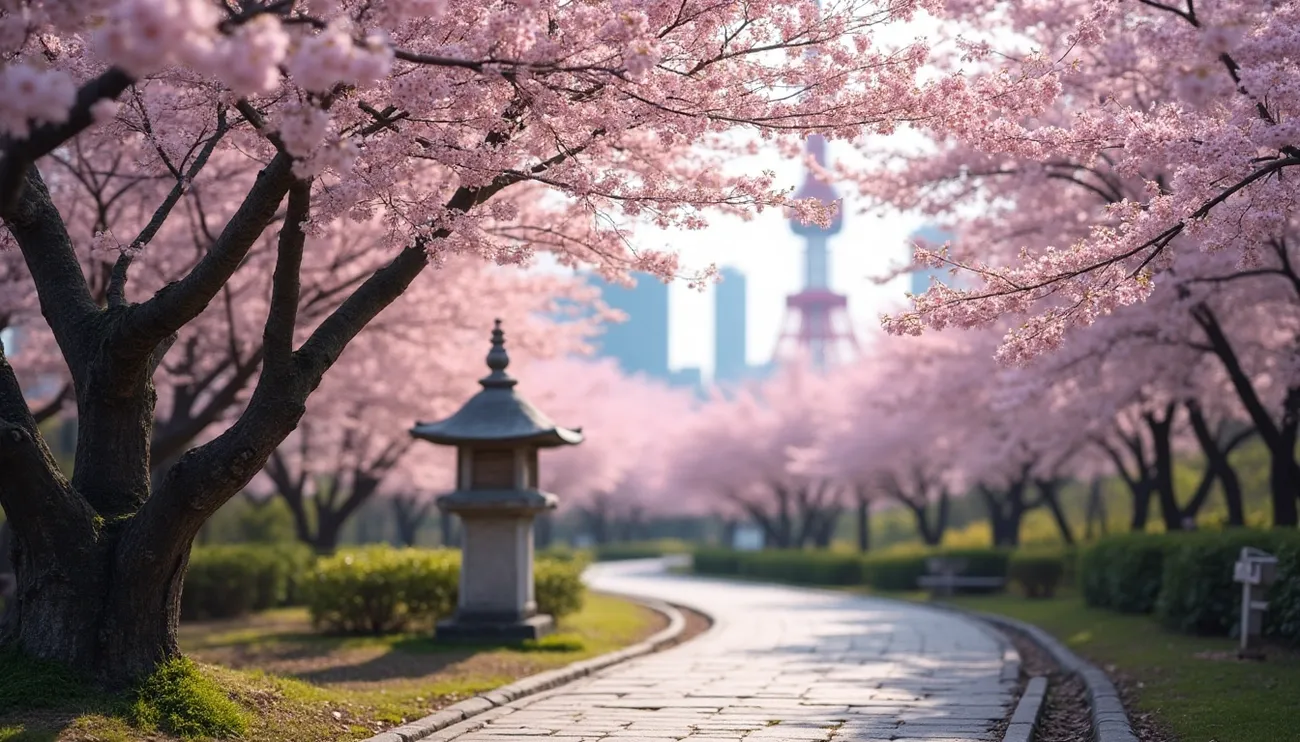
Tokyo’s cherry blossoms fascinate visitors with their stunning yet fleeting beauty. These delicate flowers last just two weeks before their petals drift away on spring breezes. The iconic flowers will begin blooming on March 22 in 2026, and reach full bloom around March 30.
Tokyo offers spectacular viewing spots throughout the cherry blossom season. Shinjuku Gyoen and Ueno Park stand out as popular destinations with more than 1,000 sakura trees each. The Nakameguro Cherry Blossom Festival adds to the city’s charm with about 800 trees that line a 3.8-kilometer canal. Perfect timing is a vital part of the experience since trees transition from first bloom to full bloom in seven to ten days.
This piece helps you find the best spots and times to see cherry blossoms in Tokyo and reveals local secrets to avoid crowds. You’ll learn about everything from famous parks to hidden spots, along with practical tips and cultural insights to make your cherry blossom experience in Tokyo 2026 memorable.
Understanding the Cherry Blossom Season in Tokyo
Cherry blossoms (sakura) in Japan mean so much more than beautiful flowers. These delicate pink blooms have shaped Japan’s national identity for over a thousand years. They’ve created an array of traditions that make Tokyo’s cherry blossom season exceptional.
Cultural Significance of Sakura in Japan
Japanese culture places deep symbolic meaning in the sakura. The blossoms represent “mono no aware” – understanding life’s temporary nature and finding beauty in fleeting moments. Sakura trees bloom magnificently for just two weeks before their petals fall. This brief display reminds us that life is beautiful despite its short duration.
Cherry blossoms have connected with many aspects of Japanese identity through time. Samurai warriors saw these flowers as mirrors of their own lives – short but vibrant. The blossoms embodied their bushido code’s values of honor, discipline and fearlessness. Falling cherry petals became symbols of samurai’s brief lives, beautifully representing mortality and sacrifice.
Religious significance runs deep in sakura’s roots. Shinto traditions believed cherry trees housed mountain deities who became rice paddy gods. Buddhist teachings saw these blossoms as physical proof of life’s temporary nature.
Hanami (flower viewing) stands as the most cherished cherry blossom tradition. This custom started a thousand years ago when imperial court members wrote poetry and enjoyed picnics under blooming trees. Modern hanami brings people together. Friends, families and coworkers gather to celebrate under pink petals each spring.
Why Tokyo is a Top Destination for Cherry Blossoms
Tokyo leads the world as the ultimate place to experience sakura season. This modern city of skyscrapers and technology offers countless cherry trees across its neighborhoods, parks and waterways.
The city comes alive with unique energy during bloom season. People track the “sakura front” forecasts on national TV with excitement you won’t find anywhere else. These blooms align with major life changes in Japanese society – new fiscal and school years begin. This timing creates a atmosphere of endings and fresh starts.
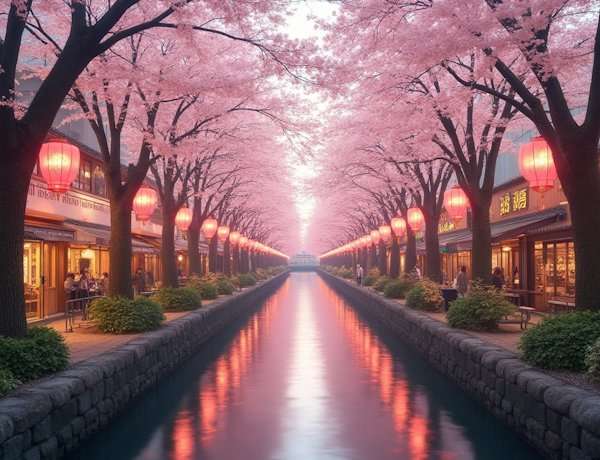
The city blends old and new cherry blossom experiences perfectly. Ueno Park showcases historic trees from the 17th century, planted during Tokugawa Iemitsu’s time as the third shogun. Modern areas like Nakameguro turn their canal into a contemporary celebration with lantern-lit evening viewings called yozakura.
Cherry blossom festivals bring huge crowds together. Thousands share unforgettable moments appreciating nature’s brief but beautiful display. Tokyo offers endless ways to join this cultural celebration, from daylight picnics to evening light shows. These events unite locals and visitors in a unique experience.
When Are Cherry Blossoms in Tokyo in 2026?
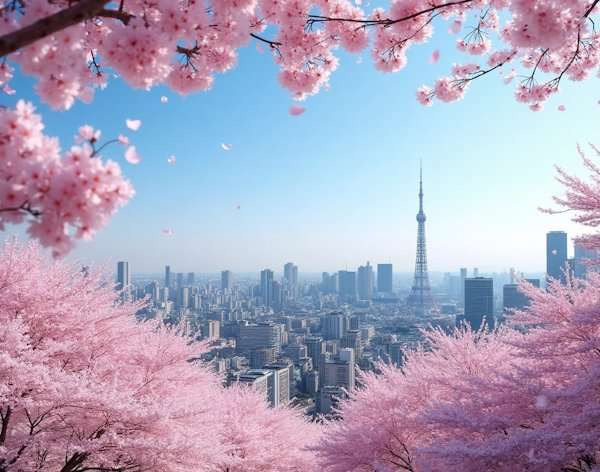
The perfect cherry blossom viewing experience depends on getting the timing right. The latest official forecasts for 2026 show Tokyo’s iconic sakura trees will bloom according to a schedule that nature enthusiasts can plan around.
2026 Forecast Dates for Bloom and Full Bloom
The Japan Meteorological Corporation’s final forecast shows Tokyo’s cherry blossoms will begin flowering on March 24, 2026. These beautiful trees should reach full bloom by March 30. The timing lines up with Tokyo’s historical average flowering date and shows typical patterns. Full bloom will likely arrive one day earlier than usual.
Travelers planning a Tokyo cherry blossom trip have about a two-week window to catch the spectacle. The flowers need about a week to reach full bloom after they start opening. They stay at their peak beauty for another week.
The 2026 cherry blossom “front” moves north across Japan in a steady pattern. Tokyo sees its blooms in late March. Kyoto and Osaka’s first flowers appear around March 27-28. People heading north can see later blooms in Sendai (April 4), Aomori (April 17), and Sapporo (April 23-25).
How Weather Affects Bloom Timing
Weather plays a big role in when cherry blossoms appear. The flowering dates depend on temperature patterns from the previous autumn. Japan Meteorological Corporation’s experts predict bloom timing by looking at several factors. These include autumn and winter temperatures, tree growth and accumulated warmth.
Warm temperatures usually make spring blooms appear earlier. This explains why cherry trees now flower approximately two weeks earlier than 50-60 years ago because of climate change. Strangely enough, very warm winters can delay flowering instead of speeding it up.
This happens because cherry trees need enough cold weather during winter months to bloom properly when spring arrives. Trees that don’t get enough cold exposure bloom late, produce fewer flowers and act strangely. Last year showed this perfectly – cooler temperatures in early spring made flowers bloom several weeks later than expected.
Flexibility helps when planning a 2026 trip. Weather forecasts become more accurate closer to spring, with weekly updates coming out as March gets closer.
Early and Late Blooming Varieties to Watch
The iconic Somei Yoshino variety fills Tokyo’s parks, but smart travelers can see cherry blossoms longer by finding early and late-blooming trees.
Early birds should look for Kawazu Sakura, which starts flowering in mid-February. These early bloomers give a beautiful preview of what’s coming.
Mid-to-late April visitors can still see amazing blossoms. Yaezakura—cherry trees with more than five petals per flower—start blooming just as the main varieties finish. These multi-layered pink flowers create a second wave of beauty across Tokyo from mid-April onward.
Some special varieties bloom during winter. These rare trees add to Tokyo’s famous spring-flowering cherry blossoms.
A successful 2026 cherry blossom trip needs some flexibility. Even if you arrive before or after peak bloom, Tokyo gives you many chances to see these magical flowers. You can watch their whole life cycle—from tight buds until petals float through the air like spring snow.
Try Spring in France.
Top 5 Famous Spots to See Cherry Blossoms in Tokyo
Cherry blossoms paint Tokyo in stunning shades of pink and white during sakura season. Here are five amazing spots that locals and tourists love to see these beautiful blooms.
Shinjuku Gyoen National Garden
Shinjuku Gyoen is a cherry blossom paradise that showcases over 1,500 trees from more than 70 varieties. You can enjoy the longest viewing window in Tokyo as different species bloom one after another from late March through April. The garden’s layout gives visitors plenty of space, making it perfect to enjoy hanami without the usual crowds.
You’ll need to book online to visit on weekends during the season and there’s a 500 yen entry fee. A local tip: skip the busy Shinjuku entrance and head over to the Sendagaya or Okido gates.
Ueno Park
Ueno Park attracts huge crowds with its collection of approximately 1,200 cherry trees. These trees have an amazing history that goes back 400 years to when a priest named Tenkai brought saplings from Mt. Yoshino. The park comes alive during bloom season with 800 lanterns that light up the blossoms after dark.
The main path creates a beautiful pink canopy that inspired the famous poet Matsuo Basho to write a haiku. The 2026 illuminations will run from March 15 to April 6, 5 p.m. to 9 p.m.
Chidorigafuchi Moat
The Imperial Palace moat at Chidorigafuchi offers Tokyo’s most romantic cherry blossom views. A 700-meter walkway becomes a magical tunnel of sakura with 260 Somei-yoshino and yamazakura trees.
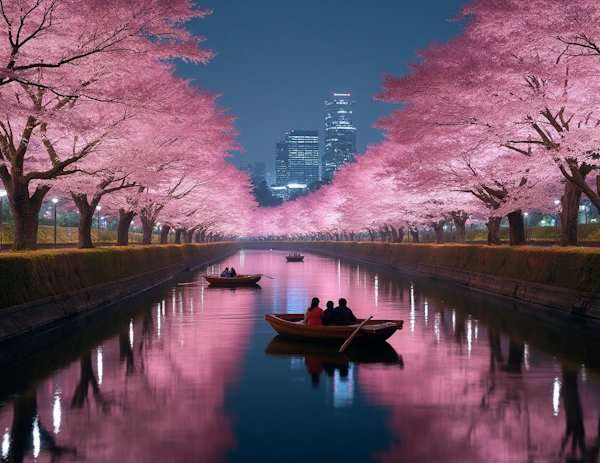
The Chiyoda Sakura Festival lights up the trees after sunset, creating beautiful reflections on the water. Couples love to rent rowboats to see the glowing blossoms from the water.
Nakameguro Canal
The canal in Nakameguro features 800 cherry trees that create a gorgeous 3.8-kilometer pink arch. This trendy area looks magical at night when pink lanterns light up the water.
Food vendors set up stalls along the walkway to sell seasonal treats and sakura-themed drinks. The 2025 Nakameguro River Cherry Blossom Festival will light up the area from 5 p.m. to 8 p.m. and special shows will take place near Naka-Meguro Station on March 29-30.
Sumida Park
Sumida Park features 510 cherry trees along the river with Tokyo Skytree standing tall in the background. People have been coming here to see cherry blossoms since the Edo period (1603-1867).
Beyond traditional hanami picnics, you can see the blossoms from the water on a yakatabune pleasure boat or Tokyo Water Bus cruise. The festival lights up the area from 6:30 p.m. to 9 p.m., creating spectacular evening views.
More Spring cities to explore.
Hidden Gems Only Locals Know

Tokyo has amazing cherry blossom spots beyond the tourist hotspots. These quiet places let locals enjoy sakura away from the crowds.
Kanda River Near Waseda
A magical sakura experience awaits at the Kanda River. The 2-kilometer path from Edogawabashi Station to Omokagebashi creates a stunning cherry blossom tunnel that tourists rarely discover. The area’s peaceful atmosphere draws locals who can take quiet walks under the blossoms, even during festival season. This spot ranked among Tokyo’s best cherry blossom viewing locations before the 1900s.
Aoyama Cemetery
This peaceful cemetery stands as a quiet retreat in busy Tokyo. The main path stretches almost 800 meters with about 500 Yoshino cherry trees that create a beautiful pink canopy in spring. You won’t find noisy hanami parties here. The cemetery attracts early morning walkers, photographers and people who want some quiet time. The spot sits just minutes from Nogizaka, Aoyama-Itchome and Gaienmae stations, and beautifully balances sakura’s beauty with the cemetery’s dignity.
Kinuta Park in Setagaya
Kinuta Park, once a golf course, now showcases 930 cherry trees. The collection includes Someiyoshino, Yamazakura, Yaezakura and the unique Oshima Cherry. Families love this 96-acre space because they can enjoy hanami without the usual crowds. The park sits a 10-minute walk from Yoga Station and offers playgrounds, sports fields and the Setagaya Art Museum for a complete day out.
Tamagawa River walk
The Tamagawa River provides a peaceful cherry blossom experience with over 500 trees along a 2-3 kilometer stretch. Fussa City’s section stands out with trees that arch over the river, creating perfect photo spots. The annual Sakura Matsuri Festival lights up 2 kilometers of trees near Myojin Koen Park at night from late March to early April. Green spaces along the river show you real Tokyo suburban life.
Meiji Dori and Sakura Dori in Shibuya
Shibuya holds a convenient cherry blossom secret. Cherry trees line both sides of Meiji-dori Avenue from Hiroo through Ebisu to Shibuya. A hidden gem waits just minutes from JR Shibuya Station – a street filled with cherry blossoms perfect for shopping and dining breaks. Bridges offer great spots for aerial photos, while bus stops provide dramatic street-level shots under blooming trees. Sakura Dori lives up to its name with more cherry blossoms just steps from Shibuya’s famous crossing.
Tips for the Perfect Hanami Experience
You’ll need smart planning and cultural know-how to experience hanami like a local. These insider tips will help you make the most of your Tokyo cherry blossom adventure, from getting the best viewing spots to following local customs.
How to Claim a Good Picnic Spot
Getting an ideal hanami spot just needs quick action. Popular parks fill up fast, so arrive before 8 AM to find space. Some dedicated locals show up at 5 AM or camp overnight to get the best spots. Once you pick your spot, lay down a blue tarp – that’s how everyone marks their hanami area. Junior employees often guard company spots until their coworkers arrive. Just take the space you’ll actually use – grabbing too much area isn’t cool.
What to Bring for a Hanami Party
A good hanami kit will make your day better:
- A picnic blanket or tarp (blue is traditional) for seating
- Warm clothes and blankets (spring evenings are cold)
- Food and drinks (bento boxes, onigiri, and seasonal treats)
- Garbage bags to sort recyclables and waste
- Disposable plates, cups, and utensils
Parks usually don’t stock paper towels in restrooms, so wet tissues are a great way to clean up. Bringing toilet paper is smart too since public facilities run out quickly during busy times. A small unique item can help friends spot your group in the sea of blue tarps.
Best Times of Day to Avoid Crowds
Parks are quiet at 8 AM—even the busy Shinjuku Gyoen feels peaceful then. Weekday mornings see fewer people than weekends. The busiest time at popular spots is between 11 AM and 3 PM. Night visits offer something special with lit-up trees and a magical feel.
Nighttime Illuminations Worth Seeing
Yozakura (nighttime cherry blossom viewing) changes everything. Chidorigafuchi Park’s 260 lit trees create stunning reflections on the moat and you can rent rowboats until 8 PM. Nakameguro’s 800 trees glow with pink lanterns from 5 PM to 8 PM along the canal. Rikugien Garden offers a quieter evening view with its amazing weeping cherry tree that seems to float in the dark.
Respecting Local Etiquette and Cleanup
Local customs keep this tradition special. Take off your shoes before stepping on shared blankets. Keep noise down and don’t touch or shake the trees. Clean your area well before leaving since parks have limited trash facilities. Sort your waste into burnable, non-burnable and recyclable items. If bins are full, take your trash home. This respect helps keep these beautiful spaces nice for everyone.
Experiencing Cherry Blossoms in Tokyo: A Life-Changing Experience
Cherry blossom season in Tokyo means so much more than just nature’s show. It brings together old traditions and modern celebrations in perfect harmony. The 2026 forecast gives visitors a great chance to see this fleeting beauty, with blooms expected to begin around March 24 and peak by March 30.
Smart planning helps visitors discover both famous spots and hidden gems across the city. Ueno Park and Nakameguro Canal get pretty crowded, but their unmatched sakura views make them worth visiting. Notwithstanding that, quiet spots like Aoyama Cemetery or the Tamagawa River let you enjoy hanami away from the tourist crowds, just like locals do.
Weather plays a significant role in when the flowers bloom, so keeping your schedule flexible is key. On top of that, learning about different sakura tree varieties can help you see blossoms outside the usual two-week window. This way, early or late arrivals won’t miss out on these iconic flowers’ magic.
The best hanami just needs good planning and respect for traditions. Getting there early, bringing the right picnic gear, and following local customs turns simple flower viewing into real cultural immersion. Night-time light shows give you a different view of these beautiful blossoms.
Cherry blossom season captures Japan’s “mono no aware” – that sweet sadness of things that don’t last forever. These delicate petals put on an amazing show and float away days later, but visitors’ memories last way longer than the blooms. Tokyo’s sakura season becomes more than a trip – it’s a deep connection to centuries of Japanese tradition through nature’s brief but beautiful display.
FAQs
Q1. When is the best time to see cherry blossoms in Tokyo in 2025?
According to forecasts, cherry blossoms in Tokyo are expected to start blooming around March 24, 2025, with full bloom likely occurring around March 30. The best viewing period typically lasts about two weeks from the start of blooming.
Q2. What are some popular spots to view cherry blossoms in Tokyo?
Some of the most famous cherry blossom viewing spots in Tokyo include Shinjuku Gyoen National Garden, Ueno Park, Chidorigafuchi Moat, Nakameguro Canal and Sumida Park. These locations offer stunning displays of sakura trees and often host special events during the blooming season.
Q3. Are there any less crowded places to enjoy cherry blossoms in Tokyo?
Yes, there are several lesser-known spots favored by locals. These include the Kanda River near Waseda, Aoyama Cemetery, Kinuta Park in Setagaya, the Tamagawa River walk and cherry tree-lined streets in Shibuya like Meiji Dori and Sakura Dori.
Q4. What should I bring to a hanami (cherry blossom viewing) picnic?
For a successful hanami, bring a picnic blanket or blue tarp, warm clothes, food and drinks, garbage bags for sorting waste, disposable plates and utensils, wet tissues and toilet paper. It’s also a good idea to pack a small landmark item to help friends find your spot in crowded parks.
Q5. Are there opportunities to view cherry blossoms at night in Tokyo?
Yes, many locations offer nighttime cherry blossom viewing, known as yozakura. Popular spots for illuminated cherry blossoms include Chidorigafuchi Park, Nakameguro Canal and Rikugien Garden. These nighttime displays create a magical atmosphere with trees beautifully lit against the dark sky.







Leave A Comment