
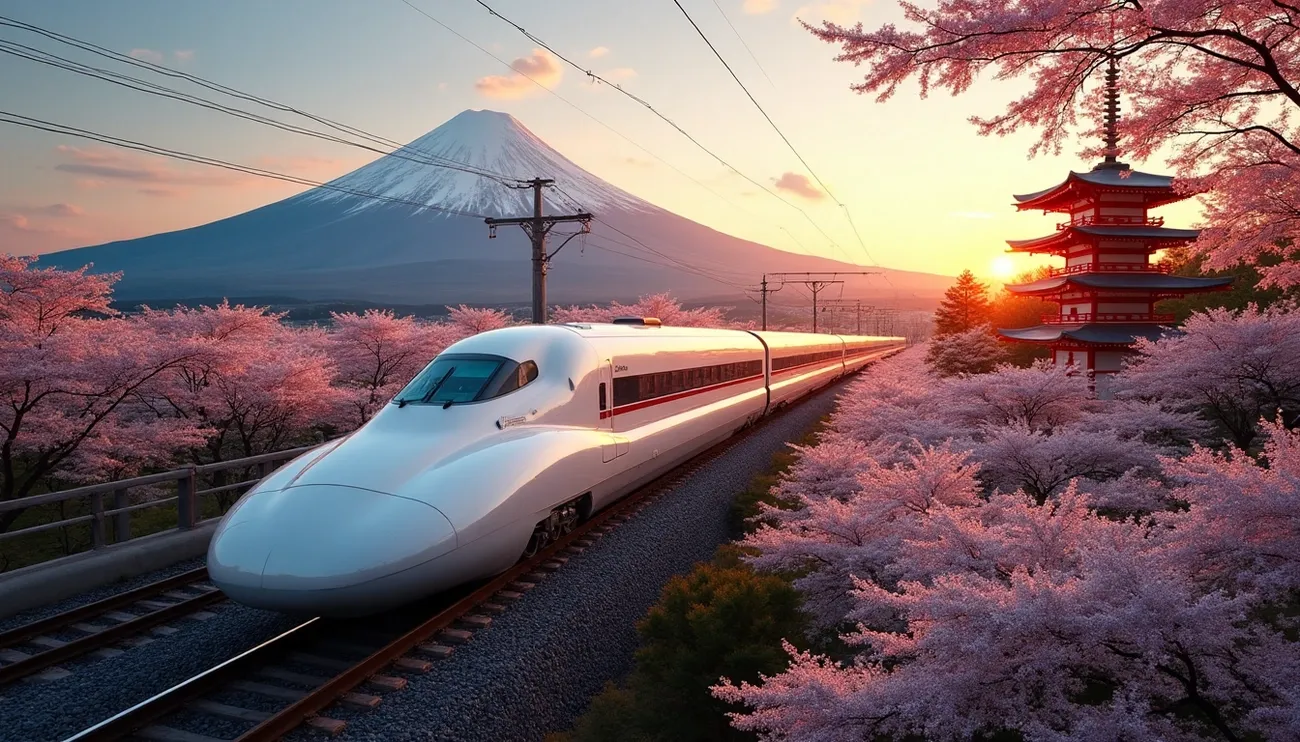
Japan ranks among the world’s hottest travel spots and planning the right itinerary matters more than ever. T he country welcomed nearly 40 million international visitors last year and tourism has surged since the country reopened in 2022. New visitors should plan at least 10 days to see the main attractions in major cities.
American travelers can stretch their dollars further in Japan thanks to a favorable exchange rate with the yen. The popular Golden Route connects Tokyo, Kyoto, Osaka and Nara through Japan’s quick and reliable rail system. This piece gives you a tested Japan travel itinerary with local tips about the best spots for first-time visitors. You’ll learn how to use the bullet train that connects Tokyo and Kyoto in just 2 hours and 20 minutes and experience traditional culture in historic towns. This Japan trip itinerary will help you make the most of your 2025 visit.
How to Plan Your Japan Trip Itinerary in 2025
Planning your dream Japan trip revolves around three essential factors: timing, duration and entry requirements. A well-laid-out plan for these elements will help you experience this amazing country at its best.
Best Time to Visit Japan
Spring (March to May) and autumn (September to November) stand out as the best times to visit Japan. These seasons bring comfortable temperatures between 5°C to 25°C (40°F to 77°F) and showcase the country’s most beautiful natural scenery.
Japan’s iconic cherry blossoms reach full bloom from late March to early April (March 24th to April 2nd). You might want to visit the week before full bloom (around March 16th to 23rd) to avoid the biggest crowds. Hokkaido gives you another option with its later cherry blossom season from mid to late April.
The autumn months paint the landscape with stunning fall colors. Temperatures cool gradually from 20-25°C (68-77°F) in September to 14-18°C (57-64°F) by November. This season draws fewer visitors than spring, which makes it perfect to explore popular destinations.
Your 2025 trip should take these busy periods into account:
- Golden Week (April 29-May 5)
- Obon Festival (mid-August)
- Silver Week (mid-September)
- New Year holidays (late December to January 3)
- Osaka Expo 2025 (April 13-October 13)
Winter months (December to February) offer the best deals with daily highs around 10°C (50°F), except during Christmas and New Year celebrations.
How Many Days to Spend
First-time visitors should plan for 10-14 days to really experience Japan’s diverse attractions. Three weeks gives you the ideal amount of time.
Here’s what you can do within different timeframes:
- 1 week (7 days): See the highlights in Tokyo, Kyoto, Hakone (with Mount Fuji views) and possibly Osaka. This schedule works but keeps you moving quickly.
- 2 weeks (10-14 days): Most travelers find this length perfect. You can explore major cities at a relaxed pace and add places like Nara and Hiroshima to your schedule.
- 3 weeks (21 days): This timeframe lets you blend popular spots with lesser-known gems, creating a detailed Japan experience.
Whatever your trip length, you’ll need to pick your activities carefully. Japan has so much to offer that you can’t see everything in one visit, especially as a first-timer.
Visa and Entry Requirements
Tourists from 71 visa-exempt countries (including the US, UK, Australia and Canada) can stay in Japan for up to 90 days without a visa. Your passport must stay valid throughout your visit and you need proof of onward travel.
The year 2025 brings several new entry requirements:
- Health insurance requirement: Japan will require all tourists to have private health insurance. This helps address unpaid medical bills from foreign visitors, which reached about USD 5.63 million in fiscal 2022.
- Electronic travel authorization: Japan’s electronic system will launch earlier than the original 2030 target. This affects travelers from all 71 visa-exempt countries.
- Visa Center: A new Visa Center opens in April 2025 to streamline processes for visa applications.
Visa processing usually takes 5 business days, though some visa types might need over a month. Officials suggest applying about 1.5 months before departure.
All visitors must provide fingerprints and photos upon arrival, except those with diplomatic visas, minors or certain military personnel on official orders.
Immigration officers might deny entry if you can’t prove you have enough money to support your stay.
Getting Around Japan: Transportation Tips for First-Timers

Japan’s transportation system becomes simple once you know the simple rules. Trains, busses and subways create a vast network that makes the country available to tourists in 2025. You don’t even need to know Japanese.
Using the Japan Rail Pass (JR Pass)
The Japan Rail Pass stands out as one of the most economical solutions for long-distance travel in Japan. Foreign visitors with a “temporary visitor” stamp on their passport can get this pass. It provides unlimited access to JR trains nationwide, including most Shinkansen (bullet trains), JR busses and ferries.
The JR Pass comes in three duration options:
- 7-day pass: 50,000 yen (ordinary) or 70,000 yen (green/first-class)
- 14-day pass: 80,000 yen (ordinary) or 110,000 yen (green/first-class)
- 21-day pass: 100,000 yen (ordinary) or 140,000 yen (green/first-class)
You’ll need to buy an exchange order before coming to Japan through authorized sales outlets or online. The next step involves exchanging this voucher for the actual pass at a JR Exchange Office within 90 days of purchase. The pass activation allows you to select a starting date within 30 days of exchange.
The JR Pass now covers Nozomi and Mizuho Shinkansen trains partially with a subsidized complementary ticket. You should check if the pass makes financial sense for your specific itinerary. Regional passes might offer better value based on your travel plans.
IC Cards and Local Transport
IC cards make city travel a breeze. These rechargeable prepaid cards let you tap in and out of trains and busses. You can even pay at convenience stores and vending machines with them.
The ten major compatible IC cards as of March 2025 include:
- Suica (JR East – Tokyo, Niigata, Sendai regions)
- Pasmo (Tokyo’s non-JR railways, subways, busses)
- Icoca (JR West – Kansai, Chugoku, Hokuriku)
- Toica (JR Central – Nagoya, parts of Shizuoka)
- Manaca (Nagoya’s non-JR transport)
- Kitaca (JR Hokkaido – Sapporo region)
- Sugoca (JR Kyushu)
- Nimoca (Nishitetsu – Fukuoka)
- Hayakaken (Fukuoka Subway)
- Pitapa (postpaid card, unavailable to tourists)
These cards cost approximately 2,000 yen initially, with a 500 yen refundable deposit and 1,500 yen credit. Major stations’ ticket machines or counters sell these cards. They work on almost all trains, subways and busses in Japan’s major cities.
iPhone users can add digital versions of Suica, Pasmo, and Icoca to Apple Pay. Travelers in 2025 should know that personalized Suica and Pasmo card sales started again in September 2024. Chip shortages still affect anonymous cards. “Welcome Suica” and “Pasmo Passport” tourist cards last only 28 days without refund options.
Luggage Forwarding and Lockers
Japan’s crowded stations can be tough to navigate with heavy luggage. The country offers great solutions to this common challenge.
Takuhaibin (luggage forwarding) services like Yamato Transport ship your bags to your next destination. This freedom lets you explore without burden. A regular suitcase costs about 2,000-3,000 yen from Tokyo to Kyoto. Drop your luggage at airports, major train stations, convenience stores or hotels. It usually arrives at your destination the next day. Delivery to remote spots like Hokkaido or Okinawa might take up to two days.
Coin lockers serve as another option at almost all train stations and airports. They come in these sizes:
- Small (300-400 yen/day): 35cm × 34cm × 57cm
- Medium (400-500 yen/day): 57cm × 34cm × 57cm
- Large (500-800 yen/day): 117cm × 34cm × 57cm
Calendar days determine rental fees, not 24-hour periods. You can store items for 3-4 days maximum. Coin Locker Navi or ecbo cloak app helps find available lockers and storage at shops across Japan.
Smart combination of these transport options helps first-time visitors create an amazing Japan itinerary. You can focus on sightseeing instead of worrying about logistics.
Days 1–3: Tokyo – The Perfect Start to Your Japan Travel Itinerary
Tokyo makes the perfect starting point for any Japan trip with its mix of old-world charm and state-of-the-art innovation. Each neighborhood in this metropolis reveals a unique side of Japanese life. First-time travelers can see Tokyo’s best spots in three days without rushing.
Top Neighborhoods to Explore
Shinjuku buzzes as Tokyo’s beating heart, where over 3.6 million people pass through its station each day. This western hub has everything from big department stores to lively nightlife spots in Golden Gai and Omoide Yokocho. Shinjuku Gyoen National Garden offers a quiet break from the city buzz for just 500 JPY.
Shibuya fascinates everyone with its famous scramble crossing, where 3,000 people cross at once during green lights. The area has grown beyond this iconic sight with new spots like Scramble Square and its stunning Shibuya Sky deck.
Asakusa keeps old Tokyo alive around the 7th-century Sensō-ji Temple—Tokyo’s oldest Buddhist temple. The Nakamise shopping street leads to the temple with local crafts and food stalls that show what old Tokyo was like.
Harajuku and Omotesando bring Japanese youth culture to life. Takeshita-dori fills with trendy shops and bright displays, while Meiji-jingu Shrine and Yoyogi Park next door give you peaceful green spaces.
Tokyo Station/Ginza blends high-end shopping with history. You’ll find cultural spots like the Imperial Palace East Gardens and the beautiful Tokyo Station alongside fancy stores and boutiques.
Must-visit Attractions in Tokyo
These spots should top your Tokyo list:
- Meiji-jingu Shrine – Start your day early at this peaceful forest shrine
- Shibuya Crossing – See Tokyo’s busiest intersection during morning rush hour
- Senso-ji Temple – Walk through Tokyo’s oldest temple grounds in Asakusa
- Tokyo Metropolitan Government Building – Get free city views and spot Mt. Fuji on clear days
- TeamLab Planets/Borderless – Step into amazing digital art spaces
- Tsukiji Outer Market – Try fresh seafood and Japanese food early morning
Your three-day trip works best when planned by area: western Tokyo (Harajuku, Shibuya, Shinjuku) comes first, eastern Tokyo (Asakusa, Ueno) follows and central Tokyo (Imperial Palace, Tokyo Station) wraps it up. This saves time between spots.
Where to Stay in Tokyo
The right neighborhood can make your Tokyo trip better. Staying near major train stations helps you see more of the city.
Shinjuku has great places for any budget. Park Hyatt Tokyo (opening again October 2025) sits at the top end, while Citadines Central Shinjuku Tokyo fits mid-range budgets. The area works well for both city trips and day tours.
Shibuya puts you right in Tokyo’s youth scene. Cerulean Tower Tokyo gives you luxury with views. Budget travelers might like The Millennials Shibuya or JR-East Hotel Mets Shibuya near the station.
Tokyo Station/Marunouchi has some of Tokyo’s best hotels. HOSHINOYA Tokyo gives you a luxury ryokan stay, while Daiwa Roynet Hotel Tokyo Kyobashi works for mid-range budgets.
Asakusa welcomes budget travelers with many hostels and ryokans. Ryokan Sawanoya gives you a real Japanese stay with friendly service.
Hotel rooms in Tokyo usually measure 11-17 square meters—much smaller than Western rooms. Non-smokers should ask for rooms on non-smoking floors.
Day 4–5: Hakone or Mount Fuji – Nature and Onsen Escape

The bustling energy of Tokyo makes a perfect match with a peaceful getaway to Mount Fuji’s surroundings. Days 4-5 give you a chance to soak in natural beauty and traditional Japanese culture through relaxing onsen baths.
Choosing Between Hakone and Fuji Five Lakes
First-time travelers to Japan need to make a choice: Hakone or Fuji Five Lakes? Both places come with their own special features.
Hakone packs many attractions into a compact area. You’ll find forests, mountains, hot springs, and a volcanic valley where they boil the famous black eggs of Owakudani. The area also lets you hop between five different ways to get around—trains, busses, ropeways, cable cars and sightseeing boats.
Fuji Five Lakes, with Lake Kawaguchiko at its heart, shows off better and closer views of Mount Fuji. Clear days reward you with stunning views of Japan’s famous mountain mirrored in pristine lakes. Lake Kawaguchiko stands out as the most developed lake, making it your best spot to start exploring.
Mount Fuji fans should head to Fuji Five Lakes for the best views. Hakone shines with its hot springs’ quality and variety. Many travelers say Hakone’s hot springs beat those in Fuji Five Lakes for their beauty and easy access.
How to Get There From Tokyo
To Hakone:
Jump on the “Romance Car” limited express train from Tokyo’s Shinjuku Station to reach Hakone-Yumoto Station in about 85 minutes for 2,470 yen. A cheaper option takes two hours on slower express trains with a switch at Odawara, costing 1,270 yen.
JR Pass holders can take the Tokaido Shinkansen to Odawara Station (30 minutes from Tokyo) and catch a local Odakyu train for the last 15 minutes to Hakone-Yumoto.
The Hakone Free Pass helps first-timers with round-trip transport from Tokyo and unlimited rides on Hakone’s transport network.
To Fuji Five Lakes:
The Fuji Excursion limited express train takes you from Shinjuku to Kawaguchiko in 2 hours for 1,600 yen. Another route combines the JR Chuo line to Otsuki with the Fujikyu Railway Line to Kawaguchiko, taking about 2.5 hours for 2,400 yen.
Highway busses run from Shinjuku, Shibuya, or Tokyo Station to Kawaguchiko in about 2 hours, with tickets around 2,000 yen.
Best Onsen Experiences
Nothing beats soaking in a hot spring while looking at Mount Fuji. Several amazing places let you do just that.
Hotel Green Plaza Hakone in Sengokuhara lets guests take in Lake Ashinoko and Mount Fuji from their elegant open-air bath.
La Vista Fuji-Kawaguchiko shows off Mount Fuji from almost everywhere—rooms, lobby, public baths and restaurants. You can try four different baths (stone, brick, tile, and bamboo) any time of day.
Konansou in Kawaguchiko has a rooftop footbath where you can warm your feet while taking in Mount Fuji and Lake Kawaguchi views.
Local experts say Mount Fuji looks clearest from October to February, especially around 8:00 a.m. when the air feels crisp. Summer months from June to August often bring hazier views.
Japanese people believe an onsen soak after seeing Mount Fuji completes the experience—it’s almost as important as seeing the mountain itself. This healing tradition helps tired muscles while letting you become part of Japan’s cherished hot spring culture.
Days 6–7: Kyoto – Temples, Culture and Tradition

Kyoto stands as Japan’s spiritual heart. The city has 1,600 Buddhist temples and 400 Shinto shrines packed into a compact area. Your Japan itinerary’s days 6-7 let you soak in the country’s rich cultural heritage after seeing Tokyo’s modern side and Hakone’s natural wonders.
Top Temples and Shrines to Visit
You’ll need a smart plan to see Kyoto’s highlights since two days won’t cover everything. Here are the must-visit temples that show off the city’s unique architectural styles:
- Kinkaku-ji (Golden Pavilion) – This UNESCO World Heritage site shows off a beautiful gold-leaf covered pavilion mirrored in a pond. The building goes back to the 14th century when it was part of shogun Ashikaga Yoshimitsu’s villa. You’ll pay ¥500 (about USD 3.00) to enter.
- Kiyomizu-dera – The temple’s 13m-high wooden veranda gives you amazing city views. This 1200-year-old temple complex has the impressive Niō-mon gate and a shrine where people seek luck in love. Entry costs ¥400 (about USD 2.60).
- Fushimi Inari Taisha – Thousands of vermilion torii gates lead you up Mount Inari. This shrine honors the god of rice and prosperity. It dates to the early 700s and stays open 24 hours with no entry fee. Head there early to beat the crowds.
- Tenryu-ji – You’ll find this UNESCO site in Arashiyama. It has one of Japan’s oldest celebrated landscape gardens from 1339. The garden looks stunning during morning walks among cherry blossoms or autumn maples.
You might want to check out Chion-in Temple with its grand buildings and Nanzen-ji’s sprawling grounds and tiger garden. Many first-timers take the Southern Higashiyama and Arashiyama route to see the best temples.
Cultural Experiences to Try
Kyoto offers more than temple visits. You can dive into centuries-old traditions through authentic cultural experiences:
A ryokan stay gives you a real taste of Japanese life. These traditional inns feature tatami floors, futon beds, and amazing service. Many serve kaiseki dinners – Japanese haute cuisine that brings out the best seasonal ingredients.
Tea ceremonies show you a precise art form that captures Japanese ideas of harmony, respect and peace. Book these experiences ahead of time.
Art lovers can learn Japanese calligraphy (shodo) or try ikebana (flower arrangement). These hands-on activities help you understand Japanese esthetic principles better.
Where to Stay in Kyoto
The right neighborhood makes your Kyoto visit special:
Gion and Southern Higashiyama bring the most authentic feel with historic streets near major temples. This geisha district shows off traditional architecture. You might spot geiko (Kyoto’s geisha) heading to evening appointments. Hotels like The Celestine Gion mix Japanese style with Western comfort.
Downtown Kyoto sits across the river from Higashiyama. It has modern shops at department stores and Nishiki Market. You’ll find plenty of restaurants here and Southern Higashiyama’s attractions are just a walk away.
Northern Higashiyama draws people looking for peace near the Philosopher’s Path and nearby temples. Ryokan Yachiyo offers traditional rooms with private onsen baths overlooking Japanese gardens.
A machiya (traditional townhouse) stay gives you modern comforts in a beautifully restored historic setting.
Book your Kyoto rooms early, especially for cherry blossom season (late March/early April) and autumn foliage time (late November).
Day 8: Nara – A Peaceful Day Trip from Kyoto or Osaka

Nara stands out as one of Japan’s most enchanting destinations and makes a perfect day trip from Kyoto or Osaka. This ancient capital boasts eight UNESCO World Heritage sites and 1,400 deer that roam freely. The city adds a peaceful and memorable stop to your Japan itinerary.
How to Get to Nara
Getting to Nara is easy from both Kyoto and Osaka. Two railway companies run regular services to the city.
From Kyoto to Nara:
- JR Nara Line: The Miyakoji Rapid train takes 45 minutes (¥720) while local trains need 70 minutes (same price). Japan Rail Pass covers this route.
- Kintetsu Line: Limited Express runs for 35 minutes (¥1,280) and Express takes 45 minutes (¥760). Kintetsu-Nara Station sits closer to major attractions.
From Osaka to Nara:
- JR Yamatoji Line: The journey takes 45 minutes from Osaka Station (¥820) or 30 minutes from Tennoji Station (¥510).
- Kintetsu Nara Line: Express services run 35-40 minutes (¥680) and Limited Express takes 30 minutes (¥1,300).
Kintetsu-Nara Station proves more convenient since it’s just a 5-minute walk from Nara Park.
What to See in a Day
Start your day early around 8 AM to beat the crowds. Here’s a suggested route:
- Kasugataisha Shrine – Start your journey at this UNESCO site with its stunning collection of stone and bronze lanterns.
- Nara Deer Park – Meet the park’s 1,400 sika deer, famous for their bowing gestures to visitors.
- Todai-ji Temple – Marvel at one of Japan’s largest bronze Buddha statues, standing 15 meters tall (¥800 entrance fee).
- Isuien Garden or Yoshikien Garden – Discover traditional Japanese gardens (Yoshikien welcomes foreign visitors free of charge).
- Kōfukuji Temple – The temple features Japan’s second tallest wooden pagoda with five stories.
Take time to explore charming shopping areas like Higashimuki Shopping Street or discover local persimmon treats in the quaint alley of Takabatakecho.
Tips for Visiting Nara Park
A few guidelines make deer encounters more enjoyable:
- Buy shika senbei (deer crackers) from park vendors for ¥200 per pack.
- The deer should eat only these official crackers – other food can harm them.
- Bow to the deer and watch them bow back, but keep those crackers ready.
- Keep your crackers hidden until feeding time – deer can get excited when they spot food.
- The quieter park areas offer gentler deer interactions, unlike the more crowded spots where deer tend to be bolder.
Round off your visit at Salon Naramachi tea house, housed in a restored merchant building. The space serves traditional matcha with mochi in a peaceful setting.
Days 9–10: Osaka – Food, Fun and Final Memories
Osaka makes a perfect finale to your Japan trip with its amazing food scene, cool attractions and energetic vibe. The city earned its nickname “The Nation’s Kitchen” from its merchant history and serves up unforgettable experiences before you head home.
Best Food Streets and Dishes to Try
Dotonbori rules as Osaka’s food paradise. The neon-lit canal area dazzles visitors with its spectacular sights and incredible dining options. This bustling district showcases the city’s “kuidaore” spirit—which means “eat until you drop”. You can’t leave without trying takoyaki, Osaka’s signature street food from the 1930s. These delicious balls come with a crispy shell and soft center packed with octopus chunks, tempura flakes and green onions.
The city’s famous okonomiyaki deserves equal attention. This tasty savory pancake loaded with cabbage, meat, and seafood became popular before World War II. Kushikatsu Daruma gives you a chance to taste delicious skewered meats and vegetables. They come battered, fried, and ready to dip in sweet-tangy sauce.
Top Attractions in Osaka
The city shines beyond its food scene. Dotonbori District buzzes with theaters, restaurants and entertainment spots that light up the night. The city’s beloved Glico “Running Man” sign has watched over the streets since 1935.
Umeda Sky Building rewards visitors with breathtaking city views from its futuristic twin towers connected by a sky bridge. Osaka Castle tells fascinating stories of Japan’s feudal era through its samurai exhibits.
Where to Stay in Osaka
Two neighborhoods stand out for first-time visitors: Minami (Namba/Shinsaibashi) and Kita (Umeda). Minami puts you right where things happen. You can walk to Dotonbori’s restaurants, browse Shinsaibashi Shopping Arcade and visit cultural spots like Namba Yasaka Shrine. Bespoke Hotel Shinsaibashi gives you comfortable mid-range rooms near major sites.
Kita works great as your base if you plan to explore beyond Osaka. Nest Hotel Osaka Umeda connects you easily to shopping and transportation.
Local-Tested Travel Tips to Make Your Trip Smoother
Learning a few local customs and practical tips will substantially improve your Japan trip. These tips from locals and experienced travelers help you navigate cultural differences and make your trip smoother.
Etiquette and Cultural Do’s and Don’ts
Japanese social norms show respect for local traditions. Bowing is the standard greeting that shows respect. People use both hands to give money or objects as a polite gesture. You’ll see people standing in orderly lines for transportation during your Japan trip—just follow what they do.
Take off your shoes at temples, shrines, homes, and some restaurants. Pack socks for summer temple visits because walking barefoot isn’t polite. Trains have a quiet atmosphere—no phone calls, loud talks or eating on local trains. You can eat on shinkansen though.
Chopstick rules are crucial: never put them straight up in rice (that’s only for funerals) or pass food directly between chopsticks. Japan doesn’t have a tipping culture—just say “gochisou sama deshita” after meals to show appreciation.
How to Handle Cash and Cards
Japan loves its technology, but cash rules daily transactions. Many small shops, especially in rural areas that first-time visitors love, don’t take credit cards. Therefore, keep enough yen with you.
You can use foreign cards at convenience store ATMs like 7-Eleven, Family Mart and Lawson. 7-Eleven has the highest withdrawal limit (¥100,000 per transaction). Carry a small bag for trash since public bins are hard to find, even though Japan is spotless.
Useful Japanese Phrases for Travelers
Simple Japanese phrases create goodwill and make your trip better:
- Konnichiwa (こんにちは) – Hello
- Sumimasen (すみません) – Excuse me/Sorry
- Arigatou gozaimasu (ありがとうございます) – Thank you
- [Place] wa doko desu ka? ([場所] はどこですか) – Where is [place]?
- [Place] ni ikitai ([場所] に行きたい) – I want to go to [place]
- Itadakimasu (いただきます) – Said before eating
- Gochisousama deshita (ごちそうさまでした) – Said after finishing a meal
Japanese people love it when visitors try to speak their language. They often help out enthusiastically, which turns regular moments into special memories.
Final Thoughts: Finding Japan’s Perfect Balance
Japan exemplifies a remarkable destination that combines ancient traditions with state-of-the-art advances. First-time visitors will get a complete overview of the country’s varied attractions through this 10-day itinerary. They can experience Tokyo’s vibrant energy, Kyoto’s serene temples, and Osaka’s culinary delights.
A single visit makes it impossible to cover the whole country. Yet this well-crafted route lets travelers experience Japan’s most iconic sights. Your experience through bustling metropolises, peaceful nature spots and historic cultural centers will surely inspire future trips by giving you an authentic taste of Japanese life.
The right timing plays a vital part in planning a Japan adventure. Spring cherry blossoms and autumn foliage definitely create magical backdrops. Smart travelers might opt for shoulder seasons to avoid crowds and find better prices. You should secure accommodations well ahead, especially during peak seasons, to avoid any issues.
Japan’s excellent transportation system makes solo travel surprisingly easy. A JR Pass for long trips and IC cards for local transport help you move around easily during your stay. You can also use luggage forwarding services to avoid carrying heavy suitcases between destinations.
Being culturally sensitive improves every aspect of your Japanese experience. Simple actions like learning basic phrases, taking off shoes when needed and following local customs show respect. These thoughtful gestures often lead to warmer interactions with locals and turn regular tourist visits into meaningful cultural exchanges.
New visitors should keep their Japan adventure flexible and open-minded. Mount Fuji views might depend on weather, popular spots could get unexpectedly busy and language barriers might cause slight confusion. All the same, these small challenges become insignificant against Japan’s extraordinary beauty, efficiency and hospitality.
The memories you create – feeding deer in Nara, enjoying an onsen with Mount Fuji views, tasting takoyaki in Dotonbori or watching Shibuya’s famous scramble crossing – will stay with you forever. Japan rewards curious travelers with endless discoveries and has them planning their return before they even leave.
FAQs
Q1. What is the best time to visit Japan in 2025?
Spring (March to May) and autumn (September to November) are ideal, offering pleasant temperatures and stunning natural scenery. Spring showcases cherry blossoms, while autumn delivers breathtaking fall foliage. However, be aware of busy periods like Golden Week and the Osaka Expo 2025.
Q2. How many days should first-time visitors spend in Japan?
For first-time visitors, allocate at least 10-14 days to properly experience Japan’s diverse offerings. This duration allows you to explore major cities like Tokyo, Kyoto and Osaka at a comfortable pace, while also including day trips to places like Hakone or Nara.
Q3. What are the most efficient ways to travel around Japan in 2025?
The Japan Rail Pass offers cost-effective long-distance travel, including most Shinkansen trains. For city travel, IC cards like Suica or Pasmo provide seamless access to trains, busses and even convenience store purchases. Consider luggage forwarding services to travel more comfortably between destinations.
Q4. What are some must-visit attractions for first-time travelers to Japan?
Key attractions include Tokyo’s Shibuya Crossing and Senso-ji Temple, Kyoto’s Kinkaku-ji (Golden Pavilion) and Fushimi Inari Shrine, and Osaka’s Dotonbori district. Don’t miss experiences like staying in a traditional ryokan, visiting an onsen with Mount Fuji views, and trying local specialties like takoyaki in Osaka.
Q5. What are some important cultural etiquette tips for visiting Japan?
Remove your shoes when entering homes, some restaurants, and temples. Maintain a quiet atmosphere on public transportation. Avoid tipping, as it’s not customary in Japan. Instead, express gratitude with a polite “arigatou gozaimasu”. Learning a few basic Japanese phrases can greatly enhance your travel experience and interactions with locals.




Leave A Comment