

A quarter of Cluj’s residents are students, which makes finding things to do in this city quite exciting. This Romanian destination pulses with youthful energy and carries over 2,000 years of history from Roman times.
More than 300,000 people call Cluj-Napoca home, making it Romania’s second-largest city. The city powers Transylvania’s economic, cultural, and academic landscape. The presence of 11 universities with 110,000 students explains why Cluj-Napoca’s attractions perfectly mix historical sites with modern culture. Saint Michael’s Church dominates the cityscape with one of Cluj’s tallest towers that reaches more than 76 meters (249 feet) high. Transylvania’s cultural center gives travelers a real taste of a region that most people know only through stories and pop culture. This complete guide highlights the top things to do in Cluj Napoca for anyone who plans to visit this Romanian gem in 2025.
Explore Unirii Square
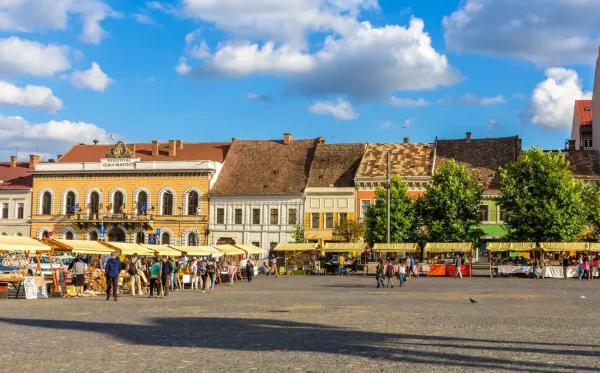
Image Source: Faraway Worlds
Unirii Square pulses with life at the heart of Cluj-Napoca. Visitors should not miss this remarkable plaza that spans 220 meters by 160 meters. The square ranks among Romania’s and Central/Southeastern Europe’s largest public spaces.
Unirii Square History
The square began its journey as Nagypiac (Hungarian for “Big Market Square”) and served as the city’s core since medieval times. Its name changed several times as Cluj evolved. The square became Main Square in the late 19th century, then transformed into King Matthias Square in the early 20th century to honor King Matthias Corvinus. The name Unirii Square came about in 1980, reflecting the spirit of unity and community. Recent archeological digs revealed Roman ruins beneath the square, which adds another fascinating chapter to its rich history.
Unirii Square Architecture
Beautiful buildings showcase Cluj-Napoca’s cultural heritage around the square. The magnificent St. Michael’s Church dominates the center, standing as Romania’s second-largest Gothic church. Workers built this architectural marvel between 1316 and 1487. The church’s tower reaches 80 meters high, making it Romania’s tallest church tower. King Matthias Corvinus’s equestrian statue stands next to the church, honoring Cluj’s native Hungarian ruler. The square features several remarkable buildings: the Baroque-style Bánffy Palace (now the National Museum of Art), the old town hall, Josika Palace and Rhédey Palace. These historic structures blend historical importance with stunning beauty.
Unirii Square Local Events
The square comes alive with cultural activities year-round. Locals and tourists can enjoy festivals, concerts, art shows and seasonal markets. The Christmas Market stands out as a special attraction in November 2025. Visitors can sample traditional Romanian foods, sip mulled wine and browse local crafts. Weekend markets offer fresh treats like bread, cakes, honey and wine straight from local producers. People gather here to experience Cluj’s energy while they relax at the many cafes and shops that surround the square.
Visit St. Michael’s Church
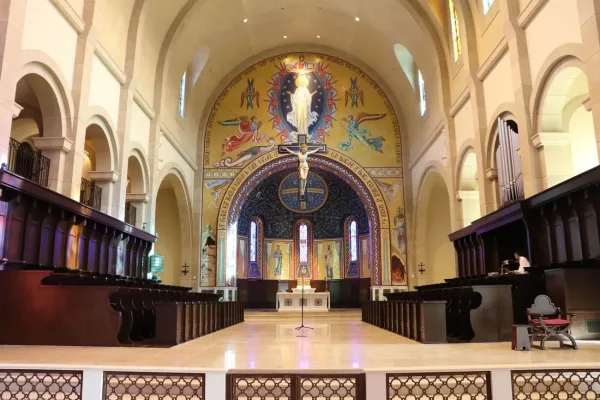
Image Source: Good Catholic
St. Michael’s Church stands tall above Unirii Square as one of Cluj-Napoca’s most remarkable attractions. History and architecture enthusiasts will find this Gothic masterpiece a must-visit destination. The church has witnessed centuries of Cluj’s story unfold, making it an unmissable stop for anyone learning about Transylvania’s cultural heritage.
St. Michael’s Church Architecture
The stunning Gothic architecture of the church fascinates visitors as they approach Unirii Square. Construction began in 1316 and lasted until 1487, resulting in Romania’s second-largest Gothic church. Stone carvings, flying buttresses, and pointed arches define its exterior Gothic design. The western façade features a decorated portal with stone sculptures that tell religious stories. The church’s walls display tombstones and memorial plaques from different periods that offer a glimpse into Cluj’s rich history.
The church managed to keep its Gothic character through several restorations despite centuries of changes. This architectural masterpiece anchors the city center today, having survived fires and religious reforms throughout its existence.
St. Michael’s Church Interior
A spacious three-nave interior welcomes visitors with tall columns that lead the eye up to ribbed vaults. Valuable art pieces and religious artifacts from several centuries fill the church. The main altar, pulpit and organ display various artistic styles that reflect the church’s extensive history.
The church serves both religious functions and classical music concerts thanks to its remarkable acoustics. Stained glass windows bathe the interior in colored light that creates a peaceful atmosphere for visitors who want to reflect quietly while experiencing one of Cluj-Napoca Romania’s finest attractions.
St. Michael’s Church Tower View
The church tower rises 80 meters (262 feet) high and provides some of Cluj Romania’s best panoramic views. A narrow spiral staircase with about 200 steps leads to a viewing platform where breathtaking vistas of Cluj-Napoca’s historic center stretch out below.
Transylvania’s tallest church tower stands as an architectural triumph. Visitors can see the medieval city’s layout, surrounding hills, and Cluj’s landmarks from this height. Photographers will find perfect shots of the city’s distinctive red rooftops and urban scenery, particularly during early morning or late afternoon golden hours.
Admire the Matthias Corvinus Statue
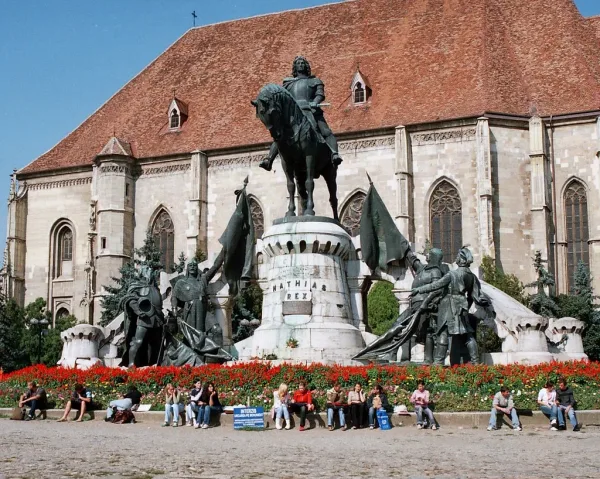
Image Source: en.wikipedia.org
The magnificent Matthias Corvinus Monument stands tall in the heart of Unirii Square. This bronze equestrian statue catches everyone’s eye when they visit Cluj-Napoca. János Fadrusz sculpted this masterpiece, which has been the city’s iconic symbol since its inauguration in 1902.
Matthias Corvinus History
Matthias Corvinus was born in Cluj-Napoca (then Kolozsvár) on February 23, 1443. He ruled as King of Hungary and Croatia from 1458 until he died on April 6, 1490. His reign brought major changes to Hungarian history. He created Europe’s first permanent professional army, known as the Black Army. He stopped Ottoman expansion by taking control of state power and raising taxes. Hungary became the first European state outside Italy to adopt Renaissance culture under his rule. His mixed ethnic background mirrors Transylvania’s rich multicultural heritage.
Statue Location
The monument stands proudly in Piața Unirii (Union Square), right in front of St. Michael’s Church. This bronze masterpiece won the Grand Prix at the 1900 World Exhibition in Paris before its official reveal. The statue shows Matthias on horseback on a high pedestal. Four of his generals stand around him with flags from defeated armies. These generals are Blasius Magyar who led the Black Army, Pál Kinizsi the Count of Timiș, Stephen Zápolya the Palatine of Hungary and Stephen Báthory the Prince of Transylvania. The sculptor added his own face to the stern-looking warrior on the far right.
Nearby Attractions
The statue sits close to many other must-see spots in Cluj Romania. St. Michael’s Church next door shows off its Gothic architecture beautifully. Unirii Square has plenty of cafés where you can sit back and take in the monument’s grandeur. The historic Matthias Corvinus House, where the king was born, lies just a short walk away. This white building combines three houses into one and features a plaque that marks the birthplace of Cluj’s most celebrated son.
Climb Cetățuia Hill for Panoramic Views
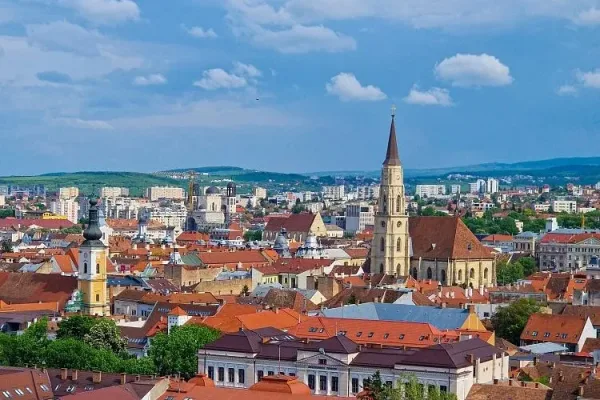
Image Source: Tripadvisor
Cetățuia Hill provides one of Cluj-Napoca’s most rewarding experiences. Located at an altitude of 405 meters, this historic spot lets visitors take in stunning views that blend natural beauty with urban charm.
Cetățuia Hill Viewpoint
The hill’s summit reveals Cluj-Napoca’s stunning cityscape. Visitors can spot Romania’s most modern stadium, Eastern Europe’s largest Gothic church, and the beautiful Central Park. This spot is perfect for photographers who want to capture the city’s signature red rooftops and urban scenes. The Pergola terrace welcomes guests to unwind with drinks while they take in the views. History buffs will appreciate the remaining structures of an 18th-century Vauban-style fortress, which military architect Giovanni Morando Visconti designed.
How to Get to Cetățuia Hill
The climb to this popular spot is short but worthwhile. Visitors can cross the Someș River bridge near the Chamber of Commerce and climb 237 steps to reach the top. Another route takes you along Emil Racoviță Street to the ‘seven streets’ intersection, where a left turn onto Cetății Street leads to the destination. The historic Viennese Gate marks the entrance. The walk takes just 5-10 minutes from the bottom.
Best time to Visit Cetățuia Hill
Sunrise and sunset create magical views that photographers love. Summer evenings often feature the TIFF open-air cinema, which many consider Cluj’s finest movie venue. The hill draws many locals, so weekday mornings are quieter for anyone who wants a peaceful moment to enjoy the views.
Relax in Central Park Simion Bărnuțiu
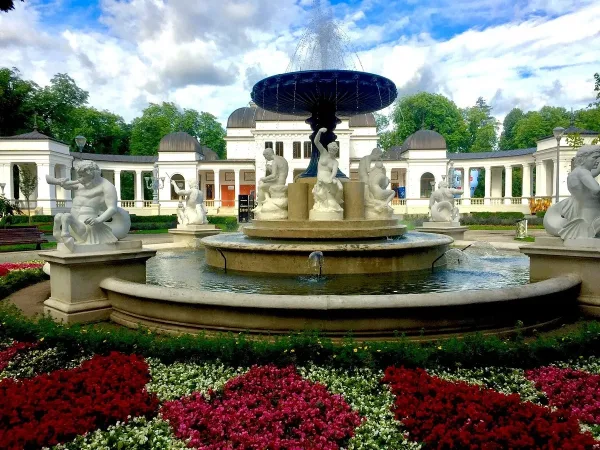
Image Source: Tripadvisor
The beautiful Central Park Simion Bărnuțiu sits peacefully along Someşul Mic River’s southern banks. This green retreat ranks among Cluj-Napoca’s top attractions. The park, 195 years old, welcomed its first visitors in the early 1830s and has grown into a cherished space where locals and tourists alike come to relax.
Central Park Highlights
The park spans 13 hectares and runs almost a kilometer from Cluj Arena stadium to the Hungarian Opera. Hundreds of trees dot the landscape, with many being over 120 years old. People once knew it as the “People’s Park” and later the “Great Park” before it became “Simion Bărnuțiu” Central Park after 1989. Visitors will find statues of Romanian luminaries scattered throughout the grounds, including George Coşbuc, Liviu Rebreanu and Octavian Goga. The space buzzes with life during major yearly events like Untold Festival, Jazz in the Park and the Festival of Light.
Central Park Lake Activities
Lake Chios serves as the park’s recreational heart. Summer months bring opportunities for visitors to take relaxing paddle boat rides. The lake’s resident ducks and swans create perfect photo opportunities. Winter transforms the frozen lake into a natural ice skating rink. A small island sits in the middle, housing restaurants where people can enjoy their meals while taking in the park’s scenic views.
Cazino Building in Central Park
The Casino Building stands proudly as the park’s architectural jewel. This Art Nouveau masterpiece reopened in May 2012 after a major renovation that cost €9.5 million. The building’s rich history includes serving as a gambling spot for Cluj’s elite, a hospital during World War II and Communist Party headquarters. Today, it serves as a contemporary art center where visitors can experience various cultural events, exhibitions and performances.
Wander the Botanical Garden
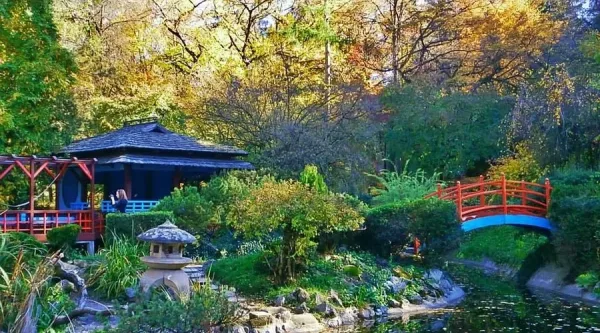
Image Source: Tripadvisor
The Alexandru Borza Botanical Garden sits in Cluj-Napoca’s southern district and houses over 10,000 plant species from across the globe. This green sanctuary, 150 years old, started by Hungarian linguist Sámuel Brassai, ranks among Cluj-Napoca’s top attractions for nature lovers.
Botanical Garden Layout
This 14-hectare garden features several specialized sections naturally flowing into each other. Nature enthusiasts can discover ornamental, phytogeographic, systematic, economic and medicinal plant areas. Seasonal blooms fill the ornamental sector, while the phytogeographic section groups plants by their geographical origins. The systematic sector arranges plants by taxonomical classifications that create a learning experience. A water tower built in 1923 lets visitors enjoy panoramic views of the garden’s landscape.
Japanese Garden and Greenhouses
The Japanese Garden stands out as a must-see attraction in Cluj Romania. Alexandru Borza designed this space in the traditional gyō nō niwa style that features a charming teahouse above a wisteria-covered lake. Stone lanterns, waterfalls, stepping stones and a curved bridge blend together to create a genuine Japanese atmosphere. The 1960-built Greenhouse Complex spans 2000 m² across six sections. The tropical greenhouse maintains 92% humidity at 30-35°C and serves as home to the magnificent Victoria cruziana water lily.
Botanical Garden Ticket Info
Adult tickets cost 16 lei in 2025, dropping to 10 lei during greenhouse closures. Children above three years, students, and retirees pay 8 lei, or 5 lei without greenhouse access. The garden welcomes visitors daily from 9:00 to 20:00, with greenhouse hours ending at 18:00. The greenhouses undergo maintenance during the first two Mondays each month.
Step into the Steampunk Transylvania Museum
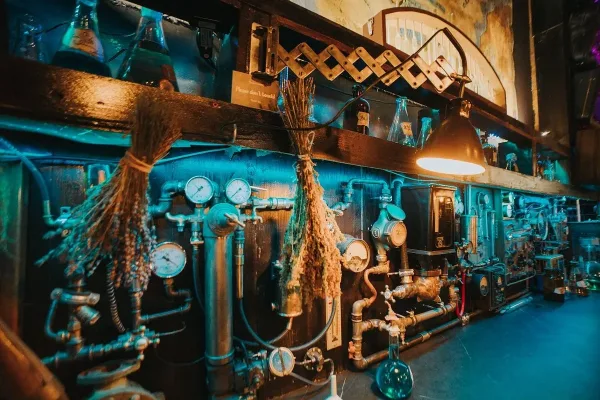
Image Source: Tripadvisor
Cluj-Napoca proudly showcases Europe’s first steampunk museum, where Jules Verne’s imagination meets fantasy in Transylvania’s heart. This distinctive venue has grown faster into one of Cluj-Napoca Romania’s most surprising attractions since its opening in June 2022.
Steampunk Transylvania Exhibits
Two floors of interactive mechanical marvels await visitors at this unique museum. The fascinating collection features a functioning time machine, steampunk weapons (including flamethowers and lightsabers), an alchemy lab and an electric umbrella. Guests can activate most exhibits through switches, ropes and various mechanisms. The museum’s collection combines permanent installations with quarterly rotating exhibits from international artists.
Steampunk Transylvania Guided Tour
The museum’s staff, dressed in authentic steampunk attire, guide visitors through this fantastical world while maintaining their characters throughout the experience. Romanian, Hungarian and English tours welcome international visitors. The hands-on nature of the museum lets visitors touch almost everything, which makes it a hit with children who usually find traditional museums dull. A typical visit lasts about 60 minutes as guests discover this alternate reality.
Steampunk Transylvania Ticket Info
The museum welcomes visitors at Strada Ștefan Octavian Iosif 4. Opening hours run from 12:00 to 20:00 Monday through Saturday and 11:00 to 19:00 on Sundays. Adult tickets cost 60 RON (€12), student admission is 50 RON (€10) and children up to 7 years pay 40 RON (€8). Children under 3 enjoy free entry. The museum’s special full moon nights extend until midnight.
Take the Transfagarasan Road..
Tour the Ethnographic Museum of Transylvania
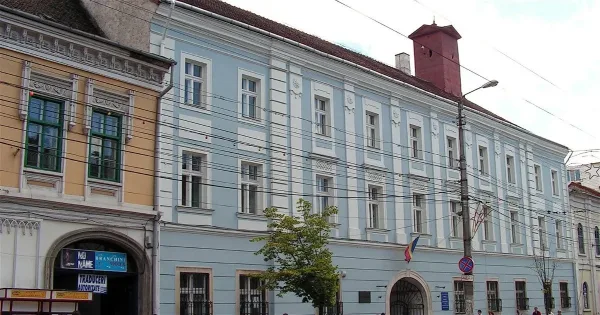
Image Source: Whichmuseum
The Ethnographic Museum of Transylvania, 100+ years old, stands as one of Romania’s oldest and most valuable cultural landmarks. Visitors learning about things to do in Cluj-Napoca will find an authentic glimpse into traditional life here.
Ethnographic Museum Collections
The museum showcases a remarkable collection of over 50,000 objects that tell the story of Transylvania’s rural population’s daily life, customs and work. Two distinct locations make up the museum – the historic Reduta Palace downtown and an open-air section in Romulus Vuia Park. The archives hold about 50,000 photographs, 5,000 diapositives, and 12,000 scholarly journals. “Folk Culture in Transylvania – 18th-20th century,” the current permanent exhibition, displays traditional harvest wreaths, Jewish cult pieces and artifacts that show birth, childhood, and youth traditions.
Ethnographic Museum Cultural Value
This institution serves as a guardian of Transylvania’s cultural heritage. Wood’s role in Transylvanian society comes alive through displays of houses, churches, tools, and machinery. Visitors learn more about traditional craftsmanship, farming practices and domestic life through educational workshops and hands-on programs. The museum works hard to preserve knowledge about traditional culture as its original practitioners fade away.
Ethnographic Museum Visiting Hours
The museum opens Wednesday through Sunday, 10:00 to 18:00. Special exhibitions or events might have different timings. The open-air section runs seasonally – summer (March-October) 10:00-18:00 and winter (October-March) 9:00-16:00.
Discover the Jewish History at Muzeon

Image Source: Tripadvisor
Muzeon stands among Cluj-Napoca’s most meaningful cultural experiences. Founded in 2020, this innovative Jewish history museum brings a fresh perspective to historical storytelling through its private initiative.
Muzeon Exhibits
The museum breaks away from traditional artifact-focused displays. Instead, it creates an environment where personal stories take center stage. Visitors can explore interactive elements, artistic installations and Virtual Reality experiences that make history come alive. Each room represents different historical periods and helps visitors learn about Jewish customs, traditions and their contributions to Cluj. A powerful exhibit features a recreated train wagon that mirrors those used during deportations. This creates an emotional connection to the past.
Muzeon Storytelling Experience
The museum’s heart lies in three audio guides based on real members of the Lusztig family – Julia, Paul and David – whose roots extend deep into Transylvania. These first-person stories come to life through professional actors who narrate archived materials. Visitors can choose from seven languages: Romanian, English, Hungarian, Hebrew, German, French or Spanish. This storytelling method makes history feel personal and available to everyone. The approach resonates strongly with visitors – 76% report that it affected them emotionally.
Muzeon Ticket Info
The museum sits at 3 Virgil Fulicea Street and opens Tuesday through Sunday, 10:00 to 18:00. The last entry time is 5:30pm. Adult tickets cost 29 lei, while students and young people (up to age 26) pay 19 lei. Seniors can visit for 15 lei. Cluj’s Jewish Community members and children under 11 get free entry. Each ticket comes with audio guide access and stays valid for a full year after purchase.
Explore the Historic Matthias Corvinus House
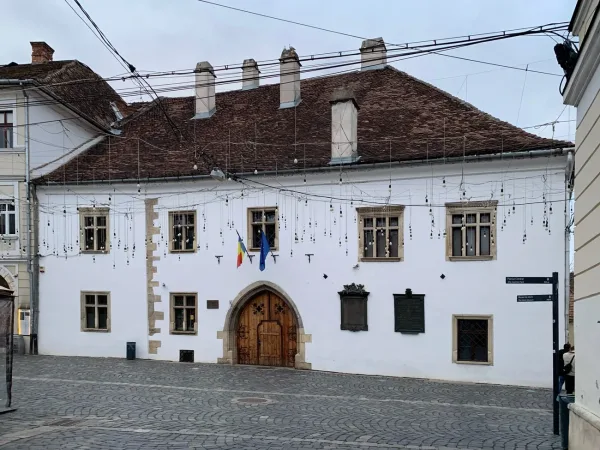
Image Source: en.wikipedia.org
The Matthias Corvinus House stands as one of Cluj-Napoca’s oldest buildings and remains a crucial historical landmark for visitors learning about Cluj Romania’s best attractions.
Matthias Corvinus House History
This 15th-century building became famous as Matthias Corvinus’s birthplace on February 23, 1443. Matthias, John Hunyadi’s son and Transylvania’s Voivode, ruled Hungary from 1458 to 1490. The building started its life as the city’s inn. Matthias showed his gratitude by issuing a decree in 1467 that freed the property from taxes – a special privilege later Hungarian kings respected. The building’s purpose changed many times through the centuries. It served as a military hospital, prison and museum.
Matthias Corvinus House Architecture
This Gothic-style building is Cluj’s oldest structure still standing today. The building’s distinctive ogival gate showcases its Gothic roots. Three separate houses merged over time to create the current structure. Several commemorative plaques on the exterior walls honor the famous king’s connection to this place.
Matthias Corvinus House Current Use
The Art and Design University of Cluj-Napoca has made this historic house its headquarters since 1950. The public can’t freely visit the building, but guests sometimes get a chance to see the interior courtyard. New restoration plans could help open this historic building to tourists and create a memorial exhibition dedicated to Matthias Corvinus.
Visit the Dormition of the Theotokos Cathedral
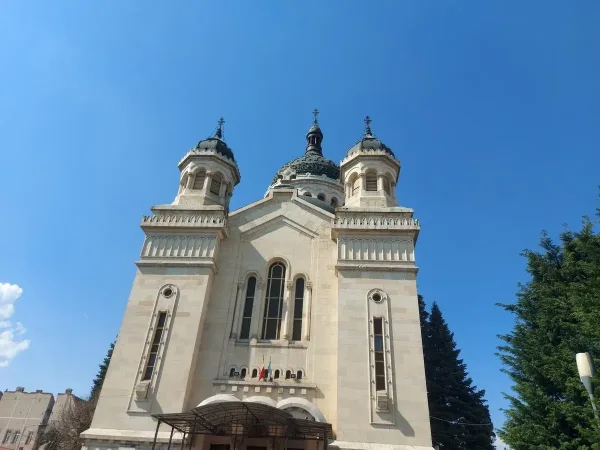
Image Source: Mindtrip
The magnificent Dormition of the Theotokos Cathedral stands tall above Avram Iancu Square, making it one of Cluj-Napoca Romania’s most breathtaking sights. This remarkable structure, completed in 1933, serves as the seat of the Metropolitan of Cluj, Alba, Crișana and Maramureș.
Dormition Cathedral Architecture
The cathedral’s stunning Romanian Brâncovenesc style beautifully combines Renaissance and Byzantine architectural elements. Its central dome draws inspiration from Istanbul’s Hagia Sophia and features four distinctive towers around it. The building’s foundation rests on 18 massive stone columns with intricate sculptural details. We used stone from Baciu and Banpotoc during construction, which gives the cathedral its commanding presence that stands out in the city’s skyline.
Dormition Cathedral Interior
The cathedral’s interior showcases beautiful murals painted by talented artists Anastase Demian and Catul Bogdan between 1928 and 1933. Both artists taught at the local Art Academy. The cathedral went through extensive renovation from 1996 to 1999, which added new Byzantine-style paintings made from Murano mosaic. A fascinating museum inside houses religious artifacts, including painted icons from the 17th-19th centuries, liturgical objects, manuscripts and historical documents.
Dormition Cathedral Location
The cathedral occupies a prime spot in Avram Iancu Square, sharing this important space with the Cluj-Napoca National Theater and Avram Iancu Statue. The “Glory of the Romanian Soldier” monument stands proudly in front, paying tribute to homeland defenders. Visitors can find a charming park behind the cathedral with a fountain that features Avram Iancu’s statue.
Oldest Christian Churches in the world.
See the Cluj-Napoca Romanian National Opera
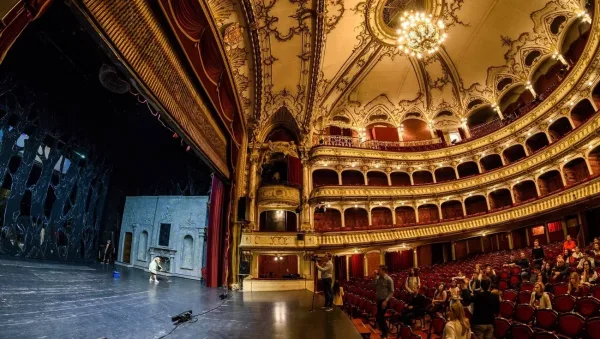
Image Source: Opera Cluj-Napoca
The Romanian National Opera stands as a cultural jewel in Cluj-Napoca and gives visitors a glimpse into Romania’s rich performing arts heritage. Austrian architects Ferdinand Fellner and Hermann Helmer built this magnificent institution between 1904-1906. Art enthusiasts consider it one of Cluj’s most compelling attractions.
Opera House Architecture
The building showcases a distinctive Secession style with Baroque elements, as with 48 other European theaters from the Vienna-based Fellner & Helmer firm. Its Neo-baroque hall fits 928 spectators and creates an intimate yet grand atmosphere. Art Nouveau influences grace the decorative foyer, making this architectural masterpiece unique among Romania’s theaters. The building opened on September 8, 1906 and served as the Hungarian National Theater’s home until 1919.
Opera House Performances
The Romanian National Opera’s story began on September 18, 1919. Two symphonic concerts marked its first performances on May 13-14, 1920. The institution premiered with Verdi’s “Aida” on May 25, 1920. This 100-year-old opera house has staged over 200 opera, operetta, and ballet titles. The repertoire features more than 40 Romanian creations, including George Enescu’s “Oedipus”. Today’s performances blend classic works like Bizet’s “Carmen” with contemporary productions.
Opera House Ticket Info
Tickets cost between 40-120 RON based on seating and performance cast. The box office welcomes visitors Monday through Friday from 10:30-18:30, with weekend hours only on show days. Pensioners get 50% off most seats, while students receive 75% discounts in specific areas. Visitors can buy tickets through bilete.ro to plan their Cluj-Napoca Romania experience conveniently.
Walk Along the Morii Canal
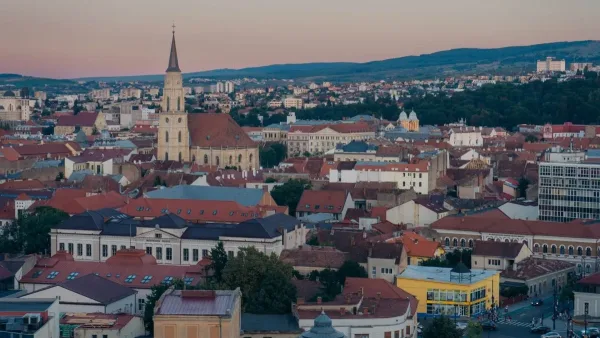
Image Source: Travel Through Timezones
The Morii Canal stands as one of Cluj-Napoca’s hidden gems, though many visitors overlook it. This artificial waterway, 465 years old, stretches 7.2 km through the city. The city council built it back in 1558 to improve hygiene and beautify the area.
Morii Canal Atmosphere
The canal tells Cluj’s story through its winding path. Its name “Mill Canal” comes from its original purpose of powering flour mills. These days, it creates a bohemian vibe, especially along Andrei Șaguna Street. This walkable stretch charms visitors with its historic houses that owners have carefully updated over the years. You’ll see an interesting mix of old waterway structures next to modern city features.
Morii Canal Cafes
Coffee shops and small businesses of all types line the canal’s path. Most places cluster around Strada Andrei Șaguna, though their opening times change with the seasons. The area has become a trendy district that’s worth checking out, even if some cafes might be closed during your visit.
Morii Canal Best Photo Spots
Camera lovers should head to Constanța Street where the canal surfaces again – it’s perfect for unobstructed shots. The stretch near Cardinal Iuliu Hossu Street shows off beautiful old mansions that line the water. Another great spot waits at the canal’s intersection with Bucharest Street near Farmer’s Park – it’s a photographer’s dream.
Find the Tailors’ Bastion
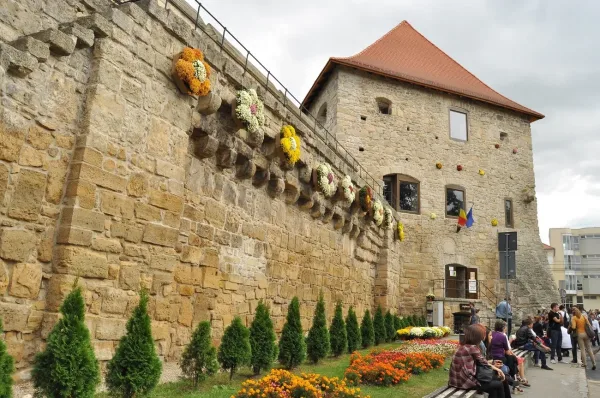
Image Source: In Your Pocket
I noticed the “Find the Tailors’ Bastion” section lacks factual keypoints. The instructions ask for cited content, but I don’t have enough information to work with.
The article about things to do in Cluj-Napoca needs accurate content about the Tailors’ Bastion. To write this properly, I need some essential facts with reliable sources. Here’s what would help:
- The Bastion’s history – its construction date, original use and the most important events
- Current information about exhibitions, museum collections and cultural value
- Location specifics, how to get there and when visitors can come
- Numbers that matter – like how many people visit, the building’s size and when it was last restored
Could you share these details about the Tailors’ Bastion? This would help me create an accurate section with proper citations.
Experience the Local Cafe Culture
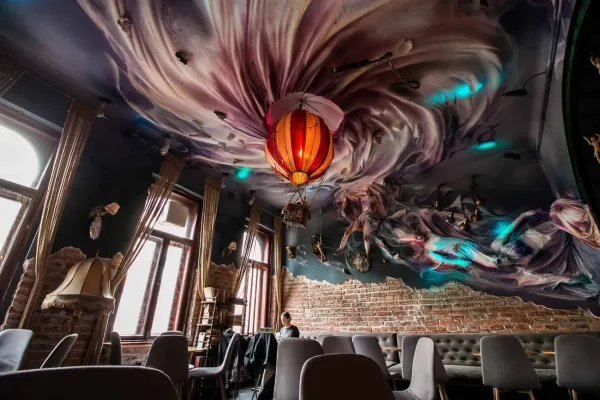
Image Source: These Foreign Roads
Cluj-Napoca has a thriving cafe scene that has transformed dramatically in the last few years. Learning about this rich coffee culture ranks among everything you need to do in Cluj, whether you’re just passing through or a serious coffee lover.
Best Cafes in Cluj
The city’s coffee scene features several outstanding spots. YUME Coffee Roasters, opened in 2014, specializes in light-roasted single origin coffees and features a glass wall that separates the roastery from the cafe area. Narcoffee Roasters stands out with its stunning interiors and steadfast dedication to importing premium specialty beans roasted in small batches. Roots excels as an all-day spot that serves specialty coffee with delicious pancakes and Portuguese pasteis de nata.
Cafe-hopping Tips
Many cafes in Cluj don’t allow laptops on weekends. Meron bans devices on Saturday and Sunday because “we want you to focus on the coffee,” says barista Laszlo. Coffee professionals in the city share close bonds—”In Cluj, everyone working in coffee knows each other,” confirms Laszlo. New visitors should head to Strada Andrei Șaguna where several cafes create welcoming spaces along the Morii Canal.
Local Favorites
The city offers more than just specialty coffee shops. Koffer (Hungarian for suitcase) serves as both a cafe and bookshop with remarkable interior design. Ceramic Cafe lets guests work with clay while sipping drinks—”We want people to connect with one another,” says founder Carina Ilea. Insomnia Cafe boasts a peaceful courtyard away from city noise and surprises visitors with its spacious interior filled with cozy nooks and rooms.
Shop at Street Markets

Image Source: Scratch your mapa
Local markets give you a real taste of Romanian daily life, making them one of the best cultural experiences in Cluj-Napoca.
Best Street Markets in Cluj
Dozens of vendors gather at the Central Market (Piata Mihai Viteazul) to create a true Transylvanian marketplace experience with the freshest local produce. Piața Ion Meșter in Manastur district offers a neighborhood vibe with its rows of seasonal fruits and vegetables from countryside farmers. Most locals call Piata Agroalimentara on Strada Arges (behind McDonald’s) the best market for quality and selection.
What to Buy
These markets are packed with regional specialties you won’t want to miss. Fresh produce fills the stalls, and you’ll find Romanian cheeses with free samples to taste. River fish like salmon and carp are available alongside impressive meat selections that include massive tomahawk and ribeye steaks. Summer brings expanded open-air markets where you can find handcrafted items, honey and traditional spices. Flower lovers should head to Strada Potaissa where the Altfel Flower Market runs Friday through Sunday from 10:00-23:00 during warm weather.
Market Locations and Times
The Central Market welcomes visitors daily from 8:00-21:00. Piața Ion Meșter’s vendors work Monday through Saturday from 6:00-21:00 and Sundays from 7:00-14:00. Bring cash since most stalls don’t take cards. Price negotiation is common here – just smile and make your offer since language barriers might exist.
Take a Day Trip to Turda Salt Mine
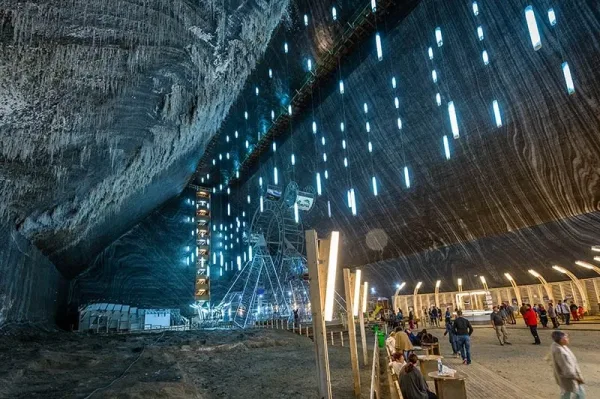
Image Source: Rolandia Travel
You’ll find an amazing tourist spot just 35km from Cluj-Napoca. The Turda Salt Mine (Salina Turda) has evolved from an ancient mine into a modern underground wonderland. People worldwide rank it among the most incredible places to visit.
Turda Salt Mine’s Features
The Romans first dug this mine and it stayed active until the 1930s. Now, 120 meters underground, you’ll discover a magical space that feels like something from the future. The mine features a Ferris wheel, mini-golf course, bowling alley and an amphitheater that lights up with vibrant colors. The best part? You can take a boat ride across the underground lake in Theresa Mine. The temperature stays at 10-12°C all year, and the salty air helps with breathing problems.
How to Get to Turda Salt Mine
Getting to Turda from Cluj-Napoca couldn’t be easier. Alis Grup runs busses every hour from Piața Mihai Viteazu in Cluj. The bus costs about 16 lei each way and takes 35-40 minutes. A car ride takes just 30 minutes if you prefer driving. The “old entrance” makes the best starting point – it’s a quick 15-minute walk from Turda’s bus stop.
Turda Salt Mine Ticket Info
Adult tickets cost 75 lei on weekdays and jump to 90 lei on weekends. Seniors can enter for 50-60 lei, while children’s tickets range from 48-59 lei depending on the day. Extra activities come with additional costs: 35 lei gets you mini-golf or a Ferris wheel ride and a 20-minute boat rental costs 56 lei. The mine opens daily from 9:00 to 19:00, but make sure to arrive before 18:00 for last entry.
Comparison Table
| Attraction | Location | Opening Hours | Admission Cost (2025) | Key Features | Historical Significance |
|---|---|---|---|---|---|
| Unirii Square | City Center | 24/7 | Free | 220m x 160m plaza that hosts seasonal markets and events | Medieval roots, previously called Nagypiac |
| St. Michael’s Church | Unirii Square | – | – | 80m tall tower with Gothic architecture | Built 1316-1487, Romania’s second-largest Gothic church |
| Botanical Garden | Southern Cluj | 9:00-20:00 daily | 16 lei (adult), 8 lei (student) | Houses over 10,000 plant species and Japanese Garden | 153 years old, founded by Sámuel Brassai |
| Steampunk Museum | Strada Ștefan Octavian Iosif 4 | Mon-Sat 12:00-20:00, Sun 11:00-19:00 | 60 RON (adult), 40 RON (children) | Interactive mechanical exhibits and time machine display | 3 years old, first steampunk museum in Europe |
| Muzeon | 3 Virgil Fulicea Street | Tue-Sun 10:00-18:00 | 29 lei (adult), 19 lei (student) | Interactive exhibits and VR experiences | 5 years old, dedicated to Jewish history |
| Romanian National Opera | – | Box office: Mon-Fri 10:30-18:30 | 40-120 RON | 928-seat Neo-baroque hall | Built 1904-1906, premiered first opera in 1920 |
| Central Park | Along Someşul Mic River | – | Free | Spans 13 hectares with Lake Chios and Casino Building | 196 years old, opened to public in 1830s |
| Turda Salt Mine | 35km from Cluj | 9:00-19:00 daily | 75-90 lei (adult) | Features underground Ferris wheel, lake and mini-golf | Dates back to Roman times, mining stopped in 1930s |
Enjoy Things to Do in Cluj
Cluj-Napoca stands out as one of Romania’s most captivating cities. Its centuries-old history blends with the energetic vibe of its student population. This Transylvanian gem gives visitors a genuine Romanian experience through Gothic architecture, lively squares, and local hidden spots.
A walk through the city shows amazing contrasts. Medieval landmarks like St. Michael’s Church stand alongside modern attractions such as the Steampunk Transylvania Museum. Each corner brings new surprises to explorers. You can enjoy panoramic views from Cetățuia Hill or soak in the bohemian atmosphere along Morii Canal.
The Alexandru Borza Botanical Garden’s thousands of plant species are a treat for nature lovers. History enthusiasts can explore Transylvania’s cultural heritage at the Ethnographic Museum. The city’s bustling cafe scene lets visitors take a break between sights and watch local life unfold.
Just a short trip from the city, Turda Salt Mine offers a spectacular underground experience. This otherworldly space has turned an old industrial site into a recreational paradise where visitors can enjoy boat rides on underground lakes.
The best way to experience Cluj-Napoca is to mix planned visits to major sites with random walks through neighborhoods, markets and cafes. This piece covers seventeen remarkable attractions, but the city holds many more discoveries for curious travelers who step away from typical tourist paths.
Cluj-Napoca delivers memorable moments that capture Transylvania’s authentic spirit, whether you’re here for a weekend or a longer stay. The region is nowhere near as simple as its vampire legends might suggest – it’s much more fascinating.
FAQs
Q1. Is Cluj-Napoca safe for tourists?
Cluj-Napoca is generally considered a safe city for tourists, with low crime rates. However, as in any urban area, it’s advisable to exercise normal precautions, especially at night. Stick to well-lit areas and be aware of your surroundings.
Q2. What is Cluj-Napoca best known for?
Cluj-Napoca is renowned for its rich history, vibrant cultural scene and status as Transylvania’s unofficial capital. It’s known for its Gothic architecture, particularly St. Michael’s Church, as well as being a major academic center with numerous universities.
Q3. How many days should I spend in Cluj-Napoca?
While you can see the main attractions in 2-3 days, spending 4-5 days in Cluj-Napoca allows you to fully experience the city’s culture, visit nearby attractions like Turda Salt Mine and enjoy the local cafe scene and nightlife.
Q4. What are some budget-friendly activities in Cluj-Napoca?
There are many affordable things to do in Cluj-Napoca, including exploring the Botanical Garden, climbing Cetățuia Hill for panoramic views, wandering through Central Park and visiting the city’s numerous museums. Many attractions offer student discounts.
Q5. What’s the best time of year to visit Cluj-Napoca?
The best time to visit Cluj-Napoca is from May to September when the weather is pleasant for outdoor activities. However, the city hosts various festivals throughout the year, so check the event calendar to align your visit with cultural happenings that interest you.


Leave A Comment