

Yerevan is older than Rome – a fact that surprises most visitors when they learn about Armenia’s capital. The city dates back to 782 B.C. when the Erebuni Fortress was built, and it celebrated its 2800th birthday.
Many travelers haven’t heard much about Yerevan. The city has just over a million residents, while Armenia’s total population is close to three million. This smaller size makes Yerevan a perfect blend of cozy and lively. Ancient history meets modern life here, making it an ideal spot for anyone who loves to explore new places.
The city’s attractions will keep you busy. Republic Square comes alive with fountain shows on summer nights. Art lovers should head to the Cafesjian Center for the Arts to see modern Armenian culture on display. The Armenian Genocide Museum and History Museum of Armenia tell important stories about the past. The History Museum houses about 400,000 artifacts. Wine enthusiasts will love knowing they’re in the world’s oldest wine-making country – evidence found near Yerevan shows wine production started here over 6,000 years ago.
This piece covers 27 must-see attractions and activities in Yerevan that show you the best of this ancient city with its modern spirit.
Climb the Cascade Complex

Image Source: Visit Yerevan
The Cascade Complex ranks among Armenia’s most impressive architectural achievements. This grand stairway links downtown Yerevan to the northern districts and serves as much more than a simple connection between neighborhoods.
Why visit the Cascade Complex
You’ll find Yerevan’s most spectacular panoramic views at the Cascade, where Mount Ararat appears majestically on clear days. This massive structure has become a cultural landmark and social hotspot where tourists mix with locals. The complex houses the Cafesjian Center for the Arts, which draws over one million visitors each year. Its unique design blends Soviet modernism with Armenia’s traditional architectural elements, creating an esthetic you won’t find anywhere else in the city.
What to expect at the Cascade Complex
The structure will amaze you with its size – 302 meters long and 50 meters wide. You’ll find 572 steps spread across five main terraces, rising 118 meters from bottom to top. The Cafesjian Center for the Arts holds over 5,000 artworks, including pieces from famous artists like Fernando Botero and Lynn Chadwick.
Beautiful ornamental carvings decorate the exterior with Armenia’s national symbols – pomegranates, grapes, and solar crosses. Each level reveals better city views, with fountains and decorative elements dotting the platforms. The complex concludes at the Monumental Terrace, where you’ll see the “Revived Armenia” monument – a 56-meter colonnade built in 1971.
Tips for visiting the Cascade Complex
The outdoor areas stay open around the clock, while indoor escalators run daily from 8:00 to 20:00. Indoor escalators offer a great alternative if you don’t want to climb all 572 steps. Art lovers can visit the exhibition galleries Friday through Sunday from 10:00 to 20:00, except during state holidays. Best of all, both outdoor spaces and indoor exhibition halls are free to enter.
Evening visits let you experience the lively atmosphere of nearby cafes and restaurants. Photographers should head there early morning to capture the city panorama in the best light with smaller crowds.
Explore Republic Square
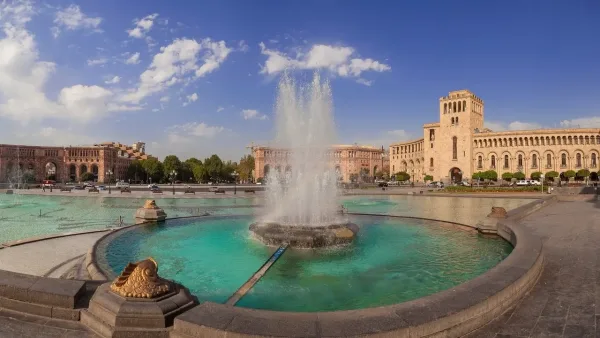
Image Source: Visit Yerevan
Republic Square pulses as Yerevan’s heart and showcases Armenia’s rich cultural heritage and architectural excellence. Five major streets converge at this urban masterpiece that creates an unforgettable impression on capital’s visitors.
Why visit Republic Square
The square serves as Yerevan’s most beloved gathering spot. Known as Lenin Square until 1991, it now ranks among the finest examples of Soviet-era architecture. The square’s excellence earned it the State Prize of the Armenian SSR in 1971. Travel writers have praised it as “one of the finest central squares created anywhere in the world during the 20th century”. Each evening, the square buzzes with life as locals and tourists gather to soak in its atmosphere.
What to expect at Republic Square
This magnificent space covers 3.5 hectares and features an oval section with a stone mosaic that resembles a traditional Armenian carpet. Five stunning buildings built between the 1920s and 1950s surround this masterpiece. These include the History Museum, National Gallery, Government House, Central Post Office, and Marriott Armenia Hotel. Warm pink and yellow volcanic tuff adorns these structures and creates a beautiful architectural harmony. The square really comes alive after 8:00 PM in summer. Musical fountains dance to tunes ranging from classical Armenian melodies to modern pop hits, making the experience magical.
Tips for visiting Republic Square
The best time to visit is during sunset when the sun’s rays light up the pink tuff buildings beautifully. You can catch the musical fountain shows nightly from May through October/November. Shows typically run from 9:00 PM until 11:00 PM or midnight. Getting there by 8:30 PM ensures a good spot to watch. Many cafes and restaurants around the square offer perfect spots to people-watch during performances. The Republic Square metro station makes access easy, and the pedestrian-friendly area works great for evening walks whatever the season.
Visit the Armenian Genocide Memorial
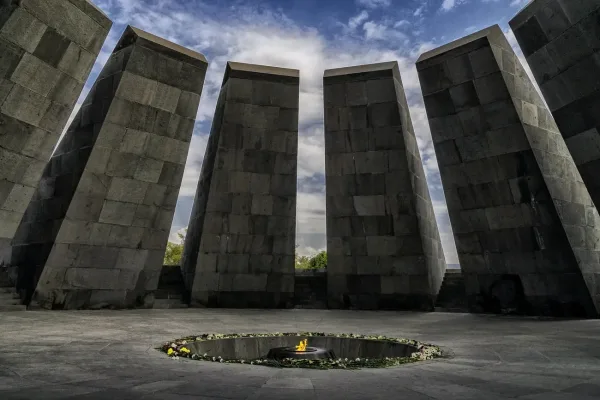
Image Source: Embrace the Middle East
The Armenian Genocide Memorial Complex sits atop Tsitsernakaberd hill (“Swallow’s Fortress”). This monument honors 1.5 million Armenians who lost their lives in the first genocide of the 20th century. Built in 1967, this profound monument has grown into a key part of Yerevan’s architecture and draws countless pilgrims.
Why visit the Genocide Memorial
The memorial is proof of Armenian history and resilience. It pays tribute to the victims of the 1915-1916 genocide and helps visitors learn about this defining moment in history. Armenia made April 24 its official Genocide Martyrs’ Commemoration Day in 1988. Visitors can experience a moving journey here and understand Armenia’s national identity that this historical tragedy shaped deeply.
What to expect at the Genocide Memorial
Twelve towering pylons make up the heart of this complex. These represent provinces where Armenian massacres took place, with an eternal flame at the center that symbolizes the Armenian spirit’s strength. Next to the main structure stands a tall, needle-shaped shaft – a symbol of Armenian people’s rebirth. The Armenian Genocide Museum-Institute opened in April 1995. Its 1,000+ square meter exhibition space holds extensive historical records. Museum staff conduct research and publish scholarly work about the genocide.
Tips for visiting the Genocide Memorial
The museum stays closed on official holidays including December 31, January 1-2, 6, January 28, March 8, May 1, 9, 28, July 5, and September 21. You can visit free of charge, though donations help support the site. Guides offer tours in Armenian, Russian, English, and French that last 40-60 minutes, Tuesday through Sunday from 10:00 to 16:10. Groups larger than 25 people need radio guides. Note that guided tours are not available for children under 13.
Admire Art at Cafesjian Center
The iconic Cascade Complex houses the Cafesjian Center for the Arts, a premier cultural institution established by businessman Gerard L. Cafesjian. Since its opening in November 2009, the center has drawn over one million visitors annually.
Why visit Cafesjian Center
The center’s glass collection ranks among the world’s finest with more than 5,000 pieces. Its 11,000-square-meter space lets visitors experience contemporary art in a setting unique to the former Soviet republics. Art critics describe it as “one of the strangest and most spectacular museum buildings to open in ages”. The center rewards visitors with stunning views of Yerevan and Mount Ararat.
What to expect at Cafesjian Center
The Cafesjian Sculpture Garden welcomes visitors at the Cascade’s base. World-renowned artists like Fernando Botero, Lynn Chadwick, Jaume Plensa, and Barry Flanagan have their monumental works displayed here. The center features several galleries – Gallery One, Khanjyan Gallery, Eagle Gallery, and Sasuntsi Davit Gallery. Grigor Khanjyan’s impressive mural triptych “History of Armenia” adorns the Khanjyan Gallery. Czech artists Stanislav Libenský and Jaroslava Brychtová’s extensive glass artwork collection adds another dimension to the center.
Tips for visiting Cafesjian Center
The museum welcomes visitors from Friday through Sunday, 8:00 to 20:00. Sunset hours provide perfect photo opportunities with art, architecture, and natural light coming together beautifully. Gallery One, the Museum Store, and Khanjyan Gallery don’t charge admission. The center’s location near Opera Square makes it easy to explore other attractions. A thorough visit to both indoor and outdoor exhibitions typically takes 2-3 hours.
Tour the Ararat Brandy Museum
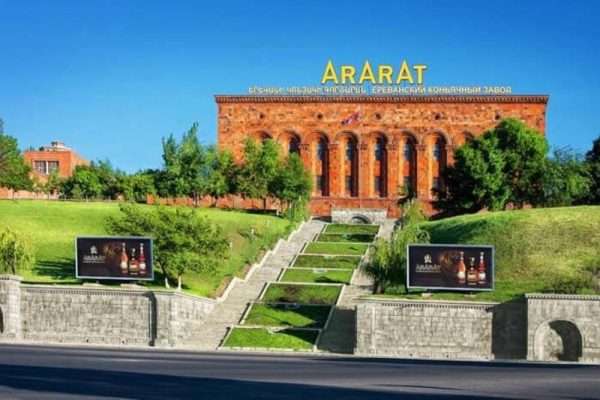
Image Source: Yerevan Card
The Ararat Brandy Museum stands in a monumental building at Yerevan’s eastern entrance, giving visitors a chance to explore one of Armenia’s most iconic symbols. This remarkable venue has become a must-visit destination among Yerevan attractions and welcomes tens of thousands of international visitors each year.
Why visit Ararat Brandy Museum
The Ararat Museum ranks among Yerevan’s finest museums and remains one of Armenia’s most visited venues. This legendary brandy factory’s history dates back to 1877 when it was originally founded within the historic Yerevan Fortress, representing nearly 150 years of Armenian craftsmanship. Many world leaders and celebrities have walked through its doors, including Charles Aznavour, George Clooney, and John Malkovich.
What to expect at Ararat Brandy Museum
Visitors can step into centuries of brandy-making history through an immersive experience. The tour takes guests through the operational aging workshop where brandy spirits have matured for decades. A guided tasting session follows the educational portion and reveals the organoleptic richness of ARARAT brandies. Different tour packages let guests sample various options, from standard 3-year and 10-year brandies to premium 20-year aged varieties.
Tips for visiting Ararat Brandy Museum
The museum runs tours daily from 9am to 8pm in five languages: Armenian, Russian, English, French, and German. Guests should book their visits ahead of time—either by phone (+374 10 51 01 49) for urgent requests or via email when planning more than four days ahead. The premium tasting package offers the fullest experience for first-time visitors.
Shop at Vernissage Market
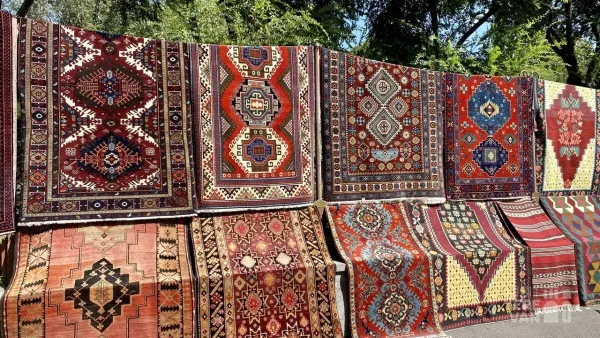
Image Source: Visit Yerevan
Vernissage Market brings Armenia’s artistic soul to life through countless handcrafted treasures in a vibrant open-air gallery and bazaar. You’ll find this cultural landmark near Republic Square in central Yerevan, stretching from Hanrapetutyan Street to Khanjyan Street along Buzand and Aram streets.
Why visit Vernissage Market
Vernissage is more than just a market – it’s Yerevan’s cultural heart and a living open-air museum where Armenian history, art, and spirit come together. Local artists started gathering in Saryan Park during the 1980s until the government gave them the current larger space. The market lets you experience Armenian culture beyond shopping. You can chat with local artisans and learn about Armenian traditions firsthand.
What to expect at Vernissage Market
Armenian craftsmanship shines through an amazing variety of items here. You’ll find hand-carved chess sets made from walnut and apricot wood, traditional silver jewelry with pomegranate designs, duduk instruments recognized by UNESCO, hand-woven carpets, and national dolls wearing traditional clothes. The market has sections for Soviet-era relics, antiques, and unique pieces made from leather, fur, wood, and metal. Each item tells a story about Armenia’s heritage, which makes browsing educational and fun.
Tips for visiting Vernissage Market
The market welcomes visitors daily from 10:00 AM to 6:00 PM, but weekends buzz with more vendors and energy. Bargaining is part of Armenian trading culture, so don’t be shy to negotiate prices. Remember to bring cash in local currency (AMD) since most vendors prefer it over cards. Take your time to explore when you arrive – vendors love to share stories about their products’ symbolism and traditions.
See Manuscripts at Matenadaran
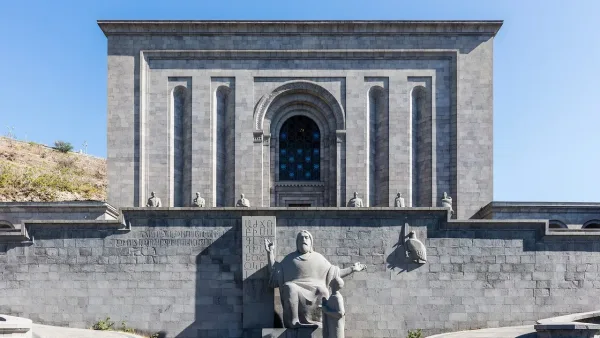
Image Source: Visit Yerevan
Gray basalt stone forms the impressive fortress-like building of Mashtots Matenadaran, which stands on a scenic northwestern hill of Yerevan. This renowned ancient manuscript institute has become a must-see destination for anyone learning about Yerevan’s cultural world.
Why visit Matenadaran
Armenia’s most important museum and Yerevan’s most popular tourist attraction houses the world’s largest collection of Armenian manuscripts. The institution offers an unmatched glimpse into Armenia’s intellectual heritage with nearly 17,000 manuscripts that cover almost every aspect of ancient and medieval Armenian science and culture. Visitors can discover rare texts that survived centuries of turbulent history and admire beautifully detailed manuscripts with vibrant colors.
What to expect at Matenadaran
A commanding statue of Mesrop Mashtots, creator of the Armenian alphabet, welcomes visitors at the entrance. The collection features about 23,000 manuscripts and scrolls, with 14,800 written in Armenian and others in Arabic, Persian, Greek, and Latin. Exhibits showcase diverse items from the largest Armenian manuscript at 34 kilograms (made from 700 calf skins) to a tiny 3×4 centimeter book weighing just 19 grams. These manuscripts document religion, history, mathematics, medicine, astronomy, and literature.
Tips for visiting Matenadaran
Visitors can explore the museum Tuesday through Saturday from 10:00 to 17:50. Adult tickets cost 2000 AMD while students pay between 300-1000 AMD. Tour guides speak seven languages, including English, Russian, and French. Professional photographers need the director’s permission to use their cameras. Armenian citizens can visit free of charge on the last Saturday of each month.
Relax at Lovers’ Park
Lovers’ Park stands out as a peaceful retreat from Yerevan’s busy city center. This Japanese-style garden dates back to the 1970s and got a complete renovation in 2008. Today it serves as a tranquil space for tourists and locals.
Why visit Lovers’ Park
Couples and families love this park’s idyllic setting that offers a peaceful break from city life. The Armenia Tree Project and Boghossian Foundation gave the park a complete makeover, which turned it into a Japanese-inspired sanctuary. The park’s original design focused on romantic walks, and it has grown into one of Yerevan’s most beloved green spaces. Visitors will find a unique esthetic here that sets it apart from other city parks.
What to expect at Lovers’ Park
Beautiful landscaped gardens welcome visitors with small artificial lakes linked by charming bridges. Winding paths take you through bamboo groves past traditional Japanese features like stone lanterns and carefully positioned rocks. Quiet corners with benches dot the park, perfect for reading or reflection. Tall trees create cooling shade during summer, making the park an ideal afternoon escape from Yerevan’s heat.
Tips for visiting Lovers’ Park
The park feels most peaceful early in the morning when crowds are thin. You can grab refreshments at nearby cafés along Baghramyan Avenue after your visit. The park stays open all year without entry fees, which makes it a budget-friendly addition to your Yerevan plans. Weekday visits offer more serenity compared to busy weekends.
Visit the Blue Mosque
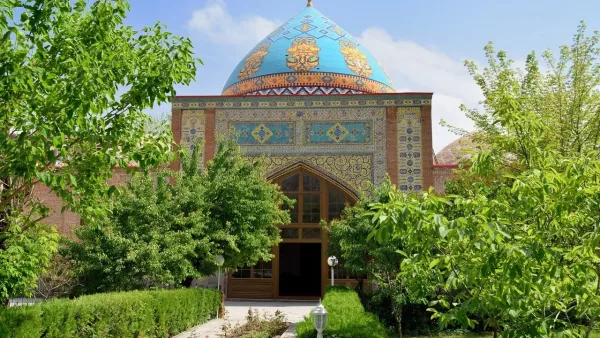
Image Source: Visit Yerevan
Built in 1765 during Persian rule, the Blue Mosque stands as the only functioning Muslim house of worship in modern Armenia—a unique cultural landmark in a predominantly Christian country. Republic Square lies within walking distance of this architectural ensemble on Mashtots Avenue, spanning over 7,000 square meters.
Why visit the Blue Mosque
The Blue Mosque showcases a rare example of Eastern architecture in Yerevan with its distinctive blue dome and intricate tile work that reflects Persian architectural styles. The structure serves as both a religious site and a vibrant cultural center that bridges Armenian and Iranian traditions. A remarkable piece of history survived the Soviet era thanks to poet Yeghishe Charents’s intervention, who convinced authorities to transform it into a museum. The mosque now operates under a 99-year agreement with the Iranian Embassy, signed in 2015.
What to expect at the Blue Mosque
Ornate gates welcome visitors into a peaceful courtyard filled with gardens, fountains, and benches—creating a tranquil escape from city life. The complex features a main prayer hall crowned by a blue-tiled dome and a 24-meter minaret. The property has 28 pavilions, a madrasah, and a Persian library that houses over 8,000 items. The prayer hall dazzles visitors with its golden chandelier, rich red and green carpets, and Arabic inscriptions adorning the walls and arches. Exhibition spaces throughout the complex display Persian calligraphy, ceramics, and floral art.
Tips for visiting the Blue Mosque
The mosque welcomes visitors from 10:00 a.m. to 1:00 p.m. and 3:00 p.m. to 6:00 p.m., with a midday break for prayers. Visitors should follow these guidelines:
- Dress modestly, covering shoulders and knees
- Women must cover their heads when entering the prayer room (scarves available at entrance)
- Remove shoes before entering non-exhibition areas (socks required)
Women volunteers from the Iranian Embassy conduct all museum tours free of charge.
Experience Yerevan Opera House
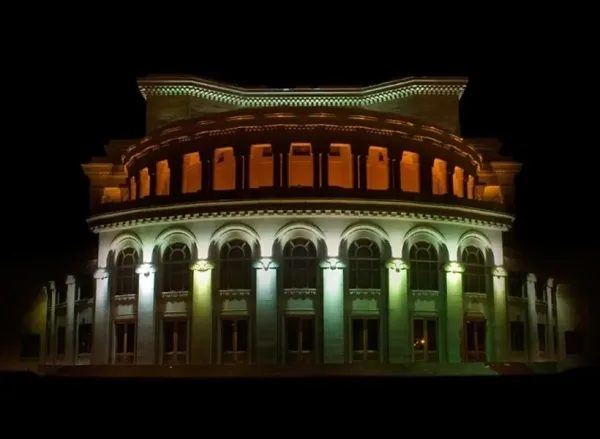
Image Source: Barev Armenia
The Alexander Spendiaryan National Academic Opera and Ballet Theater stands proudly at Yerevan’s cultural heart. Locals simply call it “Opera,” and this architectural gem showcases Armenia’s rich performing arts tradition while delivering world-class entertainment.
Why visit the Opera House
Armenian cultural heritage’s life-blood flows through the Opera House, which first opened its doors on January 20, 1933 with Alexander Spendiaryan’s opera “Almast”. The building’s magnificent design came from renowned architect Alexander Tamanian, who created a masterpiece of Armenian architectural style. The theater earned its National Academic status in 1956, cementing its position as a premier cultural institution. Visitors who want authentic Yerevan experiences will find both visual and performing arts under one roof.
What to expect at the Opera House
Two impressive concert halls make up the complex: the Aram Khatchaturian Concert Hall with 1,400 seats and the Alexander Spendiaryan Opera and Ballet Theater seating 1,200. The theater’s rich history spans over 200 different operas and ballets from Armenian, Russian, and Western European composers. Today’s performances feature works by Tchaikovsky, Puccini, Khachaturian, and Verdi. Special events enhance the program, with the English National Ballet scheduled to perform in May 2024.
Tips for visiting the Opera House
The “OPERA TOUR” program lets visitors discover the theater’s halls, backstage areas, and workshops. Each tour costs 3000 AMD per person with a minimum group size of 10 participants. Visitors can meet artists and see hidden areas of this architectural masterpiece. This makes it possible to appreciate the venue’s beauty and significance quickly.
Marvel at Mother Armenia
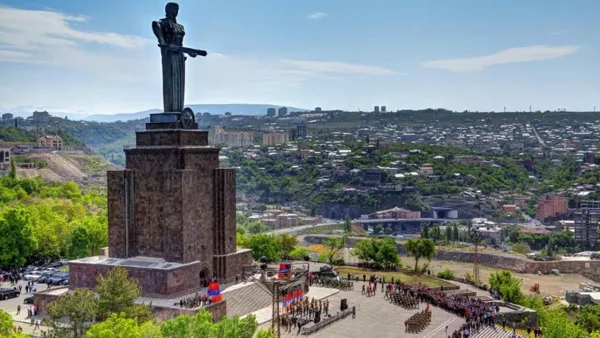
Image Source: Visit Yerevan
Mother Armenia stands majestically on one of Yerevan’s highest points. This powerful female figure watches over the Armenian capital with a steadfast gaze and unsheathed sword.
Why visit Mother Armenia
The statue symbolizes peace through strength and honors prominent female figures in Armenian history. The monument represents the unbreakable spirit and collective image of Armenian women. The location provides exceptional panoramic views of the city, and visitors can see Mt. Ararat in the distance when skies are clear. The sort of thing I love is that the statue was modeled after Genya Muradian, a Russian-language teacher whose strong character inspired sculptor Ara Harutyunyan.
What to expect at Mother Armenia
This magnificent copper statue reaches 22 meters high on a black tuff pedestal, and the complete monument stands 51 meters tall. The Military Museum of Mother Armenia sits inside the pedestal and houses more than 30,000 exhibits about World War II and the Nagorno Karabakh conflict. Visitors can explore three floors filled with photographs, documents, military vehicles, and Armenian soldiers’ personal belongings. The experience ends up at an open-air display of military vehicles, where you’ll find tanks and a MiG fighter jet.
Tips for visiting Mother Armenia
- The museum welcomes visitors Tuesday through Sunday between 10:00-17:00 (Saturday/Sunday until 15:00) but stays closed on Mondays and national holidays
- Entry to the museum is free, making it a budget-friendly addition to your Yerevan itinerary
- May 9th brings thousands of Armenians who commemorate WWII victims with flower-laying ceremonies
- Set aside 20-40 minutes to explore the main museum, with extra time for the outdoor exhibits
Explore Kond Neighborhood
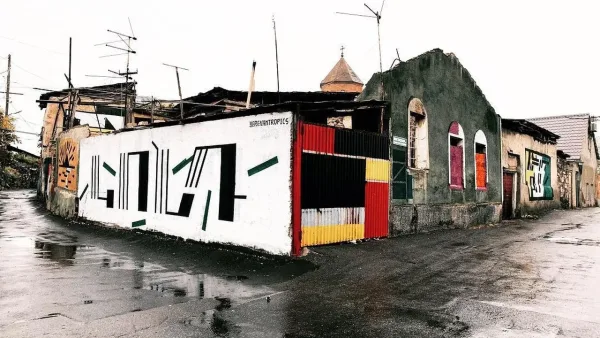
Image Source: Visit Yerevan
Kond, a remarkable historic district in Yerevan, feels like a city within a city. This ancient neighborhood’s name means “long hill” in Armenian. The maze-like streets from the 17th century preserve the authentic urban fabric of centuries past.
Why visit Kond
Kond stands as one of the few surviving pieces of old Yerevan that offers a peek into the city’s authentic heritage. The central Yerevan went through reconstruction during Soviet times, but this historic quarter kept its original layout and character. Local residents created unique architectural structures without any help from architects. On top of that, it houses important historical monuments like the Tepebashi Mosque built in 1687 and Surp Hovhannes Church. The church was rebuilt in 1710 after an earthquake damaged its original 15th-century structure. The neighborhood’s charming esthetic draws photography lovers, especially when you have colorful doors and modern graffiti to capture.
What to expect in Kond
Narrow stony streets will transport you to another era as soon as you step into Kond. Uneven brick houses with wooden, colorful doors create a maze-like feel. Houses connect through shared courtyards and cascade down the hillside like steps. The warm residents often welcome visitors with coffee and share their local stories. This living museum shows how a community keeps its traditions alive despite modernization. You might see children playing in the streets or locals sitting on stone benches talking about district news.
Tips for visiting Kond
Here are some suggestions to make your visit better:
- You can enter through old stairs from Proshyan, Saryan, Paronyan, or Leo streets
- The Kondi Hayat café welcomes you with local hospitality and their famous gata
- Wear comfortable shoes since the streets are uneven and steep in places
- Take your time to explore – this neighborhood rewards those who don’t rush
- Help preserve this cultural treasure by supporting family-run establishments
Discover the History Museum of Armenia
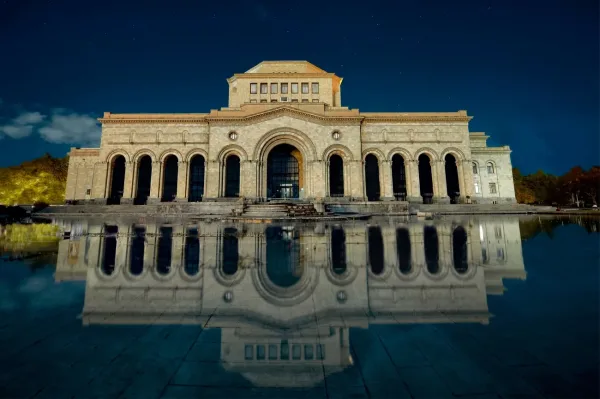
Image Source: yerevan.am
The History Museum of Armenia stands proudly on Republic Square as the country’s greatest collection of historical treasures. This 1919-old institution serves as the life-blood of Armenian cultural heritage and holds the distinction of being the first museum in the Armenian Republic.
Why visit the History Museum
The museum serves as a vital research center for Armenian history and culture. Its collection of about 400,000 objects gives visitors a detailed look at life from prehistoric times (1.8 million years ago) to the present day. The artifacts reveal fascinating cultural links between ancient societies in the Armenian Highlands, including Egypt, Assyria, and the Roman Empire. New items keep joining the collection through archeological digs, donations, and purchases.
What to expect at the History Museum
The museum features a well-laid-out chronological display across two floors that takes you from the Stone Age through the 17th century. The collections break down into archeological artifacts (35%), numismatic items (45%), ethnographic materials (8%), and historical documents (12%). The sort of thing I love is the world’s oldest leather shoe that dates back 5,500 years – archeologists found it in 2008 at the Areni-1 site. You’ll also see ancient wagons from 4,000 years ago among other impressive collections of rugs, coins, and jewelry.
Tips for visiting the History Museum
The museum opens Tuesday through Saturday (11:00-18:00) and Sunday (11:00-17:00), but stays closed on Mondays and holidays. Regular tickets cost 2,500 AMD, while students, pensioners, and refugees get a 50% discount. Kids under 12 can visit free. Tour guides speak multiple languages including Armenian, Russian, English, French, and Arabic, with tours priced between 4,000-5,000 AMD. Armenian citizens enjoy free entry on the last Saturday of each month.
Taste Local Flavors at GUM Market
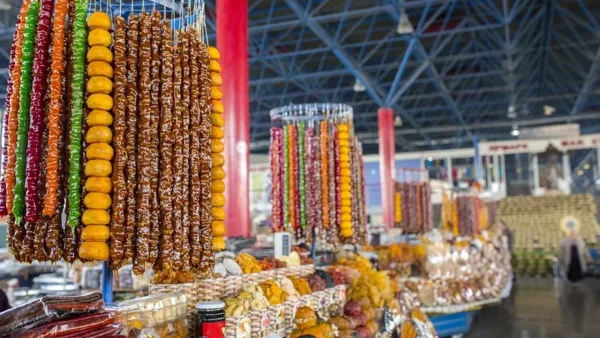
Image Source: Visit Yerevan
The aroma of warm bread mingles with exotic spices at GUM Market, Yerevan’s bustling indoor bazaar that brings local culinary traditions to life. This vibrant marketplace got its name from the Soviet-era “State Universal Store” (Государственный Универсальный Магазин). It gives visitors one of the most authentic cultural experiences in Armenia’s capital.
Why visit GUM Market
GUM Market lets visitors dive deep into Yerevan’s local culture through food. The market serves as a lively cultural hub that’s way beyond the reach and influence of a typical shopping experience. Visitors can watch daily Armenian life unfold right before their eyes. Armenian people’s centuries-old hospitality traditions shine through every corner of this market. GUM Market gives you a real taste of Armenian cuisine and lets you connect with locals who still use traditional organic food preparation methods. The prices here are nowhere near as high as supermarkets, making it perfect for budget-conscious travelers.
What to expect at GUM Market
Vendors are happy to let you sample their products as soon as you walk in. The front area showcases dried and candied fruits, nuts, spices, and sujukh – walnut strings soaked in fruit juice jelly. As you walk deeper inside, you’ll find sections filled with meats, fish, cheese, pickled vegetables, and huge sheets of lavash bread. “Armenian Snickers” – dried fruit stuffed with walnuts or pressed into candy-like rolls – are popular among vendors. Shoppers can spot uniquely Armenian items like dried wild sorrel twisted into neat “bundles” and traditional teas made from local herbs.
Tips for visiting GUM Market
- The product selection is freshest during morning hours
- Cards rarely work here – cash is king
- The vendors sell most items by weight, so ask prices first
- Most vendors use gestures and samples since English is limited
- Take time to explore front sections and hidden back areas through narrow corridors near the central stairway
- Weekdays are less crowded than weekends
- Your empty stomach will thank you – vendors offer lots of free samples
Enjoy Wine on Saryan Street
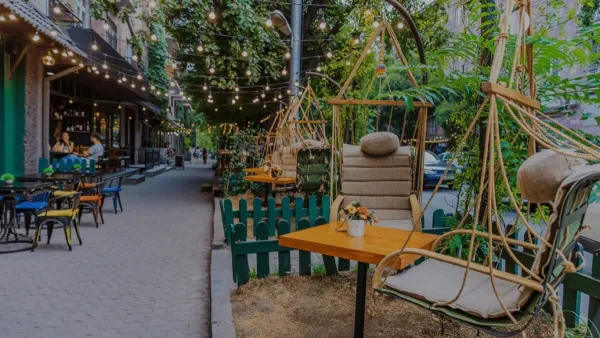
Image Source: Hayasa Hotel Yerevan
Saryan Street has become Yerevan’s vibrant “wine street,” a gathering spot where wine lovers can experience Armenia’s ancient winemaking heritage in a modern setting. This lively street gives visitors their first taste of Armenia’s thriving wine scene.
Why visit Saryan Street
Saryan Street stands at the heart of Armenia’s wine culture. Wine enthusiasts, both locals and tourists, come together to enjoy Armenian wines in its welcoming venues. The street comes alive during Yerevan Wine Days festival, which happens in May or June. Winemakers from all over the country bring their best selections to this event. Without doubt, this festival draws thousands, including food bloggers and wine tourists from around the world.
What to expect on Saryan Street
Wine establishments line the street, with In Vino leading the way since late 2012. This pioneering venue sparked the area’s remarkable change. Guests can taste different Armenian wines made from native grapes while enjoying local artisanal meats and cheeses. Wine bars such as Wine Time and Wine Room serve both Armenian and international wines. Yerevan Wine Days turns the street into a festival ground with dedicated areas for wine, food, charity, and music.
Tips for visiting Saryan Street
Start your journey at In Vino, the place that started Saryan’s wine revolution. Wine tastings here feature 6 wines – two whites, two rosés, and two reds. Expert sommeliers share stories about Armenia’s winemaking traditions. Many venues stay open until midnight for night owls. A visit during Yerevan Wine Days will give you the best taste of Armenian wine culture.
Take a Ride on Yerevan Metro
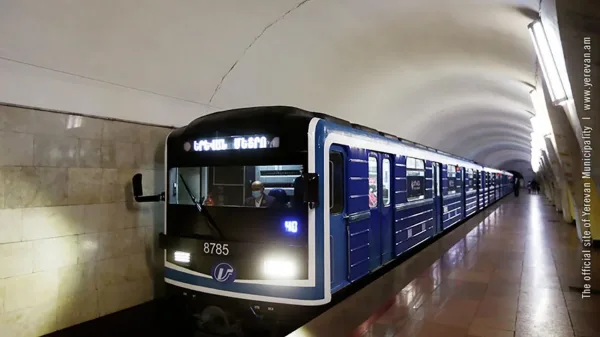
Image Source: Armenian Travel Directory
The Karen Demirchyan Yerevan Metro opened in 1981 and offers a quick underground trip through Armenia’s capital. This Soviet-era transport system serves as both a cultural landmark and a practical way to see Yerevan’s attractions.
Why ride the Yerevan Metro
The Yerevan Metro stands out with its clean stations, punctual service, and unique deep-station architecture. Many residents and visitors choose this transport option because it’s fast and avoids traffic jams. The metro has become the backbone of Yerevan’s transport system and provides a green, affordable way to travel. Each train car makes about 300 runs daily, which shows how well the system runs.
What to expect on the Metro
A single line runs 13.4 kilometers with 10 active stations and carries 50,000 to 60,000 passengers each day. Beautiful decorations blend Armenian national motifs with late-Soviet architecture in most stations. Seven out of ten stations sit underground, and some reach depths over 30 meters. Tourists can stay connected with free Wi-Fi throughout the system.
Tips for using the Metro
The metro runs daily from 6:30 AM to 11:00 PM. Tickets cost 100 AMD (about $0.25). Passengers can pay by card at machines or cash at desks and scan their QR code at barriers as of 2025. Remember to stand on the right on escalators so others can pass on the left. Trains come every 5 minutes during rush hours and every 10 minutes during slower periods.
Visit Sergei Parajanov Museum
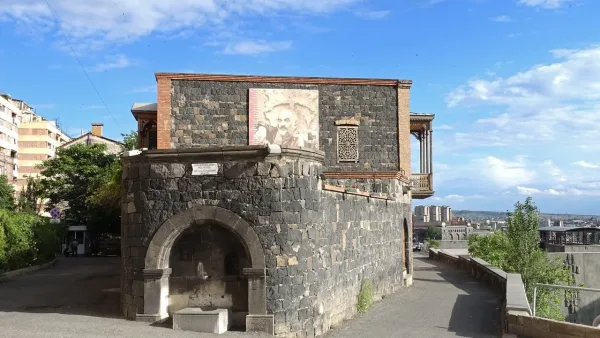
Image Source: Visit Yerevan
The Sergei Parajanov Museum stands in the beautiful Dzoragyugh district of Yerevan. This remarkable institution celebrates the life and work of one of Armenia’s most beloved avant-garde artists and filmmakers. What was meant to be Parajanov’s home has evolved into a cherished cultural landmark in Yerevan.
Why visit Parajanov Museum
Visitors flock to the Parajanov Museum, making it one of Yerevan’s most popular cultural destinations. The museum gives you a window into the mind of a true artistic genius and stands as a testament to Armenia’s cultural achievements. Its significance extends well beyond borders, drawing notable visitors like Paulo Coelho, Wim Wenders, and many other celebrities.
What to expect at Parajanov Museum
You’ll discover a rich collection of about 1,400 exhibits at the museum. The displays include flat and three-dimensional collages, assemblages, drawings, dolls, and hats. Two re-created memorial rooms house unpublished screenplays and artwork that Parajanov created during his imprisonment. The museum’s exhibition design follows Parajanov’s artistic principles, which creates an engaging experience for visitors.
Tips for visiting Parajanov Museum
The museum welcomes visitors daily from 10:30 AM to 5:00 PM. Entry costs 1,500 AMD, and you can enhance your visit with a 30-minute audio guide about Parajanov’s life and work for an additional 2,000 AMD. Watch “The Color of Pomegranates” before your visit to better understand his unique artistic style. The museum offers guided tours in Russian, English, French, and German.
Take a Day Trip to Garni and Geghard
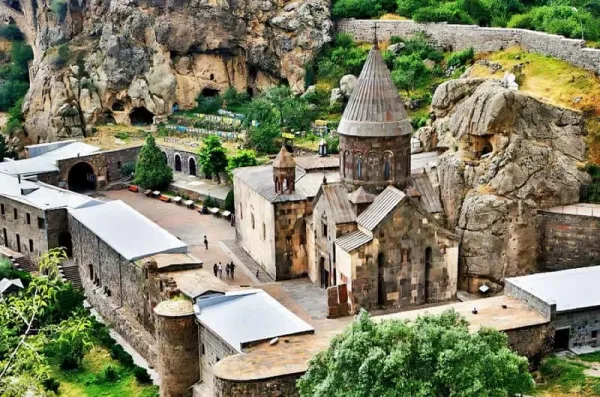
Image Source: GetYourGuide
A perfect blend of Armenia’s spiritual and pagan history lies just 30km east of Yerevan. The UNESCO-listed Geghard Monastery and the Hellenistic Garni Temple create one of the most rewarding trips from the capital.
Why visit Garni and Geghard
Garni-Geghard sites showcase Armenia’s pre-Christian and Christian heritage together. Garni Temple stands as Armenia’s only surviving pagan temple and attracts nearly 390,000 visitors each year. The temple’s strategic hilltop location offers sweeping views of the Geghama mountains and Azat River. A UNESCO World Heritage Site, Geghard Monastery features remarkable rock-cut churches built between the 4th and 13th centuries. These two sites have naturally become Armenia’s prime destination for cultural tourism.
What to expect on the day trip
The scenic trip takes about an hour each way. Visitors can find a perfectly reconstructed Greco-Roman temple from the 1st century at Garni, dedicated to the sun god Mihr. Geghard Monastery’s extraordinary medieval Armenian architecture includes churches and tombs carved directly into living rock. The “Symphony of Stones” attracts many travelers with its natural hexagonal basalt columns that look like an organ.
Tips to plan the trip
Your experience will be better if you:
- Get to Geghard before 10am to avoid tour busses
- Get a driver from Republic Square for about 15,000 dram
- Keep cash handy for entrance fees and refreshments
- Set aside 4-5 hours for the complete trip
Comparison Table
| Attraction Name | Type | Opening Hours | Admission Fee | Key Features/Highlights |
| Cascade Complex | Monument/Art Center | 8:00-20:00 (escalators) | Free | A grand stairway with 572 steps and 5 terraces that houses Cafesjian Center containing over 5,000 artworks |
| Republic Square | Public Square | 24/7 | Free | Dancing fountains run from May to November (9:00-23:00), surrounded by 5 historic buildings across 3.5 hectares |
| Armenian Genocide Memorial | Memorial/Museum | Tue-Sun 10:00-16:10 | Free | Sacred space featuring 12 pylons and eternal flame, with museum spanning over 1,000 square meters |
| Cafesjian Center | Art Museum | Fri-Sun 8:00-20:00 | Free (most galleries) | Home to the world’s largest glass collection alongside a sculpture garden and diverse galleries |
| Ararat Brandy Museum | Museum | 9:00-20:00 daily | – | Features active aging workshop, guided tastings and tours offered in 5 languages |
| Vernissage Market | Open-air Market | 10:00-18:00 daily | Free | Rich collection of handcrafted items, Soviet memorabilia and traditional crafts |
| Matenadaran | Museum/Institute | Tue-Sat 10:00-17:50 | 2000 AMD | Houses 17,000+ precious manuscripts and rare texts in various languages |
| Lovers’ Park | Park | – | Free | Serene Japanese-inspired garden featuring artificial lakes and bamboo groves |
| Blue Mosque | Religious Site | 10:00-13:00, 15:00-18:00 | Free | Sprawling 7,000 sq m complex with Persian library and 24m minaret |
| Opera House | Performance Venue | Varies by performance | – | Features two grand halls (1,400 & 1,200 seats) with available backstage tours |
| History Museum | Museum | Tue-Sat 11:00-18:00, Sun 11:00-17:00 | 2,500 AMD | Houses 400,000 artifacts including the world’s oldest leather shoe |
| GUM Market | Indoor Market | – | Free entry | Bustling marketplace offering local produce, dried fruits and traditional foods |
| Yerevan Metro | Transportation | 6:30-23:00 daily | 100 AMD | Spans 13.4km with 10 stations showcasing Soviet architecture |
| Sergei Parajanov Museum | Museum | 10:30-17:00 daily | 1,500 AMD | Collection of 1,400 exhibits featuring memorial rooms and artistic displays |
Enjoy Things to do in Yerevan
Yerevan ranks among the world’s oldest continuously inhabited cities, yet remains a hidden treasure waiting to be found by international travelers. This Armenian capital blends ancient history with modern culture perfectly, making it a dream destination for travelers who love to venture beyond popular tourist spots.
The city boasts 27 exceptional attractions that highlight its unique character. The architectural marvel of the Cascade Complex and the solemn Armenian Genocide Memorial tell stories of Armenia’s resilient spirit. The Matenadaran manuscript repository and History Museum teach visitors about this nation’s rich heritage.
Yerevan’s charm extends beyond its monuments and museums. The bustling GUM Market lets travelers sample local flavors while Saryan Street proudly displays Armenia’s 6,000-year winemaking tradition. A stroll through Kond neighborhood’s ancient alleyways takes you back several centuries.
Night brings magic to the city. Republic Square comes alive with musical fountains dancing under starlight, while cafés near the Opera House buzz with lively conversations. The city also serves as a perfect launching point to visit nearby wonders like Garni Temple and Geghard Monastery.
The city’s compact size makes it easy to get around, yet it delivers experiences that match larger European capitals—without the tourist crowds or steep prices. Most first-time visitors are amazed by the city’s cleanliness, safety, and warm hospitality.
This capital city deserves its place among the world’s great cultural destinations. Adventurous travelers who step away from typical European cities will find a place where old traditions thrive alongside state-of-the-art developments. Yerevan truly stands as an unforgettable destination that belongs on every curious explorer’s bucket list.
FAQs
Q1. What are some must-visit attractions in Yerevan? Some top attractions in Yerevan include Republic Square with its musical fountains, the Cascade Complex offering panoramic city views, Matenadaran manuscript museum, the Opera House, and the History Museum of Armenia.
Q2. What is the best way to experience Yerevan’s culture and history? To experience Yerevan’s culture and history, visit the Armenian Genocide Memorial, explore the ancient Kond neighborhood, tour the Ararat Brandy Museum, browse traditional crafts at Vernissage Market, and see ancient manuscripts at Matenadaran.
Q3. Are there any unique outdoor experiences in Yerevan? Yes, you can climb the Cascade Complex for city views, relax in the Japanese-style Lovers’ Park, enjoy the musical fountains at Republic Square in the evenings, and take a stroll through the colorful GUM Market for local flavors.
Q4. What day trips can I take from Yerevan? A popular day trip from Yerevan is to visit the Garni Temple and Geghard Monastery. This excursion combines Armenia’s pagan and Christian heritage and includes stunning natural scenery like the “Symphony of Stones” rock formation.
Q5. How can I experience Yerevan’s local food and drink scene? To experience Yerevan’s food and drink scene, visit GUM Market for local produce and traditional foods, enjoy wine tasting on Saryan Street, tour the Ararat Brandy Museum, and try Armenian cuisine at restaurants around Republic Square and the Opera House.








Leave A Comment