
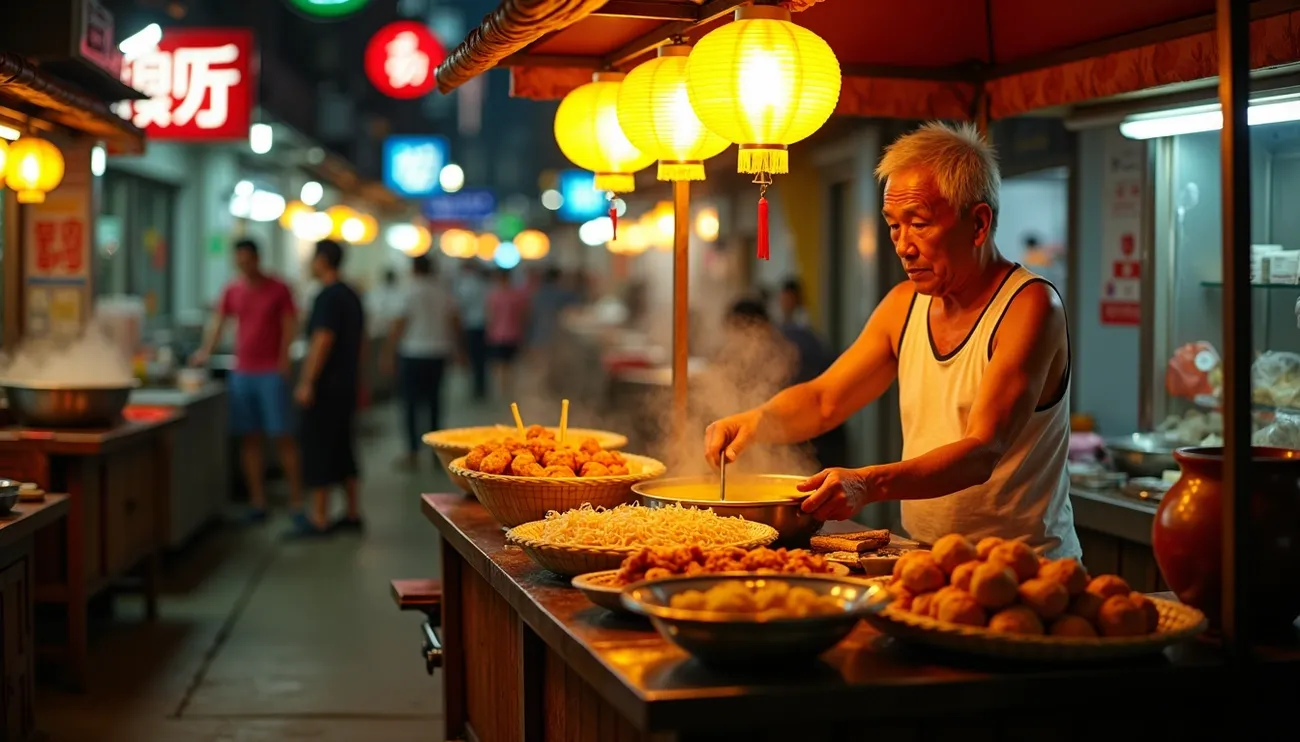
Hong Kong’s street food scene bursts with life and flavor. Local residents have quietly enjoyed these hidden gems for years. Most visitors miss out on the culinary underground that holds some of the world’s most incredible flavors waiting to be found.
The street food culture in Hong Kong gives you exceptional value. A three-course street food meal costs very little, yet these flavors have earned spots in Hong Kong’s prestigious Michelin Guide. Each neighborhood from the lively Temple Street Night Market to Sham Shui Po’s food paradise puts its own spin on traditional favorites.
The sort of thing I love about Hong Kong’s best street food goes beyond its easy access to the stories behind each dish. This piece will guide you through 17 secret spots where locals eat—places so authentic that some visitors have been asked to leave while trying to sample fresh cheung fun. Top chefs, writers, and culinary experts have shared these spots that serve the most authentic tastes of Hong Kong.
Cheung Fun at Hop Yik Tai
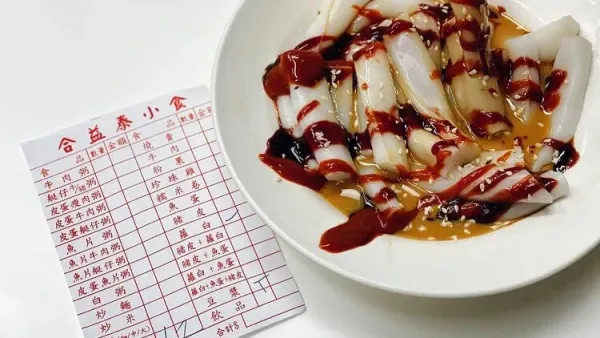
Image Source: Time Out
A humble eatery sits in the heart of Sham Shui Po’s bustling streets, where locals line up all day long. Hop Yik Tai captures the soul of authentic Hong Kong street food with a signature dish that keeps people coming back.
Cheung Fun Description
Cheung Fun, or rice noodle rolls, stands as a classic Cantonese dish that originated in Guangdong province. Hong Kong locals grab these delicate steamed rice noodle sheets as a quick breakfast or snack. Food enthusiasts love their silky, slippery texture that comes with just the right amount of chew. You’ll spot different versions of this versatile dish across Hong Kong—from dim sum spots to street cafes—each with its own fillings and sauces.
Hop Yik Tai takes a different approach by focusing on plain cheung fun. The texture and sauce blend take center stage here. The secret lies in a touch of lard that gives these rolls their unique mouthfeel.
Why Cheung Fun at Hop Yik Tai is Special
The magic of Hop Yik Tai’s cheung fun comes from its silky-smooth texture and perfect sauce combination. Each serving comes loaded with a balanced mix of sweet sauce, sesame sauce and soy sauce, with sesame seeds sprinkled on top. This creates a savory-sweet taste that nobody else has managed to copy.
This small shop has earned its place in the Michelin Guide since 2016. It ranks among the city’s best street food spots. A bowl of their famous rice noodles costs just HKUSD 8.00—amazing food at an incredible price.
Lines of hungry customers tell the whole story. Locals and food lovers wait patiently outside. The shop serves up other Hong Kong favorites too, like fish balls, pork skin, and braised radish.
Where to Find Cheung Fun at Hop Yik Tai
You’ll find Hop Yik Tai at G/F, 121 Kweilin Street in Sham Shui Po. The shop sits just a minute away from Sham Shui Po MTR station’s Exit C2. Just look for the long queue—it makes the place easy to spot.
Customers can eat inside or take their food while they explore the neighborhood. Need help finding the place? Give them a call at +852 2720 0239.
Curry Fish Balls at Tung Tat
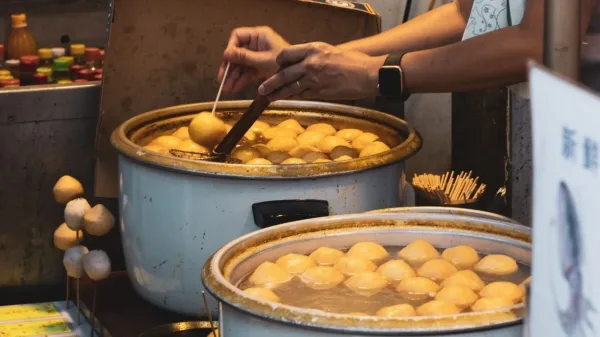
Image Source: Lifestyle Asia
The enticing smell of curry fills the air as you walk through Mong Kok, leading hungry people to one of Hong Kong street food’s most iconic treats. Tung Tat has become a true local treasure in its 20 years of serving delicious food.
Curry Fish Balls Description
Street food in Hong Kong wouldn’t be complete without curry fish balls that float in metal steam-heated trays of rich yellow curry sauce. These springy spheres should contain minced fish meat mixed until it gets that signature bouncy texture, though these days many contain more flour than fish. Vendors first fry the balls and then submerge them in a mildly spicy curry sauce.
Each bite gives you a satisfying springy texture. You can get them skewered on bamboo sticks or in takeaway containers that make them perfect to eat while walking. Every vendor has their own curry sauce recipe – some make it spicier while others prefer sweeter, milder flavors.
Why Tung Tat’s Version Stands Out
Tung Tat’s curry fish balls have created a loyal customer base and with good reason too. Their sauce creates such a fragrant curry aroma that customers smell it before they even leave the MTR station. The curry hits the perfect balance – spicy enough for those who love heat yet available enough for most people to enjoy.
The fish balls here have an exceptional texture that makes them incredibly chewy and bouncy. A skewer costs 13 HKD, which gives great value for the quality you get. Tung Tat also serves a special bowl that combines pork skin, curry fish balls, and radish – an unusual mix that tastes amazing.
Many street stalls use pre-packaged fish balls and curry sauce, but Tung Tat maintains higher standards. Lines of locals wait patiently for their turn, so it’s no surprise this place has become a must-visit spot.
Where to Find Tung Tat
You’ll find Tung Tat Food Shop at G/F, 172 Fa Yuen Street in Mong Kok. The shop is easy to reach especially when you have public transit – it’s just steps away from Exit A of Yau Ma Tei MTR station. They’re open from 9:30 AM to 9:00 PM, which means you can satisfy your cravings whether it’s lunch or evening snack time.
Egg Waffles at Lee Keung Kee
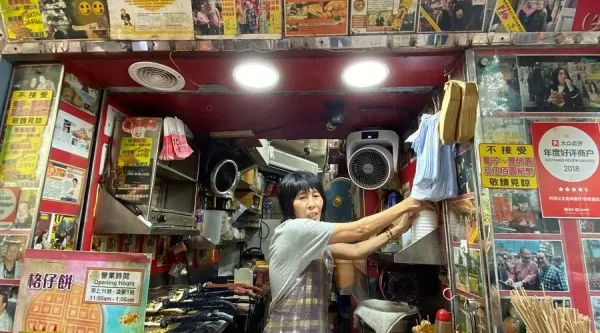
Image Source: Tripadvisor
Curious visitors can smell the sweet aroma of freshly baked egg waffles from Lee Keung Kee before they spot the relaxed stall in North Point. This modest shop adds another sparkling jewel to Hong Kong street food culture’s crown.
Egg Waffles Description
Locals call them “gai daan zai” (little chicken eggs). These egg waffles have become a quintessential Hong Kong food street snack dating back to the 1950s. Their golden surface shows a distinctive honeycomb pattern of small, oval-shaped bubbles that looks nothing like Western waffles’ grid design.
Eggs, flour, sugar, and evaporated milk come together in the classic recipe. Expert preparation creates a fascinating contrast in texture. The outside stays thin and crispy while the inside remains soft and fluffy. A grocery shop owner’s attempt to use cracked eggs led to this creation that became one of Hong Kong’s most cherished street foods.
Why Lee Keung Kee is a Hidden Gem
Lee Keung Kee stands as a legend in the Hong Kong street food guide world. The 2017 Hong Kong & Macau Michelin Guide recognized their egg waffles, which proved their excellence.
Their signature version features slightly thicker texture with crispy edges and perfect fluffiness. Food critics describe these waffles as “feather-light and semi-hollow, with a thin, brittle crust”. Lee Keung Kee’s reputation soars high as fifteen food critics, including FoodieHub, recommend it among the best Hong Kong street food spots.
Tradition matters here. The shop serves only the original flavor—a pure approach that Hong Kong residents love. Decades of popularity shine through their well-worn waffle irons and walls filled with autographed celebrity photos.
Where to Find Lee Keung Kee
The original branch sits at 492 King’s Road, North Point, Hong Kong Island. More locations now exist in Kowloon and the New Territories.
Customers can reach them at +852 2590 9726. Notwithstanding that, locals make finding the shop simple with their saying: “You can smell Lee Keung Kee before you even see it”.
Braised Beef Offal at Shui Kee
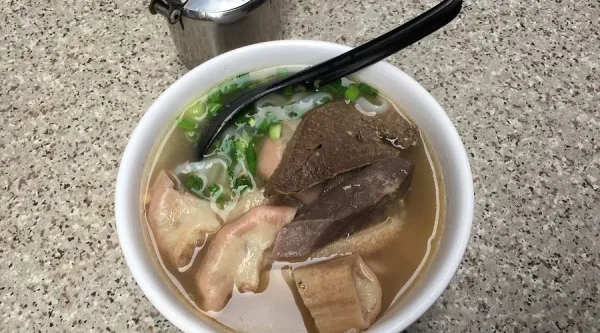
Image Source: Tripadvisor
Tucked away in Central’s busy alleys, Shui Kee is proof of Hong Kong street food culture’s love for traditional offal dishes. This family business has served generations of loyal customers who keep coming back for their authentic flavors.
Beef Offal Description
Cantonese cuisine’s beef offal features different organ meats like tripe, intestine, pancreas and lung. Each cut brings its own unique texture and taste. The lungs give lean, smooth bites, while stomach and intestines add a satisfying chew. The pancreas delivers a creamy softness. The preparation needs careful cleaning before the meat goes into a 10-hour slow braise with more than 20 sauces and spices. This long cooking process lets the offal soak up all the rich flavors.
Why Shui Kee is a Local Favorite
Shui Kee stands out because of their steadfast dedication to fresh-slaughtered beef instead of frozen options. Mr. Lam, the owner, points out that frozen offal quality drops noticeably – intestines become thin and shrink, which affects how people enjoy the food. Their braised offal keeps its perfect texture – chewy intestines with soft filling, bouncy honeycomb tripe and juicy, spongy lungs.
Where to Find Shui Kee
You’ll find Shui Kee at 2 Gutzlaff Street in Central. The shop is just a 5-minute walk from Hong Kong Station’s Exit E1. The rich smell of braised meats helps new visitors spot this hidden gem in the alley. Their beef offal noodles and beef brisket noodles are must-try signature dishes.
Most breathtaking travel destinations.
Stinky Tofu on Dundas Street
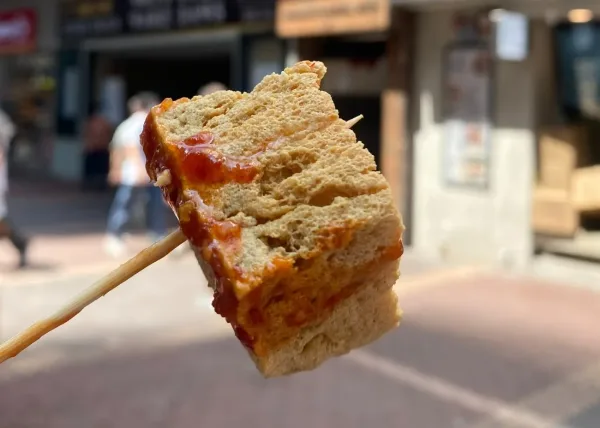
Image Source: The Beat Asia
The smell hits you before you spot it. That unmistakable aroma splits Hong Kong street food lovers into two camps – die-hard fans and hesitant skeptics. Stinky tofu ranks as the most controversial treat in the bustling Hong Kong street food culture.
Stinky Tofu Description
Stinky tofu, a fermented bean curd, draws comparisons to Southeast Asia’s durian. This bold delicacy gets its character from a fermentation brine filled with vegetables and sometimes shrimp. The mixture ferments for up to six months, then fresh tofu cubes soak for 4-6 hours to soak up that signature aroma.
Hong Kong vendors deep-fry the tofu until it develops a golden, crispy shell while staying soft and tender inside. The strongest smells release during cooking but fade once the tofu comes out of the oil. Vendors serve it with pickled cabbage for tang and chili sauce to complement its mild flavor.
Why Dundas Street’s Tofu is Iconic
Dundas Street’s stinky tofu sellers know the sweet spot between aroma and taste. Their deep-fried creation nails that perfect contrast – crunchy exterior with a juicy center. These stalls make the experience complete by serving the tofu next to classic Hong Kong food street favorites like curry fish balls and beef offal.
Where to Find It
Stalls dot Dundas Street, especially around Mong Kok. Vendors fire up their woks late afternoon, and the distinctive aroma leads you right to them. Anyone learning about street food in Hong Kong can easily track down these stalls just by trusting their nose.
Three Stuffed Treasures at Dong Hing
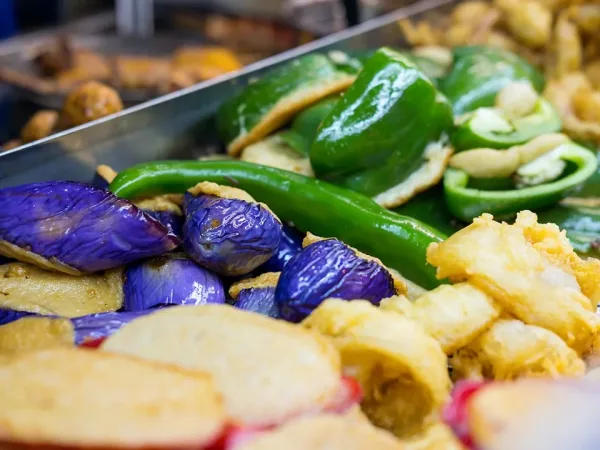
Image Source: Hong Kong Tourism Board
A wealth of Hong Kong street food includes the colorful skewers of Three Stuffed Treasures, which stand out as a beloved local snack. These savory morsels have deep roots in southern China’s culinary traditions and remain a staple on Hong Kong’s streets today.
Three Stuffed Treasures Description
Three Stuffed Treasures (煎釀三寶) combines vegetables and other foods stuffed with marinated dace fish paste. The name comes from its presentation – a set of three stuffed items served together. Eggplant, bell pepper and tofu create the classic trio, each filled with fish paste. Vendors fry these items until crispy while keeping their interiors tender and serve them with soy sauce or Worcestershire sauce. This dish originated from the Sanyi area (covering Nanhai, Panyu, and Shunde) near Guangzhou and evolved from home cooking to popular street food.
Why Dong Hing’s Version is Unique
Dong Hing’s version excels with its balanced textures – crispy exteriors that reveal soft, flavorful interiors. Their fish paste follows authentic preparation methods and includes preserved mandarin peel, cilantro and green onion. Unlike mass-produced versions, Dong Hing’s treasures highlight each vegetable’s natural flavors with savory fish paste.
Where to Find Dong Hing
You can find Dong Hing Snack Food at Stall A4, 43-59 Dai Tsuen Street in Tai Kok Tsui, Kowloon. The stall serves these delicacies among other classic Hong Kong street food favorites, making it perfect for trying multiple items in one visit.
Pineapple Polo Bun at Kam Wah Café
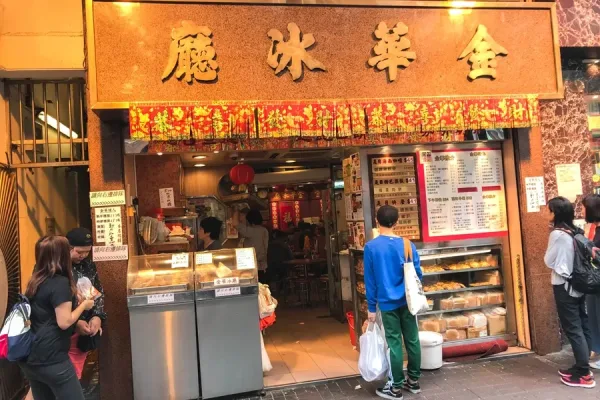
Image Source: Daniel Food Diary
Kam Wah Café has been the life-blood of Hong Kong street food culture since 1973. Their famous pineapple buns continue to draw crowds of locals and tourists to this historic cha chaan teng.
Pineapple Bun Description
The sort of thing I love about pineapple buns (bo lo bao) is that they don’t contain any pineapple. Their name comes from the crackled top that looks just like pineapple skin. These classic pastries have a soft, fluffy bread base with a distinctive crumbly, sweet crust. The topping turns crispy and caramelized right after baking. You can enjoy them plain or with a thick slab of cold butter (known as “bo lo yau”). The mix of warm bun and cold butter creates an amazing taste experience.
Why Kam Wah Café is a Must-visit
Kam Wah shines among Hong Kong food street spots with their special recipe. Their distinctive crumbly sugar topping has hints of caramel and sits on a brioche-like bread base. This family-owned spot sells approximately 5,000 pineapple buns daily. The Michelin Guide has recognized what locals have known through the decades by giving the café a coveted mention. A plain bun costs HKD8, while one with butter is HKD13. These prices are a great way to get authentic Hong Kong flavors.
Where to Find Kam Wah Café
You’ll find Kam Wah Café at G/F, 47 Bute Street in Mong Kok, Kowloon. The shop is available through King Edward MTR Station – just take Exit B2. They welcome customers from 6:30 AM to 11:00 PM every day. This schedule makes it perfect for street food in Hong Kong lovers to visit anytime.
Claypot Rice at Four Seasons
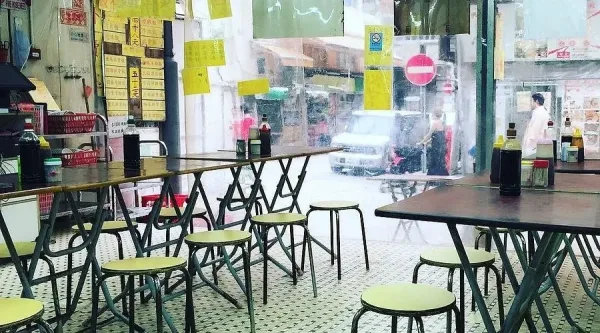
Image Source: Tripadvisor
Four Seasons Pot Rice sits quietly in Yau Ma Tei, offering one of the most authentic Hong Kong street food experiences—a dish that defines comfort food at its finest.
Claypot Rice Description
“Bao zai fan” or claypot rice stands as the ultimate comfort dish in Cantonese cuisine. This beloved delicacy comes to life as rice cooks over an open flame in a clay pot. The ingredients on top slowly release their flavors into the grains. The dish’s magic lies in its golden-brown crust that forms at the bottom, creating a distinctive crunch. Chinese sausage, marinated chicken, and salted fish rank among the most popular toppings. A drizzle of sweet soy sauce completes this traditional masterpiece.
Why Four Seasons is a Hidden Gem
Four Seasons has built its reputation on the perfectly caramelized rice bottom—the locals call it “faan ziu” or “scorched rice.” The restaurant stays true to traditional cooking methods while many commercial vendors take shortcuts. Their white eel claypot rice draws regular customers back time and again. Food critics praise the restaurant’s three-rice blend that creates an appealing fragrance and chewy texture. The unpretentious setting adds to the authentic Hong Kong street food culture experience.
Where to Find Four Seasons
You’ll find Four Seasons Pot Rice at 46 Arthur Street in Yau Ma Tei, Kowloon. This Hong Kong food street gem sits behind Yau Ma Tei MTR Station Exit C. The shop welcomes hungry diners daily from 6:00 PM to midnight.
Siu Mai Dumplings at Tung Tat
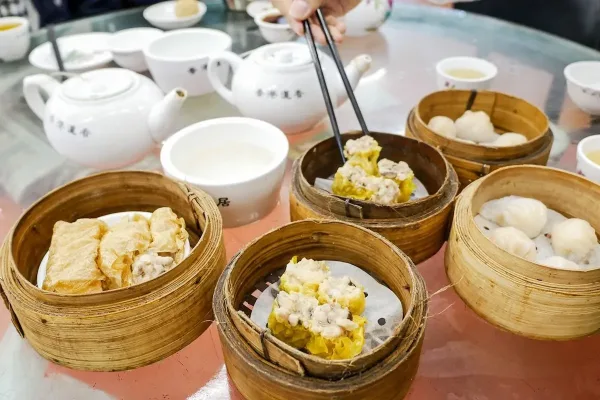
Image Source: Hong Kong Living
Yellow, plump siu mai dumplings sit among other delicacies at most Hong Kong street food carts, drawing customers with their mouthwatering aroma and unique look.
Siu Mai Description
Siu mai stands as the life-blood of dim sum culture, yet the street version is different from what you’ll find in restaurants. Street vendors make their siu mai with a pork-fish mixture instead of the shrimp and shrimp roe used in upscale dim sum places. Yellow flour-based wrappers hold these open-faced dumplings together. Diners can boost their siu mai’s flavor with soy sauce and chili oil. These dumplings originated in Guangdong Province and have become maybe the most famous dim sum item.
Why Tung Tat’s Siu Mai is Special
Tung Tat’s siu mai creates a legendary street food in Hong Kong duo when paired with their famous curry fish balls. Customers can buy these dumplings in sets of five to ten pieces, served on skewers that make them perfect for walking and eating. Their siu mai embodies authentic Hong Kong street food culture – simple yet satisfying protein that locals grab to achieve a quick snack fix.
Where to Find Tung Tat
Tung Tat Food Shop runs its business at G/F, 172 Fa Yuen Street in Mong Kok. Customers can visit daily from 9:30 AM to 9:00 PM. Visitors learning about the best Hong Kong street food can easily reach this spot through public transport, as it sits close to Mong Kok MTR station.
Roast Meats at Fu Ho Roasted Meat
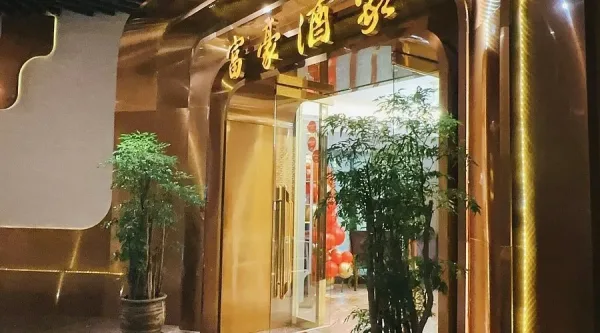
Image Source: Tripadvisor
The New Territories houses a modest meat shop that draws Hong Kong street food lovers away from Tsim Sha Tsui’s tourist crowds. Fu Ho Roasted Meat serves authentic Cantonese barbecue that locals can’t get enough of.
Roast Meats Description
Siu mei, Cantonese roasted meats, remains the life-blood of Hong Kong food street traditions. These expertly prepared meats showcase crispy, lacquered exteriors while maintaining juicy, tender interiors. Shop windows display these meats hanging proudly – char siu (barbecued pork), siu yuk (crispy roast pork belly), and siu ngor (roast goose). The complex flavors and perfect textures come from careful marination and slow roasting techniques.
Why Fu Ho is a Local Secret
This 15-year old hidden gem stays under the radar by operating outside tourist hotspots. The Sha Tin’s Shek Mun location attracts locals who want authentic street food in Hong Kong at honest prices. The restaurant’s roast chicken and dim sum have earned quite a reputation. Quality meets value here – with prices between USD 51-100, which beats similar spots in central areas.
Where to Find Fu Ho
Fu Ho Roasted Meat Restaurant sits at Shop G01, Ground Floor, Kings Wing Plaza 2, 1 On Kwan Street, Shek Mun, Sha Tin. Food enthusiasts learning about Hong Kong street food culture can reach here easily – just walk 4 minutes from Shek Mun MTR Station’s Exit B. The simple storefront hides what makes this spot one of the best Hong Kong street food places that tourists rarely find.
Sugar Cane Juice at Kung Lee
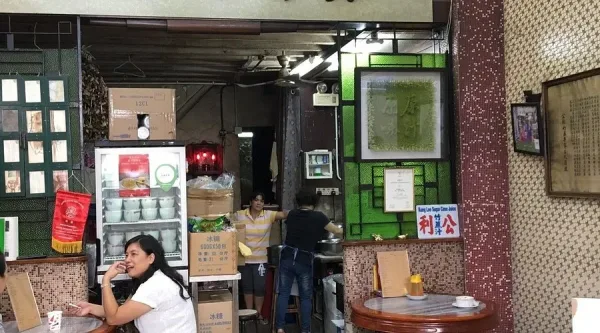
Image Source: Tripadvisor
Kung Lee has kept a unique Hong Kong street food culture alive for over 70 years by making steam-processed sugar cane juice the traditional way.
Sugar Cane Juice Description
Sugar cane juice offers natural refreshment that cools you down quickly. This sweet drink stands apart from regular beverages because it helps remove toxins from your body and provides important nutrients like iron, potassium and calcium. The juice contains plenty of antioxidants that combat free radicals. On top of that, it keeps you hydrated in hot weather thanks to its high water content (60-70%).
Why Kung Lee is a Hidden Refreshment Spot
Kung Lee opened its doors in 1948 and sets itself apart with a unique preparation method. The shop steams the sugar cane to extract maximum sweetness before peeling and juicing it, unlike most vendors who simply cold-press. They use their original antique juicer that’s been running since day one. The shop used to grow Chinese sugar cane but now gets premium cane from Guangdong Nanhai. Visitors should try the sugar-free pudding and various herbal teas alongside the signature juice.
Where to Find Kung Lee
You’ll find Kung Lee at 60 Hollywood Road in Central, inside a historic building that used to be Wah Yan College. The shop serves customers daily from 11:00 AM to 9:00 PM. The business stays current by working with local brewers to create sugar cane beer.
Roasted Chestnuts on Jordan Road
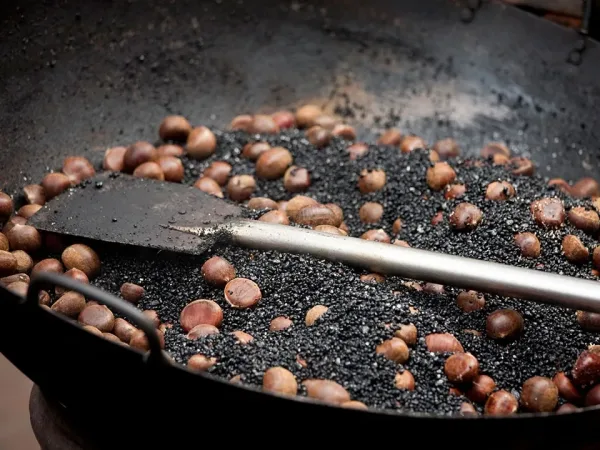
Image Source: Hong Kong Tourism Board
Sweet aromas and hypnotic swirls of chestnuts in giant woks draw winter crowds to Jordan Road. This scene announces one of Hong Kong street food’s most treasured seasonal delights.
Chestnuts Description
Chestnut vendors’ appearance on street corners signals winter’s arrival in Hong Kong. These flavorful nuts come from China’s Shandong province, a region blessed with perfect soil and climate conditions. The vendors’ preparation ritual demands careful attention as they stir the nuts in massive woks for about 40 minutes. Many hawkers stick to tradition by using coarse sugar during cooking. This technique creates chestnuts with a distinctive shiny exterior and crispy bite. Some vendors choose beach sand instead, which results in a tougher texture. The perfectly roasted chestnuts turn golden-brown and deliver a subtle sweetness with a uniquely soft texture that sets them apart from other nuts.
Why Jordan Road Carts are Worth Finding
Jordan Road’s chestnut vendors embody a disappearing piece of Hong Kong street food culture. Government restrictions on hawker licenses in the 1970s left just 383 Itinerant Hawker licenses by 2018. The city now has only 20-50 chestnut hawkers remaining. These skilled artisans keep their traditional cooking methods alive through generations. Their craft creates an authentic winter experience that locals say captures “a special Hong Kong feeling”.
Where to Find Them
Vendors set up their stalls near MTR stations along Jordan Road during late afternoons. A half catty (300 grams) costs HKUSD 25.00, while a whole catty (600 grams) sells for HKUSD 48.00. Your nose will lead you right to them – just follow the rich scent of charcoal and chestnuts that fills the winter air.
Egg Tarts at Tai Cheong Bakery
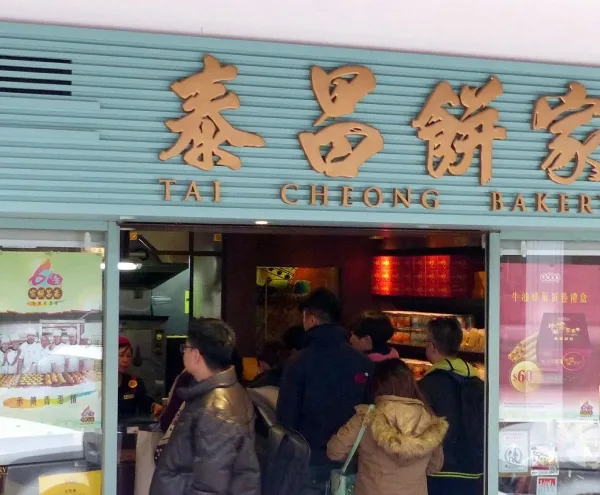
Image Source: Tripadvisor
The humble egg tart stands out among Hong Kong’s confectionery treasures and holds a special place in the city’s street food in Hong Kong pantheon. Tai Cheong Bakery has become skilled at crafting these treats that have charmed locals and visitors for decades.
Egg Tart Description
Hong Kong’s egg tarts feature a silky custard filling in a pastry shell. Two main varieties exist: flaky puff pastry and shortcrust (“cookie crust”). Each type creates a unique texture that complements the smooth, eggy interior. These golden treats rank among Hong Kong’s top five most popular snacks. The rich custard leaves a subtle sweetness on the palate.
Why Tai Cheong’s Tarts are Legendary
This 69-year-old bakery pioneered the butter-flavored shortcrust pastry approach. The bakery has woven itself into Hong Kong’s collective memory through seven decades. These tarts cost HKD12 each and showcase a glossy finish with perfect shape. Local and global media outlets rank Tai Cheong’s creations as Hong Kong’s best.
Where to Find Tai Cheong
Tai Cheong started as a single bakery but now runs six stores across Hong Kong and a dozen locations in Singapore. The bakery remains essential for anyone who wants to experience authentic Hong Kong street food culture.
Cart Noodles in Sham Shui Po
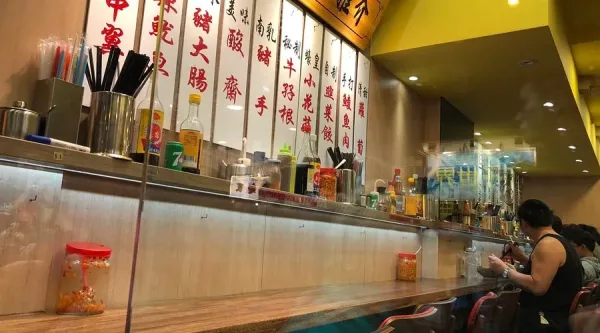
Image Source: Tripadvisor
Cart noodles stand as a culinary icon in Sham Shui Po that captures the essence of Hong Kong street food culture with endless customization options.
Cart Noodles Description
Mobile wooden cart vendors started serving noodle bowls with various toppings back in the 1950s. This classic Hong Kong dish lets you pick your favorite noodle types, ingredients, and soup base. The vendor combines these components in a container and adds hot broth to create an affordable, quick takeaway meal. The original vendors gave customers a choice of 30 different ingredients, 8-10 types of noodles and several soup bases. Today’s authentic shops keep this tradition of customization alive in permanent locations after the government banned street carts.
Why Sham Shui Po is a Noodle Haven
Sham Shui Po dominates the Hong Kong food street scene with its unbeatable prices and authentic flavors. Man Kee Cart Noodle leads the pack as a popular spot that now has four locations on Fuk Wing Street. Man Kee has got amazing customer loyalty over its decade-plus run, thanks to its famous beef brisket broth. Of course, their impressive menu of 62 cooked ingredients and MICHELIN recommendation make it one of the best Hong Kong street food spots. Their homemade chili sauce adds the perfect final touch.
Where to Find Them
You’ll find Man Kee Cart Noodle’s multiple branches at 121 Fuk Wing Street. As with Man Kee, Hei Hei Snack Stall serves up beloved cart noodles at the corner of Kweilin Street and Fuk Wing Street. Both spots give you an authentic street food in Hong Kong experience with prices that stay surprisingly affordable.
Peanut Butter French Toast at Cha Chaan Teng
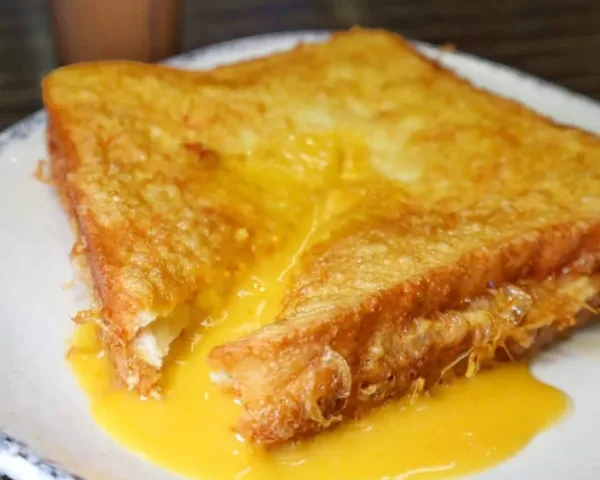
Image Source: Localiiz
Late at night in Hong Kong, locals head to cha chaan tengs when hunger strikes. The peanut butter French toast stands out as a beloved Hong Kong street food classic.
French Toast Description
Hong Kong’s version of French toast takes a delicious twist from its Western counterpart. Two thick slices of white bread come packed with peanut butter that melts between them. The deep-fried golden-brown exterior gives way to a soft, pillowy center. A perfect square of butter sits on top, while sweet condensed milk trickles down the sides. This treat used to appear only during afternoon tea time (2:30-6:00 PM), but now hungry customers can enjoy it any time of day.
Why This Dish is a Hidden Gem
The dish captures the essence of “soy sauce Western” cuisine that cha chaan tengs brought to life in the 1940s. These places made European dining accessible to more people. The crispy edges meet the custard-soaked bread while sweet condensed milk mingles with savory peanut butter to create magic on your plate. This fusion shows Hong Kong’s unique cultural identity that blends Chinese and British influences.
Where to Find It
Sun Heung Yuen in Sham Shui Po serves up some of the crispiest and fluffiest versions around. Shui Kee Coffee also makes an amazing French toast that pairs beautifully with Hong Kong milk tea.
Wonton Noodles at Mak Man Kee
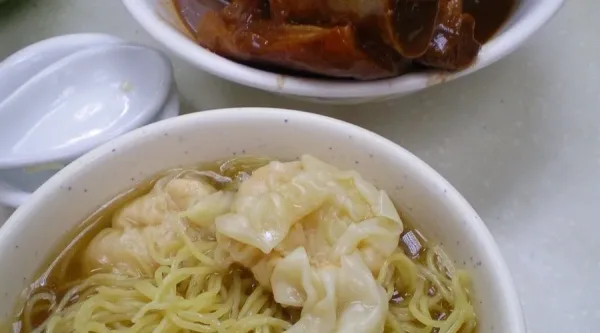
Image Source: Tripadvisor
Hidden away from Central’s tourist magnets, Jordan’s historic streets shelter one of Hong Kong street food scene’s most revered spots—a noodle shop that looks modest but carries an extraordinary culinary heritage.
Wonton Noodles Description
Wonton noodles are the life-blood of Cantonese cuisine and their story goes back thousands of years. This iconic dish combines shrimp or pork dumplings wrapped in thin wheat coverings with springy noodles. The delicacy transformed from its Hunan province roots into its current Hong Kong version when Guangdong chefs started using river shrimp and thinner wonton skins.
Why Mak Man Kee is a Local Favorite
This 60-year-old establishment grew from a simple alleyway stall into a beloved Jordan fixture. Second-generation owners now run Mak Man Kee and stay true to their authentic traditional flavors. Their paper-thin wonton skins wrap around plump shrimp that create exceptional texture. The signature noodles contain duck eggs that give them richer flavor and remarkable bounce.
Mak Man Kee earned prestigious recognition with both a Michelin Star in 2017 and Bib Gourmand status. That’s why food lovers often line up outside instead of visiting nearby spots that serve similar dishes.
Where to Find Mak Man Kee
You’ll find Mak Man Kee at 51 Parkes Street in Jordan, Kowloon. The business started in 1957 as a dai pai dong (open-air food stall) and later moved indoors.
Razor Clams at Under Bridge Spicy Crab
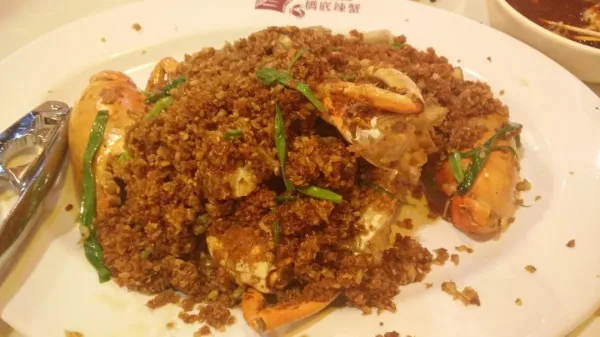
Image Source: Reddit
The razor clams at Under Bridge Spicy Crab attract Hong Kong street food lovers who venture beyond typical dim sum spots to discover oceanic delicacies crafted by expert hands.
Razor Clams Description
These bivalves earned their name from a distinctive elongated shape that mirrors straight razors. You’ll find them nestled in sandy coastal areas. The clean taste of razor clams brings a gentle saltiness and sweet undertones. The Pacific varieties grow larger than Atlantic ones, with more oval shapes that yield meatier bites combining tender and chewy textures.
These shellfish need careful timing in the kitchen. The meat turns rubbery if cooked too long. A quick 4-minute steam or flash-fry gives them that perfect “snap” – just like well-prepared shrimp.
Why This Dish is a Hidden Treasure
Under Bridge Spicy Crab reshapes these ocean gems into culinary masterpieces through their chili black bean sauce stir-fry. Each bite delivers juicy, tender clams that capture authentic local flavors. The clams stand out as a highlight of Hong Kong food street dining, and guests often say they “would go back to Hong Kong just to eat those clams”.
Where to Find Under Bridge Spicy Crab
The restaurant welcomes guests at G/F-3/F, Ascot Mansion, 421-425 Lockhart Road in Wan Chai. Their doors stay open from 11:30 AM until 12:30 AM daily. Night owls love this spot for late street food in Hong Kong cravings. Regulars pair the famous razor clams with house specialties like spicy crab and mantis prawns.
Comparison Table
| Establishment Name | Location | Specialty Item | Price (HKD) | Notable Feature | Operating Hours |
|---|---|---|---|---|---|
| Hop Yik Tai | G/F, 121 Kweilin St, Sham Shui Po | Cheung Fun | 8.00 | Michelin Guide recommended since 2016 | – |
| Tung Tat | G/F, 172 Fa Yuen St, Mong Kok | Curry Fish Balls | 13.00 per skewer | Fragrant curry sauce with perfect bouncy texture | 9:30 AM – 9:00 PM |
| Lee Keung Kee | 492 King’s Road, North Point | Egg Waffles | – | Michelin Guide mentioned (2017) | – |
| Shui Kee | 2 Gutzlaff St, Central | Braised Beef Offal | – | Uses fresh, never frozen offal | – |
| Dundas Street Vendors | Dundas St, Mong Kok | Stinky Tofu | – | Deep-fried with crispy exterior | Late afternoon onwards |
| Dong Hing | Stall A4, 43-59 Dai Tsuen St, Tai Kok Tsui | Three Stuffed Treasures | – | Authentic fish paste preparation | – |
| Kam Wah Café | G/F, 47 Bute St, Mong Kok | Pineapple Bun | 8.00 (13.00 with butter) | Sells 5,000 buns daily | 6:30 AM – 11:00 PM |
| Four Seasons | 46 Arthur St, Yau Ma Tei | Claypot Rice | – | Famous for white eel claypot rice | 6:00 PM – midnight |
| Kung Lee | 60 Hollywood Rd, Central | Sugar Cane Juice | – | Steam-processed since 1948 | 11:00 AM – 9:00 PM |
| Jordan Road Vendors | Jordan Road | Roasted Chestnuts | 25.00 (300g) | Traditional charcoal roasting | Late afternoon |
| Tai Cheong Bakery | Multiple locations | Egg Tarts | 12.00 each | Pioneer of butter-flavored shortcrust | – |
| Man Kee Cart Noodle | 121 Fuk Wing St, Sham Shui Po | Cart Noodles | – | 62 cooked ingredients available | – |
| Mak Man Kee | 51 Parkes St, Jordan | Wonton Noodles | – | Michelin Star (2017) | – |
| Under Bridge Spicy Crab | 421-425 Lockhart Rd, Wan Chai | Razor Clams | – | Chili black bean sauce preparation | 11:30 AM – 12:30 AM |
Enjoy Hong Kong Street Food
Hong Kong’s street food scene ranks among the world’s greatest culinary treasures. The value extends far beyond tourist traps. This piece explores 17 authentic spots where locals gather to enjoy the city’s beloved street delicacies. The silky smooth cheung fun at Hop Yik Tai and fragrant curry fish balls at Tung Tat showcase decades of culinary tradition. Family recipes and time-honored techniques preserve these flavors perfectly.
These hidden gems reward food enthusiasts who venture beyond the obvious spots. Kam Wah Café’s crispy pineapple bun crusts with cold butter slabs make the trip worthwhile. Four Seasons’ claypot rice, with its perfectly charred bottom, shows why locals queue up patiently each evening for this comfort food classic.
Stinky tofu on Dundas Street or various offal selections at Shui Kee might intimidate first-time visitors. Notwithstanding that, these distinctive flavors embody Hong Kong’s street food culture – unpretentious, affordable and deeply satisfying.
The prices stay surprisingly reasonable even though many places have earned Michelin recognition. A complete street food tour costs nowhere near a single meal at an upscale restaurant. The experience connects you more authentically to local culture.
Skip the sanitized food courts and gleaming shopping malls for at least one meal on your next Hong Kong visit. This guide helps you find flavors that have sustained generations of Hong Kongers. Crispy, sweet, savory and maybe even challenging tastes capture the city’s unique culinary identity. These 17 hidden spots serve more than just delicious food – they offer a genuine glimpse into this remarkable city’s heart and soul.
FAQs
Q1. What are some must-try street foods in Hong Kong?
Some iconic Hong Kong street foods include cheung fun (rice noodle rolls), curry fish balls, egg waffles, stinky tofu and pineapple buns. These can be found at various street stalls and small eateries throughout the city.
Q2. Where can I find authentic claypot rice in Hong Kong?
For authentic claypot rice, try Four Seasons Pot Rice in Yau Ma Tei. They’re known for their perfectly caramelized rice bottom and flavorful toppings. The shop opens daily from 6:00 PM to midnight.
Q3. Are there any hidden gem dessert spots in Hong Kong?
Kung Lee on Hollywood Road is a hidden gem for traditional Hong Kong desserts. They’ve been serving steam-processed sugar cane juice since 1948 and offer unique treats like sugar-free pudding and herbal teas.
Q4. What’s special about Hong Kong-style egg tarts?
Hong Kong-style egg tarts, like those at Tai Cheong Bakery, feature a silky custard filling in a buttery shortcrust pastry. They’re known for their glossy finish and perfectly balanced sweetness.
Q5. Where can I experience traditional dim sum with push carts in Hong Kong?
While push cart dim sum is becoming rare, you can still experience it at Lin Heung Kui in Sheung Wan. They offer a wide variety of traditional dim sum items served from carts that circulate the dining room.








Leave A Comment