
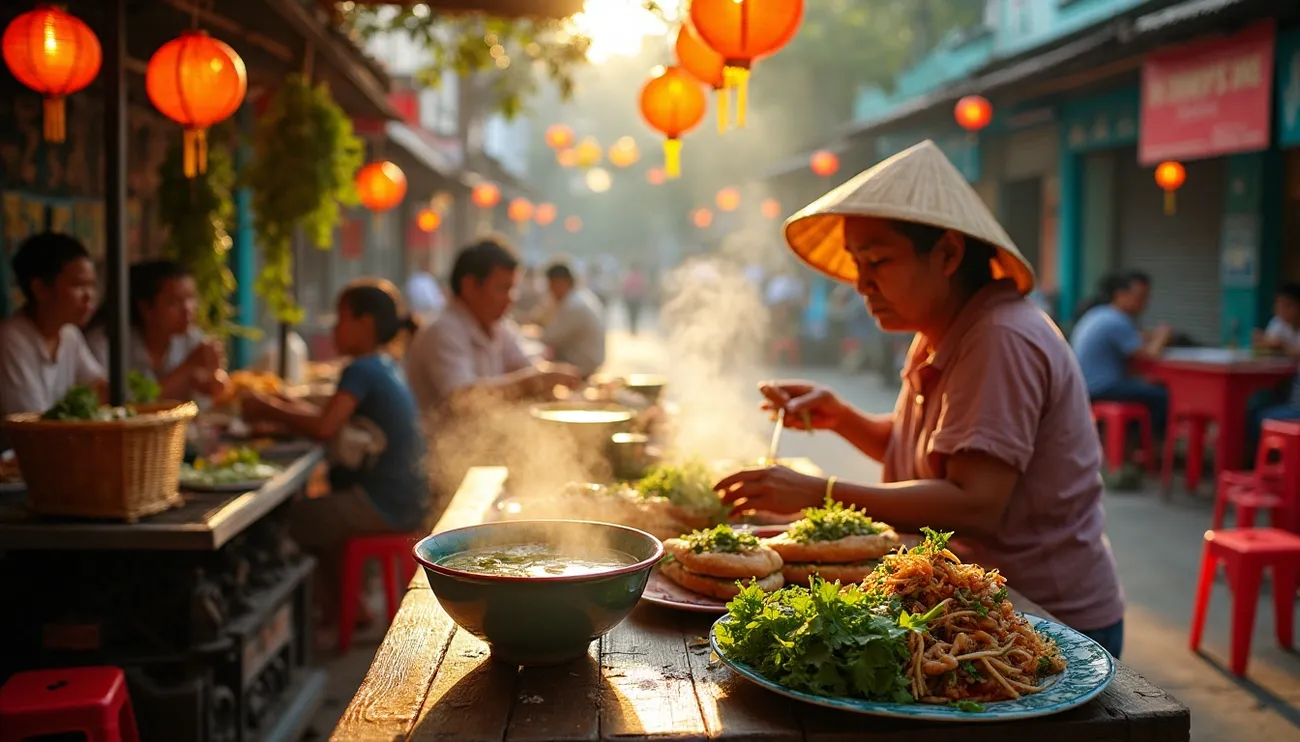
Vietnamese street food engages visitors with affordable prices, most dishes costing only $1-2 USD. Hungry crowds gather at makeshift food stalls on every block in major cities. Traditional open-air markets showcase the most vibrant culinary scene and offer delicious cuisine at the lowest prices.
Street food represents a way of life for Vietnam’s locals. Ho Chi Minh City’s popular beef noodle soup pho and the capital’s favorite lunchtime dish bun cha show how street food varies across regions. Visitors learning about Vietnam’s street food markets will understand why these delicious offerings have earned international recognition. This piece covers popular Vietnamese street foods, regional specialties, key ingredients, best locations and useful tips to enjoy authentic flavors like a local.
Must-Try Vietnamese Street Foods
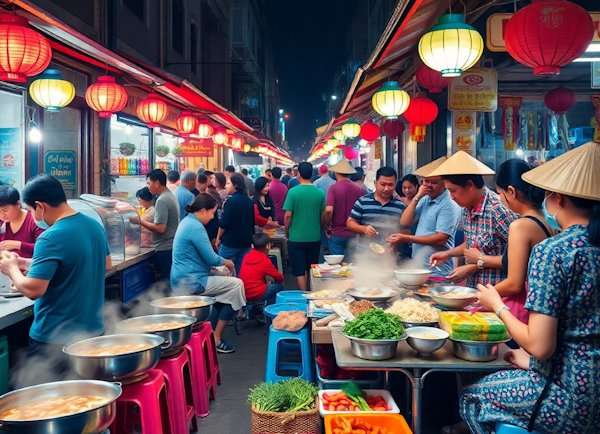
Vietnamese street food tells a rich story through its flavors. The country’s culinary heritage spans from aromatic broths in the north to complex tastes in the south. Let me share five iconic dishes that represent Vietnamese cuisine’s soul.
Pho: The National Favorite
This legendary noodle soup serves as Vietnam’s culinary ambassador to the world. The dish first appeared in Northern Vietnam during the early 20th century and gained popularity throughout the country after northerners moved south following the 1954 partition. The broth makes pho special – a clear, intense liquid that simmers for hours with beef bones, meat and spices like cinnamon, star anise and cardamom.
Authentic pho shines through its perfect mix of beef and bones. Vietnamese vendors prefer brisket, combined with meaty bones that add flavor and marrow bones that bring subtle richness. Diners get flat rice noodles topped with raw beef slices that cook right in the steaming hot broth.
Each steaming bowl comes with fresh herbs, bean sprouts, lime wedges and chili slices. Diners can create their perfect bowl with every spoonful.
Banh Mi: A French-Vietnamese Fusion
This amazing sandwich showcases the beautiful blend of French and Vietnamese cooking traditions. Baguettes came to Vietnam during French colonial rule in the mid-19th century and became everyday food by the early 1900s.
The perfect banh mi starts with a light, crispy-crusted baguette that’s different from its French ancestor. The filling creates harmony with proteins, vegetables, and condiments. Most vendors use Vietnamese cold cuts, pâté, pickled daikon, carrots, cucumber, cilantro, chili and mayonnaise.
The sandwich assembly follows strict rules: warm the roll until crispy, spread mayonnaise to every corner, add Maggi sauce, layer the protein, add pickles and cucumber, then top with jalapeños and fresh herbs.
Bun Cha: Hanoi’s Smoky Delight
This northern specialty caught worldwide attention when President Barack Obama and Anthony Bourdain ate together at Bún Chả Hương Liên in Hanoi. Grilled pork takes center stage – both as patties and belly slices – marinated in fish sauce, sugar and aromatics.
The pork patties stay juicy thanks to ground meat that has at least 20% fat. The meat marinates for four hours minimum before hitting the charcoal grill, creating an aroma that pulls people in from blocks away.
The dish comes deconstructed: grilled meat sits in warm dipping sauce, with rice vermicelli noodles and fresh herbs served separately.
Goi Cuon: Fresh Spring Rolls
Rice paper rolls offer a light alternative to fried street foods. These summer rolls combine shrimp, pork, vermicelli noodles and fresh herbs wrapped in delicate rice paper.
The beauty of goi cuon lies in its simplicity. Cooks spend most time washing and preparing vegetables. They quickly dip rice paper in water to soften it before wrapping the ingredients. These refreshing rolls taste best at room temperature with peanut or fish sauce for dipping.
Banh Xeo: Crispy Pancakes With a Twist
The name comes from the sizzling sound (“xèo”) of batter hitting the hot pan. These golden pancakes represent southern Vietnam’s culinary creativity. Rice flour, coconut milk and turmeric create the yellow color – not eggs as many think.
These crispy delights come filled with pork, shrimp and bean sprouts, alongside fresh herbs and lettuce. Locals eat it by wrapping pieces in lettuce with herbs and dipping in nuoc cham sauce.
Different regions put their spin on banh xeo. The south makes them large with lacy edges, while central Vietnam’s version (bánh khoái) stays smaller and slightly thicker.
More on Vietnamese culture.
Street Food by Region: North, Central and South
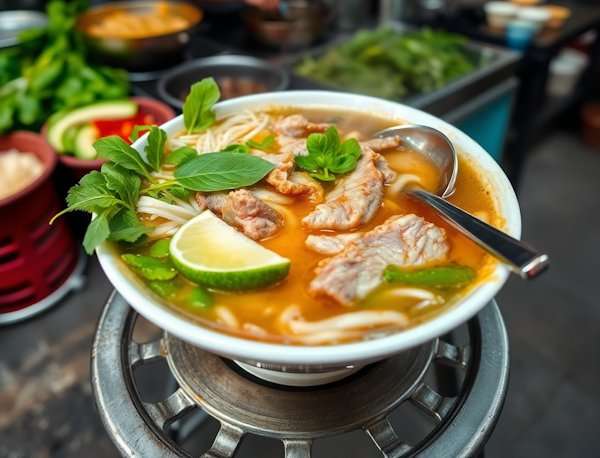
A trip through Vietnam shows how geography and culture have created unique regional street food traditions. The food scene changes as you move from north to south. Each region has its own flavors and cooking styles.
Northern Vietnam: Broths and Herbs
Northern cuisine reflects its ancient heritage and Chinese roots with subtle yet sophisticated tastes. The food here aims for perfect balance rather than one strong flavor. Dishes are moderate – not too spicy, salty or sweet.
Street vendors in Hanoi, the heart of northern cooking, serve hot bowls of broth-based specialties all day. Bánh cuốn, thin steamed rice rolls with pork and mushroom filling, shows the north’s cooking expertise. These see-through rolls come with fried shallots and fish sauce as a breakfast staple.
Hai Phong’s bánh đa cua is a colorful noodle soup that features a pork broth topped with crab meat, fresh herbs and protein choices. The local red noodles give this dish its unique look.
Central Vietnam: Spices and Seafood
The central region’s food is different from the north, with bold, spicy flavors that come from its royal past. Hue, Vietnam’s former imperial capital, once had 1,300 different royal dishes – about 700 still exist today.
Da Nang’s chefs create amazing seafood dishes from fish, scallops, blood cockles, oysters and clams that capture the coast’s essence.
The street food here stands out with beautiful presentation – a legacy of royal cooking. Vendors carefully pick and shape vegetables to create stunning dishes. Local favorites include bánh bèo (steamed rice cakes with crispy pork skin and shrimp) and bánh khoái (Hue’s crispy pancake).
Southern Vietnam: Sweet and Bold Flavors
Southern food loves sweetness and bold tastes. Dishes here mix sugar, coconut milk and tropical fruits like durian, mango and pineapple. This sweetness comes from the Mekong Delta’s rich resources and matches the south’s friendly spirit.
Southern Vietnamese cooking blends influences from Khmer, Cham, and Western cuisines. Khmer spice combinations, Cham-inspired turmeric use, and colonial touches appear in dishes like bánh mì and Vietnamese-style beef steak.
The south’s street food culture runs on family-style dining where people connect over meals. The casual setting still allows for private conversations, striking a perfect balance between public and personal dining.
Popular southern snacks like bánh cam and bánh vòng are donut-like fritters with caramel glaze and sesame seeds. These treats represent the region’s love for mixing textures – crispy outsides with soft, chewy centers.
Key Ingredients That Define Vietnamese Street Food

The authentic flavors of Vietnamese street food depend on ingredients that create the perfect balance of sweet, sour, salty and spicy elements. These ingredients are the foundations of Vietnam’s beloved culinary traditions.
Fish Sauce and Fermented Flavors
Fish sauce (nước mắm) is the life-blood of Vietnamese cuisine. Local vendors make it from fermented anchovies layered with salt in large barrels. This amber-colored liquid adds umami-rich, salty flavor to almost every savory dish. Street vendors mix it with water and sugar to create dipping sauce (nước chấm), which pairs perfectly with spring rolls and grilled meats.
Oyster sauce and hoisin add depth to marinades and dipping sauces, each bringing its unique flavor profile. On top of that, fermented shrimp paste (mắm nêm) brings a stronger, more pungent option that adds intense umami funk to seafood dishes.
Fresh Herbs and Greens
Vietnamese street food stands out from other Asian cuisines because of its generous use of fresh herbs. These aromatic plants do more than garnish – they bring distinctive flavors and medicinal benefits to dishes.
Thai basil gives phở its licorice-like flavor, while Vietnamese coriander (rau răm) adds a slightly spicy, peppery taste to dishes with fetal duck egg. Perilla leaves, with their musky aroma and slightly bitter flavor, show up in fresh spring rolls and next to grilled pork.
We used lemongrass stems in cooking to add citrusy notes without acidity. This makes them perfect for marinades and stews. Garlic and ginger create the aromatic base for countless Vietnamese dishes, especially those with meat.
Rice Noodles and Rice Paper
Rice noodles come in many forms throughout Vietnamese street food. Bánh phở, Vietnam’s iconic soup noodles, work well in stir-fries and rice noodle rolls. Rice vermicelli (bún) is the base for many dishes, including bún chả and spring rolls.
Rice paper (bánh tráng) was traditionally made from fermented rice batter, steamed and dried on woven mats. Today’s version has tapioca for elasticity. These translucent sheets wrap fresh ingredients to create gỏi cuốn (summer rolls).
Pickled Vegetables and Condiments
Pickled vegetables (đồ chua) are a vital part of balancing flavors and keeping dishes from becoming too greasy. Each region has its own pickling techniques and ingredients. Southern Vietnam loves refreshing pickled radishes and carrots with mild vinegar. Northern regions prefer zesty pickled cucumbers.
These tangy sides add texture contrast in bánh mì sandwiches and spring rolls. They also complement grilled and fried foods by cutting through richness and waking up your taste buds.
Where to Eat: Markets, Stalls, and Hidden Gems
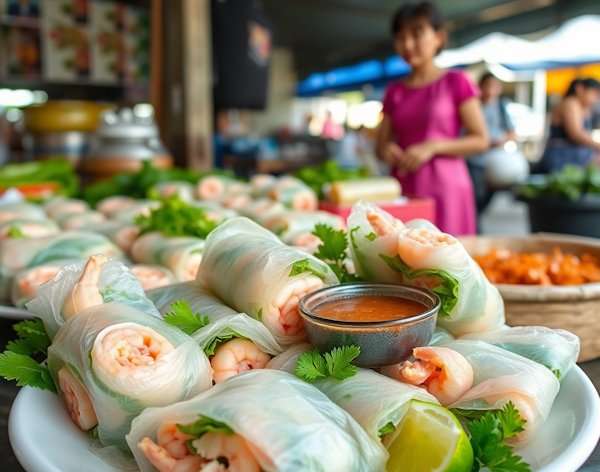
The best Vietnamese street food vendors hide in plain sight across bustling city markets and hidden alleys. Vietnam’s culinary treasures are waiting for food lovers to explore them.
Vietnam Street Food Markets to Visit
Hanoi’s Old Quarter comes alive as a food haven during weekend night markets where you can try many local delicacies. The most authentic night markets run from 9PM-2AM beyond tourist spots. These markets feature 17 specialized vendors who serve dishes you won’t find during the day.
Ben Thanh Market stands as Ho Chi Minh City’s iconic food destination with over 1,500 booths selling everything from fresh produce to local coffee. You can reach this District 1 landmark by taxi (30,000-50,000 VND) or bus (routes 01 and 65 for about 7,000 VND). The main market runs from 6AM-6PM and the night market takes over until 10PM.
District 4 is a seafood lover’s paradise, especially along Vinh Khanh Street. This “Seafood Street” has colorful stalls on both sides selling fresh seafood and snails. Ho Thi Ky flower market becomes the city’s busiest night spot between midnight and 3AM.
Hoi An’s central market is a chance to sample local specialties like cao lau and banh xeo. The riverside vendors serve amazing food options in the evening.
How to Spot a Good Vendor
Smart travelers eat where locals eat. Busy stalls mean fresh food thanks to high turnover rates. Vendors who keep their customers healthy usually pick the best ingredients.
The best vendors keep raw and cooked foods separate. They make sure cash handlers don’t touch food and use clean water for cooking and washing dishes. Food safety has improved lately – tourist incidents dropped 37% since 2019.
Traditional cooking methods like charcoal grills, clay pots and bamboo steamers create flavors you can’t get from modern equipment. These authentic techniques take 2-3 times longer but taste better than tourist spots that rush out food in 10 minutes.
Local Recommendations From Hanoi to Ho Chi Minh
Kem Trang Tien (35 Trang Tien) is Hanoi’s oldest ice cream shop. They serve unique flavors like glutinous rice and mung bean. Xoi Yen (35 Nguyen Huu Huan) nearby makes amazing glutinous turmeric rice with mung beans and fried shallots.
District 4 in Ho Chi Minh City has one main street packed with eateries and markets that create a great dining atmosphere. Ho Thi Ky Food Street becomes the place to be at night, while the flower market area serves great food during the day.
Seafood fans should check out Oc Loan down a dark alley in District 3. Mrs. Truoc’s stall, which appeared on Netflix’s Street Food, sits in a District 1 alley serving tasty snail and clam dishes.
Investigate street food in Paris.
Tips for Enjoying Street Food in Vietnam
Becoming skilled at interacting with street food vendors makes the whole culinary experience in Vietnam better. Smart travelers learn that local customs lead to better service and authentic flavors.
How to Order Like a Local
Getting a vendor’s attention needs the right honorific followed by “ơi” – like “em ơi” (for younger vendors) or “chị ơi” (for older women). Your order should follow the formula “Cho + your pronoun + quantity + food name”. “Cho em một phở bò” means “One beef pho for me, please.” You can point and say “Cho em cái này” (“This one please”) if you don’t know the dish name.
Understanding Portion Sizes and Pricing
Vietnamese street food gives you great value, with most dishes costing between $1-4 USD (23,000-92,000 VND). A bánh mì costs $1-2, while heartier dishes like bún chả go from $2-4. Street food for a full day rarely costs more than $10 USD. Asking about prices before ordering helps avoid surprises and can lead to friendly bargaining.
Staying Safe While Eating Street Food
These guidelines will help you enjoy Vietnamese street food safely:
- Choose busy stalls where many customers eat to ensure fresher ingredients
- Watch food being cooked right in front of you instead of pre-prepared items
- Look for vendors using gloves or tongs instead of bare hands for food and money
- Start with well-cooked foods during your first days in Vietnam
- Use hand sanitizer before eating finger foods like bánh tráng nướng
Street food tours are a great way to get a safe experience with trusted vendors and proper safety measures.
Enjoy Vietnamese Street Food
Vietnamese street food is more than just sustenance—it’s the heart and soul of the nation’s culinary identity. Fresh ingredients mixed with regional influences and historical contexts create a unique food culture in Southeast Asia. Each dish, from Hanoi’s subtle broths to Ho Chi Minh City’s bold flavors, tells a story of cultural heritage and adaptation.
This culinary tradition stands out especially when you have easy access to it. Most travelers can enjoy several authentic dishes for less than $10 USD daily, making Vietnamese street food one of the world’s most affordable food adventures. You’ll find something to love with such variety, whether it’s the balanced flavors of “goi cuon” or a steaming bowl of “pho”.
Smart visitors who follow local dining customs will definitely find the most authentic experiences. The freshest ingredients and safest dining options come from busy stalls with quick customer turnover. It also helps to learn a few simple Vietnamese phrases, which turns ordering from a confusing task into a rewarding experience.
The country’s complex history and geography shine through its street food’s regional diversity. Northern dishes feature subtle, balanced flavors. Central Vietnam embraces spice and royal influence, while southern cuisine celebrates sweetness and bold flavor combinations that showcase the region’s abundant produce.
New visitors should start their trip at decades-old markets before heading over to hidden alleys and local neighborhoods. This step-by-step approach gives time to build confidence and develop taste priorities. The chaotic street food scene might seem overwhelming at first, but it soon becomes easy to navigate—and even addictive.
Vietnamese street food engages people with its extraordinary flavor complexity through simple preparations. Dishes satisfy at a basic level with their perfect balance of fresh herbs, fermented elements, crunchy vegetables and aromatic broths. This culinary tradition stays rooted in daily life while evolving constantly, securing its spot as one of the world’s most beloved food cultures.
FAQs
Q1. What are some must-try Vietnamese street foods?
Some essential Vietnamese street foods include pho (beef noodle soup), banh mi (Vietnamese sandwich), bun cha (grilled pork with noodles), goi cuon (fresh spring rolls) and banh xeo (crispy pancakes).
Q2. How much does Vietnamese street food typically cost?
Vietnamese street food is incredibly affordable, with most dishes costing between $1-4 USD (23,000-92,000 VND). A full day of street eating rarely exceeds $10 USD.
Q3. How can I ensure I’m eating street food safely in Vietnam?
To eat street food safely in Vietnam, choose busy stalls with high customer turnover, watch food being cooked fresh, look for vendors using gloves or tongs, initially stick with thoroughly cooked foods and use hand sanitizer before eating finger foods.
Q4. What are the key ingredients that define Vietnamese street food?
Key ingredients in Vietnamese street food include fish sauce, fresh herbs (like Thai basil and lemongrass), rice noodles, rice paper and pickled vegetables. These components create the perfect balance of sweet, sour, salty and spicy flavors.
Q5. How does street food differ across regions in Vietnam?
Northern Vietnamese street food focuses on subtle, balanced flavors and broths. Central Vietnam embraces spicy dishes and seafood with royal influences. Southern cuisine tends to be sweeter and bolder, often incorporating coconut milk and tropical fruits.







Leave A Comment