
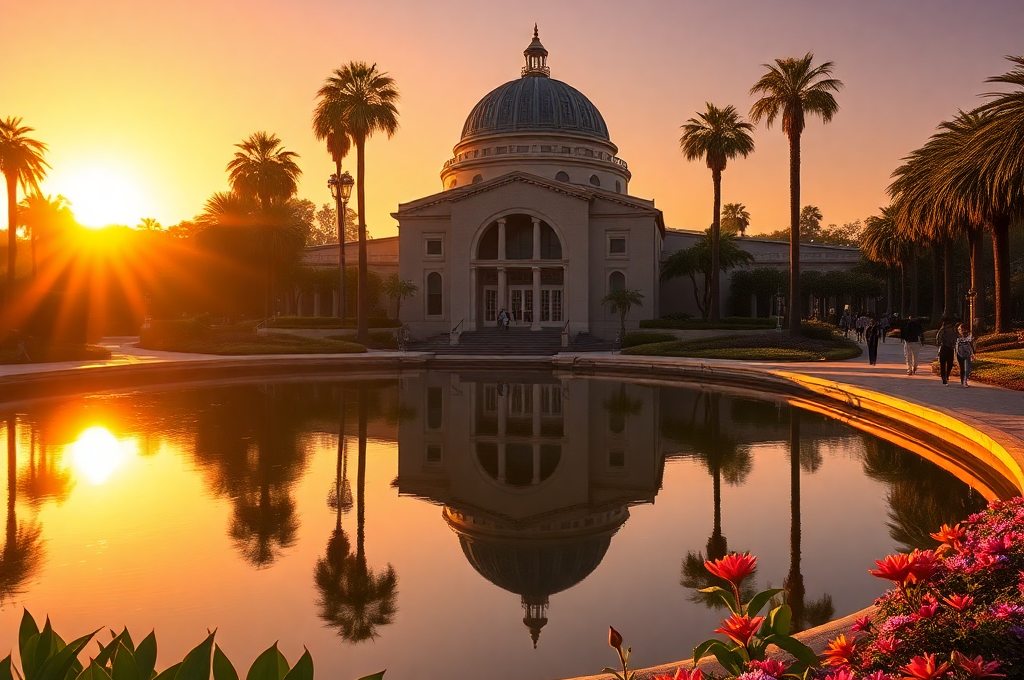
Balboa Park San Diego has much more to offer than its famous tourist spots. At 1,200 acres, this urban oasis is almost twice the size of New York City’s Central Park and stands as America’s largest urban cultural park.
The world-famous San Diego Zoo with its 3,700 animals and the park’s 16-18 museums draw most visitors. Yet Balboa Park’s hidden gems wait quietly. The park earned recognition as the most photographed landmark in the United States and Canada in a 2022 Yelp survey. Still, visitors often miss its most charming spots. The 200-foot California Tower offers amazing city views, while the Botanical Building ranks among the world’s largest lath structures. Some of Balboa Park’s best attractions sit just steps away from the usual tourist spots.
This local’s guide showcases 21 hidden Balboa Park treasures that capture the park’s true essence. Peaceful gardens, artistic hideaways and cultural gems remain unknown even to many San Diego residents. Visitors can experience the park’s Spanish Colonial Revival architecture or find quiet spots away from busy areas. These hidden spots help create a deeper connection with Balboa Park’s unique character.
Zoro Garden Butterfly Sanctuary
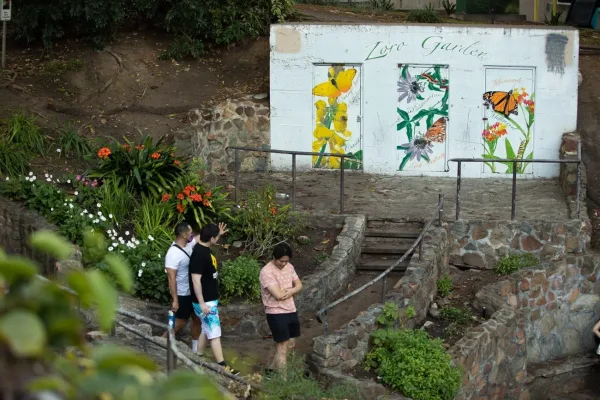
Image Source: Balboa Park
A magical hideaway sits between the Reuben H. Fleet Science Center and Casa de Balboa. Many visitors walk past this six-acre sunken stone grotto without noticing it. Zoro Garden offers a peaceful escape from the park’s busy attractions.
Description of Zoro Garden
Originally designed in 1915, Zoro Garden has revolutionized from its controversial past into a thriving butterfly habitat. The sunken stone grotto’s microclimate creates perfect conditions for butterfly cultivation. The garden contains larvae and nectar plants that butterflies need to complete their life cycle. Colorful perennials adorn the space while majestic ficus trees border it, providing shade and visual appeal. The rocks feature tiny indentations that collect water pools specifically designed for butterflies to drink.
Why Zoro Garden is a Hidden Gem
The garden’s fascinating history adds to its charm. This peaceful sanctuary served as a nudist colony during the 1935 California-Pacific Exposition and became the exposition’s highest-profiting attraction. The garden now welcomes various butterfly species, a stark contrast to its provocative past. Monarch, sulfur, skipper and swallowtail butterflies dance among specialized plants including:
- Nectar plants: butterfly bush, lantana, pincushion flower and verbena
- Larvae plants: milkweed, foxglove, sunflower, monkey flower and California lilac
The garden’s secluded location away from main pathways makes it one of Balboa Park San Diego’s best spots to find peace and quiet.
Tips for Visiting Zoro Garden
Butterflies are most active at midday when the sun warms the garden. Visitors can explore from 10 a.m. until dusk daily. The space accommodates special events with up to 75 people, though food and drinks aren’t allowed. Nearby restrooms add convenience. Photography enthusiasts will find endless inspiration in the stone architecture, lush plants and graceful butterflies throughout the year.
Palm Canyon Trail
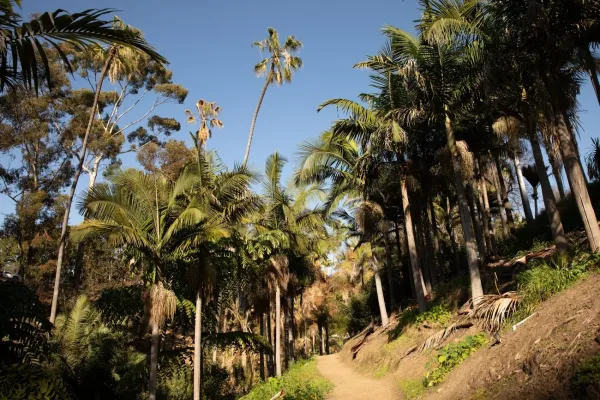
Image Source: Balboa Park
Palm Canyon lies hidden behind the Alcazar Garden, a tropical paradise that locals treasure but most park visitors miss. This secret pathway is a chance to escape into lush surroundings unlike any other attraction at Balboa Park San Diego.
Description of Palm Canyon
Palm Canyon has a compact yet impressive 2-acre space housing over 450 palm trees representing 58 different species. The shady, winding paths cut through dense tropical vegetation, creating a stark contrast to other park attractions. Mexican fan palms stand as the canyon’s most striking feature since 1912. Kate Sessions, known lovingly as the “Mother of Balboa Park,” designed and planted this botanical treasure. Visitors can access this secluded wonderland through a picturesque wooden footbridge from the Alcazar Gardens parking lot.
Why Palm Canyon is a Hidden Gem
Palm Canyon stands out as one of the best things to do in Balboa Park San Diego because it feels worlds apart from the park’s manicured attractions. The canyon features two distinct paths – a lower trail perfect for casual walks and an upper route with more challenging terrain. The California Conservation Corps restored the historic trail connecting Palm Canyon to the Old Cactus Garden in 2001. The upper path gives visitors amazing views and guides them to a peaceful cactus garden overlooking the Cabrillo Bridge.
Tips for Visiting Palm Canyon
Start your adventure at the wooden footbridge near the Alcazar Garden parking lot to make the most of this Balboa Park attraction. The trail winds through the canyon toward the Old Cactus Garden behind the Balboa Park Club. Though short, beauty surrounds you throughout the walk. The upper trail’s challenging terrain requires comfortable walking shoes. Remember to bring water, especially when you have warm weather and shade becomes precious.
Moreton Bay Fig Tree Viewing Platform

Image Source: Balboa Park
The historic Moreton Bay Fig Tree stands tall between the Natural History Museum and Spanish Village Art Center. This natural landmark ranks among the best things to do in Balboa Park San Diego, though many visitors walk past without noticing its grandeur.
Description of Moreton Bay Fig Tree
The magnificent Ficus macrophylla has grown into a botanical giant since its planting in 1914 for the 1915 Panama-California Exposition. The last measurement in 1996 showed this colossal tree reached 78 feet high with a crown that spread 123 feet wide and a massive trunk girth of 486 inches. This remarkable specimen ranks among California’s three largest Moreton Bay Fig trees, alongside its cousins in Santa Barbara and Glendora. These Australian natives can spread up to 150 feet with enough space. The tree’s glossy leaves and unique aerial roots that drop from its branches create an amazing natural display.
Why Moreton Bay Fig Tree is a Hidden Gem
This giant tree’s value goes beyond its impressive size. It holds special historical significance as the only surviving plant from San Diego County’s garden exhibit during the Panama-California Exposition. The tree’s comeback story adds to its charm. After visitors caused soil compaction and root damage, park officials fenced it off in 1989. The tree bounced back strongly once accumulated mulch helped the area recover. Nature lovers consider this living landmark one of the best things to do in Balboa Park San Diego because it shows how conservation efforts can succeed.
Tips for Visiting Moreton Bay Fig Tree
A new viewing platform opened in April 2021 lets visitors enjoy this Balboa Park attraction without damaging its roots. The structure combines galvanized steel framing with recycled composite decking and features custom benches made from fallen Balboa Park trees. Photographers should visit early morning or late afternoon for the best shots. The tree looks spectacular when it lights up during December Nights celebrations. Visitors in wheelchairs can access the platform through ramps that circle the tree and provide views from every angle.
Spanish Village Art Center
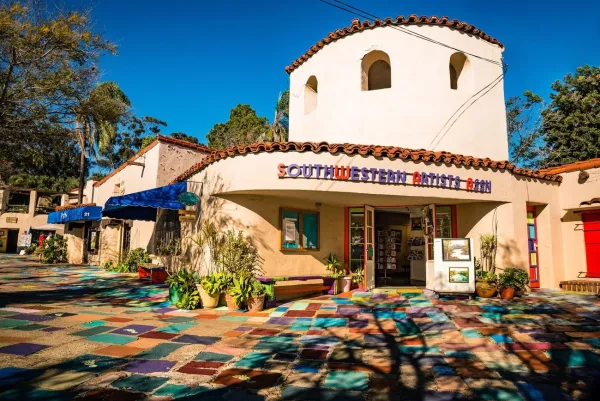
Image Source: villageartscenter.org
The Spanish Village Art Center shines as one of Balboa Park’s most colorful treasures. This visual feast remains surprisingly unknown to many visitors.
Description of Spanish Village
Architect Richard Requa constructed this enchanting space in 1935 to capture a small Spanish town’s essence for the California Pacific International Exposition. The US Army used it as a station during World War II until artists made it their home in 1947. The village now buzzes with creativity as more than 200 San Diego artists work in 37 vibrant studios. Rainbow-colored concrete tiles welcome visitors and create an uplifting atmosphere that brightens everyone’s mood.
Why Spanish Village is a Hidden Gem
Many San Diego residents haven’t discovered this artistic sanctuary yet. The village gives visitors a chance to connect with artists at work. You can watch fascinating demonstrations of glass blowing, painting and sculpting every day. Artists create beautiful pieces in their studios using clay, fiber, jewelry, photography and printmaking techniques. This special place stands proud as both a historic landmark and a bustling creative community.
Tips For Visiting Spanish Village
The village comes alive on weekends with more open studios and special events than on weekdays. Take a break at Daniel’s Coffee Cart while you browse the art. The colorful cobblestone paths are beautiful but tricky to walk on, so wear sturdy shoes. Free Saturday afternoon art activities make this spot perfect for family fun.
House of Pacific Relations International Cottages
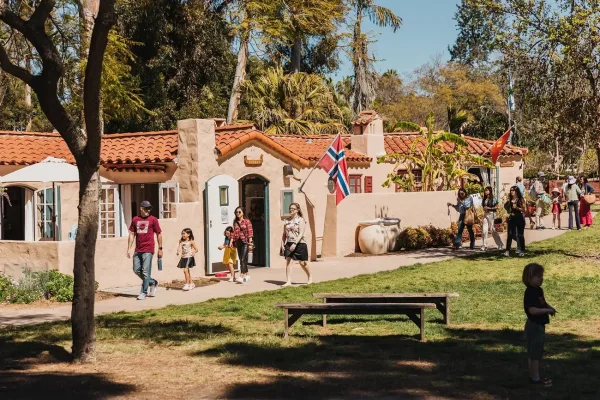
Image Source: Balboa Park
Balboa Park’s House of Pacific Relations International Cottages lets visitors explore cultures from around the world right in San Diego.
Description of International Cottages
The historic structures, built during the 1935 California Pacific International Exposition, now house 34 distinct cultural groups. Each charming cottage displays its national flag and contains cultural artifacts, educational materials and friendly volunteers ready to share their heritage. The village grew by a lot in 2021 with nine new cottages that represent Mexico, Panama, the Philippines, Peru, India, Korea, Palestine, Turkey, and the Chamorro people. Today, 31 cultures share space in 30 beautiful cottages that create a miniature global community.
Why International Cottages are a Hidden Gem
These cottages stand out from other Balboa Park attractions because they offer living cultural exchanges rather than typical museum displays. Weekend visitors can sample authentic foods, watch traditional performances and meet representatives wearing traditional costumes. Local residents often call it “San Diego’s version of Epcot—smaller, cheaper, and without the lines”. The cottages began their mission to promote “multicultural goodwill and understanding through educational and cultural programs” 88 years ago. Franklin D. Roosevelt recognized their importance by speaking at their opening ceremony.
Tips for Visiting International Cottages
The cottages welcome visitors from 11:00 a.m. to 5:00 p.m. on weekends. The Lawn Programs run on select Saturday and Sunday afternoons between March and November. These events showcase music, dance, costumes, and arts from different nations. Two major festivals happen yearly: the Ethnic Food Fair in spring and the International Christmas Festival during December Nights. The cottages remain free to visit, making them one of the best no-cost attractions in Balboa Park San Diego.
Spreckels Organ Pavilion Concerts
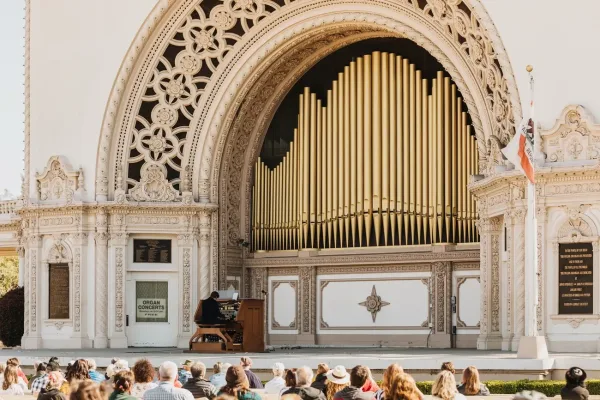
Image Source: Balboa Park
The Spreckels Organ Pavilion has filled Balboa Park with magnificent sounds since 1915. It stands as one of San Diego’s most exceptional musical experiences.
Description of Spreckels Organ Pavilion
This magnificent structure sits at Balboa Park’s heart and houses the world’s largest outdoor pipe organ. The organ boasts over 5,000 pipes that range from tiny inches to towering 32 feet. Brothers John and Adolph Spreckels gave this landmark as a gift to the City during the 1915 Panama-California Exposition. The organ’s massive structure weighs more than 100,000 pounds and features 4,518 pipes spread across 80 ranks. The pavilion welcomes about 2,400 visitors and hosts various civic events alongside its musical performances.
Why Spreckels Organ Pavilion is a Hidden Gem
The venue stands out among Balboa Park’s attractions because of its open-door policy. The original 1915 Deed of Gift ensures all concerts remain free. Only eight musicians have earned the title of San Diego Civic Organist throughout its history. Raúl Prieto Ramírez now holds this honor and amazes audiences by playing completely from memory. The music doesn’t stop at Sunday shows. Summer evenings come alive with the International Summer Organ Festival on Mondays. You’ll find additional performances Tuesday through Thursday that showcase talent from the U.S. Navy Band to the San Diego Banjo Band.
Tips For Visiting Spreckels Organ Pavilion
The free Sunday concerts at 2:00 pm run all year, whatever the weather. Summer brings special treats with the International Summer Organ Festival at 7:30 pm on Mondays. Smart visitors show up 30-60 minutes early since the best seats disappear quickly at popular shows. Pack a picnic basket for evening shows and bring a light jacket – the temperature often drops more than expected. You’ll find programs about the performances at the pavilion’s sides and back. The venue offers refreshments, and a nearby gift shop sells organ-themed souvenirs.
Timken Museum of Art
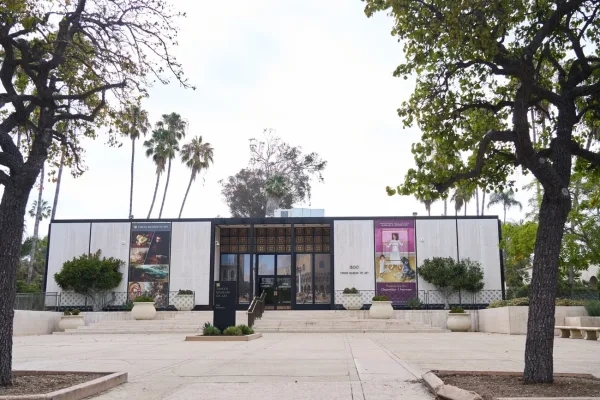
Image Source: Balboa Park
The Timken Museum of Art stands as an architectural gem with its white marble and bronze exterior, distinct from Balboa Park’s Spanish Colonial Revival buildings. Many tourists miss this treasure as they rush between larger attractions.
Description of Timken Museum
This 58-year-old museum showcases the world-class Putnam Foundation collection with European masterpieces, American classics and Russian icons. The museum sits on what was once the 1915 Panama-California Exposition’s Home Economy Building. The Timken family funded this intimate gallery space after Henry Timken’s success as an inventor of roller bearings. Today, it displays about 60 major works. San Diego’s only Rembrandt painting, Saint Bartholomew, makes its home here.
Why Timken Museum is a Hidden Gem
The Timken’s prestigious collection and free admission always policy make it one of the best things to do in Balboa Park San Diego. This commitment stems from the founders’ vision to make fine art available to everyone. Masterpieces by Rubens, Veronese and Van Dyck grace the walls, and visitors can watch art restoration work in progress. The former National Gallery director John Walker’s words ring true: “one of the finest small museums I have ever seen”.
Tips for Visiting Timken Museum
The museum welcomes visitors Wednesday through Sunday from 10am to 5pm, though it might close for special events. Their user-friendly phone app has built-in scavenger hunts that kids love. Visitors can bring front baby carriers, but the staff asks to check strollers at the entrance. The gift shop’s unique handmade items support museum programs. A $7 donation helps support this cultural treasure.
Desert Garden Exploration
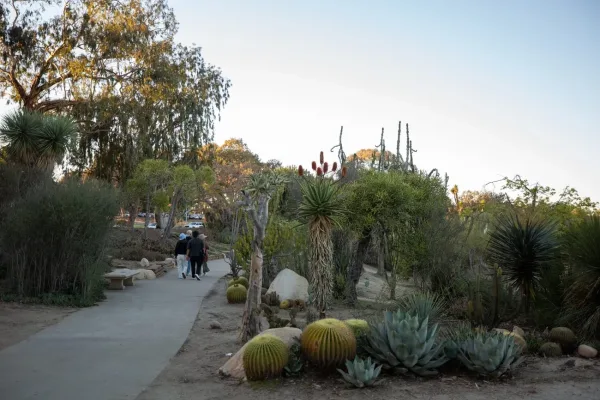
Image Source: Balboa Park
The Desert Garden sits at the eastern edge of Balboa Park, just across a pedestrian bridge. This 46-year-old, 2.5-acre botanical collection creates a striking contrast to the park’s greener areas. The garden stands as one of Balboa Park San Diego’s hidden treasures that many people miss.
Description of Desert Garden
This sun-drenched haven features more than 1,300 plants from around the world. Tall euphorbia, eye-catching aloes, and cacti and agaves of all types grow naturally throughout the space. The garden’s gentle slope toward Florida Drive offers different views from every angle. Visitors love finding the hollow tree they can climb into, and the quirky plant shapes that gave Dr. Seuss ideas for his illustrations.
Why Desert Garden is a Hidden Gem
The garden’s quiet, tucked-away location adds to its appeal as one of Balboa Park San Diego’s best spots. Desert plants paint the landscape with unexpected colors during peak bloom from January through March. Some plants might be older than the garden itself, with roots tracing back to Kate Sessions’ time. This space tells stories through both its plants and its history. The garden shows off desert plants’ toughness and strange beauty, unlike the park’s more carefully trimmed attractions.
Tips for Visiting Desert Garden
Winter and early spring offer the best flower displays. The plants’ unusual shapes and natural architecture make the garden worth visiting any time of year. Remember to wear good shoes – the paths aren’t always smooth. Watch out for thorns since these plants protect themselves well. The Inez Grant Parker Rose Garden sits right next door. You’ll find the garden by crossing the pedestrian bridge near the main fountain and street parking is easy to find.
Alcazar Garden
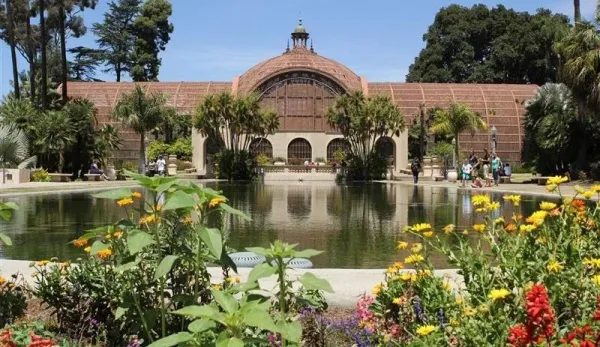
Image Source: City of San Diego
The formal garden next to the Institute of Contemporary Art and Mingei Museum draws inspiration from Spain’s magnificent Alcazar Castle. This hidden oasis captivates visitors with its elegant symmetry and vibrant colors year-round.
Description of Alcazar Garden
The garden’s original design dates back to the 1915-1916 Panama-California Exposition. Architect Richard Requa redesigned it for the 1935-1936 California Pacific International Exposition. Two ornate fountains stand as the garden’s centerpiece, decorated with turquoise blue, yellow and green Moorish tiles that showcase 28 unique designs. These fountains line up perfectly with a raised shade pergola covered in weeping vines. The garden now flourishes with 7,000 colorful annuals planted in formal beds surrounded by meticulously trimmed boxwood hedges. A 2008 restoration carefully preserved Requa’s original 1935 design.
Why Alcazar Garden is a Hidden Gem
Cascading bougainvillea adorns the warm ochre walls, creating an authentic Spanish atmosphere. This garden’s intimate size makes it perfect for quiet reflection away from the park’s busier areas. Eight decorative tile benches sit at 45-degree angles to the fountains, offering peaceful spots to rest. The stunning Spanish-themed California Tower creates a picturesque backdrop above this secluded retreat that many longtime visitors often overlook.
Tips for Visiting Alcazar Garden
Visitors can enjoy the garden daily from 10 a.m. until dusk. Small gatherings of up to 50 people can use the space for ceremonies. The garden welcomes wedding ceremonies, but doesn’t allow receptions or food and beverages. Morning light works best for photographers who want to capture the intricate tile work. Most visitors spend 30-45 minutes exploring this charming sanctuary.
Inez Grant Parker Memorial Rose Garden
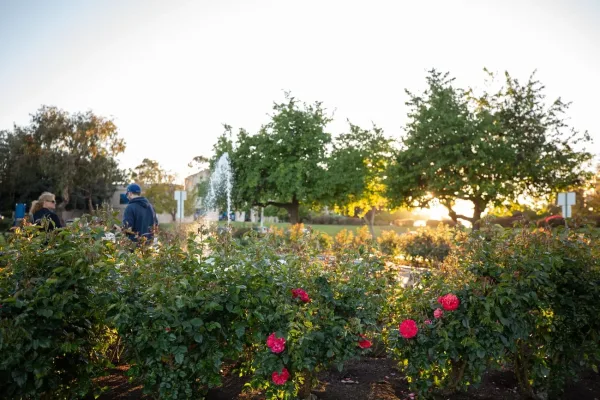
Image Source: Balboa Park
The Inez Grant Parker Memorial Rose Garden stands as a fragrant retreat among the many attractions in Balboa Park San Diego. Its stunning collection has earned worldwide recognition.
Description of Rose Garden
This botanical masterpiece covers three acres and showcases over 2,500 rose bushes with more than 200 varieties. The garden’s story began in 1975 with Dick Streeper’s vision, who led the San Diego Rose Society in 1969. The garden blossomed into reality through collaboration with rose enthusiasts, the Parker Foundation, local rose businesses, and city council support. Recent upgrades include expanded beds and new irrigation systems from 2013, plus David Austin English Roses that overlook Florida Canyon. The garden’s beauty stays pristine thanks to the Rose Garden Corps, a group of 45 dedicated volunteers who work with city staff every Tuesday and Thursday morning.
Why Rose Garden is a Hidden Gem
This garden ranks among Balboa Park’s most internationally acclaimed attractions. It proudly received the Award of Garden Excellence from the World Federation of Rose Societies in 2003 and earned recognition as one of the 16 best public rose gardens in the world. The garden’s excellence showed early when it won recognition as an Outstanding Rose Garden in the USA from All-America Rose Selections in 1978. Visitors love the garden’s welcoming walkways that make it easy for everyone to enjoy. The garden’s circular design places beds around a central shaded seating area, letting visitors get close to specific varieties.
Tips for Visiting Rose Garden
The garden blooms beautifully from March through December, with peak flowering typically occurring in April and May. Rose enthusiasts can see their favorite varieties in a real-life setting before adding them to their home gardens. You’ll find the garden by crossing the pedestrian bridge from the Natural History Museum across Park Boulevard. A good visit takes about 45 minutes during bloom season. Wedding ceremonies here can host up to 50 people, but keep in mind that receptions and food or beverages aren’t allowed.
Best month to visit San Diego.
Cabrillo Bridge Walk
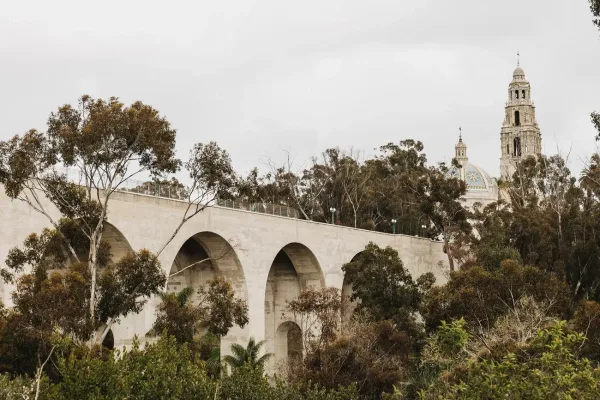
Image Source: Balboa Park
The majestic Cabrillo Bridge connects State Route 163 to the cultural heart of San Diego. This elegant structure welcomes pedestrians and drivers into Balboa Park with unmatched grandeur.
Description of Cabrillo Bridge
California’s first multiple-arched cantilever bridge came to life during the 1915 Panama-California Exposition. This iconic structure stretches 1,500 feet long and stands 120-125 feet above Cabrillo Freeway. Seven elegant arches span 56 feet each, with fourteen hollow concrete pillars supporting them. The bridge’s Spanish Renaissance design showcases ornate towers and arches that reflect its historical importance and creates a dramatic park entrance. The initial construction cost $250,000 (about $7.77 million in today’s money). The structure went through a complete renovation in 2015, which cost $23.3 million.
Why Cabrillo Bridge is a Hidden Gem
The elevated pathway offers amazing views you won’t find anywhere else in Balboa Park San Diego. Visitors can see downtown San Diego’s skyline, green park landscapes and planes gliding toward the airport from the bridge’s center. The view becomes magical at sunset as golden light covers the city. The bridge adds character to San Diego’s “7 Bridges Trail,” an urban hike that shows off the city’s architectural heritage. Recent upgrades to seismic protection, lighting and esthetics have kept this landmark both historically authentic and modern.
Tips for Visiting Cabrillo Bridge
The bridge looks most beautiful during sunset, with stunning views from every angle. Photographers get their best shots from the east side, capturing the park’s beauty. You can park behind the Fleet Science Center or use San Diego Zoo’s free parking lot. Walking across takes just minutes, but spend 15-30 minutes here to take photos and enjoy different views.
California Tower Tour
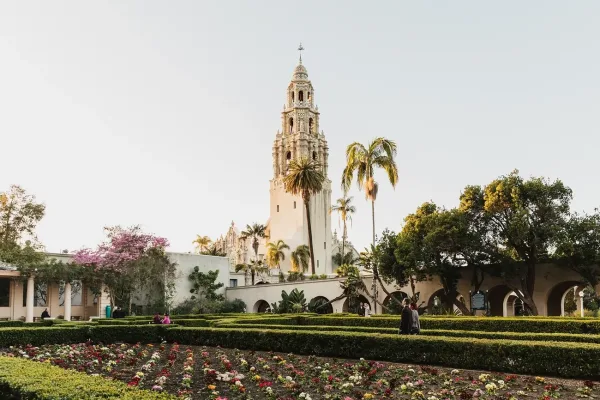
Image Source: Balboa Park
The iconic California Tower stands tall and majestic above Balboa Park’s landscape. Visitors can experience extraordinary panoramic views of San Diego that few other vantage points can match.
Description of California Tower
Built during the 1915 Panama-California Exposition, this 200-foot tall architectural masterpiece symbolizes San Diego’s spirit. Spanish Colonial Revival architecture defines the tower’s character. It beautifully combines Baroque, Plateresque, Churrigueresque and Rococo styles with Gothic influences. The Museum of Us now calls this landmark home. The tower’s three-stage design showcases vibrant tiles, gleaming glass beads and elegant proportions that enhance the central dome. Beautiful starburst tile patterns adorning the dome mirror Santa Prisca’s design in Taxco, Mexico. Latin inscriptions at the tower’s base celebrate California’s agricultural abundance.
Why California Tower is a Hidden Gem
This structure stands out among Balboa Park’s attractions because visitors can now explore it. The tower remained off-limits to the public for decades until extensive restoration work made it accessible again in 2015. The eighth-floor viewing deck rewards visitors with unique 360-degree views stretching from the Pacific Ocean to the Cuyamaca Mountains. The tower’s progressive narrowing creates intimate viewing spaces filled with historical significance.
Tips for Visiting California Tower
Each tour runs 40 minutes and involves climbing about 125 stairs across eight flights without elevator access. Book ahead since tours only take six people at a time. Monday through Thursday tours run at 10:30am, 12:30pm, 2:30pm and 4:30pm. Friday to Sunday offers hourly tours from 10am-4pm. The Tower Tour Proposal Package makes special occasions memorable. Remember to wear flat shoes and bring your camera to capture unforgettable city views.
Botanical Building & Lily Pond
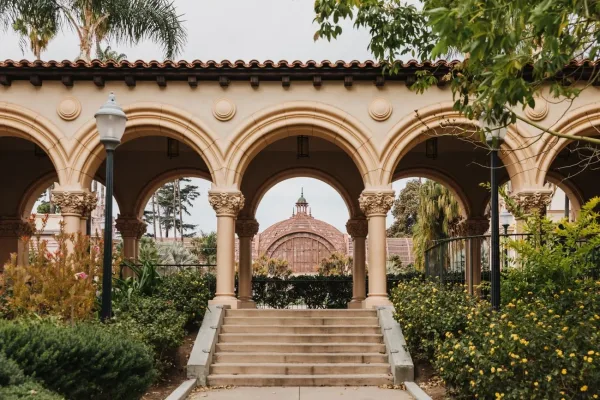
Image Source: Balboa Park
The magnificent Botanical Building stands as one of Balboa Park’s most photographed landmarks, its beauty perfectly mirrored in the still waters of the adjacent lily pond. This quintessential view has graced countless postcards.
Description of Botanical Building
This historic structure ranks among the largest lath buildings in the world. The building underwent a detailed three-year renovation that cost $26 million and opened its doors again in December 2024. The elegant structure showcases an impressive collection of more than 2,100 permanent plants with stunning varieties of cycads, ferns, orchids, tropical plants and towering palms. The renovation brought new features to enhance the space, such as interior misters, state-of-the-art lighting and water features. A beautiful Lily Pond, built with the structure in 1915, creates a perfect mirror for this architectural masterpiece.
Why Botanical Building is a Hidden Gem
The Botanical Building’s charm goes far beyond its photogenic exterior and creates an immersive botanical experience unlike other park attractions. The wooden lath construction forms a unique lattice-like framework that allows perfect light penetration and air circulation for plants. Majestic palm trees reach toward the roof while delicate moss adorns the walls, creating rich textures throughout. The renovation team restored the building’s graceful arcades and Palladian windows to their original splendor. The peaceful Lily Pond adds to the charm with its colorful water lilies and friendly ducks – you might spot tiny ducklings paddling behind their mother across the water.
Tips for Visiting Botanical Building
Visitors can enjoy this space free of charge. The building welcomes guests Friday through Wednesday from 10 a.m. to 4 p.m., though it stays closed on Thursdays and holidays. Guests can learn fascinating details about the building’s history and plant collections through occasional docent-led tours. The recent updates include better pathways and ramps for easier access. Photographers will find the best lighting conditions and smaller crowds during early morning hours. A visit typically takes 45-60 minutes to see this green paradise properly.
Japanese Friendship Garden
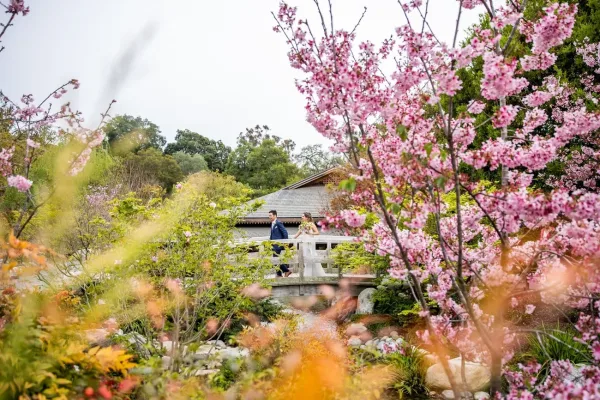
Image Source: Japanese Friendship Garden
The Japanese Friendship Garden stands as a peaceful sanctuary that celebrates the bond between sister cities San Diego and Yokohama. This cultural gem offers a unique experience among Balboa Park’s attractions.
Description of Japanese Friendship Garden
Landscape architect Takeshi Ken Nakajima designed this 12-acre garden in 1985. The name “San-Kei-En” reflects its three scenic landscapes: pastoral, mountain and water. The garden features a traditional design style called “miegakure” that gradually reveals hidden views as visitors walk through. A major nine-acre expansion in 2015 added a grove of 200 cherry trees, stunning koi ponds with waterfalls and the Dragon Bridge that spans a serpentine-shaped dry waterfall.
Why Japanese Friendship Garden is a Hidden Gem
This living artwork goes beyond beauty to provide authentic cultural experiences through rotating exhibits and educational programs. The garden proudly displays the USA’s largest and oldest bronze Kannon statue. The curved pathways serve two purposes – they guide visitors to key features and keep evil spirits away. Japanese tradition suggests that evil can only travel in straight lines.
Tips for Visiting Japanese Friendship Garden
Adult tickets cost $16, while students, seniors and military pay $14. Children under 6 get in free. The garden welcomes visitors daily from 10:00 AM to 6:00 PM. The annual Cherry Blossom Festival in early March offers the best viewing experience. Note that visitors can only bring water – no other food or drinks are allowed.
Food Truck Fridays

Image Source: San Diego Magazine
The Plaza de Panama and El Prado walkway come alive every Friday evening. A vibrant food festival fills the park with amazing flavors from all over the world.
Description of Food Truck Fridays
The Balboa Park Conservancy runs Food Truck Fridays for 18 straight weeks. You’ll find more than a dozen hand-picked gourmet food trucks serving delicious meals. The program, now in its fourth year, teams up with San Diego’s Department of Parks and Recreation. Visitors can enjoy everything from tasty appetizers to full meals, desserts and unique drinks. The festivities run from 4:00 to 8:30 pm. Six new trucks have joined the lineup, including El Hueco serving Peruvian cuisine, LouZiana Food with Cajun/Creole dishes and Street Chef California offering Mediterranean delights.
Why Food Truck Fridays is a Hidden Gem
This event goes way beyond just great food. Live music fills Plaza de Panama each Friday with different performers taking the stage. The plaza turns into a cozy outdoor space with giant family games scattered around. Kids can get creative at various craft booths and activity stations run by local cultural groups. The park has become a perfect spot for date nights thanks to these Friday gatherings.
Tips for Visiting Food Truck Fridays
Parking gets tight, so you might want to look at other ways to get there. Many museums stay open late – the Fleet Science Center welcomes visitors until 10:00pm and drops its prices after 6:00pm. Art lovers can check out the San Diego Museum of Art for just $5.00 after 5:00pm. Kids love running around on the big artificial lawn, which makes a perfect play area.
WorldBeat Cultural Center
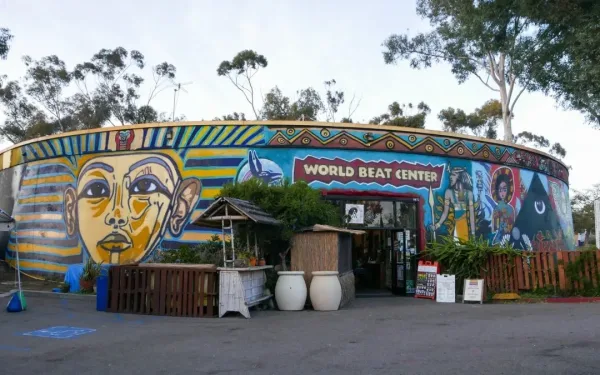
Image Source: WorldBeat Cultural Center
The WorldBeat Cultural Center stands proudly in a converted water tower at Balboa Park’s edge. This vibrant multicultural hub has celebrated African diaspora and indigenous traditions for almost 30 years.
Description of WorldBeat Center
Makeda “Dread” Cheatom established this nonprofit organization in 1993. The center started in an Old Town annex before finding its home in Balboa Park in 1995. What was once a million-gallon water tower now showcases colorful murals that honor important leaders and historical cultures. The space now features multiple galleries with local goods, artwork and cultural artifacts. Flags from all nations decorate the ceiling above a dance floor that has hosted hundreds of performances.
Why WorldBeat Center is a Hidden Gem
The center’s extraordinary organic garden teaches visitors about ethnobotany and indigenous plant traditions. Year-round classes include international dance, drumming, organic gardening and African history. This unique space serves as both a cultural museum and active community center that focuses on “creating unity through diversity”. Local Kumeyaay helped develop the Children’s Ethnobotany Peace Garden in 2015, which pays tribute to George Washington Carver’s memory.
Tips for Visiting WorldBeat Center
The center houses Balboa Park’s first all-vegan eatery. This unique café serves Caribbean soul food and kombucha on tap. You can enjoy these delicious offerings Friday through Sunday from 11 a.m. to 6 p.m. Schools, youth programs, individuals and families can schedule garden tours and educational workshops.
Marie Hitchcock Puppet Theater
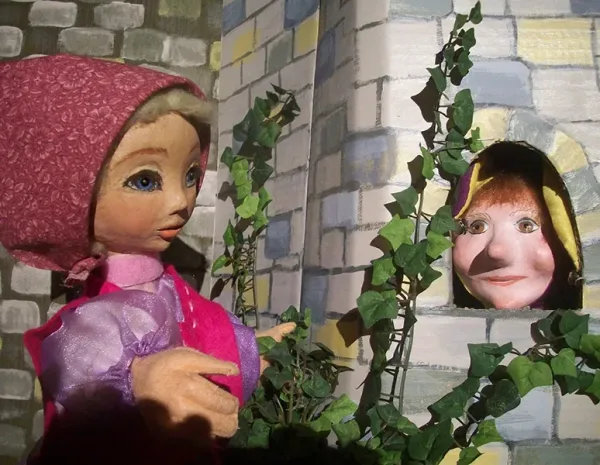
Image Source: Balboa Park
The Marie Hitchcock Puppet Theater sits quietly behind the International Cottages. This charming venue offers whimsical entertainment that draws both children and adults who cherish nostalgic memories.
Description of Puppet Theater
This intimate theater, 76 years old, began with Marie Hitchcock and her sister as the original puppeteers. The theater now bears Marie’s name, who brought joy to children’s lives for decades. The air-conditioned space comfortably seats over 200 people. The building’s story stretches back to the 1935-36 California Pacific International Exposition when it was known as the Hollywood Building/Palisades Building. The San Diego Balboa Park Puppet Guild took charge in 2001 and continues the theater’s 78-year legacy of puppet artistry.
Why Puppet Theater is a Hidden Gem
The theater stands out among Balboa Park’s attractions with fresh shows almost every week. Shows range from complex marionette productions with music and scenery to simple hand puppet shows. Children can meet their puppet favorites after each performance during special meet-and-greets. The shows blend education with entertainment and get kids involved by letting them make animal sounds or stomp their feet.
Tips for Visiting Puppet Theater
The shows happen Wednesday through Sunday and last 30-45 minutes. A $5 ticket gets you in, and kids under two watch free. The best views come from the first two rows. This magical spot works perfectly for families with children from preschool through third grade.
Free Walking Tours of Balboa Park
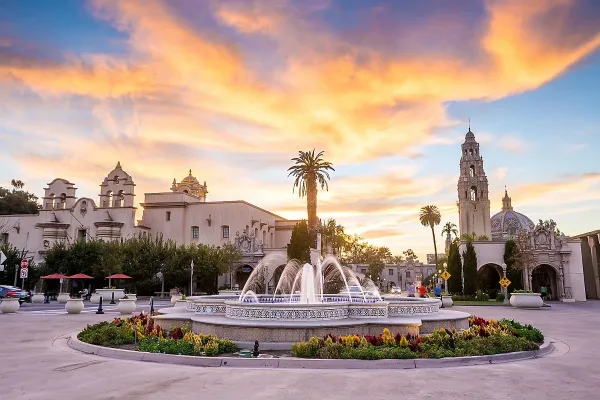
Image Source: AAA Insurance
Curious visitors can get insider knowledge through free guided walking tours that provide a rich introduction to Balboa Park’s historical and cultural mixture.
Description of Free Walking Tours
Expert guides lead these complimentary one-hour tours through the park’s Central Mesa area and give detailed overviews of the park’s history and attractions. Tours meet at the Visitor Center in the House of Hospitality at 1549 El Prado every Tuesday and on the 2nd, 4th, and 5th Fridays at 11:00 am. Knowledgeable guides share amusing stories and hidden facts while showcasing the beautiful scenery during the trip. Each tour covers Balboa Park’s historical development, information about historic buildings and gardens, and current park events.
Why Free Walking Tours are a Hidden Gem
These tours stand out among Balboa Park’s attractions and complement other free cultural offerings perfectly, especially on Residents Free Days. They serve as an ideal starting point for new visitors or those who want to learn more about the park. Guests benefit from individual-specific experiences with guides who are passionate about the park’s importance.
Tips for Joining Free Walking Tours
Visitors can call (619) 239-0512 or email tours@balboapark.org to get more information. The Visitors Center can arrange custom group tours with special pricing and scheduling. Tours cover significant distances, so wearing comfortable walking shoes helps.
Comparison Table
| Attraction | Location/Access | Operating Hours | Admission | Key Features | Best Time to Visit | Special Notes |
| Zoro Garden | Between Science Center & Casa de Balboa | 10am – dusk | Free | 6-acre sunken stone grotto, butterfly habitat | Midday (butterflies most active) | No food/beverages allowed; max 75 people |
| Palm Canyon | Behind Alcazar Garden | – | Free | 450+ palm trees, 58 species, wooden footbridge | – | Wear comfortable walking shoes |
| Moreton Bay Fig Tree | Between Natural History Museum & Spanish Village | – | Free | 78ft high, 123ft wide crown, viewing platform | Early morning/late afternoon | Ramps make it available to wheelchairs |
| Spanish Village | Near Natural History Museum | – | Free | 37 studios, 200+ artists, rainbow tiles | Weekends | You’ll find Daniel’s Coffee Cart here |
| International Cottages | Central location | 11am – 5pm weekends | Free | 34 cultural groups, 30 cottages | Weekends for cultural programs | Visit during Lawn Programs (Mar-Nov) |
| Spreckels Organ | Central location | Concerts Sun 2pm | Free | World’s largest outdoor pipe organ, 5,000 pipes | Sunday afternoons, Summer evenings | Come 30-60 mins early for seats |
| Timken Museum | Near Plaza de Panama | Wed-Sun 10am-5pm | Free | San Diego’s only Rembrandt | Not mentioned | Check strollers at entrance |
| Desert Garden | Eastern edge across pedestrian bridge | – | Free | 1,300+ plants, succulents | Jan-Mar (peak bloom) | Wear sturdy shoes |
| Alcazar Garden | Next to ICA & Mingei Museum | 10am – dusk | Free | Moorish fountains, formal beds | – | Ceremonies limited to 50 people |
| California Tower | Museum of Us | Multiple daily tours | – | 200ft tall, 360° views | – | 125 stairs, no elevator |
| Botanical Building | Central location | Fri-Wed 10am-4pm | Free | 2,100+ permanent plants | Early mornings | Closed Thursdays & holidays |
| Japanese Friendship Garden | Central location | 10am – 6pm daily | $16 adult | 12 acres, 200 cherry trees | Early March (Cherry Blossom Festival) | Outside food/drink not allowed |
| Food Truck Fridays | Plaza de Panama | 4-8:30pm Fridays | Varies by vendor | 12+ food trucks, live music | – | Special museum rates available |
| WorldBeat Center | Edge of park | Café: Fri-Sun 11am-6pm | – | Cultural classes, organic garden | – | Try the on-site vegan café |
| Marie Hitchcock Puppet Theater | Behind International Cottages | Wed-Sun | $5 | Shows change weekly | – | Kids under 2 enter free |
| Free Walking Tours | Meet at Visitor Center | Tues & select Fri 11am | Free | 1-hour guided tours | – | Wear comfortable walking shoes |
Enjoy Things to Do in Balboa Park
Balboa Park has so much more to show than what tourists usually see. The park goes beyond the prominent San Diego Zoo and its museums. You’ll find 21 hidden treasures just waiting to be found. A peaceful butterfly sanctuary at Zoro Garden and breathtaking views from the California Tower reveal this landmark’s rich character.
These secret spots give visitors exceptional experiences you won’t find in regular tourist guides. The park is a photographer’s paradise with perfect shots everywhere. You can capture butterflies at Zoro Garden or frame the city’s skyline from Cabrillo Bridge as the sun sets. Plant enthusiasts can explore specialized gardens with desert succulents and delicate roses. The Spanish Village Art Center and the newly renovated Botanical Building will amaze anyone who loves architecture.
The magic of these lesser-known spots lets you connect with San Diego’s cultural heart. Most of these hidden gems are free to visit, making them great adventures for everyone. The park spans 1,200 acres with endless spots to explore, whether you have a few hours or several days to spare.
Your next visit to Balboa Park should go beyond the usual spots. Take that secret trail through Palm Canyon. Stop to hear the magnificent Spreckels Organ. Stroll through the vibrant International Cottages. The park rewards curious visitors with magical moments that capture its true spirit.
FAQs
Q1. What are some hidden gems in Balboa Park that most tourists miss? Some hidden gems include the Zoro Garden butterfly sanctuary, Palm Canyon Trail, Spanish Village Art Center and the WorldBeat Cultural Center. These lesser-known spots offer unique experiences away from the crowds.
Q2. Are there any free activities or attractions in Balboa Park? Yes, many attractions are free, including the Timken Museum of Art, Spreckels Organ Pavilion concerts, Botanical Building and guided walking tours. The International Cottages also offer free cultural programs on weekends.
Q3. What’s the best time to visit Balboa Park? Spring and early summer offer ideal weather and blooming gardens. Weekday mornings tend to be less crowded. For specific attractions like the Rose Garden, peak blooming occurs in April and May.
Q4. Are there any unique dining experiences in Balboa Park? Food Truck Fridays offer a diverse culinary experience from spring through fall. The WorldBeat Center has a vegan café, and Panama 66 in the Sculpture Garden serves local craft beers and sandwiches.
Q5. How can I best explore Balboa Park’s architecture and history? Take a free guided walking tour, which provides insights into the park’s history and buildings. The California Tower tour offers panoramic views and historical context. Exploring the Spanish Village Art Center and International Cottages also showcases the park’s diverse architecture.


Leave A Comment