
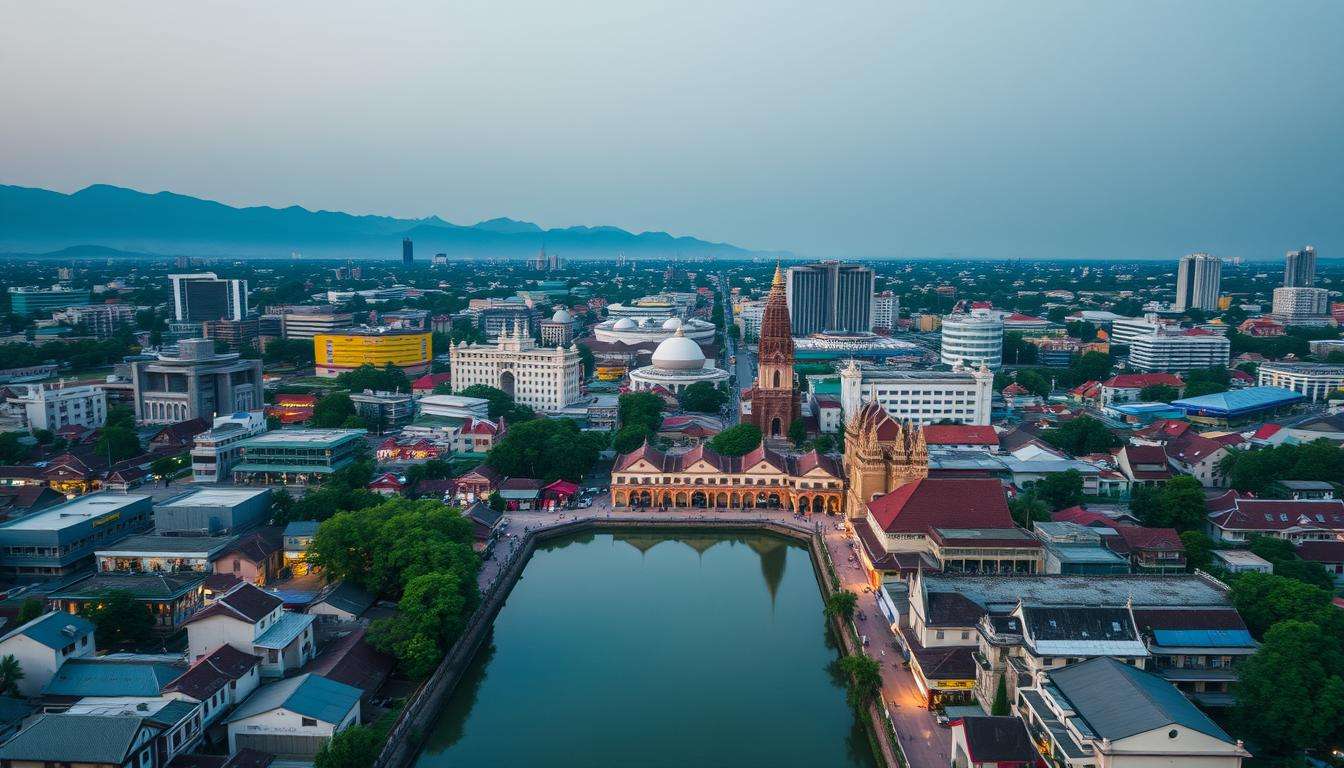
Overview of Chiang Mai’s Shopping Scene
Chiang Mai’s shopping landscape is as diverse as it is fascinating, offering everything from bustling night markets to sophisticated shopping centers. Each shopping venue has its own distinct character, reflecting the city’s unique blend of traditional Lanna culture and contemporary influences.
Traditional Markets
Chiang Mai’s traditional markets are the beating heart of local commerce. These vibrant spaces have been centers of trade for centuries, where locals and tourists alike gather to buy fresh produce, handicrafts, clothing and souvenirs. The atmosphere is electric, with vendors calling out their wares, the aroma of street food filling the air, and the colorful displays of goods creating a feast for the eyes.
Night Markets
When the sun sets, Chiang Mai transforms as its famous night markets come alive. These evening bazaars offer everything from handcrafted souvenirs to trendy fashion, all while providing a festive atmosphere with live music, street performances and delicious food stalls. Night markets are perfect for those looking to shop in cooler temperatures while experiencing the city’s vibrant nightlife.
Modern Malls
For those seeking air-conditioned comfort and international brands, Chiang Mai’s modern shopping malls provide a welcome respite from the tropical heat. These contemporary spaces house global fashion chains, electronics stores, cinemas, and food courts, offering a shopping experience comparable to those found in major cities worldwide, but with a distinctly Thai twist.
Night Markets: The Heart of Chiang Mai Shopping
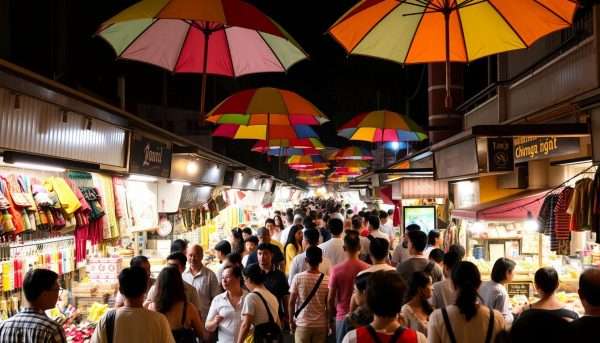
Night markets are the crown jewels of shopping in Chiang Mai, offering a magical blend of shopping, dining, and cultural experiences under the stars. These markets come alive after sunset, creating enchanting spaces where you can hunt for treasures while enjoying the cooler evening temperatures.
Chiang Mai Night Bazaar
The legendary Night Bazaar is Chiang Mai’s most famous shopping destination, sprawling across several blocks along Chang Khlan Road. Open every evening from 6 PM until around midnight, this market has been a Chiang Mai institution for decades.
What makes the Night Bazaar special is its sheer variety—you’ll find everything from hill tribe handicrafts and silk products to contemporary fashion and electronics. The market is divided into several sections, including the main street stalls, indoor Kalare Night Bazaar and Anusarn Market.
Food options abound, with numerous street food stalls and dedicated food courts offering both Thai specialties and international cuisine. For a more relaxed dining experience, check out the Ploen Ruedee Night Market food park adjacent to the main bazaar area.
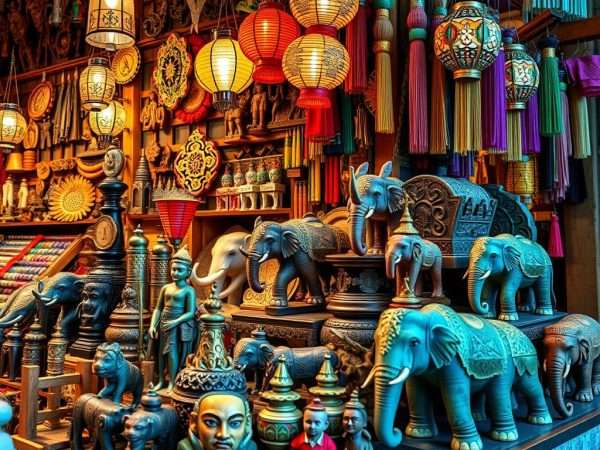
What are the best things to buy at Chiang Mai Night Bazaar?
The Night Bazaar is excellent for purchasing:
- Thai silk scarves and clothing
- Handcrafted jewelry
- Wooden carvings and home decor
- Hill tribe crafts and textiles
- Thai spices and tea
- Leather goods
Sunday Walking Street (Tha Phae Walking Street)
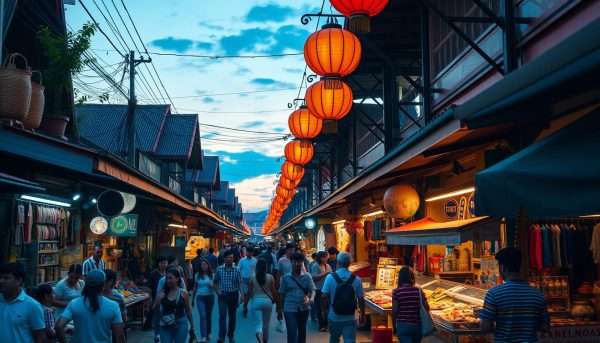
The Sunday Walking Street, locally known as Tha Phae Walking Street, is arguably Chiang Mai’s most popular market. Every Sunday from 4 PM until around 10:30 PM, Ratchadamnoen Road in the Old City transforms into a pedestrian-only shopping paradise stretching for over one kilometer.
What sets the Sunday market apart is its focus on authentic, locally-made products. Many of the vendors are the actual artisans, offering a chance to meet the creators behind the crafts. The market has a more artistic vibe than other night markets, with many unique handmade items you won’t find elsewhere.
The Sunday Walking Street isn’t just about shopping—it’s a cultural experience. Take your time, sample local foods, watch street performances and embrace the festive atmosphere that makes this market special.
Saturday Walking Street (Wua Lai Walking Street)
The Saturday Walking Street, located on Wua Lai Road south of the Old City, is the Sunday market’s slightly less crowded sibling. Running every Saturday from 4 PM to 10 PM, this market is famous for its silverware, as the street has historically been home to Chiang Mai’s silver craftsmen.
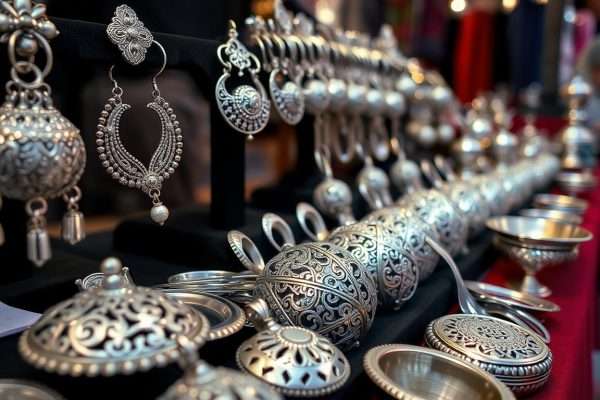
While similar to the Sunday market in many ways, the Saturday Walking Street has its own distinct character. You’ll find more silver jewelry and decorative items, along with the usual array of clothing, handicrafts and souvenirs. The atmosphere is slightly more relaxed than the Sunday market, making it perfect for those who prefer a less crowded shopping experience.
Food stalls line the street and fill temple grounds along the route, offering everything from traditional northern Thai dishes to creative fusion foods. Live music and cultural performances add to the festive ambiance.
Experience Chiang Mai’s Markets with a Local Guide
Discover hidden gems, learn about local crafts, and get insider bargaining tips with a guided market tour. Perfect for first-time visitors!
Traditional Markets: Where Locals Shop
Warorot Market (Kad Luang)
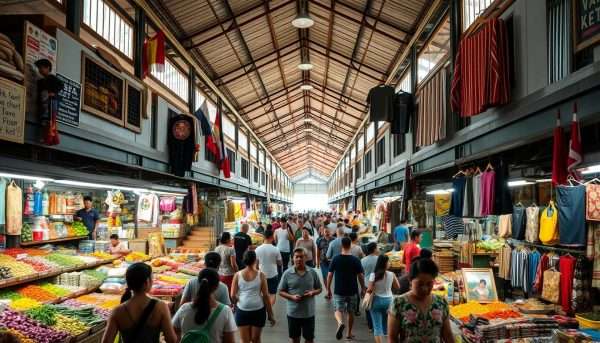
Warorot Market, known locally as Kad Luang (the Great Market), is Chiang Mai’s oldest and largest commercial center. Located near the Ping River in Chinatown, this three-story indoor market has been the city’s commercial hub for over a century.
Unlike the night markets that cater primarily to tourists, Warorot is where locals do their everyday shopping. The ground floor focuses on fresh food, with vendors selling everything from exotic fruits and vegetables to meats, seafood and prepared dishes. The upper floors house clothing, textiles, household goods, and northern Thai specialties.
What to Buy at Warorot Market
- Northern Thai food products (nam prik, sai ua sausage, dried fruits)
- Traditional Thai clothing and textiles
- Cooking ingredients and spices
- Inexpensive clothing and everyday items
- Local snacks and dried goods
Visitor Tips
- Visit in the morning for the freshest selection
- Bring small denominations of Thai baht
- Try local northern Thai snacks from food vendors
- Explore the adjacent Ton Lamyai Flower Market
- Be prepared for narrow aisles and crowds
Ton Lamyai Flower Market
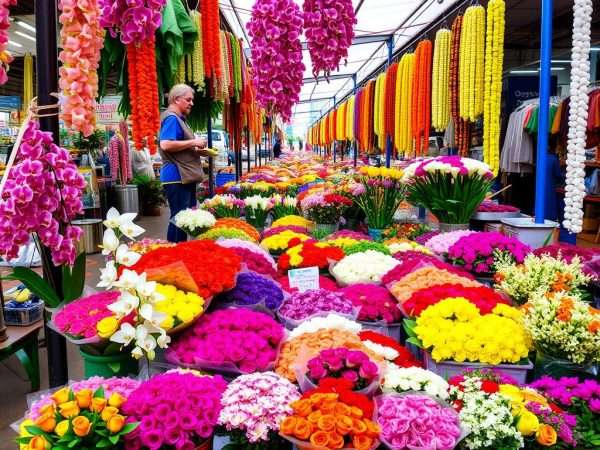
Adjacent to Warorot Market is the enchanting Ton Lamyai Flower Market, a sensory delight that operates 24 hours a day. This market supplies flowers to temples, hotels, restaurants and individuals throughout Chiang Mai.
Early morning (around 6-8 AM) is the best time to visit when fresh shipments arrive and the market is at its most active. You’ll find everything from lotus blossoms and orchids to jasmine garlands and marigold strings used for religious offerings. The market is particularly busy before major Buddhist holidays when flower demand peaks.
Even if you’re not shopping for flowers, Ton Lamyai is worth visiting for the spectacular colors, fragrances and photo opportunities. It offers a glimpse into an important aspect of Thai daily life and religious practice.
Modern Shopping Malls in Chiang Mai
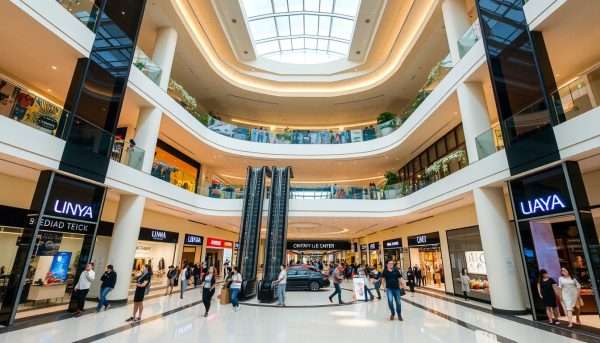
When the tropical heat becomes overwhelming or you’re craving international brands, Chiang Mai’s modern shopping malls offer welcome relief. These air-conditioned havens combine global retail experiences with distinctly Thai elements.
Maya Lifestyle Shopping Center
Located in the trendy Nimman area, Maya is Chiang Mai’s most stylish mall. This six-floor complex houses international brands like H&M and Uniqlo alongside local Thai designers. The mall features a cinema, fitness center and a rooftop with panoramic city views.
Maya’s food options are particularly impressive, with a diverse food court on the basement level and numerous restaurants throughout the mall. The top floor “Nimman Hill” area offers dining with mountain views and becomes a popular nightlife spot after dark.
Central Festival Chiang Mai
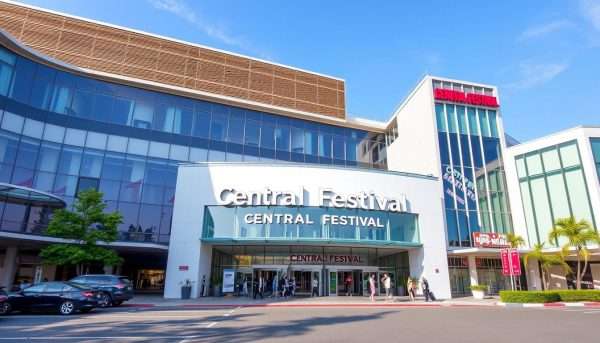
Central Festival is Chiang Mai’s largest shopping mall, located about 15 minutes from the Old City. This massive complex houses hundreds of stores across seven floors, including international fashion brands, electronics, home goods and a large department store.
The mall features multiple dining zones, from food courts to upscale restaurants, plus entertainment options including a cinema and children’s play areas. Central Festival is particularly popular with families and those looking for a comprehensive shopping experience under one roof.
One Nimman
One Nimman isn’t a traditional mall but rather a stylish outdoor shopping complex designed to resemble a European village. Located in the hip Nimman neighborhood, it features boutique shops, art galleries, cafes and restaurants arranged around a central plaza.

What makes One Nimman special is its focus on local designers, artisanal products, and creative businesses. The complex regularly hosts markets, art exhibitions and cultural events, particularly on weekends when the “White Market” brings together local craftspeople.
One Nimman is perfect for those seeking unique, high-quality items rather than mass-produced goods. The complex also offers excellent dining options, from casual cafes to upscale restaurants serving both Thai and international cuisine.
| Shopping Mall | Location | Highlights | Best For | Hours |
| Maya Lifestyle | Nimman Area | Rooftop views, international brands, cinema | Fashion, dining, entertainment | 10 AM – 10 PM daily |
| Central Festival | Northeast of Old City | Largest mall, department store, extensive food options | One-stop shopping, families | 10 AM – 9 PM daily |
| One Nimman | Nimman Area | European-style architecture, local designers, weekend markets | Unique gifts, artisanal products | 11 AM – 10 PM daily |
| Central Airport Plaza | Near Airport | Robinson department store, Northern Village zone | Convenience, last-minute shopping | 10 AM – 9 PM daily |
Must-Buy Products and Souvenirs in Chiang Mai
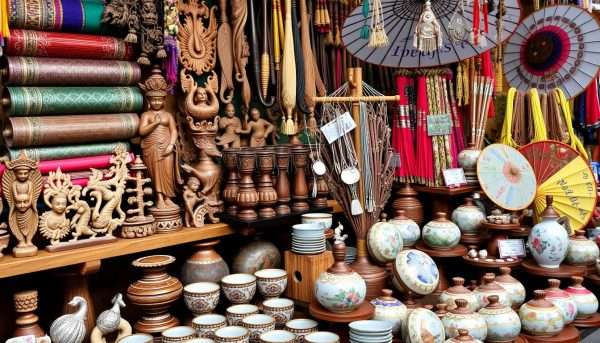
Chiang Mai is renowned for its distinctive handicrafts and products that reflect the rich cultural heritage of Northern Thailand. Here are some of the most sought-after items to consider bringing home from your shopping adventures.
Textiles and Clothing
Thai Silk
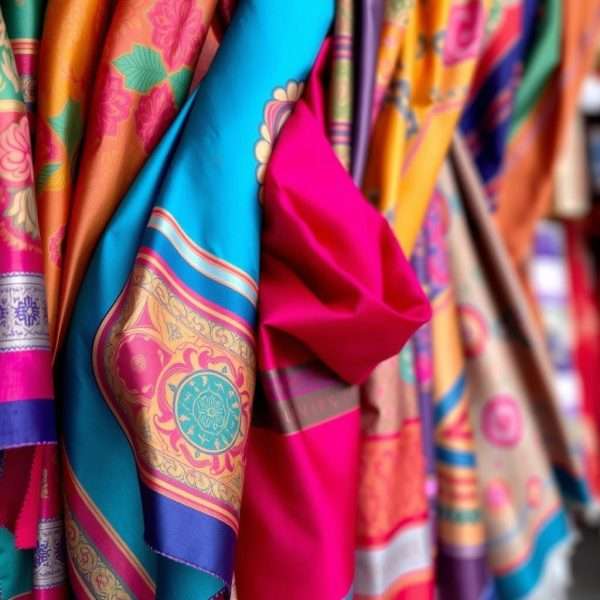
Chiang Mai is famous for its high-quality silk products. Look for items with the distinctive sheen that changes color when viewed from different angles—a hallmark of genuine Thai silk. Popular purchases include scarves, ties, pillowcases, and fabric by the meter.
Price range: ฿300-3,000 depending on size and quality
Hill Tribe Textiles
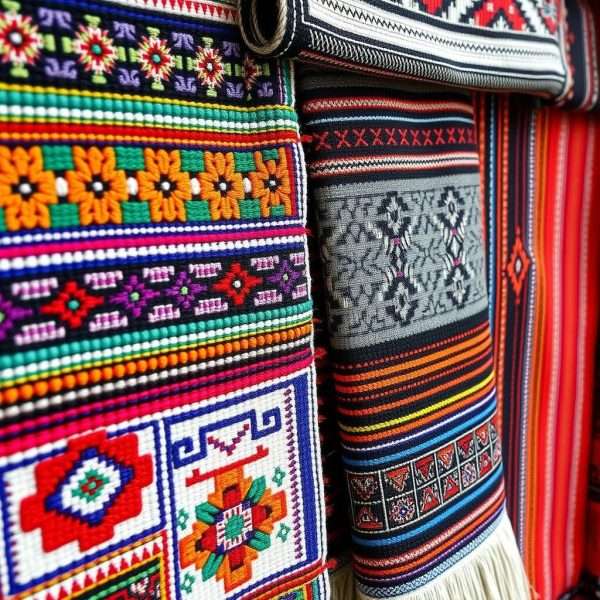
Northern Thailand’s hill tribes (including Hmong, Karen, and Akha) create distinctive textiles featuring intricate embroidery, appliqué and batik. These handcrafted pieces include bags, jackets, wall hangings and table runners.
Price range: ฿200-2,000 depending on complexity
Cotton Clothing
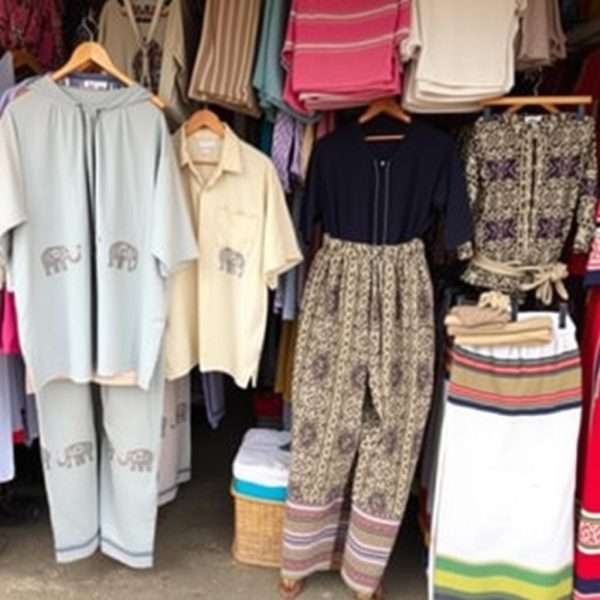
Lightweight cotton clothing is perfect for Thailand’s tropical climate. The infamous “elephant pants” are a backpacker staple, but you’ll also find beautiful hand-dyed indigo pieces, Thai fisherman pants and comfortable shirts.
Price range: ฿100-500 for basic items, more for artisanal pieces
Handicrafts and Decorative Items
Celadon Pottery
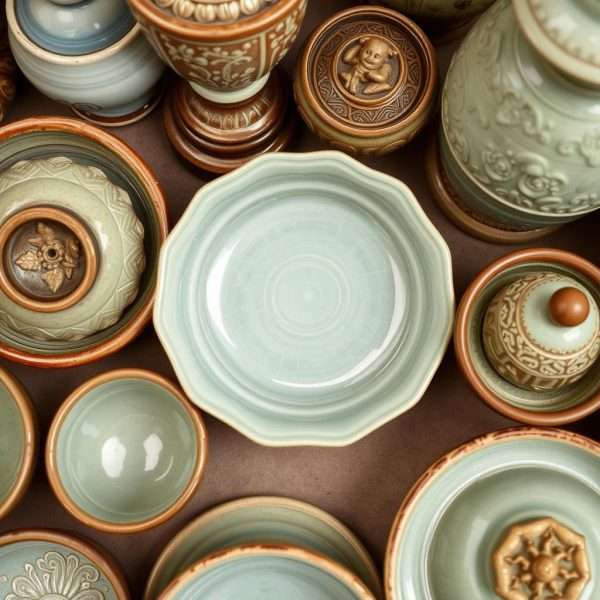
Chiang Mai is renowned for its celadon ceramics, characterized by a distinctive pale green glaze and delicate crackle pattern. These elegant pieces include bowls, plates, vases and decorative items that make sophisticated souvenirs.
Price range: ฿300-3,000+ depending on size and complexity
Woodcarvings
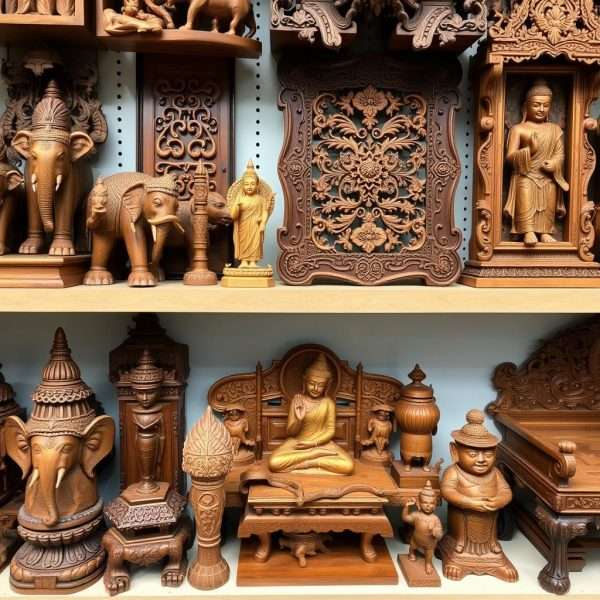
Skilled woodcarvers create everything from small animal figurines to elaborate furniture pieces. Teak, rosewood, and mango wood are commonly used. Popular items include elephant figurines, Buddha images, and decorative panels.
Price range: ฿200-20,000+ depending on size and intricacy
Silverware

Chiang Mai, particularly the Wua Lai area, has a long tradition of silversmithing. Look for intricately designed jewelry, decorative bowls, cutlery and ornamental pieces featuring traditional Lanna motifs.
Price range: ฿500-10,000+ depending on silver content and craftsmanship
Paper Umbrellas
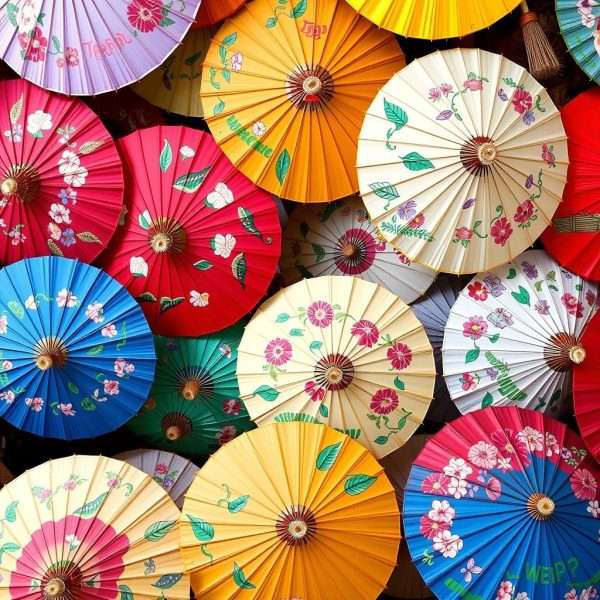
The village of Bo Sang near Chiang Mai is famous for its handcrafted paper umbrellas. These colorful parasols are made from sa paper (mulberry bark) and hand-painted with intricate designs. Available in various sizes from tiny decorative pieces to full-sized umbrellas.
Price range: ฿100-1,500 depending on size
Lacquerware
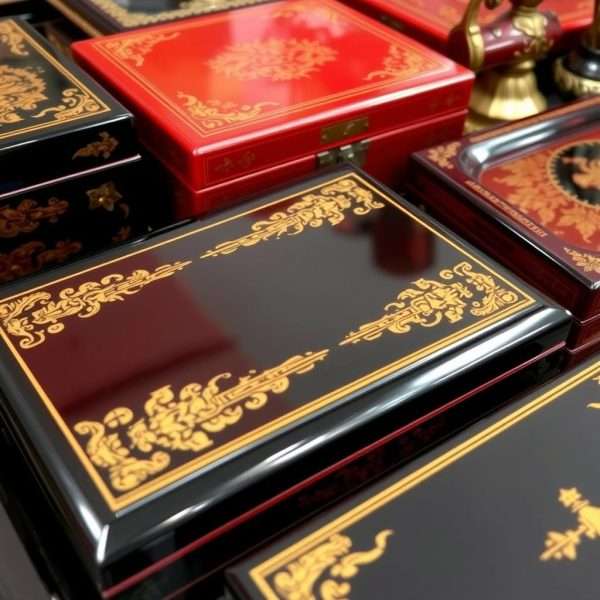
Traditional lacquerware items feature a glossy black or red surface often decorated with gold leaf designs. Common items include decorative boxes, trays, vases and furniture pieces that showcase this meticulous craft.
Price range: ฿500-5,000+ depending on size and complexity
Handmade Soaps and Spa Products
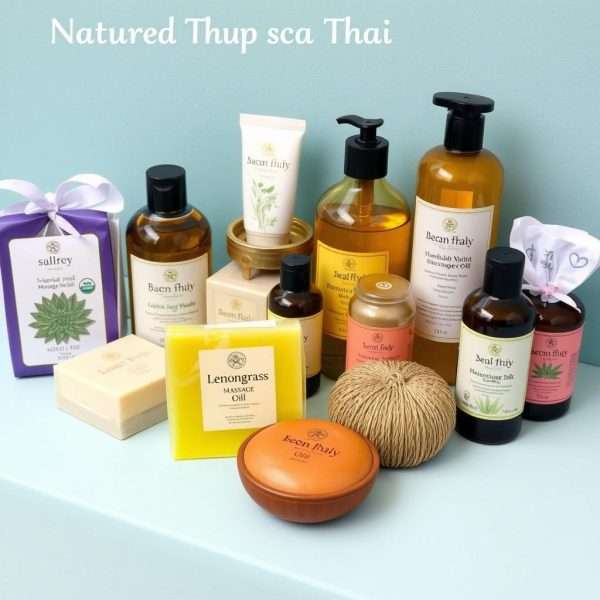
Thailand’s natural ingredients make for wonderful spa products. Look for handmade soaps, massage oils, herbal compresses and aromatic products featuring lemongrass, coconut and tropical fruits—perfect practical souvenirs.
Price range: ฿50-500 depending on product type
Food and Culinary Items
Thai Spices and Curry Pastes
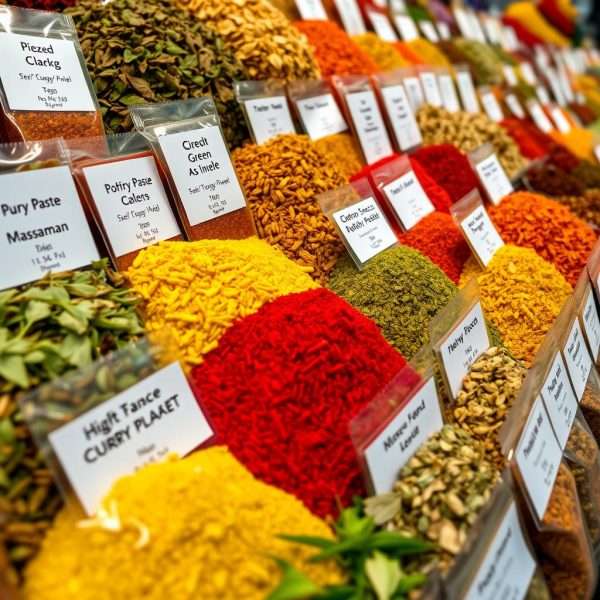
Bring Thailand’s flavors home with curry pastes, dried herbs, and spice mixtures. Northern Thai specialties include nam prik noom (green chili paste) and hang lay curry paste. Many vendors sell travel-friendly vacuum-sealed packages.
Price range: ฿50-200 per package
Tea and Coffee
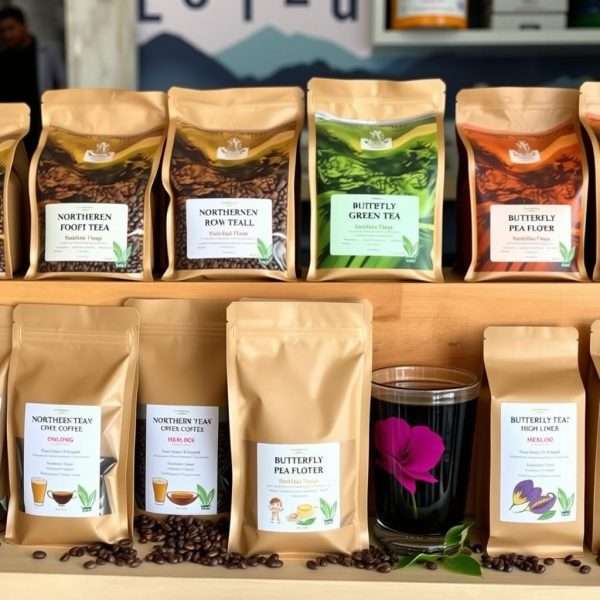
Northern Thailand’s highlands produce excellent tea and coffee. Look for locally grown coffee beans, oolong tea and unique herbal teas like butterfly pea flower, which changes color when lemon is added.
Price range: ฿100-500 depending on quality and quantity
Dried Fruits and Snacks
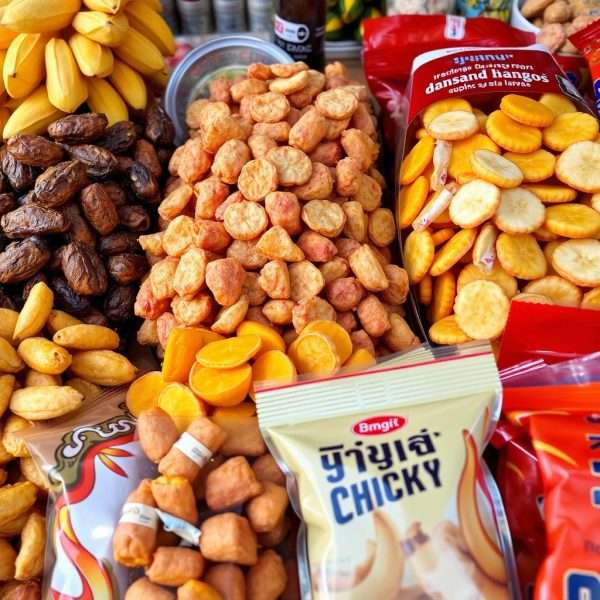
Thailand’s tropical fruits make delicious dried snacks. Popular options include dried mango, longan, and tamarind. Also look for unique local treats like miang kham (leaf-wrapped snack) ingredients and northern Thai crispy pork rinds.
Price range: ฿50-200 per package
Download Your Free Chiang Mai Shopping Map
Get our detailed map showing all the best markets, malls, and specialty shops in Chiang Mai. Perfect for planning your shopping adventures!
Bargaining Tips and Shopping Etiquette
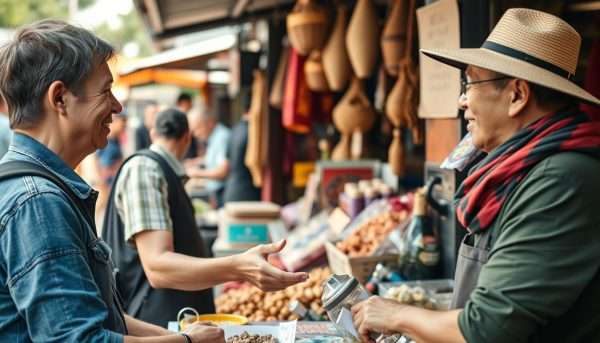
Bargaining is an expected part of the shopping experience in Chiang Mai’s markets, but it’s important to approach it with the right attitude and cultural understanding. Here are some essential tips for successful and respectful bargaining.
The Art of Bargaining
- Start at 40-50% of the initial price – Vendors typically quote higher prices to tourists, expecting negotiation.
- Be friendly and smile – Bargaining should be a pleasant interaction, not confrontational.
- Use a calculator or phone to show numbers and overcome language barriers.
- The “walk away” technique often works—vendors may call you back with a better price.
- Buy multiple items from the same vendor for better discounts.
- Know when bargaining is appropriate – Fixed-price shops and food stalls generally don’t expect bargaining.
Shopping Etiquette
- Be respectful – Remember that vendors are making a living.
- Don’t over-haggle for tiny amounts—is saving that extra 20 baht (less than $1) worth it?
- Once you agree on a price, it’s poor form to back out of the purchase.
- Ask before taking photos of products or people.
- Don’t touch products unnecessarily, especially delicate items.
- Learn a few Thai phrases like “hello” (sawadee kha/khrap) and “thank you” (khob khun kha/khrap).
When Not to Bargain
While bargaining is common in markets, there are situations where fixed prices are the norm:
- Modern shopping malls and department stores
- Food stalls and restaurants
- Shops with clearly marked prices
- Charitable organizations selling handicrafts
- High-end boutiques and galleries
Spotting Quality and Authenticity
With so many products available, it’s important to know how to identify quality items:
Thai Silk
- Genuine Thai silk has an iridescent quality that changes color when viewed from different angles
- Rub the fabric—real silk warms up quickly
- Burn test: real silk smells like burning hair, not plastic
- Look for the peacock emblem of the Thai Silk Association
Silver
- Check for hallmarks indicating silver content (92.5% for sterling)
- Quality silver has weight to it—it shouldn’t feel too light
- Look for detailed craftsmanship and clean finishing
- Reputable shops will provide certificates of authenticity
Handicrafts
- Examine the details—quality pieces show careful craftsmanship
- Ask about the materials and production process
- Support fair trade shops that work directly with artisans
- Be wary of items that look mass-produced or machine-made
Best Times to Shop and Seasonal Considerations
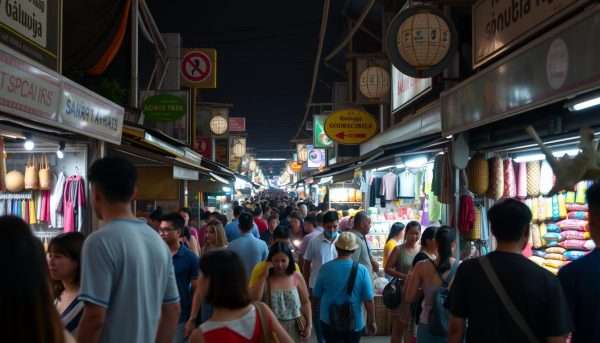
Daily Shopping Hours
Different shopping venues in Chiang Mai operate on various schedules:
| Venue Type | Typical Hours | Best Time to Visit | Notes |
| Night Markets | 5 PM – Midnight | 6-8 PM | Arrive early for less crowded shopping; later for better atmosphere |
| Day Markets (Warorot) | 6 AM – 6 PM | 8-10 AM | Morning offers freshest products and more active atmosphere |
| Shopping Malls | 10 AM – 9 PM | Weekday mornings | Avoid weekends and evenings when locals fill the malls |
| Weekend Walking Streets | 4 PM – 10:30 PM (Sat/Sun only) | 4-6 PM or after 8:30 PM | Mid-evening hours (6-8:30 PM) are extremely crowded |
Seasonal Shopping Considerations
High Season (November-February)
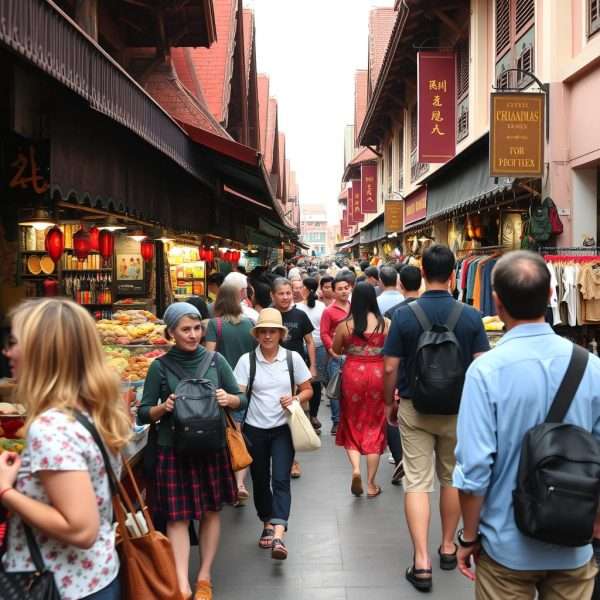
Pros: Comfortable cool weather, festive atmosphere with special holiday markets, widest selection of goods
Cons: Crowded markets, higher prices, less room for bargaining, accommodation costs peak
Shoulder Season (March-May, October)
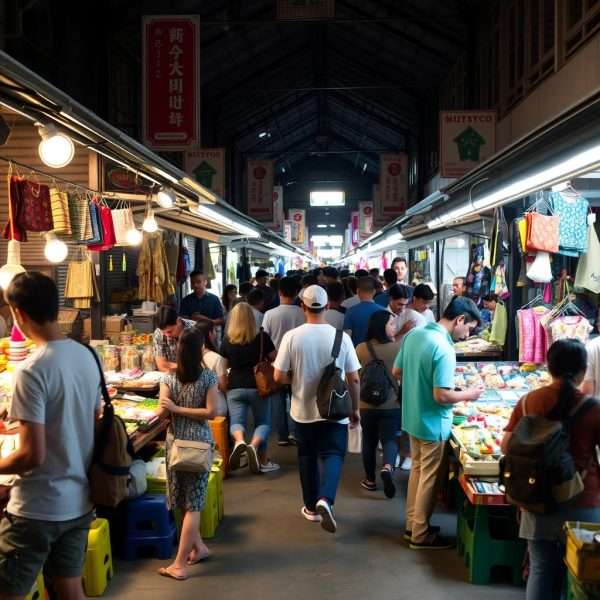
Pros: Fewer crowds, more bargaining power, good balance of selection and accessibility
Cons: March-May can be extremely hot, air quality issues in March due to burning season
Low Season (June-September)
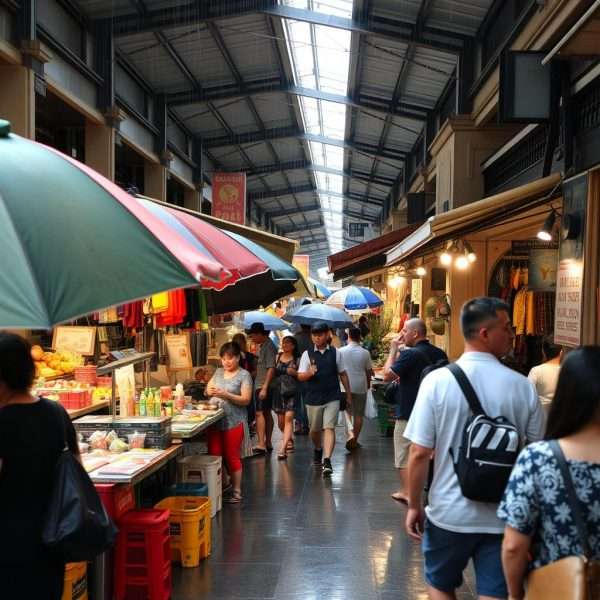
Pros: Best bargains, attentive service, authentic local experience, lowest accommodation costs
Cons: Frequent rain showers, some smaller vendors may not operate, reduced selection
Special Shopping Events and Festivals
Yi Peng and Loy Krathong (November)
During this magical lantern festival, special markets pop up selling lanterns, krathong floating offerings and festival-related items. The regular markets also expand with additional vendors and extended hours. It’s a wonderful time to shop, though prices may be higher and crowds larger.
Chinese New Year (January/February)
Chiang Mai’s Chinese community celebrates with special markets in the Warorot area. Look for unique Chinese goods, decorations and festive foods not available at other times of the year.
Songkran (Thai New Year, April 13-15)
While the famous water festival might not seem shopping-related, many shops offer special Songkran sales. Markets sell water guns, festive clothing and traditional items used in New Year ceremonies.
Bo Sang Umbrella Festival (January)
This charming festival in Bo Sang village showcases the famous handmade paper umbrellas. It’s the perfect time to purchase these iconic souvenirs directly from the artisans who make them.
Payment Methods and Currency Information
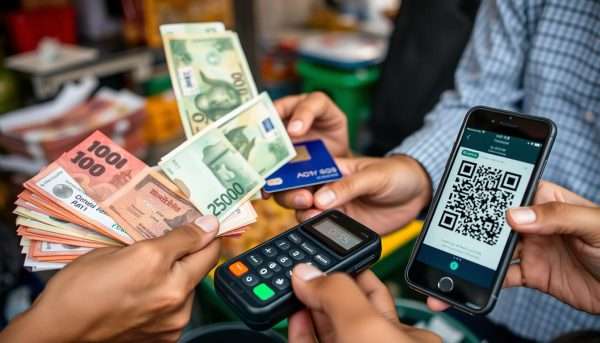
Currency Basics
Thailand’s currency is the Thai Baht (THB or ฿). Banknotes come in denominations of 20 (green), 50 (blue), 100 (red), 500 (purple) and 1,000 (beige) baht. Coins include 1, 2, 5, and 10 baht, plus smaller satang coins (rarely used).
Currency Tips
- Always carry cash for market shopping—most vendors don’t accept cards
- Keep smaller denominations (20s, 50s, 100s) for market purchases
- Vendors may not have change for 1,000 baht notes, especially early in the day
- Check your change carefully, especially in busy markets
- Current exchange rate (approximate): 1 USD = 35 THB, 1 EUR = 38 THB
Payment Methods by Venue
Traditional Markets
- Cash is king – Nearly all vendors only accept Thai baht
- Some larger stalls may accept QR code payments via Thai banking apps
- No credit cards accepted at most market stalls
- Bargaining is expected at most stalls
Shopping Malls
- Credit cards widely accepted (Visa, Mastercard, JCB)
- Fixed prices – no bargaining
- Some stores offer tax refund services for purchases over 2,000 baht
- International ATMs available throughout malls
Boutiques and Galleries
- Mix of payment options – check in advance
- Higher-end shops typically accept credit cards
- Some accept international payment apps
- Fixed prices in most boutiques
Money Exchange and ATMs
For the best exchange rates in Chiang Mai:
- Super Rich – Located near Night Bazaar, offers competitive rates with no commission
- Bank branches – Slightly lower rates but very reliable
- Avoid airport exchanges and tourist area kiosks which offer poor rates
- ATMs are widely available but charge 220-250 baht foreign transaction fee per withdrawal
- Withdraw larger amounts to minimize ATM fees
Money Safety Tips
While Chiang Mai is generally safe, take these precautions when shopping:
- Don’t flash large amounts of cash in markets
- Be aware of your surroundings when using ATMs
- Keep a small amount of cash in an accessible pocket and the rest secured
- Make copies of important documents like your passport
- Consider using a money belt or secure bag in crowded markets
Transportation to Shopping Areas

Getting around Chiang Mai to visit different shopping areas is relatively easy, with several transportation options available to suit different budgets and preferences.
Transportation Options
Songthaews (Red Trucks)
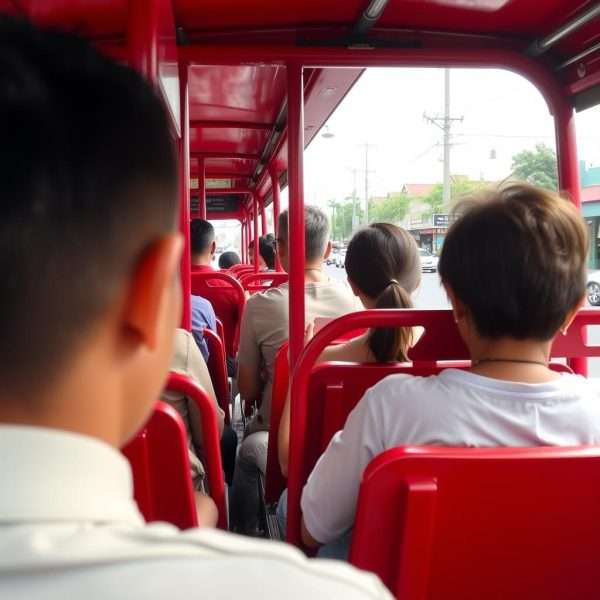
These red pickup trucks with covered seating areas are Chiang Mai’s most common public transportation. Flag one down, tell the driver your destination and negotiate the fare (typically 30-50 baht per person within the city).
Best for: Budget travel, reaching markets outside the Old City
Tuk-Tuks
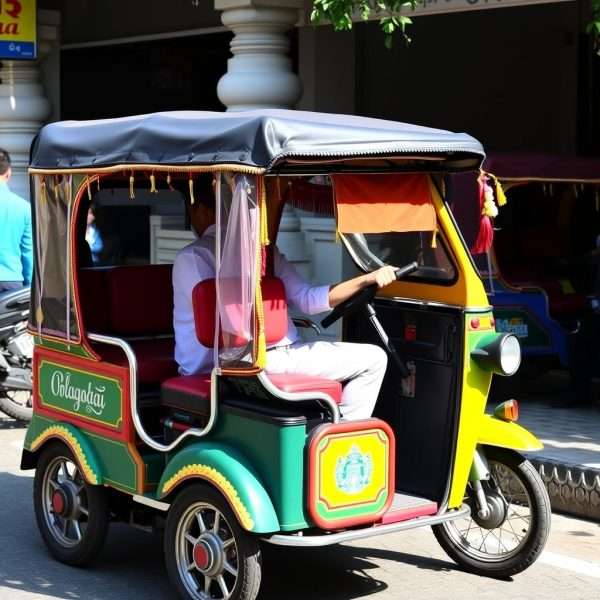
These iconic three-wheeled vehicles offer a fun, open-air experience. Always negotiate the fare before getting in (expect to pay 80-150 baht for short trips within the city).
Best for: Short distances, the classic Thai experience
Grab (Ride-Hailing App)

Southeast Asia’s equivalent to Uber offers convenient, fixed-price transportation. Download the app and pay by cash or credit card. Prices are generally higher than songthaews but lower than tuk-tuks.
Best for: Convenience, air-conditioned comfort, language barrier issues
Rental Motorbikes
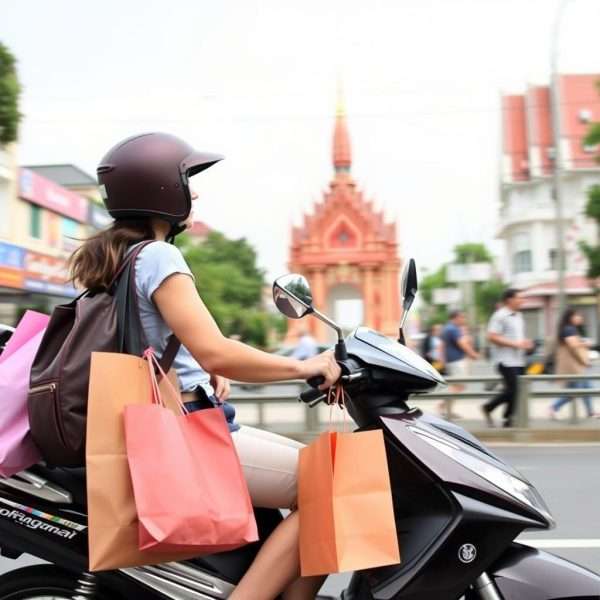
Adventurous travelers can rent motorbikes for 200-300 baht per day. This offers maximum flexibility but requires an international driver’s license and confidence in Thai traffic conditions.
Best for: Independence, reaching multiple shopping areas in one day
Bicycle Rental
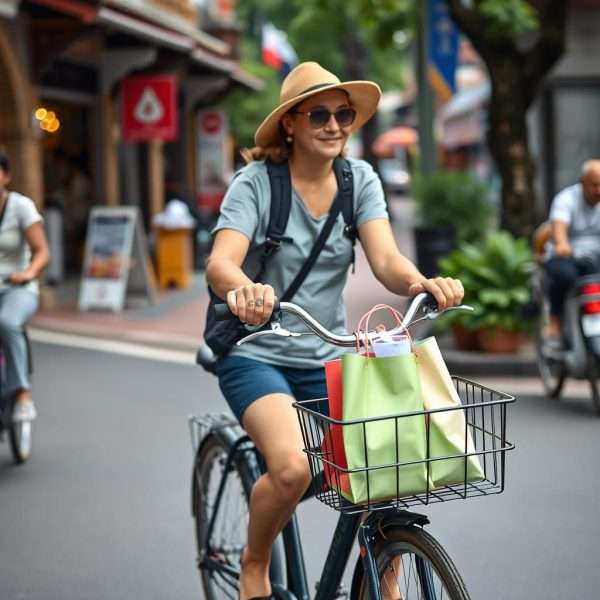
Many guesthouses and rental shops offer bicycles for 50-100 baht per day. Chiang Mai’s flat terrain makes cycling pleasant, especially in the Old City and Nimman areas.
Best for: Eco-friendly travel, short distances within the Old City
Walking
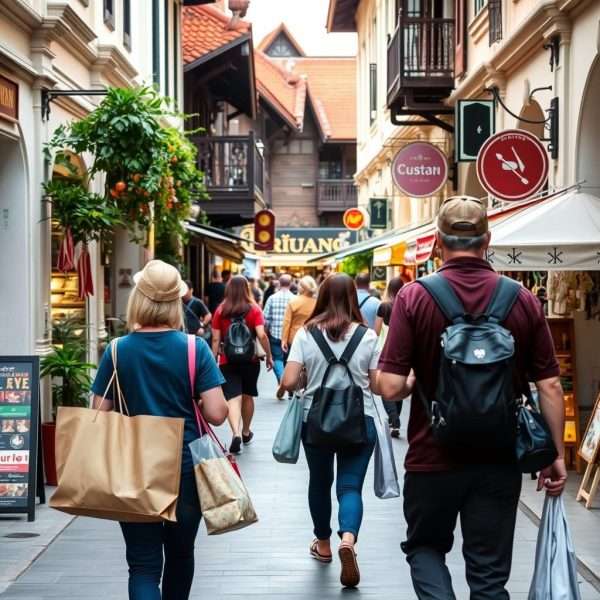
The Old City is compact and walkable, with many shops and small markets within easy walking distance. Early morning and evening walks are most comfortable due to the heat.
Best for: Exploring the Old City markets, discovering hidden shops
Getting to Specific Shopping Areas
| Shopping Destination | From Old City | Recommended Transport | Approximate Cost |
| Night Bazaar | 15-20 min walk from East Gate | Walking or songthaew | 30-40 baht by songthaew |
| Warorot Market | 20-25 min walk from East Gate | Songthaew or tuk-tuk | 40-50 baht by songthaew |
| Nimman Area (Maya, One Nimman) | 10-15 min drive | Grab or songthaew | 50-100 baht by songthaew |
| Central Festival Mall | 15-20 min drive | Grab or songthaew | 100-150 baht by songthaew |
| Sunday Walking Street | Within Old City | Walking | Free |
| Saturday Walking Street | 10-15 min walk from South Gate | Walking or tuk-tuk | 60-80 baht by tuk-tuk |
Transportation Tips
- For a full day of shopping at multiple locations, consider hiring a songthaew for the day (1,000-1,500 baht)
- Most hotels can arrange transportation to major shopping areas
- When using songthaews, it helps to know the Thai name of your destination
- Download offline maps to help navigate between shopping areas
- Consider shopping location when booking accommodation to minimize transportation needs
Cultural Aspects of Shopping in Northern Thailand
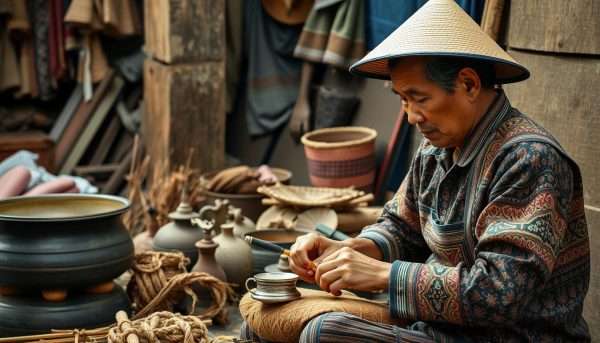
Shopping in Chiang Mai isn’t just about acquiring goods—it’s about connecting with the rich cultural heritage of Northern Thailand. Understanding the cultural context enhances your shopping experience and appreciation for the items you purchase.
Lanna Heritage in Crafts
Many of Chiang Mai’s most distinctive products reflect the ancient Lanna Kingdom that once ruled Northern Thailand. This cultural heritage is visible in several key aspects:
Lanna Design Elements
- Celestial animals like nagas (serpents) and singhas (lions) in woodcarvings and textiles
- Kanok patterns – flowing, flame-like designs seen in silverwork and wood
- Temple-inspired motifs reflecting Buddhist and animist beliefs
- Natural imagery including elephants, flowers, and forest elements
Traditional Techniques
- Yok Dok weaving – intricate raised patterns in textiles
- Lacquerware using multiple layers of natural lacquer
- Silversmithing with repousse and filigree techniques
- Saa paper-making from mulberry bark for umbrellas and lanterns
Hill Tribe Influences
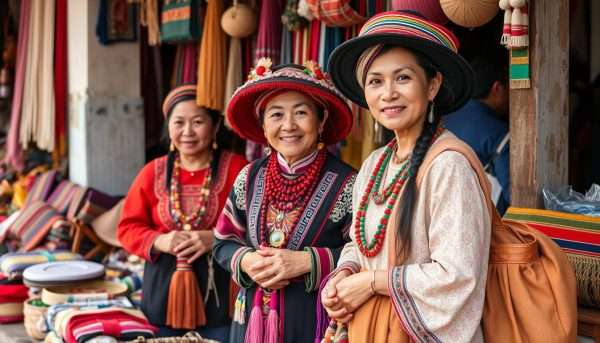
The diverse ethnic minority groups of Northern Thailand—including the Hmong, Karen, Akha, and Lisu—contribute significantly to Chiang Mai’s craft traditions. Each tribe has distinctive textile patterns, embroidery techniques and silver jewelry designs that reflect their unique cultural identities.
When purchasing hill tribe crafts, look for information about the specific tribe and the meaning behind their designs. Many social enterprises and fair-trade organizations work directly with hill tribe artisans, ensuring they receive fair compensation for their work while preserving traditional techniques.
The Social Aspect of Thai Markets
Shopping in Thailand is inherently social. Markets aren’t just commercial spaces but community gathering places where people connect, exchange news and build relationships. This social dimension influences several aspects of the shopping experience:
Relationship Building
Thai vendors value relationship building over quick sales. Taking time to chat, showing genuine interest in their products and returning to visit the same vendor creates goodwill that often translates to better prices and service.
Food and Shopping
Notice how Thai markets always include food areas? Eating together is fundamental to Thai social life and shopping is no exception. Taking breaks to enjoy local snacks is part of the authentic market experience.
Sanuk (Fun) Factor
The Thai concept of “sanuk” (fun) applies to shopping too. Bargaining should be playful rather than aggressive and the overall experience should be enjoyable. This explains the festive atmosphere of Thai markets.
Sustainable and Ethical Shopping
As tourism grows in Chiang Mai, there’s increasing awareness about shopping sustainably and ethically:
Supporting Artisans
- Look for shops that work directly with artisans
- Visit workshops where you can see items being made
- Ask about the production process and materials
- Be willing to pay fair prices for handmade quality
Ethical Considerations
- Avoid products made from endangered animals or woods
- Be cautious about “antiques” that might be illegally exported
- Support businesses that provide fair working conditions
- Consider the environmental impact of your purchases
When you purchase handcrafted items in Chiang Mai, you’re not just buying souvenirs—you’re helping preserve cultural traditions that have been passed down through generations. Each piece carries the stories, skills, and heritage of Northern Thailand.
Conclusion: Making the Most of Your Chiang Mai Shopping Experience

Shopping in Chiang Mai offers far more than just the acquisition of souvenirs—it provides a window into the soul of Northern Thailand’s culture, craftsmanship and community. From the ancient alleyways of Warorot Market to the contemporary boutiques of Nimman, each shopping experience tells a story about this enchanting city and its people.
As you explore Chiang Mai’s diverse shopping venues, take time to appreciate the centuries of tradition behind many of the crafts you encounter. Engage with vendors, learn about production techniques, and understand the cultural significance of different items. These interactions will transform your purchases from mere souvenirs into meaningful mementos of your Thai adventure.
Whether you’re hunting for handcrafted silverware, colorful textiles, aromatic spices, or contemporary Thai fashion, Chiang Mai rewards the curious shopper with treasures that can’t be found anywhere else. By approaching shopping with respect for local customs, openness to cultural exchange and a willingness to venture beyond the obvious tourist spots, you’ll discover the true richness of Chiang Mai’s shopping landscape.
So pack an extra bag for your treasures, brush up on your bargaining skills and prepare to be captivated by the shopping paradise that is Chiang Mai—where every purchase has a story and every market holds new discoveries.
Ready to Explore Chiang Mai’s Shopping Scene?
Book your perfect stay near the best shopping areas and markets in Chiang Mai.






Leave A Comment