
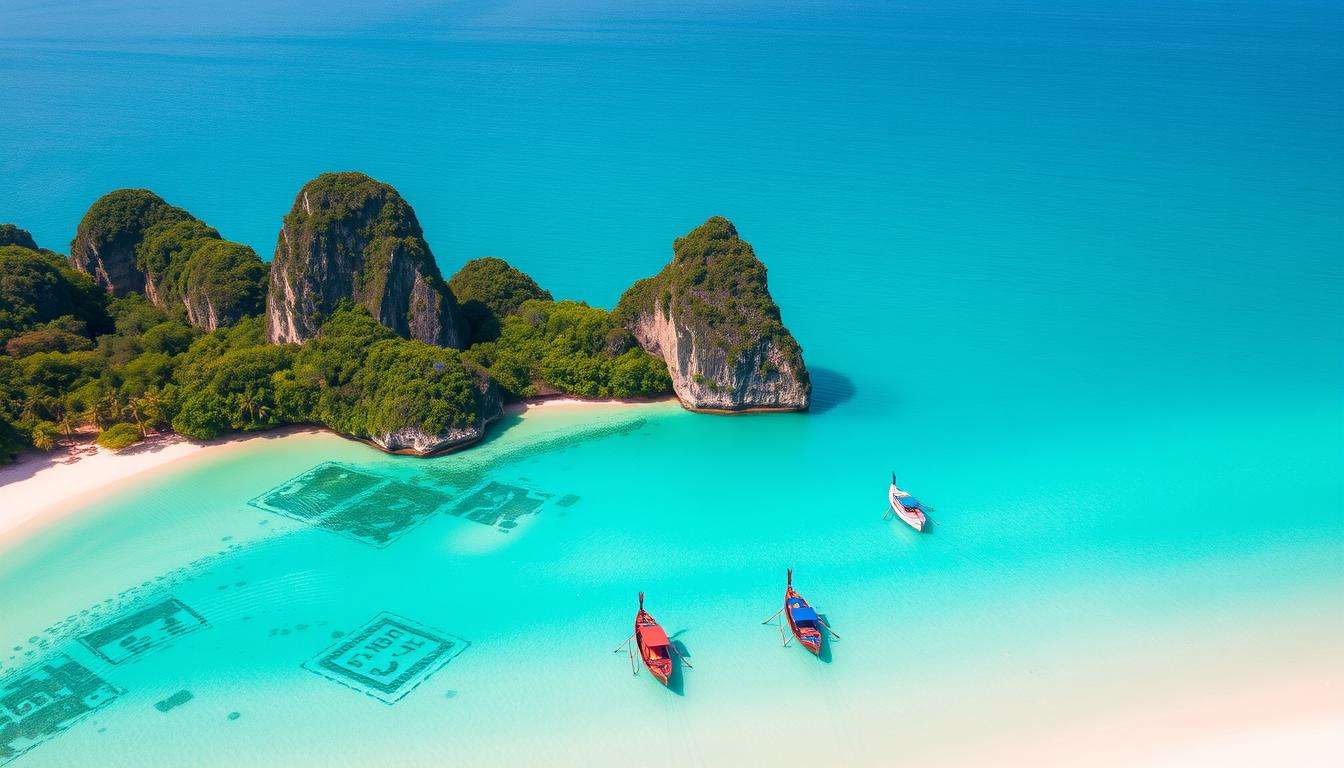
Thailand Itinerary Overview: Your 2-Week Adventure
This carefully crafted 2 week Thailand itinerary covers the country’s most spectacular regions: vibrant Bangkok, cultural Chiang Mai in the north and the breathtaking islands in the south. You’ll experience ancient temples, bustling markets, ethical elephant encounters, pristine beaches and mouthwatering Thai cuisine. The itinerary is designed to minimize travel time while maximizing experiences, with strategic flights between regions to make the most of your limited time.
| Days | Destination | Highlights |
| Days 1-3 | Bangkok | Grand Palace, Wat Pho, floating markets, night markets |
| Days 4-7 | Chiang Mai | Ethical elephant sanctuary, temples, cooking class, night bazaar |
| Days 8-11 | Krabi/Ao Nang | Railay Beach, island hopping, rock climbing, Hong Island |
| Days 12-14 | Koh Phi Phi | Maya Bay, snorkeling, beach time, sunset viewpoints |
Before You Go: Essential Thailand Travel Insurance
Thailand’s adventure activities and remote islands make travel insurance essential. I recommend SafetyWing for comprehensive coverage at affordable rates, including medical emergencies, trip cancellations, and lost luggage protection.
Best Time to Visit Thailand
Thailand experiences three distinct seasons that significantly impact your travel experience. Understanding these seasonal variations is crucial for planning your 2 week Thailand itinerary.
Cool Season (November-February)
Best overall time to visit. Comfortable temperatures (25-30°C/77-86°F) and minimal rainfall make this peak tourist season. Expect higher prices and more crowds, especially during December and January.
Hot Season (March-May)
Temperatures soar to 35-40°C (95-104°F). Northern Thailand experiences burning season (March-April) with poor air quality. Good for beach destinations, with fewer crowds and lower prices.
Rainy Season (June-October)
Frequent but usually brief downpours, with lush landscapes and fewer tourists. Prices are lower, but some island activities may be limited. September-October sees the heaviest rainfall.
Pro Tip: If you’re visiting during the cool season (November-February), book accommodations at least 3-4 months in advance, especially for popular destinations like Koh Phi Phi and Chiang Mai.
Preparing for Your Thailand Trip
Visa Requirements
Most nationalities receive a 30-day visa exemption when arriving by air. If you’re planning to stay longer, apply for a tourist visa before departure. Always check the latest requirements with the Thai embassy in your country.
Vaccinations and Health
Consult your doctor about recommended vaccinations like Hepatitis A, Typhoid and Tetanus. Consider malaria prevention if visiting rural areas. Pack a basic medical kit with remedies for stomach issues, which are common for first-time visitors.
Currency and Budget
The Thai Baht (THB) is the local currency. ATMs are widely available in tourist areas but may charge foreign transaction fees. For a comfortable mid-range trip, budget approximately $50-100 USD per person per day, including accommodations, food, activities and transportation.
Packing Essentials
- Lightweight, breathable clothing
- Modest attire for temple visits (covered shoulders and knees)
- Comfortable walking shoes
- Swimwear and beach essentials
- Sunscreen and mosquito repellent
- Universal power adapter
- Reusable water bottle
- Rain jacket or poncho (especially during rainy season)
Stay Connected in Thailand
Avoid expensive roaming charges and stay connected throughout your trip with an eSIM or local SIM card. I recommend Airalo eSIM for hassle-free setup before you even arrive in Thailand.
Days 1-3: Bangkok – The Vibrant Capital
Your 2 week Thailand itinerary begins in Bangkok, a city of contrasts where ancient temples stand alongside ultramodern skyscrapers. Three days gives you enough time to experience the city’s highlights while adjusting to the time zone.

Day 1: Bangkok Temples and Culture
- Grand Palace & Wat Phra Kaew – Start early (8:30 AM) to beat the crowds at Bangkok’s most iconic landmark. The intricate architecture and Emerald Buddha are truly spectacular. Entrance fee: 500 THB.
- Wat Pho – Home to the impressive 46-meter reclining Buddha, just a short walk from the Grand Palace. Entrance fee: 200 THB.
- Wat Arun (Temple of Dawn) – Cross the river by ferry (4 THB) to visit this stunning riverside temple with its distinctive spires. Entrance fee: 50 THB.
- Thai Massage at Wat Pho Massage School – Treat yourself to an authentic Thai massage at the birthplace of traditional Thai massage. 1-hour massage: 420 THB.
- Dinner at Thipsamai – Try the legendary pad thai at this historic eatery, often considered Bangkok’s best.
“Start your temple visits early in the morning to avoid both crowds and the midday heat. Always dress respectfully with shoulders and knees covered when visiting Thai temples.”
Day 2: Bangkok Markets and Local Life
- Damnoen Saduak Floating Market – Join a morning tour to experience this colorful market where vendors sell goods from boats. While touristy, it’s still a fascinating cultural experience.
- Jim Thompson House – Explore this beautiful teak house museum showcasing traditional Thai architecture and art. Entrance fee: 200 THB.
- Siam Shopping District – Experience Bangkok’s modern side at malls like Siam Paragon, MBK Center or the more local Terminal 21.
- Chinatown (Yaowarat) – Visit in the evening when food stalls line the streets, offering some of Bangkok’s best street food.
Experience the Authentic Floating Market
Skip the hassle of arranging transportation and enjoy a guided experience at Damnoen Saduak Floating Market with hotel pickup and drop-off included.
Day 3: Bangkok Modern Attractions
- Chatuchak Weekend Market – If your visit falls on a weekend, don’t miss this massive market with over 15,000 stalls selling everything imaginable.
- Lumpini Park – Escape the city’s hustle at this green oasis where you might spot water monitor lizards.
- Rooftop Bar – Experience Bangkok’s skyline from above at venues like Sky Bar (Lebua) or Octave Rooftop Bar.
- Khao San Road – End your Bangkok stay with a visit to this famous backpacker street, known for its vibrant nightlife, street food and shopping.
Getting Around Bangkok: Use the BTS Skytrain and MRT subway for efficient transportation around the city. For shorter distances, taxis (insist on using the meter) and Grab (Southeast Asia’s Uber) are affordable options. Tuk-tuks offer a fun experience but negotiate the price before getting in.
Where to Stay in Bangkok
- Budget: Nappark Hostel (Khao San area)
- Mid-range: Ibis Styles Bangkok Sukhumvit 50
- Luxury: Avani+ Riverside Bangkok Hotel
Bangkok Travel Tips
- Purchase a Rabbit Card for easy BTS/MRT travel
- Drink only bottled or purified water
- Visit temples in the morning to avoid crowds
- Always carry tissues (many restrooms don’t provide toilet paper)
Days 4-7: Chiang Mai – Cultural Heart of Northern Thailand
From Bangkok, take a morning flight to Chiang Mai (approximately 1.5 hours). This ancient city surrounded by mountains offers a more relaxed pace than Bangkok, with hundreds of temples, excellent food and proximity to nature.

Day 4: Chiang Mai Old City Exploration
- Wat Phra Singh – Begin with this important temple housing the revered Phra Singh Buddha image.
- Wat Chedi Luang – Visit this partially ruined temple with its massive pagoda in the heart of the old city.
- Lunch at a Local Restaurant – Try Khao Soi, Chiang Mai’s signature curry noodle dish.
- Wat Phra That Doi Suthep – Take an afternoon trip to this magnificent temple perched on a mountain overlooking Chiang Mai (30-minute drive from the city).
- Sunday Night Walking Street – If your visit falls on a Sunday, experience this massive market with local crafts, food and performances. On other nights, visit the Night Bazaar instead.
Day 5: Ethical Elephant Experience
Spend a full day at an ethical elephant sanctuary where you can observe, feed and bathe elephants in a responsible environment. These sanctuaries focus on elephant welfare rather than exploitative activities like riding.
Visit an Ethical Elephant Sanctuary
Support elephant conservation while enjoying a meaningful interaction with these magnificent animals at Elephant Nature Park, one of Thailand’s most respected sanctuaries.
Day 6: Thai Cooking Class and Relaxation
- Morning Thai Cooking Class – Learn to prepare authentic Thai dishes, often including a market visit to select fresh ingredients.
- Afternoon Massage – Enjoy a traditional Thai massage at a reputable spa like Fah Lanna or Oasis Spa.
- Nimmanhaemin Road – Explore this trendy area filled with boutique shops, cafes and restaurants.
Master Thai Cuisine
Join a hands-on cooking class to learn the secrets of Thai cuisine from expert local chefs. Includes market tour, all ingredients, and recipes to take home.
Day 7: Day Trip from Chiang Mai
Choose one of these popular day trips from Chiang Mai:
Doi Inthanon National Park
Visit Thailand’s highest peak, beautiful waterfalls and hill tribe villages. The twin pagodas and their gardens offer spectacular views.
Sticky Waterfalls (Bua Tong)
Climb these unique limestone waterfalls where the mineral deposits create a non-slippery surface, allowing you to walk up the cascading water.
Chiang Rai Day Trip
Visit the stunning White Temple (Wat Rong Khun), Blue Temple (Wat Rong Suea Ten) and Black House (Baan Dam).
Where to Stay in Chiang Mai
- Budget: Hostel Lullaby
- Mid-range: U Nimman Chiang Mai
- Luxury: Anantara Chiang Mai Resort
Chiang Mai Travel Tips
- The Old City is walkable, but rent a scooter or use Grab for further destinations
- Avoid elephant riding or shows that exploit animals
- Try local northern Thai specialties like Khao Soi and Sai Oua (herb sausage)
- Bring a light jacket during cool season (November-February) as evenings can be chilly
Days 8-11: Krabi/Ao Nang – Gateway to Thailand’s Southern Paradise
Fly from Chiang Mai to Krabi (approximately 2 hours) to experience Thailand’s stunning southern beaches and limestone karsts. Ao Nang makes an excellent base for exploring the surrounding islands and beaches.
Day 8: Ao Nang and Railay Beach
- Arrive in Krabi – Check into your accommodation in Ao Nang.
- Ao Nang Beach – Spend some time relaxing at this lively beach with views of limestone cliffs.
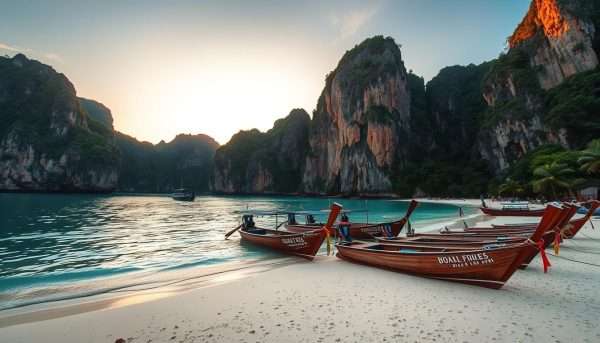
- Railay Beach – Take a longtail boat (150 THB one-way) to this stunning peninsula accessible only by boat. Explore Railay West, Railay East and Phra Nang Beach with its famous cave.
- Sunset at Railay – Watch the sunset from Railay West Beach before returning to Ao Nang.
Day 9: Four Islands Tour
Join a popular island-hopping tour visiting four stunning islands near Krabi:
- Poda Island – Relax on this pristine island with powdery white sand.
- Chicken Island – Named for its distinctive rock formation resembling a chicken’s head.
- Tup Island – Walk along the sandbar connecting two islands during low tide.
- Phra Nang Cave Beach – Visit this stunning beach with its unique fertility cave shrine.
Explore Krabi’s Stunning Islands
Join a full-day Four Islands tour by speedboat or traditional longtail boat, including lunch, snorkeling equipment and hotel transfers.
Day 10: Hong Island or Emerald Pool
Choose between these two popular day trips:
Option 1: Hong Island Tour
Visit the stunning Hong Island with its emerald lagoon, perfect for swimming and snorkeling in crystal-clear waters. The tour typically includes stops at several smaller islands as well.
Option 2: Emerald Pool & Hot Springs
Explore inland attractions including the Emerald Pool (a natural swimming hole with strikingly clear water), the Blue Pool and the rejuvenating Krabi Hot Springs nestled in the jungle.
Day 11: Adventure Activities or Relaxation
Choose activities based on your interests:
Rock Climbing
Railay is world-famous for rock climbing, with courses available for all skill levels, from beginners to experts.
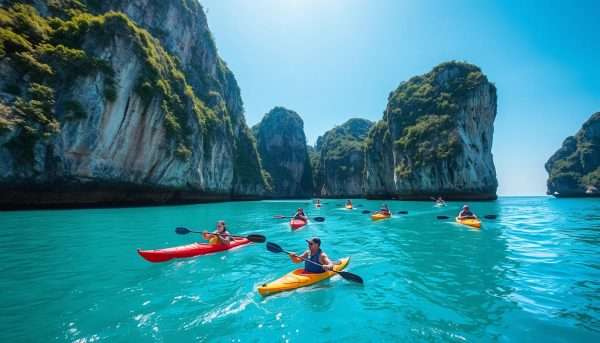
Kayaking
Rent kayaks to explore the coastline, mangroves, and hidden lagoons around Ao Nang and Railay.
Beach Day
Spend your last day in Krabi relaxing on the beach, enjoying massages and shopping for souvenirs.
Where to Stay in Krabi/Ao Nang
- Budget: Slumber Party Hostel
- Mid-range: BlueSotel Krabi Aonang Beach
- Luxury: Centara Grand Beach Resort & Villas Krabi
Krabi Travel Tips
- Book island tours a day in advance during high season
- Bring cash as ATMs are limited on smaller islands
- Pack water shoes for rocky beaches and swimming
- Apply reef-safe sunscreen before snorkeling
Days 12-14: Koh Phi Phi – Island Paradise
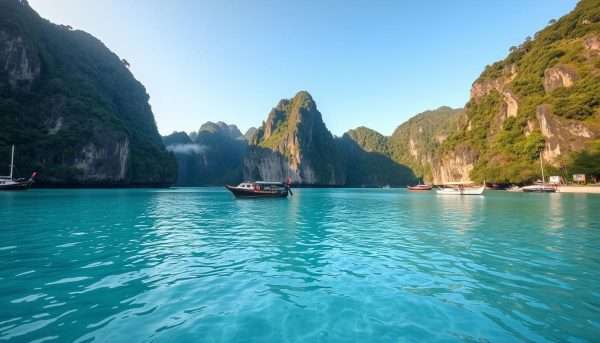
Take a ferry from Krabi to Koh Phi Phi (approximately 2 hours) to experience one of Thailand’s most famous island destinations. Despite its popularity, Phi Phi offers stunning beauty that makes it worth visiting.
Day 12: Arrive in Koh Phi Phi and Island Exploration
- Ferry to Koh Phi Phi – Arrive at Tonsai Pier and check into your accommodation.
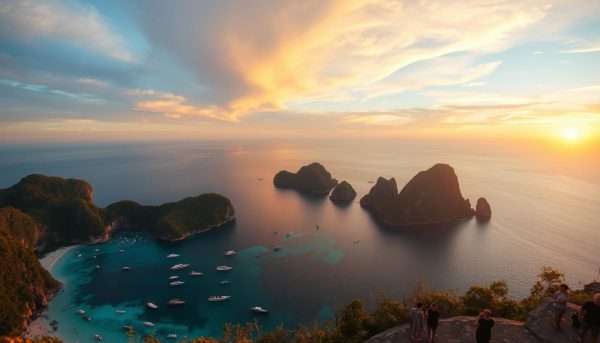
- Phi Phi Viewpoint – Hike up to the famous viewpoint for panoramic views of the twin bays (30-45 minute climb).
- Loh Dalum Beach – Relax at this beautiful beach on the north side of the island.
- Tonsai Village – Explore the walking streets filled with shops, restaurants and bars.
Day 13: Phi Phi Islands Boat Tour
Join a boat tour to explore the highlights around Phi Phi:
- Maya Bay – Visit the famous beach from “The Beach” movie (note that access is now regulated to protect the environment).
- Pileh Lagoon – Swim in this stunning emerald lagoon surrounded by limestone cliffs.
- Viking Cave – See this large limestone cave where swiftlet nests are collected.
- Monkey Beach – Spot wild monkeys on this small beach (observe from a distance and don’t feed them).
- Snorkeling Spots – Enjoy snorkeling at several locations with colorful coral and marine life.
Explore Phi Phi’s Hidden Gems
Join a guided boat tour to discover the most beautiful spots around the Phi Phi Islands, including Maya Bay, hidden lagoons and premier snorkeling locations.
Day 14: Final Day and Departure
- Morning Beach Time – Enjoy your final hours in paradise with a morning swim.
- Ferry to Phuket or Krabi – Depending on your flight arrangements, take a ferry back to the mainland.
- Departure – Fly home from Phuket or Krabi, or continue your journey to another destination.
Where to Stay in Koh Phi Phi
- Budget: Blanco Hostel
- Mid-range: Phi Phi Island Village Beach Resort
- Luxury: Zeavola Resort
Koh Phi Phi Travel Tips
- The island has no cars or motorbikes – everything is walkable
- Book accommodations away from the main party areas for quieter nights
- Bring extra cash as ATM fees on the island are high
- Consider a sunrise tour to experience popular spots with fewer crowds
Alternative Options for Your 2 Week Thailand Itinerary
This itinerary covers Thailand’s most popular destinations, but the country offers many other incredible places. Here are some alternatives you might consider substituting into your 2 week Thailand itinerary:
Koh Lanta
A more laid-back alternative to Phi Phi with beautiful beaches, mangrove forests and a less touristy atmosphere. Great for families and those seeking relaxation.
Koh Samui, Koh Phangan & Koh Tao
This island trio on Thailand’s east coast offers beautiful beaches, famous Full Moon parties (Koh Phangan) and world-class diving (Koh Tao).
Khao Sok National Park
Experience Thailand’s stunning jungle with limestone karsts, floating bungalows on Cheow Lan Lake and wildlife encounters.

Pai
A bohemian mountain town near Chiang Mai with hot springs, canyons, waterfalls and a relaxed atmosphere popular with backpackers.
Ayutthaya
The ancient capital of Thailand with impressive temple ruins, easily accessible as a day trip from Bangkok.
Sukhothai
Another historic capital with well-preserved ruins in a peaceful park setting, located between Bangkok and Chiang Mai.
Transportation Between Destinations
Efficient transportation is key to maximizing your limited time on a 2 week Thailand itinerary. Here’s how to get between the major destinations:
| Route | Recommended Transport | Duration | Approximate Cost |
| Bangkok to Chiang Mai | Flight | 1.5 hours | $30-80 USD |
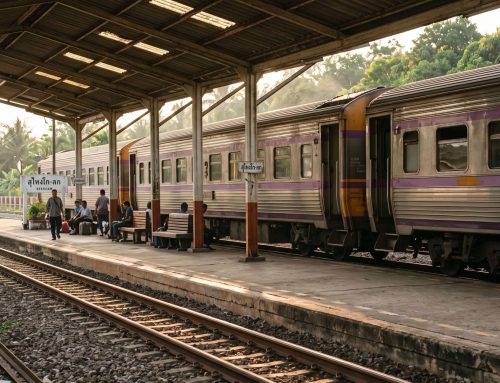
| Bangkok to Chiang Mai | Overnight Train | 12-15 hours | $20-50 USD |
| Chiang Mai to Krabi | Flight | 2 hours | $50-120 USD |
| Krabi to Koh Phi Phi | Ferry | 1.5-2 hours | $15-20 USD |
| Koh Phi Phi to Phuket | Ferry | 2 hours | $15-20 USD |
Transportation Booking Tip: I recommend using 12Go Asia to book transportation in Thailand. The platform offers trains, buses, ferries and flights with upfront pricing and electronic tickets.
Book Your Thailand Transportation in Advance
Secure your transportation between destinations with 12Go Asia, offering easy online booking for trains, buses, ferries and flights throughout Thailand.
Thai Food and Street Food Safety
Thai cuisine is a highlight of any visit to Thailand. From world-famous dishes like Pad Thai and Tom Yum Goong to regional specialties, your culinary adventure will be unforgettable. Here are some tips for enjoying Thai food safely:
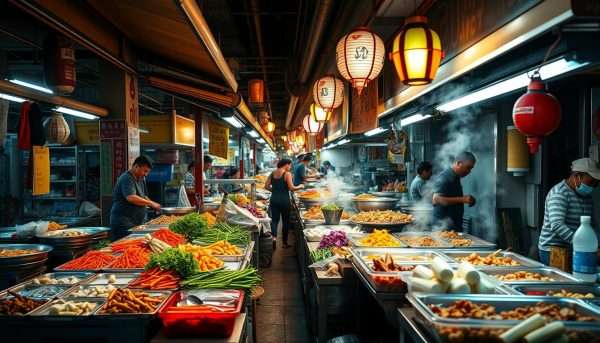
Street Food Safety Tips
- Choose busy stalls with high turnover (fresher food)
- Watch for stalls where locals eat
- Ensure meat is thoroughly cooked
- Avoid pre-cut fruits that have been sitting out
- Drink only bottled or purified water
- Be cautious with ice in drinks (most tourist areas use purified ice)
- Carry hand sanitizer and use it before eating
Must-Try Thai Dishes
- Pad Thai – Stir-fried rice noodles with egg, tofu, bean sprouts and peanuts
- Tom Yum Goong – Spicy and sour shrimp soup
- Green Curry – Coconut curry with vegetables and meat
- Som Tam – Spicy green papaya salad
- Khao Soi – Northern Thai curry noodle soup
- Mango Sticky Rice – Sweet dessert with coconut milk
Food Allergy Tip: If you have food allergies, learn the Thai phrases for your specific allergies or carry a translation card. Peanuts, shellfish and soy are common ingredients in Thai cuisine.
Thai Cultural Etiquette
Understanding and respecting Thai customs will enhance your experience and help you connect with locals. Here are some important cultural guidelines to follow during your 2 week Thailand itinerary:
Temple Etiquette
- Dress modestly (covered shoulders and knees)
- Remove shoes before entering buildings
- Sit with feet pointing away from Buddha images
- Women should never touch monks or hand items directly to them
- Speak quietly and be respectful of worshippers
General Customs
- Greet with a wai (prayer-like gesture) rather than handshakes
- Don’t touch people’s heads (considered sacred)
- Remove shoes when entering homes
- Avoid pointing with your feet (considered disrespectful)
- Public displays of affection are frowned upon
Royal Family Respect
- Always show respect for the Thai royal family
- Stand when the national anthem plays (8am and 6pm in public spaces)
- Never make negative comments about the monarchy
- Treat Thai currency with respect (it bears the king’s image)

Thailand Packing Checklist
Packing for Thailand requires consideration of the tropical climate, cultural norms and various activities. Here’s a comprehensive packing list for your 2 week Thailand itinerary:
Clothing
- 5-7 lightweight, breathable t-shirts/tops
- 3-4 shorts/skirts (knee-length for temple visits)
- 1-2 long pants/long skirts
- 1 light sweater or jacket (for air-conditioned spaces)
- 1-2 modest outfits for temple visits
- 2 swimsuits
- Underwear and socks
- Sleepwear
- Comfortable walking shoes
- Sandals or flip-flops
- Sun hat
Toiletries
- Sunscreen (SPF 30+ is recommended)
- Insect repellent with DEET
- Travel-sized shampoo and conditioner
- Toothbrush and toothpaste
- Deodorant
- Personal hygiene products
- Basic first-aid kit
- Hand sanitizer
- Wet wipes
Electronics
- Smartphone with travel apps
- Camera
- Universal power adapter
- Portable charger/power bank
- Headphones
- Waterproof phone case for island activities
Essentials
- Passport and visa (if required)
- Travel insurance documents
- Credit/debit cards
- Cash (Thai Baht)
- Photocopy of passport
- Travel pillow for long journeys
- Reusable water bottle
- Daypack for excursions
- Sunglasses
- Quick-dry towel
- Travel locks
- Ziplock bags (for electronics on boat trips)
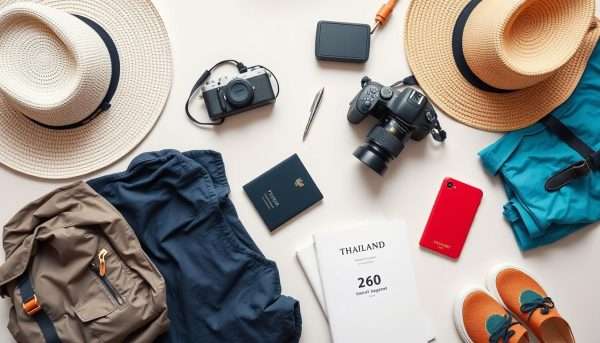
Packing Tip: Pack light! You can easily find laundry services throughout Thailand for as little as $2-3 per kilogram. Most accommodations offer same-day service, allowing you to refresh your wardrobe midway through your trip.
Thailand Budget Considerations
Thailand can accommodate various budget levels, from backpackers to luxury travelers. Here’s a breakdown of approximate daily costs per person for different budget categories:
| Expense Category | Budget ($30-50/day) | Mid-range ($50-100/day) | Luxury ($100+/day) |
| Accommodation | $5-15 (hostels, guesthouses) | $20-50 (3-star hotels) | $50-200+ (4-5 star hotels) |
| Food | $5-10 (street food, local restaurants) | $10-25 (mix of local and Western) | $25-50+ (upscale restaurants) |
| Transportation | $5-10 (public transport) | $10-20 (mix of public/private) | $20-50 (private transfers) |
| Activities | $5-15 (temple visits, basic tours) | $15-30 (standard tours) | $30-100+ (private tours, premium experiences) |
| Miscellaneous | $5 (water, small souvenirs) | $5-15 (drinks, souvenirs) | $15-50+ (shopping, spa treatments) |
Money-Saving Tips: Eat at local street food stalls, use public transportation, book tours directly with local operators and consider visiting during shoulder season (May-June or September-October) for better deals on accommodations.
Final Tips for Your 2 Week Thailand Itinerary

Thailand Travel Pros
- Incredible value for money compared to Western destinations
- Warm, welcoming locals known for their hospitality
- Diverse experiences from bustling cities to pristine islands
- World-class cuisine at affordable prices
- Well-developed tourism infrastructure
- Rich cultural experiences and historical sites
Thailand Travel Challenges
- Hot and humid climate can be exhausting
- Popular destinations can be crowded during high season
- Long travel times between northern and southern regions
- Language barrier in less touristy areas
- Risk of stomach issues for first-time visitors
- Scams targeting tourists in major cities
This 2 week Thailand itinerary offers a perfect balance of Thailand’s diverse attractions. From the cultural richness of Bangkok and Chiang Mai to the stunning beaches of Krabi and Phi Phi, you’ll experience the best this amazing country has to offer. Remember that flexibility is key – don’t try to pack too much into your schedule and allow time to simply soak in the atmosphere and create lasting memories.
Is 2 Weeks Enough Time to See Thailand?
Two weeks is enough time to experience Thailand’s highlights, including Bangkok, Chiang Mai and southern beaches. However, you’ll need to be selective about destinations and focus on specific regions rather than trying to see the entire country. This itinerary provides an excellent introduction to Thailand’s diverse offerings.
What’s the Best Time of Year for this 2 Week Thailand itinerary?
November to February is generally the best time for this itinerary, offering comfortable temperatures and minimal rainfall throughout the country. March to May is very hot but good for beach destinations. The rainy season (June-October) offers fewer crowds and lower prices but may impact outdoor activities.
How Much Should I Budget for 2 Weeks in Thailand?
For a mid-range experience, budget approximately $1,000-1,500 USD per person for 2 weeks, excluding international flights. This covers accommodations, food, local transportation, activities and some shopping. Budget travelers can manage with $500-700, while luxury travelers might spend $3,000+.
Ready for Your Thailand Adventure?
Start planning your dream Thailand trip today with these essential travel resources. From accommodation bookings to travel insurance, these trusted partners will help make your 2 week Thailand itinerary a reality.




Leave A Comment