

Want to see Florida Keys’ wildlife up close? The island chain showcases an extraordinary array of creatures both above and below its crystal-clear waters.
The Florida Keys, home to the continental United States’ only living coral barrier reef, welcomes visitors with remarkable wildlife encounters. Bottlenose dolphins swim gracefully in deeper waters while unusual Key Deer roam freely across the islands. The region’s incredible biodiversity amazes nature enthusiasts. Visitors can spot manatees, sea turtles, butterflies and countless native and migrating birds throughout the area.
Marine life enthusiasts consider the Florida Keys a paradise with its breathtaking coral reefs and vibrant aquatic creatures. Specialized charters give visitors a chance to see Florida Keys’ animals in their natural habitats. Magic fills the air when sea turtles glide off Islamorada and Marathon or when gentle manatees float in the warm shallows.
This piece expresses 15 amazing animals that call the Florida Keys home and the exact spots to find them during your 2026 adventure.
Bottlenose Dolphins
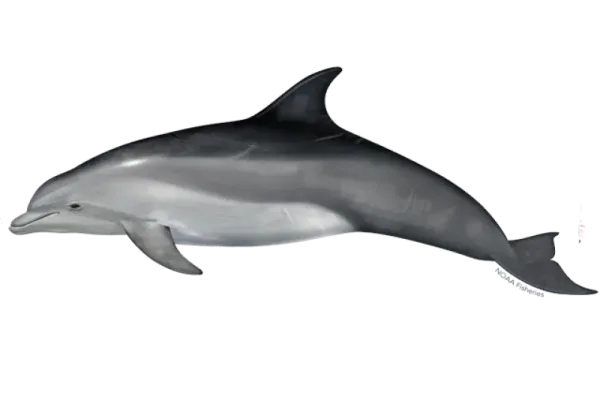
Image Source: NOAA Fisheries
The Atlantic bottlenose dolphin is one of the most fascinating creatures you’ll find in the Florida Keys. These amazing marine mammals draw crowds throughout the year. Visitors come to watch them play and show off their smarts in the clear waters around the island chain.
Where to See Bottlenose Dolphins
The Key West area is a chance to watch dolphins in their natural home. “Dolphin Playground” in the shallow backcountry waters gives you the best shot at seeing these friendly animals in the wild. This feeding and breeding spot stays about 10 feet deep and has mangroves all around that attract small fish. These fish make up much of the dolphins’ daily menu.
You have several ways to see these dolphins:
- Small boat tours with just six people that let you get a closer look
- Bigger catamaran trips that follow the Dolphin SMART conservation rules
- Kayak adventures that let you watch them quietly without disturbing them
The Florida Keys National Marine Sanctuary lets you spot dolphins easily. It’s home to the only coral barrier reef in the continental U.S. and the largest documented contiguous seagrass community in the Northern Hemisphere. Dolphins swim all over Florida Bay—the shallow waters between mainland Florida and the Keys—throughout the year.
Why Bottlenose Dolphins are Special
These dolphins have some amazing features that set them apart. They grow into powerful swimmers, reaching 6 to 13 feet long and weighing between 300 and 1,400 pounds. You’ll notice their dark gray backs, lighter gray bellies, and long distinctive snout.
Their smarts are just as impressive as their looks. Their brain-to-body ratio is like apes and comes second only to humans. These clever creatures can:
- Copy sounds and behaviors
- Know themselves in mirrors
- Learn artificial language
- Sort objects into groups
The social life of these dolphins is remarkable. They swim in groups called pods that usually have 10 to 30 members, though some pods can grow into thousands. Scientists have tracked 437 different dolphins in Florida Bay. These dolphins stick to their favorite spots and hunt in consistent ways.
On top of that, the dolphins near Cedar Keys in Florida use a clever hunting trick called “driver-barrier feeding.” One dolphin drives mullet toward others who act as barriers. This traps the fish and makes them jump out of water, right into the dolphins’ mouths.
Best Time to Spot Bottlenose Dolphins
Dolphins live in the Florida Keys all year, but some times are better than others to see them. They’re most active and visible from May through October.
The morning gives you the best chance to spot dolphins. The water stays calm then, so you can easily see them break the surface. You’ll also find fewer boats out early, which means the dolphins act more naturally.
Watch for these cool dolphin moves:
- Spyhopping: they stick their head straight up out of the water
- Breaching: they jump completely out of the water
- Bow riding: they surf the waves in front of boats
- Pec-slapping and lobtailing: they slap their fins or tail against the water
The best tour operators follow NOAA’s Dolphin SMART program. This helps protect wild dolphins in the Keys. They keep their distance and avoid anything that might bother these smart animals in their natural home.
Key Deer

Image Source: U.S. Fish and Wildlife Service
The Key deer is one of the most lovable animals you’ll find in the Florida keys. These pocket-sized creatures steal the hearts of everyone who sees them. Nature lovers heading to the lower keys region shouldn’t miss a chance to spot these tiny plant-eaters.
Where to See Key Deer
These unique creatures live on just 20-25 islands in the southern Florida Keys. Their territory used to cover the entire lower Florida Keys, but now their range has shrunk by a lot:
- Big Pine Key and No Name Key – About 75% of all Key deer call these two islands home
- Watson Boulevard on Big Pine Key – You’ll often spot them near roads and houses
- Blue Hole area – This old limestone quarry inside the National Key Deer Refuge gives them fresh water
- Watson Nature Trail – You can walk through the deer’s natural habitat here
The National Key Deer Refuge headquarters on Big Pine Key is a great way to get updates about recent sightings. You’ll find it at 28950 Watson Blvd. The refuge covers 9,200 acres and has protected these unique animals since 1957.
Visitors can reach No Name Key through Wilder Road from Big Pine Key. This quiet island mostly consists of wildlife refuge land. The roads here see little traffic, making them perfect spots to see deer.
Why Key Deer are Special
Key deer (Odocoileus virginianus clavium) are the smallest of all North American white-tailed deer subspecies. Their size makes them amazing – male deer stand just 28-32 inches tall at the shoulder and weigh about 80 pounds. Female deer reach only 24-28 inches and weigh around 65 pounds.
These mini-deer have adapted perfectly to island life, unlike their mainland cousins. They swim between islands to find water and food. Their diet includes over 150 plant species, from mangroves to native plants and thatch palm berries.
You won’t find Key deer anywhere else in the world. They’re living symbols of Florida’s unique wildlife. Their story shows the power of conservation – poaching and habitat loss had left fewer than 50 deer by the 1950s. The creation of the National Key Deer Refuge in 1957 and protection under the Endangered Species Act in 1967 helped their numbers grow.
We have a long way to go, but we can build on this progress. The current population sits at about 700-800 deer. These animals face several threats:
- Car accidents (the main cause of death)
- Loss of habitat
- Climate change and rising seas
- People feeding them (which makes them less cautious)
Best Time to Spot Key Deer
Early morning and evening give you the best chance to see these shy animals. Here’s when wildlife experts say you should look:
- Dawn and dusk – Like other white-tailed deer, Key deer are most active at these times
- Two hours after sunrise and two hours before sunset – They’re really active during these periods
- Fall and early winter – Breeding season starts, with most mating in October
- April through June – Baby deer arrive during this time
The sort of thing I love about Key deer is that you might see them any time of day. Still, midday sightings are less common, especially when it’s hot and they look for shade.
Keep in mind that slow driving is essential in Key deer areas, especially between Mile Markers 33 and 32 on Big Pine Key. Police strictly enforce the 35 mph speed limit to protect these endangered animals. Never feed the deer – it’s illegal and hurts their chances of survival.
Manatees
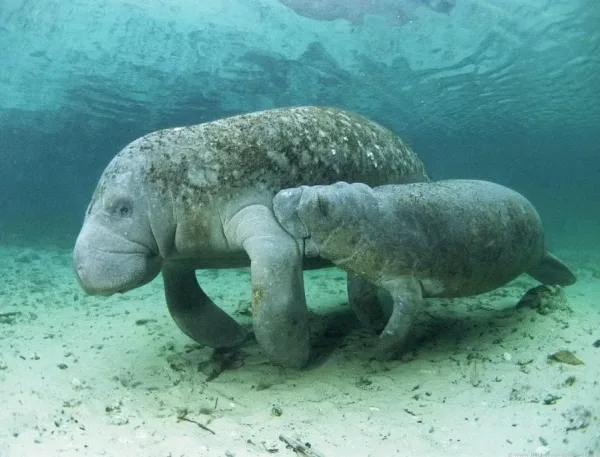
Image Source: WUSF
The peaceful manatees of the Florida Keys fascinate visitors with their gentle nature and graceful movements despite their huge size. These amazing sea creatures are one of the most popular wildlife attractions you can find in the chain of islands.
Where to See Manatees
The Florida Keys has several great spots to watch manatees:
- Cow Key Marina in Key West is a safe haven for manatees. You can see these amazing creatures gliding through the water almost every day. The marina sits on Key West’s east channel and serves as both an adventure starting point and a protected space for manatees.
- John Pennekamp State Park gives you great chances to spot manatees. They spend most of their time eating and resting in the mangrove channels and seagrass beds. Mother manatees raise their babies in the quiet, protected areas of the mangroves.
- Indian Key Historic State Park draws manatees to its protected waters. They come here to avoid the busy boat traffic around this small island.
- Garrison Bight Marina sits on Key West’s north side. You can try to spot manatees from land, but your chances get better if you go out on the water.
- Boot Key Mangroves in Marathon has narrow winding paths that fit kayaks. These natural corridors create perfect spots to meet these gentle creatures.
Kayak tours through mangrove tunnels are a great way to get close to wildlife without disturbing these protected animals.
Why Manatees are Special
The manatees swimming in the Florida Keys are Florida Manatees, a type of West Indian Manatee. They have some amazing features:
These gentle giants can grow more than 14 feet long and weigh over 3,000 pounds. They have less body fat and slower metabolism than other sea mammals. This makes them very sensitive to cold water.
These peaceful creatures face many dangers. Federal law protects them through the Marine Mammal Protection Act of 1972 and the Endangered Species Act of 1973. Boat strikes cause about 25% of all recorded manatee deaths in Florida. One out of every four manatees has been hit by boats more than ten times in their life.
The Florida Keys Aquarium Encounters is the only place in the Keys that helps injured manatees get better. They focus on helping young manatees return to the wild. The Dolphin Research Center is the only team in the Keys that can officially rescue manatees when they’re in trouble.
Best Time to Spot Manatees
The time you visit makes a big difference in seeing manatees in the Florida Keys:
Winter months from mid-November through March give you the best chances. Manatees swim to warmer waters as temperatures drop. They gather in warm spots when water gets below 70°F (21°C) because they can’t handle cold water very long.
Manatees move around more in summer and become harder to find. Some swim as far as the Chesapeake Bay or Texas. You might still see them in the Keys, but it’s not as likely.
Early morning hours work best for spotting manatees all year round. They’re usually more active then, eating seagrass near the shore before the day heats up.
Watching manatees the right way helps keep them safe. Stay back, avoid splashing or quick moves, and never touch or feed them. These actions hurt manatees and break the law. Call wildlife authorities right away if you see an injured manatee.
Green tourism practices matter more than ever as these amazing Keys residents face threats from changing climate and shrinking habitats.
Sea Turtles

Image Source: Florida Panhandle
Sea turtles glide through the warm waters of the Florida Keys. They are one of the oldest reptile species you can see in this tropical paradise. These amazing marine reptiles have made these waters their home for millions of years and have become symbols of the florida keys wildlife.
Where to See Sea Turtles
You can spot sea turtles at several great locations in the Florida Keys:
- Dry Tortugas National Park is the busiest sea turtle nesting site in the Florida Keys. This remote national park sits about 70 miles west of Key West and needs a boat or seaplane to reach. The park’s shallow, clear waters make it easy to spot sea turtles swimming near living coral.
- The Marathon Sea Turtle Hospital has helped and healed over 1,000 sea turtles since 1989. The facility lets healed turtles return to the sea and posts release dates on their website.
- Smathers Beach in Key West sometimes welcomes nesting sea turtles, which gives people a chance to watch them responsibly.
Organizations like Save-A-Turtle run educational programs about sea turtle conservation throughout the Florida Keys. You can also join turtle walks led by Florida Fish and Wildlife Conservation Commission’s Marine Turtle Permit Holders. These experts share information about marine turtle biology before taking groups to watch the beach.
Why Sea Turtles are Special
The waters around the Florida Keys are home to five of the world’s seven sea turtle species:
- Loggerhead Sea Turtles (Caretta caretta) are Florida’s most common species. You can spot them by their huge block-like heads. Adult loggerheads weigh about 275 pounds and grow to 3 feet long. Their strong jaws crush clams, crabs, and other armored animals.
- Green Sea Turtles (Chelonia mydas) get their name from their green body fat. These turtles weigh around 350 pounds and grow to 3.3 feet. Adult green turtles are unique because they mostly eat seagrasses and algae.
- Leatherback Sea Turtles (Dermochelys coriacea) are the giants of the group. They grow to 6 feet and weigh between 500-1,500 pounds. Instead of a scaly shell, leatherbacks have tough, leathery skin with seven ridges down their backs.
- Kemp’s Ridley Sea Turtles (Lepidochelys kempi) are the world’s rarest and most endangered sea turtles. These smaller turtles weigh 85-100 pounds and grow 2-2.5 feet long.
- Hawksbill Sea Turtles (Eretmochelys imbricata) stand out with their beak-like mouths. They weigh 100-200 pounds and grow to 30 inches. These turtles mainly eat sponges.
These five species face many threats from predators, artificial lights that confuse them, beach furniture, and harmful human contact. This is why they have protection under state and federal laws.
Best Time to Spot Sea Turtles
Sea turtle nesting times change based on location in the Florida Keys:
- Atlantic Ocean shoreline: March 1 to October 31
- Gulf of Mexico side: May 1 to October 31
Nesting happens mainly between mile markers 72 and 83 on Islamorada’s Atlantic shoreline. Female turtles come to beaches between dusk and dawn. They dig holes in the sand, lay about 100 eggs, and cover their nests with sand.
Late summer through fall (August through October) gives you the best chance to see baby turtles hatch. Baby turtles usually come out at night when darkness helps protect them from predators.
Save-A-Turtle volunteers work throughout the Florida Keys. They check nests during nesting season by walking beaches at sunrise. These permitted volunteers find, mark, and watch nests until the eggs hatch—usually after 60 days.
Watching sea turtles the right way helps protect them. Stay back, keep quiet, don’t touch the turtles, and avoid all lights (including cell phones and flash photography) when you watch these amazing animals that call the florida keys home.
Spotted Eagle Rays

Image Source: National Marine Sanctuary Foundation
The azure waters of the Florida Keys are home to majestic spotted eagle rays that glide through the water with grace. These remarkable creatures engage both snorkelers and divers who learn about the vibrant underwater ecosystems. Their wingspans stretch up to 11 feet, and their dark backs feature distinctive polka-dot patterns.
Where to See Spotted Eagle Rays
The Florida Keys has several prime locations to watch these magnificent rays:
- Molasses Reef in Key Largo is a famous dive spot where spotted eagle rays often cruise through the area. The shallow site has “Eagle Ray Alley,” a sand channel running seaward from Molasses shallow to Logan’s Run.
- John Pennekamp Coral Reef State Park offers excellent viewing opportunities with its protected waters and healthy reef system.
- Pigeon Key gives impressive vantage points to spot these rays. Students can watch spotted eagle rays from the Old Seven Mile Bridge during educational bridge walks.
- The deeper wrecks off the Keys sometimes attract these graceful creatures, giving divers rare treats as they explore these intentionally sunken vessels.
You don’t need to be a scuba diver to see spotted eagle rays. These animals often swim close to shore and are visible from boats or bridges throughout the Florida Keys.
Why Spotted Eagle Rays are Special
Spotted eagle rays (Aetobatus narinari) have extraordinary characteristics that make them truly remarkable:
Their appearance engages observers with dark brown to black bodies decorated with lighter spots or circles that create a striking pattern. Each ray has its own unique pattern of spots that works like a human fingerprint, helping researchers identify individual animals.
These magnificent creatures stand out because of their size. Their wingspans reach up to 11 feet and they weigh up to 500 pounds, making them the second-largest ray species in the ocean after manta rays. With their whip-like tails, they measure over 16 feet in total length.
Spotted eagle rays have fascinating adaptations:
- Hardened plate-like teeth to grind mollusk shells, clams, and oysters
- Flat, elongated snouts to dig in sand while searching for prey
- A venomous spine near their tail’s base for defense
These gentle creatures pose little danger to humans unless provoked. They often form large schools when not breeding, which makes group sightings possible.
Best Time to Spot Spotted Eagle Rays
The chance to see spotted eagle rays in the Florida Keys depends on timing:
You can see these magnificent creatures year-round, but they appear most often during spring and early summer. Their seasonal presence follows clear patterns. They arrive in the Florida Keys around May and head south toward the Caribbean by September.
Scientists at Mote Marine Laboratory study spotted eagle ray migrations through conservation research and tagging programs to track their movements.
Spotted eagle rays swim close to the surface in large schools and sometimes leap out of the water completely. This makes them visible even from boats or bridges.
Morning hours usually offer the best conditions with calm waters and better visibility for snorkelers and divers. Marine wildlife tours are a great way to get successful sightings, as experienced guides know the prime spots where these majestic Florida Keys animals gather.
Nurse Sharks
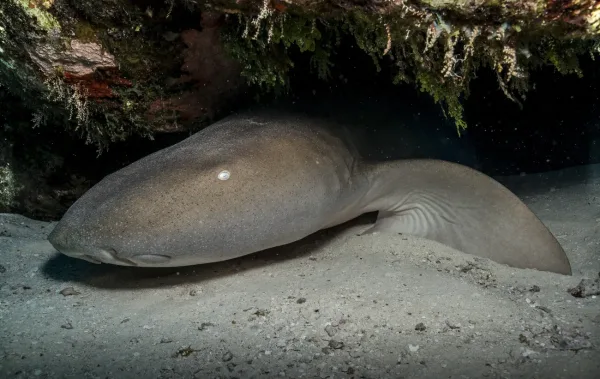
Image Source: National Marine Sanctuary Foundation
The Florida Keys are home to nurse sharks, which you’ll often find resting peacefully on the ocean floor. These night-loving creatures swim in shallow waters and give visitors a chance to see sharks up close in their natural habitat.
Where to See Nurse Sharks
The Florida Keys has several spots that are perfect to watch nurse sharks:
- Islamorada runs weekly shark awareness dives that teach visitors about these amazing creatures
- Captain Grumpy patch reef is home to many nurse sharks that swim with green moray eels and sea turtles
- Dry Tortugas National Park serves as a vital research location with a tracked nurse shark population that scientists have studied for years
- Pigeon Key keeps nurse sharks in their saltwater pool, and visitors can feed them during 1 PM tours
- Florida Keys Shark Encounters in Islamorada welcomes visitors as young as 6 years old for guided shark experiences
Marathon’s Florida Keys Aquarium Encounters lets guests safely meet nurse sharks with expert guides watching over them.
Why Nurse Sharks are Special
These brown-colored sharks have some unique features. Their heads look like catfish with two barbels on the upper jaw and rows of small teeth that crush shelled invertebrates. These sharks also have tough skin that helps them move through sharp coral reefs.
The sort of thing I love about nurse sharks is their behavior. They sleep during the day in sandy spots or shallow caves. Sometimes they gather in groups of up to 40 sharks and pile on top of each other.
Despite their calm appearance, nurse sharks rank fourth in reported human bites. This happens because they live close to shore where swimmers might get too close.
Best Time to Spot Nurse Sharks
June and July are the busiest months for nurse shark activity in the Florida Keys – that’s when they mate. Female sharks gather in shallow waters and males swim up to court them.
Male sharks show up at mating spots from late May through June. Then something interesting happens – most males vanish from these areas between August and March.
You can see nurse sharks all year in the Florida Keys, but June-July (mating season) and September-October are the best times. Night hours give you better chances to watch them hunt stingrays, mollusks and crustaceans.
Guided tours with experienced operators are a great way to get safe and educational encounters with these remarkable Florida Keys residents.
Goliath Grouper
The tropical waters of the Florida Keys are home to the majestic goliath grouper, a gentle giant that ranks as the largest reef fish species in the region. Nature lovers can experience an unforgettable encounter with these remarkable ocean dwellers.
Where to See Goliath Grouper
Several spots in the Florida Keys let you observe these magnificent creatures up close:
- Channel 5 Bridge in Long Key serves as a prime viewing spot where photographers capture amazing shots of these gentle giants as they swim beneath the bridge
- Key West waters teem with large populations, especially around structural habitats
- Artificial reefs and wrecks across the Keys attract these massive fish looking for shelter
Jupiter and Palm Beach County, just north of the Keys, provide the best chance to see these fish during fall spawning. Hundreds gather around famous wrecks like the Zion Train, Esso Bonaire III, and Miss Jenny.
Why Goliath Grouper are Special
These incredible fish stand out for many reasons:
Their impressive size alone takes your breath away. They can grow up to 800 pounds and stretch beyond 8 feet. A specimen caught off Fernandina Beach in 1961 holds Florida’s record at 680 pounds.
These giants nearly vanished due to overfishing and almost landed on the Endangered Species Act list. A harvest ban throughout the southeastern United States since 1990 has helped their recovery. The International Union for Conservation of Nature still lists them as critically endangered.
A unique feature of these fish is their distinctive rumbling sound. They create this noise by contracting muscles around their swim bladder, using it to warn intruders and communicate with other groupers.
Best Time to Spot
The spawning season from August through early October provides the best viewing opportunities. Groups of up to 100 fish gather at wrecks and isolated patch reefs during full moons.
Wildlife enthusiasts should head to Palm Beach County in fall. This area remains the last known aggregation site for these magnificent creatures, offering an incredible chance to see large numbers of these Florida Keys natives together.
Comparison Table
| Animal Species | Primary Viewing Locations | Best Time to Spot | Size/Physical Characteristics | Special Characteristics | Conservation Status/Threats |
| Bottlenose Dolphins | – “Dolphin Playground” in Key West backcountry waters – Florida Keys National Marine Sanctuary | May – October, morning hours | 6-13 feet long, 300-1,400 pounds | – Groups of 10-30 – Highly intelligent – Use driver-barrier feeding technique | Protected under NOAA’s Dolphin SMART program |
| Key Deer | – Big Pine Key – No Name Key – National Key Deer Refuge | Dawn and dusk, Fall-early winter | Males: 28-32 inches tall, 80 lbs Females: 24-28 inches tall, 65 lbs | – Swim between islands – Feed on over 150 plant species | Population: 700-800 Face threats from vehicles and habitat loss |
| Manatees | – Cow Key Marina – John Pennekamp State Park – Boot Key Mangroves | November – March (winter months) | Over 14 feet long, 3,000+ pounds | – Slow metabolism – React to cold temperatures | Protected under Marine Mammal Protection Act Watercraft strikes cause 25% of deaths |
| Sea Turtles | – Dry Tortugas National Park – Marathon Sea Turtle Hospital – Smathers Beach | Nesting: March-October Hatching: August-October | Varies by species (Leatherbacks largest: 6 feet, 500-1,500 lbs) | Five species live in Keys waters | Protected under state and federal laws Threats include predators and artificial lights |
| Spotted Eagle Rays | – Molasses Reef – John Pennekamp Park – Pigeon Key | Spring and early summer (May-September) | Wingspan up to 11 feet Weight up to 500 pounds | – Distinct spot patterns – Jump from water – Move in schools | – |
| Nurse Sharks | – Islamorada – Dry Tortugas – Pigeon Key | June-July (mating season) September-October | – | – Active at night – Rest on sandy bottoms – Form groups up to 40 | – |
| Goliath Grouper | – Channel 5 Bridge – Key West offshore waters – Artificial reefs | August – early October (spawning season) | Up to 8 feet long, 800 pounds | Create distinctive rumbling sounds | Critically endangered No harvesting allowed since 1990 |
FAQs
Q1. What unique animals can visitors expect to see in the Florida Keys? The Florida Keys are home to several unique species, including Key deer, manatees, sea turtles, bottlenose dolphins, and spotted eagle rays. Many of these animals are endemic to the region or have significant populations in the Keys’ waters and islands.
Q2. When is the best time to observe wildlife in the Florida Keys? The best time varies by species. For example, sea turtle nesting occurs from March to October, manatees are more visible in winter months (November to March), and spotted eagle rays are commonly seen in spring and early summer (May to September).
Q3. Are there any endangered species in the Florida Keys? Yes, several endangered species inhabit the Florida Keys, including the Key deer, manatees, and various sea turtle species. These animals are protected under state and federal laws due to threats like habitat loss and human interactions.
Q4. What marine life can snorkelers and divers expect to encounter? Snorkelers and divers can often see a variety of marine life, including colorful reef fish, nurse sharks, goliath groupers, and sea turtles. The Florida Keys National Marine Sanctuary offers numerous dive sites with diverse underwater ecosystems.
Q5. How can visitors responsibly observe wildlife in the Florida Keys? Responsible wildlife viewing includes maintaining a safe distance, avoiding feeding or touching animals, following local guidelines, and joining guided tours led by certified naturalists. It’s also important to respect nesting areas and adhere to boating speed limits to protect marine life.


Leave A Comment