
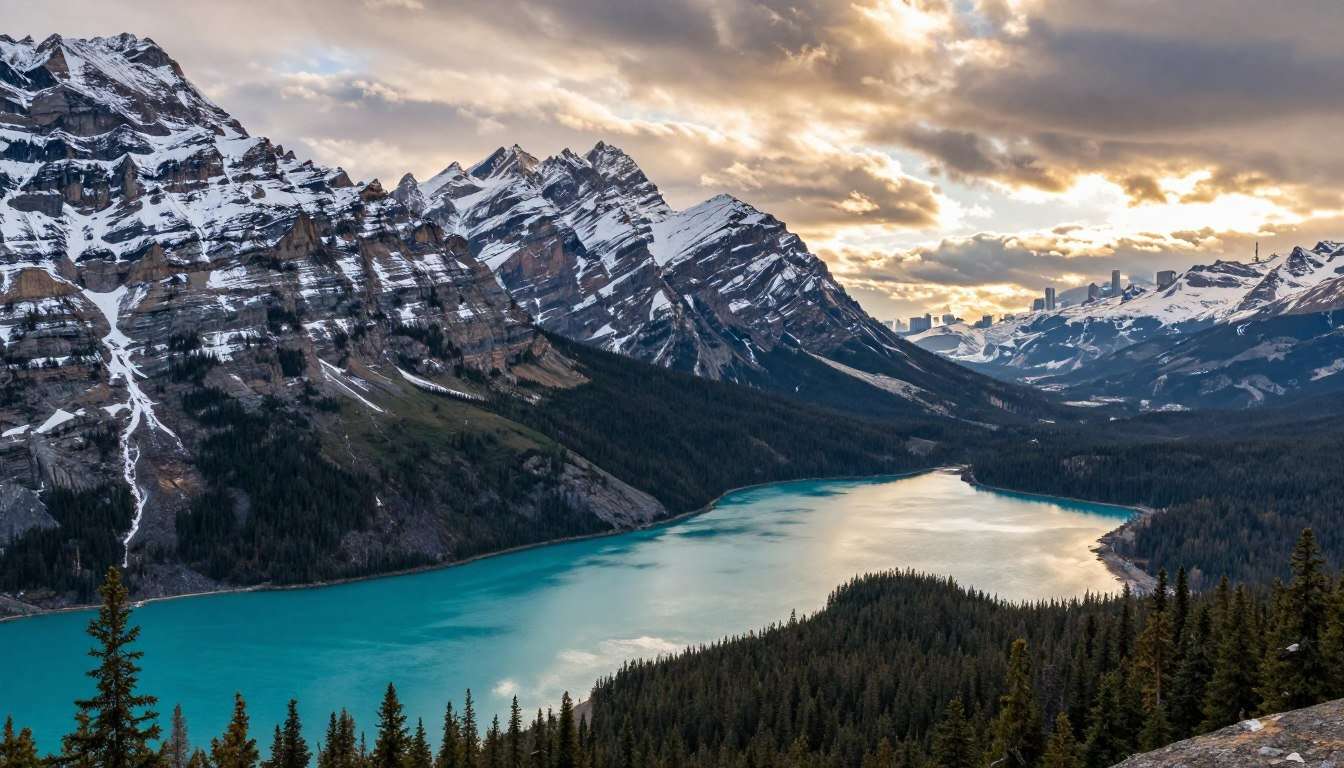
Canada stands as one of North America’s most spectacular destinations. From coast to coast, this vast country offers incredible diversity. Picture yourself standing before thundering waterfalls, wandering through charming cobblestone streets, or gazing at snow-capped peaks reflected in crystal-clear lakes.
This guide reveals the most remarkable destinations across this magnificent nation. You’ll discover where to find pristine wilderness, vibrant cultural scenes, and unforgettable experiences. Whether you seek outdoor adventure or urban sophistication, Canada delivers both in abundance.
Planning your Canadian journey starts here. Each destination on this list showcases something unique. Some feature world heritage sites with centuries of history. Others offer cutting-edge city experiences or untamed natural beauty that will leave you breathless.
Get Your Free Canada Travel Planning Guide
Join 50,000+ travelers who receive exclusive tips, seasonal recommendations, and insider deals for exploring Canada. Download our comprehensive planning guide with itinerary templates, budget breakdowns, and hidden gems you won’t find in typical guidebooks.
Banff National Park: Crown Jewel of the Canadian Rockies
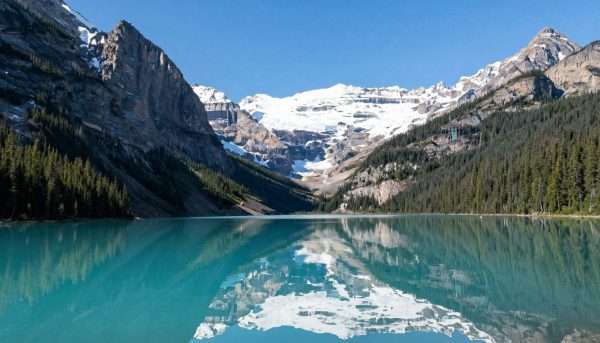
Banff National Park represents everything magnificent about the Canadian Rockies. This unesco world heritage site sprawls across thousands of acres in British Columbia and Alberta. The park’s dramatic scenery includes jagged mountain peaks, pristine alpine lakes, and ancient glaciers that have shaped the landscape for millennia.
Lake Louise steals the spotlight as one of Canada’s most photographed locations. The lake’s distinctive turquoise color comes from glacial rock flour suspended in the water. Victoria Glacier towers above the far shore, creating a scene so perfect it almost seems unreal.
The town of Banff serves as the park’s hub. This mountain community offers world-class dining, shopping, and accommodations. Despite its tourist popularity, the town maintains its alpine charm with strict development regulations protecting the surrounding wilderness.
Essential Experiences
- Ride the Banff Gondola to Sulphur Mountain summit for panoramic views
- Soak in the historic Cave and Basin hot springs
- Drive the Icefields Parkway, one of the world’s most scenic highways
- Spot wildlife including elk, bears, and bighorn sheep
- Hike to Johnston Canyon’s dramatic waterfalls
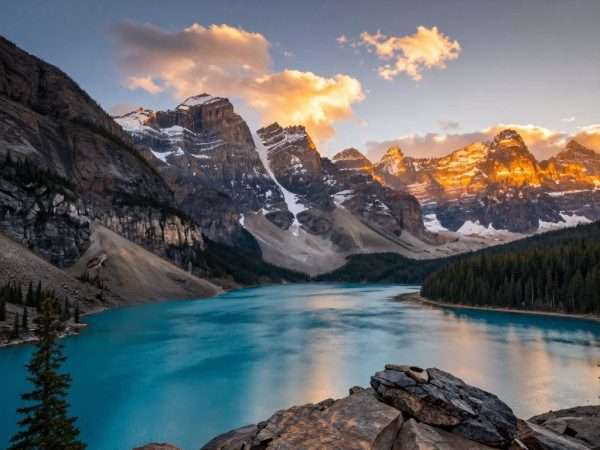
- Canoe on Moraine Lake’s impossibly blue waters
Best Time to Visit Banff National Park
Summer months from June through August offer the warmest weather and full access to hiking trails. However, this peak season brings crowds and higher prices. The park transforms into a winter wonderland from December to March, attracting skiers to world-renowned resorts like Lake Louise Ski Resort.
Shoulder seasons in May and September provide excellent value. You’ll encounter fewer visitors while still enjoying pleasant weather. Fall brings spectacular foliage as larch trees turn golden yellow against evergreen forests.
Travel Tip: Book accommodations at least three months in advance for summer visits. The park’s limited lodging fills quickly during peak season. Consider staying in nearby Canmore for more affordable options with easy park access.
Vancouver: Where Urban Sophistication Meets Natural Beauty
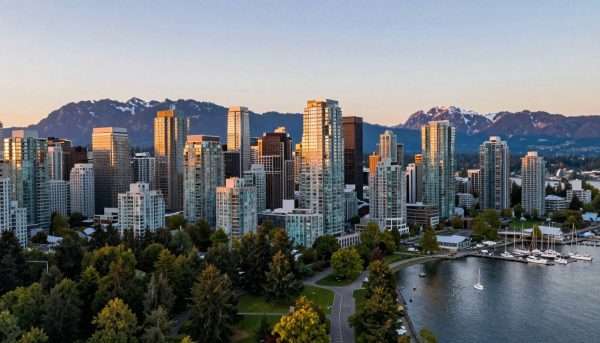
Vancouver consistently ranks among the world’s most liveable cities. This west coast metropolis sits between the Pacific Ocean and coastal mountains. The city seamlessly blends cosmopolitan culture with outdoor adventure opportunities that few urban centers can match.
Stanley Park anchors the city’s downtown peninsula. This 1,000-acre urban forest features seawall paths, beaches, and towering cedar trees. The park’s famous totem poles showcase indigenous art and cultural heritage. You can spend an entire day exploring without leaving this green oasis.
City Highlights and Neighborhoods
Granville Island transforms a former industrial area into a vibrant public market and artisan community. The covered market overflows with fresh produce, seafood, baked goods, and specialty foods. Street performers entertain crowds while artists sell their work in nearby studios.
Gastown represents Vancouver’s oldest neighborhood. Gas lamps light cobblestone streets lined with Victorian buildings. The area combines heritage architecture with trendy boutiques, restaurants, and galleries. Don’t miss the famous steam clock that whistles on the quarter-hour.
Outdoor Adventures
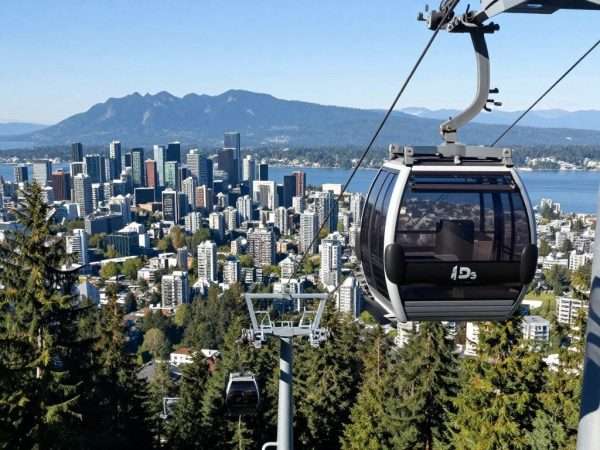
Grouse Mountain sits just 15 minutes from downtown. The Skyride gondola whisks you to alpine terrain where you can hike, zipline, or observe grizzly bears. Winter brings skiing and snowboarding with city lights twinkling below.
Cultural Experiences
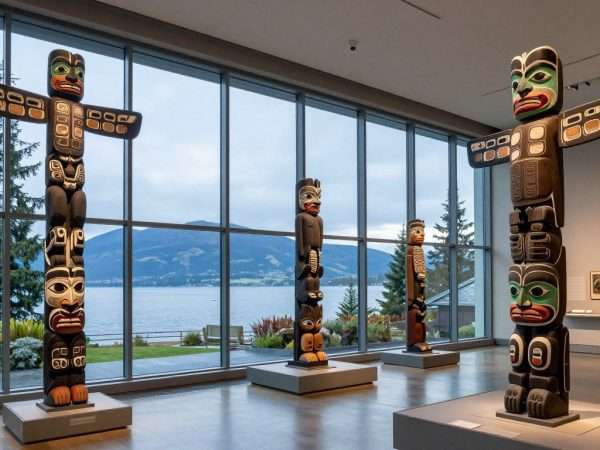
The Museum of Anthropology houses world-class indigenous art collections. Contemporary galleries in Yaletown and the Vancouver Art Gallery showcase modern works. Richmond’s Asian cultural scene offers authentic cuisine and festivals year-round.
Beach Life
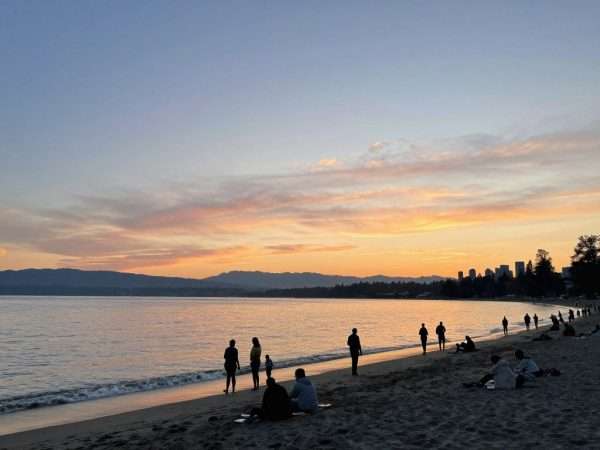
English Bay and Kitsilano Beach attract sun-seekers during warmer months. The city boasts numerous beaches within its boundaries. Even in winter, beach walks offer stunning mountain and ocean views that define Vancouver’s character.
Vancouver Island Access
Vancouver serves as the gateway to Vancouver Island. BC Ferries operate regular sailings from Tsawwassen terminal to Victoria and Nanaimo. The scenic crossing through the Gulf Islands takes about 90 minutes and often features whale sightings.
Victoria, the capital city of British Columbia, occupies the southern tip of Vancouver Island. The city maintains strong British colonial heritage with afternoon tea traditions and stunning architecture. The Butchart Gardens alone justifies the ferry trip with 55 acres of meticulously designed botanical displays.
Quebec City: A European Jewel in North America
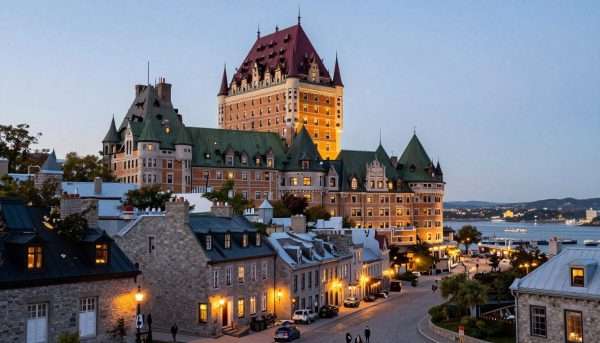
Quebec City transports visitors to Europe without crossing the Atlantic. This unesco world heritage site preserves North America’s only walled city north of Mexico. Cobblestone streets wind through centuries-old neighborhoods where French remains the primary language.
The iconic Chateau Frontenac towers above the old town. This castle-like hotel has defined the city skyline since 1893. The building’s copper roofs and turrets create an unmistakable silhouette visible from the St. Lawrence River below.
Exploring Old Quebec
Upper Town and Lower Town each offer distinct experiences. Funiculaire du Vieux-Quebec connects these levels via historic funicular. Walking the city walls provides excellent views while helping you understand the military history that shaped this strategic location.
Place Royale marks where Samuel de Champlain established his settlement in 1608. The square’s restored buildings house museums, galleries, and cafes. Street performers and artists animate the space during summer months, creating a festive European atmosphere.
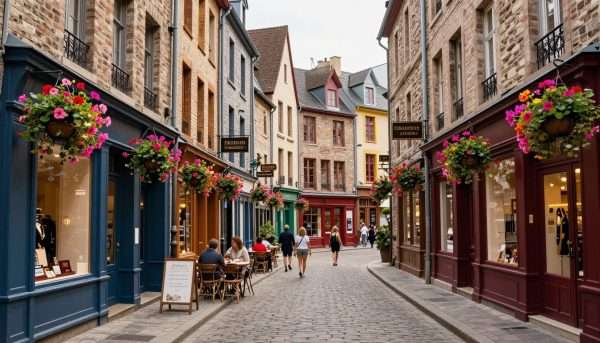
Quartier Petit Champlain claims status as North America’s oldest commercial district. This pedestrian area features boutiques, galleries, and restaurants in beautifully preserved buildings. The neighborhood becomes especially magical during winter when holiday lights illuminate the narrow streets.
Seasonal Attractions
Winter Carnival transforms Quebec City each February into a frozen wonderland. Ice sculptures, snow slides, and outdoor activities celebrate the cold season. The iconic ice palace serves as the festival’s centerpiece and photo backdrop.
Summer brings terrace dining and outdoor festivals. The city’s location on the St. Lawrence River provides cooling breezes even during warm weather. Fall foliage season paints surrounding areas in brilliant colors, making autumn particularly photogenic.
Language Note: While many tourism workers speak English, learning basic French phrases enhances your experience. Quebecois appreciate visitors who make the effort to speak their language, even imperfectly. The city’s distinct French-Canadian culture represents a unique aspect of Canada’s diversity.
Create Your Perfect Canadian Adventure
Canada’s vast size can make trip planning overwhelming. Our travel experts specialize in designing personalized itineraries that match your interests, timeline, and budget. We’ve helped thousands of travelers experience Canada’s best without the stress of complex planning.
Toronto: Canada’s Diverse Metropolitan Hub
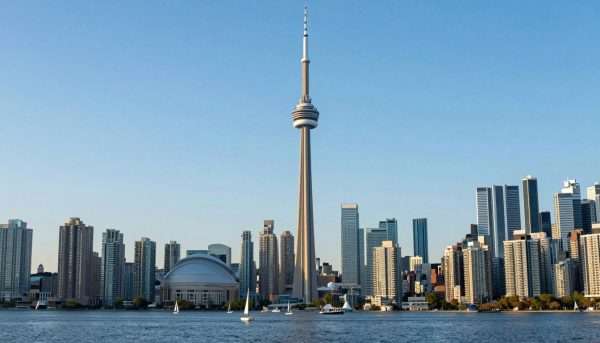
Toronto stands as Canada’s largest city and economic powerhouse. This multicultural metropolis on Lake Ontario’s northern shore pulses with energy. Over 200 ethnic groups call Toronto home, creating a cultural mosaic reflected in neighborhoods, festivals, and an exceptional food scene.
The CN Tower defines Toronto’s skyline. This communications tower held the title of world’s tallest free-standing structure for 32 years. The glass floor at 342 meters tests visitors’ nerves while the 360 Restaurant slowly rotates, offering panoramic city views during your meal.
Diverse Neighborhoods
Each Toronto neighborhood possesses its own character. Kensington Market combines vintage shops, international grocers, and eclectic cafes in a pedestrian-friendly area. The Distillery District transforms Victorian-era industrial buildings into galleries, restaurants, and boutiques with cobblestone streets adding historic charm.
Queen Street West represents Toronto’s creative heart. Independent boutiques, art galleries, and music venues line this stretch. Street art adorns many buildings while trendy restaurants serve cuisine from around the world.
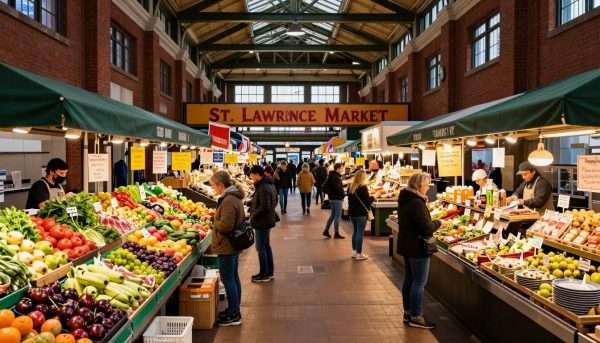
St. Lawrence Market has operated since 1803. National Geographic named it the world’s best food market. The main building buzzes with vendors selling everything from fresh seafood to artisanal cheeses. Weekend farmers markets add even more variety to this culinary destination.
Arts and Culture
The Royal Ontario Museum showcases world culture and natural history. Its distinctive modern addition, called the Michael Lee-Chin Crystal, creates striking architectural contrast with the original heritage building. Collections span dinosaur fossils to ancient civilizations and contemporary art.
Toronto’s theater district rivals New York’s Broadway with major productions and smaller indie shows. The Toronto International Film Festival each September attracts Hollywood stars and film industry professionals, temporarily transforming the city into the movie world’s center of attention.
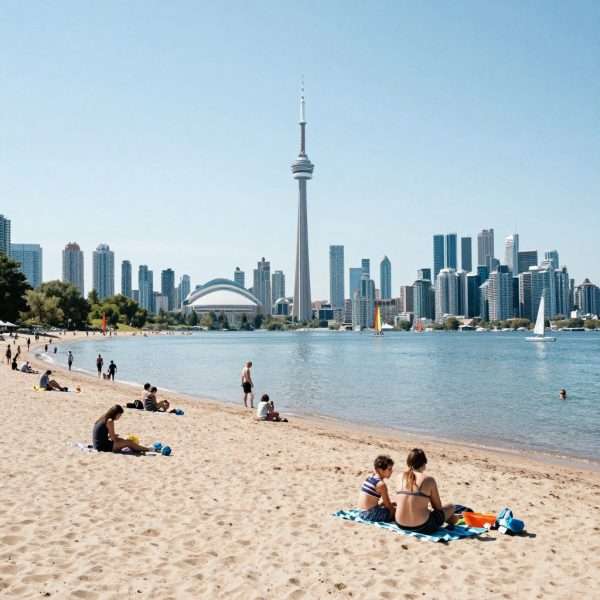
Toronto Islands Escape
A short ferry ride transports you from downtown to car-free islands. Beaches, bike paths, and parkland offer urban escape. The islands provide the best skyline photography angles with water in the foreground.

Sports Culture
Hockey Hall of Fame celebrates Canada’s national sport with interactive exhibits and historic artifacts. Catch a Toronto Maple Leafs game at Scotiabank Arena for authentic Canadian sports culture. Baseball’s Blue Jays and NBA’s Raptors also call Toronto home.
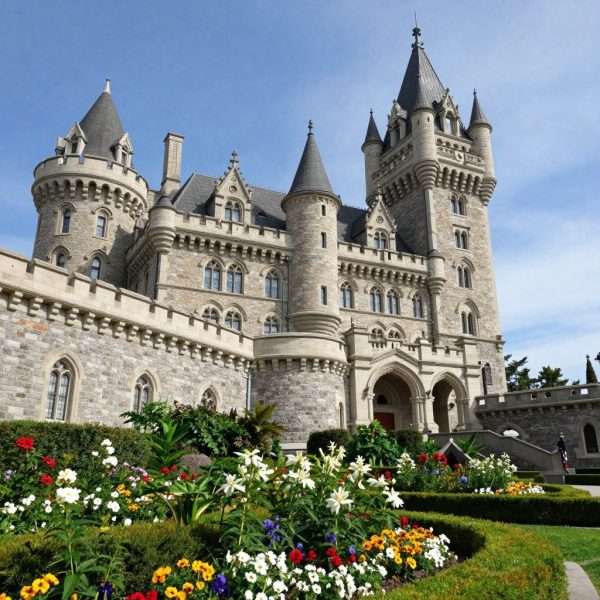
Casa Loma
This Gothic Revival castle was built in the early 1900s by financier Sir Henry Pellatt. The mansion features secret passages, towers with city views, and elaborate decorative arts. Gardens bloom spectacularly during summer months.
Niagara Falls: Nature’s Thundering Spectacle
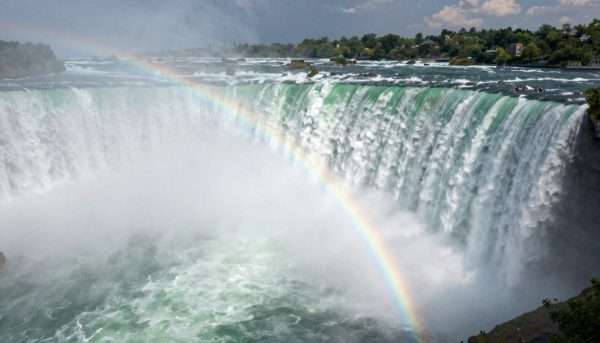
Niagara Falls ranks among North America’s most famous natural wonders. Three waterfalls straddle the Canada-United States border between Ontario and New York. The Canadian side offers superior views of Horseshoe Falls, where 750,000 gallons of water plunge over the edge every second.
The thundering roar becomes audible from blocks away. Mist rises hundreds of feet into the air, often creating rainbows on sunny days. The sheer power of this natural force impresses even the most jaded travelers who’ve seen countless waterfall photos.
Experiencing the Falls
Journey Behind the Falls takes you through tunnels carved into bedrock. Observation portals put you directly beside the falling water. The experience helps you grasp the waterfall’s massive scale and raw power in ways viewing from above cannot match.
Hornblower Niagara Cruises (formerly Maid of the Mist) brings you right to the base of Horseshoe Falls. Wearing provided rain ponchos, you’ll get thoroughly soaked while experiencing the falls from water level. The boat trip provides unforgettable photo opportunities despite the spray.
Best Viewing Times
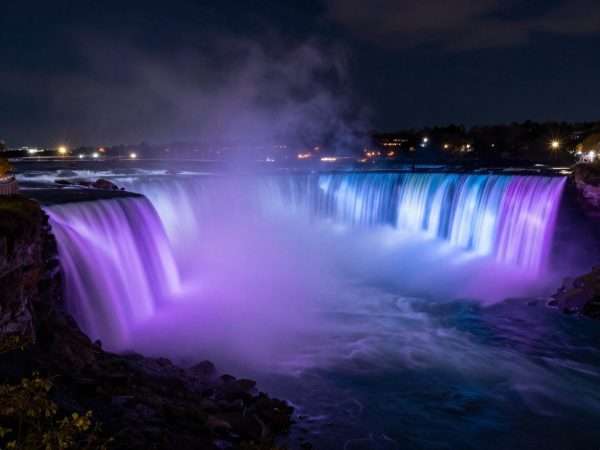
Summer offers warm weather and illuminated falls at night. Colored lights transform the cascading waters after dark, creating magical scenes. Winter brings ice formations and far fewer crowds, though some attractions close during colder months.
Sunrise and sunset provide the best natural lighting for photography. Early morning visits also mean smaller crowds at popular viewpoints. The Canadian side’s Niagara Parkway offers multiple viewing areas along the gorge.
Beyond the Falls
Niagara-on-the-Lake sits 20 minutes downriver from the falls. This charming town features 19th-century architecture, boutique shopping, and award-winning wineries. The Shaw Festival presents theatrical productions in several historic venues throughout the summer season.
The Niagara wine region produces excellent ice wine and cool-climate varietals. Dozens of wineries offer tastings and tours throughout the Niagara Peninsula. Cycling the wine route provides a pleasant way to visit multiple estates while enjoying countryside scenery.
Planning Tip: Clifton Hill near the falls features tourist attractions and entertainment. While family-friendly, this area tends toward commercialization. For a more authentic experience, venture to Niagara-on-the-Lake or explore the less-touristy sections of the Niagara Parkway.
Ottawa: The Capital City’s Heritage and Culture
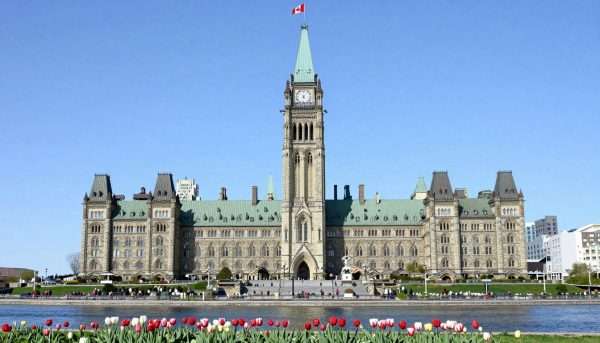
Ottawa serves as Canada’s capital city and showcases the nation’s political heritage. Parliament Hill dominates the downtown core with Gothic Revival architecture housing the federal government. The Peace Tower rises 92 meters above the complex, its clock and carillon marking time for the entire city.
The changing of the guard ceremony occurs daily during summer on Parliament Hill’s lawn. Red-coated soldiers in traditional uniforms perform precision drills while tourists watch from surrounding pathways. Free tours of the parliament buildings offer insights into Canadian democracy and spectacular architecture.
Museums and Culture
Ottawa houses numerous national museums covering diverse subjects. The Canadian Museum of History across the river in Gatineau, Quebec, presents indigenous heritage and national development through extensive exhibits. Its Grand Hall features the world’s largest collection of totem poles displayed under soaring windows.
The National Gallery of Canada showcases extensive Canadian and international art collections. The building itself impresses with its glass towers and Great Hall. The iconic Maman spider sculpture outside has become an Ottawa landmark and popular photo subject.
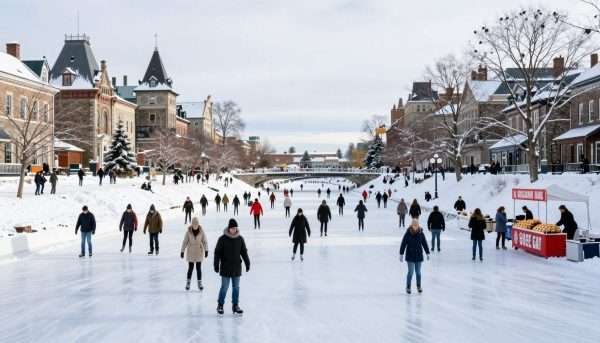
The Rideau Canal transforms into the world’s largest skating rink each winter. This unesco world heritage site stretches 7.8 kilometers through the heart of Ottawa. Skaters glide along the frozen waterway while vendors sell hot chocolate and beaver tails, a local fried pastry specialty.
ByWard Market District
ByWard Market has operated since 1826 as Ottawa’s primary public market. The neighborhood surrounding the market buildings contains restaurants, pubs, boutiques, and galleries. Local farmers sell produce during summer while artisans offer crafts and specialty foods year-round.
The area comes alive during evening hours with diverse dining options. You’ll find everything from classic Canadian fare to international cuisines. Street performers and seasonal festivals add entertainment to shopping and dining experiences.
- Tour Parliament Hill and watch the Changing of the Guard ceremony
- Skate the Rideau Canal in winter or boat it during summer
- Explore national museums covering art, history, nature, and aviation
- Shop and dine at historic ByWard Market
- Bike or walk along Ottawa River pathways
- Visit during May to see millions of tulips bloom throughout the city
The Canadian Rockies: Mountain Majesty Beyond Banff
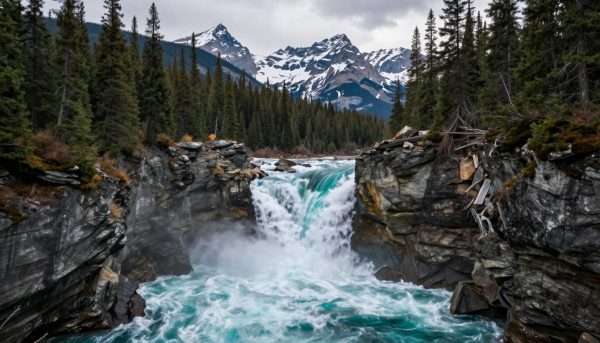
The Canadian Rockies extend far beyond Banff National Park boundaries. Jasper National Park to the north offers even more wilderness and fewer crowds. This unesco world heritage site encompasses 11,000 square kilometers of mountain terrain, glaciers, and alpine meadows.
The Icefields Parkway connecting Banff and Jasper ranks among the world’s most scenic drives. This 232-kilometer highway passes turquoise lakes, ancient glaciers, and towering peaks. Pull-offs at numerous viewpoints let you stop for photos without feeling rushed.
Jasper National Park Highlights
Columbia Icefield covers 325 square kilometers and feeds eight major glaciers. Ice Explorers drive onto the Athabasca Glacier surface, allowing you to walk on ice hundreds of years old. The Glacier Skywalk extends from cliff faces 280 meters above the Sunwapta Valley floor.
Maligne Lake extends 22 kilometers into remote wilderness. Boat tours reach Spirit Island, whose mountain-backed setting creates one of the Rockies’ most photographed scenes. The lake’s deep blue color contrasts beautifully with surrounding snow-capped peaks.
Yoho National Park
Yoho National Park in British Columbia protects the western slopes of the Continental Divide. Despite being smaller than Banff and Jasper, Yoho packs incredible scenery into compact areas. Takakkaw Falls drops 373 meters in a spectacular single plunge, making it one of Canada’s highest waterfalls.
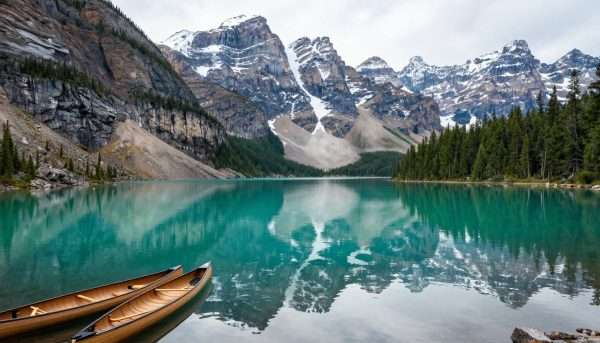
Emerald Lake lives up to its name with vivid green waters surrounded by mountain walls. A walking trail circles the lake, passing through forest and along the shoreline. Canoe rentals allow you to paddle out for different perspectives of this stunning location.
The Burgess Shale contains some of Earth’s most important fossil beds. These 505-million-year-old fossils preserve soft-bodied organisms that revolutionized our understanding of early life. Guided hikes to the fossil sites require advance booking but offer once-in-a-lifetime experiences.
Wildlife Viewing
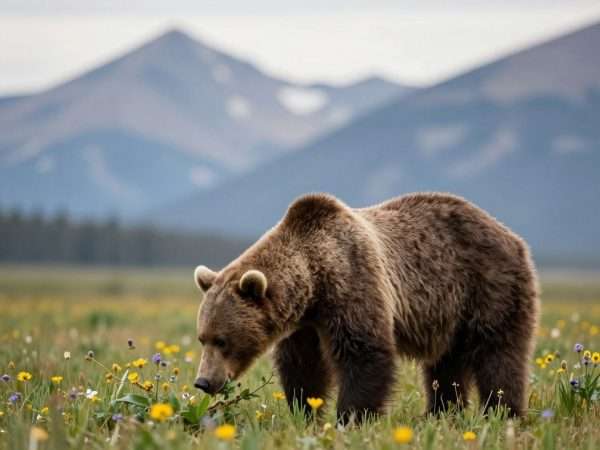
The Canadian Rockies support diverse wildlife populations. Elk, deer, and bighorn sheep appear regularly along roadsides. Black bears and grizzly bears inhabit the region, making proper food storage essential. Mountain goats cling to steep cliff faces while eagles soar overhead.
Early morning and evening provide the best wildlife viewing opportunities. Animals emerge to feed during these times while avoiding midday heat. Always maintain safe distances and never feed wild animals, which harms them and creates dangerous situations.
Nova Scotia and the Maritime Provinces
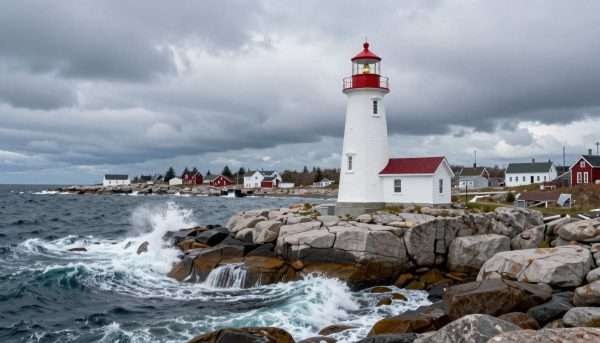
Nova Scotia extends into the Atlantic Ocean on Canada’s east coast. This maritime province combines rugged coastline, Scottish heritage, and fishing village charm. The province’s location and history create distinct character found nowhere else in the country.
Peggy’s Cove represents Maritime Canada in countless photographs. This fishing village features a iconic red and white lighthouse perched on massive granite rocks. Atlantic waves crash against the shore while working fishing boats bob in the tiny harbor.
Halifax: Maritime Capital
Halifax serves as Nova Scotia’s capital city and largest maritime center. The city played crucial roles in both world wars and the Titanic disaster. The Maritime Museum of the Atlantic displays extensive Titanic artifacts and tells maritime heritage stories.
The Halifax Waterfront boardwalk stretches along the harbor. Historic properties house restaurants, shops, and the farmer’s market. The working waterfront still supports fishing and shipping while welcoming tourists to experience authentic maritime culture.
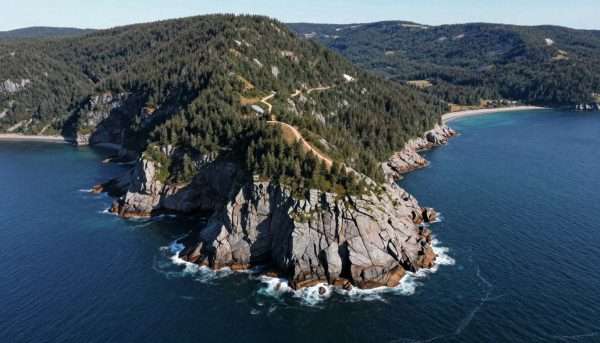
Cape Breton Island
Cape Breton Island in northern Nova Scotia showcases some of Atlantic Canada’s most dramatic scenery. The Cabot Trail loops 298 kilometers around the island’s northern peninsula. This scenic highway ranks among North America’s most beautiful coastal drives.
Cape Breton Highlands National Park protects a plateau where forested highlands meet the sea. Hiking trails lead to waterfalls, coastal viewpoints, and highland bogs. Whales frequently appear offshore during summer and fall migration seasons.
Celtic music and culture thrive throughout Cape Breton. Scottish immigrants brought their traditions in the 1700s and 1800s. Today, ceilidhs (traditional gatherings with music and dancing) occur regularly in community halls and pubs, keeping Gaelic culture alive.
Bay of Fundy
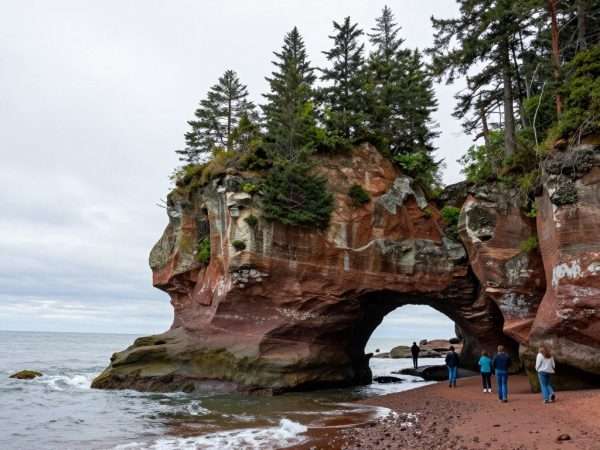
The Bay of Fundy experiences the world’s highest tides, with water levels changing up to 16 meters. Walk the ocean floor at low tide among Hopewell Rocks’ flowerpot formations. Return at high tide to kayak above where you walked hours earlier.
Prince Edward Island
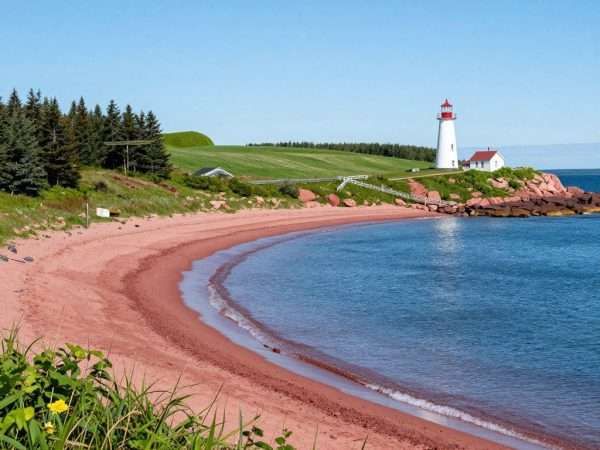
Prince Edward Island offers red sand beaches, rolling farmland, and Anne of Green Gables heritage. Canada’s smallest province produces incredible seafood, particularly lobster and mussels. Charming coastal villages maintain unhurried island lifestyle.
Lunenburg
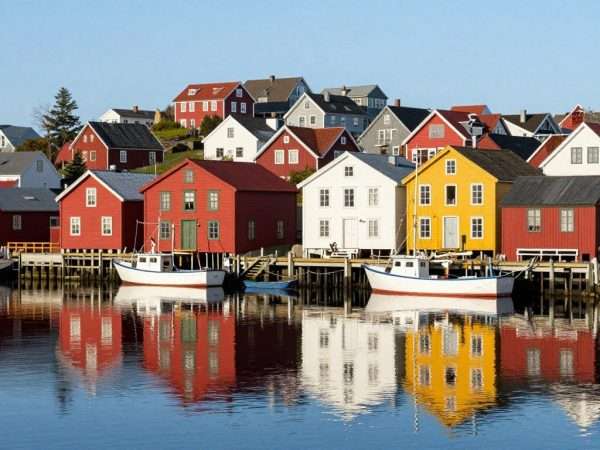
This UNESCO world heritage site preserves British colonial settlement character. Colorful wooden buildings line the waterfront. The Bluenose II schooner, replica of the ship on Canadian dimes, sails from Lunenburg’s harbor during summer months.
Montreal: Culture, Cuisine, and Creativity
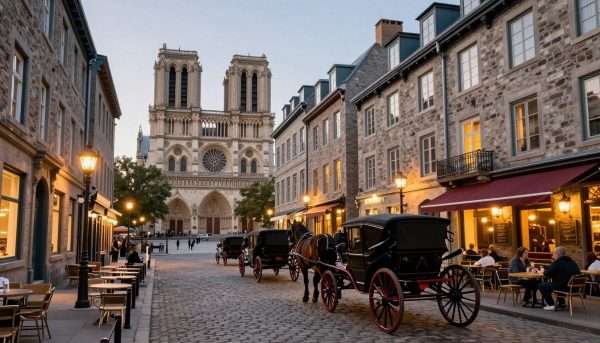
Montreal blends European sophistication with North American energy. This bilingual city in Quebec province pulses with cultural vitality. World-class dining, thriving arts scenes, and festivals nearly year-round make Montreal endlessly engaging for visitors.
Old Montreal preserves the city’s historic core along the St. Lawrence River. Cobblestone streets and 17th-century buildings create European atmosphere. Notre-Dame Basilica dominates Place d’Armes with its Gothic Revival architecture and stunning interior featuring intricate wood carvings and brilliant blue lighting.
Neighborhoods and Districts
Plateau Mont-Royal represents Montreal’s bohemian heart. Colorful row houses with exterior staircases line residential streets. Mile End within the Plateau attracts artists, musicians, and creative types while maintaining its multicultural character and famous bagel shops.
The Underground City (RESO) connects shopping centers, metro stations, and buildings across downtown. This climate-controlled network extends 32 kilometers, allowing you to shop, dine, and commute without going outside during harsh winters.
Food Scene
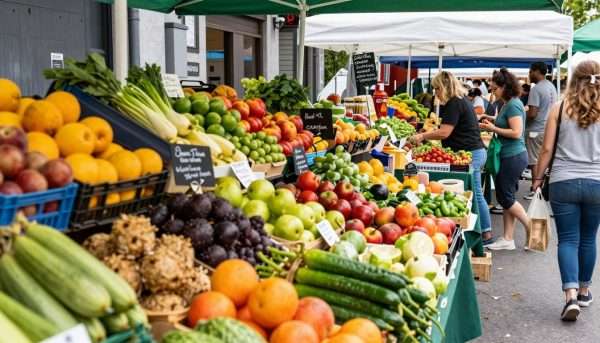
Montreal’s food scene rivals any major city. The city perfected poutine (french fries with gravy and cheese curds) and Montreal-style bagels. Smoked meat sandwiches at legendary delis like Schwartz’s represent another local specialty that draws devoted fans.
Jean-Talon Market operates year-round showcasing Quebec agricultural bounty. Local farmers sell seasonal produce while specialty vendors offer cheeses, meats, and prepared foods. The market reflects Montreal’s multicultural character with ingredients from dozens of culinary traditions.
The city supports thousands of restaurants covering every cuisine imaginable. Bring-your-own-wine (BYOW) restaurants unique to Quebec let you enjoy excellent food while providing your own alcohol at significant savings.
Festivals and Events
Montreal hosts major festivals throughout the year. The International Jazz Festival each July draws millions to free outdoor concerts and paid performances at venues across downtown. Just for Laughs comedy festival attracts comedians and fans from worldwide.
Winter Igloofest combines electronic music with outdoor winter activities. Attendees dance in freezing temperatures while DJs perform on ice. The event celebrates winter rather than hiding from it, exemplifying Montreal’s approach to harsh Canadian winters.
- Explore Old Montreal’s historic streets and Notre-Dame Basilica
- Climb Mount Royal for skyline views across the city
- Experience the Underground City shopping network
- Sample poutine, smoked meat, and Montreal bagels
- Browse Jean-Talon or Atwater Markets for local foods
- Catch a Canadiens hockey game at Bell Centre
- Enjoy summer festivals celebrating music, comedy, and culture
Expert Help Planning Your Canadian Journey
Speak with a Canada Travel Specialist
Our experienced travel advisors have personally explored every region covered in this guide. We’ll answer your questions, recommend hidden gems, and help you maximize your time in Canada. Consultations are complimentary and available Monday through Friday, 9 AM to 6 PM EST.
Whistler: Year-Round Mountain Resort Paradise
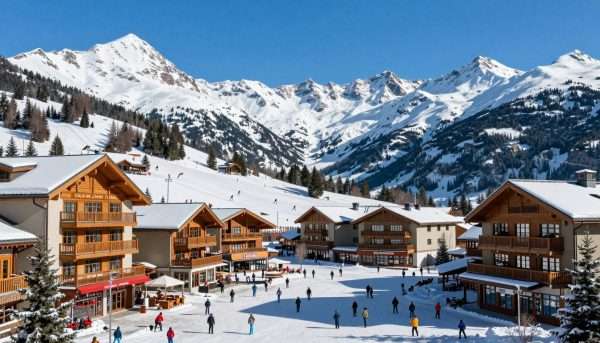
Whistler in British Columbia has evolved into one of North America’s premier mountain resorts. Located two hours north of Vancouver, this purpose-built village sits between Whistler and Blackcomb mountains. The resort gained international recognition hosting alpine events during the 2010 Winter Olympics.
Winter brings world-class skiing and snowboarding across over 8,000 acres of terrain. The Peak 2 Peak Gondola connects both mountains while offering spectacular views during the 11-minute crossing. This engineering marvel holds records as the longest and highest lift of its kind.
Summer Mountain Activities
Whistler transforms during summer into an outdoor adventure hub. Mountain biking trails range from gentle valley paths to extreme downhill courses. The Whistler Mountain Bike Park attracts riders from worldwide with over 70 trails and terrain parks.
Hiking options suit all fitness levels. The Valley Trail network provides easy walking and cycling through forests and along lakes. More challenging alpine hikes reward effort with wildflower meadows and panoramic mountain views.
Village Life
Whistler Village offers pedestrian-only streets lined with shops, restaurants, and accommodations. The compact layout lets you walk everywhere without needing a car. Outdoor patios buzz during summer while cozy fireplaces warm winter evenings.
The village supports surprisingly sophisticated dining for a ski town. You’ll find everything from casual pubs to fine dining establishments. The scene stays lively year-round with festivals, concerts, and events scheduled throughout all seasons.

Getting to Whistler
The Sea-to-Sky Highway from Vancouver provides one of Canada’s most scenic drives. The route hugs the coast before climbing through mountains. Stop at Shannon Falls and the Sea-to-Sky Gondola in Squamish for additional sightseeing opportunities.
Regular bus services connect Vancouver International Airport directly to Whistler. The scenic journey takes about 2.5 hours. Many visitors combine Vancouver city time with Whistler mountain experiences during a single trip.
Churchill: Polar Bear Capital of the World
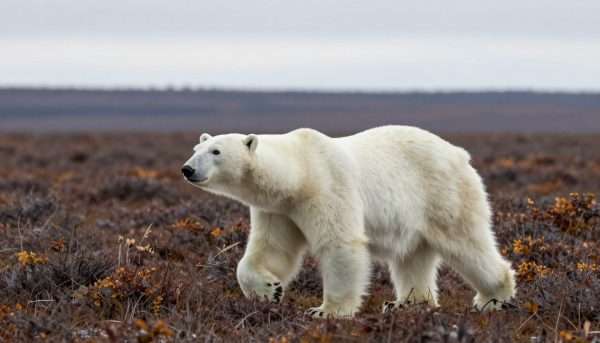
Churchill in northern Manitoba offers one of Earth’s most unique wildlife experiences. This remote town on Hudson Bay’s western shore provides the world’s most accessible polar bear viewing. During October and November, bears gather along the coast waiting for the bay to freeze.
Tundra vehicles carry visitors safely onto the tundra where bears congregate. These specialized vehicles feature high clearances and viewing platforms. Bears often approach within meters, offering unparalleled photography opportunities and wildlife encounters.
Beyond Polar Bears
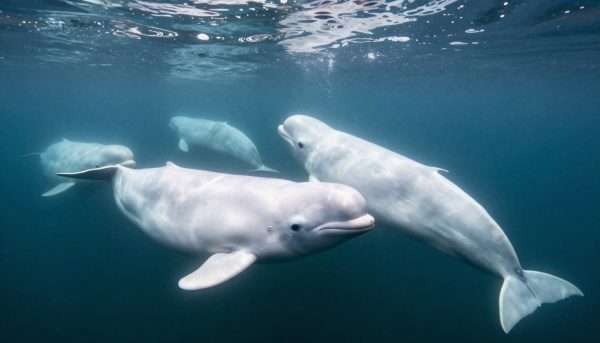
Beluga whales migrate into Churchill River and Hudson Bay each summer. Thousands of these white whales come to give birth and feed in warmer waters. Boat tours and even snorkeling opportunities allow close encounters with these curious marine mammals.
Northern lights (aurora borealis) appear frequently above Churchill due to its northern latitude. Winter months offer the most reliable viewing when long nights provide extended darkness. The natural light show adds magic to an already extraordinary destination.
Indigenous culture remains strong in Churchill. The Itsanitaq Museum displays Inuit art and artifacts. Local guides often share traditional knowledge about surviving and thriving in Arctic environments. The town’s isolation and harsh climate create unique communities found nowhere else in Canada.
Planning a Churchill Visit
Churchill lacks road connections to southern Canada. You must fly or take the train. The two-day train journey from Winnipeg passes through boreal forest and tundra, offering its own adventure. Flights provide quicker access but miss the journey’s experiential aspects.
Accommodations book far in advance for polar bear season. Tours and tundra vehicle access require reservations months ahead. Despite logistics and expense, Churchill delivers once-in-a-lifetime wildlife experiences impossible to replicate elsewhere.
Important Note: Churchill experiences extreme cold and Arctic conditions. Tours operate in temperatures well below freezing during polar bear season. Proper cold-weather gear is essential. Tour operators provide safety briefings and equipment guidelines for all participants.
The Canadian Prairies and Western Wilderness

Canada’s prairie provinces of Saskatchewan and Manitoba offer experiences different from mountains or coasts. Vast agricultural landscapes stretch to distant horizons under enormous skies. These regions showcase different aspects of Canadian geography and culture.
Grasslands National Park in southern Saskatchewan protects one of North America’s last remaining areas of mixed-grass prairie. The park provides sanctuary for endangered species including black-footed ferrets and burrowing owls. Dark sky preserve designation makes it exceptional for stargazing.
Dinosaur Provincial Park
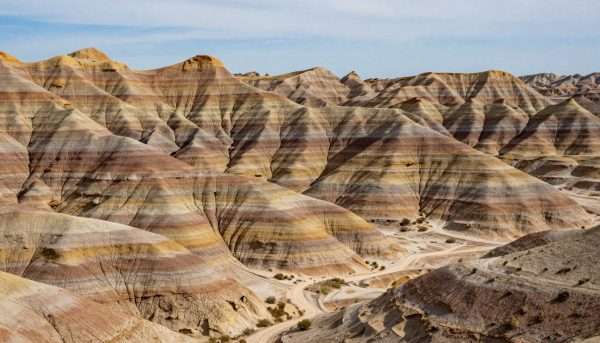
This unesco world heritage site in Alberta contains the world’s richest deposits of dinosaur fossils. Over 40 dinosaur species have been discovered here. The badlands landscape creates otherworldly scenery of eroded hills and hoodoos.
Guided fossil tours let visitors see paleontologists at work and examine actual dinosaur bones still embedded in rock. The Royal Tyrrell Museum near Drumheller houses one of the world’s largest dinosaur fossil collections with stunning displays and research facilities.
Indigenous Culture and Heritage
The prairies hold deep indigenous history and contemporary culture. Wanuskewin Heritage Park near Saskatoon preserves 6,000 years of Northern Plains indigenous history. Archaeological sites, traditional activities, and cultural programs share First Nations perspectives and knowledge.
Numerous powwows occur throughout prairie provinces during summer. These gatherings celebrate indigenous culture through dance, music, art, and community. Visitors welcomed to observe often gain deep appreciation for traditions maintained across generations.
Essential Travel Tips for Visiting Canada
Best Times to Visit
Canada’s vast size creates varied optimal visiting seasons. Summer (June through August) offers warm weather nationwide and full access to attractions. However, popular destinations like Banff National Park experience peak crowds and pricing.
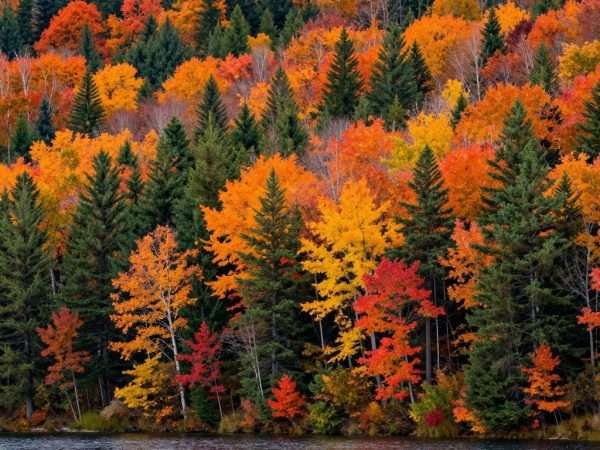
Fall (September to October) brings beautiful foliage, especially in eastern provinces. Comfortable temperatures and fewer tourists make this many travelers’ preferred season. Winter transforms Canada into a snowy wonderland perfect for skiing and winter activities.
Spring (April to May) can be unpredictable but offers shoulder-season rates. Tulip festivals in Ottawa and whale watching on both coasts highlight spring travel. Each season provides different experiences worth considering based on your interests.
Transportation
Renting a car provides maximum flexibility for exploring multiple destinations. Major cities offer public transportation, but a vehicle becomes essential for national parks and rural areas. The Trans-Canada Highway stretches coast to coast for epic road trip possibilities.
VIA Rail operates passenger trains connecting major cities. The Canadian train journey from Toronto to Vancouver takes four days and showcases the country’s geographic diversity. Trains offer a relaxed alternative to flying or driving while providing scenic viewing impossible from highways.
Domestic flights save time across Canada’s vast distances. Competition between airlines often produces reasonable fares, especially when booked in advance. Consider flying one direction and driving or taking the train the other for varied experiences.
Money and Budget
Canada uses the Canadian dollar (CAD). Credit cards work everywhere in cities, but carry cash for small towns and rural areas. Tipping customs mirror American practices with 15-20% expected for restaurant service.
Major cities like Vancouver and Toronto rank among North America’s most expensive. Accommodation costs can shock travelers during peak seasons. Booking well in advance and considering shoulder seasons helps manage budgets.
National park passes provide excellent value if visiting multiple parks. The annual Discovery Pass costs less than visiting three parks separately and includes all national parks, historic sites, and marine conservation areas across the country.
Entry Requirements: U.S. citizens need a valid passport to enter Canada. Most other nationalities should verify visa requirements. An Electronic Travel Authorization (eTA) is required for visa-exempt foreign nationals flying to Canada. Check current requirements before booking your trip.
Weather and Packing
Canada’s weather varies dramatically by region and season. Coastal British Columbia enjoys mild temperatures year-round while prairie winters bring extreme cold. Always check specific forecasts for your destinations and pack layers.
Summer evenings can cool down significantly even after warm days. Bring a light jacket or sweater regardless of summer temperatures. Sunscreen and sunglasses are essential, especially at higher elevations where UV radiation intensifies.
Winter travelers need serious cold-weather gear for most of Canada. Temperatures regularly drop well below freezing from November through March. Proper boots, winter coats, hats, and gloves aren’t optional for winter visits.
Accommodation Tips
Canada offers diverse lodging from luxury hotels to rustic campgrounds. Consider these options based on your style and budget.
- Book early for summer and holiday periods
- Consider vacation rentals for families or longer stays
- Hostels provide budget options in major cities
- Parks Canada operates campgrounds in national parks
- Unique stays include lighthouses, yurts, and heritage properties
Safety Considerations
Canada ranks as one of the world’s safest countries, but standard travel precautions apply everywhere you go.
- Store valuables securely in accommodations
- Remain aware in crowded tourist areas
- Follow wildlife safety guidelines in parks
- Check weather forecasts before outdoor activities
- Inform others of hiking plans in remote areas
Communication
Staying connected in Canada is straightforward with modern infrastructure throughout most of the country.
- Major carriers offer good coverage in cities
- Remote areas may lack cell service
- Free WiFi available at most accommodations
- Consider local SIM cards for extended stays
- Download offline maps before remote travel
Health and Insurance
Canada’s healthcare system serves residents, but visitors need appropriate insurance coverage for medical emergencies.
- Purchase travel health insurance before departure
- Carry prescription medications in original containers
- Walk-in clinics provide non-emergency care
- Emergency services function excellently nationwide
- Pharmacies are widely available in urban areas
Language
Canada is officially bilingual with English and French. English dominates outside Quebec, while French prevails in Quebec province. Most Canadians in tourist industries speak at least some English regardless of location.
Learning basic French phrases enhances Quebec experiences. Quebecois appreciate efforts to speak French even if you struggle. Most signs in Quebec appear in French, though many also include English translations in tourist areas.
Indigenous languages are experiencing revival efforts across Canada. You may encounter place names and cultural programs in languages like Inuktitut in northern regions or various First Nations languages in different provinces.
Responsible Travel in Canada’s Natural Spaces
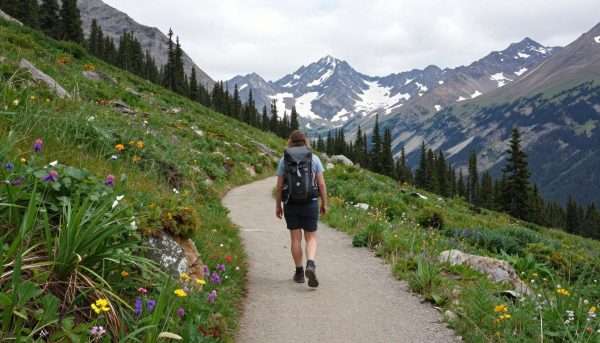
Canada’s natural beauty requires protection through responsible visitor behavior. National parks and wilderness areas depend on travelers following Leave No Trace principles. Your actions directly impact these spaces for future generations.
Stay on designated trails to prevent erosion and protect fragile vegetation. Shortcuts damage alpine plants that take decades to recover. Trails exist to concentrate impact and protect surrounding ecosystems while providing safe passage.
Wildlife Interaction Guidelines
Never feed wildlife, which harms animals and creates dangerous situations. Animals that become habituated to human food often must be relocated or destroyed. Store food properly in bear-proof containers provided at campgrounds.
Maintain safe distances from all wildlife. Use telephoto lenses for photography rather than approaching animals. If wildlife changes behavior due to your presence, you’re too close. Bears require at least 100 meters distance, other animals at least 30 meters.
Bear Safety: Both black bears and grizzly bears inhabit many Canadian wilderness areas. Carry bear spray in designated bear country and know how to use it. Make noise while hiking to avoid surprising bears. Never run from bears, which can trigger chase responses. Learn proper bear encounter protocols before visiting bear country.
Supporting Local Communities
Choose locally-owned accommodations, restaurants, and tour operators when possible. Your spending directly benefits communities rather than distant corporations. Local operators often provide more authentic experiences and deeper regional knowledge.
Respect indigenous lands and culture. Many popular destinations sit on traditional indigenous territories. Learn about the original inhabitants and their ongoing relationship with these lands. Support indigenous-owned tourism businesses and cultural programs.
Consider shoulder season visits to reduce crowding at popular sites. Distributing tourism temporally helps local economies while reducing environmental impact during peak periods. Off-season travel often provides better wildlife viewing and more intimate experiences.
- Pack out all trash, including organic waste like apple cores
- Use established campsites rather than creating new ones
- Wash dishes and yourself at least 70 meters from water sources
- Respect quiet hours and other visitors seeking nature experiences
- Follow fire regulations strictly, especially during dry periods
- Leave natural objects and cultural artifacts in place
- Minimize campfire impact by using established fire rings
Ready to Explore Canada?
Canada’s diversity ensures every traveler finds something extraordinary. From the Canadian Rockies’ snow-capped peaks to the Atlantic coast’s charming villages, this country delivers unforgettable experiences. Whether you seek outdoor adventure, cultural immersion, or urban sophistication, Canada excels in all areas.
The destinations in this guide represent just the beginning. Thousands of hidden gems await discovery beyond the famous locations. Each province and territory offers unique character and attractions worth exploring.
Start Planning Your Canadian Journey Today
Whether you’re dreaming of mountain adventures in Banff National Park, exploring the cobblestone streets of Quebec City, or witnessing polar bears in Churchill, we’ll help you experience the best of Canada. Our travel specialists create personalized itineraries based on your interests, timeline, and budget. Completely free consultations with no obligations.
Your Canadian Adventure Awaits
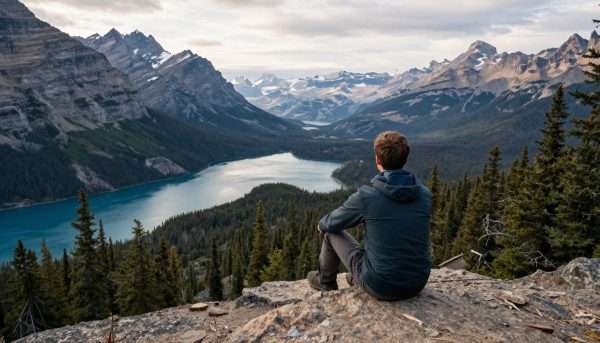
Canada rewards those who venture beyond the ordinary. This country offers more than scenic beauty, though the landscapes alone justify the journey. You’ll discover welcoming communities, rich cultural diversity, and experiences that stay with you long after returning home.
The best places to visit in Canada span coast to coast to coast. Each region contributes its own flavor to the national character. Maritime fishing villages differ completely from prairie grain elevators, which bear no resemblance to mountain peaks or northern tundra. This diversity makes Canada endlessly fascinating to explore.
Start planning your Canadian adventure today. The experiences waiting for you will exceed your expectations. From world heritage sites preserving history to pristine wilderness protecting wildlife, Canada delivers authentic travel experiences increasingly rare in our modern world. Your journey to this remarkable country begins now.


Leave A Comment