

I remember driving past Sycamore Valley Ranch in California’s Los Olivos region for the first time. The endless hills of Santa Barbara County amazed me. I wondered what this historic estate would look like in the future.
This curiosity sparked a dream in me. I started thinking about how neverland ranch 2050 could become something truly special.
This isn’t just about keeping a famous place intact. It’s about using new technology and caring for the environment together.
I’ve been working on ideas that respect the past but also look to the future. Imagine bioluminescent gardens lighting up California nights, glass domes protecting famous trees, and green ways to get around.
In this article, I share five big ideas for this 2,700-acre estate. It could become a place where old and new meet in amazing ways. Whether you love big ideas or just good design, I hope you find this as thrilling as I do.
Key Takeaways
- The vision transforms a historic California estate into a futuristic destination by combining technology with environmental conservation
- Five major concepts include glass-dome pavilions, bioluminescent landscapes, and sustainable transportation systems
- The design prioritizes cultural preservation while incorporating innovative architectural elements
- Natural lighting solutions through bioluminescence replace traditional energy-intensive systems
- The 2,700-acre property offers unique opportunities for blending wonder with practical sustainability
- This explorer’s perspective focuses on authentic experiences rather than commercial exploitation
1. Why Neverland’s Future Should Be as Extraordinary as Its Past
Exploring Neverland Ranch made me realize what makes a place timeless. It’s not just about keeping buildings and rides. It’s about keeping the spirit alive that changed entertainment, childhood, and possibility.
I struggled with a big question: how to honor the past while making something new and exciting?
The Estate That Changed Pop Culture Forever
From 1988 to 2005, Michael Jackson turned a California ranch into something unique. The amusement park rides and zoo were more than just attractions.
They showed a philosophy of wonder that touched hearts worldwide. Neverland became a physical manifestation of imagination that influenced theme parks and celebrity homes.
Its cultural impact still shapes pop culture today, like innovation in theme parks does now.
My Case for a High-Tech Preservation Strategy
Preserving Neverland as a museum would miss the point. Michael Jackson always aimed for the next big thing.
So, I suggest using cutting-edge tech to preserve Neverland. This includes climate control for landmarks, holographic performances, and green energy.
These neverland preservation plans are not just ideas. They’re the next step in keeping the estate’s magic alive.
Balancing Nostalgia with Bold Innovation
I aim to use tech that enhances the original magic, not hides it. Every innovation must support the core experience, not take away from it.
This means using tech that’s not obvious. For example, energy barriers instead of cages, and underground systems instead of visible ones. The goal is to make visitors feel like they’re in an enhanced dream, not a tech show.
In the next sections, I’ll show you how each part of this plan works together, starting with protecting Neverland’s natural wonders.
2. The Giving Tree Pavilion: Protecting History Inside a Glass Masterpiece
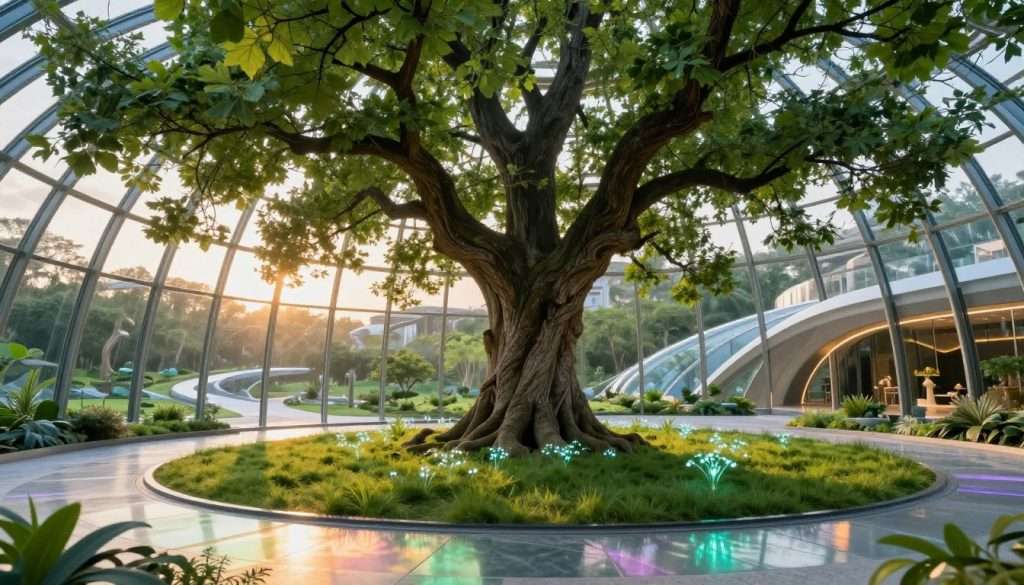
I’ve spent years visiting historic estates, and one thing excites me more than anything. There’s an oak tree on the ranch grounds where Michael Jackson wrote “Earth Song.” This tree is key to our Neverland vision, and we want to protect it for future generations.
The tree faces threats like drought, disease, and pests. My plan is to build a futuristic glass pavilion around it. This will keep the tree safe for another century and let everyone see it.
Why the “Earth Song” Oak Tree Deserves Climate-Controlled Glory
This tree is a link to Michael Jackson’s environmental message. Losing it would be a tragedy. That’s why we need to preserve it with climate-controlled preservation.
We can create perfect growing conditions with today’s technology. Sensors will control temperature and humidity, and UV-filtered glass will protect the tree while letting it photosynthesize.
Minimalist Architecture That Lets Nature Take Center Stage
I envision a design that’s both stunning and simple. Imagine a modern, transparent structure that looks like a botanical conservatory. The futuristic glass pavilion will have clear panels that make the tree the main attraction.
The space will be big enough for the tree to grow freely. There will be a path around it, but no benches or plaques. It’s all about the tree and its history.
Round-the-Clock Access for Fans and Photographers
This concept is special because it offers 24/7 accessibility. I’ve seen too many sites with limited hours. It’s great for photographers and fans who want to visit at any time.
The pavilion will have soft lighting at night. It won’t stress the tree but will make the structure glow. It will be a beacon in the night, welcoming visitors at any hour.
| Preservation Approach | Traditional Method | Glass Pavilion Solution |
|---|---|---|
| Environmental Protection | Fencing and seasonal treatments | Year-round climate control with UV filtering |
| Visitor Access | Limited daylight hours only | 24/7 accessibility for all visitors |
| Longevity Estimate | 20-30 years with intensive care | 100+ years with optimal conditions |
| Photography Opportunities | Restricted by weather and hours | Protected viewing in all conditions, day or night |
3. Michael Jackson Holographic Museum: Where Legacy Meets Living Technology
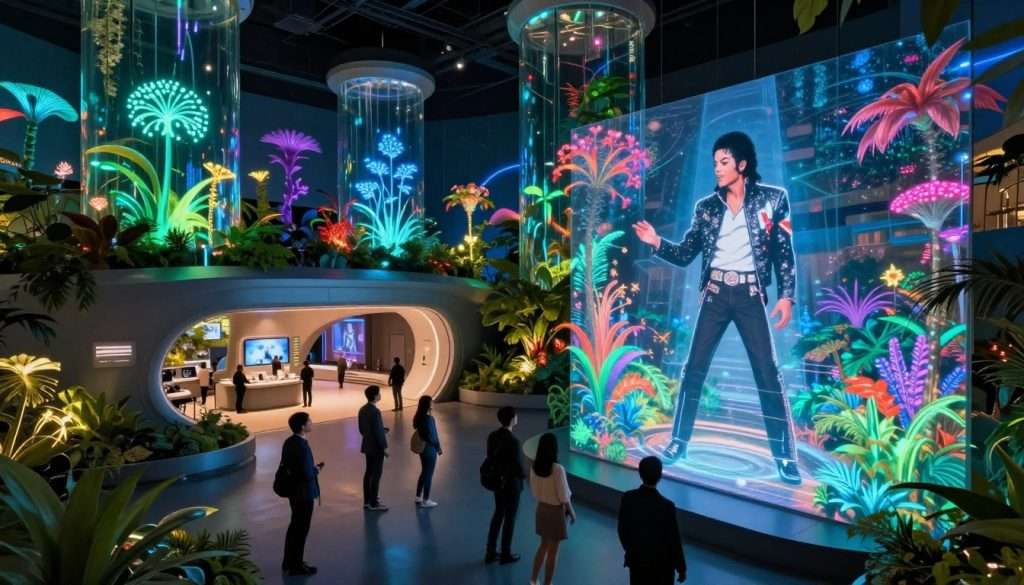
The holographic museum I dream of for Neverland 2050 is more than just a place with artifacts. It’s a living tribute where technology brings legacy to life. I’ve seen music museums across the country, but they all have one big limitation: everything is static behind glass. For a neverland tourist destination celebrating someone whose art was all about movement, we need something new.
This museum would be the main attraction, drawing visitors who want more than photos of Michael Jackson’s gloves. They want to feel the magic that made him unforgettable.
3D Holographic Performances That Feel Impossibly Real
The tech for this holographic museum experience is already starting to appear today. By 2050, it will be as real as reality itself.
Imagine walking into a hall where a life-sized hologram of Michael Jackson appears. He’s performing “Billie Jean” with every detail right. The iconic jacket shines, his moves are perfect, and you can’t help but hold your breath.
I’m not just after spectacle. Early exhibits would have intimate holographic conversations. Picture talking to young Michael about his inspirations. The AI-driven interaction would draw from thousands of hours of real interviews, creating a real connection.
Immersive Storytelling Through Architectural Design
The building itself should tell Michael’s story. I see a sleek, curved structure that flows like a dance move. The spaces would be arranged like his career, from the Jackson 5 to “Thriller.”
As you move through, the spaces grow, reflecting Michael’s career growth. Early rooms are intimate, like the Jackson 5 era. The middle sections are larger, like “Thriller.” The architecture shows how his performances grew, making the neverland tourist destination a journey through evolution.
The final hall is a 360-degree theater. Here, multiple holographic performances happen at once. You’ll see “Thriller,” “Smooth Criminal,” and “Earth Song” all around you, celebrating his artistry.
Creating a Museum Experience That Moves and Breathes
This concept excites me because it’s always changing. Unlike traditional museums, this experience can update itself. New holographic exhibits, restored performances, and interactive elements can evolve with technology. This would be an interactive museum that honors a living legacy.
The holographic museum experience would never be stuck in time. It would stay fresh for new generations discovering the King of Pop. Seasonal updates could bring new performances, special exhibits, or AI interactions based on research and discoveries.
This way, preservation becomes progress. Michael Jackson’s artistic legacy would stay dynamic and forward-thinking, just like he was.
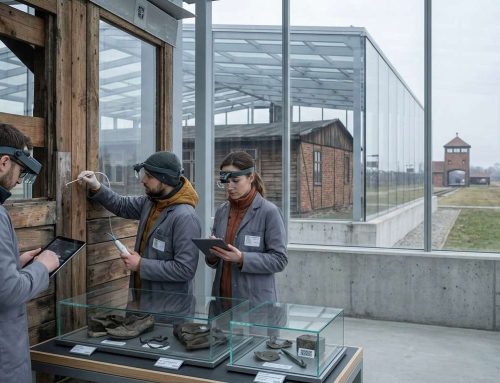
They Don’t Care About Us filming location.
4. Futuristic Bio-Zoo: My Vision for the World’s Most Humane Animal Sanctuary
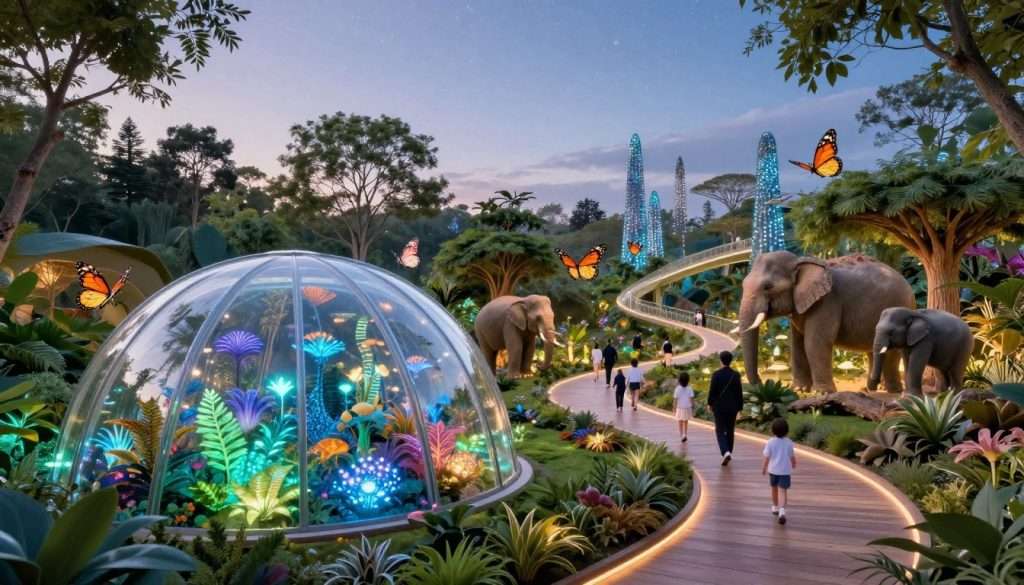
Neverland’s old zoo wouldn’t meet today’s standards. That’s why this redesign is so important. I’ve thought a lot about how to honor the original vision while making it better. The neverland ranch redevelopment needs a bio-zoo that sets new standards for zoos worldwide.
The idea of connecting people and animals was always beautiful. But, the technology and understanding of animal welfare back then couldn’t meet today’s needs.
So, I’m proposing a complete reinvention for Neverland 2050. It won’t be a traditional zoo. Instead, it will be a conservation sanctuary that gives animals great lives and meaningful experiences for visitors.
Invisible Energy Barriers: The End of Cages and Glass Walls
Imagine being twenty feet from a giraffe with nothing between you. No bars. No thick glass.
This is what invisible energy barrier technology makes possible. These systems create boundaries animals sense but humans can’t see. Visitors get a natural and unobstructed experience.
Studies show this technology reduces animal stress and improves visitor experiences. Animals don’t stress over physical barriers. Visitors feel connected to wildlife in ways traditional enclosures can’t.
This technology changes everything. It creates shared space instead of separated areas.
Biodomes That Recreate Entire Ecosystems
The big change would be massive biodomes. These structures mimic complete ecosystems, including temperature, humidity, and seasons. Imagine a rainforest dome like the Amazon or a Madagascar dome with real vegetation.
Each biodome would be large, allowing animals to hide if they want. This isn’t about entertainment—it’s about giving animals the environments they need to thrive.
A desert dome for meerkats and reptiles would have real temperature swings. Animals would show natural behaviors, breeding patterns, and social structures.
I want these biodomes to be so real that researchers could study animal behavior here. They could learn things for wild populations.
Why Conservation Must Drive Every Design Decision
Every species at Neverland 2050’s bio-zoo would be part of breeding programs for endangered animals. It wouldn’t be a collection—it would be a sanctuary helping save species.
I’d want partnerships with organizations like the World Wildlife Fund and San Diego Zoo’s conservation programs. These collaborations would make Neverland a key player in saving species.
Educational elements would be part of the experience. Not just signs, but interactive holographic displays about each species’ role, threats, and actions visitors can take. Every visit would be a learning journey.
My goal? Make this bio-zoo a model of humane, conservation-focused animal care. Show the world that we can care for animals and connect with them without choosing one over the other. Neverland 2050 will show us how.
5. Neverland Ranch 2050: Solar Skin, Maglev Magic, and Gardens That Glow

The heart of Neverland 2050 is its connected system, not just buildings. It’s like a living masterpiece. I’ve seen amazing projects like Singapore’s Gardens by the Bay and Dubai’s green city. Neverland combines these innovations for a unique experience.
This vision links transportation, energy, landscape, and waste management. It makes the estate better for visitors and the environment.
The estate shows how technology can enhance human connection, not replace it. Every system works quietly, creating moments of wonder.
Neverland Station 2.0: Transparent Maglev Pods Gliding Through Paradise
Michael Jackson’s estate had a train station named “Katherine” after his mom. My vision keeps this station as a museum. It introduces a maglev station neverland system for moving through 2,700 acres.
The pods are like glass bubbles on a magnetic track. They move silently, without wheels or engines. This concept is both practical and magical.
The track loops through the estate, offering unobstructed 360-degree views. You’ll see the Giving Tree Pavilion and bio-zoo biodomes. It’s a magical way to see the estate’s transformation.
Bioluminescent Gardens Illuminating the California Night
The night views from the pods are breathtaking. Genetically enhanced plants make the gardens glow after dark.
This bioluminescent landscape design has blue-green paths and glowing flower beds. No electric lights are needed for pathways and outdoor spaces.
Researchers have already made glowing plants. For the California climate, these plants are both beautiful and energy-saving. They create a magical nighttime atmosphere.
| Infrastructure System | Technology Used | Primary Benefit | Sustainability Impact |
|---|---|---|---|
| Maglev Transportation | Magnetic levitation pods | Silent, panoramic estate tours | Zero emissions, minimal energy use |
| Bioluminescent Gardens | Genetically enhanced plants | Natural nighttime illumination | Eliminates outdoor lighting electricity |
| Solar Skin Buildings | Photovoltaic architectural materials | Power generation from all surfaces | Net-positive energy production |
| Underground Recycling | Integrated water and waste systems | Invisible infrastructure management | 100% water recirculation, zero waste export |
Solar Skin Buildings That Generate Power While Looking Stunning
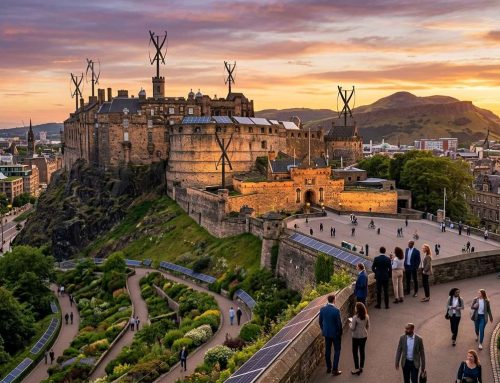
Every building in Neverland 2050 has “solar skin.” It looks like regular finishes but makes electricity. The holographic museum and biodome structures have solar skin.
The Giving Tree Pavilion’s glass has transparent solar cells. This technology is improving fast. The estate will generate more power than it uses, feeding back into the grid.
I’ve seen solar installations worldwide. Solar skin is exciting because it’s invisible. Visitors see beautiful architecture that also produces clean energy.
Underground Recycling: The Infrastructure Nobody Sees but Everyone Benefits From
Underneath the estate is a network of underground systems. They manage water, waste, and recycling. California’s water scarcity is a big issue, so every drop is used.
Gray water irrigates the bioluminescent gardens. Organic waste is composted underground. Recyclables are processed on-site. This hidden infrastructure supports lush gardens and living trees in a challenging climate.
I’m interested in infrastructure because I’ve seen amazing projects. Neverland 2050’s underground systems could be a model for sustainable estate management everywhere. The magic visitors see is supported by practical, innovative systems they never notice.
6. Conclusion: A Living Monument to Imagination and Sustainability
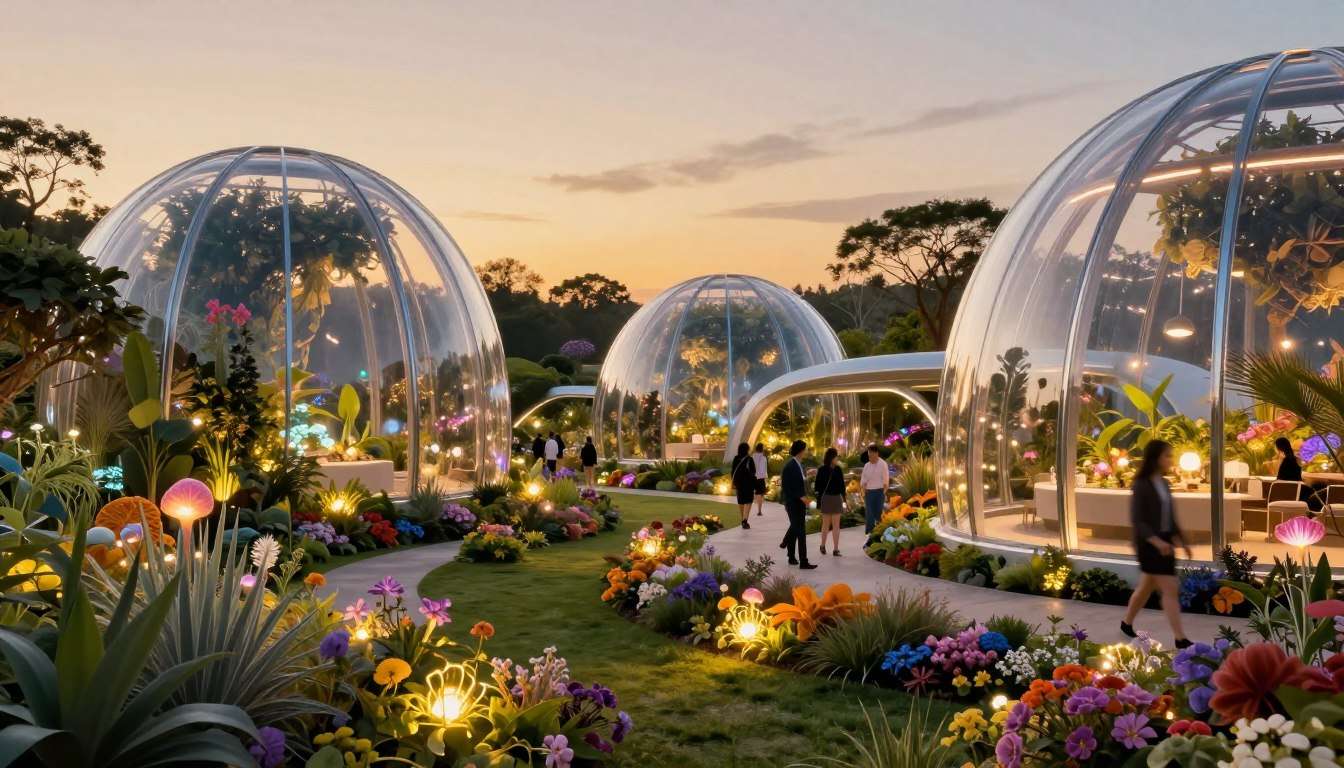
This vision for Neverland Ranch 2050 might seem far-fetched. Yet, it’s the same spirit that built the original estate. I envision future travel destinations that offer more than just beauty or history.
They must symbolize hope, innovation, and solutions to our problems.
Why This Vision Matters for Tomorrow’s Travelers
The Giving Tree Pavilion shows how tech can protect nature. The holographic museum makes cultural preservation vibrant. The bio-zoo connects us with wildlife without harm.
The maglev system, glowing gardens, and solar buildings show beauty and green living can go hand in hand.
For those seeking real experiences, Neverland Ranch 2050 is unique. It’s where dreams become real, tech helps both humans and nature, and every visit supports learning and conservation.
Sharing these ideas is crucial, even if this exact vision might not happen. It starts conversations about what’s possible with creativity and bold thinking.
Exploration is more than seeing today’s world. It’s about dreaming of tomorrow and working to make it real.



Leave A Comment