

My friends looked puzzled when I mentioned visiting Bergamo, Italy. “Where’s Bergamo?” they asked. This hidden gem in Northern Italy sits in Milan’s shadow, but I found it to be a destination that deserves recognition.
Bergamo stands among Italy’s most fascinating cities. The unique layout splits the city into two distinct parts – a medieval hilltop town and a modern lower city. Several visits to this enchanting place have convinced me that Bergamo’s rich history, stunning architecture, and authentic Italian atmosphere make it worth exploring, especially since it remains relatively free from tourist crowds.
This detailed piece will guide you through everything about this charming destination. You’ll learn about Bergamo’s strategic location and unique layout, along with practical travel tips to help you plan an amazing visit.
Discovering Bergamo’s Strategic Location
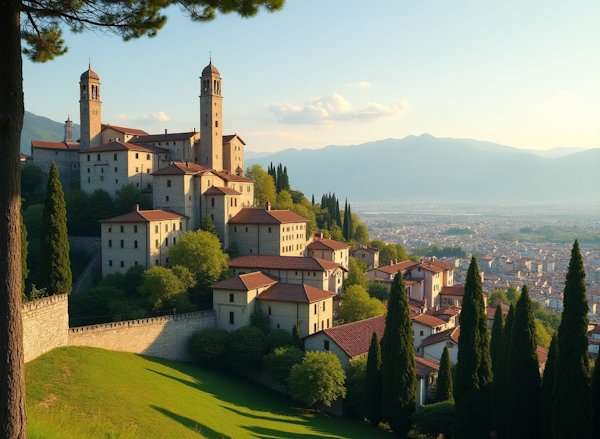
Let me tell you about Bergamo’s location in Northern Italy. The city sits in a perfect spot to learn about the country’s most beautiful regions. As the fourth-largest city in Lombardy, this 400-year old destination has become the second most visited city in the area after Milan.
Geographic Position in Northern Italy
The city has a strategic spot about 40 kilometers northeast of Milan. You’ll see a unique landscape where the flat Po Valley meets the rolling hills. The view creates a dramatic backdrop that takes your breath away. Bergamo stands proud as the center of a growing metropolitan area of nearly 400,000 inhabitants.
Distance from Major Italian Cities – Where is Bergamo, Italy?
The city’s transport links are excellent. Here are the distances to major Italian cities:
- Milan: 45 km (28 miles)
- Venice: 209 km (130 miles)
- Turin: 170 km (106 miles)
- Bologna: 187 km (116 miles)
The A4 motorway makes travel easy and connects Bergamo with Milan, Verona, and Venice.
Proximity to the Alps and Lakes
The sort of thing I love about Bergamo is how close it is to nature’s wonders. The majestic Bergamo Alps (Alpi Orobie) start right at the city’s edge and stretch for 80 kilometers. Lake Como and Lake Iseo are just 30 kilometers away. The mountains reach heights of 9,845 feet and offer amazing views and outdoor activities.
Water shapes the region’s character. The Oglio River flows to the east while the Adda River runs to the west. Their tributaries, the Serio and the Brembo, create a detailed water network that adds to the area’s natural beauty.
Understanding the Two-Level City Layout

Bergamo’s unique dual-level layout makes it stand out among Italian cities. The city has two distinct parts, each with its own personality and charm. This remarkable split gives Bergamo its distinctive character.
Città Alta (Upper City) Overview
The Upper City’s medieval magnificence sits proudly on a hilltop. Impressive 16th-century Venetian walls encircle this historic center, which has earned UNESCO World Heritage status. The sort of thing I love about Città Alta is its network of narrow medieval streets that tell stories of centuries past. This area became the seat of nobility and remained the heart of religious and cultural life.
Città Bassa (Lower City) Features
Bergamo’s Lower City shows a completely different side. Wide, tree-lined boulevards and a modern, vibrant atmosphere define this area. The Lower City grew as a commercial hub in the valley and now boasts elegant buildings, shops and theaters. The area expanded throughout the 20th century and now includes twenty-five distinct neighborhoods.
Connecting Between Levels
The two levels of Bergamo blend naturally with each other. The historic funicular railway, which has been operating since 1887, serves as the main link between Upper and Lower Bergamo. My visits revealed several ways to move between the levels:
- The funicular railway – the most popular tourist choice
- Scenic walking paths and evocative stairways
- Regular bus services connecting both parts
- Modern Tuk Tuk services for a unique experience
Drivers should note that the Upper Town is a restricted traffic zone, and only residents can access it. This rule helps maintain the medieval charm that makes Città Alta special.
Read about Zagreb Croatia.
Getting to and Around Bergamo
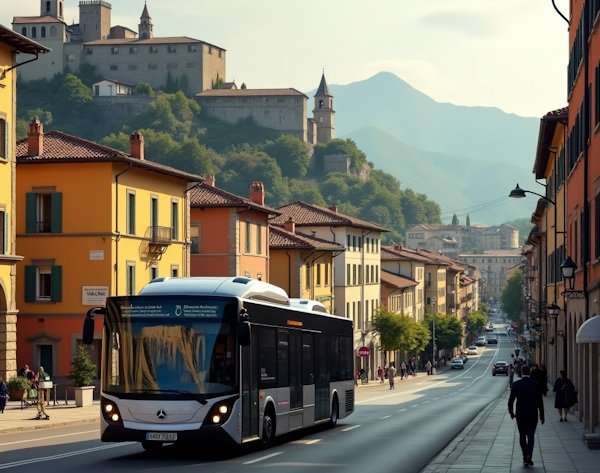
My favorite part about my trip to Bergamo has been how easy it is to get around this charming Italian city. The transportation system works great and connects everything smoothly. Let me tell you about my experience moving around this beautiful place.
Airport and Transportation Options
The city’s main gateway, the Milan Bergamo Airport (officially Orio al Serio), makes things super convenient. It’s just 10 minutes from the city center and budget airlines fly here often. The Airport Bus service runs every 20 minutes between the airport and city center. The busses start early and run until late at night, so they match most flight times perfectly.
Public Transit System
ATB (Azienda Trasporti Bergamo) runs a really efficient public transportation network. The bus system covers everything well, and I use it all the time to check out both the upper and lower parts of the city.
Bergamo’s transit system stands out because of its historic funicular railway with two different routes:
- One that connects Città Bassa with Città Alta
- Another from Città Alta to San Vigilio
A three-day ticket is the best deal – you can ride all the busses and funiculars as much as you want. It saved me money during my stays.
Walking and Cycling Routes
If you love biking like me, Bergamo is a great place to ride. The Val Seriana cycle path starts right from the city center and goes on for 60 kilometers. It works for all skill levels. The Astino Valley route is amazing too – a 17-kilometer path that takes you through Bergamo’s beautiful hills.
Torre Boldone is a great starting point if you’re biking with kids. The paths are in good shape, and the signs are clear. My bike rides here have been fun and safe.
The walk from the train station to the funicular takes about 15-20 minutes. It’s a nice stroll through the lower city. The upper town is really easy to explore on foot because everything is set up for pedestrians.
Visit Italy in June.
Best Times to Visit Bergamo
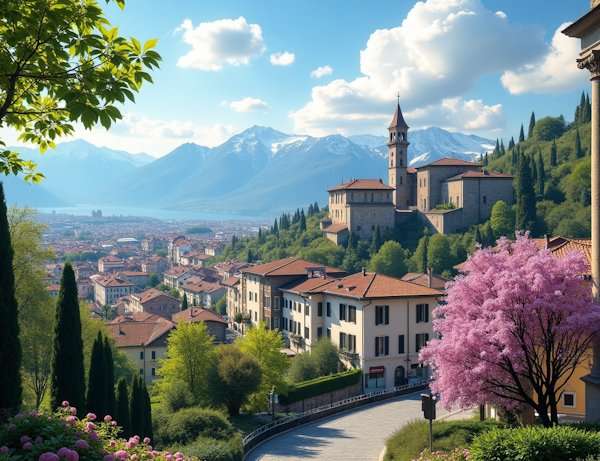
My time in Bergamo through different seasons taught me a lot about the best time to visit this charming city. Here’s what I learned to help you plan your trip better.
Seasonal Weather Patterns
The weather in Bergamo changes by a lot throughout the year. Summer months from June through August get pretty warm, with temperatures up to 85°F. The city gets really cold in January, and temperatures drop to around 32°F. Spring and fall are my favorite times, and April and September offer the most comfortable weather.
The city’s winter charm really shines when snow blankets Città Alta. The temperature stays between 0-8°C in January, but the crisp air and smaller crowds create something special.
Peak vs Off-Peak Tourism
The tourist flow in Bergamo follows clear patterns:
- Highest visitor numbers:
- Peak months: April, July, September and October
- High season: May, June, and August
January, February and March are the quietest months. This makes them perfect if you want to save money or experience the city’s authentic side. November and December see fewer tourists too, though holiday festivities bring their own special atmosphere.
Festival and Event Calendar
The city comes alive with cultural celebrations year-round. Here’s what happens when:
- Winter Events:
- Chocolate Festival (January)
- Fiera della Montagna (February)
- Spring Celebrations:
- Mid-Lenten Parade (February/March)
- Bergamo Jazz Festival (April)
- Summer Festivities:
- Fiera dell’Artigianato (June)
- Festa di Sant’Alessandro (August)
- Autumn Highlights:
- Moscato Wine Festival (September)
- BergamoScienza and Mercatanti (October)
Summer brings outdoor festivals to places like Parco Sant’Agostino and Edonè. The city gets festive with Christmas markets in Piazza Dante and Piazza degli Alpini as winter approaches. The popular Santa Lucia markets on December 12th wrap up the year’s celebrations.
Planning Your Stay
After learning about many places to stay in Bergamo, I’m thrilled to share what I know about planning the perfect stay in this charming city. Let me walk you through everything you need to make your visit memorable and comfortable.
Accommodation Options by District
My stays in Bergamo taught me that each district has its own unique places to stay. Città Alta features elegant boutique hotels in historic buildings, like the GombitHotel and Relais San Lorenzo. These spots are perfect if you love luxury with a historical touch. Città Bassa gives you modern comforts and better accessibility. Hotels like Cappello D’Oro and NH Bergamo provide great value here.
Budget-smart travelers might want to think about these options:
- Boutique hotels in historic buildings
- Modern business hotels near the station
- Family-run B&Bs in residential areas
- Self-catering apartments for longer stays
Length of Stay Recommendations
My repeated visits showed me that ideal stay length really depends on how you like to travel. Most people spend two to three days in Bergamo. Here’s what you can do with your time:
- Two days: See the main attractions
- Three days: Take your time to explore
- Four days: Add day trips to nearby mountain towns
Budget Considerations
I kept track of room costs through different seasons. Here’s what you should expect to pay:
- Off-season room rates: Average USD 96 per night
- Peak summer rates: Average USD 179 per night
- Overall price range: USD 71 to USD 265
Daily budgets typically fall into these groups:
- Budget travelers: USD 88 per day
- Mid-range travelers: USD 202 per day
- Luxury travelers: USD 434 per day
Sharing rooms can cut costs substantially. A typical double room costs USD 175 per night, which works out better than single rooms at USD 87. Città Bassa usually gives you better value, but you’ll need to weigh this against the charm of staying in the historic upper town.
Spring or fall visits help stretch your budget with better rates and fewer tourists. Early booking really helps, especially in Città Alta, where you’ll get better prices and your preferred location.
Where are the best places in Italy for families?
Enjoy Bergamo Italy
My time learning about Bergamo has revealed why this captivating Italian city deserves more recognition. The city’s unique two-level design blends medieval charm with modern convenience. This creates an experience that sets it apart from other Northern Italian destinations.
Bergamo’s location close to Milan makes it perfect to discover the region. The city boasts great transport connections and sits near stunning natural attractions. Each season brings its own magic – from lively summer festivals to the enchanting winter snowfall in Città Alta.
The city shines as a masterful mix of history and convenience. You’ll find the right place to stay that matches your preferences and budget, whether you pick the medieval upper town or the vibrant lower city. The genuine Italian atmosphere lets you feel Northern Italy’s true spirit without tourist crowds.
Several visits to Bergamo have convinced me it rewards adventurous travelers who step away from famous Italian spots. This hidden treasure has it all – beautiful architecture, deep culture, amazing food and that special Italian magic that makes every moment unforgettable.
FAQs
Is Bergamo worth adding to my Italian itinerary?
Absolutely! Bergamo is a charming city that offers a unique blend of medieval and modern Italy. Its two-level layout, with the historic Città Alta (Upper City) and the more contemporary Città Bassa (Lower City), provides visitors with a diverse experience. The city boasts UNESCO World Heritage sites, interesting museums and authentic Italian atmosphere without overwhelming tourist crowds. It’s an excellent choice for a day trip or a short holiday, especially for those looking to explore beyond Italy’s more famous destinations.
What makes Bergamo historically significant?
Bergamo is known as the “City of the Thousand” due to its significant contribution to the Italian unification movement. Many supporters of Giuseppe Garibaldi in his expedition against the Kingdom of the Two Sicilies came from Bergamo and its surrounding areas. This historical significance adds depth to the city’s rich cultural heritage.
Which part of Bergamo should I prioritize visiting?
The Città Alta (Upper City) is considered the most beautiful part of Bergamo. This medieval hilltop town is encircled by 16th-century Venetian walls, which have earned UNESCO World Heritage status. Its narrow streets, historic buildings and panoramic views make it a must-visit area for any traveler to Bergamo.
What are some popular activities for tourists in Bergamo?
There are numerous attractions and activities in Bergamo. Some highlights include:
- Riding the funicular railway between the Lower and Upper City
- Walking along the Venetian Walls for stunning views
- Exploring the Piazza Vecchia, the heart of the Upper City
- Visiting the Rocca di Bergamo, a 14th-century fortress
- Experiencing the city’s rich cultural scene through its museums and festivals
When is the best time to visit Bergamo?
The best time to visit Bergamo depends on your preferences. Spring (April-May) and fall (September-October) offer pleasant weather and are ideal for sightseeing. Summer (June-August) is the peak tourist season with warmer temperatures but more crowds. Winter (December-February) can be cold but offers a magical atmosphere, especially when Città Alta is covered in snow. For budget-conscious travelers, the off-peak months of January, February and March offer fewer crowds and better rates.
How long should I plan to stay in Bergamo?
Most visitors spend two to three days in Bergamo, which is generally sufficient to see the main attractions. A two-day stay allows you to explore the key sights, while a three-day visit provides a more relaxed pace. If you’re interested in taking day trips to nearby mountain towns or exploring the region more thoroughly, consider staying for four days or more.
What are the transportation options for getting around Bergamo?
Bergamo has an efficient public transportation system. Options include:
- Busses: An extensive network covering both the Upper and Lower City
- Funicular railway: Connecting Città Bassa with Città Alta, and another from Città Alta to San Vigilio
- Walking: The city is pedestrian-friendly, especially in the historic Upper Town
- Cycling: There are several cycling routes, including the Val Seriana cycle path
For tourists, a three-day ticket providing unlimited travel on busses and funiculars is often the most cost-effective option.
What types of accommodation are available in Bergamo?
Bergamo offers a range of accommodation options to suit different preferences and budgets:
- Città Alta: Elegant boutique hotels in historic buildings
- Città Bassa: Modern hotels with better accessibility
- Budget options: Family-run B&Bs and self-catering apartments
Prices vary by season, with off-season rates averaging around $96 per night and peak summer rates around $179 per night. Staying in Città Bassa often offers better value, but consider the charm of staying in the historic Upper Town as well.


I love Bergamo. Not only is it a lovely city and great alternative to Milan but it also has a great low cost airport!!
Thanks Saskia, enjoy Bergamo!