
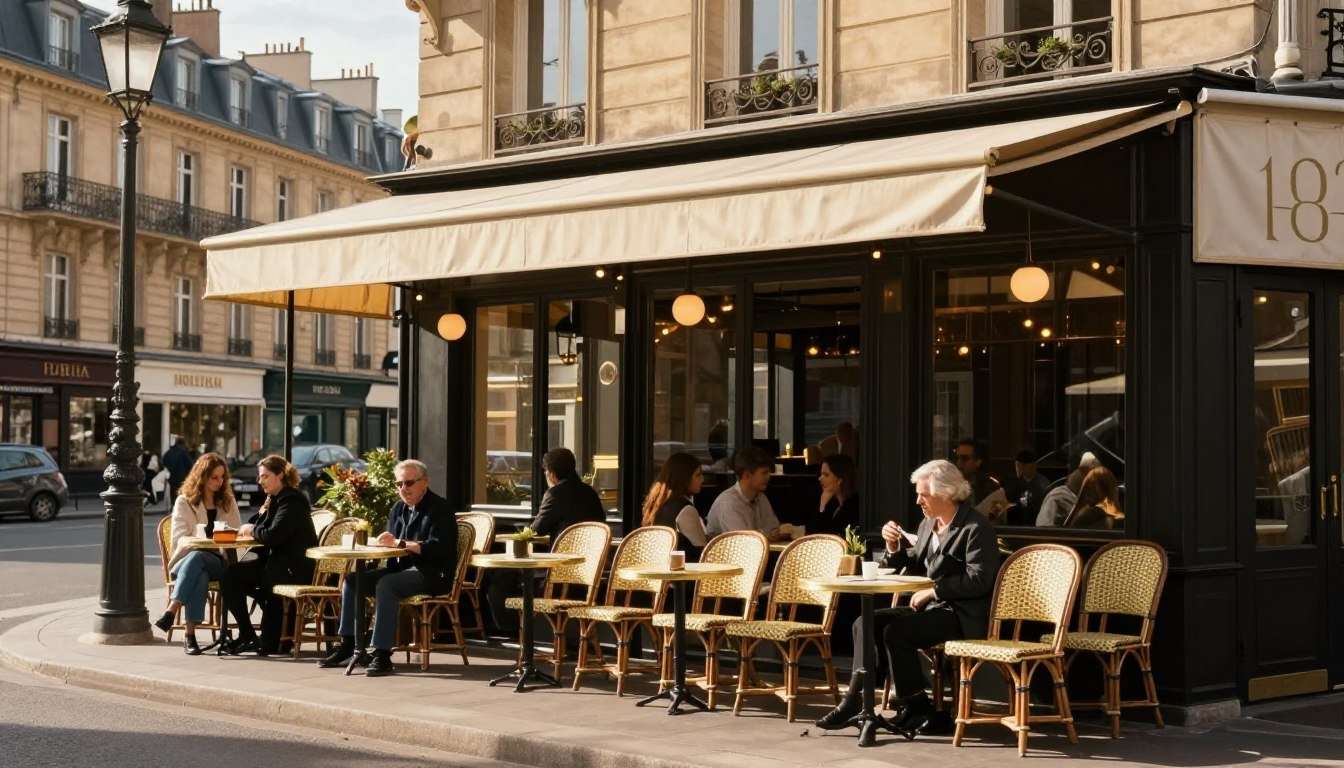
Paris stands as one of the most visited cities in the world. Every year, millions of people arrive seeking romance, culture, and unforgettable experiences. Yet many visitors struggle with local customs and unwritten rules that shape daily life in the French capital.
Understanding Parisian etiquette transforms your visit from ordinary to extraordinary. The difference between a frustrating trip and a magical one often comes down to cultural awareness. Locals appreciate when visitors respect their traditions and social norms.
This comprehensive guide reveals everything you need to know about appropriate behavior in Paris. You’ll discover essential do’s that earn respect from residents and critical don’ts that help you avoid embarrassing situations. From greeting customs to dining etiquette, transportation rules to cultural sensitivities, we cover every aspect of Parisian social life.
Whether you’re visiting for business or pleasure, staying for days or weeks, this guide equips you with the knowledge to navigate Paris confidently. You’ll learn how to blend in rather than stand out, how to access the warmth behind the famous Parisian reserve, and how to make your time in the city as smooth as possible.
Essential Greeting Etiquette in Paris
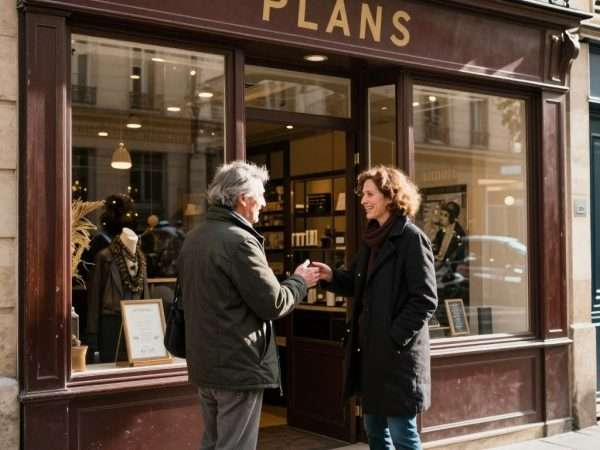
Greetings form the foundation of all social interactions in Paris. The way you acknowledge people sets the tone for every encounter. Parisians place enormous importance on proper greetings, considering them a sign of basic respect and civilization.
Always Say Bonjour
The single most important rule in Paris is greeting people with “bonjour.” This applies to virtually every situation. When you enter a shop, approach a service counter, or sit down at a restaurant, begin with bonjour.
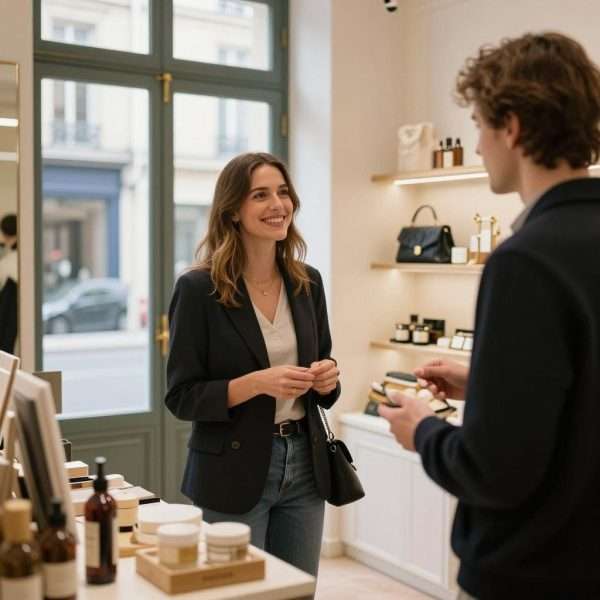
Skipping this greeting is considered extremely rude. Many visitors report cold treatment from Parisians, but often this stems from failing to say bonjour first. The greeting signals that you recognize the other person’s humanity and presence.
Use “bonjour” during daytime hours, typically until around 6 PM. After that, switch to “bonsoir” for good evening. When leaving, “au revoir” or “bonne journée” (have a good day) shows courtesy.
The Cheek Kiss Greeting
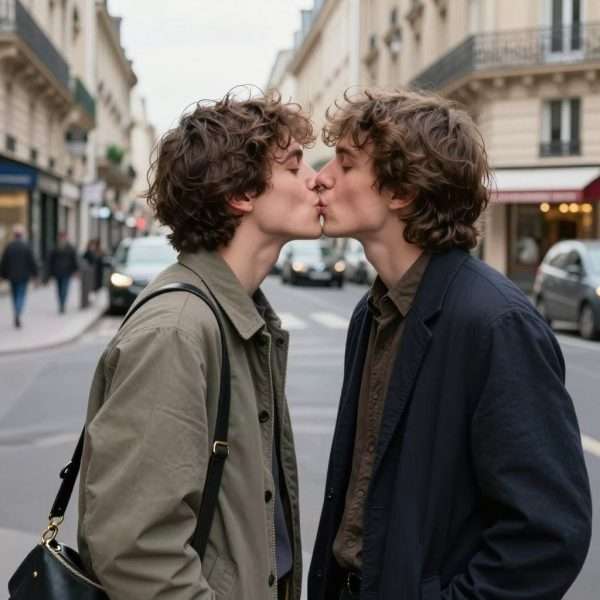
La bise, the cheek kiss greeting, has specific rules. This applies when meeting friends, being introduced in social settings, or greeting colleagues you know well. The standard in Paris is two kisses, starting with the right cheek.
Don’t attempt la bise in business settings with people you’ve just met. Reserve it for social contexts and established relationships. When unsure, wait to see if the other person initiates.
For business encounters, a firm handshake is appropriate. Make eye contact and offer your hand confidently. This applies to both men and women in professional contexts.
Formal vs Informal Address
French distinguishes between formal (vous) and informal (tu) forms of address. Always use vous with strangers, service staff, business contacts, and anyone older than you. This shows respect and maintains appropriate social distance.

Wait for the other person to suggest switching to tu. In some professional relationships, people work together for years using vous. Young people generally switch to tu more quickly among themselves, but visitors should err on the side of formality.
When speaking English, these distinctions don’t apply, but your tone and demeanor should still reflect appropriate formality. Addressing service workers and officials with courtesy matters regardless of language.
Get Your Free Paris Etiquette Checklist
Download our comprehensive printable guide with all essential do’s and don’ts. Take it with you for quick reference throughout your Paris visit. Trusted by over 50,000 travelers.
Dining Etiquette in Paris Restaurants
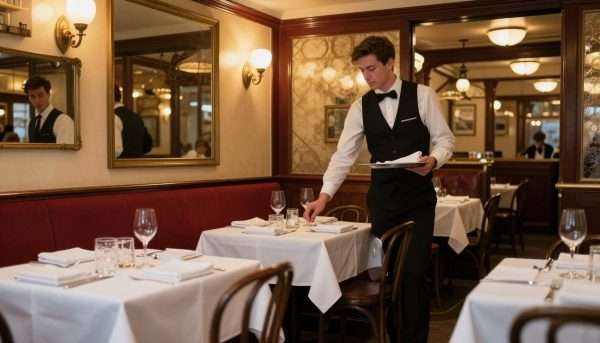
Dining in Paris follows specific customs that differ from other cities. Understanding restaurant etiquette enhances your culinary experiences and prevents awkward situations. French dining culture emphasizes leisure, proper service, and respect for food.
Restaurant Arrival and Seating
Never seat yourself in a Paris restaurant. Always wait for the host or server to show you to a table. This applies even in casual establishments. Arriving at a restaurant, greet the staff with bonjour and wait to be acknowledged.

Making reservations is strongly recommended, especially for dinner and at popular restaurants. Many establishments book up days or weeks in advance. Calling ahead shows respect for the restaurant’s planning and increases your chances of getting a table.
If you arrive without a reservation, politely ask if a table is available. Accept gracefully if they’re fully booked. Don’t expect them to squeeze you in or rush other diners.
Ordering and Service Expectations

Service in Paris restaurants operates differently than in many countries. Servers don’t check on you constantly. This isn’t neglect—it’s respect for your dining experience. French culture views meals as leisurely events, not rushed transactions.
To get your server’s attention, make eye contact and raise your hand slightly. Say “excusez-moi” politely. Snapping fingers or calling out loudly is extremely rude and will likely result in slower service.
The menu structure follows a traditional pattern. Most restaurants offer prix fixe menus (set price for multiple courses) and à la carte options. Ordering just an appetizer or skipping courses entirely is acceptable, though some restaurants require a minimum during peak hours.
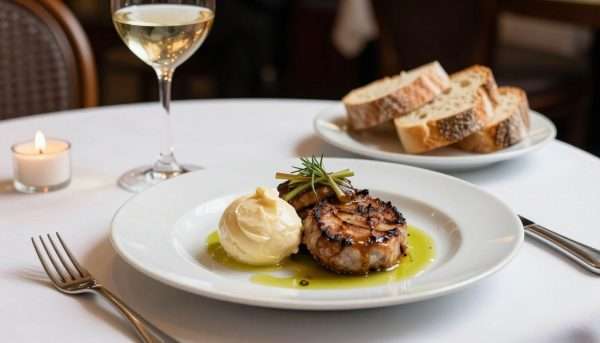
Water service requires understanding. Tap water (une carafe d’eau) is free and safe to drink, but you must specifically request it. Otherwise, servers assume you want bottled water, which you’ll be charged for. Don’t feel pressured to order bottled water if you prefer tap water.
Table Manners and Customs
Keep your hands visible on the table, not in your lap. Rest your wrists on the table edge between bites. This European custom differs from American etiquette but is standard in Paris.
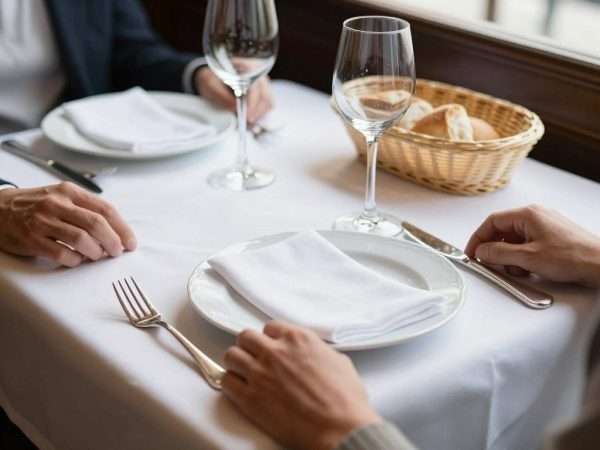
Use utensils for most foods, including pizza and sandwiches in formal settings. The fork stays in your left hand, knife in your right. Cut one piece at a time rather than cutting all your food at once.
Bread has specific rules. Break it with your hands rather than cutting it with a knife. Place bread directly on the table or tablecloth, not on your plate. Use bread to help guide food onto your fork, not to soak up sauce (except for the last delicious bits).
Pace yourself with your dining companions. French meals are social events meant to be savored together. Finishing much faster or slower than others at your table disrupts the communal rhythm of the meal.
Wine and Beverage Etiquette
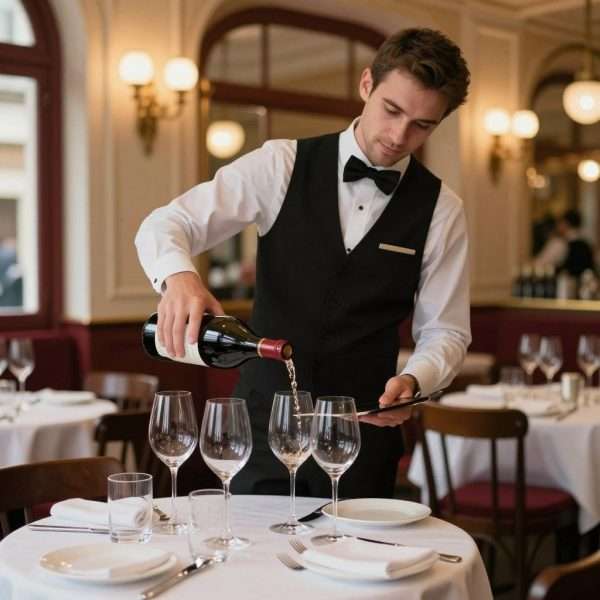
Wine is central to French dining culture. If you’re unsure what to order, don’t hesitate to ask for recommendations. Sommeliers and servers appreciate genuine interest and will help you find something suitable for your taste and budget.
It’s perfectly acceptable to order wine by the glass rather than a bottle. Many restaurants Paris offer excellent selections by the glass. This lets you pair different wines with different courses or simply try smaller amounts.
Coffee comes after the meal, never during. Ordering coffee with your entrée marks you as a tourist. If you want coffee, wait until you’ve finished eating. Cappuccinos are morning drinks in French culture—after lunch, espresso is standard.
Payment and Tipping Customs
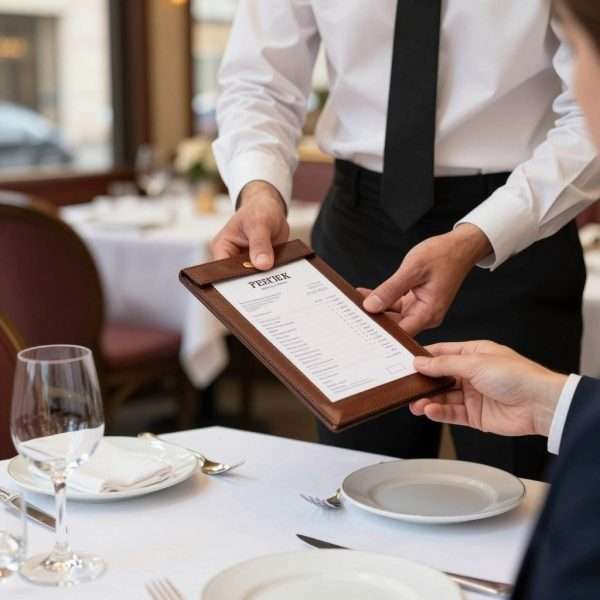
Never expect the check to arrive automatically. Servers won’t bring it until you request it. This shows respect for your time—you’re welcome to sit and enjoy the ambiance as long as you like.
To request the check, catch your server’s eye and make a small writing gesture with your hand, or simply say “l’addition, s’il vous plaît.”
Service charge is included in French restaurant bills. Tipping beyond this is optional. For good service, leaving 5-10% is generous and appreciated. For exceptional service, you might leave more, but it’s not expected.
Cash is appreciated for tips, even if you pay the bill by card. Leave coins or small bills on the table rather than adding it to the card payment. This ensures the server receives it directly.

Splitting bills (paying separately) is less common in Paris restaurants than in other cities. Many establishments resist complicated split payments, especially for large groups. Designate one person to pay, then settle up privately later.
Café Culture and Coffee Etiquette
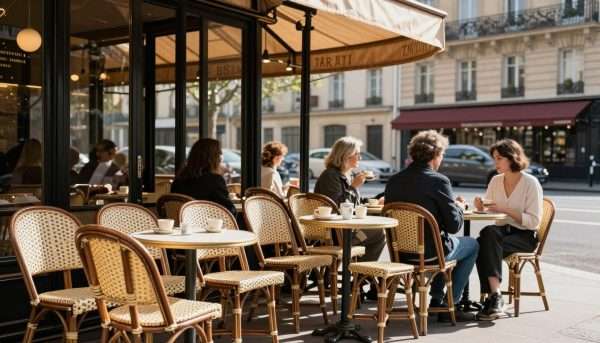
Cafés form the heart of Parisian social life. These establishments serve as neighborhood living rooms where people read, work, meet friends, and watch the city flow by. Understanding cafe etiquette helps you enjoy these spaces like a local.
Ordering at Cafés
Café pricing varies based on where you sit. Counter service (au comptoir) costs least. Sitting inside (en salle) costs more. Terrace seating (en terrasse) commands premium prices. The same coffee can cost three different amounts depending on your location choice.
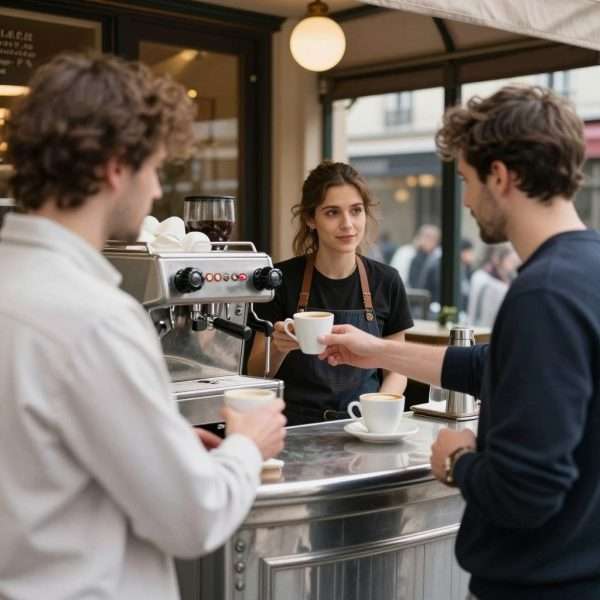
Once you order and receive your drink, you can stay as long as you want. Cafés don’t rush customers. Nursing a single espresso for two hours while reading or people-watching is completely acceptable. You’re paying for the space and experience, not just the beverage.
Coffee terminology matters. An “espresso” is called “un café” or “un express.” If you want American-style coffee, order “un café allongé” (lengthened) or “un café américain.” “Un café crème” is espresso with steamed milk, similar to a latte but smaller.
Café Behavior Norms

Cafés welcome lingering, but basic courtesy applies. Don’t spread your belongings across multiple seats during busy times. If the café fills up and you’re alone at a four-person table, expect to be asked to move or share.
Working on laptops is common in many Paris cafés, but not all welcome this practice. Look around before settling in for hours of computer work. Some traditional establishments prefer to maintain conversation-friendly atmospheres.
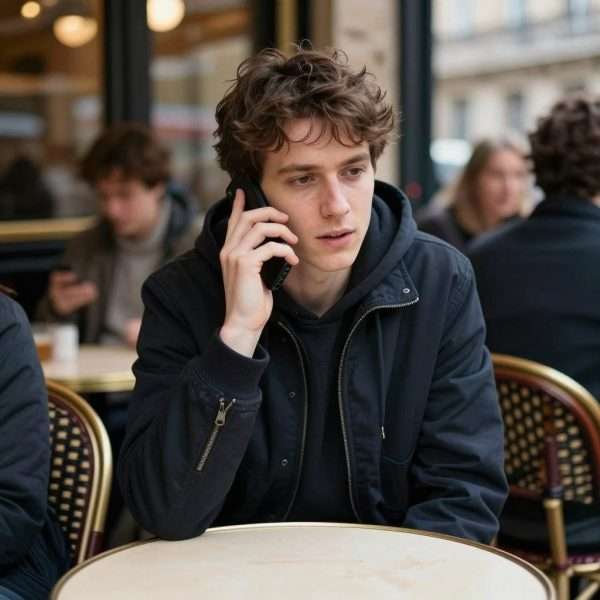
Phone calls should be brief and conducted at low volume. Extended loud conversations disturb the café ambiance. Step outside for longer calls. This consideration extends to video calls, which many Parisians find particularly intrusive in public spaces.
Smoking remains more common at Paris cafés than in many other cities. Terraces permit smoking. If smoke bothers you, choose indoor seating or a non-smoking area. Don’t expect smokers to accommodate your preferences on terraces where smoking is allowed.
Public Transportation Etiquette
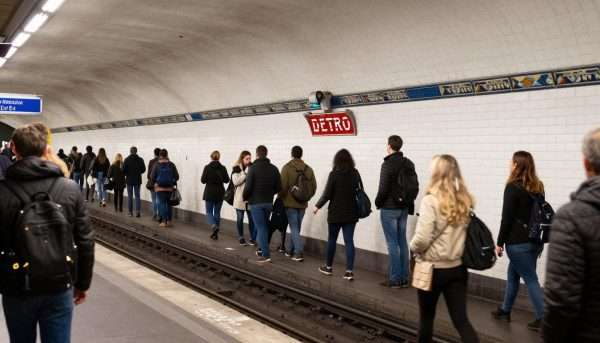
Paris has an extensive public transportation system including metro, bus, and train networks. Millions of people use these services daily. Following transportation etiquette makes everyone’s journey more pleasant.
Metro Etiquette Essentials
Let passengers exit before boarding. Stand to the sides of the doors, not directly in front. This simple courtesy speeds up boarding for everyone and prevents the frustrating bottleneck that forms when people try to enter while others are trying to exit.

Priority seating near doors is reserved for elderly people, pregnant women, disabled individuals, and those with young children. These seats are clearly marked. If you’re sitting in priority seating and someone who needs it boards, offer your seat immediately.
Move into the center of the car rather than blocking doorways. During rush hour, the metro gets extremely crowded. Facilitate smooth traffic flow by not standing near doors when plenty of space exists further inside.
Keep bags close to your body and off seats. Large backpacks should be removed and held in front of you or between your legs. This prevents you from accidentally hitting people as you turn and leaves space for more passengers.

Eating on the metro is generally frowned upon, though not strictly forbidden. Strong-smelling food particularly annoys fellow passengers. Save meals for after your journey. Small snacks are more acceptable but still discouraged during crowded periods.
Escalator and Stairs Navigation
Stand on the right side of escalators, walk on the left. This universal rule applies throughout the Paris metro system. Parisians move quickly and will express frustration if you block the walking lane.
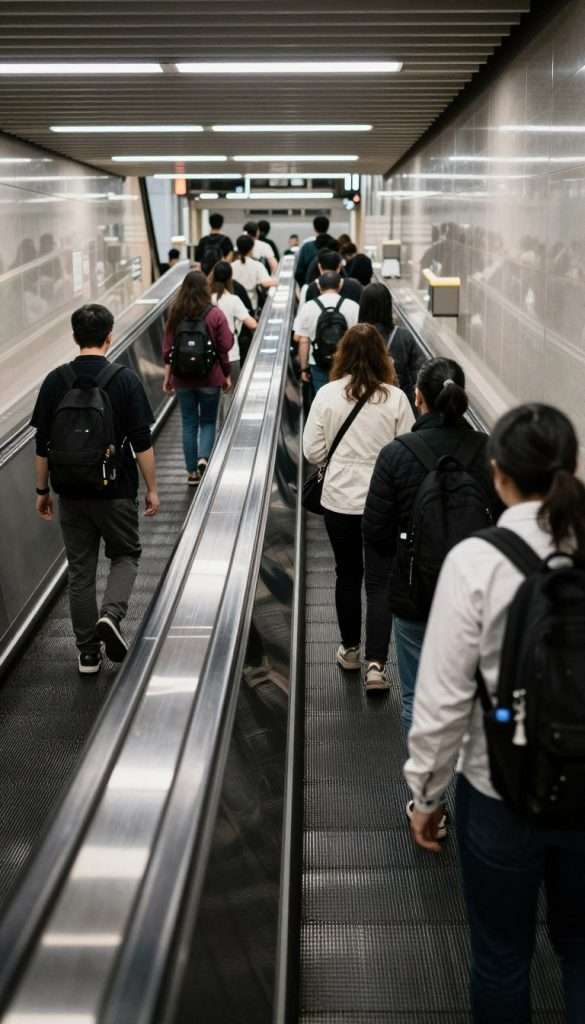
On stairs, keep to the right. This applies whether going up or down. Groups should reorganize into single file on stairs rather than blocking the entire width while chatting.
Bus Etiquette
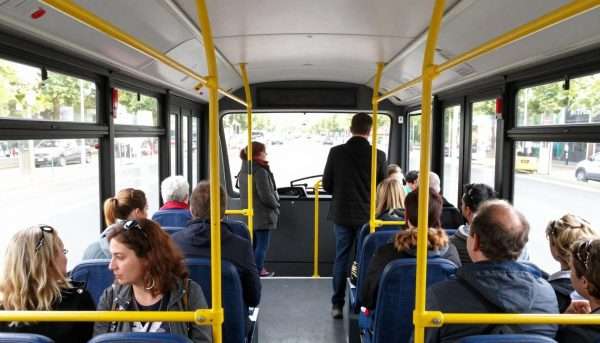
Board through front doors, exit through rear doors when possible. Show your ticket to the driver when boarding. Validate your ticket in the machine if using certain pass types.
Offer seats to those who need them. This courtesy matters even more on buses than metro since buses lack as many priority seats and involve more standing space. Watch for elderly passengers, pregnant women, and people with disabilities.
Request stops in advance. Press the button one stop before your destination, not at the last second. Drivers appreciate time to prepare for the stop. Know your stop name—don’t expect the driver to announce every station.
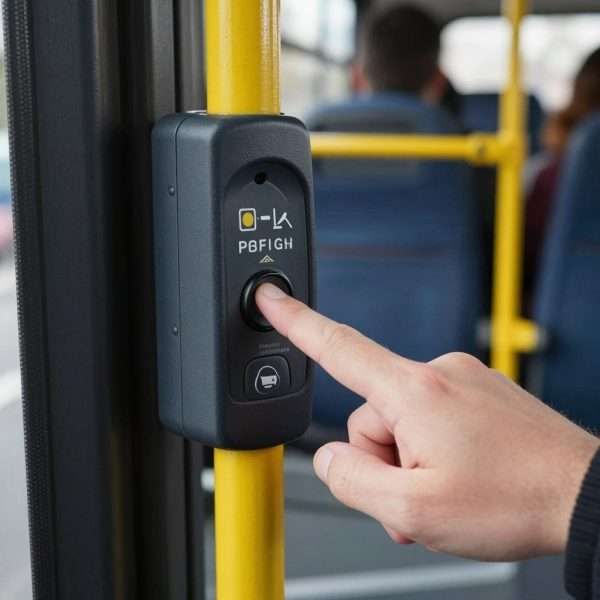
Keep conversations at moderate volume. Buses are quieter environments than metro trains. Loud phone conversations or music disturb others. Use headphones and keep volume reasonable.
Taxi and Ride-Share Etiquette
Sit in the back seat of taxis unless invited to sit in front. This is standard practice in Paris. Greeting the driver with bonjour and stating your destination politely sets a positive tone.
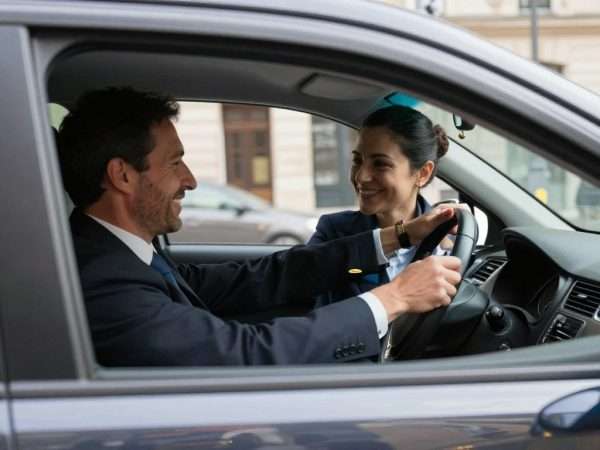
Have your destination address ready. Know the arrondissement and specific street. Don’t expect drivers to know every hotel or attraction by name. GPS helps, but clear information speeds up the process.
Tipping taxi drivers is appreciated but not mandatory. Round up to the nearest euro or add 5-10% for good service. Help with luggage or navigating difficult routes merits extra consideration.
Charles Gaulle Airport Transportation
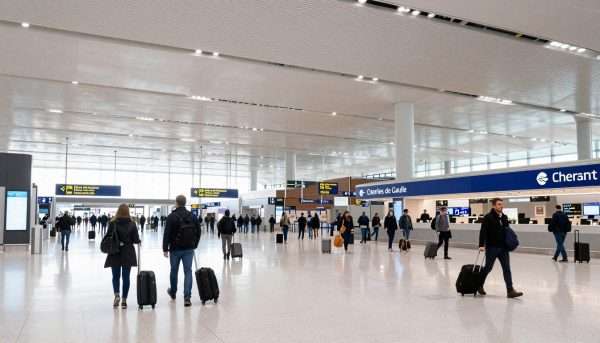
Multiple options connect Charles Gaulle Airport to central Paris. The RER B train offers economical service but involves stairs and can be crowded. Airport buses provide more comfort with luggage. Taxis and ride-shares offer convenience at higher cost.
During your journey from Charles Gaulle, follow all previously mentioned metro and bus etiquette. Airport travelers with large bags should be especially mindful of space on public transportation.
The trip from Charles Gaulle Airport to city center takes 45-60 minutes depending on your method and destination. Plan accordingly, especially if you have connecting appointments.
Discover Authentic Paris Experiences
Book curated tours led by local Parisians who share insider knowledge about culture, etiquette, and hidden gems. Small groups, authentic experiences, and expert guidance to help you navigate Paris like a local.
Dress Code and Appearance Standards
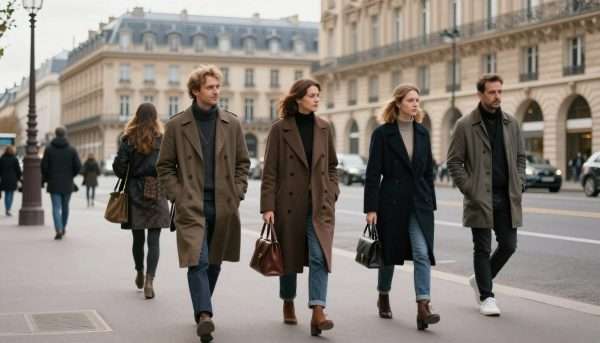
Paris is one of the fashion capitals of the world. While visitors needn’t dress in haute couture, Parisians do notice appearance. Understanding local style standards helps you blend in and gain respect from locals.
General Appearance Expectations
Parisians favor classic, well-fitted clothing over trendy or flashy items. Quality matters more than quantity. A simple outfit in good fabric with proper fit impresses more than logo-covered designer pieces or obviously expensive but poorly styled ensembles.
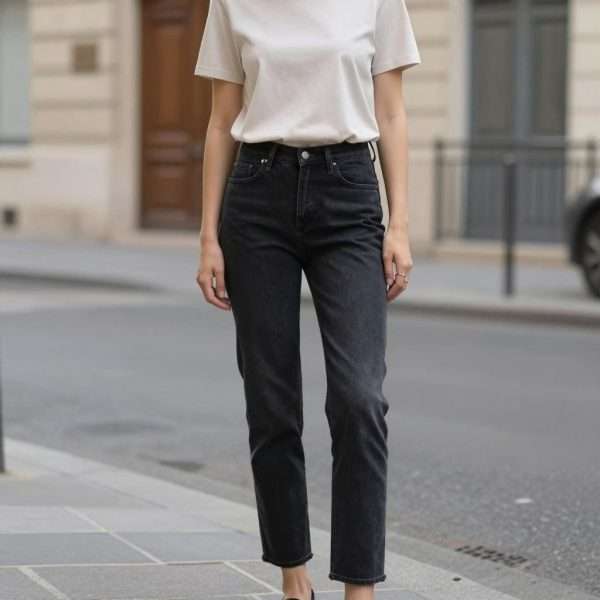
Neutral colors dominate Parisian wardrobes. Black, navy, gray, beige, and white form the foundation. Bright colors appear as accents rather than dominant elements. This creates the sophisticated, understated aesthetic Paris is known for.
Grooming and personal maintenance matter significantly. Clean, neat appearance signals respect for yourself and those around you. Hair should be styled or at least tidy. Wrinkled or stained clothing draws negative attention.
What Not to Wear
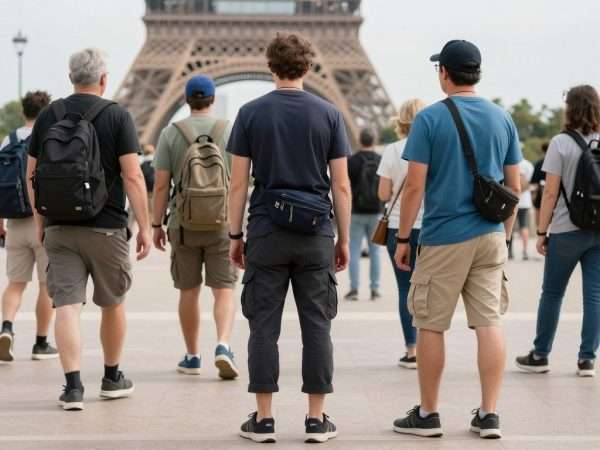
Athletic wear belongs in gyms or during actual athletic activities. Wearing workout clothes, yoga pants, or running shorts for general sightseeing marks you as an obvious tourist and may prevent entry to some restaurants and attractions.
Flip-flops and overly casual sandals look out of place in Paris outside of parks on hot days. Sneakers are acceptable if clean and part of a stylish outfit, but bright white athletic shoes stand out negatively.
Shorts on adults are less common in Paris than in many other cities. While acceptable in summer heat, especially in parks or tourist areas, they’re not worn in elegant restaurants or cultural venues. When in doubt, choose long pants or a dress.
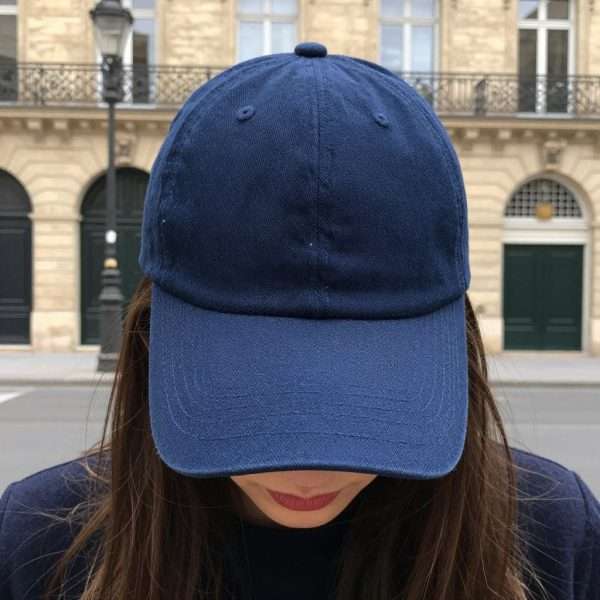
Baseball caps belong on actual baseball fields. Parisians rarely wear them, and they immediately identify you as a tourist. If you need sun protection, choose a more elegant hat style or stylish sunglasses.
Overly revealing clothing attracts unwanted attention. Paris is sophisticated but conservative in many ways. Extremely short skirts, very low-cut tops, or transparent clothing without appropriate undergarments look out of place except in specific nightlife venues.
Restaurant and Cultural Venue Dress Codes
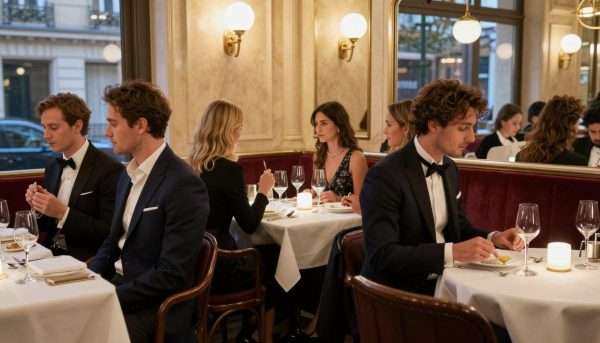
Fine dining establishments expect dressy attire. Men should wear collared shirts at minimum, often jackets. Women should wear dresses or elegant separates. Check specific restaurant dress codes when making reservations at high-end venues.
Museums and cultural sites welcome all respectful visitors, but extremely casual or revealing clothing may draw disapproving looks. Churches and religious sites often have explicit dress requirements—covered shoulders and knees, no shorts, no revealing clothing.
Opera, theater, and concert halls vary in formality. Opening nights and premium venues lean dressy. Regular performances accept smart casual. When unsure, slightly overdressing is safer than underdressing in Paris cultural venues.
Seasonal Considerations
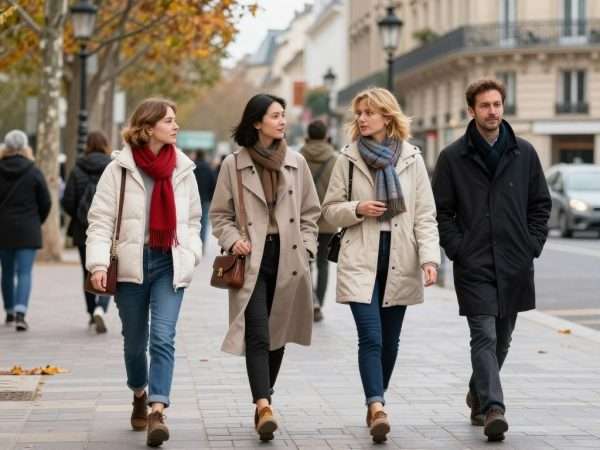
Summer in Paris rarely reaches extreme heat. Parisians don’t switch to beach wear in warm weather. Light, breathable fabrics in classic styles work better than tank tops and short shorts for blending in during summer months.
Fall and spring require layers. Weather changes throughout the day. A light jacket or cardigan that complements your outfit serves both practical and style purposes. Scarves are wardrobe staples across seasons in Paris.
Winter calls for substantial coats, but still stylish ones. Puffy technical jackets designed for extreme cold look out of place in Paris winter. Wool coats, elegant down jackets, or fashionable leather jackets suit the climate and aesthetic better.
Shopping Etiquette in Paris
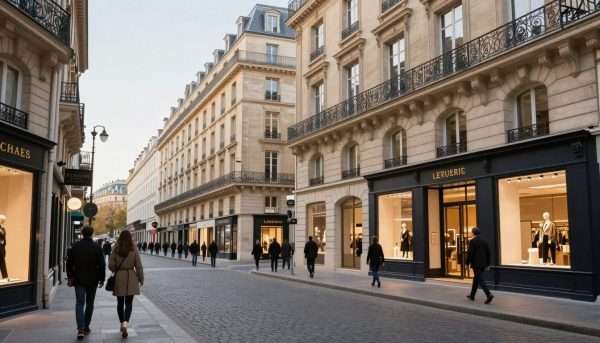
Shopping in Paris differs significantly from other cities. Retail interactions follow specific protocols. Understanding these customs leads to better service and more enjoyable shopping experiences.
Entering Shops and Boutiques
Always greet shopkeepers when entering. Say “bonjour” immediately upon entry. This simple courtesy is mandatory in small boutiques and appreciated in larger stores. Failing to greet often results in cooler reception or being ignored.
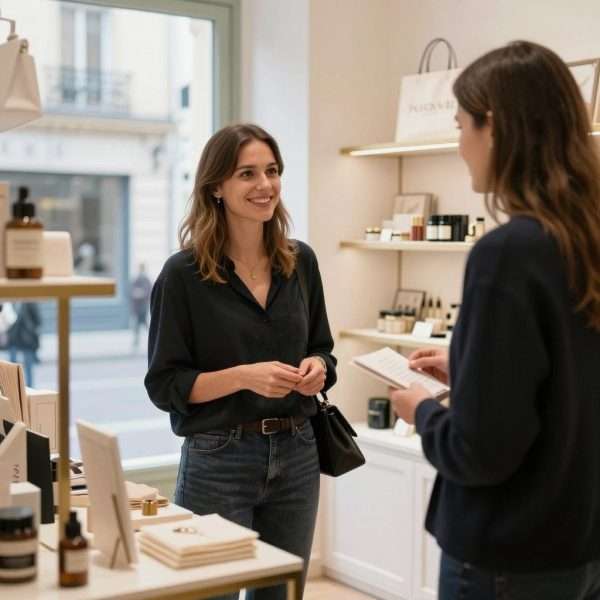
Small boutiques often prefer one-on-one interaction. Shopkeepers may approach to ask if you need help. “Je regarde” (I’m looking) or “Je cherche…” (I’m looking for…) are appropriate responses. They’ll give you space or assist as needed.
Browsing is welcome, but touching everything without intention to buy is frowned upon. Look carefully before handling items. In upscale boutiques, ask permission before touching expensive items or trying on jewelry.
Department Store Etiquette

Large department stores like Galeries Lafayette operate differently than small boutiques. You have more freedom to browse independently. Sales associates still appreciate polite greetings and requests for assistance.
Fitting rooms may have attendants who control access. Wait to be assigned a room. They’ll count your items and give you a number card. Return all items when finished, whether purchasing or not.
Sales happen primarily during official sale periods (soldes) in January and July. Expect crowded stores and picked-over inventory during these times. Outside sale periods, aggressive price negotiations aren’t part of French retail culture except in markets.
Market Shopping Protocol

Paris markets sell fresh food, flowers, and various goods. Each market vendor runs their own stall. Greet each vendor individually as you approach their stand. Market etiquette follows stricter rules than typical retail shopping.
Don’t touch produce yourself in many markets. Point to what you want and let the vendor select and bag it. This protects the freshness and quality of the goods. Some modern markets allow self-selection, but watch other customers to determine the practice.

Bring your own shopping bags. While bags are available, reusable bags are environmentally friendly and appreciated. Many Parisians carry dedicated market baskets or bags.
Cash is preferred at markets, though some vendors accept cards. Have small bills and coins ready. Exact change speeds up transactions and is appreciated during busy market times.
Bakery and Food Shop Customs
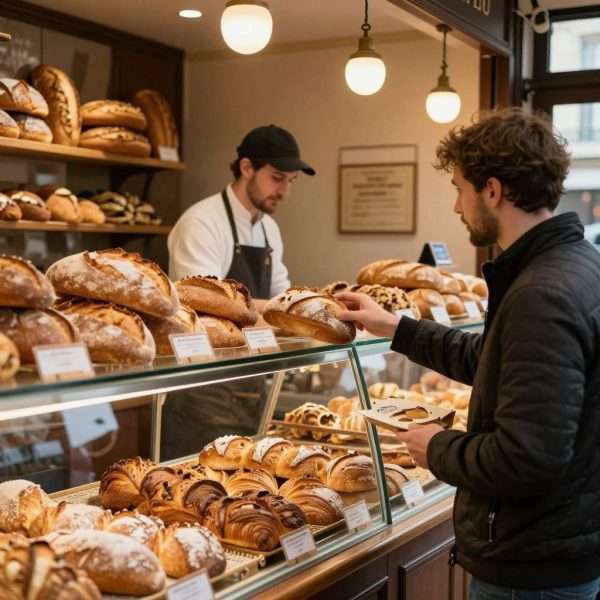
Bakeries require greeting the staff and waiting your turn in line. French bakeries operate on a strict first-come, first-served basis. Pushing ahead or expecting special treatment causes offense.
Know what you want before reaching the counter. Holding up the line while deciding is inconsiderate. If you need time, step aside and let others order while you choose.
Specify quantity clearly. “Une baguette” (one baguette), “deux croissants” (two croissants). After your items are bagged, you may make additional purchases, but organize your primary order first.

Thank staff after transactions. “Merci, au revoir” shows appreciation and closes the interaction politely. These small courtesies make a significant difference in service quality.
Cultural Attractions and Museum Etiquette
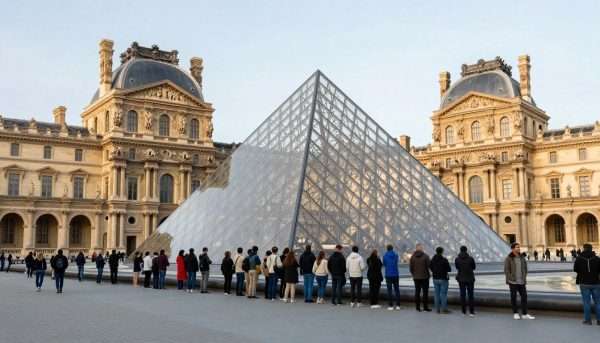
Paris houses some of the world’s greatest museums and cultural attractions. These institutions preserve invaluable art and historical artifacts. Proper etiquette protects these treasures and ensures all visitors can enjoy them.
Museum Entry and Ticketing
Purchase tickets online in advance whenever possible. Major attractions like the Eiffel Tower, Louvre, and Musée d’Orsay often have long queues. Pre-purchased tickets save hours of waiting and demonstrate planning consideration.
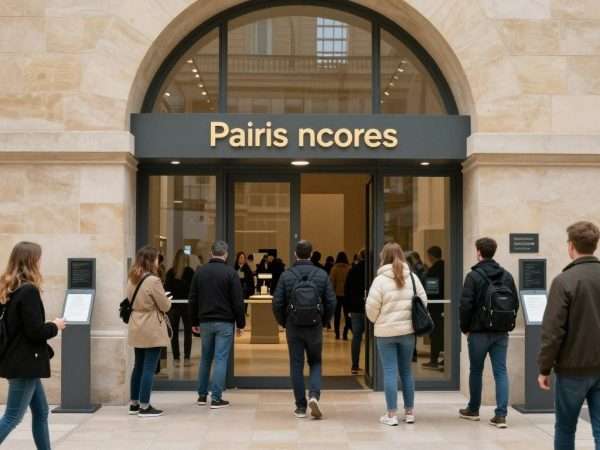
Arrive at your designated time slot if your ticket specifies one. These systems manage visitor flow and prevent overcrowding. Late arrival may result in denied entry or long delays.
Security checks are standard at major attractions. Have bags ready for inspection. Large backpacks and suitcases are often prohibited. Check attraction websites for specific restrictions before visiting.
Behavior Inside Museums
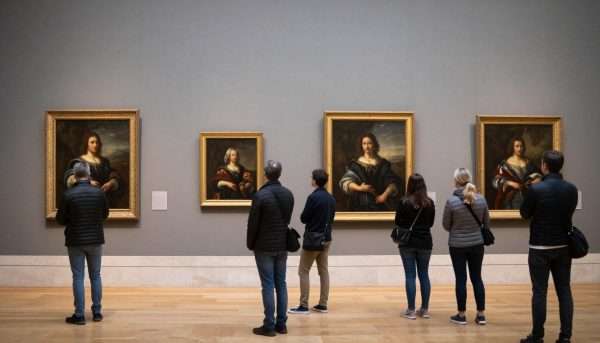
Keep voices low in museums. These are contemplative spaces where people come to appreciate art and history. Loud conversations, shouting across galleries, or disruptive behavior disturbs other visitors and violates the museum atmosphere.
Never touch artwork, displays, or exhibits unless explicitly permitted. Oils from skin damage art. Interactive exhibits clearly indicate when touching is allowed. When in doubt, assume hands-off.
Photography policies vary by museum and even by gallery within museums. Some prohibit all photography. Others allow photos without flash. Many ban selfie sticks. Check posted signs and respect restrictions.

Flash photography damages artwork and manuscripts. Even in museums that allow photography, flash is typically prohibited. Turn off your flash before entering galleries. Museum staff will reprimand visitors who use flash despite prohibitions.
Don’t block artwork while taking photos. Step aside after capturing your image. Other visitors want to see the piece, not wait while you perfect your shot. Selfies should be quick and considerate of others.
Guided Tour Etiquette
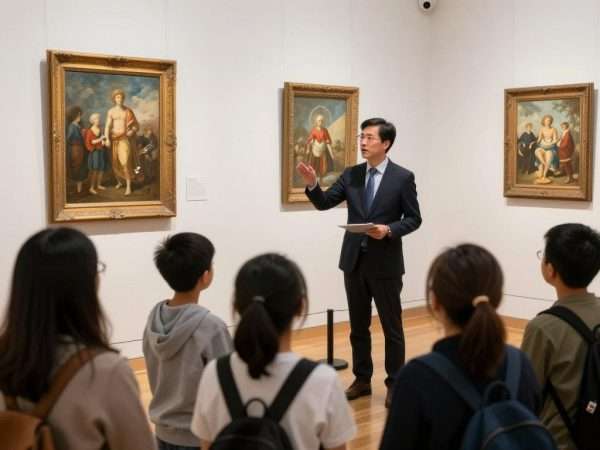
Arrive on time for scheduled guided tours. Tours begin promptly and won’t wait for latecomers. Missing the start means you’ve wasted your reservation and possibly prevented someone else from joining.
Stay with your group. Wandering off disrupts the tour and concerns the guide. If you need to leave temporarily, inform the guide. Don’t expect the tour to wait or backtrack for you.
Hold questions until appropriate moments. Guides typically pause for questions at certain points. Constant interruptions disrupt the flow and shortchange other participants.
Tip guides if you found the tour valuable. While not mandatory, 5-10 euros per person for good service is appreciated. Exceptional guides merit more generous tips.
Specific Venue Considerations
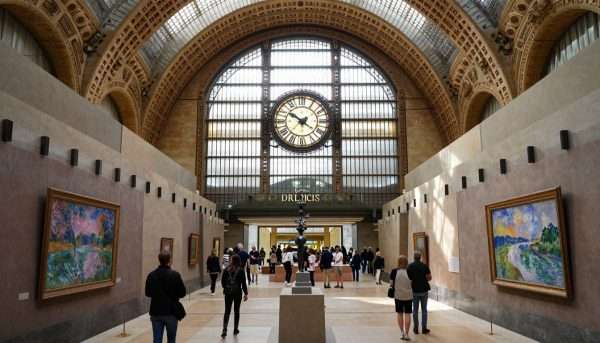
The Musée d’Orsay houses impressionist masterpieces in a converted train station. The unique architecture tempts people to photograph the building itself. This is allowed, but be mindful of other visitors when positioning yourself for architectural shots.
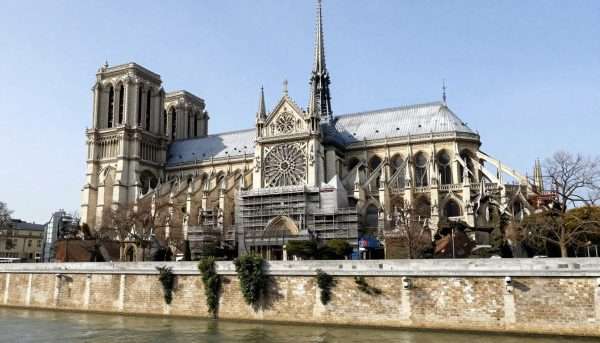
Notre Dame, while currently under reconstruction, remains a religious site. When it reopens, remember it’s an active place of worship, not just a tourist attraction. Dress modestly, speak quietly, and show reverence whether you’re religious or not.
The Eiffel Tower has specific rules about professional photography and commercial use. Personal photos are fine, but tripods and professional equipment require special permission. Security is tight—cooperate with all requests and screenings.
Smaller museums often have more intimate atmospheres. The Rodin Museum, Picasso Museum, and others allow closer appreciation of art. This makes considerate behavior even more important—your actions affect everyone’s experience more directly.
Street Behavior and Public Space Etiquette
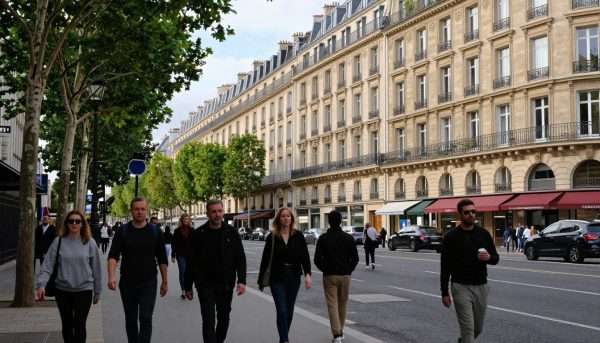
Public spaces in Paris operate according to unwritten social rules. Understanding street etiquette helps you navigate the city smoothly and avoid annoying locals or marking yourself as an inconsiderate tourist.
Sidewalk Navigation
Keep right on sidewalks, just like driving. Parisians walk purposefully and quickly. Meandering slowly while blocking the path frustrates people trying to get somewhere. If you need to stop to check directions or admire architecture, step to the side.
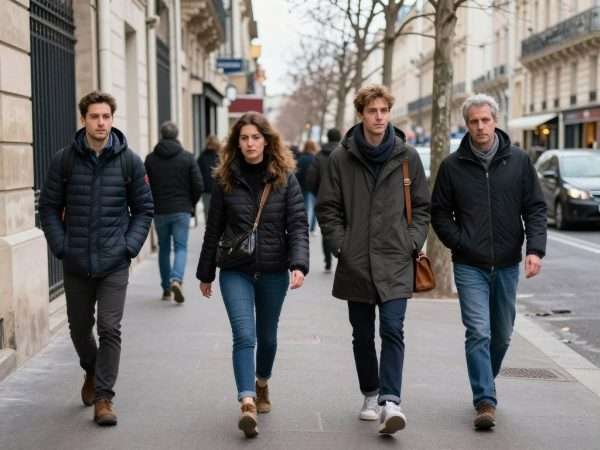
Groups should walk in pairs or single file on narrow sidewalks, not spread across the entire width. Four people walking abreast forces everyone else into the street. Reorganize your group to allow others to pass.
Don’t stop suddenly in the middle of sidewalk traffic. If you need to pause, move to the edge near buildings. Sudden stops cause pedestrian pile-ups, especially on busy shopping streets.
Photography Etiquette
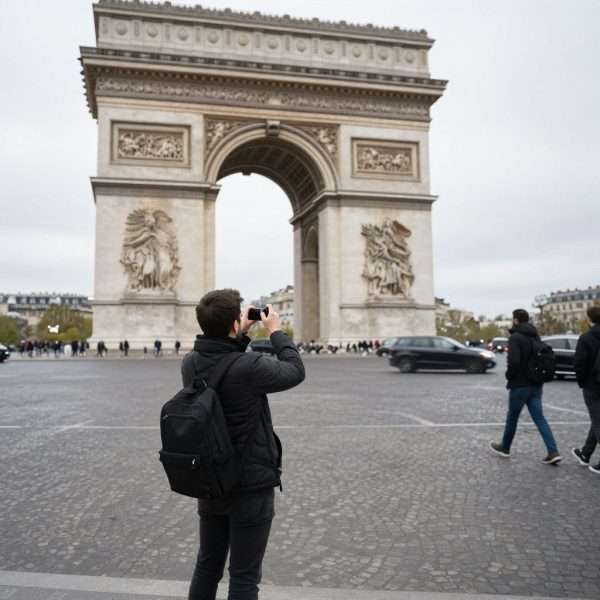
Paris is photographically stunning, but don’t block sidewalks or entrances while taking pictures. Step aside, take your photo quickly, and move on. Extended photo sessions that impede foot traffic annoy locals.
Be aware of your surroundings when photographing. Don’t back into people, streets, or obstacles. Many tourists injure themselves backing up for the perfect shot without looking.
Ask permission before photographing people directly, especially vendors, street performers (who may expect payment), or local residents. Candid street photography of general scenes is acceptable, but close-up portraits require consent.
Park and Garden Etiquette
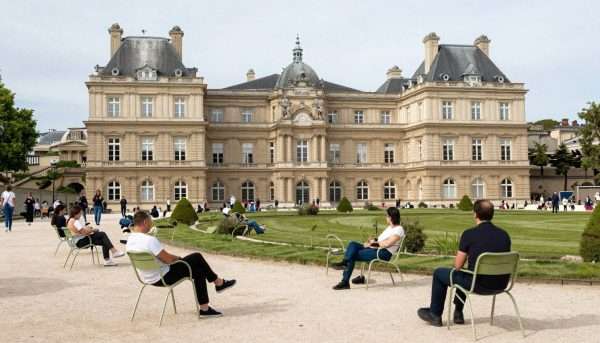
Paris parks have specific rules. Many lawn areas are off-limits (“Pelouse interdite” signs). Respect these restrictions. Designated areas allow sitting on grass. Signs indicate where you can and cannot walk or relax.
Park chairs are free to use and move. It’s perfectly acceptable to relocate chairs to your preferred spot. Return them to reasonable positions when you leave rather than abandoning them in random locations.
Keep parks clean. Use provided trash bins. Don’t leave food wrappers, bottles, or other garbage. Parks are shared community spaces that everyone deserves to enjoy in pristine condition.
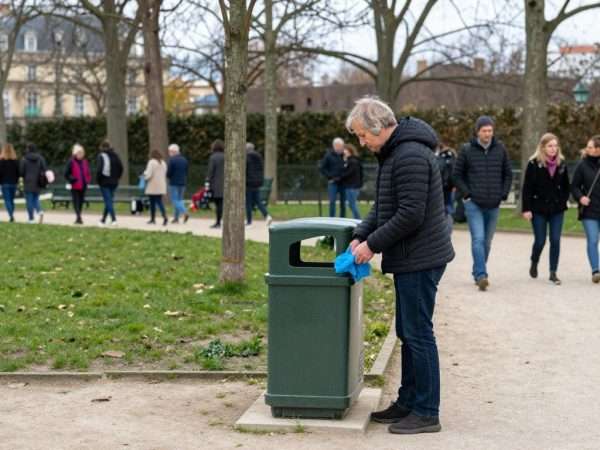
Dogs must be leashed in most park areas. Designated dog parks (squares pour chiens) allow off-leash play. Always clean up after dogs. Fines for not picking up waste are substantial.
Queuing and Waiting
Form orderly queues at attractions, shops, and services. Cutting in line is extremely rude and will draw sharp rebuke from those waiting properly. If you’re unsure where a queue starts, ask rather than assuming.

In bakeries and small shops without clear queues, the system works on acknowledging arrival order. Note who was before you and go after them. Shopkeepers remember the order and will correct queue-jumpers.
Wait your turn without complaint. Rushing or showing impatience won’t speed things up and marks you as entitled. Parisians value efficiency but also proper process.
Smoking Regulations
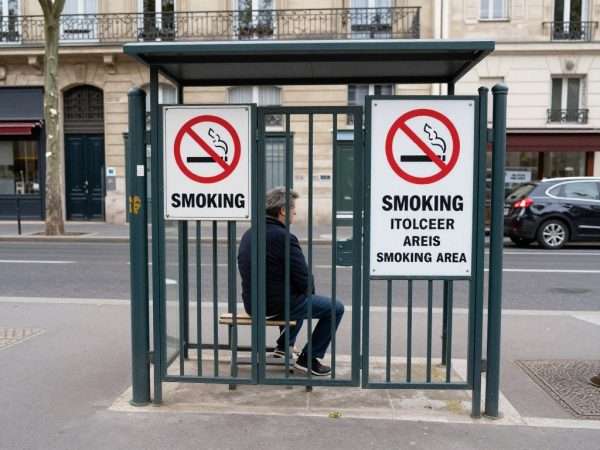
Smoking is prohibited in all enclosed public spaces, including restaurants, cafes, shops, and public transportation. Designated outdoor areas permit smoking. Cafe terraces generally allow smoking.
Don’t smoke while walking through crowded areas. Cigarette smoke trailing into people’s faces as you walk is inconsiderate. If you must smoke while moving, hold the cigarette away from others and be aware of wind direction.
Dispose of cigarette butts properly. Street ashtrays are common. Using them prevents fire hazards and keeps Paris clean. Flicking butts onto sidewalks or streets is illegal and disrespectful.
Language and Communication Etiquette

Language barriers present challenges in any foreign city. Paris has a reputation for linguistic snobbery, but understanding proper communication etiquette helps bridge language gaps and fosters positive interactions.
Making the Effort
Always attempt French first, even if you know only basic phrases. Starting with “Parlez-vous anglais?” (Do you speak English?) shows respect for the local language. Most Parisians appreciate the effort, even if your French is imperfect.
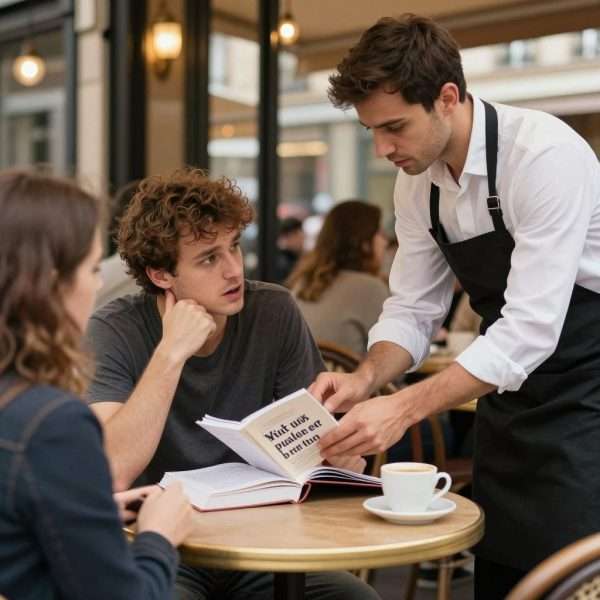
Learn essential phrases before arriving. “Bonjour” (hello), “merci” (thank you), “s’il vous plaît” (please), “excusez-moi” (excuse me), and “au revoir” (goodbye) are mandatory. These basics show respect and goodwill.
Don’t assume everyone speaks English. While many Parisians do speak English, especially in tourist areas, expecting it as a default is presumptuous. Appreciate when people accommodate your language limitations rather than treating it as entitlement.
When Language Barriers Arise

Stay patient and polite when communication is difficult. Frustration helps no one. Speak clearly but don’t shout—speaking louder doesn’t make English more comprehensible to French speakers. Slow, simple sentences work better than complex explanations.
Use translation apps when needed. Google Translate and similar tools help bridge communication gaps. Show translated text rather than expecting others to read your phone screen from a distance.
Write down addresses, numbers, or other specific information. This prevents misunderstandings and gives both parties something concrete to reference. Paper and pen still work remarkably well.
Pronunciation and Common Mistakes
Attempt correct pronunciation but don’t stress over perfection. Parisians recognize when you’re trying genuinely versus mocking or being careless. Effort matters more than flawless execution.

Common mistakes include mispronouncing “merci” (it’s “mare-see” not “murky”) and “croissant” (the final “t” is silent). Parisians forgive imperfect pronunciation but appreciate when tourists make reasonable attempts.
Avoid offensive language unless you understand context fully. French swear words are common in casual speech among friends but inappropriate in service interactions or with strangers. When in doubt, keep language clean and formal.
Non-Verbal Communication

Personal space standards differ from some cultures. Parisians maintain moderate distance in public interactions but stand closer in social situations than some Northern European or American standards. Follow local cues and match the space others maintain.
Eye contact shows respect and engagement during conversations. Avoiding eye contact seems suspicious or disrespectful. However, staring at strangers on public transportation is rude—there’s a difference between appropriate eye contact and staring.
Hand gestures can communicate when words fail, but be aware that some gestures have different meanings in France than elsewhere. The “okay” sign and thumbs up are generally understood, but obscene gestures obviously should be avoided.
Specific Dining Situations and Food Etiquette
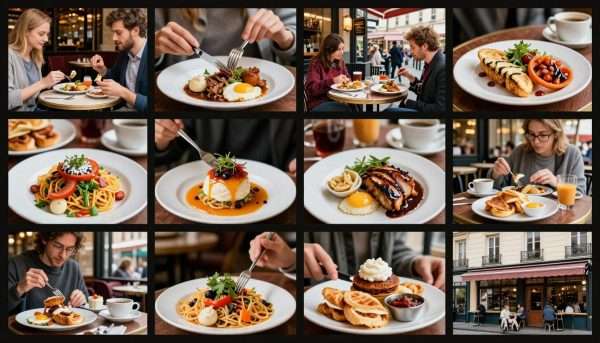
Beyond general restaurant etiquette, specific dining situations in Paris have their own protocols. Understanding these nuances enhances your culinary experiences and prevents cultural missteps.
Breakfast Culture
Traditional French breakfast is light—typically coffee and a pastry. Extensive breakfast buffets are tourist-oriented, not authentically Parisian. If your hotel offers Continental breakfast, it’s convenient, but local cafés provide more authentic experiences.

Order breakfast items only during breakfast hours. Croissants and pain au chocolat are morning foods. Requesting them mid-afternoon marks you as a tourist. Bakeries sell them all day, but cafés serve breakfast items only in the morning.
Coffee with milk (café crème or café au lait) is primarily a morning beverage. After lunch, Parisians drink espresso. Ordering a large milky coffee after dinner seems strange to French sensibilities.
Lunch Timing and Structure

Lunch typically runs from noon to 2 PM. Many restaurants Paris offer prix fixe lunch menus (formules) that provide good value. These usually include an appetizer and main course or main course and dessert, sometimes with wine or coffee included.
Business lunches are common and can be lengthy. If you’re meeting someone for business lunch, expect it to last 90 minutes or more. This isn’t inefficiency—it’s relationship building integrated with dining culture.
Not all restaurants serve food all afternoon. Many close between lunch and dinner service (around 2:30-7 PM). If you need food during this gap, seek cafés, brasseries, or tourist-oriented restaurants that serve continuously.
Dinner Customs
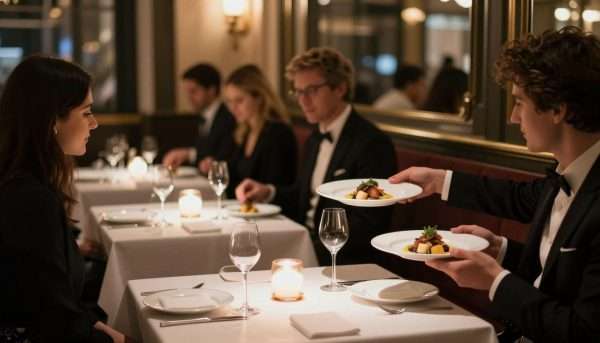
Dinner starts later in Paris than in many countries. Restaurants begin dinner service around 7:30-8 PM, with peak dining from 8:30-10 PM. Arriving at 6 PM for dinner confuses servers—you’ll likely find the restaurant not yet prepared for dinner service.
Dinner is the main meal and largest social event of the day. It’s leisurely and can last several hours. Don’t rush through dinner or expect quick service. Embrace the slow pace and savor the experience.
Sharing dishes family-style is not traditional in Parisian restaurants. Each person orders their own courses. Asking to taste someone else’s food is acceptable among close friends but less common than in some cultures.
Wine and Alcohol Consumption
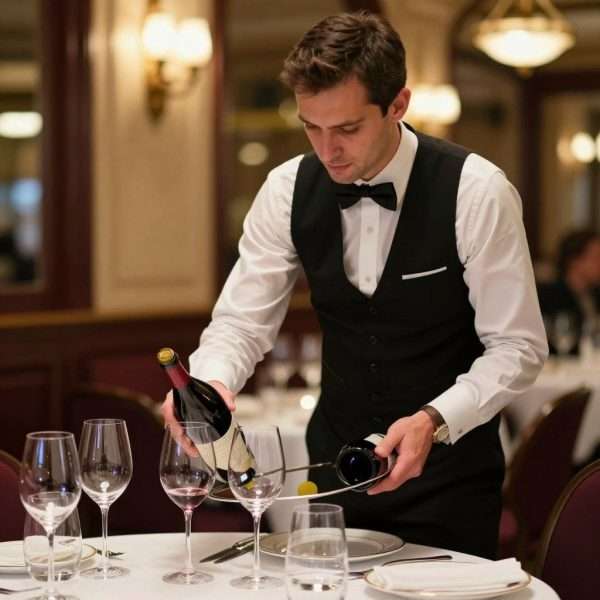
Wine accompanies most lunches and dinners for many Parisians. Moderate consumption is normal and socially acceptable. However, visible intoxication is considered shameful and uncouth. Drink wine for enjoyment and enhancement of food, not to get drunk.
If you don’t drink alcohol, this is completely acceptable. Simply order water or soft drinks. No explanation is necessary. Parisians respect personal choices regarding alcohol consumption.
Ordering cocktails before dinner (apéritif) is common. House cocktails or classic drinks like kir (white wine with blackcurrant liqueur) are popular choices. Sweet cocktails during the meal itself are less traditional—wine is preferred with food.
Street Food and Casual Eating
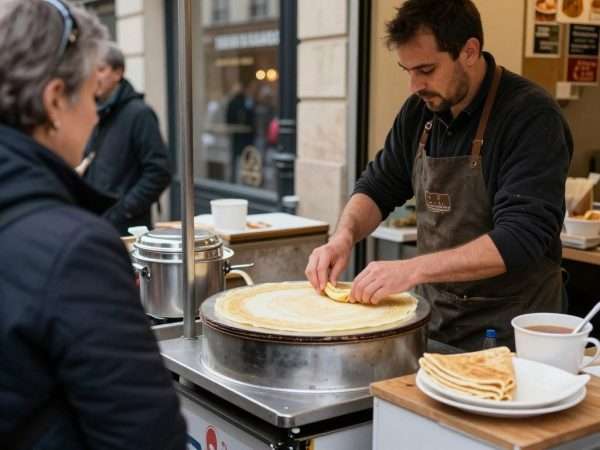
Crêpes, both savory (galettes) and sweet (crêpes), are popular street food. These are acceptable to eat while walking. However, eating full meals while walking through the city is less common and looks out of place.
Falafels in the Marais district, Vietnamese bánh mì, and other international street foods have their own consumption norms. Usually eaten on-the-go or at casual standup counters rather than sit-down affairs.
Baguette sandwiches (jambon-beurre is classic) are acceptable lunch options eaten in parks or on benches. This is one situation where casual outdoor eating is completely normal, especially during nice weather.
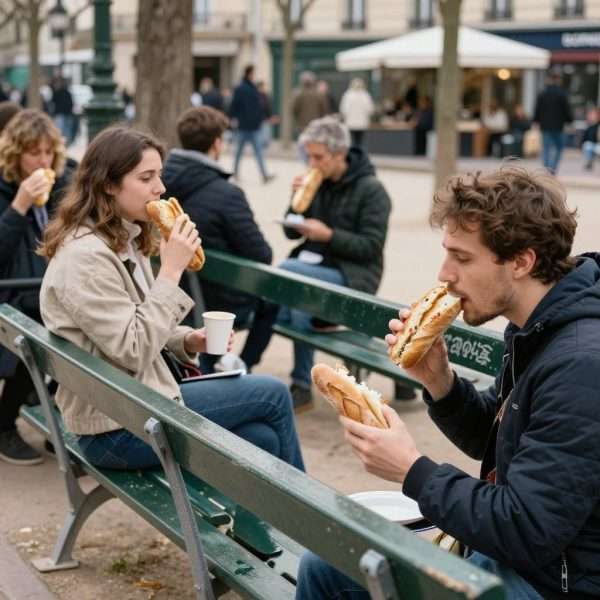
Food trucks and market food stalls operate under similar casual eating norms. These are designed for quick, informal meals. Don’t expect elaborate table service, but do dispose of trash properly and maintain basic courtesy.
Find Your Perfect Paris Accommodation
Search hotels by arrondissement to stay in the neighborhood that best suits your interests. Filter by budget, amenities, and proximity to attractions. Real reviews from verified travelers.
Neighborhood-Specific Etiquette and Arrondissement Guide
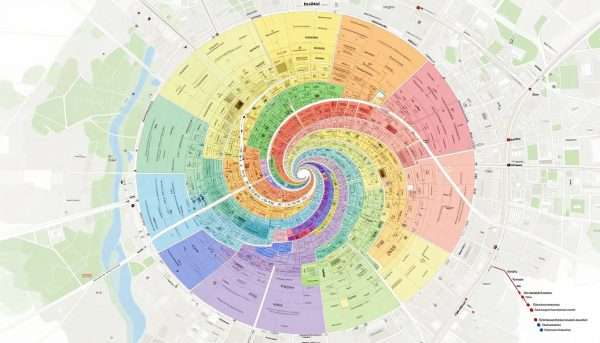
Paris divides into 20 arrondissements, each with distinct character and local customs. Understanding neighborhood differences helps you navigate social expectations and choose areas that match your interests.
Central Historic Districts (1st-4th Arrondissements)
The first four arrondissements contain major tourist attractions. These areas are accustomed to visitors but still expect respectful behavior. Higher concentration of international visitors means more English is spoken, but French greetings remain important.
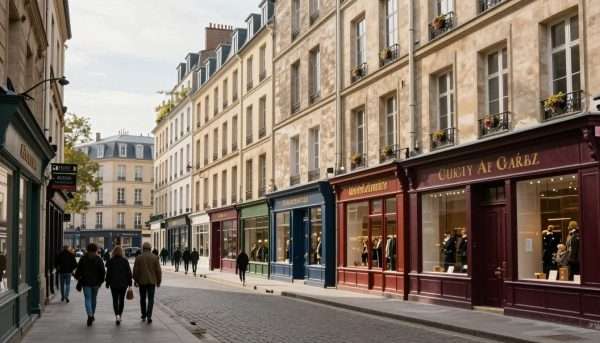
The Marais (3rd and 4th) has significant LGBTQ+ community presence. This district is open and welcoming but still follows general Parisian etiquette. The Jewish quarter in the 4th requires cultural sensitivity—respect religious observances and traditions.
Around Notre Dame and Île de la Cité, crowds can be intense. Extra patience is necessary. Pickpockets target these tourist-heavy areas—stay aware of your belongings without being paranoid.
Left Bank Intellectual Districts (5th-6th Arrondissements)
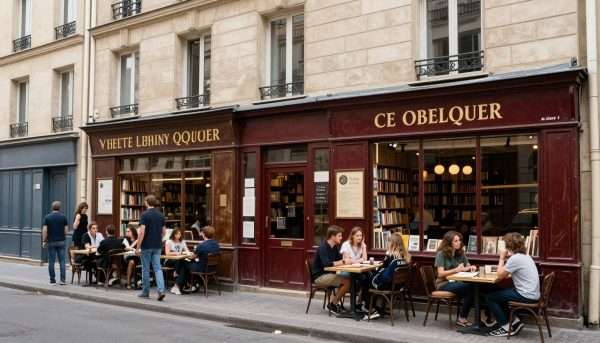
The Latin Quarter (5th) and Saint-Germain-des-Prés (6th) maintain intellectual, bohemian traditions. Literary cafés and philosophical history permeate these areas. Appreciate the cultural heritage—these neighborhoods shaped modern Western thought.
Students frequent the 5th arrondissement. Casual, affordable eateries dominate alongside upscale options. The mix creates diverse atmosphere where both budget meals and fine dining coexist comfortably.
Saint-Germain (6th) is more upscale and fashion-conscious. Dress standards lean slightly more formal here. The area attracts art galleries, designer boutiques, and sophisticated dining establishments.
Elegant Residential Areas (7th-8th Arrondissements)
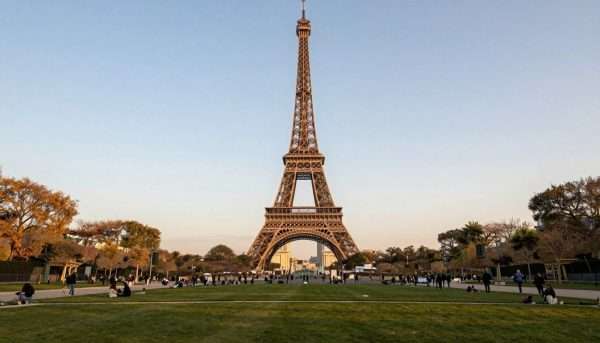
The 7th arrondissement, home to the Eiffel Tower and many ministries, is refined and residential. Behavior expectations are more formal. This is not a party district—respect the residential nature and keep noise levels appropriate.
The 8th, featuring the Champs-Élysées, represents luxury and prestige. High-end shopping dominates. Service in this arrondissement expects sophistication. Dress well and maintain polished behavior in this most tourist-visible area.
Both districts have substantial international business presence. Professional demeanor serves you well. These areas represent Paris at its most formal and image-conscious.
Authentic Local Districts (10th-20th Arrondissements)

Outer arrondissements offer authentic Parisian life with fewer tourists. Areas like the 10th near Gare du Nord, the 11th around Bastille, and the 19th and 20th in eastern Paris show how locals actually live.
English is less commonly spoken in these neighborhoods. Your French phrases become more important. Locals appreciate visitors who make the effort to experience “real Paris” beyond tourist zones.
These districts have diverse immigrant communities. Respect cultural differences and religious practices. You’ll find excellent ethnic restaurants and authentic experiences that tourist areas can’t provide.
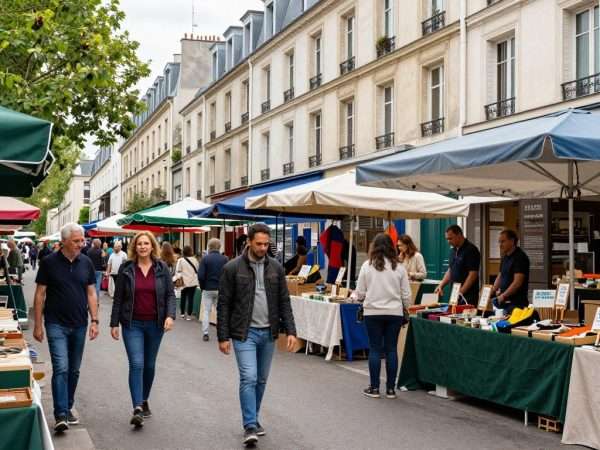
Safety in outer arrondissements varies by specific area and time. While most neighborhoods are perfectly safe, exercise normal urban caution. Stay aware of surroundings, particularly at night in less-trafficked areas.
Montmartre and Special Districts
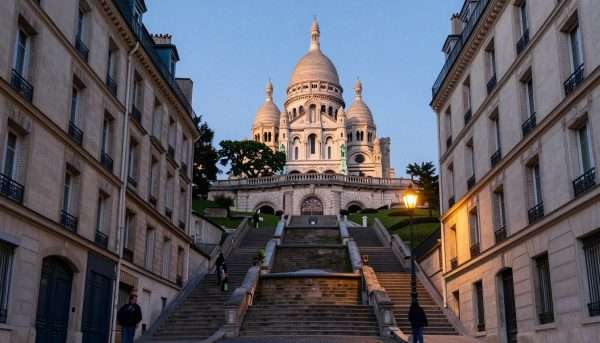
Montmartre (18th) has unique character as the historic artists’ quarter. The area attracts many tourists but retains bohemian spirit. Respect local artists, but be wary of aggressive portrait sellers and scam artists in the most touristy spots.
The area around Sacré-Cœur requires particular awareness. Aggressive bracelet sellers and petition scammers target tourists. Politely but firmly decline unwanted interactions. “Non, merci” and keep walking.
Lower Montmartre, away from the basilica, offers authentic neighborhood character. Quieter streets and local businesses provide glimpse into the district’s artistic heritage without tourist crowds.
Seasonal Considerations and Weather Etiquette
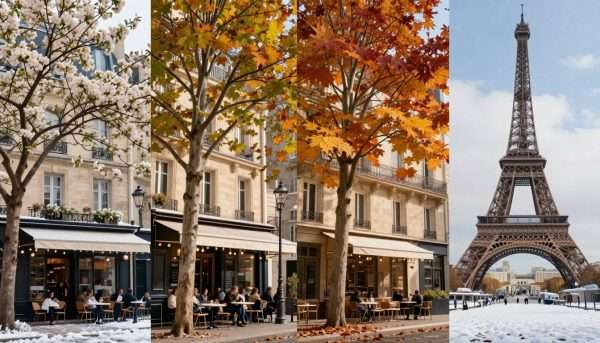
Paris experiences distinct seasons, each bringing different behavioral expectations and practical considerations. Understanding seasonal norms helps you prepare appropriately and respect local customs throughout the year.
Spring in Paris (March-May)
Spring weather is unpredictable. Carry an umbrella and light jacket even on sunny mornings. Locals always prepare for rain—being caught unprepared marks you as a tourist.
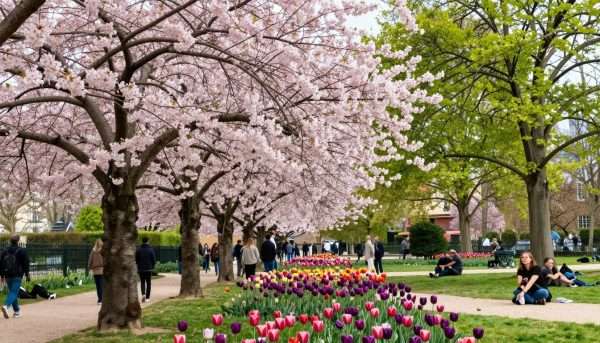
Parks and gardens bloom spectacularly in spring. Respect flower beds and landscaping—don’t pick flowers or damage plantings for photos. Gardeners work year-round to maintain these spaces for everyone’s enjoyment.
Easter week brings school vacations. Museums and attractions become more crowded. French families travel during this period, joining international tourists. Patience and advance planning matter more during spring break.
Summer Months (June-August)
August is vacation month in France. Many Parisians leave the city. Some local businesses, particularly smaller shops and restaurants, close for several weeks. Tourist-oriented establishments remain open, but authentic neighborhood spots may be shuttered.
Summer heat can be intense, and air conditioning is less common than in some countries. Dress in light, breathable fabrics while maintaining style standards. Hydrate regularly and seek shade during peak heat.
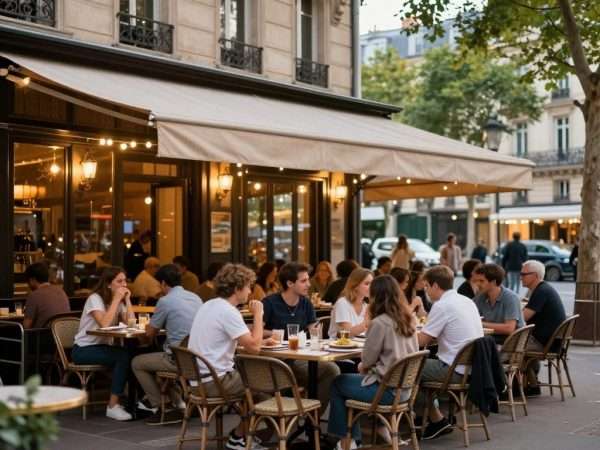
Outdoor dining peaks in summer. Terrace seating is premium space. Make reservations when possible. Even without reservations, arrive early (7-7:30 PM) for better chances of securing outdoor tables.
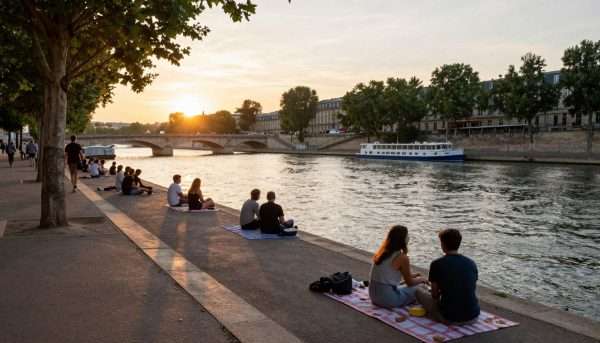
Paris Plages transforms Seine riverbanks into temporary beaches. These installations are family-friendly and popular with locals. Respect shared space, supervise children, and follow posted rules about swimming and activities.
Autumn Season (September-November)
Fall is arguably the best time to visit Paris. Weather is pleasant, crowds thin after summer, and cultural season begins in earnest. Fashion week in September and October brings international style focus—dress standards increase slightly.
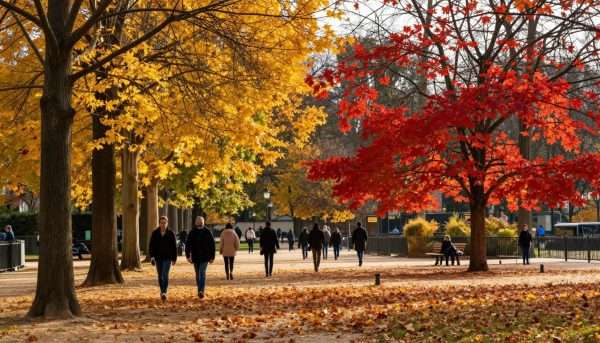
Fall dining emphasizes seasonal produce. Mushrooms, game, and root vegetables appear on menus. Wine harvest season brings new wine celebrations. Showing interest in seasonal specialties demonstrates cultural appreciation.
Museums launch major exhibitions in fall. These draw substantial crowds, particularly on rainy days when outdoor activities lose appeal. Book timed entry tickets in advance for popular exhibitions.
Winter Period (December-February)
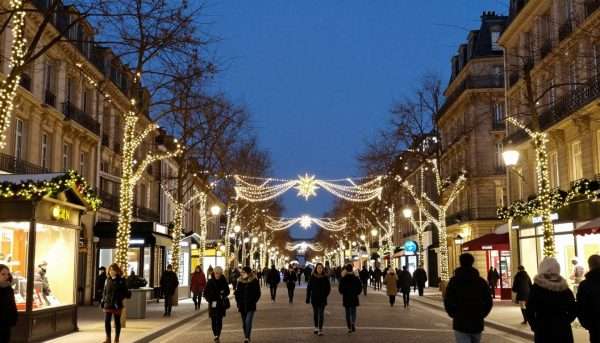
Holiday season brings magical decoration and festive markets. Christmas markets follow German traditions—browse respectfully, purchase items if you handle them extensively, and expect to buy beverages (wine, hot chocolate) rather than receiving free samples.
January sales (soldes) begin after New Year. These official sale periods create shopping frenzies. Stores become crowded and somewhat chaotic. Patience and persistence pay off for serious shoppers seeking bargains.
Winter weather is cold and damp rather than snowy. Proper coat, scarf, and waterproof shoes are essential. Heated terraces extend outdoor dining into winter—these spaces are popular and require reservations.
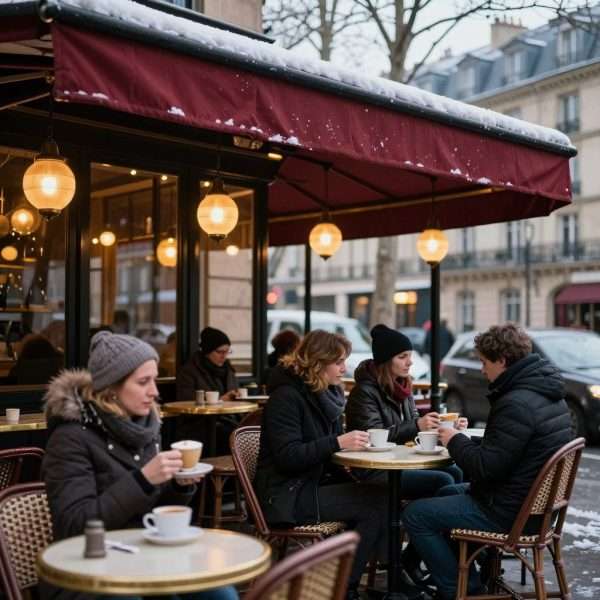
February can feel dreary. This is low season with fewer tourists and lower prices. Cultural activities continue strong—indoor attractions like museums, theaters, and concert halls thrive regardless of weather.
Weather-Related Behavior
Parisians don’t let weather stop them. Rain doesn’t mean canceling plans—it means bringing an umbrella and continuing. Adopt this resilient attitude rather than complaining about weather you can’t control.
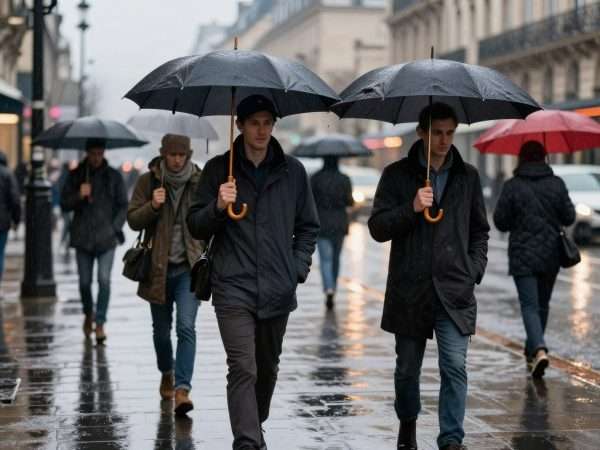
Share umbrella space when possible but respect personal boundaries. Shake umbrellas outside before entering buildings. Wet umbrellas have designated stands or bags in many establishments—use them rather than dripping on floors.
Snow is rare but disruptive. Transportation may face delays. Allow extra time and pack patience. Enjoy the novelty—snow transforms Paris into a fairy tale but challenges the city’s infrastructure.
Business and Professional Etiquette

Business culture in Paris follows specific protocols that differ from other international business centers. Understanding professional etiquette is essential for successful business interactions in the French capital.
Professional Introductions and Meetings
Business cards are essential. Present them with both hands, French side facing the recipient. Take time to read cards you receive rather than immediately pocketing them. This shows respect for the other person’s position and company.

Punctuality matters for business meetings, though social flexibility exists for meals. Arrive 5-10 minutes early. If you’ll be late, call ahead and apologize. Chronic lateness damages professional reputation.
Meetings begin formally. Use titles (Monsieur, Madame) and surnames unless invited to use first names. This formality may persist for months or never change at all, depending on company culture and individual preference.
Business Dining
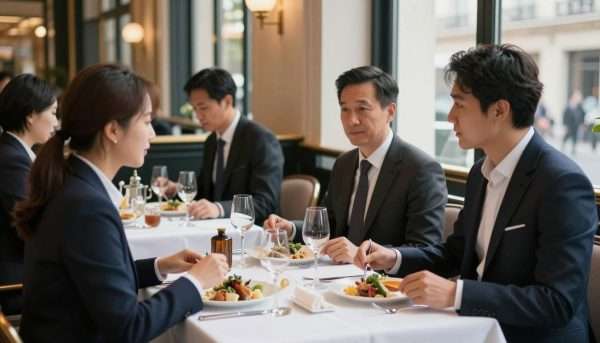
Business lunches are common and lengthy. Two-hour lunches are normal, not excessive. Initial business meals focus on relationship building rather than immediate deal closing. French business culture values personal connection before transaction.
Let your French host take the lead regarding business discussion during meals. Some prefer to save business talk until coffee, treating the meal primarily as social bonding. Others integrate business throughout. Follow their cues.
The person who initiated the meal typically pays. If you invited, insist on paying. Splitting bills in business contexts is unusual and can seem cheap. Reciprocate by hosting future meals.
Communication Style

French business communication tends toward intellectual discourse and debate. Disagreement isn’t necessarily negative—it’s engagement with ideas. Don’t take philosophical debate or devil’s advocate positions personally.
Written communication should be formal. Emails begin with proper salutations and end with formal closings. First emails use vouvoiement (vous form). Match the formality level of your correspondent’s messages.
Presentations should be well-structured and logical. French business culture appreciates intellectual rigor and sophisticated argument. Superficial or overly emotional presentations don’t command respect.
Professional Attire
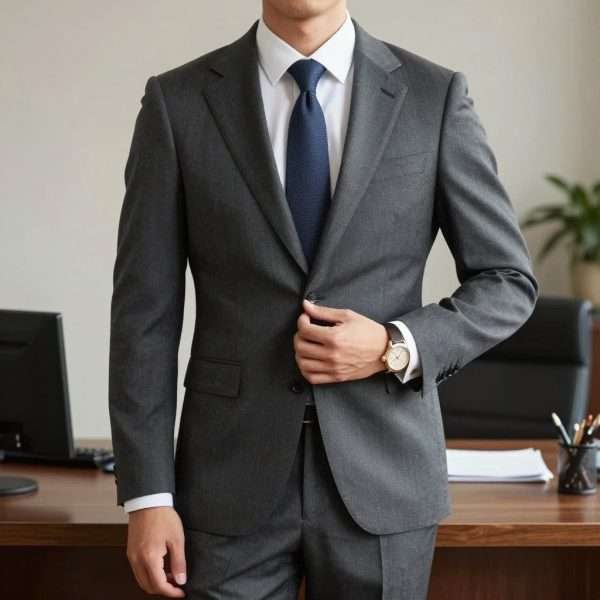
Business dress in Paris is formal and conservative. Men should wear suits in classic colors with quality shirts and ties. Women should choose elegant suits, dresses, or separates in sophisticated styles.
Fashion consciousness applies even in business settings. Ill-fitting or outdated clothing undermines professional credibility. Investment in quality business wardrobe pays dividends in Paris business world.
Casual Friday is less common in Paris business culture than in some countries. Unless your specific company practices it, assume traditional business dress every day.
Emergency Situations and Problem Resolution
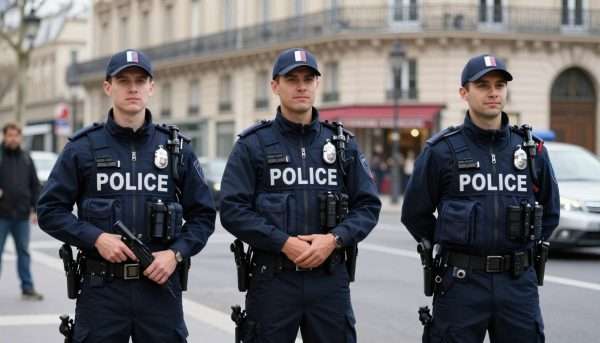
Understanding how to handle emergencies and resolve problems in Paris helps you stay safe and navigate difficulties effectively. Knowing proper procedures and cultural expectations for crisis situations provides peace of mind.
Emergency Services and Numbers
The universal European emergency number is 112. This reaches operators who speak multiple languages and can dispatch appropriate services. The number works from any phone, including locked or unactivated mobile phones.
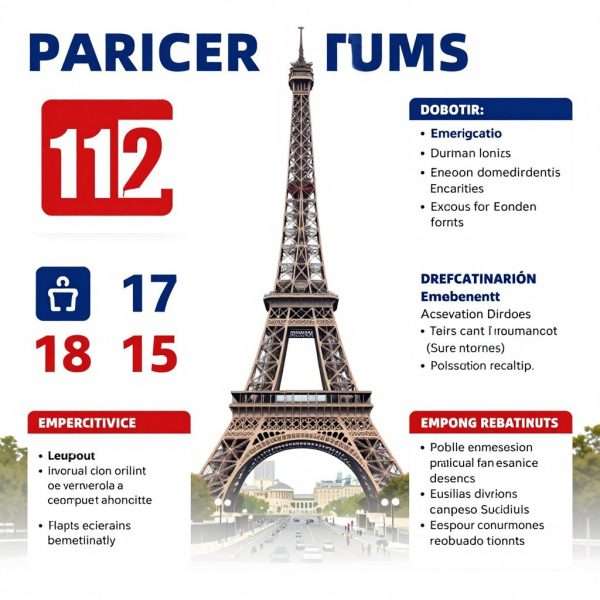
Specific French emergency numbers include 17 for police, 18 for fire department, and 15 for medical emergency (SAMU). These connect you directly to specialized services, though 112 remains the safest choice if you’re unsure which service you need.
For non-emergency police matters, visit the nearest police station (commissariat de police). These handle theft reports, lost passport documentation, and other non-urgent issues. Bring identification and be prepared to file reports in French or wait for English-speaking officers.
Medical Emergencies

Emergency rooms (urgences) operate 24/7 at major hospitals. European Health Insurance Card (EHIC) holders from EU countries receive care under reciprocal agreements. Non-EU visitors should have travel insurance as medical care can be expensive.
Pharmacies (marked with green crosses) provide first aid advice and over-the-counter medications. Pharmacists are highly trained and can recommend treatment for minor ailments. At least one pharmacy in each arrondissement operates 24 hours—check posted schedules or ask your hotel.
If you have ongoing medical needs, bring sufficient medication and prescriptions. Prescription systems differ internationally. Your usual medication may have different names or require new prescriptions in France.
Theft and Safety Issues
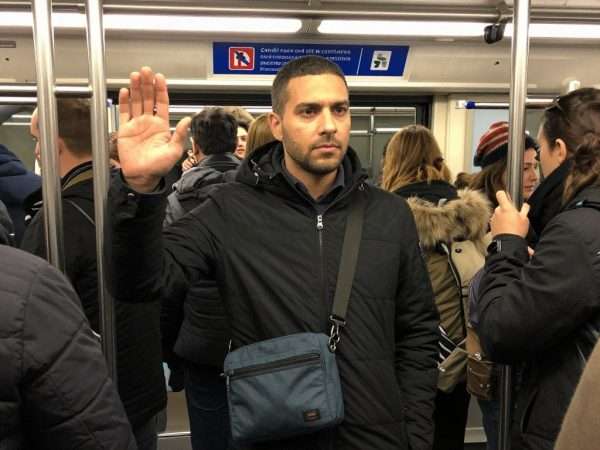
Pickpocketing is common in tourist areas, particularly metro stations, major attractions, and crowded markets. Stay aware of surroundings. Keep valuables secure and don’t display expensive items unnecessarily.
If theft occurs, report it immediately to police for insurance purposes. You’ll need a police report (déclaration de vol) to file insurance claims or replace documents. Police stations can be slow—allow several hours for the reporting process.
Lost or stolen passports require immediate action. Contact your embassy or consulate for emergency travel documents. U.S. citizens should visit the American Embassy; other nationalities should contact their respective diplomatic missions.
Conflict Resolution

If you have problems with service, accommodations, or purchases, address them calmly and directly. Emotional outbursts don’t work in French culture—rational explanation of the problem and desired resolution are more effective.
Consumer protection laws in France are strong. If businesses refuse reasonable requests, you have recourse through consumer protection agencies. Documentation (receipts, contracts) is essential for formal complaints.
For serious disputes, your embassy can provide information about local legal resources but generally cannot intervene in private disputes. They can connect you with English-speaking lawyers if necessary.
Cultural Sensitivity and Social Awareness
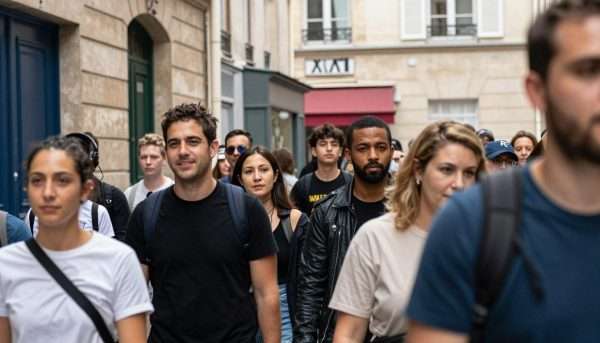
Paris is increasingly multicultural while maintaining strong French identity. Navigating this cultural complexity requires sensitivity, awareness, and respect for both French traditions and diverse communities that call Paris home.
Religious and Cultural Diversity
France is officially secular (laïcité), meaning religion is private rather than public. This principle shapes many social norms. Overt religious displays in government spaces are prohibited, though religious practice is protected in private and designated religious spaces.
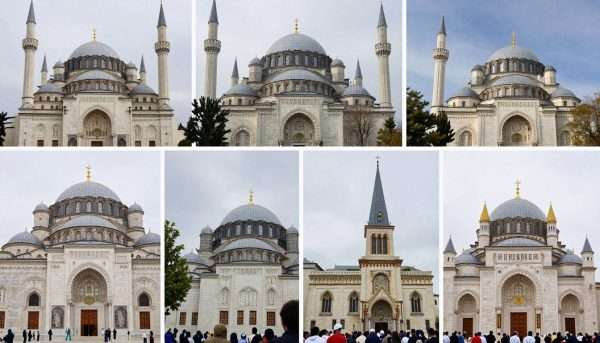
Respect religious spaces regardless of your personal beliefs. Synagogues may have security measures—cooperate patiently. Mosques have prayer times when non-Muslims shouldn’t visit. Churches welcome tourists but expect quiet respect during services.
Dietary restrictions are generally accommodated in Paris restaurants. Halal, kosher, vegetarian, and vegan options exist throughout the city. Communicate your needs clearly when making reservations or ordering.
LGBTQ+ Considerations
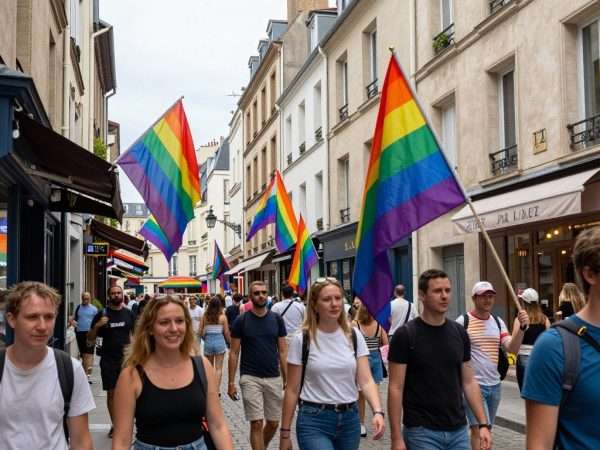
Paris is generally LGBTQ+ friendly, particularly in districts like the Marais. Same-sex marriage is legal, and discrimination is prohibited. However, discretion in highly traditional areas or conservative establishments may still be prudent.
Public displays of affection follow the same norms regardless of sexual orientation. Moderate affection is acceptable; excessive public intimacy is considered inappropriate for all couples.
Disability Access and Inclusion
Paris has made progress in accessibility but challenges remain, particularly in historic buildings and older metro stations. Many newer facilities meet modern accessibility standards. Research specific venue accessibility before visiting.
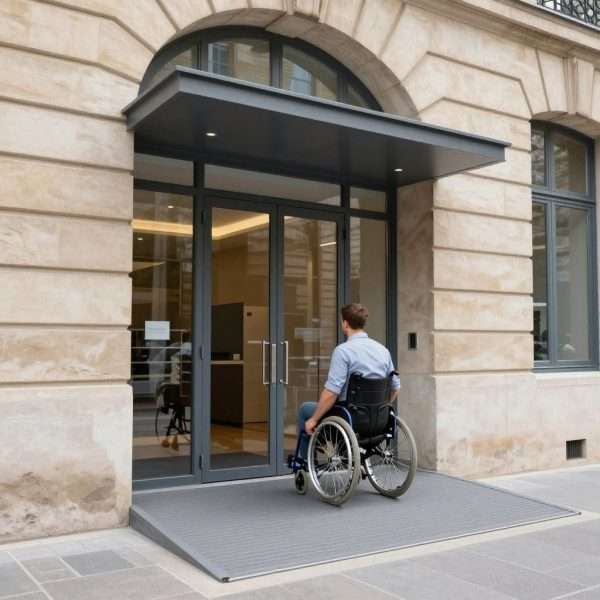
Priority seating on public transportation is taken seriously. People generally offer seats to those who need them. Don’t hesitate to request assistance if you need it—Parisians respect disability needs even if infrastructure isn’t always ideal.
Service animals are permitted in most public spaces. French law protects service animal access to restaurants, shops, and transportation. Bring documentation of your service animal’s status to smooth any questioning.
Age and Generational Respect
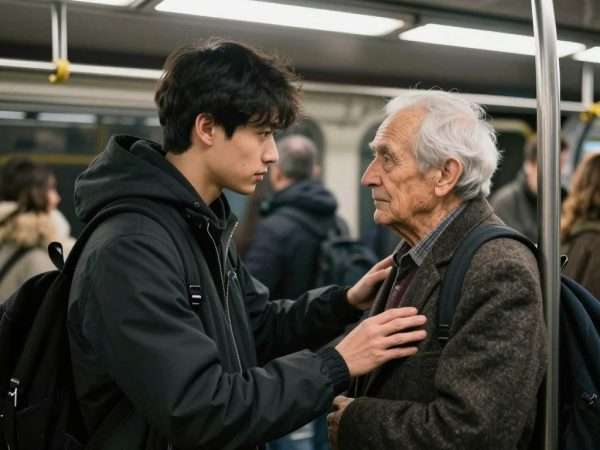
French culture maintains traditional respect for elders. Offer seats to elderly passengers, hold doors, and show patience with older people who move more slowly. This courtesy is expected social behavior, not optional.
Young people should address elders formally unless invited to do otherwise. The informal “tu” form should not be used with elderly strangers regardless of your age. This shows proper respect for generational hierarchy.
Traveling with Children: Family Etiquette
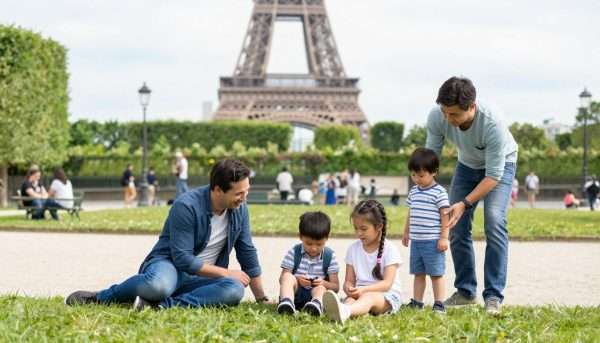
Paris welcomes families but expects children to behave appropriately in public. French parenting emphasizes early behavioral expectations. Understanding these cultural norms helps families navigate Paris smoothly and enjoyably.
Restaurant Behavior with Children
Children are welcome in most Paris restaurants, but behavior standards are higher than in some countries. French children typically sit quietly at tables and use indoor voices. Restaurants won’t tolerate running, shouting, or disruptive behavior.
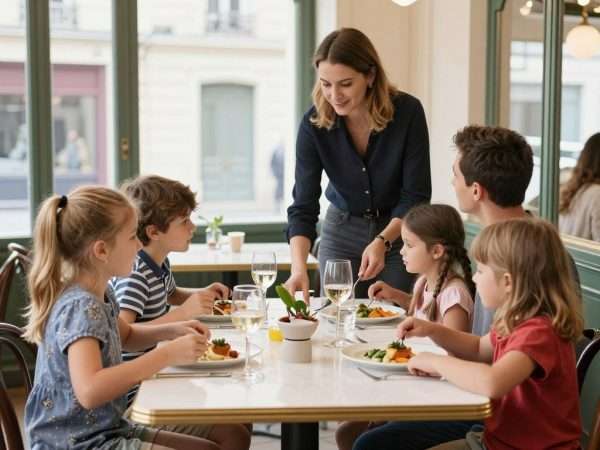
Bring quiet activities to occupy children during meals but not electronic devices with sound. Tablets and phones should use headphones if necessary. Many French parents engage children in conversation rather than providing constant entertainment.
High chairs are available at family-friendly restaurants but may not be standard everywhere. Call ahead to confirm availability. Children’s menus exist but aren’t universal—many French children eat from the regular menu.
Public Transportation with Children
Children under 4 ride free on Paris public transportation. Ages 4-9 receive discounted fares. Strollers are permitted on metro and buses but fold them during rush hour when possible to ease crowding.
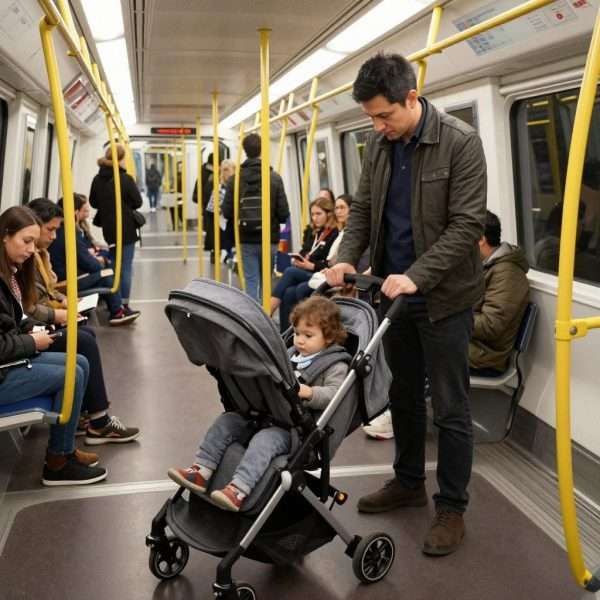
Control children on public transportation. Don’t let them run between cars, kick seats, or disturb other passengers. French cultural expectation is that parents actively manage children’s behavior rather than tolerating disruption.
Elevators at metro stations prioritize people with mobility issues, strollers, and heavy luggage. If the elevator is crowded, able-bodied adults should take stairs or escalators to make room for those who need lifts.
Attractions and Cultural Sites
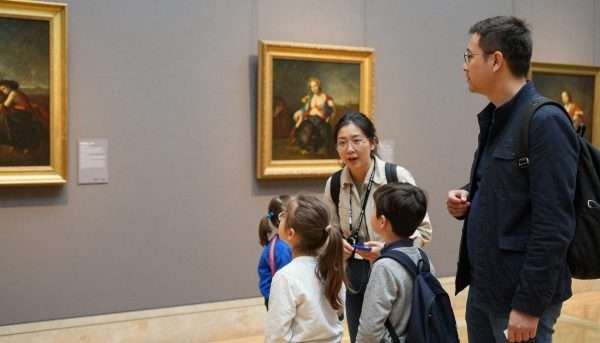
Many museums offer family programs and children’s activities. These make cultural visits more engaging for young visitors. Book these programs in advance as they often fill quickly, especially during school holidays.
Prepare children before museum visits about behavioral expectations. Explain that museums require quiet voices, gentle movement, and no touching. Children who understand expectations in advance perform better.
Take breaks when children show fatigue. Better to leave early and return another day than force an increasingly cranky child to continue, disrupting other visitors’ experiences.
Parks and Playgrounds
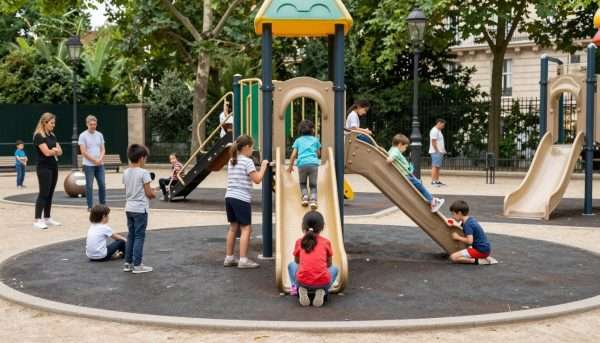
Paris parks have designated play areas for children. Supervise children actively—French parents don’t typically hover but do maintain awareness. Playground equipment is shared space; teach children to take turns and play cooperatively.
Many parks have restricted grass areas. Check signage before letting children run on lawns. Designated play areas and open lawns are available, but manicured display gardens are off-limits.
Clean up after your children. Bring wipes for sticky hands and bags for trash. Leave play areas as you found them—put toys back, throw away garbage, and demonstrate environmental respect.
Age-Appropriate Behavior Standards
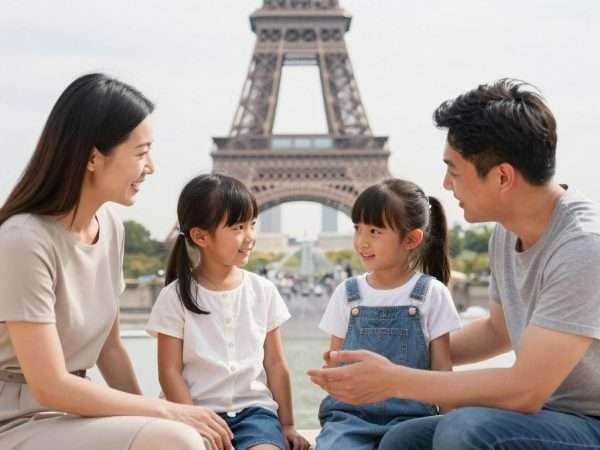
French culture expects earlier behavioral maturity than some countries. Children as young as 4-5 are expected to greet adults politely, sit through meals, and control their voices in public. While your children may not reach French standards, showing that you’re teaching and enforcing expectations earns respect.
Teenagers should follow the same etiquette as adults—greeting people, using proper table manners, and maintaining appropriate volume. French adolescents are typically given more independence but expected to behave maturely.
Get Your Personalized Paris Itinerary
Let our Paris experts create a custom itinerary based on your interests, budget, and travel style. Includes etiquette tips, insider recommendations, and day-by-day guidance for your perfect Paris experience.
- Day-by-day detailed itinerary
- Restaurant recommendations with etiquette tips
- Transportation guidance and metro routes
- Attraction timing and ticketing advice
- Neighborhood-specific behavior tips
- Emergency contacts and resources
- Cultural do’s and don’ts for each activity
- Budget breakdown and money-saving tips
Monday-Friday, 9 AM – 6 PM Paris time
Practical Tips Summary: Quick Reference Guide
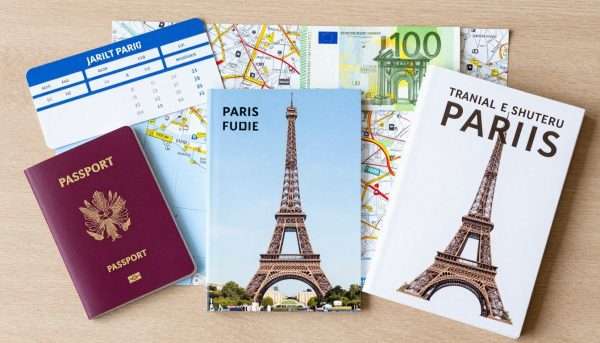
This section consolidates essential practical information for easy reference. Use these quick tips to navigate common situations confidently and avoid frequent visitor mistakes.
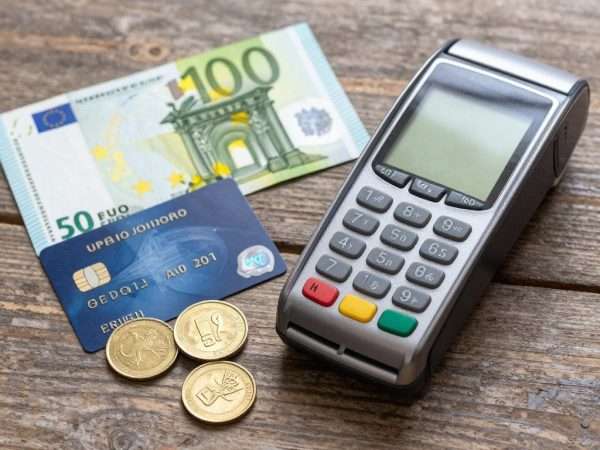
Money and Payment Essentials
Currency and Cards
- France uses euros (€)
- Credit cards widely accepted
- Chip-and-PIN standard (signature cards may face issues)
- Notify your bank before traveling
- ATMs offer better exchange rates than bureaux de change
- Carry some cash for small purchases and markets
Tipping Guidelines
- Service included in restaurant bills
- Optional 5-10% for excellent service
- Round up taxi fares
- €1-2 per bag for hotel porters
- €5-10 per day for hotel housekeeping
- No tipping at bars for drinks
Transportation Quick Guide
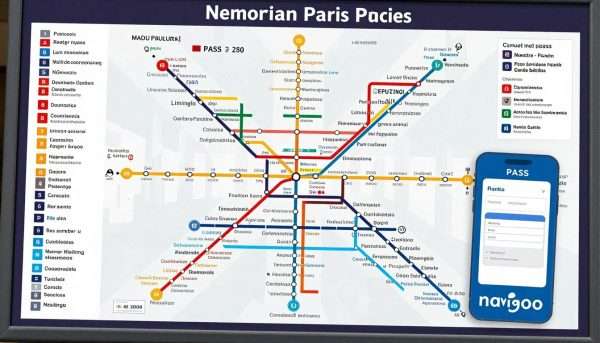
Metro and RER
- Buy t+ tickets in packs of 10 for savings
- Navigo Découverte pass for longer stays
- Keep tickets until exiting stations
- Stand right on escalators
- Give priority seats to those who need them
- Watch for pickpockets in crowded cars
Bus and Tram
- Same tickets as metro (validate on board)
- Enter front, exit rear
- Request stops one station ahead
- Night buses (Noctilien) run when metro closes
- Buses stop at Gare du Nord for airport connections
- Free maps available at metro stations
Dining Quick Reference
Do’s
- Say bonjour when entering
- Wait to be seated
- Keep hands on table
- Break bread with hands
- Pace yourself with others
- Request tap water if preferred
- Ask for the check when ready
- Enjoy leisurely meals
Don’ts
- Seat yourself
- Snap fingers at servers
- Put hands in lap
- Cut bread with knife
- Rush through courses
- Expect automatic water service
- Wait for check to arrive unbidden
- Order cappuccino after dinner
Communication Essentials
Essential French Phrases
- Bonjour – Hello (before 6 PM)
- Bonsoir – Good evening (after 6 PM)
- Merci – Thank you
- S’il vous plaît – Please
- Excusez-moi – Excuse me
- Parlez-vous anglais? – Do you speak English?
- L’addition, s’il vous plaît – The check, please
- Au revoir – Goodbye
Useful Questions
- Où sont les toilettes? – Where are the restrooms?
- Combien ça coûte? – How much does it cost?
- Quelle heure est-il? – What time is it?
- Où est…? – Where is…?
- Pouvez-vous m’aider? – Can you help me?
- Je ne comprends pas – I don’t understand
Safety and Emergency Information
Important Numbers
- 112 – Universal emergency (English available)
- 17 – Police
- 18 – Fire department
- 15 – Medical emergency (SAMU)
- +33 1 43 12 22 22 – U.S. Embassy Paris
- 3975 – Lost property office
Common Scams to Avoid
- Petition signers (distraction for pickpockets)
- Gold ring “finders” (fake jewelry scam)
- Friendship bracelet sellers (aggressive selling)
- Card game hustlers (three-card monte)
- Taxi drivers at airports (unlicensed cabs)
- Overpriced restaurant menus near attractions
Timing and Schedules
Business Hours
- Shops: 10 AM – 7 PM (Mon-Sat)
- Restaurants: Lunch 12-2:30 PM, Dinner 7:30-11 PM
- Museums: Typically 10 AM – 6 PM (check specific venues)
- Markets: Morning hours, often close by 2 PM
- Banks: 9 AM – 5 PM (Mon-Fri)
Closures and Holidays
- Many shops closed Sundays
- Monday closures common for museums
- August business closures (especially small shops)
- Major holidays: everything closes
- Public transportation reduces on Sundays
Common Mistakes Visitors Make (And How to Avoid Them)
Learning from others’ mistakes saves you from embarrassment and frustration. These are the most common errors visitors make in Paris and practical strategies to avoid them.
Language and Communication Errors
Common Mistakes
- Assuming everyone speaks English
- Not attempting any French
- Speaking loudly when not understood
- Skipping “bonjour” greetings
- Using informal language too quickly
How to Avoid
- Start conversations with “Parlez-vous anglais?”
- Learn basic French phrases before arriving
- Speak clearly and slowly, not louder
- Always greet before making requests
- Use formal “vous” until invited otherwise
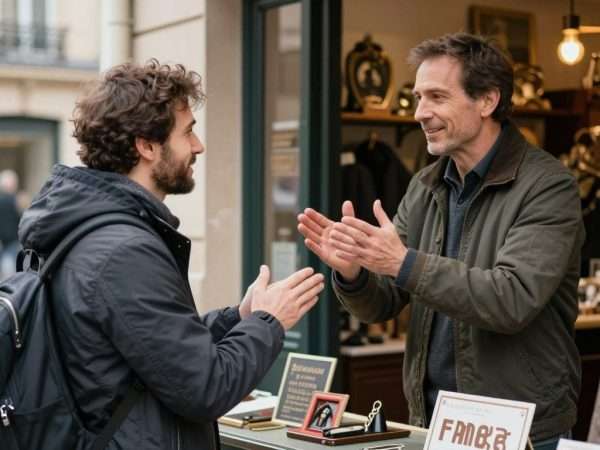
Dining Mistakes
Common Mistakes
- Seating yourself without permission
- Expecting constant server attention
- Rushing through meals
- Not requesting tap water
- Leaving without saying goodbye
- Over-tipping or not tipping appropriately
How to Avoid
- Wait for host or server to seat you
- Signal politely when you need service
- Embrace leisurely French meal pace
- Ask for “une carafe d’eau” for free water
- Thank staff and say “au revoir” when leaving
- Leave 5-10% for good service (optional)
Transportation Mistakes
Common Mistakes
- Standing on left side of escalators
- Blocking metro doors
- Not validating tickets
- Losing tickets before exiting
- Taking taxis from Charles Gaulle Airport illegally
- Not having small bills for bus drivers
How to Avoid
- Always stand right, walk left on escalators
- Move into car center, let people exit first
- Validate tickets at yellow machines
- Keep tickets until completely exiting system
- Use official taxi stands at Charles Gaulle
- Carry coins and small bills for public transport
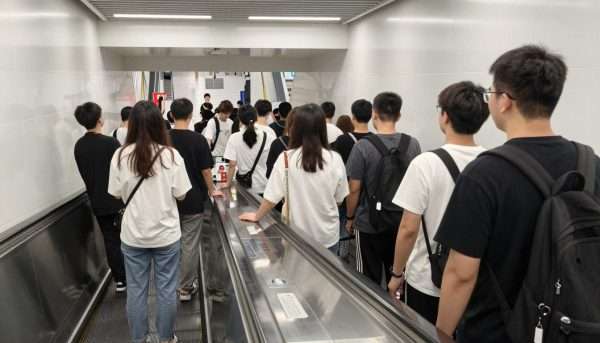
Cultural and Social Mistakes
Common Mistakes
- Wearing overly casual athletic wear around the city
- Talking loudly in public spaces
- Taking photos without considering others
- Not respecting museum rules
- Eating while walking excessively
- Expecting American-style customer service
How to Avoid
- Dress in smart casual or better for city exploration
- Use moderate indoor voice levels
- Step aside for photos, be quick and considerate
- Check and follow all posted museum guidelines
- Sit to eat meals; limit walking food to appropriate items
- Understand service is more formal and less frequently checked
Shopping and Money Mistakes
Common Mistakes
- Not greeting shopkeepers
- Touching expensive items without asking
- Expecting aggressive sales tactics
- Not having VAT refund forms prepared
- Using poor exchange rates at tourist bureaux
- Not checking if cards are accepted
How to Avoid
- Always say “bonjour” upon entering shops
- Ask “Puis-je?” (May I?) before handling
- Browse calmly; sales pressure is minimal
- Research VAT refund process before shopping
- Use ATMs for best currency exchange rates
- Ask “Vous acceptez les cartes?” before ordering
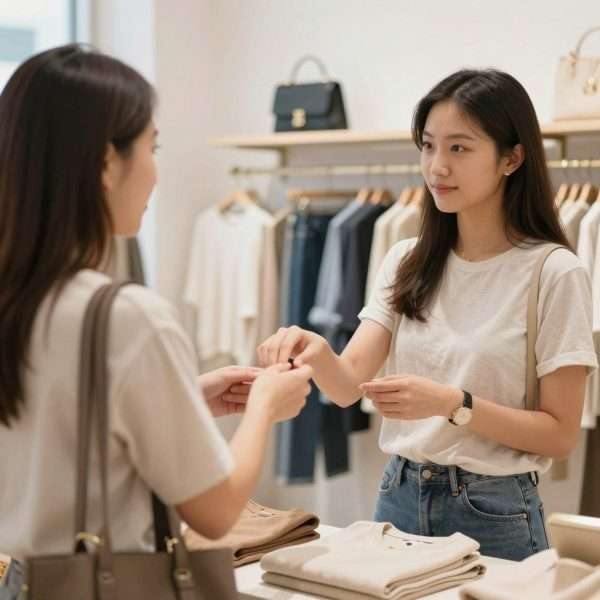
Attraction and Planning Mistakes
Common Mistakes
- Not booking Eiffel Tower or museum tickets in advance
- Visiting only tourist-heavy areas
- Planning too much in one day
- Ignoring seasonal closure patterns
- Not checking Monday museum closures
- Expecting everything to be walkable
How to Avoid
- Purchase timed entry tickets weeks before visit
- Explore local neighborhoods in outer arrondissements
- Choose 2-3 major activities per day maximum
- Research closures during August and holidays
- Verify specific museum schedules before planning
- Use metro for distances beyond 10-15 minute walks
Timing and Schedule Mistakes
Critical Timing Errors to Avoid
- Lunch: Don’t expect restaurant service at 3 PM—eat during proper lunch hours (12-2:30 PM)
- Dinner: Don’t arrive at 6 PM—dinner starts 7:30-8 PM or later
- Museums: Don’t assume daily opening—many close Mondays or Tuesdays
- Shops: Don’t plan Sunday shopping—most small businesses close
- Morning: Don’t skip breakfast cafés—croissants are morning food only
- August: Don’t expect everything open—many businesses close for vacation
Advanced Etiquette: Fine-Tuning Your Paris Experience
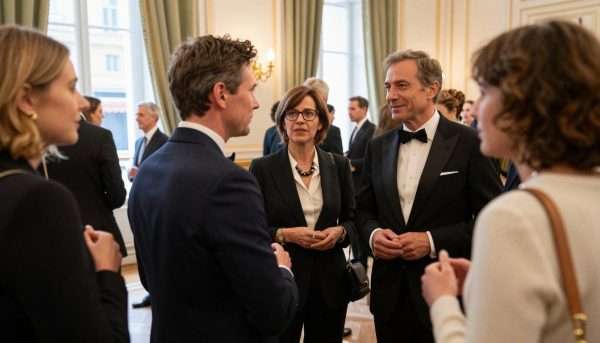
Once you master basic etiquette, these advanced considerations help you navigate Paris with greater sophistication and cultural fluency. These nuances distinguish informed visitors from casual tourists.
Wine and Dining Sophistication
Understanding wine regions helps you make informed choices. Bordeaux, Burgundy, Loire Valley, and Rhône produce distinct styles. Learning basic characteristics of each region lets you order confidently and appreciate what you’re drinking.
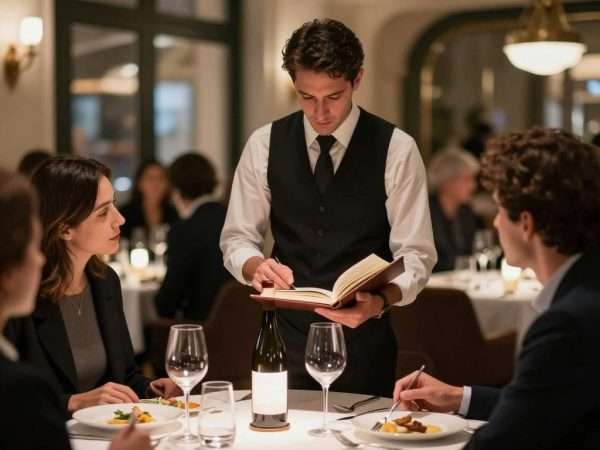
Cheese course placement matters. In France, cheese comes after the main course and before dessert. It’s often served with the same wine you had with your meal. Understanding this sequence prevents ordering cheese at the wrong time.
Seasonal eating reflects French culinary philosophy. Menus change based on what’s fresh and available. Asking about seasonal specialties shows cultural awareness and usually leads to better meal choices than ordering the same dishes year-round.
Art and Museum Appreciation
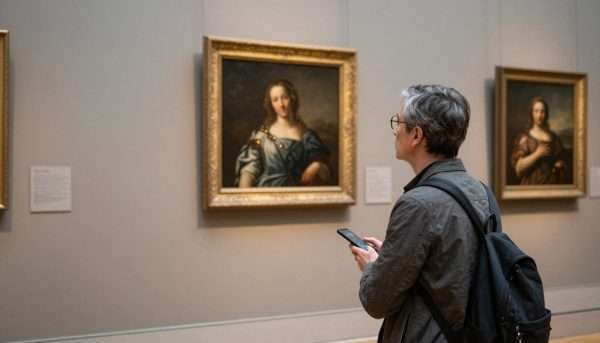
Take time with individual artworks rather than rushing through. Parisians spend quality time with art they connect with. It’s better to deeply appreciate ten pieces than superficially see two hundred.
Read room context and artist information. Understanding the period, movement, and artist’s intent enriches your experience. Museums provide this information—using it demonstrates genuine interest in art beyond photography opportunities.
Engage with lesser-known works. Everyone photographs the Mona Lisa, but Musée d’Orsay and Louvre contain thousands of extraordinary pieces. Discovering personal favorites among lesser-known works shows sophisticated appreciation.
Fashion and Personal Style
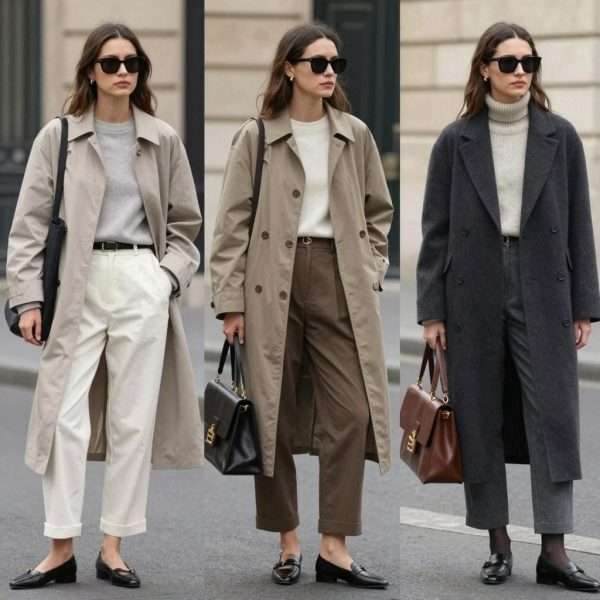
Invest in quality basics rather than trendy pieces. Parisians build wardrobes around well-fitted classics in neutral colors. A perfect white shirt, excellent jeans, classic trench coat, and quality shoes form the foundation.
Accessories elevate simple outfits. A beautiful scarf, elegant watch, or quality bag transforms basic clothing into sophisticated style. This approach is more Parisian than wearing obvious luxury brands.
Confidence matters more than conformity. While understanding style norms helps, Parisians respect personal style expressed confidently. Wear what suits you well rather than trying to copy an aesthetic that doesn’t fit your personality.
Social Conversation Topics
French social conversation often includes politics, philosophy, and cultural topics. These aren’t considered inappropriate dinner conversation—they’re engaging intellectual discourse. Don’t shy away from substantial topics if they arise naturally.

However, avoid boastfulness or excessive personal details with new acquaintances. French culture values modesty and discretion. Share achievements when relevant but don’t dominate conversation with self-promotion.
Ask thoughtful questions about French culture, history, or current events. Showing genuine curiosity and willingness to learn earns respect. Avoid questions that reveal cultural stereotypes or ignorance about French society.
Understanding Parisian Humor and Irony
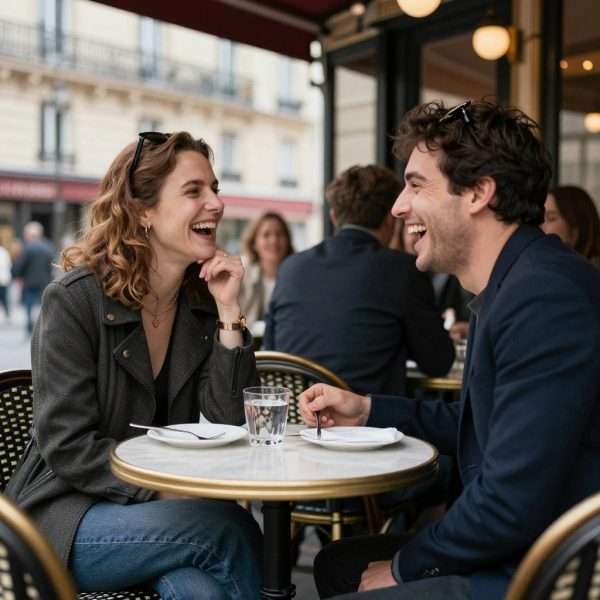
Parisian humor leans toward wit, wordplay, and irony rather than slapstick or broad comedy. Appreciating subtle humor helps you connect with locals. Don’t take everything literally—ironic distance is common in Parisian communication.
Self-deprecating humor is valued over aggressive or mean-spirited jokes. Gentle teasing among friends is normal, but humor shouldn’t come at others’ expense in professional or new social situations.
Professional Networking Nuances
Relationship building precedes business discussions in French culture. Don’t rush to talk shop at social events. Let professional relationships develop naturally through multiple interactions before pushing business agenda.
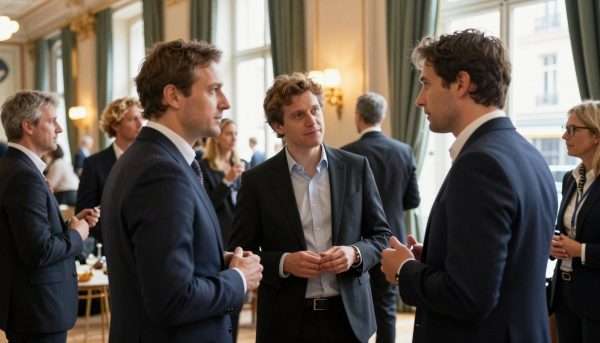
Educational background matters in French business culture. Where you studied carries weight. This isn’t superficial—it reflects the high value placed on education and intellectual credentials in professional contexts.
Titles and hierarchies are respected but not rigidly enforced in all contexts. Understand organizational structure but also recognize that French business culture can be more egalitarian than it initially appears, depending on the industry and company.
Sustainable and Responsible Travel in Paris
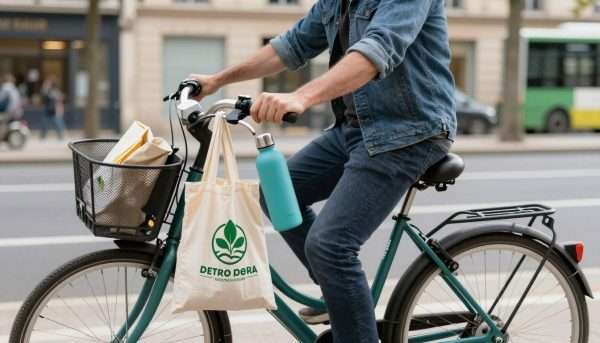
Responsible tourism respects local communities and environment. Paris has implemented numerous sustainability initiatives. Understanding and participating in these efforts demonstrates cultural respect and environmental consciousness.
Environmental Considerations
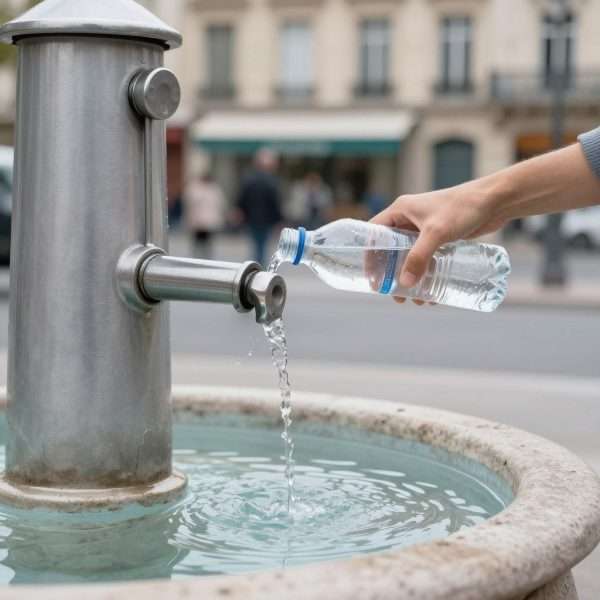
Paris has committed to reducing single-use plastics. Carry a reusable water bottle—public fountains throughout the city provide free, safe drinking water. Many cafés and restaurants will refill bottles if asked politely.
Bring reusable shopping bags. Plastic bags have been banned or charged for in most contexts. Cloth bags or sturdy reusable options align with local environmental practices and prevent waste.
Use public transportation instead of taxis when practical. Paris has excellent metro, bus, and bike systems. These options reduce carbon footprint while providing authentic local experiences that private cars can’t offer.
Supporting Local Businesses
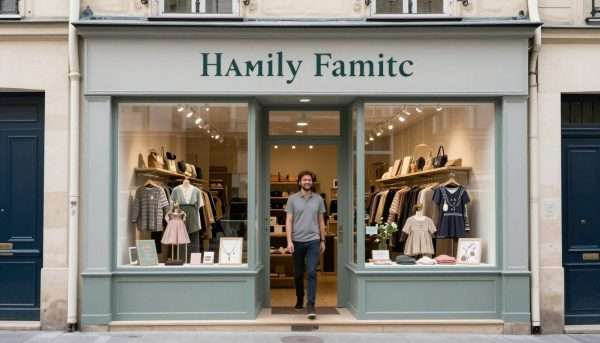
Choose independent restaurants and shops over international chains when possible. Local businesses support neighborhoods and preserve authentic Parisian character. Your purchases directly benefit community members.
Markets offer direct connections to regional producers. Buying from markets supports local agriculture and reduces transportation environmental impact. Quality is often superior to supermarket options.
Book tours with small local operators rather than massive tour companies. These businesses provide more authentic experiences while keeping tourism revenue in the community.
Respecting Residential Areas
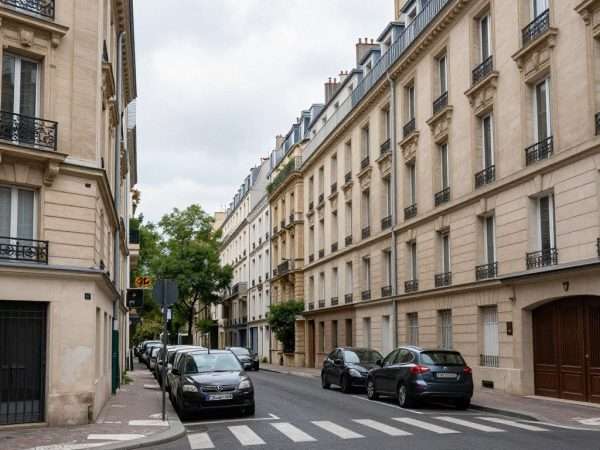
Keep noise levels appropriate in residential neighborhoods, particularly early morning and late evening. Remember that people live in the areas you’re visiting. Your hotel or vacation rental sits in someone’s neighborhood.
If staying in residential apartments, follow building rules carefully. Quiet hours, trash disposal protocols, and entry procedures exist for community harmony. Neighbors appreciate visitors who respect shared spaces.
Don’t treat residential areas as theme parks. While photography is fine, be considerate of residents’ privacy and daily routines. Private buildings and interior courtyards aren’t tourist attractions.
Cultural Preservation
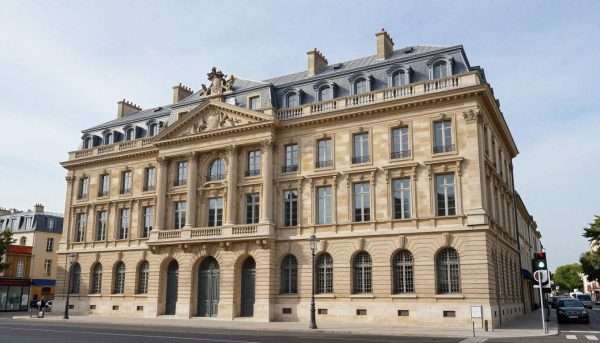
Support cultural institutions through admissions and memberships. Museums, theaters, and historical sites rely on visitor support for preservation. Your tickets fund conservation and education programs.
Follow all preservation guidelines at historical sites. Don’t touch artifacts, lean on ancient walls, or damage structures for photos. These treasures survived centuries—help them last centuries more.
Learn about and respect French cultural heritage. Understanding the history and significance of sites you visit deepens appreciation and demonstrates cultural respect beyond superficial tourism.
Final Thoughts: Embracing the Parisian Experience
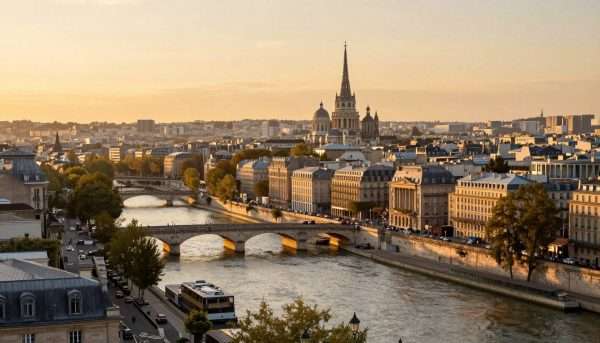
Paris rewards those who approach it with respect, curiosity, and cultural awareness. The difference between a frustrating visit and an transformative experience often comes down to understanding and honoring local customs.
Etiquette isn’t about perfection—it’s about showing respect through effort. Parisians recognize and appreciate when visitors try to understand their culture, even if you make mistakes along the way. Genuine effort matters more than flawless execution.

The city reveals itself differently when you follow cultural norms. Service improves when you greet people properly. Restaurants become more welcoming when you respect dining customs. Conversations flow more naturally when you communicate appropriately.
Remember that rules serve purposes beyond arbitrary tradition. Quiet metro cars allow tired commuters to decompress. Leisurely meals honor food and companionship. Formal greetings acknowledge mutual humanity. These customs create the civilization that makes Paris special.
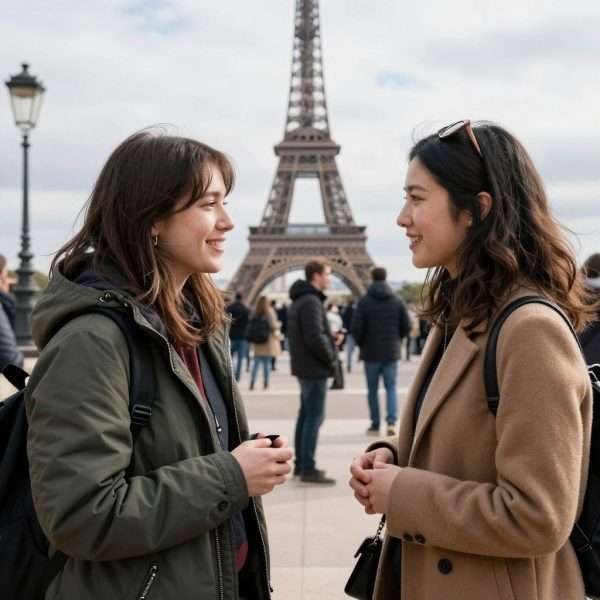
Your time in Paris is an opportunity for cultural exchange, not just sightseeing. When you respect local customs, you open doors to authentic experiences that pure tourism can’t provide. Locals share recommendations, stories, and insights with visitors who show genuine cultural appreciation.
Mistakes will happen. Don’t let fear of errors prevent you from engaging with Parisian culture. Apologize when necessary, learn from missteps, and continue making the effort. This growth process is part of meaningful travel.
Carry these principles beyond your Paris visit. The lessons learned about respect, cultural awareness, and thoughtful travel apply to every destination. Paris teaches valuable approaches to experiencing any culture deeply and respectfully.
As you explore this magnificent city, remember that you’re not just a visitor passing through—you’re a temporary participant in Parisian life. Your actions affect real people’s daily experiences. Choose to be the kind of visitor who leaves Paris slightly better than you found it.

Paris has captivated travelers for centuries because it offers something beyond beautiful architecture and world-class museums. The city provides a particular quality of life—an art of living that values leisure, conversation, beauty, and civilization. Understanding and respecting the customs that create this quality of life allows you to experience Paris authentically.
Whether this is your first visit or your fiftieth, approaching Paris with cultural humility and genuine interest opens new dimensions of experience. The city continually reveals new layers to those willing to engage with it thoughtfully.
Bon voyage, and may your Paris experience be everything you hope for and more.
Frequently Asked Questions About Paris Etiquette

Do I really need to speak French in Paris?
You don’t need to be fluent, but learning basic phrases is essential. Always begin interactions with “Bonjour” and “Parlez-vous anglais?” Many Parisians speak English, especially in tourist areas, but starting in French shows respect. The effort matters more than perfection. Even broken French earns goodwill, while expecting everyone to accommodate English without trying creates friction.
How much should I tip in Paris restaurants?
Service charge (15%) is included in all restaurant bills in France. Additional tipping is optional but appreciated for good service. Leaving 5-10% extra for excellent service is generous and well-received. For exceptional experiences, you can tip more, but it’s never expected. Many Parisians round up the bill or leave a few euros rather than calculating precise percentages.
What should I wear in Paris to blend in?
Choose classic, well-fitted clothing in neutral colors. Avoid athletic wear outside gyms, overly casual items like flip-flops and shorts in the city center, and anything with large logos or bright colors. Quality matters more than quantity—invest in a few well-made pieces rather than many cheap items. Dark jeans, simple tops, classic shoes, and a good jacket work for most situations.
Is it rude to eat while walking in Paris?
It depends on what you’re eating. Crêpes, ice cream, and small street food items are acceptable to eat while walking. However, eating full meals while walking looks out of place. Parisians typically sit to eat proper meals, even casual ones. If you buy a sandwich, find a park bench or outdoor seating rather than eating while wandering through the city.
Why do Parisians seem unfriendly to tourists?
This perception often stems from cultural misunderstanding. Parisians aren’t naturally unfriendly—they value directness and privacy. What seems cold is actually respect for personal space. The biggest issue is visitors skipping the mandatory “bonjour” greeting. Always start interactions with a polite greeting. Once you show basic courtesy and respect for French customs, most Parisians respond warmly.
Can I drink tap water in Paris restaurants?
Yes, tap water is completely safe and free in Paris restaurants. You must specifically request it by asking for “une carafe d’eau” (a carafe of water). If you simply ask for water, servers assume you want bottled water, which you’ll be charged for. There’s no shame in requesting tap water—it’s a normal practice, though servers won’t offer it automatically.
What’s the best way to get from Charles de Gaulle Airport to central Paris?
Several options exist, depending on your budget and luggage situation. The RER B train is cheapest (about €11) but involves stairs and can be crowded. Airport buses (Roissybus or Le Bus Direct) offer more comfort with luggage space for €13-18. Taxis cost €50-55 to the Right Bank, €55-60 to the Left Bank, with fixed rates. Ride-shares are similar in price. For comfort and convenience, buses or taxis work best. For budget travel, the RER B is efficient.
Do I need to validate my metro ticket every time?
You validate your ticket only when entering the metro system, not when transferring between lines within the system. However, keep your ticket until you completely exit—inspectors can check tickets anywhere, and you’ll be fined heavily if you can’t produce a valid ticket. On buses, you validate when boarding. For multiple trips, consider a Navigo pass or carnet (book of 10 tickets) for convenience.
Is Paris safe for tourists at night?
Paris is generally safe, but exercise normal urban caution. Central tourist areas remain busy and safe in the evening. The metro runs until about 12:45 AM (later on weekends). Stick to well-lit, populated areas. Certain neighborhoods require more caution late at night. Keep valuables secure and stay aware of your surroundings. Violent crime against tourists is rare, but pickpocketing can occur anytime. Common sense and awareness keep you safe in Paris.
What are the most important do’s and don’ts for visiting the Eiffel Tower?
DO: Book tickets online in advance, arrive at your designated time slot, go through security efficiently (have bags ready), take stairs if able (cheaper and no wait), visit at sunset for magical views. DON’T: Buy from street vendors (scams), expect to just show up and get in (lines are hours long), bring large bags or prohibited items, buy from aggressive sellers near the tower, skip the security screening. The tower is heavily visited—advance planning is essential.
How do I politely decline aggressive street sellers?
Firmly say “Non, merci” (No, thank you) without breaking stride or making extended eye contact. Don’t engage in conversation, accept anything they hand you, or feel obligated to explain yourself. If they persist, ignore them completely and keep walking. Never accept “free” bracelets—it’s a scam where they demand payment after putting it on your wrist. Being polite doesn’t mean accommodating aggressive selling tactics. A firm “non” is culturally acceptable and appropriate.
Should I make reservations for Paris restaurants?
Yes, especially for dinner and at popular or high-end restaurants. Many excellent restaurants book up days or weeks in advance. Reservations show respect for the restaurant’s planning and dramatically increase your chances of getting a table. For casual lunches at neighborhood bistros, reservations are less critical, but calling ahead is still wise. Walk-ins work at some places, but don’t count on it for dinner at restaurants you really want to try.




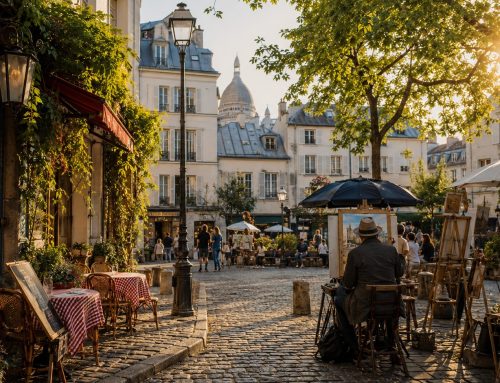


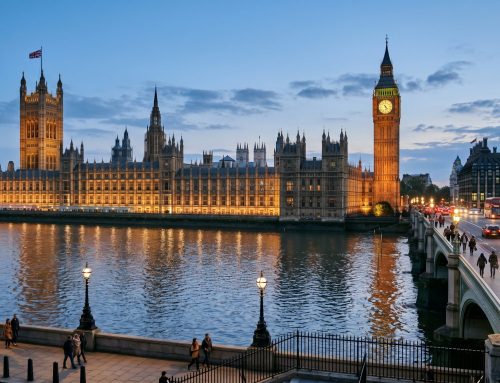






Leave A Comment