
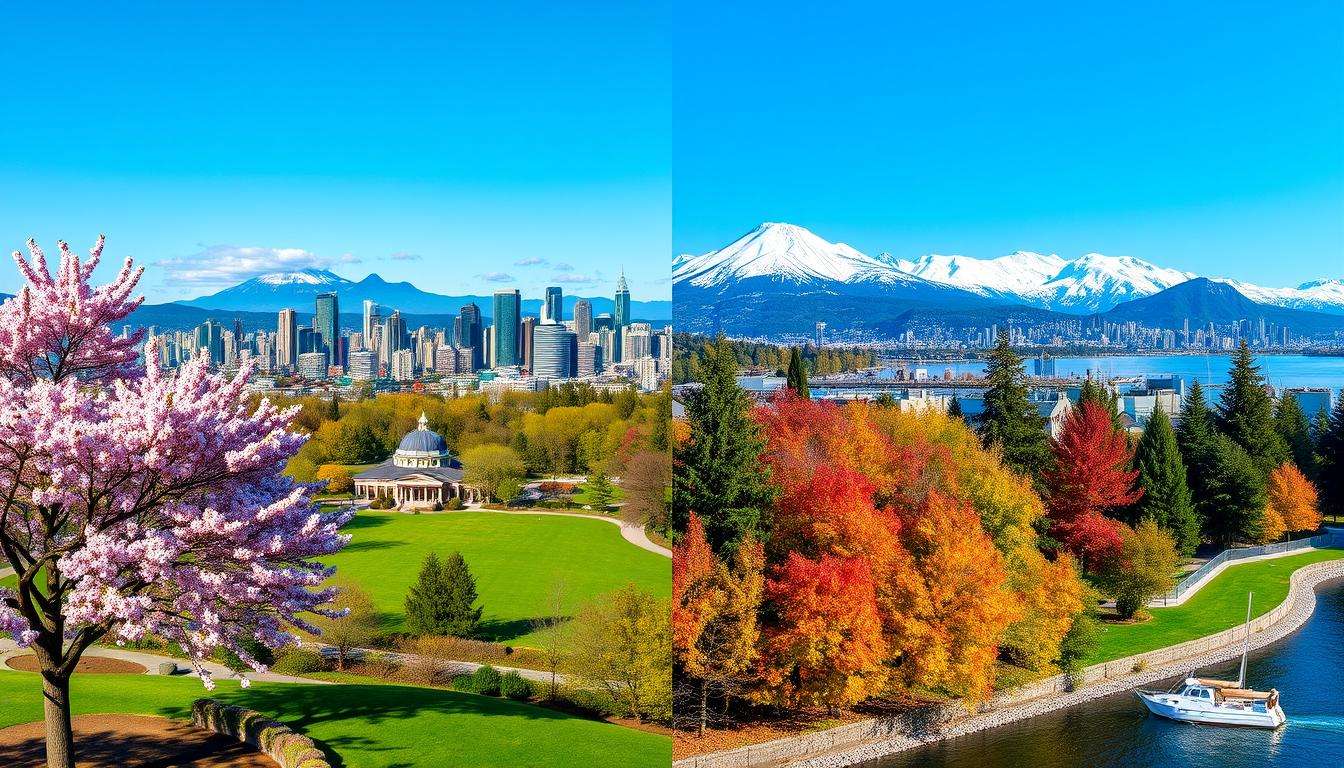
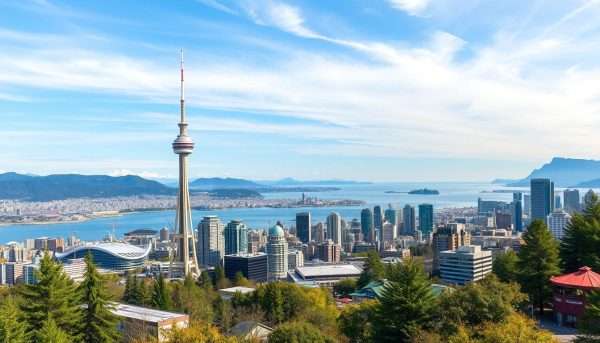
Nearly 9 million people visited Vancouver, Canada in 2024. It’s a top spot for travelers. Wondering when to go? It depends on what you like to do.
Vancouver is great all year. You can enjoy warm summers, mild springs and autumns and snowy winters. Each season has its own special feel. This guide will help you pick the best time for your trip.
Vancouver offers outdoor fun, cultural events and amazing food. It’s home to 60 top restaurants, as seen in the Michelin Guide. The city also hosts cool festivals like the Vancouver International Jazz Festival and the Dine Out Vancouver Festival.
We’ll show you the best time to visit Vancouver. We’ll look at the weather, seasonal activities and attractions. This way, your trip will be unforgettable and you’ll get the most out of Vancouver.
Key Takeaways
- Vancouver is a year-round destination with a diverse range of attractions and activities.
- The best time to visit Vancouver depends on your preferences and what you want to do.
- Summer is the peak tourist season, but spring and autumn offer mild temperatures and fewer crowds.
- Winter is the best time for skiing and snowboarding, with nearby resorts like Whistler Blackcomb.
- Booking flights and accommodations in advance can help you save money and make the most of your trip to Vancouver and get the best time to visit Vancouver.
- Vancouver receives visitors for outdoor activities year-round, making it an ideal destination for nature lovers and those looking for the best time to visit Vancouver.
- Mid-September to May are typically the most affordable times to visit Vancouver, making it an excellent time for budget travelers looking for the best time to visit Vancouver and a great Vancouver travel guide.
Understanding Vancouver’s Climate and Seasonal Patterns
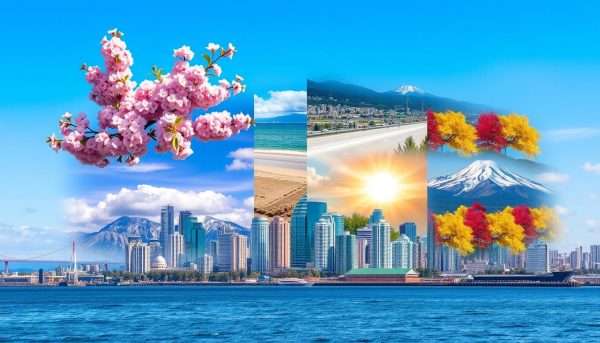
Vancouver’s climate is mild, with rainy winters and pleasant summers. This makes it a great place for tourists during the Vancouver tourist season. The weather changes a lot because of the sea and mountains nearby. November and December are the rainiest months, with about 180 mm of rain each.
The Vancouver weather has mild temperatures. In August, highs reach around 22 °C and in December, lows drop to about 0.8 °C. This climate is perfect for outdoor fun like hiking and skiing all year round.
Here are some key facts about Vancouver’s climate and seasonal patterns:
- Average annual temperature: 11.0 °C (51.8 °F) downtown and 10.4 °C (50.7 °F) at Vancouver International Airport
- Growing season: 221 days, from March 29 until November 5
- Average precipitation: 174.6 cm (68.7 inches) annually
Knowing Vancouver’s climate and seasonal patterns is key for planning a trip. By understanding the Vancouver weather, visitors can have a great time. They can enjoy the city’s outdoor activities and attractions.
Summer in Vancouver: Peak Tourist Season
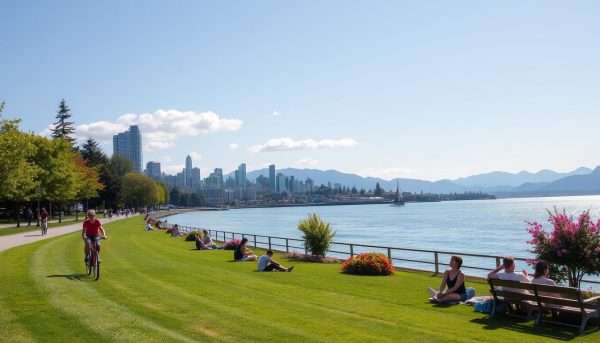
Vancouver’s peak tourist season is in June, July and August. During these months, warm weather and long days draw people to enjoy Vancouver things to do and Vancouver attractions. July, with its highs of about 66.7 degrees Fahrenheit, is the sunniest month, perfect for outdoor fun.
Summer in Vancouver means hiking, biking and water sports. The beaches, like Kitsilano Beach, are a big hit. The city also hosts summer festivals and events, showing off its lively culture and entertainment. Visitors can enjoy al fresco dining or check out Indigenous experiences and cultural showcases.
Planning ahead is key for a summer visit to Vancouver. Hotel prices go up in peak season, but deals can be found. Summer is a great time to see everything Vancouver offers.
Here are some tips for visiting Vancouver in summer:
- Avoid peak times like holidays and weekends for less crowding
- Take advantage of the city’s many outdoor activities and events
- Explore the city’s diverse neighborhoods and restaurants
By following these tips, visitors can have a memorable summer in Vancouver. They can enjoy all the Vancouver things to do and Vancouver attractions the city has to offer.
Experience a train trip across Canada.
Fall in Vancouver: A Local’s Favorite
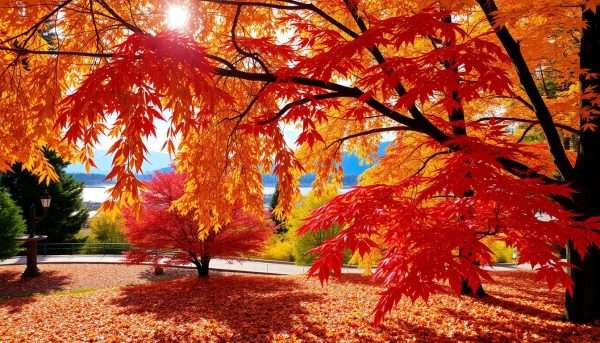
Vancouver becomes a colorful city in the fall. The weather is mild, between 10–15℃ (50–60℉). This makes it perfect for exploring the city. The leaves turn yellow, orange and red from mid-September to early November.
Visiting farms, pumpkin patches and Halloween events are fun activities. Local hotels have great deals in autumn. Camping is also a great way to see nature’s beauty. WildPlay Element Park in Maple Ridge is a top spot for autumn fun.
- Stanley Park: Great for walking and biking, with beautiful fall colors.
- Queen Elizabeth Park: Has stunning gardens and a city view.
- Burnaby Mountain: Offers a panoramic view of the city, surrounded by fall colors.
Fall is a wonderful time to visit Vancouver. The weather is mild, the foliage is vibrant and there are many activities. It’s a favorite season for both locals and tourists.
| Month | Temperature (℃) | Activities |
|---|---|---|
| September | 10-15 | Visiting farms, pumpkin patches, and Halloween events |
| October | 10-15 | Camping, hiking, and enjoying fall foliage |
Winter Activities and Attractions in Vancouver

Vancouver is perfect for winter sports fans, with lots of activities and attractions. For Vancouver travel tips, check out ski resorts like Grouse Mountain and Whistler Blackcomb. The city also has indoor spots, like the Vancouver Christmas Market, starting at $13 CAD for adults and $7 CAD for kids online.
Some top winter activities in Vancouver include:
- Riding the gondola to Grouse Mountain’s top, costing $87 CAD
- Visiting Capilano Suspension Bridge Park, $79 CAD, with a free shuttle from downtown
- Exploring VanDusen Gardens during the Festival of Lights, $24 CAD
The best time to visit Vancouver for winter fun is December to February. This is when the city hosts festivals like Dine Out Vancouver and the Vancouver International Wine Festival. Vancouver’s mild climate makes it a great spot for winter travel, with activities for everyone.
For a special experience, try a Vancouver food tour, $135 CAD for 12 people, or a seaplane tour, starting at $160 CAD. Vancouver offers a variety of winter activities and attractions, making it a fantastic place for a winter vacation.
Furthermore, Seattle landmarks.
Best Time to Visit Vancouver for Budget Travelers
Travelers on a budget should visit Vancouver from November to mid-December, January and February to mid-March. This time offers lower costs for hotels and flights, saving up to $100 on rooms. It’s a wise choice for those looking to save money as part of a Vancouver travel guide.
Visiting in the off-season means cheaper accommodations and attractions. Winter is the cheapest time, with temperatures between 1ºC to 6ºC (32ºF to 42ºF). It’s perfect for indoor fun, like museums and restaurants, as seen in Vancouver’s first Michelin Guide.
- Dine Out Vancouver Festival in January, with affordable meals
- Chinese New Year in late January and early February
- Valentine’s Day packages at hotels and spas in February
By choosing the off-season, budget travelers can enjoy Vancouver’s beauty without spending a lot. A good Vancouver travel guide and knowledge of Vancouver tourism trends are key to a memorable trip.
| Month | Average Temperature (ºC) | Events and Activities |
|---|---|---|
| January | 3-6 | Dine Out Vancouver Festival |
| February | 4-7 | Chinese New Year, Valentine’s Day packages |
| March | 6-9 | Spring break, outdoor activities |
Popular Vancouver Attractions and Their Peak Times
Vancouver is a city full of attractions for all interests. You can enjoy outdoor fun or cultural experiences. Popular spots include Granville Island, Stanley Park, and Grouse Mountain.
For those who love Vancouver sightseeing, the city has many great places. Top attractions include:
- Granville Island, known for its public market and street performers
- Stanley Park, a 1,000-acre park with trails and city views
- Grouse Mountain, great for skiing in winter and hiking in summer
Each attraction offers a unique experience. By visiting during peak times, you’ll get the most out of your Vancouver sightseeing trip.
Vancouver has something for everyone. Whether you’re into outdoor fun, cultural spots, or just exploring, you’ll have a great time. With so many Vancouver attractions and activities, your visit will be memorable.
| Attraction | Peak Time | Activities |
|---|---|---|
| Granville Island | Summer months | Public market, street performers, food vendors |
| Stanley Park | Year-round | Walking and biking trails, stunning views of the city |
| Grouse Mountain | Winter months | Skiing, snowboarding, hiking, wildlife watching |
Spring in Vancouver: Nature’s Spectacular Show
Vancouver’s spring season runs from March to May. It’s a perfect time to visit with mild temperatures averaging 7-16°C (45-61°F). The city blooms with beautiful flowerbeds and vibrant gardens, ideal for nature enthusiasts.
Outdoor activities like hiking, biking, or kayaking are top Vancouver things to do in spring. The city’s parks and trails are perfect for enjoying the scenery and staying active. The Vancouver weather is mild and pleasant, making it great for outdoor fun.
Some popular spring activities in Vancouver include:
- Whale watching: From March to October, visitors can take a guided tour to spot migrating whales in their natural habitat.
- Cherry blossom viewing: Vancouver’s cherry blossom season typically takes place in late March and early April, with many parks and gardens featuring beautiful blooming trees.
- Hiking: Vancouver has many hiking trails, ranging from easy to challenging, that offer stunning views of the city and surrounding mountains.
In the spring, visitors can enjoy lower hotel rates and fewer crowds. This makes it a great time to explore Vancouver without spending too much. With its mild climate and plenty of outdoor activities, Vancouver is a fantastic spring destination.
Transportation and Accessibility Considerations
When you visit Vancouver, think about how you’ll get around. Travel tips often suggest using public transit like buses and the SkyTrain. If you’d rather drive, renting a car can help you navigate the city’s roads. Vancouver’s small size and good public transit make it easy to explore.
Getting to and from the airport is key when planning your trip to Vancouver.
Airport Peak Times
Keep in mind the busy times at the airport to avoid traffic. The Canada Line is a good choice for airport travel, but it costs $5 extra when going east from Sea Island stations. Uber and Lyft are also options in Vancouver.
For those who don’t want to drive,
Public Transit Options
are many. TransLink offers buses, SkyTrains, and SeaBuses for easy travel without a car. The system has features for everyone, like ramps, elevators and accessible areas.
Car Rental Recommendations
Car rentals are available at YVR Airport for those who like driving. Many companies offer cars to explore the city and beyond. But, remember the challenges of driving in Vancouver, like traffic and parking. By choosing the right transportation, you can enjoy Vancouver fully.
Making the Most of Your Vancouver Visit
When planning your trip to Vancouver, think about what each season offers. The city is great for outdoor fun, cultural experiences, or saving money all year. Summer brings festivals and sunshine, but expect higher hotel prices.
Spring and fall are better for those who want mild weather and fewer people. These seasons often have lower travel costs. Winter lovers will enjoy the snow and indoor activities.
The best time to visit Vancouver depends on what you like. This travel guide helps you pick the right time, considering your budget and interests. Vancouver is a city that will impress you, no matter when you go.


Leave A Comment