
Smart Timing Strategies to Avoid Crowds in Rome
Before diving into specific locations, let’s talk strategy. Timing is everything when trying to avoid crowds in Rome. Even the most popular attractions can feel intimate if you know when to visit.
Early Morning Magic
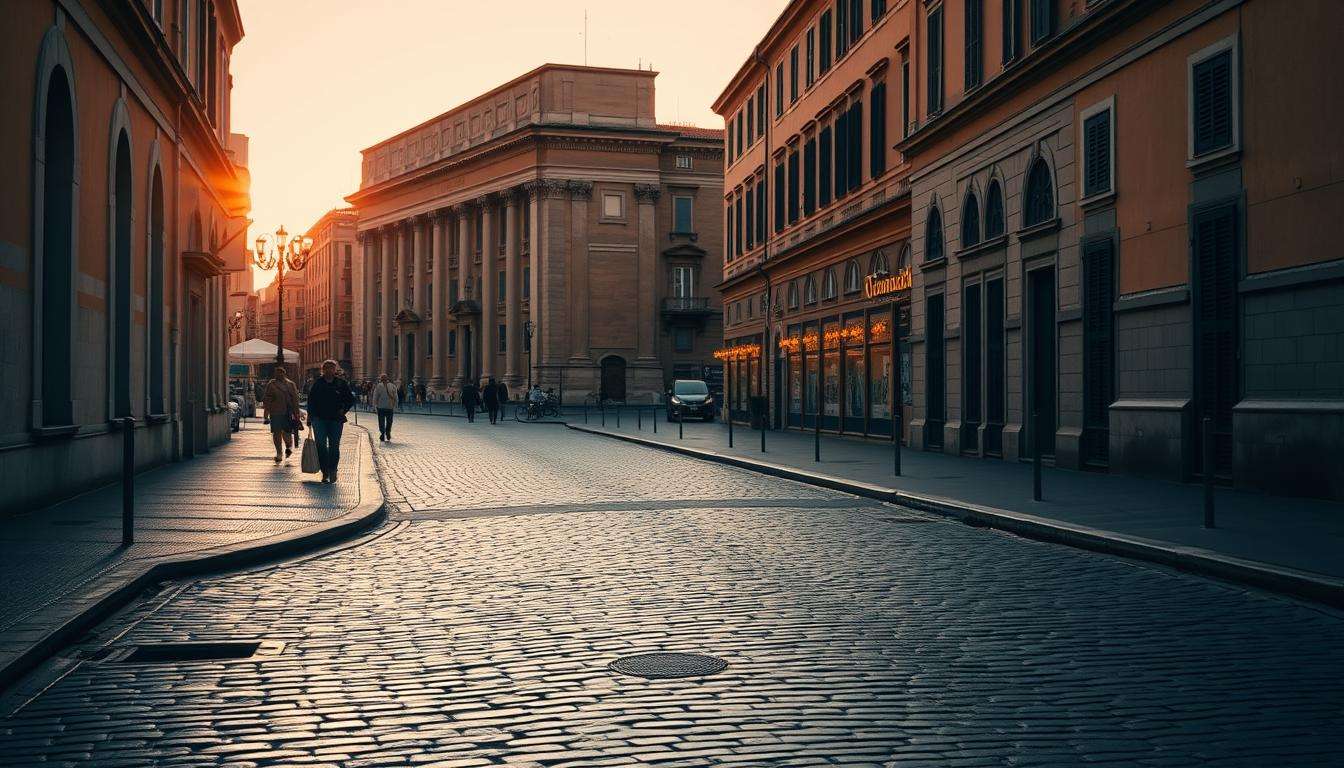
The single most effective strategy to experience Rome to avoid tourists is simply waking up early. Most tour groups don’t start until 9-10am and many visitors sleep in while on vacation. By exploring between 6-8am, you’ll often have famous sites nearly to yourself, with beautiful morning light perfect for photography.
Evening Explorations
After 7pm, many day-trippers and tour groups have left the city center. Rome is magical at night, with monuments beautifully illuminated and a completely different atmosphere. The Spanish Steps, Trevi Fountain and even the exterior of the Colosseum can be enjoyed with significantly fewer people after dark.
Off-Season Advantages
While Rome is popular year-round, November through February (excluding Christmas and New Year’s) sees dramatically fewer visitors. You’ll need a jacket, but you’ll be rewarded with minimal lines and more authentic experiences. Early March and late October also offer good weather with moderate crowds.
Maximize Your Rome Experience
For the ultimate crowd-free experience, consider booking an early access tour that gets you into major sites before regular opening hours.

Underground Rome: Beneath the Tourist Radar
San Clemente Basilica: Layers of History
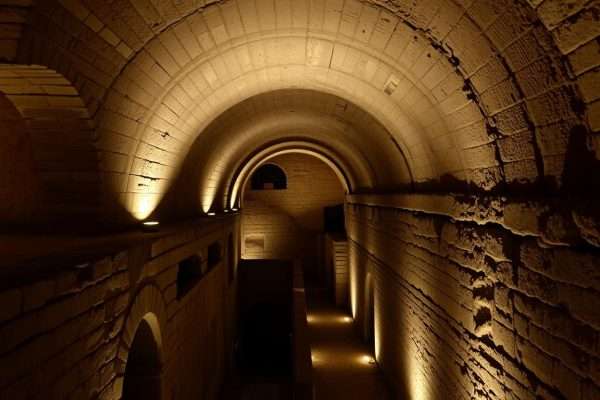
While the upper church is beautiful, the real magic happens when you descend below to discover three distinct levels of Roman history. Beneath the 12th-century basilica lies a 4th-century church, and below that, a 1st-century Roman house and Mithraic temple. The sound of running water from an ancient Roman aqueduct creates an atmospheric experience far from the crowds above ground.
Address: Via Labicana, 95
Best time to visit: Weekday mornings
Why it’s less crowded: Many visitors see only the upper church and miss the underground sections
Vicus Caprarius: The Water Court
Just steps from the crowded Trevi Fountain lies this hidden underground site that most tourists walk right past. Descend to discover the remains of ancient Roman apartments and a section of aqueduct that once fed the famous fountain. The small museum displays artifacts found during excavation and you’ll likely have the place almost to yourself.
Address: Vicolo del Puttarello, 25
Best time to visit: Any time; rarely crowded
Why it’s special: Experience ancient Rome just steps from one of the city’s most crowded attractions
Case Romane del Celio: Houses on Caelian Hill
These remarkably preserved Roman houses beneath the Basilica of Saints John and Paul offer a glimpse into daily life in ancient Rome. With beautiful frescoes, mosaics and a sense of how Romans actually lived, this site receives surprisingly few visitors despite its archaeological importance.
Address: Clivo di Scauro
Best time to visit: Afternoons (closed Tuesdays and Wednesdays)
Why it’s less crowded: Located slightly off the main tourist path and not heavily promoted
Peaceful Parks and Gardens
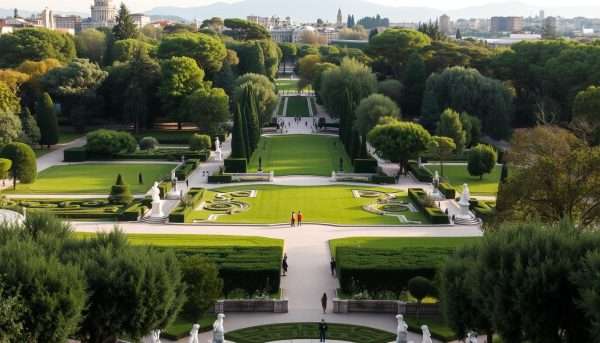
Orto Botanico: Botanical Sanctuary
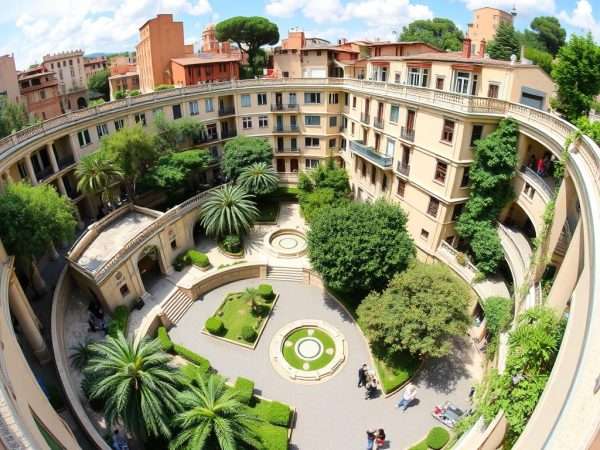
Rome’s Botanical Garden in Trastevere offers 12 hectares of tranquility just minutes from crowded streets. With over 3,000 plant species, Japanese gardens, and Mediterranean collections, it’s a peaceful retreat where you can often find yourself completely alone among exotic plants and fountains.
Address: Largo Cristina di Svezia, 24
Best time to visit: Weekday mornings
Why it’s less crowded: Overshadowed by more famous parks despite its central location
Villa Sciarra: Hidden Garden Paradise
This small but exquisite park on the Janiculum Hill features exotic plants, mythological statues and peaceful fountains. Once a private estate, it now offers a serene escape with beautiful views and shaded benches where you can relax away from the tourist crowds.
Address: Via Calandrelli, 35
Best time to visit: Afternoons
Why it’s special: Intimate garden setting with unique statuary and few visitors
Parco degli Acquedotti: Ancient Aqueducts Park
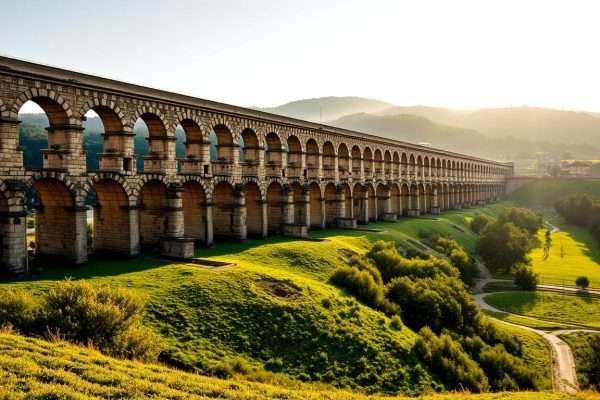
For a truly local experience, head to this park on the outskirts of Rome where massive ancient Roman aqueducts stride across open countryside. Popular with joggers and picnicking Romans on weekends, it offers spectacular photo opportunities and a chance to see how the ancient city was supplied with water.
Address: Via Lemonia (accessible via Metro A to Giulio Agricola)
Best time to visit: Weekday afternoons or early mornings on weekends
Why it’s less crowded: Located outside the city center and primarily visited by locals
Authentic Markets Where Locals Shop
Mercato Testaccio: Culinary Paradise
Skip the touristy Campo de’ Fiori and head to this modern market hall where Romans actually do their daily shopping. With over 100 stalls selling everything from fresh produce to prepared foods, it’s the perfect place to assemble a picnic or sample authentic Roman street food like trapizzino (stuffed pizza pockets).
Address: Via Beniamino Franklin
Best time to visit: Weekday mornings (closed Sundays)
Why it’s special: Authentic food shopping experience with locals
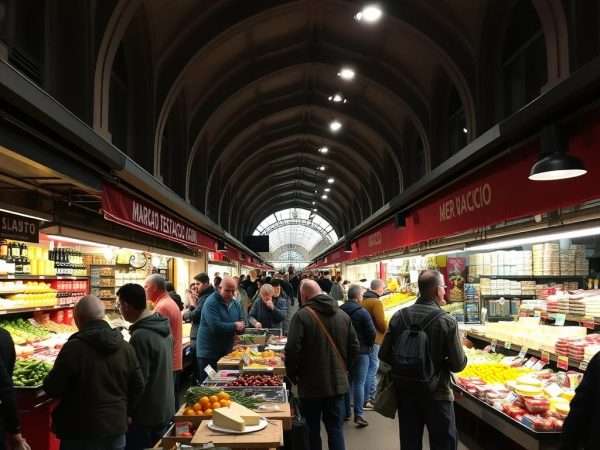
Mercato Trionfale: Rome’s Largest Local Market
Near the Vatican but worlds away from the tourist experience, this massive covered market houses hundreds of vendors selling everything from artisanal cheeses to fresh seafood. Practice your Italian with friendly vendors who will often offer samples and cooking advice.
Address: Via la Goletta, 1
Best time to visit: Weekday mornings (closed Sunday afternoons)
Why it’s less crowded: Primarily serves local residents rather than tourists
Nuovo Mercato Esquilino: Multicultural Food Haven
Reflecting Rome’s diverse population, this market near Termini Station offers ingredients from around the world alongside traditional Italian products. It’s a fascinating glimpse into contemporary Roman life and a great place to find unique spices, produce and prepared foods from Africa, Asia and the Middle East.
Address: Via Principe Amedeo, 184
Best time to visit: Mornings (closed Sundays)
Why it’s special: Authentic multicultural experience showing Rome’s diverse population
Learn about Roman Emperors.
Where to Eat Like a Local in Rome

Neighborhood Trattorias
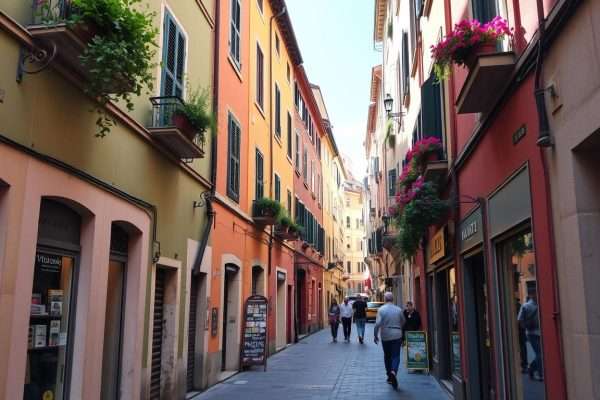
To truly experience Rome to avoid tourists at mealtimes, follow one simple rule: never eat within sight of a major monument. Instead, venture into residential neighborhoods like Testaccio, Monti or San Lorenzo where Romans actually dine. Look for places with menus only in Italian, reasonable prices and locals at the tables.
Dining Timing Strategy
Romans eat lunch around 1:30-2:30pm and dinner rarely before 8:30pm. By adjusting to local mealtimes, you’ll not only have a more authentic experience but also avoid the tourist rush that typically happens earlier. Many of Rome’s best restaurants won’t even open for dinner until 7:30pm.
- Look for restaurants without picture menus or tourist menus
- Seek places at least 10-15 minutes walk from major attractions
- Choose restaurants where you hear Italian being spoken
- Visit local markets and assemble picnics to enjoy in lesser-known parks
- Consider renting an apartment and shopping/cooking like a local
Discover Rome’s Hidden Culinary Gems
Join a food tour in a non-touristy neighborhood to discover authentic eateries you might never find on your own.
Explore Food Tours in Rome.
Uncrowded Day Trips from Rome
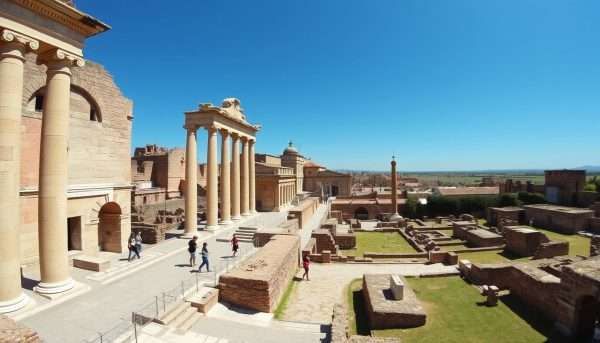
Ostia Antica: Rome’s Better Alternative to Pompeii
Just 30 minutes from Rome by train lies this remarkably preserved ancient Roman port city. With intact streets, apartment buildings, temples, and even a theater, it rivals Pompeii in archaeological importance but receives a fraction of the visitors. You can wander freely through ancient apartments, sit in a 2,000-year-old theater and explore bathhouses with original mosaics.
How to get there: Take the Roma-Lido train from Porta San Paolo station
Best time to visit: Weekday mornings
Why it’s less crowded: Overshadowed by Pompeii despite being much more accessible from Rome
Appian Way: Ancient Road in the Countryside
The ancient Roman highway that once connected Rome to Brindisi offers a peaceful escape just outside the city. Rent a bike or walk along the original Roman paving stones past ancient tombs, catacombs and countryside villas. On Sundays, the road is closed to traffic, creating a car-free oasis.
How to get there: Bus 118 from Circo Massimo metro station
Best time to visit: Sunday mornings when the road is closed to traffic
Why it’s special: Combines archaeology, nature, and exercise away from city crowds
Cerveteri: Etruscan Necropolis
Step back in time to explore the mysterious civilization that preceded the Romans. This UNESCO World Heritage site contains thousands of Etruscan tombs dating from the 9th to 1st century BCE, many shaped like the houses of the living with multiple rooms you can enter. Despite its archaeological importance, it receives few visitors.
How to get there: Train from Roma San Pietro station to Marina di Cerveteri, then local bus
Best time to visit: Weekdays
Why it’s less crowded: Located off the main tourist track and focused on pre-Roman history
Embracing the Authentic Rome
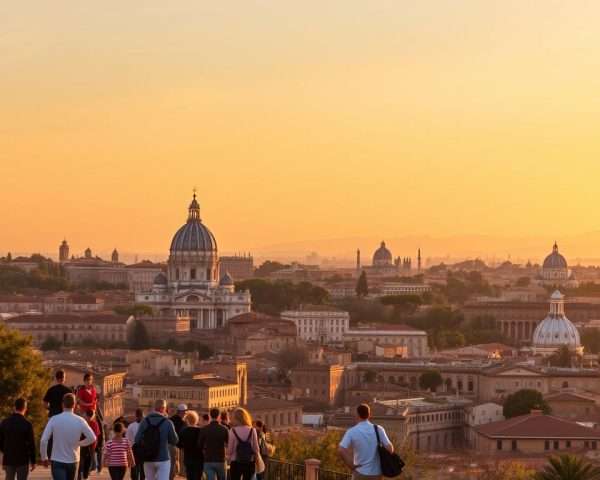
Rome’s magic isn’t limited to its famous monuments. By venturing beyond the tourist hotspots, adjusting your timing and embracing local neighborhoods, you’ll discover a richer, more authentic side of the Eternal City. The Rome to avoid tourists is the Rome where Italians actually live, work, eat and socialize—and it’s waiting for you just a few streets away from the crowded attractions.
Remember that even the most famous sites can be enjoyed without crowds if you time your visit strategically. Early mornings and evenings transform even the Colosseum area into a more peaceful experience. By combining these timing strategies with visits to the lesser-known gems we’ve shared, you’ll create memories of a Rome that many visitors never get to see.
Experience the Real Rome
Discover hidden corners of the Eternal City with a local guide who can show you authentic Rome beyond the tourist crowds.
Share your experience in the comments below.



Leave A Comment