

Natural Splendors of Beautiful Kurdistan
Kurdistan’s diverse landscapes offer some of the most spectacular natural scenery in the Middle East. From towering mountains to serene lakes and lush valleys, the region’s natural beauty remains largely undiscovered by mass tourism.
Majestic Zagros Mountains
The Zagros Mountain range forms Kurdistan’s dramatic backbone, with peaks reaching over 3,600 meters. Halgurd Mountain, Iraq’s highest peak, offers challenging hiking opportunities and breathtaking panoramic views. The mountains are home to diverse ecosystems, hidden waterfalls and traditional Kurdish villages that have preserved their way of life for centuries.
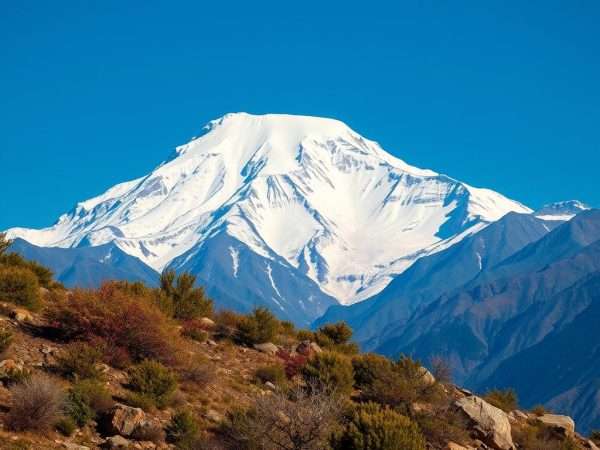
Ready for a Mountain Adventure?
Experience the majesty of Kurdistan’s mountains with expert local guides who know the hidden trails and spectacular viewpoints.
Rawanduz Canyon
Often called the “Grand Canyon of Kurdistan,” Rawanduz Canyon offers some of the most spectacular views in the region. The deep gorge carved by the Great Zab River features dramatic cliffs, winding roads and panoramic viewpoints that leave visitors in awe. The canyon’s beauty changes with the seasons, from lush green in spring to golden hues in autumn.

Dukan Lake
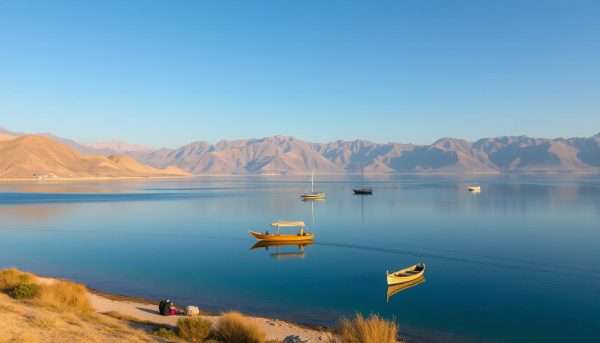
As Iraq’s largest lake, Dukan offers a tranquil retreat from the region’s mountainous terrain. The azure waters reflect the surrounding hills, creating a picturesque setting for boating, fishing and lakeside picnics. Local families often gather along its shores, especially during weekends, creating a lively atmosphere that visitors can enjoy alongside authentic Kurdish cuisine.
Bekhal Waterfall
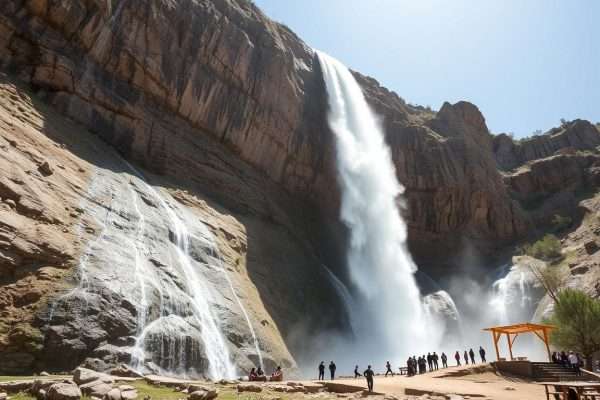
Near Rawanduz, the cascading waters of Bekhal Waterfall create a refreshing oasis amid the mountainous landscape. Visitors can walk along pathways that wind through the falls, feeling the cool mist on their skin. The surrounding area features small cafés where you can enjoy tea while listening to the soothing sound of rushing water.

Geli Ali Beg Waterfall
This iconic waterfall is so beloved that it appears on the 5,000 Iraqi Dinar note. The single stream of water plunges dramatically from a high cliff face, creating a spectacular sight against the rocky backdrop. The surrounding area has been developed with restaurants and picnic spots, making it a popular destination for both locals and tourists.
Cultural Treasures Through the Ages
Kurdistan’s rich history has left behind a fascinating array of cultural sites that tell the story of this ancient land. From citadels and monasteries to sacred Yazidi temples, these sites offer glimpses into the diverse heritage that shapes Kurdish identity today.
Erbil Citadel
Rising dramatically above Erbil’s central square, the ancient citadel is one of the world’s oldest continuously inhabited settlements, dating back at least 6,000 years. This UNESCO World Heritage Site sits atop a tell (artificial mound) created by countless generations building upon the same location. Walking through its narrow alleyways reveals traditional Kurdish houses, museums and stunning views of the modern city below.

“Standing atop Erbil Citadel, you’re not just visiting a historical site – you’re experiencing the living heart of one of humanity’s oldest continuous settlements, where people have lived for over 6,000 years.”
Lalish Temple
The spiritual center of the Yazidi faith, Lalish Temple is nestled in a peaceful valley surrounded by mountains. Visitors must remove their shoes before entering this sacred site, where conical roofs and intricate stone carvings create a mystical atmosphere. The temple complex includes the tomb of Sheikh Adi ibn Musafir, the central figure of Yazidi faith, and several sacred springs believed to have healing properties.

Mar Mattai Monastery
Clinging to the mountainside north of Mosul, the Mar Mattai Monastery dates back to the 4th century CE. This ancient Christian monastery offers not only religious significance but also breathtaking views of the Nineveh Plains below. Its stone corridors house ancient manuscripts, religious artifacts and a small community of monks who maintain traditions that have survived for centuries.
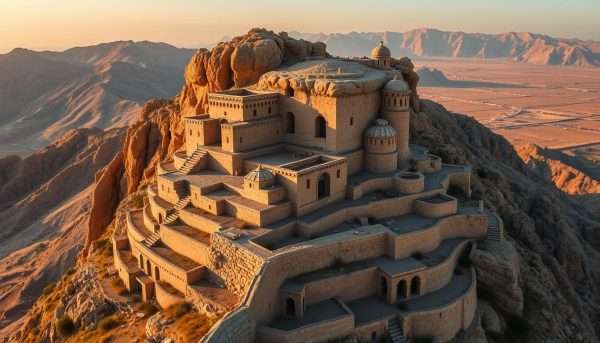
Discover Kurdistan’s Rich Heritage
Join expert cultural guides who will bring Kurdistan’s fascinating history and traditions to life through immersive experiences.
Vibrant Cities of Kurdistan
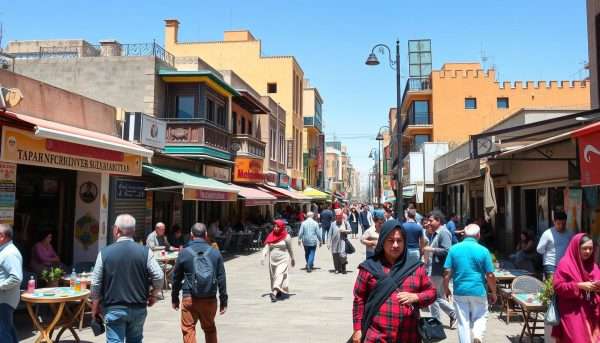
Kurdistan’s cities blend ancient history with modern development, offering visitors a fascinating glimpse into the region’s evolution. From bustling bazaars to contemporary shopping malls, these urban centers showcase the dynamic nature of Kurdish society.
Erbil: The Ancient Capital
As the capital of Iraqi Kurdistan, Erbil (also known as Hawler) combines historical significance with modern amenities. The city revolves around the ancient citadel, with the vibrant Qaysari Bazaar at its base offering everything from handcrafted carpets to local spices. Modern Erbil features upscale shopping malls, international restaurants and the peaceful Sami Abdulrahman Park, where families gather for leisure activities.

Sulaymaniyah: Cultural Hub
Known for its intellectual and artistic atmosphere, Sulaymaniyah (or Slemani) is often called the cultural capital of Kurdistan. The city houses several museums, including the sobering Amna Suraka (Red Prison) museum that documents Kurdish suffering under Saddam Hussein’s regime. Visitors can enjoy the city’s renowned cafés, art galleries, and the bustling bazaar where traditional crafts and modern goods sit side by side.
Duhok: Gateway to Mountains
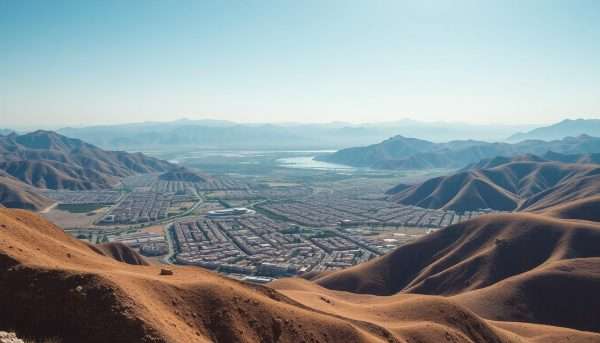
Nestled between mountains, Duhok serves as an ideal base for exploring Kurdistan’s natural wonders. The city’s beautiful setting is enhanced by Duhok Dam Lake, where locals enjoy boating and picnicking. The central bazaar offers authentic Kurdish products, while the University of Duhok brings a youthful energy to the city. Duhok’s strategic location makes it perfect for day trips to sites like Lalish Temple and Amadiya.
Is it safe to travel to Kurdistan?
Iraqi Kurdistan is generally considered safe for tourists and operates as an autonomous region with its own security forces. The Kurdish Regional Government prioritizes visitor safety and violent crime rates are low. However, it’s always advisable to check current travel advisories before planning your trip and consider hiring a local guide for the best experience.
Do I need a visa to visit Kurdistan?
Many Western nationalities receive a 30-day visa on arrival when flying directly into Erbil or Sulaymaniyah International Airports. However, visa requirements can change, so it’s best to check with the Kurdistan Regional Government’s official website or your nearest Iraqi embassy before traveling. Note that a visa for Iraqi Kurdistan is separate from an Iraqi visa.
What is the best time to visit Kurdistan?
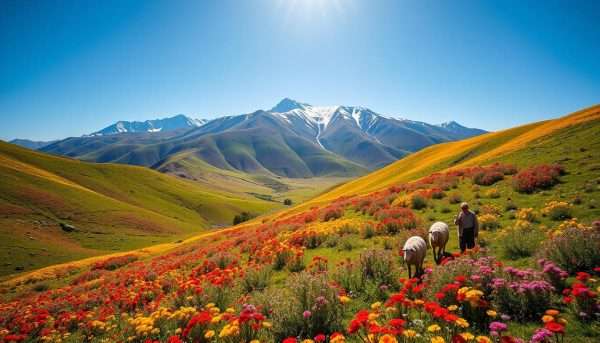
Spring (March to May) and autumn (September to November) offer the most pleasant weather for exploring Kurdistan. Summers can be very hot, especially in the cities, while winters bring snow to the mountains, which can be beautiful but may limit accessibility to some areas. Spring is particularly lovely when the mountains are covered with wildflowers.
Practical Travel Tips for Kurdistan
Planning a trip to Kurdistan requires some preparation to ensure a smooth and enjoyable experience. Here are essential tips to help you make the most of your adventure in this beautiful region.
Best Seasons to Visit
Kurdistan experiences distinct seasons, each offering a different experience. Spring (March-May) brings lush green landscapes and wildflowers, making it ideal for photography and hiking. Autumn (September-November) offers pleasant temperatures and golden mountain scenery. Summer (June-August) can be extremely hot in the cities but comfortable in the mountains. Winter (December-February) brings snow to higher elevations, creating beautiful landscapes but potentially limiting access to some areas.
Local Etiquette and Customs
Kurdish hospitality is legendary, and you’ll likely be invited for tea or even meals. It’s polite to accept such invitations when possible. Dress modestly, especially when visiting religious sites or rural areas. Women should cover their shoulders and knees, though headscarves are generally not required except at religious sites. Greet people with “Slaw” (hello) and always use your right hand for eating or passing objects.

Transportation Options
Renting a car gives you the most flexibility for exploring Kurdistan’s diverse landscapes, though mountain roads can be challenging. Shared taxis connect major cities and are an affordable option for intercity travel. Within cities, taxis are plentiful and inexpensive. For remote areas, consider hiring a driver or joining organized tours, especially if you don’t speak Kurdish or Arabic.

Accommodation Choices
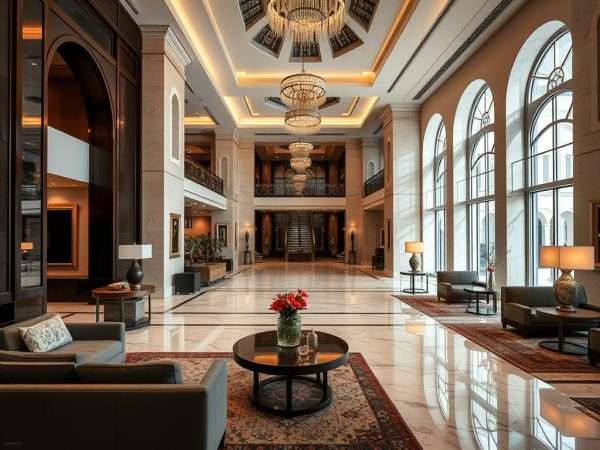
Major cities like Erbil and Sulaymaniyah offer a range of accommodations from international luxury hotels to budget guesthouses. In smaller towns, options may be limited, so booking ahead is advisable. For an authentic experience, some villages offer homestays where you can experience Kurdish family life and home-cooked meals.
Travel with Peace of Mind
Ensure your Kurdistan adventure is protected with comprehensive travel insurance that covers adventure activities and remote destinations.
Language Basics
Kurdish (primarily Sorani dialect in Iraqi Kurdistan) is the main language, though many people in tourism and business speak some English. Learning a few basic Kurdish phrases will be greatly appreciated by locals. Arabic is also widely understood, especially among older generations.
| English | Kurdish (Sorani) | Pronunciation |
| Hello | Slaw | Slaw |
| Thank you | Supas | Soo-pass |
| Yes/No | Balay/Na | Ba-lay/Na |
| Please | Tikaya | Tee-ka-ya |
| How much? | Chanda? | Chan-da |
Food and Dining
Kurdish cuisine offers a delicious array of grilled meats, fresh vegetables, and flavorful rice dishes. Don’t miss specialties like biryani (spiced rice with meat), dolma (stuffed vegetables) and kebabs. Vegetarians will find plenty of options, including a variety of salads, yogurt dishes and bean-based stews. Most restaurants serve complimentary bread, salads and pickles before the main course.

Sustainable Tourism in Beautiful Kurdistan
As Kurdistan opens up to international tourism, there’s a growing emphasis on sustainable practices that preserve the region’s natural beauty and cultural heritage while benefiting local communities.
Community-Based Tourism
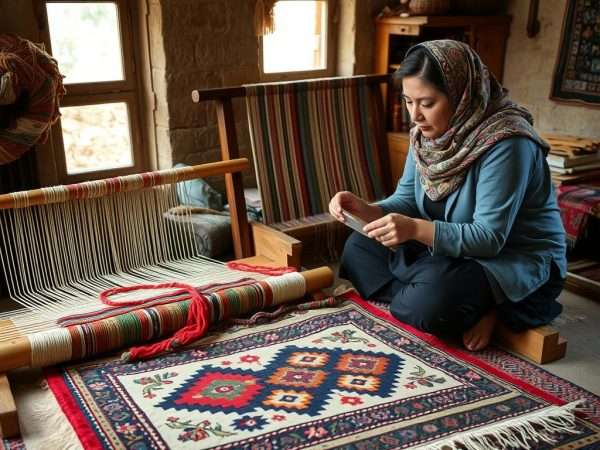
Several initiatives now connect visitors with local Kurdish communities, offering authentic experiences while ensuring tourism benefits reach rural areas. Homestays in mountain villages, guided hikes with local experts and traditional craft workshops provide meaningful cultural exchanges and direct economic support to families preserving traditional ways of life.
Environmental Conservation
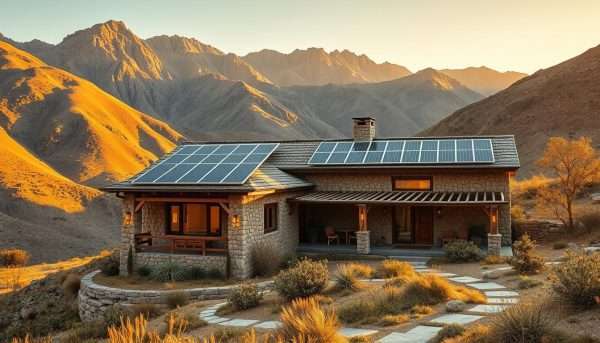
Kurdistan’s mountains and valleys face environmental challenges from development and climate change. Several conservation projects now invite visitors to participate in efforts to protect endangered species, restore natural habitats and promote sustainable agricultural practices. Eco-lodges using traditional building methods and solar power are emerging as environmentally friendly accommodation options.
Cultural Preservation
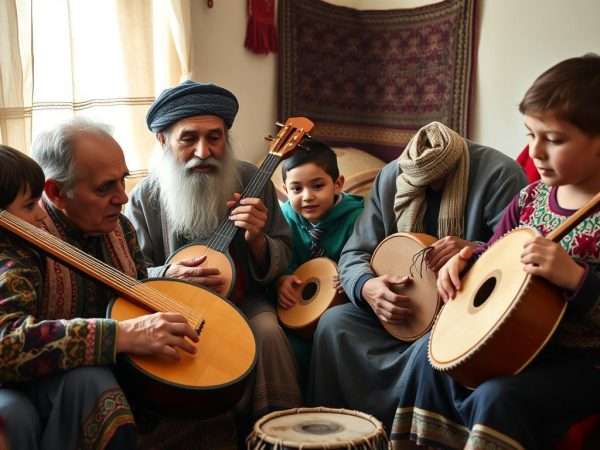
Tourism is helping revitalize traditional Kurdish arts, music, and crafts that might otherwise be lost to modernization. By purchasing locally-made handicrafts, attending cultural performances and visiting community museums, visitors contribute directly to cultural preservation efforts and help younger generations connect with their heritage.
Embracing the Beauty of Kurdistan
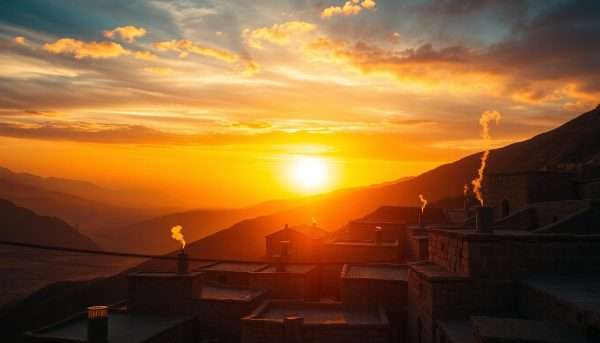
Beautiful Kurdistan stands at a unique moment in its history, gradually opening its doors to reveal treasures long hidden from the outside world. For travelers willing to venture beyond familiar destinations, the rewards are extraordinary: breathtaking landscapes untouched by mass tourism, cultural experiences of profound authenticity and hospitality that transforms visitors into honored guests and friends.
As you plan your journey to this remarkable region, remember that tourism here is not just about seeing new places but about meaningful connections and exchanges. Every interaction, from sharing tea with a Kurdish family to learning about ancient traditions, contributes to building bridges of understanding. By approaching Kurdistan with an open heart and mind, you’ll discover not only the external beauty of mountains and monuments but also the inner beauty of a resilient culture that has preserved its identity through centuries of challenges.
Begin Your Kurdistan Adventure
Experience the legendary hospitality, breathtaking landscapes and rich cultural heritage of beautiful Kurdistan with expert local guides.
Share your comments below.





Leave A Comment