
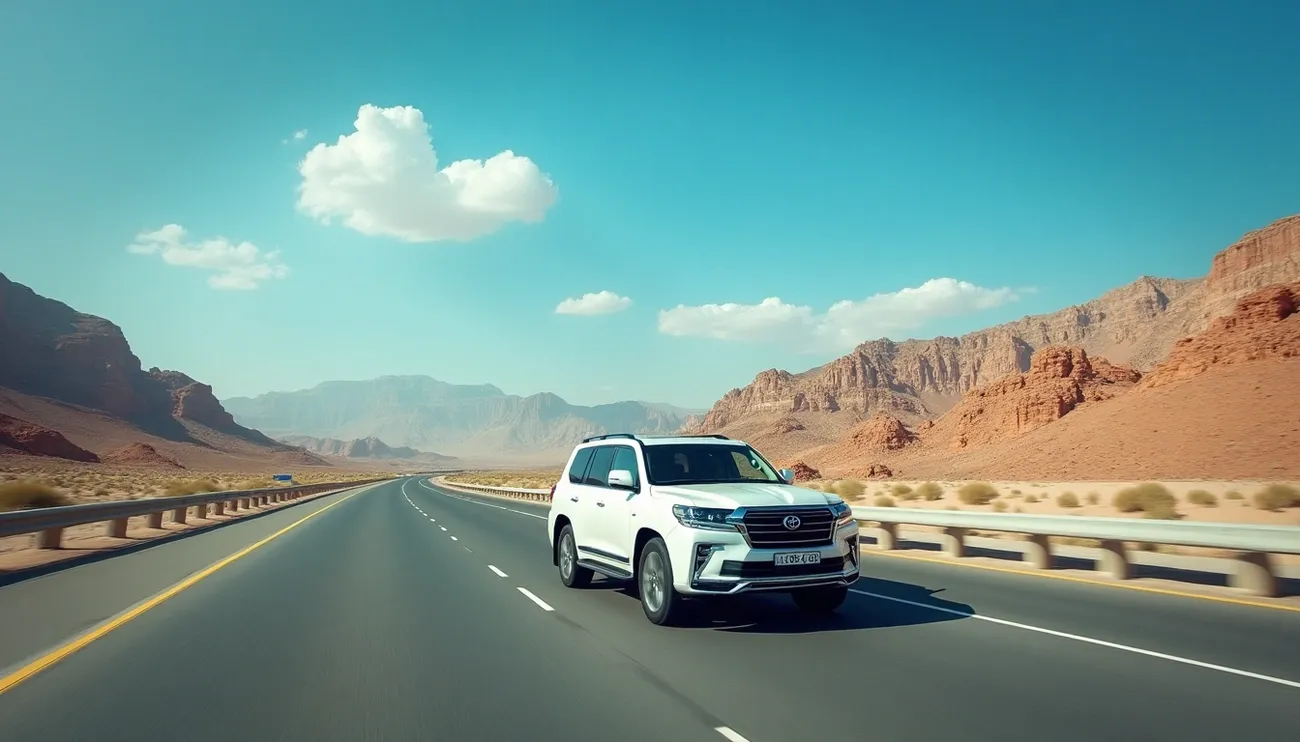
A road trip from Dubai to Oman gives travelers one of the most scenic drives in the Middle East. The route spans about 450km between these neighboring countries. The drive from Dubai to Muscat takes four to five hours, making it a perfect adventure to cross international borders without flying.
The Dubai to Muscat drive offers a remarkable change in scenery. The landscape changes right after crossing into Oman. UAE’s familiar terrain gives way to lush, green fields while the turquoise sea sparkles along the road. Travelers need proper documentation to drive between Dubai and Oman. An Orange Card is required for all vehicles crossing between the two countries. Oman’s highways are well-maintained with good stops along the way. The city of Sohar sits at the halfway point and provides a perfect break during the trip to Oman.
This piece covers everything you need to plan your trip, cross borders quickly, navigate Omani roads, and find the best stops between Dubai and Muscat.
Planning Your Dubai to Oman Road Trip

Planning ahead will give you a smooth Dubai to Oman road trip experience. Let’s look at everything you need to know about timing, distance, and picking the right vehicle.
Hire an elite vehicle in Dubai.
Best Time to Travel by Road
The best months to plan your Dubai to Oman by road trip are between October and May. The weather is perfect from December to February. You’ll find temperatures between 23°C to 26°C during the day and 13°C to 17°C at night. Winter months make driving comfortable without the region’s typical summer heat.
Stay away from planning your road trip to Oman from June through August. Summer temperatures can hit above 40°C, which makes exploring tough and puts extra stress on your car. If summer travel is unavoidable, try to drive early in the morning or evening to reduce heat-related issues.
How Long is the Dubai to Muscat Drive?
Your Dubai to muscat drive will cover 450-545 kilometers, depending on which route you take. Pure driving time usually takes 4-5 hours. Plan for 5-7 hours total to account for border crossings and breaks along the way.
Your travel time depends on:
- Border crossing lines (30 minutes to 1 hour, longer on weekends and holidays)
- Dubai traffic conditions
- How many stops you make for food, fuel, and rest
Choosing the Right Vehicle for the Journey
The right vehicle choice is significant for your Dubai to Oman road trip. Check if your rental company allows cross-border travel – not all Dubai rental agencies let their cars enter Oman. Companies like Ejarcar, One Click Drive and Dollar Rental offer these options. Discovercars can help you find better rates.
Your vehicle insurance should cover Oman travel. Most policies have this coverage, but you’ll need an “Orange Card” from your insurer as proof. Rental cars need a notarized No Objection Certificate (NOC) from the owner to approve cross-border travel.
Regular two-wheel drive cars are enough for Dubai-Muscat routes since the roads are in good shape. But if you plan desert trips or off-road adventures in Oman, you might want to get a 4×4 vehicle.
Crossing the Border: What You Need to Know
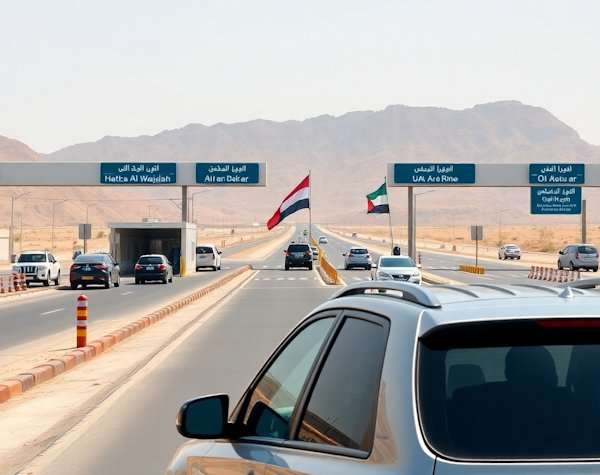
A smooth border crossing makes all the difference in your Dubai to Oman road trip adventures. You can save time and avoid hassles by knowing the right entry points and having your documents ready.
Main Border Crossings Open to Tourists
UAE and Oman share five major border posts for tourists and UAE residents. The Hatta-Al Wajajah crossing stands out as the top choice for the Dubai to Muscat drive. Located 140km from Dubai, crossing usually takes 30-60 minutes. Travelers from Abu Dhabi often prefer the Mezyad-Hafeet border in Al Ain, which sits 190km away – about 2 hours from the capital. The region offers additional entry points through Khatam Al Shiklah in Al Ain, Al Dhara Border Post-Musandam for Khasab visitors, and the Dibba checkpoint for eastern Musandam.
Documents Required at the Border
Your Dubai to Oman by road trip needs proper paperwork. Here’s what you need:
- Valid Emirates ID
- Passport with minimum six-month validity
- Vehicle registration card (Mulkiya)
- Valid driving license
- Car insurance certificate (Orange Card)
- No Objection Certificate (if driving a borrowed/rental vehicle)
- Tourism Certificate (for Dubai-registered vehicles only)
You’ll show these documents twice – first at UAE exit points and then at Omani entry checkpoints.
Visa and Exit Fee Details
The UAE exit fee costs 35 AED per person. UAE residents can get a visa-on-arrival at Omani borders that allows a 14-day stay for 5 OMR (about 47 AED). Planning a longer stay up to 30 days? The Royal Oman Police website offers eVisa applications.
Tourism Certificate and Orange Card Explained
Dubai-registered vehicles need a Tourism Certificate, officially named “Certificate to Use the Vehicle Outside the UAE for Tourism Purposes”. RTA Customer Happiness Centers issue this document for 170 AED when you show your Emirates ID and vehicle registration.
The Orange Card works as international motor insurance that covers third-party liability in Oman. Border officials might refuse entry without this card or ask you to buy temporary insurance there. Annual coverage ranges from 100-300 AED based on your insurer and vehicle type. At the border, temporary insurance starts at 106 AED for 5-day coverage.
Driving in Oman: What to Expect on the Road

The landscape changes dramatically as you cross the border on your Dubai to Oman road trip. Oman’s roads offer a completely different driving experience compared to the UAE.
Road Conditions and Signage
Roads in Oman range from pristine highways to winding mountain paths. You’ll find excellent driving conditions on the E44 highway and Muscat Expressway, though some areas might have ongoing construction work. Navigation becomes easy with road signs displayed in both Arabic and English. Just remember that place names might appear with different spellings between signs.
Speed Limits and Traffic Rules
The authorities take speed limits very seriously in Oman. Highways allow speeds up to 120 km/h, while rural roads cap at 90 km/h. Urban areas restrict speeds between 40-60 km/h. Speed cameras monitor the roads extensively. Omani drivers stand out from their neighbors by sticking to these posted limits.
Fuel Stations and Rest Stops
Main routes feature regular petrol stations, though prices run slightly higher in Oman (OMR 0.250/liter) than UAE (AED 2.49/liter). Fill up your tank right after crossing the border because stations along the expressway require long detours. You should pack your own snacks and water since rest stops are few and station food might not meet expectations.
Mobile Signal and Offline Maps
Your phone signal might drop outside major towns. It helps to download maps before you start your journey. You can choose from Google Maps offline, Here WeGo, 2GIS, or the RTA app.
Best places to visit in Abu Dhabi.
Must-See Stops Along the Way

The trip between Dubai and Oman gives you more than just a way to reach your destination. You’ll find amazing sights that will improve your travel experience.
Sohar: A Perfect Halfway Break
The historic port city of Sohar makes an ideal rest stop halfway through your Dubai to Oman road trip. This coastal city’s rich heritage shines through attractions like the ancient Sohar Fort. LuLu hypermarket sits right off the main road. Travelers can grab snacks here, including local treats like almond-stuffed dates and ice cream to enjoy for the rest of their trip.
Scenic Views Near Mleiha and Sharjah
The impressive Sharjah Mosque appears after Exit 71, just 40 minutes into your Dubai to Muscat drive. It’s the largest mosque in the emirate. Mountains of Mleiha create striking views that stand out against the desert backdrop. The majestic Hajar Mountains become your constant companion once you cross into Oman, making this stretch perfect for photos.
Where to Eat and Refuel
Fill your tank at the petrol station right after you enter Oman. This step matters because service stations along the expressway need long detours to reach. Rest stops between the border and Muscat are few, so pack plenty of snacks and water. Local roadside cafes let you taste authentic dishes that add flavor to your road trip to Oman.
Arrival in Muscat: First Impressions
Beautiful mosques light up the city as you approach Muscat at dusk. The magnificent Sultan Qaboos Grand Mosque shows you’ve reached your destination. New visitors often notice Oman’s strong infrastructure. Modern roads and highways blend perfectly with the country’s traditional architecture.
Enjoy Dubai to Oman Road Trip
A road trip from Dubai to Oman ranks among the Middle East’s most rewarding adventures. This trip combines stunning landscapes, cultural experiences, and pure excitement. The scenery changes right after crossing the border, as Dubai’s urban landscape gives way to Oman’s natural beauty, lush greenery and turquoise sea.
Of course, proper preparation makes a huge difference when you begin this cross-border trip. The best time to plan your journey falls between October and May. You should keep all documents, especially the Orange Card and Tourism Certificate, handy. On top of that, you need to choose the right vehicle and get cross-border permissions before reaching checkpoints.
The trip covers about 450 kilometers and takes 4-5 hours of actual driving time, but every minute on the road proves worthwhile. Sohar makes a perfect stopping point halfway through, while the magnificent Hajar Mountains create a stunning backdrop for most of your drive. First-time visitors will love Oman’s traditional architecture that stands in beautiful contrast to its modern highways.
This road trip gives you a chance to see the Middle East’s geographic diversity up close. The route from Dubai to Oman rewards you with ever-changing views, cultural discoveries and the freedom to set your own pace. You can make it a weekend getaway or the start of a longer Omani adventure. Either way, this authentic Arabian Peninsula experience offers something that flying just can’t match.
A city for families and fast cars.
FAQs
Q1. What documents do I need for a road trip from Dubai to Oman?
You’ll need a valid passport with at least six months validity, Emirates ID, vehicle registration card, valid driving license, car insurance certificate (Orange Card) and a Tourism Certificate for Dubai-registered vehicles. If driving a rental car, a No Objection Certificate is also required.
Q2. How long does the drive from Dubai to Muscat typically take?
The drive from Dubai to Muscat usually takes about 4-5 hours of pure driving time. However, you should budget 5-7 hours for the entire trip, accounting for border crossing procedures and rest stops along the way.
Q3. What’s the best time of year for a Dubai to Oman road trip?
The ideal time for a Dubai to Oman road trip is between October and May, with December through February offering the most comfortable weather conditions. Avoid summer months (June to August) when temperatures can exceed 40°C.
Q4. Are there any notable stops along the Dubai to Oman route?
Yes, the city of Sohar serves as a perfect halfway point for a break. You’ll also see the impressive Sharjah Mosque about 40 minutes into your drive and the scenic Hajar Mountains will accompany you for much of the journey in Oman.
Q5. What should I know about driving in Oman?
Oman has well-maintained highways but stricter speed limits than the UAE. The maximum limit on highways is 120 km/h. Fuel stations are regular along main routes, but it’s advisable to fill up immediately after crossing the border. Also, download offline maps as mobile coverage can be unreliable outside major towns.




Leave A Comment