
Introduction to Costa Rica’s Bird Diversity
Costa Rica, a green haven in Central America, is famous for its incredible variety of plants and animals its birds. This small country is home to more than 900 species of birds in Costa Rica making it a top spot for bird lovers from all over the world.
Costa Rica sits between the Pacific Ocean and the Caribbean Sea. Its special location and changing landscape help create many homes for lots of bird species in Costa Rica. From foggy cloud forests to sunny beaches, each area shows off the lively colorful world of Costa Rica’s feathered locals.
If you’re a bird expert or just like nature, Costa Rica will blow you away. Get ready to be amazed by the musical sounds bright feathers and cool actions of these flying marvels as you start your bird trip through this tropical rainforest wonderland.
Why Costa Rica is a Birdwatcher’s Paradise
Costa Rica attracts birdwatchers for many reasons making it a top spot to observe birds. The country’s dedication to protect the environment and promote eco-friendly tourism has created an extensive system of national parks, reserves and protected zones. These areas act as safe spaces for wildlife.
Also, Costa Rica’s spot on the Americas’ migration routes brings in a steady stream of traveling birds adding to the already rich local bird population. This special mix of local and visiting species creates an energetic and always-changing bird scene giving bird lovers the chance to see a wide range of exotic birds of Costa Rica all year round.
What’s more, the country’s small size and well-built ecotourism setup make it pretty easy to check out many different habitats and ecosystems in a short time. From the thick rainforest Costa Rica birds in the Caribbean lowlands to the rough highlands of the Cordillera de Talamanca. Ultimately, each area has its own set of bird residents, which leads to a varied and fulfilling Costa Rica birding trip.
The Diverse Habitats of Birds From Costa Rica
Costa Rica’s varied habitats have a big impact on its amazing bird diversity. The country’s layout includes a wide range of ecosystems each with its own special features and local bird species in Costa Rica.
- Tropical Rainforests: Costa Rica’s lush rainforests are home to many Costa Rica rainforest birds. You’ll see toucans, motmots, and the hard-to-find quetzal. Ancient Mesoamerican cultures saw the quetzal as a sacred bird.
- Cloud Forests: Mist covers these high-up forests. They have thick plants and air plants growing on trees. In these forests, you can spot the beautiful quetzal, the rarest bird in Costa Rica. You’ll also see different types of tanagers, warblers and hummingbirds.
- Mangrove Swamps: Coastal areas have mangrove swamps. These swamps provide a unique home to many shorebirds, kingfishers, herons and raptors. You can spot the impressive frigatebird and the hard-to-find boat-billed heron here.
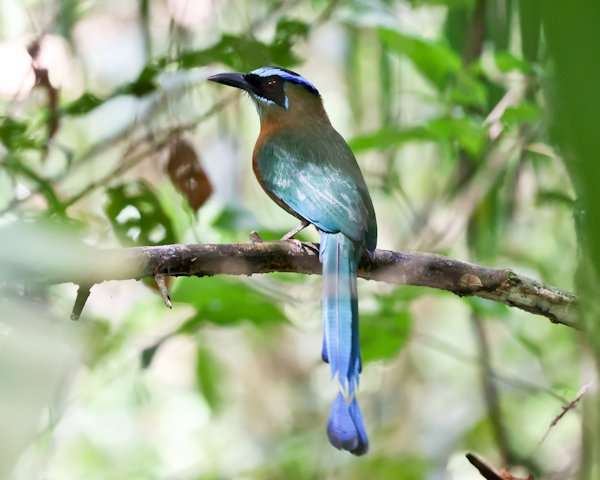
- Dry Forests: Northwest Costa Rica has dry forests. These forests look very different from the green rainforests, but they have just as many birds. You’ll see birds that can live in dry places here. Some examples are the stylish crested caracara and the bright turquoise-browed motmot.
- Páramo: The Páramo ecosystem sits at the highest elevations. This environment has treeless landscapes and tough plants. It gives a home to species that have adapted to these conditions. You’ll find birds like the volcano junco and the fiery-throated hummingbird here.
Every habitat plays a part in diversity turning this small but wildlife-rich country into a dream spot for bird lovers who want to see the amazing range of wildlife.
Well-known Bird Species in Costa Rica
Costa Rica has tons of famous and popular bird species that draw bird watchers from all over the world. Some of the most famous and in-demand species include:
- Resplendent Quetzal: This bird catches the eye with its green feathers that shine and its long tail. People in Costa Rica see it as a symbol of their country and value it in their culture.
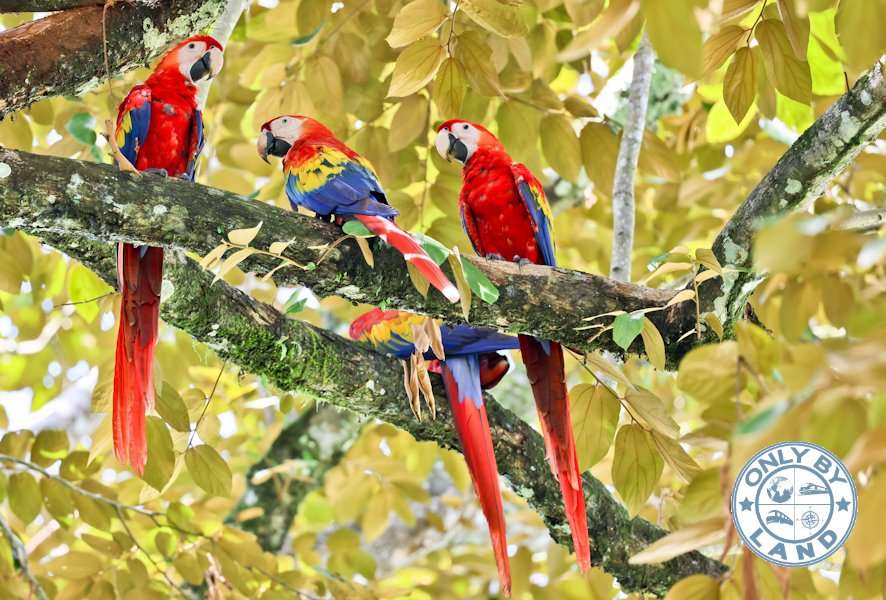
- Scarlet Macaw: The scarlet macaw turns heads with its bright red feathers and bold black marks. You can spot these impressive parrots in the forests near the ground on both the Pacific and Caribbean coast.
- Three-wattled Bellbird: Birdwatchers seek out this species known for its unique wattle and loud, echoing call. You can often spot it in the cloud forests of the Cordillera de Talamanca.
- King Vulture: These are large birds of Costa Rica. Indeed, this impressive raptor boasts a colorful head and huge wingspan making it a breathtaking sight. Visitors can often see these majestic birds gliding over Costa Rica’s forests and savannas.
- Keel-billed Toucan: The keel-billed toucan catches the eye with its huge vibrant beak and eye-catching black and yellow feathers. This bird represents Costa Rica and draws in many tourists.
These are just a handful of the many amazing birds native to Costa Rica that live in this country, each contributing to the charm and thrill of birdwatching in this tropical haven.
Costa Rica Birds Pictures
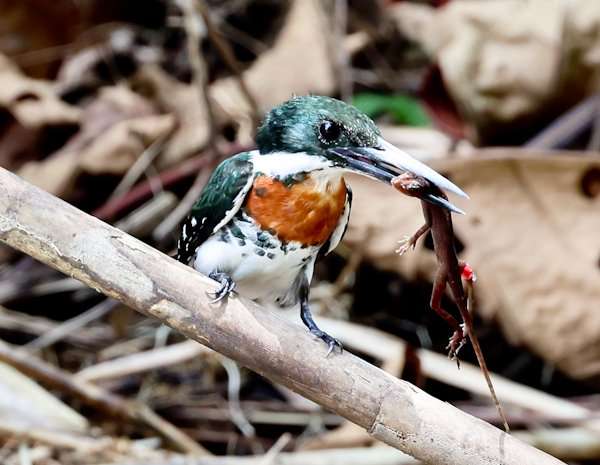
A green kingfisher, one of the six species of kingfishers in Costa Rica. As a matter of fact, all the kingfishers of the Americas can be found in Costa Rica. Here’s a list of the six species of kingfisher in Costa Rica:
- Belted kingfisher
- Green kingfisher
- American pygmy kingfisher
- Amazon kingfisher
- Ringed kingfisher
- Green-and-rufous kingfisher
What is the National Bird of Costa Rica?
The Costa Rica national bird is the clay-colored thrush. Indeed, very easy to find and even easier to hear. However, some consider the resplendent quetzal to be the national bird.
Are There Flamingos in Costa Rica?
No, however, I saw one flying north over Osa Peninsula. Ultimately, this was on a bird migration over the country. In addition, there’s the famous Flamingo Beach.
How Many Species of Birds in Costa Rica?
There are over 900 bird species in Costa Rica. As a result, you’ll see different birds each time you go bird watching.
Colorful Birds of Costa Rica

The vibrant and varied range can found across the country is one of the most fascinating aspects of Costa Rica’s bird life. The colors and patterns these feathered marvels show are spellbinding, from the bright shades of tanagers and trogons to the shimmering feathers of hummingbirds and quetzals.
- Tanagers: Costa Rica has many tanagers. You’ll see crimson-collared tanagers, bay-headed tanagers, and golden-hooded tanagers. These birds bring bright colors to the forests.
- Trogons: Trogons are known to have beautiful feathers. The resplendent quetzal black-headed trogon, and gartered trogon show off shiny greens, blues and reds.
- Hummingbirds: Costa Rica hummingbirds are common birds of Costa Rica. Indeed, each one colorful and eye-catching. You’ll see stunning birds like the violet sabrewing and the fiery-throated hummingbird. These small, jewel-like birds are amazing to watch in the wild.
- Toucans: You can’t miss the toucans in Costa Rica’s forests with their big bright beaks and striking feathers. They’re a must-see for any bird lover. Keep an eye out for the keel-billed toucan, the chestnut-mandibled toucan and the emerald toucanet. These birds will grab your attention, no matter how many times you’ve gone birdwatching before.
- Motmots: The motmot family stands out for its eye-catching feathers. Birds like the turquoise-browed motmot and the rufous motmot show off a mix of blues, greens and reddish-brown colors.
These are just a handful of the many vibrant birds of Costa Rica pictures that inhabit the woods, swamps and shorelines of Costa Rica. Each bird showcases the amazing variety and charm of the country’s bird population turning Costa Rica into a dream destination for bird lovers and outdoor enthusiasts.
Costa Rica Endemic Birds
While Costa Rica has an abundance of bird species in Costa Rica, some stand out because they live in this country or within the surrounding area. These one-of-a-kind species make birdwatching in Costa Rica even more thrilling and meaningful.
Endemic Species
Costa Rica has bird species you can’t find anywhere else on Earth. These birds live within Costa Rica’s borders. Here are some examples:
- Cozumel Vireo
- Cocos Cuckoo
- Mangrove Hummingbird
- Black-cheeked Ant-Tanager
- Chiriqui Yellowthroat
Near-Endemic Species
Some bird species live in Costa Rica but might also have a small range in nearby countries. Examples include:
- Baird’s Trogon
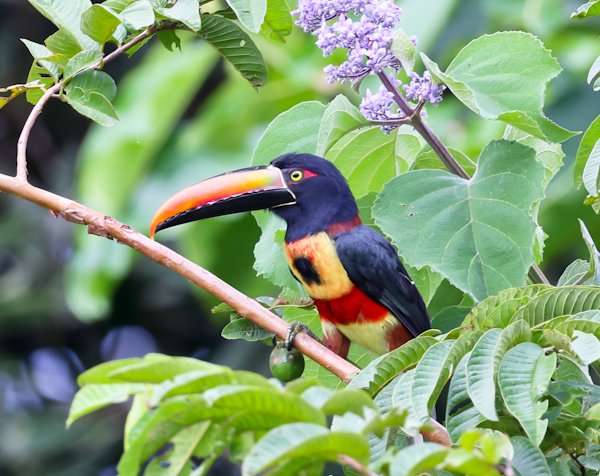
- Fiery-billed Aracari
- Turquoise Cotinga
- Zeledon’s Antbird
- Cabanis’s Ground-Sparrow
Costa Rica Native Birds
These species are not endemic, but they are birds native to Costa Rica and play a key part in the country’s bird variety. Some examples are:
- Resplendent Quetzal – Costa Rica rare birds
- Scarlet Macaw
- Three-wattled Bellbird
- King Vulture
- Keel-billed Toucan
Coming across these special birds that live in certain areas makes birdwatching in Costa Rica even more thrilling and meaningful. These birds don’t just add to the country’s diverse wildlife; they also show why it’s crucial to protect and preserve these amazing avian species. This has an impact on how people view conservation efforts in the region.
Best Birding Hotspots in Costa Rica
Costa Rica has an impact on birdwatchers with its many top-notch locations each with its own mix of habitats and birds. From looking for the hard-to-find quetzal in foggy cloud forests to spotting colorful tanagers in lowland rainforests, you’ll find a place to make any bird lover happy. Here’s a list of some great birdwatching spots in Costa Rica:
Monteverde Cloud Forest Reserve
The Cordillera de Tilarán houses this reserve. It’s famous for its many bird types. You’ll spot the stunning resplendent quetzal here. Hummingbirds, tanagers, and trogons also call this place home.
Corcovado National Park
You’ll find this huge park on the Osa Peninsula. It’s a safe place for lots of bird species in costa rica. The scarlet macaw, chestnut-mandibled toucan and black-cheeked ant-tanager live here.
La Selva Biological Station
This well-known research station in the Caribbean lowlands attracts birdwatchers from all over. It has an impact on bird conservation efforts, with more than 470 species found within its borders. Visitors can spot the great green macaw, the sunbittern and the black-crowned antpitta here.
Carara National Park
This park sits along the Pacific coast and offers a mix of different environments, from dry forests to wetlands. It provides a habitat for birds like the double-striped thick-knee, the orange-fronted parakeet and the black-hooded antshrike. The park’s location allows visitors to see a wide range of bird species.
Los Quetzales National Park
This park has the resplendent quetzal as its namesake. It’s a top spot to see this hard-to-find and famous bird. You can also watch other mountain birds here, like the sooty robin and the fiery-throated hummingbird.
Tortuguero National Park
You’ll find this park on the Caribbean coast. It’s well-known for its wide range of birds. These include the great green macaw, the keel-billed toucan, and many types of herons and egrets.
These are just a few examples of the many great birdwatching spots Costa Rica has to offer. With skilled local guides and a well-developed ecotourism setup, birdwatchers can explore these varied habitats and see the amazing bird diversity that has made Costa Rica a top destination for bird lovers around the world.
Read about the local food and tropical fruit.
Tips for Birdwatching in Costa Rica
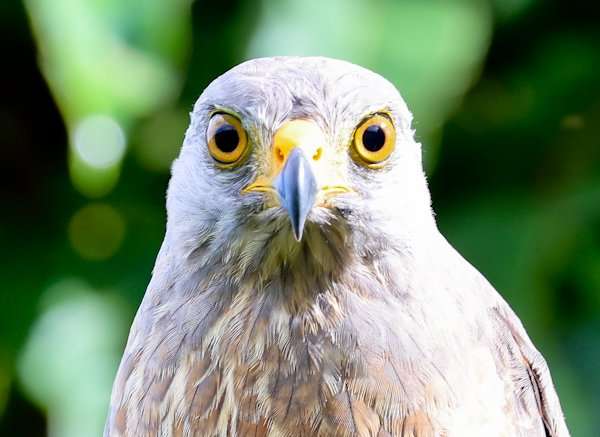
To get the most out of your birdwatching trip in Costa Rica, you need to be ready and follow some useful tips. Here are some key suggestions to help you have a memorable and rewarding experience:
Birding Tours – Hire a Local Guide
You can explore on your own, but getting a knowledgeable Costa Rica birds field guide will make your birdwatching trip better. These experts will help you with bird identification. They’ll also give you useful info about the local habitats and how the wildlife behaves.
Dress Appropriately
Costa Rica has many different landscapes and climates so you need to wear the right clothes. Put on light breathable clothes and strong hiking shoes or boots. Think about bringing rain gear too if you’re going during the rainy season.
Bring Essential Gear
Make sure you have binoculars, a spotting scope (if you want), a Costa Rica bird guide (Merlin app), a camera (if you want to take pictures of what you see) and a notebook to write down what you observe.
Respect the Environment
Costa Rica is known for how much it cares about protecting nature. Show respect for the natural homes of animals by sticking to marked paths keeping quiet and not disturbing things and following the rules of the protected areas you go to.
Be Patient and Observant
Birdwatching needs patience and sharp observation skills. Take your time, move slowly, pay attention to small movements and sounds that might show birds are nearby in Costa Rica.
Think About the Seasons
Different seasons give you unique chances to watch birds in Costa Rica. The dry season (December to April) is seen as the best time to spot resident species, while the wet season (May to November) is perfect to see birds migrate.
Explore Different Habitats
Costa Rica’s varied habitats are home to unique bird communities. Go into rainforests, cloud forests, mangroves and dry forests to boost your chances of seeing rare wildlife.
Stay at Eco-Lodges
Think about booking eco-lodges that focus on conservation and give you chances to watch birds. These places often have guides who know a lot and can take you to great spots for birding.
Bird Photography
If you want to take pictures of Costa Rica’s birds, bring a camera with a good zoom lens. Be patient and respect the birds as you photograph them where they live.
Study Bird Behavior
Learn about the birds you hope to see – feeding patterns, courtship rituals and nesting habits. This info will help you enjoy watching them more and spot them more.
By using these pointers and getting into the mindset of responsible ecotourism, you can have an amazing and worthwhile birdwatching trip to Costa Rica where the stunning and varied bird life steals the show.
Protecting the Bird Population
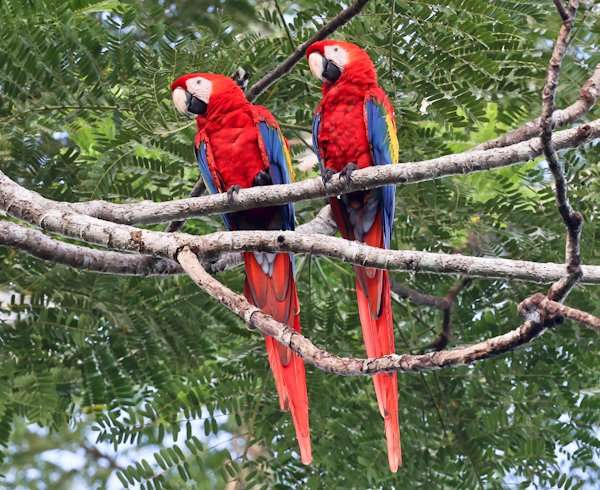
Costa Rica has been a frontrunner in protecting the environment for a long time, and its work to keep its incredible bird diversity safe is no different. Several projects and groups focus on guarding the country’s bird species in Costa Rica and the places they live.
National Parks and Protected Areas
Costa Rica boasts a wide network of national parks biological reserves, and wildlife refuges. These areas provide safe havens for many bird species in Costa Rica. These protected zones have a big impact on keeping key habitats intact and help both local and migrating bird populations survive.
Community-Based Conservation Efforts
Many Costa Rican communities take part in efforts to conserve nature. They understand how important it is to protect their natural heritage. These efforts include eco-friendly tourism practices planting new trees and teaching people about why it matters to protect bird habitats.
Non-Governmental Organizations (NGOs)
Several NGOs, like the Costa Rican Bird Observatories Network (CRBO) and the Tropical Science Center, focus on bird research, population monitoring and conservation. These groups work to protect endangered species and their homes.
International Collaborations
Costa Rica teams up with global organizations and agencies to boost worldwide conservation efforts. They share knowledge and effective methods to conserve birds. These partnerships help to tackle threats to wildlife.
Ecotourism and Sustainable Practices
Costa Rica’s dedication to sustainable tourism, including responsible birdwatching, helps to generate income and support conservation work. By encouraging eco-friendly practices and educating visitors, the country is building a culture that values the environment.
Habitat Diversity Protection
Costa Rica’s work to protect its varied habitats, from tropical rainforests to cloud forests and mangroves, is key to keeping the country’s amazing bird diversity. By saving these habitats, Costa Rica makes sure that many different bird species in Costa Rica can survive and grow.
Research and Monitoring
Ongoing research and keeping tabs on populations and where they live play a key role in grasping the well-being and changes of these species. This insight shapes conservation plans and helps spot possible threats or drops in population numbers.
Speciation Studies
Costa Rica’s one-of-a-kind geography and varied habitats have played a part in speciation leading to the growth of bird species found nowhere else and those adapted to specific environments.
Check Out the Stunning Variety of Birds in Costa Rica
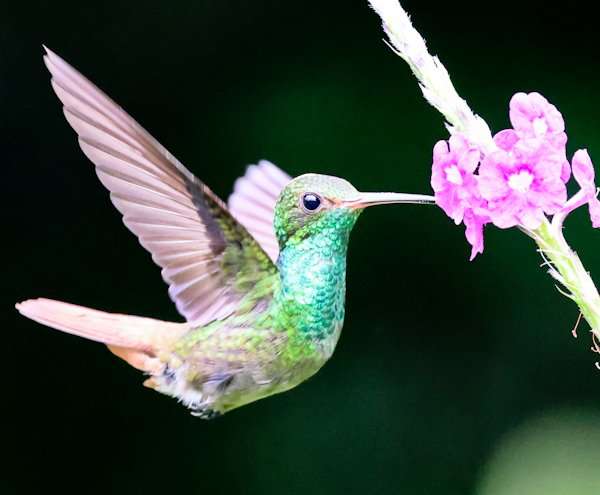
Costa Rica, a real treasure in Central America, gives birdwatchers an amazing chance to see and hear birds that stir up excitement and a sense of discovery. The country’s wide range of birds, from the famous resplendent quetzal to colorful tanagers and trogons, shows how rich its nature is. This variety of birds proves that Costa Rica has an incredible natural legacy.
Whether you’re an experienced birdwatcher or a nature lover looking for a new adventure, Costa Rica offers an amazing trip through different habitats, each showing a unique mix of beautiful birds. Check out the foggy cloud forests where the quetzal’s shiny feathers shine among the plants growing on trees, or go into the lowland rainforests where the loud calls of bellbirds echo through the treetops.
Besides the beauty and variety of its wildlife, it has a rich cultural history that’s tied to a deep respect for nature. The country’s dedication to protecting the environment and promoting responsible tourism makes sure these bird treasures will be around for future generations to enjoy.
When you’re planning your birdwatching trip, keep in mind the idea of responsible ecotourism and show respect for the fragile ecosystems where these amazing birds live. Get experienced guides from the area, stick to the marked paths, and try to leave as little trace as possible. This way, you’ll help make sure that the beautiful and varied bird life you see now will still be there for others to enjoy down the road.
So, grab your binoculars, tie your hiking boots, and start an amazing trip through Costa Rica’s beautiful bird world.
Next, read about the kingfishers of Australia.


Leave A Comment