
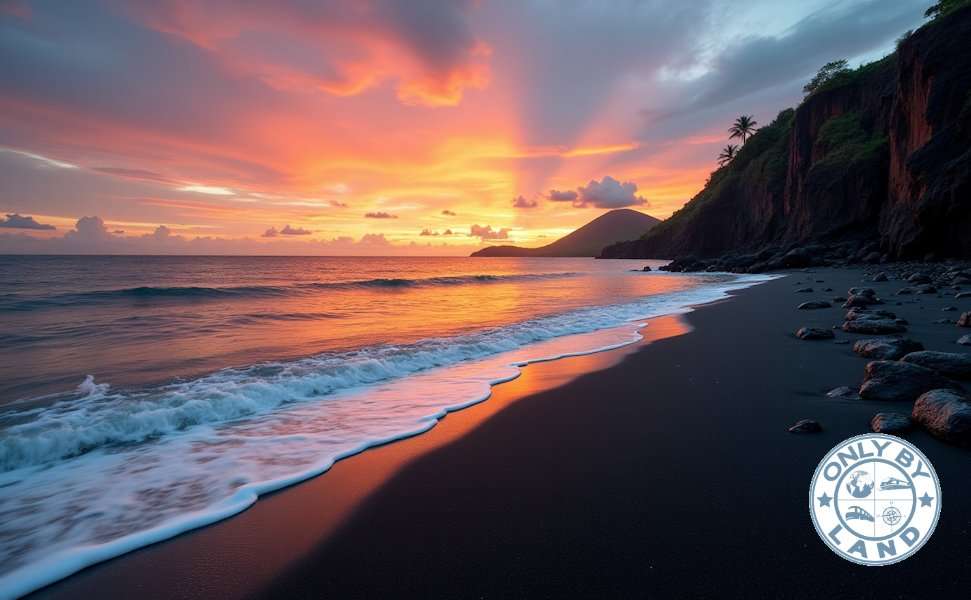
Nicaragua’s hidden beaches blend volcanic landscapes with pristine shorelines that mainstream tourism often overlooks. The country proudly features the world’s largest volcanic island in a freshwater lake—Isla de Ometepe spanning 270 km². Many travelers haven’t discovered these natural treasures where black volcanic sand meets crystal-clear waters.
Nicaragua’s volcanoes shape some of Central America’s most distinctive coastal spots. The fascinating Playa Maderas sits just a 25-minute drive from San Juan del Sur. This unique beach amazes visitors with its “sand volcanoes” where liquefied sand bursts from underground pressure. These volcanic beaches remain budget-friendly destinations. Travelers can enjoy meals for less than $5 and sip cocktails for just $1. The beautiful scenery comes with a bonus – thrill-seekers can try volcano boarding down Cerro Negro, which last erupted in 1999. People often ask, “Does Nicaragua have beaches?” The answer is a definite yes—and they stand out as the region’s most unique coastal gems.
Where to Find Volcanic Beaches Near Managua
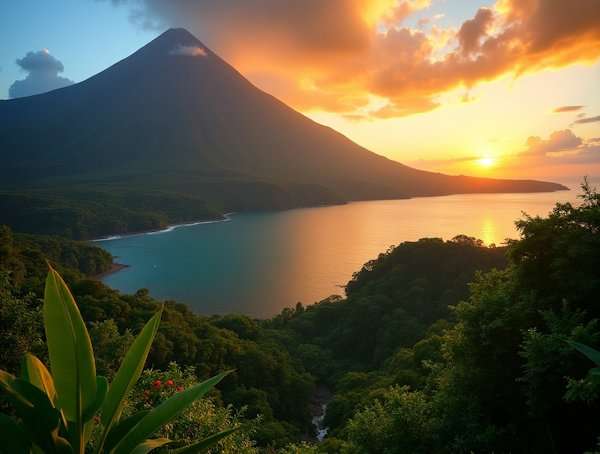
Nicaragua’s nickname, “The Land of Lakes and Volcanoes,” perfectly describes its dramatic landscape that creates unique coastal experiences. The volcanic beaches near Managua exist because powerful geological forces have shaped this Central American nation over thousands of years.
1. Understanding Nicaragua’s Volcanic Geography
The western half of Nicaragua sits where the Cocos Plate slides beneath the Caribbean Plate. This creates an impressive chain of volcanic activity. Nature’s forces have created more than 40 volcanoes that stretch northwest-southeast along the Pacific coast. These volcanoes stand out because they rise from a flat coastal plain just above sea level. You can spot them easily and they’re available to visit.
Nicaragua’s volcanic system is part of the larger Ring of Fire that runs along most of the western coast of the Americas. The region’s tectonic activity causes frequent volcanic eruptions and earthquakes. About half a dozen volcanoes stay active at any time.
2. Beaches Formed by Volcanic Activity
Volcanic activity has substantially changed the beaches in Managua Nicaragua and nearby areas. Unlike the white-sand beaches you’ll find in the Caribbean, many of Nicaragua’s Pacific beaches show off distinctive dark volcanic sand. These unique shorelines form when lava flows meet the ocean and cool quickly. Over time, the cooled lava breaks down into fine black sand.
The main beaches along Nicaragua’s Pacific Coast include:
- Pochomil: Shows off dark volcanic sand and gives you a more local experience
- Montelimar: A popular resort area with volcanic-formed shores
- La Boquita: Just 90 minutes from Managua, making it easy to reach
The volcanic soil makes Nicaragua’s coastal regions exceptionally fertile, especially around Chinandega and León. This creates lush vegetation that stands out against the dark sand beaches.
3. How Close are These Beaches to Managua?
Travelers staying in Managua will find these volcanic beaches easy to reach. La Boquita is one of the closest options – you can get there in about 90 minutes from the capital city. This means you can enjoy Nicaragua’s volcanic beaches on a simple day trip from Managua.
You can reach other volcanic beach areas like Pochomil and Montelimar in 1-2 hours, depending on traffic and road conditions. These volcanic beaches are a great way to get a taste of Nicaragua’s unique coastal geology without going too far from the capital.
The western coast’s compact layout lets you visit multiple volcanic beaches during a short stay. This makes the Managua region an excellent starting point to explore the coast.
More things to do in Nicaragua.
Top Hidden Volcanic Beaches to Explore
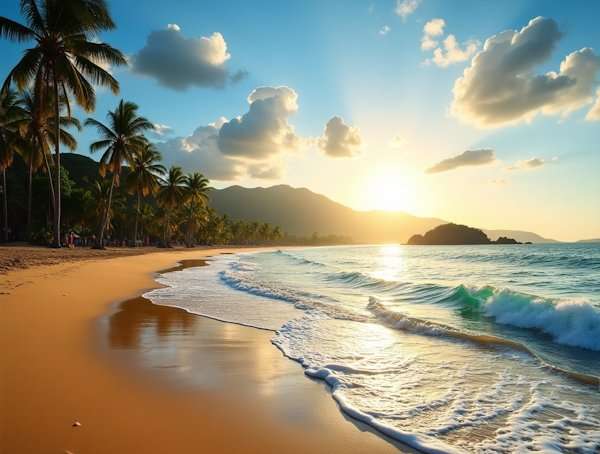
Three amazing volcanic beaches sit just outside Managua’s busy streets. These lesser-known coastal spots blend natural beauty with local culture perfectly. Each beach tells its own story of Nicaragua’s volcanic past.
1. Playa Pochomil: Black Sand and Local Charm
Pochomil has become the go-to beach for Nicaraguans, just 60km from Managua. Dark volcanic sand covers this expansive shoreline that runs for miles – perfect for swimming and beach walks. The beach stretches 200-300 feet wide when the tide is low.
Beach lovers can ride horses along the water or try fresh seafood at the many beachfront restaurants. Local food experts rave about the signature dish “fish to the Pochomil”. The beach gets busy with city folks during Holy Week and weekends, but stays peaceful on weekdays.
2. Masachapa: A Quiet Fishing Village with Lava-formed Shores
Next to Pochomil lies Masachapa, a genuine fishing village where volcanic rocks create tiny tidal pools. These pools let you watch sea life up close and snap beautiful sunset photos. The village gives you a real taste of Nicaragua’s coastal lifestyle.
El Faro, a lighthouse, helps local fishermen navigate the Pacific waters. Photography fans love the lighthouse’s sweeping views of the coastline.
3. Playa Quizalá: A Secluded Gem with Volcanic Cliffs
Beach seekers who want peace and quiet will love Playa Quizalá. A rough road leads to this hidden spot where you might have the whole beach to yourself. The scenery looks like Washington state’s coastline but with warmer water and better weather.
Surfers have discovered Quizalá’s “lush surf” spots. While most people come here to relax, you can also catch some waves. Beautiful sunsets and unspoiled conditions make this hidden spot special for adventurous travelers.
More beaches in Nicaragua.
What to Do at These Beaches
The sort of thing I love about Managua’s volcanic beaches is they go beyond just stunning views. These hidden paradises let you do things you won’t find at regular beach spots. You can swim in warm waters and discover natural wonders created by ancient lava flows.
1. Swimming and Sunbathing on Volcanic Sand
Nicaragua’s Pacific coast has beaches that work for surfers of all levels, including spots like Playa Maderas, Popoyo, and El Tránsito. The dark volcanic sand makes sunbathing special – black granules heat up differently than white sand, giving you a naturally warm surface to relax on. These volcanic beaches stay relaxed and quiet compared to tourist hotspots, even on weekends.
Natural pools dot certain parts of the coastline if you prefer calmer waters. Visitors can cool off in refreshing natural pools on Ometepe Island while taking in the volcanic scenery. Las Brasiles is perfect for newcomers to book surf lessons, with warm water that makes learning comfortable throughout the year.
2. Exploring Tide Pools and Lava Rock Formations
The coastline reveals one of its best features as the tide pulls back – tide pools scattered across the volcanic shore. These natural pools become home to tiny marine worlds, with colorful fish and beautiful coral patterns. El Transito beach stands out with its impressive tide pools that you can swim in during low tide.
Dramatic lava rock formations create stunning backdrops along many beaches. Nimbu beach lets visitors take short hikes up winding paths to catch panoramic ocean views over these volcanic formations. These geological marvels show nature’s raw power that altered the map of Nicaragua’s coast.
3. Local Food and Beachside Dining
A beach day isn’t complete without trying the local food. Fresh seafood rules the coastal menus and the oysters are a must-try. You’ll find authentic Nicaraguan dishes next to international favorites in restaurants with perfect sunset ocean views.
Las Peñitas beach town has plenty of places to eat where they cook fresh-caught fish using traditional recipes. The real local flavors come from beachside vendors selling tajadas (fried plantain chips) or elote (creamy street corn).
Planning Your Trip to Managua’s Secret Beaches
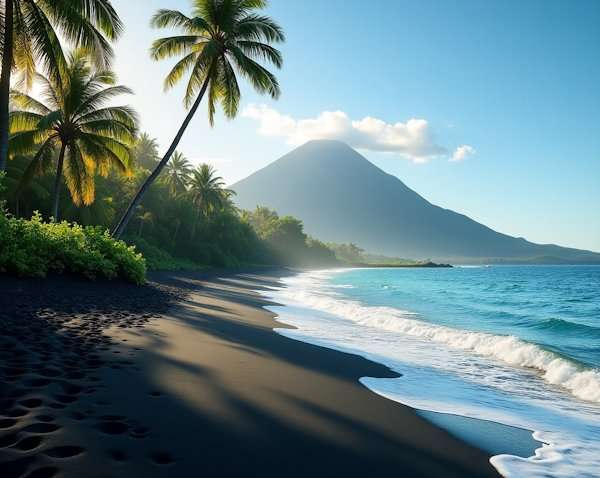
A trip to the volcanic beaches near Managua needs smart planning that lets you enjoy more and worry less. These practical tips will help you discover Nicaragua’s geological wonders, whether you seek perfect waves or quiet shorelines.
1. Best Time to Visit for Weather and Waves
Nicaragua has two distinct seasons: dry (November-April) and wet (May-October). Beach visits are best during the dry season with reliable sunshine and pleasant temperatures between 27-32°C (80-90°F). The weather stays most stable from January through March.
Surfers should watch the seasonal wave patterns. The Pacific coast’s best swells come between March and November. June and July bring peak conditions with waves reaching 4-6 feet – ideal heights for intermediate surfers.
2. How to Get There: Transport Tips
These hidden volcanic beaches need some planning to reach from Managua. Rental cars give you the most freedom, with daily rates of $25-40. Highway 8 leads straight to most beaches. The trip takes 45-90 minutes depending on your destination.
Budget travelers can catch express busses from Managua’s UCA terminal to coastal towns. These cost $2-4 one-way. “Colectivos” – shared taxis – offer a more direct route at $5-8 per person.
3. Where to Stay: Eco-lodges and Local Guesthouses
You’ll find places to stay from simple to comfortable near these volcanic beaches. Pochomil’s Surfing Turtle Lodge has beachfront cabanas starting at $25-40 nightly. Local fishing villages’ family-run guesthouses give you an authentic stay between $15-30 per night.
Local booking platforms now list many small rental properties for extended stays. Most places have simple amenities, but remote locations might have spotty electricity and hot water.
4. Safety and Sustainability Tips
Watch how locals swim before getting into unfamiliar waters. Several beaches have strong undertows, especially during tide changes. The beaches serve as nesting grounds for endangered sea turtles from July through January, so respect the conservation areas.
Bring enough cash since beach towns have few ATMs. Use eco-friendly sunscreen to protect coral formations. Support local businesses instead of international chains to help these coastal communities grow.
Enjoy Volcanic Beaches in Managua
Nicaragua’s volcanic beaches are hidden treasures that await adventurous travelers. These shores blend natural wonders beautifully – dark volcanic sand meets crystal-clear waters. Fascinating lava formations create unique landscapes with vibrant tide pools full of marine life. These beaches’ closeness to Managua makes them perfect for quick trips or longer stays.
Beaches like Pochomil, Masachapa, and Quizalá give visitors real experiences at great prices, even though bigger tourist spots often steal the spotlight. Nature’s power has shaped these coastlines into something special you won’t find anywhere else in Central America. You can see how volcanic forces have turned simple shores into places of amazing beauty.
The magic of these volcanic beaches comes from mixing adventure with relaxation. Your day might start with a walk around lava rocks, then move to swimming in natural pools. End your day with fresh seafood as the sun sets over the Pacific. Each beach has its own personality – Pochomil with its local charm, Masachapa’s fishing village feel and Quizalá’s peaceful seclusion.
The dry season from November to April brings perfect weather consistently. A rental car gives you freedom to explore, while local busses work well for budget travel. You’ll find places to stay from eco-lodges to family guesthouses, all with genuine Nicaraguan warmth.
Nicaragua’s nickname “Land of Lakes and Volcanoes” barely hints at what these hidden coastal spots offer. These volcanic beaches are perfect for anyone who wants to see extraordinary natural beauty without tourist crowds. The mix of volcanic scenery, warm waters and rich culture makes these secret beaches near Managua some of Central America’s best finds.
FAQs
Q1. What makes Nicaragua’s volcanic beaches unique?
Nicaragua’s volcanic beaches offer a distinctive combination of dark volcanic sand, crystal-clear waters and fascinating lava rock formations. These beaches, formed by volcanic activity, provide a unique coastal experience with features like natural tide pools and dramatic cliffs.
Q2. When is the best time to visit the volcanic beaches near Managua?
The best time to visit is during the dry season, from November to April. This period offers reliable sunshine and comfortable temperatures averaging 27-32°C (80-90°F). For surfers, the best waves typically occur from March to November, with peak conditions in June and July.
Q3. How accessible are these volcanic beaches from Managua?
Most volcanic beaches are easily accessible from Managua. Popular spots like La Boquita can be reached within 90 minutes, while others like Pochomil and Montelimar are typically a 1-2 hour drive away. This proximity makes them ideal for day trips or short getaways from the capital.
Q4. What activities can visitors enjoy at these volcanic beaches?
Visitors can enjoy a range of activities including swimming, sunbathing on unique black sand, exploring tide pools, hiking along lava rock formations and trying local cuisine. Some beaches also offer excellent surfing conditions and opportunities for horseback riding along the shore.
Q5. Are there accommodation options near these volcanic beaches?
Yes, there are various accommodation options available. These range from eco-lodges and small rental properties to family-run guesthouses in nearby fishing villages. Prices are generally affordable, with rates for basic accommodations starting from around $15-40 per night, depending on the location and amenities.


Leave A Comment