

Many people wrongly assume South America is unsafe. The reality shows several South American countries actually rank safer than their popular European counterparts.
Safety isn’t the only draw of South America’s most secure nation. This remarkable country blends rich cultural heritage with breathtaking landscapes and modern conveniences that match any world-class destination.
Travelers looking to explore South America safely can choose from seven amazing destinations in 2025. These locations prove that adventure and security go hand in hand. Uruguay’s peaceful neighborhoods and Costa Rica’s tourist-friendly zones showcase why this vibrant continent deserves a spot on your travel list.
Uruguay: South America’s Safest Haven

Uruguay ranks as the most peaceful nation in South America on the Global Peace Index. The country’s strong democratic institutions and law enforcement make it a safe haven in the region.
Uruguay Safety Statistics and Rankings
Uruguay shows its steadfast dedication to public safety through impressive numbers. Crime rates dropped by a lot to 9.70 in 2020, which was almost 15% lower than the year before. The country ranks 52nd among 163 countries in the 2025 Global Peace Index, making it one of the region’s most stable nations.
The homicide rate of 8.9 per 100,000 people in 2023 stays much lower than neighboring countries. Brazil’s rate is 23.3 per 100,000.
Safest Cities and Regions in Uruguay
Uruguay has several safe cities that travelers should think about:
| Rank | Safest Cities |
|---|---|
| 1 | Rivera |
| 2 | La Paloma |
| 3 | Punta Del Este |
| 4 | Piriapolis |
| 5 | Carmelo |
These cities are perfect for tourists. Rivera has excellent shopping spots and La Paloma boasts stunning beaches. Punta del Este, a luxury resort town, keeps tight security measures during tourist seasons.
Uruguay Travel Safety Tips and Resources
Uruguay is safe, but travelers should follow these basic precautions:
- Pick ATMs inside banks or shopping centers instead of street locations
- Keep your valuables safe and don’t show off expensive items
- Be extra careful during summer (December to March) as tourist areas get busier
- Book taxis ahead if you travel at night
Over 3 million people visit Uruguay each year, and most trips go smoothly. Tourist police patrol key areas in Montevideo like El Centro, La Ciudad Vieja, and hotel districts. This adds an extra safety layer for visitors.
The World Justice Project’s 2021 Rule of Law Index praised Uruguay for having minimal corruption and one of Latin America’s best criminal justice systems. This makes it a great choice for anyone looking for a safe South American adventure.
Chile: A Modern Safety Success Story
Chile stands among South America’s most economically stable nations and serves as a modern example of public safety and security. The country boasts a very low crime rate and ranks as one of Latin America’s safer countries.
Chile’s Security Infrastructure
The country shows its steadfast dedication to safety through detailed security measures and strong police presence. Security protocols work effectively in tourist areas, with special attention to popular destinations. Police forces actively patrol major cities, especially areas where visitors gather.
Safest Chilean Destinations
Travelers can find several secure destinations in Chile. Safety indices highlight these standout cities:
| City | Safety Index (out of 100) |
|---|---|
| La Serena | 72 |
| Las Condes | High Safety Rating |
| Pucón | Safe with seasonal variation |
| Puerto Varas | High Tourist Safety |
| Punta Arenas | Low Crime Rate |
La Serena shines with its remarkably low crime index of about 28. The city’s neo-colonial architecture and beautiful beaches benefit from effective security measures that keep solo travelers safe during day and night.
Chile Safety Guidelines for Tourists
Chile maintains high safety standards, yet travelers should follow these key precautions:
- Transportation Safety:
- Use regulated taxis with orange or yellow license plates
- Book taxis ahead instead of street hailing
- Stay alert on public transport, especially between regions
Santiago’s well-developed metro and bus network showcases the country’s dedication to tourist safety. Visitors should stay vigilant in popular tourist spots like Cerro Santa Lucia, Plaza de Armas and Bellavista.
Travelers can boost their security by keeping valuables hidden and staying aware of their surroundings, especially in bigger cities. Tourist police units operate in major destinations to provide extra security for visitors.
Chile’s modern safety approach and resilient security infrastructure make it a top choice for travelers seeking secure South American destinations. The country’s well-regulated tourist areas and detailed transportation network reflect its commitment to maintaining order.
Argentina: Blend of Safety and Adventure

Argentina ranks as the safest country in Latin America according to the Global Peace Index. The country blends security with excitement perfectly. Travelers looking for peace of mind and thrilling experiences choose Argentina because of its steadfast dedication to tourist safety and variety of adventure opportunities.
Argentina’s Safety Metrics
The country boasts an impressive safety record. Its crime rate stands at 4.62 per 100,000 inhabitants in 2021, showing a 13.86% drop from the previous year. These improved safety numbers make Argentina one of South America’s most secure destinations. The southern regions are especially safe, matching the safety levels of Japan and Singapore.
Safe Tourist Zones in Argentina
Argentina’s safest spots for travelers include:
| Rank | Destination | Notable Features |
|---|---|---|
| 1 | Ushuaia | Southernmost city, low crime rate |
| 2 | Iguazu Falls | Well-patrolled tourist area |
| 3 | Mendoza | Safe wine region |
| 4 | San Martin de los Andes | Mountain safety |
| 5 | Villa la Angostura | Secure tourist infrastructure |
These destinations blend natural beauty with resilient security measures. Patagonia becomes safer as you head south. Mendoza stands out as one of the safest regions outside Patagonia.
Argentina Travel Safety Precautions
Argentina maintains high safety standards, but travelers should remember these key guidelines:
- Choose official taxi services and rideshare apps for transportation
- Stay alert in specific areas like Rosario, which saw 259 violent incidents last year
- Store valuable belongings safely, especially in tourist spots
- Pick reputable operators for adventure activities, especially for specialized experiences like glacier trekking
Adventure seekers can find many supervised activities here. Glacier trekking at Perito Moreno near El Calafate requires safety equipment and experienced guides. The Mendoza region’s estancias (ranches) offer guided horseback riding tours – a safe way to experience Argentina’s natural beauty.
Winter sports fans will love Argentina’s ski centers. Las Leñas and Cerro Catedral follow strict safety rules during their season from June through September. These spots mix adventure with well-regulated safety measures. You can enjoy exciting experiences without worrying about security.
Paraguay: Hidden Safe Paradise
Paraguay stands as one of South America’s hidden safe havens that international travelers tend to miss. This beautiful country combines natural wonders and cultural experiences with low crime rates. The U.S. State Department gives most of Paraguay a Level 1 rating and suggests normal precautions.
Paraguay Safety Overview
Tourist regions in Paraguay boast a stable safety environment. The country backs its tourist security with strong travel systems and dedicated tourist police. Most visitors enjoy trouble-free stays, with only minor theft issues in cities reported.
Safe Regions to Explore in Paraguay
These regions shine with excellent safety records and tourist appeal:
| Safe Region | Notable Features |
|---|---|
| Cerro Cora National Park | Protected nature reserve, indigenous tribes |
| Areguá | Colonial architecture, lakeside location |
| Filadelfia | German-speaking community, cultural heritage |
| Ybycuí National Park | Waterfalls, hiking trails |
| Trinidad | UNESCO World Heritage Site |
Areguá’s cobblestone streets and colonial architecture make it a secure destination that reminds visitors of Mediterranean coastal towns. Filadelfia showcases its German-speaking community and dairy industry, giving tourists a safe and rich cultural experience.
Paraguay Safety Tips for Visitors
These guidelines will give a secure visit:
- Use registered taxis or ride-hailing apps in major cities
- Keep valuables secure and avoid showing signs of wealth
- Stay alert near border regions, especially along the eastern border with Brazil
- Keep proper identification and passport entry stamp copies handy
The Mbaracayú Reserve near the Brazilian border lets you safely watch over 400 bird species. Visitors enjoy strong tourist facilities and guided experiences that put safety first while showing off Paraguay’s natural beauty.
Trinidad’s UNESCO World Heritage Site welcomes history lovers with a secure space to explore ancient ruins. Evening lights and expert guides enhance the experience. The site managers control access and provide proper lighting to create an ideal spot for history enthusiasts seeking safe adventures.
Bolivia: Emerging Safe Destination
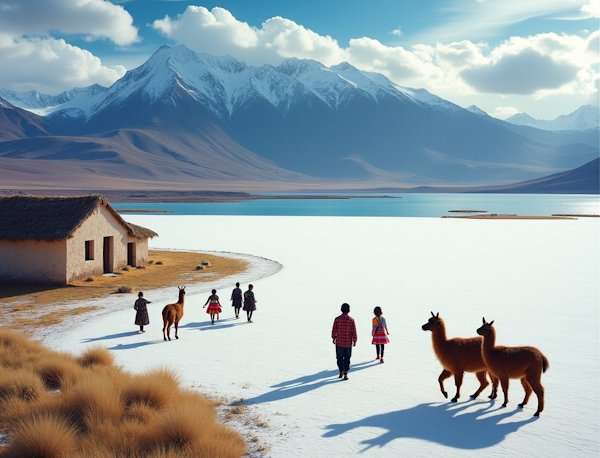
Bolivia has overcome many past challenges and now offers safer tourist experiences, especially along main tourist routes. New security systems and dedicated tourist police units have changed many Bolivian cities into safer places for international visitors.
Bolivia Safety Statistics
Major cities show great progress in tourist safety. La Paz and Santa Cruz report fewer tourist-related incidents and most visits go smoothly. Tourist-specific security measures have boosted safety ratings in popular areas.
Safest Bolivian Cities and Attractions
These are Bolivia’s safest spots for tourists:
| City/Region | Safety Features |
|---|---|
| Santa Cruz | Well-patrolled tourist zones |
| Sucre | Historical district security |
| Samaipata | Low crime rate, peaceful atmosphere |
| La Paz (selective areas) | Tourist police presence |
| Uyuni | Secure salt flat tours |
Sucre, Bolivia’s constitutional capital, stands out with its pleasant climate and rich history. Visitors love its blend of safety and cultural experiences. The peaceful village of Samaipata sits three hours from Santa Cruz. It has perfect weather year-round and a calm atmosphere where tourists can explore safely.
Bolivia Travel Safety Guidelines
Travelers should follow these key precautions during their Bolivian visit:
- Transportation Safety:
- Pick registered radio taxis that display company information
- Choose trusted operators for tours, especially at salt flats
- Stay away from overnight bus trips in remote areas
- Bolivia Hop works well for inter-city travel with its strong safety record
Salar de Uyuni, the country’s most popular attraction, follows strict safety rules. Trusted tour operators give detailed guidance. Visitors can enjoy this natural wonder through guided tours that come with proper safety gear and expert guides.
New tourist facilities have made popular spots safer. La Paz, which sits 4,058 meters high, now has better tourist amenities and police presence in key spots. The city’s cable car system lets visitors safely explore while enjoying amazing mountain views.
Adventure seekers can find many supervised activities in Bolivia, from mountain biking to jungle trips. They should stick to trusted companies that follow proper safety rules. Madidi National Park offers guided tours from Rurrenabaque. This shows how controlled access creates both safe and exceptional experiences.
Tourist-specific security measures have boosted visitor safety at UNESCO World Heritage sites and cultural hotspots. These improvements and better understanding of tourist needs have made Bolivia an up-and-coming safe destination in South America.
Ecuador: Safe Gateway to Natural Wonders
Ecuador stands out among South America’s safer travel spots thanks to its amazing biodiversity and natural wonders. Some regions need extra caution, but several destinations have excellent safety records and welcome tourists with open arms.
Ecuador Safety Rankings
Safety levels vary throughout different regions. The Galapagos Islands boast an impressive safety record without any tourist-related crimes. Cuenca has become one of South America’s safest cities since early 2025, when new security measures took effect.
Safe Tourist Areas in Ecuador
These destinations rank as Ecuador’s safest spots for travelers:
| Region | Safety Features |
|---|---|
| Galapagos Islands | Highly protected, isolated economy |
| Cuenca | Strong security measures, safe city status |
| Cayambe Region | Peaceful environment, expat community |
| Amazon Rainforest | Limited crime, structured tourism |
| Baños | Adventure sports capital, secure infrastructure |
The Galapagos Islands lead the pack as the most secure destination. Government protection and a tourism-based economy make this possible. The Amazon Rainforest provides safe, well-planned experiences through established lodges, especially in areas far from borders.
Ecuador Safety Recommendations
Your visit to Ecuador’s natural wonders will be safer if you follow these key guidelines:
- Transportation Safety:
- Use hotel-affiliated taxis or recognized ride-sharing services
- Avoid overnight travel in unfamiliar areas
- Book tours through licensed operators, especially for Galapagos visits
- Plan your arrival in new cities during daylight hours
Protected areas under SNAP (Protected Areas National System) follow strict safety protocols. Tourist spots throughout Ecuador stay connected through 24/7 online information networks that give visitors real-time safety updates.
Cuenca deserves special mention for its reliable security measures. These changes have made it a top choice for tourists and expatriates alike. Small towns like Mindo and Baños showcase strong community ties and put visitor safety first.
The Amazon Rainforest region stays mostly untouched by coastal security issues since only 5% of Ecuador’s population lives there. Visitors enjoy structured tourism experiences through established lodges that run on set schedules to keep guests safe.
Costa Rica: Central America’s Safety Champion

Costa Rica proves how successful safety initiatives can be in Central America, while other South American nations work to boost their security. The country ranked 32nd out of 163 countries in the 2020 Global Peace Index, making it one of the region’s safest destinations.
Costa Rica Safety Metrics
You’ll find a complete safety system that shows Costa Rica’s dedication to protecting visitors. The country managed to keep a stable environment for tourists. The homicide rate rose to 17.3 per 100,000 people in 2023, but most crimes stay away from tourist spots and are just random theft attempts.
Safest Costa Rican Destinations
These regions stand out as the safest places to visit:
| Destination | Safety Features |
|---|---|
| Tamarindo | Tranquil beaches, tourist-friendly atmosphere |
| Arenal | Large American expat community, minimal crime |
| Atenas | Family-friendly, small-town security |
| Heredia | Quiet environment, proximity to facilities |
| Escazu | Luxurious living, daytime safety |
The Pacific coast offers better security than the Caribbean side. Tamarindo’s pristine beaches make it one of the country’s safest coastal spots.
Costa Rica Travel Safety Tips
Follow these key guidelines to stay safe during your visit:
- Security Measures:
- Store valuables in hotel safes, particularly passports
- Carry photocopies of important documents
- Avoid isolated areas and poorly lit alleys
- Save these emergency numbers: 911 for police, 128 for ambulance
Special police units patrol popular tourist spots. Las Condes and Heredia give you extra security with good facilities and nearby hospitals. Tourism brings big money to Costa Rica’s economy with 2.5 million visitors in 2023, so they keep investing in tourist safety.
Some areas need extra watchfulness. The Caribbean coast sees more crime, and neighborhoods near San José like Los Guido, Desamparados and La Carpio need careful attention.
Natural attractions get special attention too. National parks and protected areas follow strict security rules. Adventure activities, especially around Arenal, run under careful safety guidelines with certified operators.
Comparison Table
| Country | Global Peace Index Ranking | Notable Safe Cities/Regions | Key Safety Features | Main Safety Concerns | Tourist Infrastructure |
|---|---|---|---|---|---|
| Uruguay | 52nd (2024) | Rivera, La Paloma, Punta Del Este, Piriapolis, Carmelo | Low crime rate (9.70 in 2020), Homicide rate 8.9/100,000 | ATM security, Extra caution needed in summer | Tourist police stationed in busy areas, 3+ million visitors yearly |
| Chile | – | La Serena (72/100 safety index), Las Condes, Pucón, Puerto Varas, Punta Arenas | Low crime rate, Active police presence | Public transport risks, Tourist area pickpocketing | Strong metro and bus system, Dedicated tourist police teams |
| Argentina | Ranked safest in Latin America | Ushuaia, Iguazu Falls, Mendoza, San Martin de los Andes, Villa la Angostura | Crime rate 4.62/100,000 (2021) | Transport safety, Rosario’s specific issues | Monitored adventure activities, Regulated tourist zones |
| Paraguay | Level 1 (US State Dept.) | Cerro Cora National Park, Areguá, Filadelfia, Ybycuí National Park, Trinidad | Tourist regions show low crime rates | Urban petty theft, Border area risks | Tourist police force, Detailed travel network |
| Bolivia | – | Santa Cruz, Sucre, Samaipata, La Paz, Uyuni | Fewer tourist incidents reported | Night bus travel risks, Remote location safety | Tourist police coverage, Better facilities in major cities |
| Ecuador | – | Galapagos Islands, Cuenca, Cayambe Region, Amazon Rainforest, Baños | Galapagos security measures, Protected zones | Transport safety issues, Area-specific risks | Round-the-clock information services, SNAP protected areas |
| Costa Rica | 32nd (2020) | Tamarindo, Arenal, Atenas, Heredia, Escazu | Safe tourist environment | Homicide rate 17.3/100,000 (2023), Caribbean coast risks | Specialized police units, Organized security systems |
Enjoy the Safest Countries in South America
South American countries are getting safer for tourists. Visitors can now enjoy unique experiences without worrying about security. Uruguay stands out with its high Global Peace Index ranking. Chile boasts modern infrastructure, while Argentina combines safety with adventure. Paraguay, Bolivia and Ecuador prove that smaller destinations can maintain strong security measures in their tourist areas.
These seven countries paint a different picture of South American travel safety. Tourist police forces patrol the streets regularly. The transportation systems work efficiently. Protected natural areas let visitors explore with confidence. Each country keeps its distinct identity while making visitor safety a priority. You’ll find this from Uruguay’s peaceful coastal towns to Costa Rica’s adventure-packed landscapes.
Smart travelers should research their destinations and respect local customs. Simple safety guidelines go a long way. Book accommodations in safe neighborhoods. Use registered transportation services. Stay alert in your surroundings. These steps, along with better safety measures, help you focus on South America’s cultural heritage and natural beauty.
Safety keeps improving in these nations. This makes 2025 a great time to explore South America’s many attractions. Travelers who pick these destinations will find that safety and adventure blend perfectly in this dynamic continent.
FAQs
Q1. What are the safest countries to visit in South America in 2025?
According to safety rankings and traveler experiences, some of the safest countries to visit in South America in 2025 include Uruguay, Chile, Argentina, Paraguay and Ecuador. These countries have lower crime rates, stable political situations and well-developed tourist infrastructure.
Q2. Is it safe for women to travel alone in South America?
While safety can vary by location, many women report feeling safe traveling alone in countries like Uruguay, Chile and Argentina. It’s important to exercise common sense precautions, such as being aware of your surroundings, avoiding isolated areas at night and researching safe neighborhoods to stay in.
Q3. What safety precautions should travelers take when visiting South America?
Some key safety precautions include using official taxis or ride-sharing apps, keeping valuables secure, being cautious when using ATMs, staying in well-lit and populated areas, and avoiding displaying signs of wealth. It’s also advisable to research specific safety guidelines for each country you plan to visit.
Q4. Which cities in South America are considered safest for tourists?
Several cities known for their safety include Montevideo in Uruguay, Santiago in Chile, Buenos Aires in Argentina and Cuenca in Ecuador. These cities often have dedicated tourist police and well-developed infrastructure for visitors.
Q5. How does the safety of South American countries compare to other popular tourist destinations?
Many South American countries, particularly those mentioned as safest, can be as safe or even safer than popular tourist destinations in other parts of the world. For example, Uruguay and Chile often rank higher in safety metrics than some European countries. However, as with any travel, it’s important to stay informed about current conditions and take appropriate precautions.






Leave A Comment