
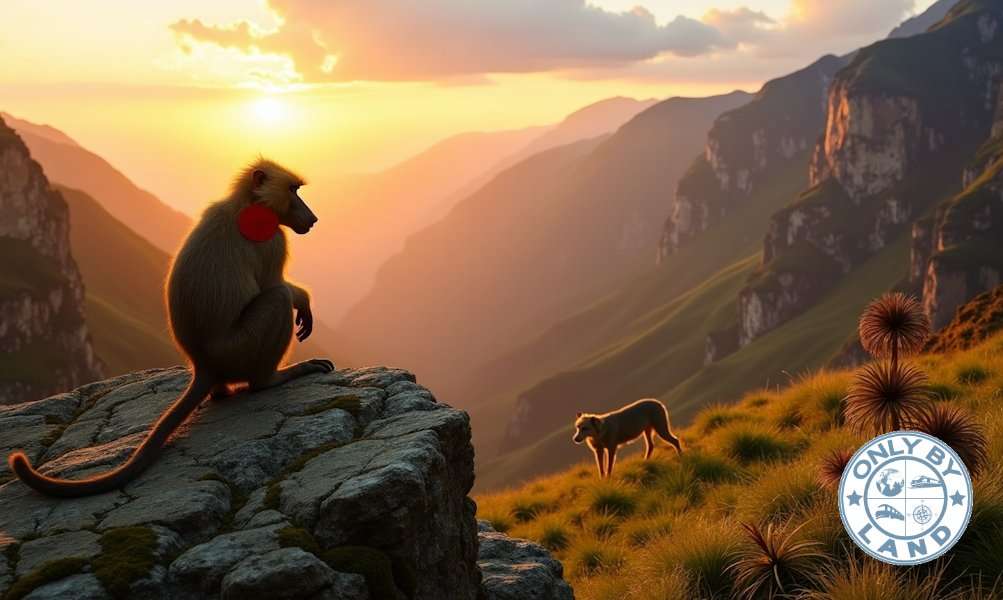
Jagged cliffs plunge 4,000 feet into misty valleys where rare gelada baboons roam the ancient grasslands freely. This isn’t a scene from a nature documentary. It’s the daily reality at Simien National Park, one of Africa’s most spectacular natural wonders.
Ethiopia’s northern highlands are home to Simien National Park, which is proof of nature’s architectural genius. The park’s dramatic landscape combines towering peaks and deep valleys with unique wildlife that exists nowhere else on Earth. This UNESCO World Heritage site gives visitors more than stunning views. Here you can trek through Ethiopia’s ancient history and meet some of the world’s rarest animals in their natural habitat. The park is a vital sanctuary for unique species like the distinctive gelada baboons and the endangered Ethiopian wolf that live nowhere else on the planet.
First Glimpse of Ethiopia’s Roof
The experience to Simien Mountains National Park starts at Ethiopia’s main gateway, Bole International Airport in Addis Ababa. Travelers take a domestic flight to the historic city of Gondar, a route that countless adventurers have taken before.
Landing in the Ancient Kingdom
Gondar serves as the main entry point to the Simien Mountains. Gondar Airport sits 15 kilometers south of the city. This strategic location makes it the perfect starting point for the mountain adventure ahead. The city’s location 100 kilometers north of Debark provides easy access to the official gateway of the Simiens.
The Drive to Simien Mountains
The road from Gondar to Debark winds through mountain paths and takes about two hours. Visitors must stop at the Simien Mountains National Park Headquarters in Debark to register and meet their trekking guides from the Walia Local Guides Association. This quick stop helps travelers prepare for their venture into one of Africa’s most spectacular landscapes.
That Breathtaking First View
The park’s beauty explains why UNESCO designated it as one of their earliest World Heritage Sites in 1978. A dramatic 2,000-meter-high escarpment runs from southwest to northeast and creates a natural fortress. Volcanic activity and erosion have carved this masterpiece, crowned by Ras Dejen, Ethiopia’s highest peak at 4,550 meters.
The park’s unique features reveal themselves as visitors move deeper into its territory. The drive from Debark to the national park takes about 1.5 hours and leads to the escarpment near Michibiny at 3,203 meters. This vantage point showcases the vast Simien range that stretches into the distant haze of Eritrea.
Note: Nature has sculpted this big landscape over millions of years and created cascading waterfalls and escarpments with endless viewpoints.
Face-to-Face with Rare Wildlife
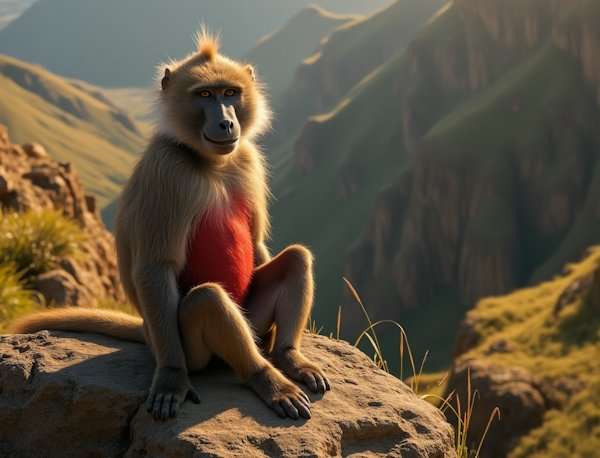
Simien National Park’s wildlife offers visitors extraordinary encounters that stand alongside the best African safari experiences.
Dancing with Gelada Baboons
Gelada baboons, known as bleeding-heart baboons, rule the park’s grasslands in huge numbers. These captivating primates come together in herds of several hundred and can reach up to 1,000 individuals. Their standout features make them unique:
- Red chest patches shaped like hourglasses that turn vivid red during mating
- Males’ impressive canine teeth used in dominance displays
- Blonde manes that catch the light as they move
These highland monkeys live in complex social groups. Male leaders guide harems of up to twelve females. Scientists have studied these gentle creatures extensively, and now visitors can get within meters of them.
Spotting the Elusive Ethiopian Wolf
The Ethiopian wolf stands as Africa’s most endangered carnivore and remains a rare sight in Simien’s landscape. These elegant predators number less than 500 across Ethiopia’s highlands, with just 75 wolves calling the Simien Mountains home. Scientists have observed these wolves switching their habits. They now prefer hunting at twilight rather than during daylight.
Close Encounters with Walia Ibex
The Walia ibex, a wild mountain goat unique to this region, ranks among the park’s most prestigious sightings. These remarkable animals thrive on high cliffs at 3,500 meters, where temperatures swing from freezing to above 25 degrees Celsius. Male ibex can weigh up to 125 kilograms and display curved horns stretching 110 centimeters. Their distinctive traits include:
- Black and white markings on their legs
- A chestnut-brown back, darker in males
- Sharp-edged hooves with concave bottoms that provide excellent grip
These three species are the life-blood of Simien’s wildlife experience. Each one offers unique insights into Ethiopia’s extraordinary biodiversity. Their endangered status reminds us of this park’s vital role in their survival.
Trekking Through Living History
The rugged peaks of Simien National Park have been silent witnesses to human civilization for over two millennia. Ancient trade routes once connected Askum, Lalibela, Mekele and Gonder through these majestic mountains.
Ancient Paths and Local Legends
Jewish settlers were among the first recorded people to call this park home. Many converted to Orthodox Christianity after the Jewish kingdom’s decline in the 14th century, though small Jewish communities stayed in the area. The sort of thing I love is the local legend of the Genwarar trees – mysterious eight-foot-tall trees that people believe hold spirits cast out from humans.
Meeting Mountain Communities
These days, the Simien Mountains support an array of human settlements. The park has:
- 582 households (over 3,000 people) within its boundaries
- 1,477 households around its perimeter
- Communities that depend on agriculture and livestock
Highland farmers show incredible resilience as they grow wheat on gravity-defying terraces. The terrain creates huge challenges, but these communities have adapted their farming methods to the harsh mountain environment. They even use oxen to plow the steepest slopes.
Stories from the Trail
Nature and human stories intertwine along the paths of Simien Mountains National Park. Local tales speak of Saint Kidus Yared, who they say brought the Walia ibex to carry his holy books through the mountains. On top of that, traditional beliefs about the Genwarar trees show people’s deep spiritual bond with their environment – they used the trees’ milky sap to write charms and treat illnesses.
Mountain communities keep their ancestral practices alive through their traditional grass-roofed houses and centuries-old rotational land use systems. Ancient tracks connect these settlements through the rugged terrain, creating a living network where cultures mix and mingle.
Life in the park keeps changing. Some communities have moved through voluntary resettlement programs to protect important wildlife corridors. Many residents still maintain their traditional lifestyle, finding ways to balance their needs with conservation in this extraordinary landscape.
Capturing Nature’s Masterpiece
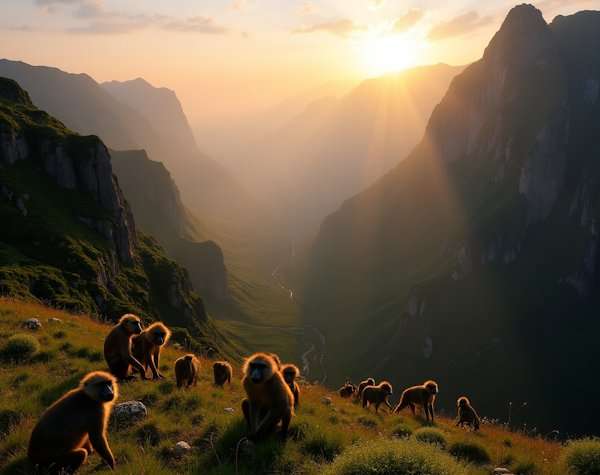
Getting that perfect shot in Simien Mountains National Park takes more than great equipment – you just need the right timing and patience. Photographers capture their most stunning images during the “golden hours” between September and November. The landscape comes alive with lush colors and photogenic clouds during this time.
Dawn Photography Adventures
Expert photographers know the first light of day is a chance to get exceptional shots. The soft light at dawn creates magical moments without doubt. One photographer’s story proves this – they waited a whole month to get just 33 seconds of perfect conditions with a gelada baboon. Cloudy days with bright skies create ideal conditions to photograph wildlife.
Perfect Moments in Perfect Light
Natural light plays a vital role in wildlife photography. Photographers should think over these points:
- Using fill flash to clarify subjects against bright backgrounds
- Working with backlit scenes during sunrise
- Positioning to capture the dramatic escarpment views
- Utilizing wide-angle lenses to include scenic backgrounds
Photographers quickly find that gelada baboons are great subjects, especially when you have to get close. These amazing primates let you approach them closely. This creates chances to take wide-angle shots that show off the park’s dramatic scenery.
Tips for Photographing Wildlife
Wildlife photography in the Simiens needs both technical skill and field craft. Like in other wildlife spots, photographers should follow these key points:
- Practice anticipation and quick timing to catch fleeting moments
- Arrive early to catch the soft light of dawn
- Exercise patience while waiting for the perfect shot
- Be ready to take thousands of images in one session
The park’s unique landscape creates special challenges and opportunities. Expert photographers often use soft fill light on their subjects against the darkening twilight sky. This creates moody and expressive images that show both wildlife and dramatic scenery.
Learning about animal behavior patterns is significant to photograph the park’s native species. Gelada monkeys are great subjects because they’re used to humans nearby. This lets photographers capture intimate portraits with the park’s spectacular backdrop.
Learn about Ethiopian religion.
Unexpected Moments of Wonder
Simien Mountains National Park saves its best shows for visitors who stick around after sunset. The dramatic landscape changes as darkness falls, and visitors get to see things they never imagined possible.
Sunset at the Edge of the World
The park’s jagged peaks and deep valleys create a magical scene at twilight. Visitors can watch the sun sink behind misty ranges from special viewpoints that bathe the Ethiopian highlands in golden light. You’ll find the best sunset spots at Gidir Got and Imet Gogo, where you can see up to 100 kilometers across the Tekeze lowland basin.
Expert guides suggest these tips to catch the perfect sunset:
- Get there 30 minutes early
- Pack warm clothes – it can get as cold as -3°C
- Pick a clear day between November and March
- Find your spot along the 2,000-meter-high escarpment
Stargazing Above the Clouds
The real sky show starts when darkness blankets the mountains. The park sits at a perfect height with almost no light pollution, making it ideal for stargazing. The catch? Temperatures drop below freezing, which hits campers and overnight visitors hard.
Connections with Fellow Travelers
Evenings bring their own special magic to the Simien experience. The campsites turn into buzzing spots where cultures mix and stories flow. Traditional lodges light huge bonfires each night and travelers gather around them to share their daily adventures over steaming tea and fresh popcorn.
The park’s special atmosphere helps create unexpected friendships. These evening gatherings give visitors a peek into local life, showing how rural communities have learned to thrive in this tough climate with limited resources. People often find themselves deep in conversation with other adventurers, swapping gelada stories and comparing hiking tales.
Natural wonders mix with human connections to create something uniquely Simien. These evening moments – watching colorful sunsets, seeing stars pop out above the escarpment, and sharing stories by crackling fires – become treasured memories for many visitors to Ethiopia’s roof of Africa.
Enjoy Simien National Park
Simien National Park is nature’s masterpiece. Ancient landscapes blend with rare wildlife to create an experience that transforms visitors. The grazing gelada baboons on windswept plateaus and local communities with their age-old traditions make this destination special.
Photographers love the dramatic cliffs that drop into misty valleys, but the park’s magic goes beyond its views. The rare Ethiopian wolves, Walia ibex sightings up close and nights under starlit skies create memories that outlast any photo.
These mighty mountains speak through their weathered peaks and deep valleys. Visitors become part of an ongoing story as they watch geladas gather at sunset or share stories around campfires. Simien National Park stands as proof of Ethiopia’s natural heritage and reminds us why some places need to be experienced firsthand.
FAQs
Q1. What unique wildlife can visitors expect to see in Simien National Park?
Visitors to Simien National Park can encounter rare and endemic species such as gelada baboons, Ethiopian wolves and Walia ibex. The gelada baboons, known for their distinctive red chest patches, can be seen in large groups, while spotting the elusive Ethiopian wolf or the Walia ibex requires more patience and luck.
Q2. What is the best time to visit Simien National Park for photography?
The best time for photography in Simien National Park is between September and November, during the “golden hours” of early morning and late afternoon. This period offers verdant landscapes and photogenic cloud formations. Overcast days with light skies are ideal for wildlife photography.
Q3. How can I reach Simien National Park?
The most convenient way to reach Simien National Park is by taking a domestic flight to Gondar, followed by a two-hour drive to the park. Visitors typically spend a night or two in Gondar before heading to the Simiens. The journey offers scenic views of the Ethiopian highlands.
Q4. What are some unique features of the Simien Mountains landscape?
Simien National Park boasts a dramatic 2,000-meter-high escarpment, deep valleys, and towering peaks, including Ras Dejen, Ethiopia’s highest mountain at 4,550 meters. The landscape has been sculpted by volcanic activity and erosion over millions of years, creating breathtaking viewpoints and cascading waterfalls.
Q5. What cultural experiences can visitors have in Simien National Park?
Visitors to Simien National Park can experience the rich cultural heritage of the region by interacting with local mountain communities, learning about ancient trade routes and hearing local legends. The park area is home to communities that have adapted to the harsh mountain environment, maintaining traditional practices and agriculture on steep terraces.


Leave A Comment