

The Andean people’s ancestors built one of history’s largest political enterprises from Ecuador to Chile and their descendants proudly preserve this remarkable heritage in 2025. Their ancient empire, Tawantinsuyu, created architectural marvels and developed advanced agricultural techniques. Modern communities keep these age-old traditions alive at elevations between 8,000 to 13,000 feet.
UNESCO-recognized celebrations showcase this vibrant Andean culture through events like the Fiesta de la Virgen de la Candelaria and the Inti Raymi Festival, which attracts over 80,000 attendees annually. Ancient Andean wisdom shines through their agricultural practices. These indigenous communities grow more than 3,000 varieties of potatoes while maintaining their deep connection with Pachamama (Mother Earth). Peru’s emergence as a leading destination for cultural immersion in 2025 shows how these communities successfully blend ancient traditions with modern life.
Daily Life in Modern Andean Communities
Indigenous communities in the Andean highlands live a unique life. They blend their ancestral wisdom with modern living. Their daily routines show how traditional practices evolve with time while they retain their cultural authenticity.
Modern Homes with Ancient Designs
Andean homes showcase a unique blend of heritage and welcome new ideas. Architect Freddy Mamani has pioneered the “New Andean Architecture” in El Alto, Bolivia. His work brings ancient Tiwanaku designs into modern buildings. These buildings serve multiple purposes. The first floors support commerce, and upper levels become community gathering spaces. Building facades feature adobe bricks made from local earth. Natural light creates dynamic textures on these surfaces throughout the day.
Traditional Farming in Today’s World
Andean farmers practice sophisticated agricultural methods that show remarkable resilience. Their farms grow an average of 34 different crops. Some communities even cultivate up to 50 potato varieties in single plots. These diverse farming methods include:
- Terrace farming to curb erosion
- Waru Waru raised bed systems to manage water
- Traditional crop rotation to keep soil healthy
Farming communities use ancient techniques to face climate challenges. The Waru Waru system creates microclimate conditions that shield crops from frost and flooding. On top of that, farmers preserve indigenous crop varieties like huaña, a frost-resistant potato that can withstand extreme weather.
Community Gatherings and Ceremonies
Social bonds remain at the heart of Andean life, especially through ceremonial practices. Communities organize Despacho ceremonies regularly. These ceremonies honor Pachamama and the mountain spirits (Apus). These gatherings strengthen social structures through yanamanchi (mutual help), particularly during harvest seasons.
Catholic practices blend with Andean spirituality to create a unique cultural expression. About 70-80% of people practice this blended faith. Rural festivals act as living museums of cultural preservation. Ancient rituals help current generations connect with their ancestral heritage. These gatherings play a vital role in passing down traditional knowledge. Most farming practices pass from one generation to another through family and community connections.
Ancient Farming Techniques Still Used Today
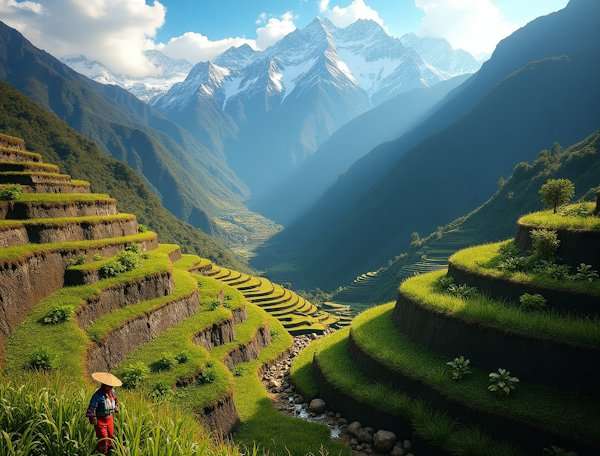
Ancient agricultural wisdom has shaped the Andean mountains for more than 5,000 years. These mountains stand as evidence of human ingenuity and environmental adaptation. Communities across Peru, Ecuador, and Bolivia still use these time-tested farming methods.
Terrace Farming Methods
The advanced terrace system “andenería” represents groundbreaking agricultural innovation. Mountain farmers transform steep slopes into productive farmland through these terraces. During the peak of Incan civilization, these terraces covered approximately one million hectares throughout Peru. The mountains feature an engineering marvel of intricate cisterns and irrigation channels that create a network of green agriculture.
Weather Prediction Systems
Andean people know exactly how to forecast weather patterns. They watch star brightness and positions to predict climate changes. Farmers in Bolivia’s Northern and Central Altiplano rely on several proven indicators:
- San Juan Festival temperature readings explain 55.5% of variance in growing season precipitation
- Plant flowering patterns associate with frost occurrence and rainfall timing
- Foxes’ calls and birds’ nesting habits signal seasonal changes
Crop Rotation Practices
Indigenous farmers maintain sustainability through well-laid-out crop rotation. Their communities manage land together with rotation cycles lasting 5 to 20 years. Quechua farmers let plots rest every seven years. This practice allows the soil to regenerate naturally.
The system features chakras—small, diverse, family-managed plots that blend crops, animals and forest resources. These plots balance ecology through intercropping techniques. Farmers grow different crops like maize, potatoes, quinoa and medicinal plants side by side. This all-encompassing approach keeps soil healthy and ensures food security.
Andean agricultural practices work at different heights, from sea level up to 4,000 meters. Such adaptability shows how ancient wisdom offers solutions to modern farming challenges. These agricultural methods date back to 3700-1800 BC near today’s Lima, Peru, proving they work even now.
Learn about animals in Colombia.
Healing Practices of Andean Culture
Traditional healing practices are the life-blood of Andean indigenous culture. Up to 80% of the population depends on indigenous medicine for their basic healthcare needs. These age-old methods combine spiritual wisdom with practical knowledge to create a comprehensive approach to wellness.
Traditional Medicine Makers
The yachac (traditional doctor), mamahua (midwife), and jacudor (chiropractor) are the foundations of Andean healing traditions. These healers see illness as energy imbalances and treat both physical and spiritual aspects of health. They diagnose by looking at the tongue, studying urine by candlelight, and use a unique method of passing guinea pigs over a patient’s body to spot health issues. In fact, healers believe that if an organ in the animal looks unhealthy, the patient’s matching organ needs treatment.
Common Healing Herbs
Ecuador’s Andean pharmacopeia has over 900 different medicinal plants. Traditional healers make remedies through several methods:
- Aromatic herbs to treat respiratory conditions
- Flower extracts to balance emotions
- Medicinal plant infusions to help digestion
- Lodotherapy (mud therapy) to heal physical ailments
Many of these ancient healing techniques have now found their way into modern wellness centers in Europe and the United States. Western medicine might be accessible to more people, but 71% of Chileans and 40% of Colombians still use traditional healing methods.
Modern Clinics Using Ancient Methods
The Jambi Huasi clinic in Otavalo, Ecuador, shows how traditional and modern medicine can work together. This “house of health” offers culturally sensitive counseling along with standard treatments. Their approach has proven to be a soaring win, with traditional treatments being 53-63% more cost-effective than conventional methods.
The clinic thrives because it understands that highland inhabitants’ “our illnesses” respond better to traditional treatments. Traditional healers show deep respect for their patients and treat them as equals who share their beliefs and customs. All the same, these practitioners know their limits and send complex cases to modern medical facilities when needed.
The year 2025 sees this balanced approach evolving further. Government programs protect ancestral wisdom while making sure joint therapies are safe. The practice keeps its strong bonds with Pachamama (Mother Earth), showing the deep spiritual roots of Andean healing traditions.
Teaching Ancient Wisdom to New Generations
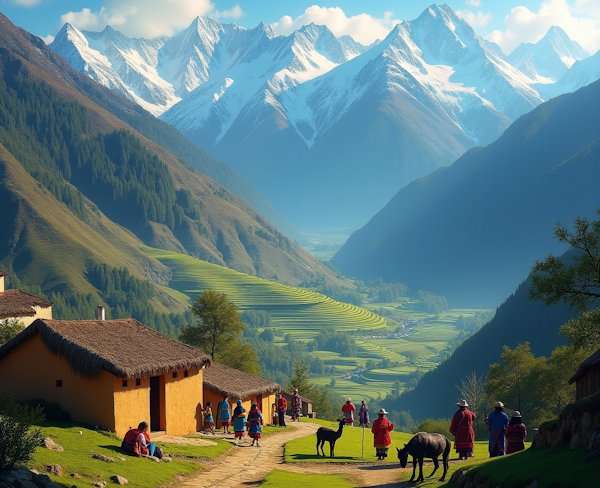
Indigenous communities in the Andean highlands know that protecting ancestral wisdom needs everyone’s commitment. These communities use innovative teaching methods to keep their rich heritage alive in today’s world.
Community Schools
Kusi Kawsay, an innovative Andean school in Peru’s Pisac region, shows how indigenous education adapts to today’s needs. The school combines traditional Andean values with modern teaching methods to create a curriculum based on the rhythms of the agrarian calendar. Students learn beyond classroom walls and work with:
- Traditional weaving techniques
- Agricultural practices
- Cultural ceremonies
- Indigenous language preservation
- Environmental stewardship
The school’s success has sparked similar programs throughout the region. These institutions help students develop their cultural identity and academic skills. This approach creates confident leaders who value their heritage.
Elder Knowledge Programs
Elders stand as guardians of ancestral wisdom and pass knowledge to future generations. These wisdom keepers share their understanding of traditional medicine, handicrafts, mother tongue and cultural practices through well-laid-out programs. Their teaching methods reflect deep-rooted Andean principles, as knowledge flows naturally between people.
Learning in Andean communities is different from Western approaches. Students “mentally see” what they learn instead of just listening. This creates deep understanding through real-life experience. Work and oral tradition become the foundation for passing down both knowledge and identity.
In the Inga and Kamëntsa communities, elders see themselves as “sabedores” (wise beings) and draw from centuries of preserved memories. Their role goes beyond just existing – they feel bound by duty to plant wisdom for future generations. This creates roots that will keep their collective identity strong.
These programs excel at preserving indigenous knowledge. Communities adapt traditional teaching methods to modern times through digital documentation and youth programs. Students learn by taking part in community activities and interacting with nature.
The success of these educational approaches comes from their all-encompassing nature. The programs blend practical skills, spiritual understanding and traditional wisdom instead of separating academic learning from cultural knowledge. Young Andean people develop strong cultural identities and gain tools to succeed in the modern world.
Try carnival in Ecuador.
Preserving Andean Indigenous Knowledge

Andean communities face a crucial task to preserve their indigenous knowledge in 2025. The Center for Andean Ethnomusicology (CAE) houses a vast audiovisual collection. Their archive contains over 1,400 hours of video recordings, 2,000 hours of recorded sound, and more than 20,000 photographs that document traditional cultures.
Digital Documentation Efforts
The Indigenous Biocultural Heritage Register represents an innovative initiative that combines traditional Andean science with modern documentation tools. This register protects indigenous knowledge against biopiracy and safeguards communities’ intellectual property rights. The CAE works with the Smithsonian Institution to publish traditional music collections for global audiences.
Youth Engagement Initiatives
Young leaders drive cultural preservation throughout Andean territories. Youth participation in San Isidro has strengthened the protection of páramo lands through extensive fieldwork. Their work includes:
- Creating land-management plans
- Measuring stream flow rates
- Documenting local flora and fauna
- Developing water-protection strategies
These emerging leaders connect communities with national agencies. They have established “young leaders’ training schools” that strengthen indigenous movements. Youth involvement has become vital to maintain progress in environmental and cultural preservation.
Cultural Preservation Projects
The Latin American Network of Music Archives (LANMAR) shows how regional cooperation preserves cultural heritage. This consortium brings together major sound archives across the hemisphere. Their digital platforms make collections available to everyone. Modern preservation efforts enable communities to maintain their cultural identity while adapting to new challenges.
Cultural preservation initiatives give peasant and indigenous communities the ability to protect their heritage independently. These projects aid technology transfer and provide supervision. Communities keep control of their cultural assets this way. Cross-cultural dialog programs promote understanding and appreciation for traditions of all types.
Preservation work faces many challenges. Language barriers and limited access to indigenous communities create obstacles. Data privacy and ownership concerns remain the biggest issues to address. Organizations provide dedicated funding and resilient infrastructure to help these vital knowledge systems thrive despite these challenges.
Appreciate Andean People
Ancient Andean wisdom shows evidence of cultural resilience that has evolved through centuries while keeping its core essence intact. These communities show us how traditional knowledge stays relevant and valuable in 2025. Their sophisticated agricultural systems and comprehensive healing practices stand out.
The communities think over ways to preserve and pass down knowledge to future generations. Andean people protect their heritage through innovative educational programs, digital documentation and community-led projects. They embrace changes needed for modern times.
Traditional practices provide real solutions to today’s challenges, especially when you have sustainable agriculture and healthcare needs. Andean communities blend ancestral wisdom with modern requirements naturally. This proves that indigenous knowledge systems need recognition and protection.
Community schools, elder programs, and cultural preservation projects keep this living heritage strong. Ancient Andean wisdom continues to thrive because of these efforts. Their journey shows how traditional knowledge systems can grow with modern advances. This enriches both indigenous communities and gives the world a better understanding of green practices.
FAQs
Q1. What are some unique features of modern Andean communities?
Modern Andean communities blend ancient wisdom with contemporary living. They incorporate traditional designs in modern architecture, practice diverse farming methods with up to 50 potato varieties in single plots and maintain strong social bonds through ceremonial practices and community gatherings.
Q2. How do Andean farmers adapt to climate challenges?
Andean farmers use sophisticated agricultural techniques to combat climate challenges. These include terrace farming for erosion control, the Waru Waru raised bed system for water management and traditional crop rotation to maintain soil health. They also cultivate frost-resistant crops like huaña potatoes to withstand extreme weather conditions.
Q3. What role do traditional healers play in Andean healthcare?
Traditional healers, such as yachacs (doctors), mamahuas (midwives) and jacudors (chiropractors), play a crucial role in Andean healthcare. They treat both physical and spiritual aspects of health, using diagnostic methods like examining the tongue and studying urine by candlelight. Many people in Andean countries still rely on these traditional healing methods for primary healthcare.
Q4. How is ancient wisdom being passed down to new generations in Andean communities?
Andean communities use innovative educational approaches to pass down ancient wisdom. Community schools like Kusi Kawsay integrate traditional values with modern pedagogy, while elder knowledge programs allow wisdom keepers to share insights about traditional medicine, handicrafts and cultural practices. These methods emphasize experiential learning and the development of strong cultural identities.
Q5. What efforts are being made to preserve Andean indigenous knowledge?
Preservation efforts include digital documentation initiatives like the Indigenous Biocultural Heritage Register, youth engagement programs that involve young leaders in cultural and environmental protection and cultural preservation projects. Organizations like the Center for Andean Ethnomusicology maintain extensive archives of traditional music, videos and photographs to safeguard Andean cultural heritage.












Leave A Comment