
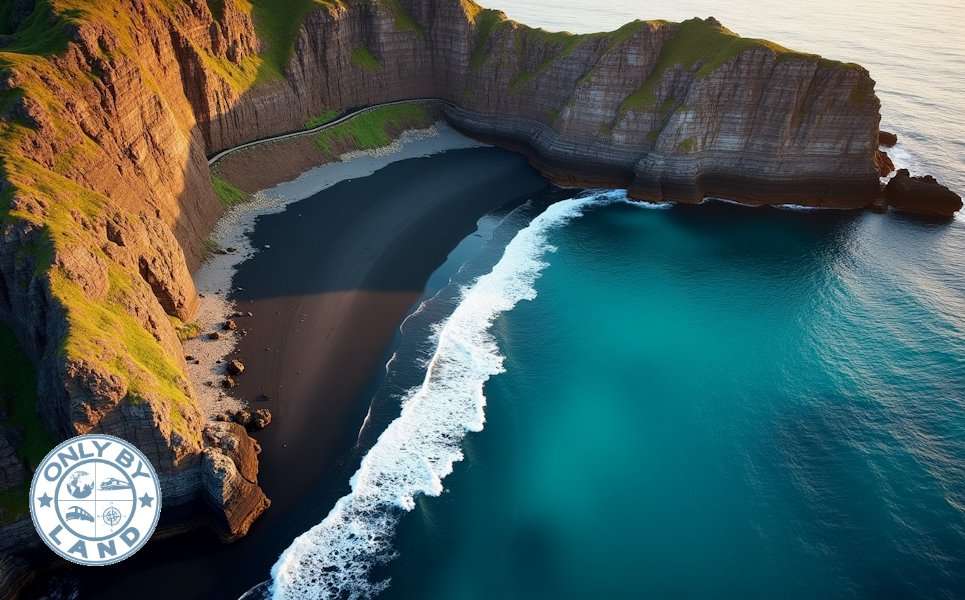
The Canary Islands’ best beaches showcase a stunning range of colors. Visitors can see everything from golden and white sand to dramatic red and black volcanic shores. Blue flag certification marks more than 50 beaches, but some of the most beautiful spots lie beyond the usual tourist paths.
Nature lovers can find peaceful havens like Playa de Güigüi in Gran Canaria and Playa de Cofete in Fuerteventura. These spots are only available through hiking trails or boat rides. Their remote location keeps them pristine and untouched. The water stays at a pleasant 20°C throughout the year and these quiet beaches let you swim in peace away from the crowds.
This piece highlights the most beautiful hidden beaches in the Canary Islands. You’ll learn about the red sands of Playa del Verodal and the black volcanic landscape of Playa de Nogales. Each spot offers a chance to find your own slice of paradise away from busy tourist areas.
Hidden Beach Types in Canary Islands
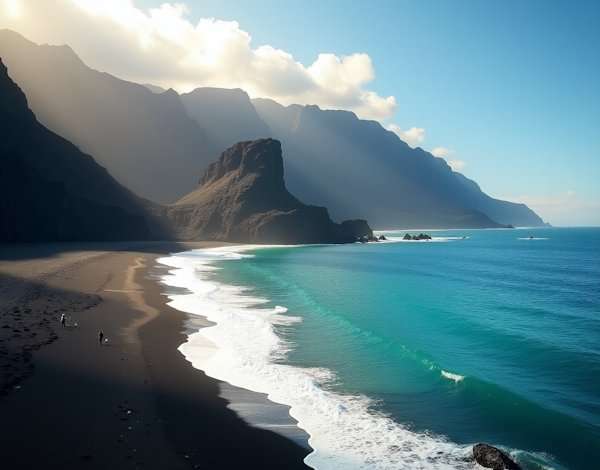
The Canary Islands archipelago hides beautiful beaches that showcase raw natural beauty through unique geological formations. These lesser-known shores combine volcanic coastlines with secluded mountain coves to give adventurous travelers an unmatched experience.
Black Sand Volcanic Beaches
The Canary Islands’ volcanic heritage has shaped remarkable black sand shores. La Palma, known as “La Isla Bonita,” boasts 34 newly formed black sand beaches that emerged in just 48 hours after the 2021 volcanic eruption. Playa de Nogales stands out with its dark volcanic sand and powerful waves that create an otherworldly atmosphere.
Tenerife’s northern coast features Playa El Bollullo, which sits between dramatic cliffs. The beach retains its wild character because of minimal development. Its black sand contains distinct mineral compositions that form when molten lava fragments cool as they touch seawater, creating unique geological patterns below the surface.
Secret Coves and Lagoons
Alegranza Island’s hidden lagoons display a striking contrast between emerald waters and dark volcanic formations. These sheltered spots showcase smooth volcanic cones and small black sand shelves that are great spots to swim and explore.
El Hierro’s coastline features charcos – natural seaside pools carved into volcanic rock. Charco Azul looks like a miniature Giant’s Causeway with its distinctive lava towers and crystalline sea salt deposits. Charco Manso provides a special swimming spot surrounded by obsidian-black walls.
Remote Mountain Beaches
Fuerteventura’s Cofete Beach shows the beauty of mountain-backed shores. This 12-kilometer stretch stays mostly empty, with the impressive Jandia mountains’ slopes meeting the sea. The beach remains a wild paradise due to its remote location, though reaching it takes some effort.
La Gomera’s Playa de Águila remains a hidden treasure that visitors can reach only through steep hiking trails. The cove’s dramatic setting combines black rocks with wild vegetation to create a perfect sanctuary for solitude seekers. Lanzarote’s Playa de Los Ajaches, nestled in a nature reserve, lets snorkelers explore amazing volcanic formations.
Gran Canaria’s western coast features Güi Güi beach, which stays empty because of its isolated location. El Confital, just outside Las Palmas de Gran Canaria, has become one of the island’s best surfing spots.
What are the Canary Islands known from?
Best Time to Visit Hidden Beaches
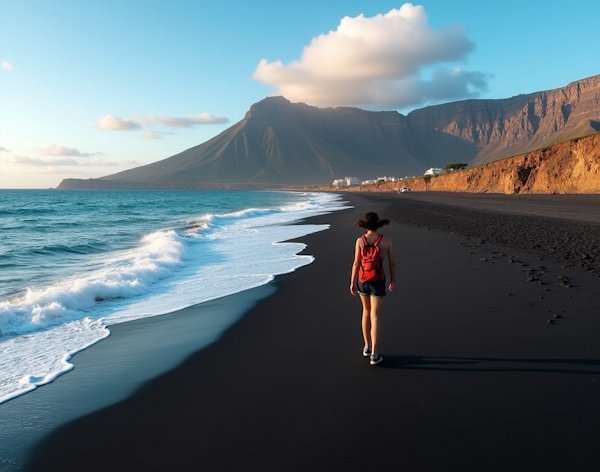
Timing is a vital part of finding those hidden beaches in the Canary Islands. The best time to visit these secluded coastal spots is during spring and autumn when tourist crowds are thin.
Off-season Advantages
The perfect beach weather arrives from March through May when temperatures reach up to 24°C. You’ll find better deals on places to stay during these months and the beaches stay peaceful and quiet.
September and October really shine as the best months to visit. The water stays warm enough to swim and the winds stay mild. These months bring pleasant temperatures between 24°C and 28°C – perfect weather to find those hidden coves.
Getting to these remote beaches often means hiking rough paths or taking boat rides. The cooler off-peak weather will give a much better experience. To name just one example, see Playa del Verodal – you’ll need to wind through El Hierro’s landscape, so spring’s mild temperatures work best.
Local Weather Patterns
Each secret beach has its own weather quirks based on where it sits. The northern beaches get more clouds, especially in summer. The southern hidden spots see sunshine year-round.
These islands sit between the Azores high-pressure belt and subtropical trade winds, which creates stable weather. All the same, local conditions affect when you can visit:
- Temperatures hover around 18-20°C in January and February
- June stays completely dry with no rain
- October sees a bit more rain at 11mm
The winds shape beach conditions too. Summer brings stronger winds to the northern coasts, which makes spring and autumn better times to visit hidden northern coves. Some beaches, especially when you have to take a boat, become easier to reach during these seasons as the sea stays calmer.
The weather can change a lot between different parts of the islands. It’s smart to check local forecasts before heading out. Mountain beaches might feel cooler or warmer than the coast.
Try November holidays in Europe.
How to Find Secret Beaches
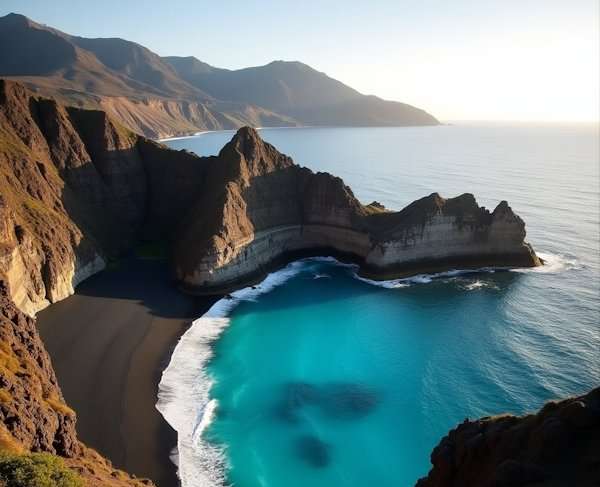
Finding hidden beaches in the Canary Islands takes careful planning and local knowledge. These pristine locations reward adventurous travelers who step away from tourist hotspots, from remote volcanic shores to secluded mountain coves.
Local Guide Tips
A map alone won’t help you find these secluded spots – you’ll need people who know the islands inside out. Local guides are a great way to get insider knowledge. They turn regular beach visits into amazing adventures with their customized recommendations. The tide schedules need checking before you head out, since high tide might make some hidden beaches vanish completely.
Navigation Apps and Tools
The archipelago’s hidden beaches are easier to find with specialized apps. AllTrails shines with its detailed hiking guides that show trail maps, elevation details and work offline for navigation. Tenerife Topo Maps gives you detailed topographic information and aerial photographs, plus hill-shading overlays that help plan your walks.
The Canary Islands’ official tourism app has insider tips about beaches and attractions, plus ideas for hiking trails and water sports spots. Moovit shows up-to-the-minute updates for busses and ferries. Local transport apps like Guaguas Global for Gran Canaria and TITSA for Tenerife help you get around too.
Best Hiking Routes
The path to these hidden beaches can be just as rewarding as reaching them. Playa Güi Güi in Gran Canaria shows this perfectly – you’ll need to tackle a challenging 5-kilometer trek over steep terrain that takes about two and a half hours each way. A boat ride from Tasarte village is another option, taking 20 minutes and costing around €20 per person.
Tenerife’s Masca Valley trek leads to pristine shores perfect for volcano enthusiasts. Lanzarote’s Camino de los Gracioseros trail takes you down to Playa del Risco in 45 minutes, with stunning views of La Graciosa island along the way. The GR-131 trail network connects six of the eight Canary Islands, linking various hidden beaches throughout its route.
Visit these volcanic beaches in Managua.
Essential Tips for Hidden Beach Visits
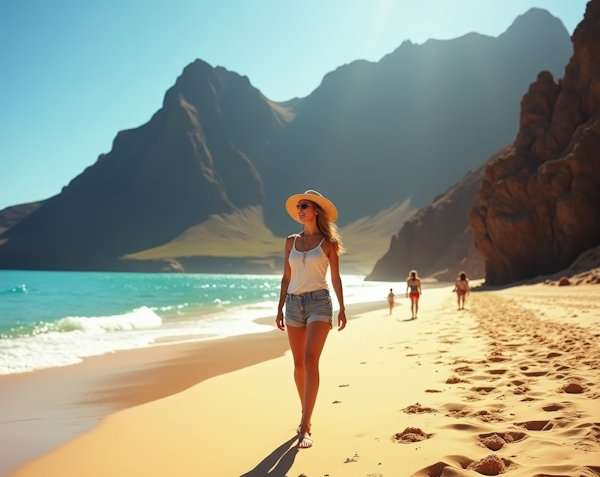
Learning about secluded beaches in the Canary Islands will need good preparation and safety measures. These untouched spots are beautiful but you’ll need to plan your adventures well.
Safety Precautions
The waters near hidden beaches can be tricky. Red flags indicate dangerous conditions and swimming is strictly off-limits. You should stay away from the water when waves look unusual, even if things seem calm at first.
Hidden beaches have their share of risks from coral and jellyfish. You should ask local authorities about sea creatures to avoid any problems. Waves can catch you off guard in fall and winter. They sometimes reach further up the beach than you’d expect.
What to Pack
A good beach kit will make your remote beach visit better. Pick a high SPF sunscreen with reef-safe labels to protect your skin and the ocean. Take a two-liter refillable water bottle to stay hydrated.
Keep your passport safe at your hotel instead of bringing it to the beach. A photocopy of important documents works better. Here’s what you should pack:
- Quick-dry towels to lounge comfortably
- UV-protective sunglasses and wide-brimmed hats
- Simple first-aid supplies with motion sickness tablets
- Snorkeling gear if you want to see the clear waters
Transportation Options
Getting to hidden beaches means picking the right way to travel. A rental car gives you the most freedom to explore. But some popular spots like Punta de Teno don’t allow private cars to protect nature.
Local busses (guaguas) are a cheaper way to get around. Each island has its own bus system – TITSA runs on Tenerife and Global operates on Gran Canaria. You might need to mix bus rides with some hiking to reach remote beaches.
Water taxis are another choice, like the one from Tasarte village to Playa GüiGüi, which costs about €20 per person. Whatever way you choose to travel, get there early to find parking or grab a seat on public transport.
Try a winter break in the sun.
Enjoy the Beaches in the Canary Islands
The hidden beaches of the Canary Islands are evidence of nature’s raw beauty and give adventurous travelers a chance to escape the tourist crowds. These secluded paradises just need good planning and preparation. Your reward? Pristine conditions and unforgettable experiences.
The best time to visit these hidden gems is during spring and autumn when temperatures are pleasant and seas are calm. Getting tips from local guides or specialized apps is crucial to find these remote spots safely. Good preparation will make your trip enjoyable rather than challenging. Remember to pack enough supplies and pick the right way to get there.
Black volcanic shores and mountain-backed beaches make up these lesser-known coastal treasures. Their remote location has kept them preserved. You might need to hike or take a boat ride to reach them, but each beach has its own charm. Some spots are perfect for snorkeling in crystal-clear waters while others offer dramatic cliffs for amazing photos.
Smart travelers check weather patterns, tides and safety measures to enjoy these natural wonders fully. These hidden beaches give peaceful alternatives to busy tourist spots, and you can experience authentic Canarian coastal beauty at its best while respecting their delicate ecosystems.
FAQs
Q1. Which Canary Island offers the most secluded beaches?
El Hierro is considered the most unspoiled Canary Island, featuring wild landscapes and pristine natural treasures, including secluded beaches.
Q2. When is the best time to visit hidden beaches in the Canary Islands?
Spring (March to May) and autumn (September to October) are ideal for exploring hidden beaches, with pleasant temperatures, calmer seas and fewer tourists.
Q3. How can I find secret beaches in the Canary Islands?
To discover hidden beaches, consult local guides, use specialized navigation apps like AllTrails and explore hiking routes such as the Masca Valley trek in Tenerife or the Camino de los Gracioseros trail in Lanzarote.
Q4. What safety precautions should I take when visiting remote beaches?
Pay attention to red flags indicating dangerous conditions, maintain distance from unusual waves and be aware of potential marine hazards. Always check local weather forecasts and tide schedules before visiting.
Q5. What should I pack for a hidden beach adventure in the Canary Islands?
Essential items include high SPF reef-safe sunscreen, a refillable water bottle, quick-dry towels, UV-protective sunglasses, a wide-brimmed hat, basic first-aid supplies and snorkeling gear if you plan to explore the crystal-clear waters.



Leave A Comment