

Aveiro Portugal, known as “the Portuguese Venice,” engages visitors through its intricate network of canals and distinctive boats that mirror its Italian counterpart. The charming city houses 80,880 residents and stands as the second most populous destination in Portugal’s Centro Region. A broader urban area surrounds it with 120,000 inhabitants.
The city earned the prestigious title of 2024 Portuguese Capital of Culture because of its rich heritage. Art Nouveau architecture dots the cityscape, while affordable canal tours cost just $13. Local delicacies include Ovos Moles, a traditional sweet treat that originated in the city’s convents. The coastal gem offers over 20 daily connections to Porto through its extensive transport network. The peaceful Ria de Aveiro lagoon provides a natural escape and blends historical charm with modern convenience perfectly.
Why Aveiro Is Called the Venice of Portugal
Aveiro’s unique network of waterways along Portugal’s Silver Coast has earned recognition as the “Venice of Portugal.” This nickname goes beyond just its picturesque canals.
The Enchanting Canal System
The city built its canal system out of necessity, not for tourists. Workers needed easier access between their homes and seaweed harvesting areas, so these channels were constructed in the late 19th century. These waterways played a vital role when they reconnected Aveiro to the open sea. The harbor had silted up in the 18th century and devastated the local economy.
Three main navigable canals now wind through the city’s heart and create a distinctive urban landscape. Canal Central stands as the main waterway. Canal das Pirâmides and Canal de São Roque provide quieter routes past traditional houses and historic districts.
Colorful Moliceiro Boats and Their History
Aveiro’s maritime heritage lives through its iconic moliceiro boats. Local craftsmen built these vessels just for the Ria de Aveiro in the 19th century. The boats’ original purpose was to collect moliço (aquatic fertilizing plants) from the lagoon. Their design features a shallow draft to navigate lagoon waters and a high-prowed structure. This allowed workers to sleep on board during multi-day harvesting trips.
Moliceiro boats stand out with their unique decoration. Each boat shows four painted panels – two on the bow and two on the stern. No other boats in the world have such artistic embellishment. Artists repaint these panels yearly to show religious symbols and humorous scenes that reflect community thoughts and current events.
About three thousand moliceiros operated in the region during the 1970s. Today, only 50 boats remain. Half of these serve tourists along the urban canals.
How Aveiro is Different from Venice
The “Venice of Portugal” nickname stuck, but Aveiro keeps its own character. The city covers roughly 76.3 square miles – about half of Venice’s size. Venice bans cars and sits on swamp isles. Aveiro, on the other hand, has modern roads next to its canals.
Maritime industry stays active in Aveiro, unlike Venice’s tourism-focused economy. The city’s ceramic industries date back to Roman times and still thrive. Local salt production continues with traditional methods. Production dropped from 256 pans in the 1950s to just nine today.
Aveiro offers a more relaxed vibe than its Italian counterpart. Visitors can explore without fighting through dense tourist crowds. This authentic charm and rich cultural heritage make Aveiro special. The city deserves appreciation for what it is rather than comparisons to Venice.
Top Things to Do in Aveiro Portugal for First-Time Visitors
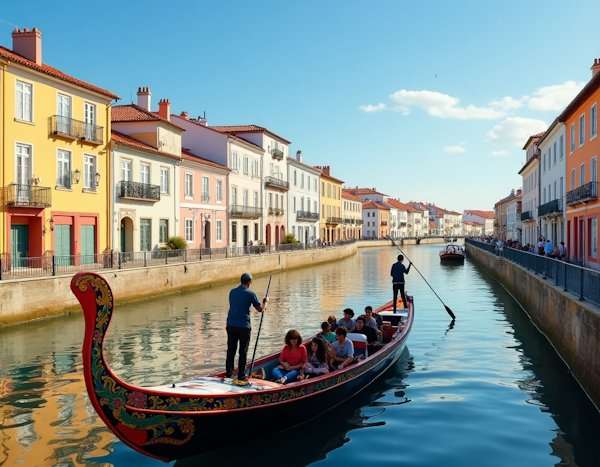
Aveiro welcomes first-time visitors with its rich heritage and maritime traditions. This coastal gem offers amazing cultural experiences from historic buildings to local delicacies that make it worth your time.
Take a Moliceiro Boat Tour Through the Canals
A 45-minute moliceiro cruise gives you a perfect introduction to Aveiro’s waterways. These traditional boats guide visitors through four main channels: Central Canal, Canal do Côjo, Canal das Pirâmides and Canal de São Roque. Local guides share interesting stories about the history and landmarks as you float along. You can hop on these tours throughout the day, starting from 9:00 AM until the last trip at 7:15 PM.
Learn About the Art Nouveau Architecture Trail
Aveiro stands as Portugal’s leading Art Nouveau destination among other famous cities like Barcelona and Brussels in the “Réseau Art Noveau Network”. The architectural style bloomed in the early 20th century when wealthy people returned from Brazil. You’ll find these remarkable buildings:
- Major Pessoa House (Art Nouveau Museum): Beautiful stone carvings and wrought iron details
- Cooperativa Agrícola Building: Colorful tile panels and detailed Ançã stonework
- Restaurant Building (Pensão Ferro): A perfect mix of iron, glass, stone and tile elements
Visit the Aveiro Museum (former convent)
The Aveiro Museum sits in the 15th-century Convent of Jesus and offers two unique experiences: a monumental route and a permanent exhibition. Princess Saint Joana’s tomb is a masterpiece with its multicolored marble and Italian-influenced sculptures. The Church of Jesus shows off stunning baroque decorations with golden woodwork and Portuguese azulejos tiles.
Sample Ovos Moles and Local Delicacies
Aveiro’s signature sweet, ovos moles, earned a significant achievement as the first Portuguese bakery product with Protected Geographical Indication status from the European Union. This sweet treat comes from the Dominican, Franciscan, and Carmelite convents, especially the Mosteiro de Jesus. The recipe combines egg yolks with sugar, wrapped in thin rice paper or wheat flour shells shaped like sea elements.
Learn About the Salt Pans and Their Importance
Salt production in Aveiro goes back before the Ria de Aveiro existed. The 1950s saw 256 salt pans in the region, but only nine remain active today. Hour-long guided tours give you a great way to get knowledge about traditional harvesting methods, local plants and animals, and the vital role of salt workers called “Marnotos”. Professional guides lead these educational tours, which you need to book in advance.
Exploring Beyond the City Center
Natural wonders and cultural treasures await adventurous travelers just beyond Aveiro’s charming canals. The surrounding region features pristine beaches and protected reserves that create unforgettable experiences.
Costa Nova and Its Iconic Striped Houses
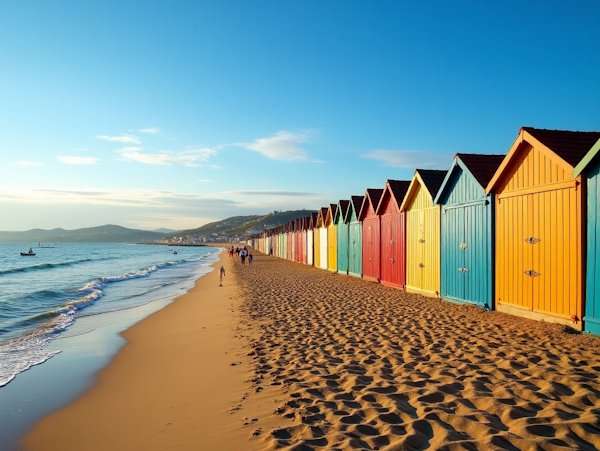
Costa Nova became a popular beach destination in the mid-19th century, thanks to tribune José Estevão’s influence. He built his distinctive blue and brown striped palheiro, setting a trend. Local fishermen built these traditional houses on stakes to keep sand from nearby dunes from piling up. The late 19th century saw a rise in seaside bathing and fishermen started renting their palheiros. This practice led them to paint the wooden panels in bright colors.
The vibrant stripes on Costa Nova’s houses match the colorful designs of moliceiros boats, creating a stunning coastline. These iconic buildings now serve as vacation homes that blend architectural heritage with modern tourism.
Beaches of the Silver Coast
Beautiful stretches of pristine sand line the coastline around Aveiro. Costa Nova beach showcases light-colored fine sand with grassy dunes. Wooden boardwalks and floating bridges make the beach easy to reach. Blue flag status and lifeguards ensure a safe experience for visitors.
Praia da Barra sits at the Vouga River’s mouth and provides calm waters perfect for swimming. Portugal’s tallest lighthouse, the 62-meter Farol da Barra, stands guard here. Its powerful beam reaches 43 kilometers into the Atlantic Ocean.
São Jacinto Nature Reserve
The São Jacinto Dunes Natural Reserve spans 700 hectares and showcases a remarkable coastal ecosystem. Three distinct zones make up this protected area:
- Sand dunes stabilized by natural vegetation
- A forest of maritime pines and acacias planted in the late 19th century
- Freshwater ponds that shelter waterfowl
The Pateira, the reserve’s largest pond, gives many bird species a vital winter home. The Information Center hosts guided tours along the Nature Discovery Trail. The reserve’s headquarters displays a fascinating collection of miniature boats. Local artisans from São Jacinto craft these detailed vessels.
Day Trips to Nearby Wine Regions
Bairrada wine region near Aveiro gives wine lovers a chance to taste exceptional wines. Historic wineries, some over 80 years old, welcome guests to tour their ancient galleries. Visitors can sample local sparkling, white and red wines paired with regional appetizers.
Local winemakers specialize in indigenous grape varieties. Bical, Maria Gomes, Cercial, and Arinto create distinctive whites, while Baga grapes produce unique reds. Small family producers keep traditional winemaking methods alive in Bairrada’s heart. Some of these families have made wine here for over 100 years, preserving the region’s rich wine heritage.
Where to Stay, Eat, and Shop in Aveiro
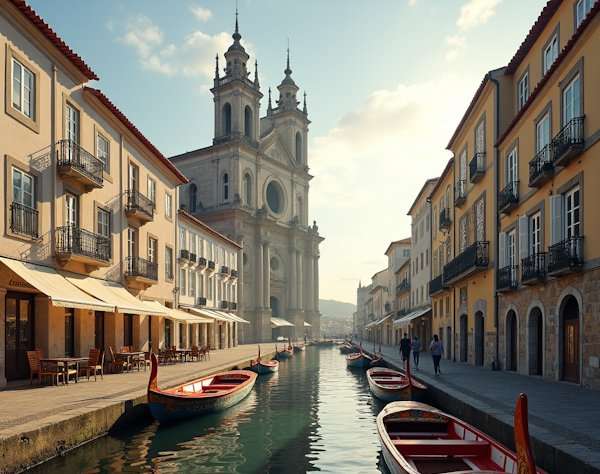
A perfect place to stay, eat and shop can make your visit to this charming Portuguese city unforgettable. Aveiro welcomes travelers with its historic neighborhoods, local restaurants and shopping spots that match every taste and budget.
Best Neighborhoods for Accommodation
Glória and Vera Cruz are the top residential areas with more than 20,000 residents. These parishes blend historical charm with modern amenities and work great for first-time visitors.
São Bernardo district spans 3.46 km² and creates an intimate atmosphere with about 5,000 residents. The central spot gives easy access to architectural landmarks and religious sites.
Luxury seekers will love the Montebelo Vista Alegre Ílhavo Hotel with its seasonal outdoor pools and wellness center. The 1877 Estrela Palace brings boutique charm to the city center with exceptional service.
Local Restaurants Serving Authentic Portuguese Cuisine
The local food scene celebrates fresh seafood and Portuguese flavors. Salpoente makes its home in two former salt warehouses and pairs elegant dining with weekend live concerts. Chef Duarte Eira crafts creative dishes using local ingredients.
O Bairro restaurant near Mercado do Peixe has built its reputation on amazing risottos and great service. The place keeps its cozy feel despite growing crowds.
Mare Cheia shines with fresh fish dishes and traditional eel stew, using Aveiro’s best seafood. Locals love this spot for its great service and warm welcome.
Cais do Pescado gives you stunning views of the Ria de Aveiro and colorful Beira Mar houses. Chef Carlos Salvador’s kitchen serves fresh cod, eels and regional seafood specialties.
Markets and Shops for Unique Souvenirs
Livraria Gigões & Anantes bookshop focuses on children’s literature and art pieces in multiple languages. Their collection shows great taste in both content and artwork.
Alma de Alecrim stocks beautiful design accessories, bags, toys and textiles. The friendly owners help visitors find unique Portuguese crafts.
Chocolate lovers should visit Feitoria do Cacao for bean-to-bar experiences. You can taste different batches and learn about cocoa percentages and flavor origins.
A Casa Da Rosa displays handmade items with plenty of variety. The staff knows local attractions well and shares helpful tips.
The outdoor craft market next to Jardim do Rossio lets you watch artisans work and buy authentic souvenirs. The indoor market at Praça do Mercado and morning fish market at Praça do Peixe show you real local life.
Practical Travel Tips for Visiting Aveiro
A successful trip to this enchanting coastal city needs good planning. This guide will help travelers make the most of their Aveiro experience with details about transport, timing and local navigation.
Getting to Aveiro from Porto and Lisbon
Trains run frequently to Aveiro from Porto’s São Bento or Campanhã stations. Urban trains take 75 minutes and cost €3.80 for a single ticket. Express Alfa Pendular trains cut the trip to 30 minutes at €16.10.
Lisbon‘s visitors can choose from several options. Direct trains from Santa Apolónia station take about 2 hours and 15 minutes. Budget travelers might prefer FlixBus services that run twice daily at 6 AM and 4 PM, with tickets starting at €12.
Best Time to Visit
Mid-June through mid-September offers the best weather to experience Aveiro. July brings the most sunshine with about 7.8 kWh daily. August temperatures stay comfortable between 59°F and 76°F.
Summer’s highlight is the Codfish Festival in August that showcases Portugal’s iconic culinary traditions. Winter brings more rain, with December seeing about 4.7 inches of precipitation.
Getting Around the City
Aveiro’s public transport network has 13 routes served by 24 busses and 2 passenger boats. City busses run from 7 AM to 7 PM, and single tickets cost €2.00. Tourist passes are a great way to get around – €10 for one day or €18 for two days gives access to all busses and ferries.
Suggested itineraries for different trip lengths
One-day visitors should focus on central attractions. Start with a moliceiro boat tour, see the Art Nouveau architecture and taste ovos moles. Two days let you visit Costa Nova’s striped houses and Barra Beach with Portugal’s tallest lighthouse.
Three or more days give you time to discover São Jacinto Nature Reserve and join guided tours of traditional salt pans. Morning hours work best for outdoor activities since cloud cover usually stays until noon.
Enjoy Aveiro Portugal
Aveiro seamlessly combines historical charm with modern convenience. This Portuguese gem stands distinct from Venice with its colorful moliceiro boats, stunning Art Nouveau architecture and rich traditions of salt harvesting and ovos moles production.
Travelers can find pristine beaches, iconic striped houses, and natural wonders at São Jacinto Reserve just outside the city center. Aveiro’s convenient location and excellent transportation links make it perfect for authentic Portuguese experiences away from crowded tourist spots throughout the year.
The city’s walkable size appeals to newcomers immediately. Experienced travelers can explore deeply into the region’s cultural heritage and local cuisine. This European tourism gem shows that remarkable destinations often exist just around the corner, waiting to share their stories with adventurous spirits.
FAQs
Q1. What makes Aveiro unique among Portuguese destinations?
Aveiro is known for its picturesque canals, colorful moliceiro boats, and stunning Art Nouveau architecture. The city offers a blend of historical charm and modern convenience, with attractions like traditional salt pans and the delicious local treat, ovos moles.
Q2. When is the best time to visit Aveiro?
The optimal period for exploring Aveiro is from mid-June through mid-September. July is the brightest month, while August offers comfortable temperatures between 59°F and 76°F. Summer also brings special events like the Codfish Festival in August.
Q3. How can I explore Aveiro’s famous canals?
The best way to experience Aveiro’s canals is through a 45-minute moliceiro boat tour. These traditional boats navigate through four main channels, offering insights into local history and landmarks. Tours operate throughout the day, from 9:00 AM to 7:15 PM.
Q4. What are some must-try local delicacies in Aveiro?
Aveiro’s signature sweet is ovos moles, which has Protected Geographical Indication status from the European Union. The city also offers excellent seafood dishes, including fresh cod and eel stew, which can be sampled at local restaurants like Salpoente and Mare Cheia.
Q5. Are there interesting day trips from Aveiro?
Yes, visitors can explore nearby attractions such as Costa Nova with its iconic striped houses, the São Jacinto Nature Reserve and the beaches of the Silver Coast. Wine enthusiasts can also take day trips to the nearby Bairrada wine region for tasting experiences at traditional wineries.




Leave A Comment