
Most people see Faro, Portugal as just an airport gateway to the Algarve, but this sun-soaked capital city of 67,566 inhabitants has countless hidden treasures. The city manages 10 million passengers yearly and basks in over 3,000 hours of sunshine. Its rich heritage blends Moorish, Roman and Phoenician influences into a unique cultural identity.
The Old Town’s secret corners feature a Gothic cathedral and the beautiful Arco da Vila gateway. Ilha Deserta’s pristine shores stretch for 6 kilometers of untouched beaches. Visitors who stay here can experience authentic moments that many tourists miss. The city makes a great starting point to find surrounding natural wonders. Ria Formosa Natural Park stands out as one of Portugal’s seven natural wonders.
Local residents guard their favorite spots and secret viewpoints carefully. These hidden gems show Faro’s true charm and make it worth a dedicated visit. The city’s authentic character goes way beyond what most guidebooks tell you.
Uncovering Faro’s Old Town Hidden Corners

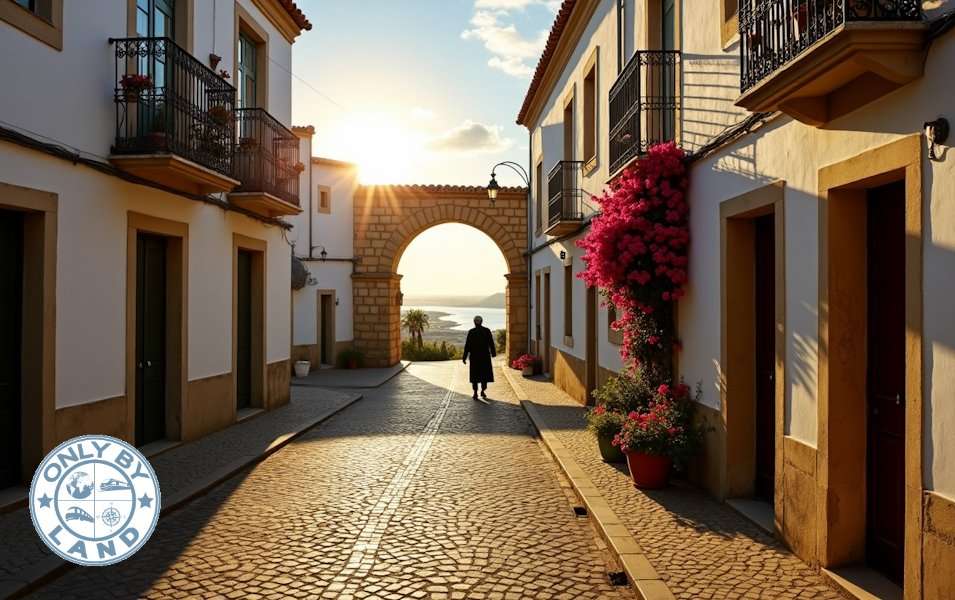
The ornate Arco da Vila gateway opens up to a completely different world. Faro’s Old Town sits inside ancient Moorish walls from the 9th century. It’s a maze of cobblestone streets with centuries-old secrets that tourists often miss. This historic quarter holds hidden treasures just waiting for anyone ready to step off the main paths.
Secret Passages Behind Arco da Vila
Arco da Vila is more than just an entrance to Faro’s Old Town. Italian architect Francisco Xavier Fabri built this neoclassical arch in 1812 and it holds amazing pieces of history within its walls. The elegant bell tower and statue of St. Thomas Aquinas catch everyone’s eye, but the real magic lies inside the archway.
Look to your right as you pass through the arch. You’ll find a horseshoe-shaped Moorish arch, which remains from the medieval Portas da Rainha (Queen’s Gate). The massive 1755 earthquake damaged this ancient doorway and changed much of Faro’s architecture. Plaster covered this historical treasure until 1992, hiding it from view. Now it stands as a window into the city’s Moorish heritage.
Vila Adentro has a network of underground tunnels and we still don’t know how big they really are. Visitors can access one of these passages and take a mysterious trip under the Old Town’s streets. The tunnel’s irregular arches and ceilings show changes from different time periods, telling the story of a city that kept rebuilding itself.
The Forgotten Jewish Quarter
The Jewish community shaped Faro’s development in important ways, though many forget this part of history. Medieval Faro’s Jewish quarter made history as the place where Samuel Gacon first brought printing to Portugal by publishing the Pentateuch in Hebrew in 1487.
The Jewish quarter declined after the 1496 expulsion order. Things changed in the 19th century when about 60 Jewish families came back to Faro because the Marquis de Pombal invited them. These “Retornados” were descendants of people who escaped the Inquisition to Morocco and Gibraltar. Portugal needed their help to rebuild its economy after the devastating 1755 earthquake. They made their home in lower Faro, built two synagogues and became respected merchants who traded in local goods like cereals, cork and charcoal.
The Faro Jewish Heritage Center stands as the last remaining trace of Jewish presence in Portugal’s southernmost province after the Inquisition. In fact, the cemetery saw its first burial in 1838 and its last in 1932, with 106 graves total. The Jewish community gradually moved to Lisbon, and the last Jewish resident, José Ruah, left Faro in 1946.
The cemetery stayed neglected for years until its restoration in 1993. It became the Faro Jewish Heritage Center in 2007. This small but powerful place helps us learn about a community that locals called “Little Jerusalem”.
Hidden Courtyards Locals Love
Faro’s Old Town has peaceful courtyards where locals get away from city life. These quiet spots hide behind plain doorways and narrow alleys, showing visitors what real life in Faro looks like.
Largo da Sé, the main square with its orange trees, connects to several quiet corners. Walking away from the cathedral leads to small plazas where locals, not tourists, enjoy their street cafés. These hidden squares make perfect spots to sip Portuguese coffee and watch daily life unfold.
The Museu Municipal lives in a beautiful 16th-century convent with an inner courtyard garden that offers a quiet break from exploring. Locals treasure this peaceful space with its arched cloisters.
The town’s charm shows up even in its pavements. Faro’s distinctive cobbled patterns add artistic touches to the city’s practical features. The patterned streets near Praça Dr. Francisco Gomes by the marina show where locals really shop, eat, and hang out—away from tourist spots inside the walls.
Storks have made their homes on top of historical buildings throughout the Old Town. They add a natural touch to this already amazing corner of Faro Portugal.
Beyond the Marina: Waterfront Secrets
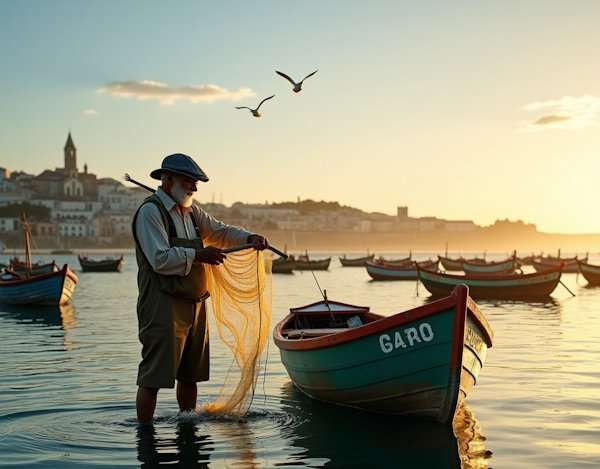
Tourists pack Faro’s palm-lined marina for typical waterfront activities, yet the real magic of this coastal gem lies hidden in plain sight. The waters aren’t open sea but part of the striking Ria Formosa lagoon system. Local fishermen here have managed to keep their centuries-old traditions away from tourist crowds.
The Fishermen’s Hidden Breakfast Spot
Faro’s fishing community meets at quiet waterfront cafés before dawn. These spots serve as social hubs and energy stations. A place called Fisherman’s Rest in nearby Alvor lives up to its name—you’ll see men pulling handcarts loaded with fresh fish straight to the restaurant. This genuine spot serves “dish of the day” specials with the morning’s catch, paired with great house wine at just 8 euros.
Brizze Bar just outside Faro in Burgau gives you an even more authentic experience. Locals say it serves the “best breakfast around”. Their “Fisherman’s Breakfast” sets you up perfectly for a day at sea. These places stand out not because of fancy décor or tourist menus—their steadfast dedication to quality, freshness, and tradition makes them special.
Secret Sunset Viewpoints Along Ria Formosa
The Ria Formosa Natural Park spans 60km along the Algarve coast and creates some of Portugal’s most breathtaking sunset views. Tourist spots might be easy to find, but locals keep their magical viewpoints secret.
A floating platform on Faro Marina’s dockside was built for boat mooring, but residents call it “the best seats in town” for evening shows. Several hidden spots beyond this available location offer amazing views:
- Cacela-a-Velha – This small whitewashed village near Ria Formosa’s eastern end shows off panoramic lagoon views, made more beautiful by its medieval character and 16th-century fortress.
- Near the Igreja Matriz da Nossa Senhora da Assunção – This 1518 church in Cacela gives you a striking sunset view over the Ria.
Private sunset boat tours leave from Faro Marina for a more exclusive experience. Visitors can watch the estuary become a stage where birds make their final food runs. The waters buzz with activity at twilight, creating a natural show that most tourists never see.
The Locals-only Shellfish Gathering Spots
Ria Formosa’s protected waters create ideal conditions for shellfish. Local fishermen harvest carefully using techniques passed down through generations. Santa Luzia, a small fishing village near Tavira, has earned its spot as Portugal’s “Octopus capital”. Locals have caught octopus (polvo) with traditional clay pots for centuries, though many now use modern versions of these old tools.
Olhão’s harbor, where Faro’s fishing fleet docks, hides restaurants where locals enjoy the freshest catches. Finding these spots takes a keen eye—watch where fishermen eat, not where tourists go.
Rio Formosa’s rich ecosystem lets locals practice eco-friendly harvesting methods perfected over generations. Fishing communities on Ilha da Culatra show off traditional net mending techniques and environmental approaches that have kept these waters rich for centuries.
Environmental guide Ana Oliveira puts it perfectly: “Ria Formosa is not just a place—it’s a living, breathing ecosystem that teaches us the importance of harmony between man and nature”. This mindset explains why locals guard their shellfish spots carefully—they’re not just food sources but cultural treasures worth saving for future generations.
Neighborhood Gems Outside Tourist Zones
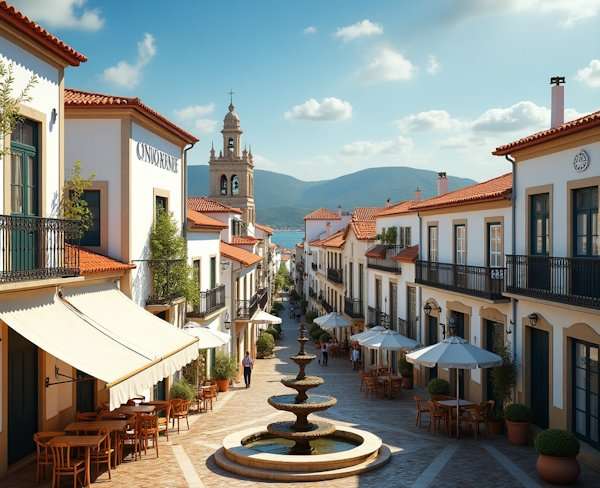
The soul of Faro, Portugal exists beyond tourist hotspots and historical quarters. Real local life thrives in authentic neighborhoods away from popular tourist trails that dominate travel guides.
São Pedro: The Authentic Local District
São Pedro district offers a refreshing glimpse into authentic Portuguese daily life just steps from Faro’s busy center. This charming area’s traditional character lives on through family-run businesses and genuine local culture.
Mercearia São Pedro stands at this neighborhood’s heart. This beloved grocery store captures the area’s unpretentious charm. The simple establishment doubles as a relaxed dining spot where you can experience “Tapas” with a distinctive Portuguese twist. Many visitors say it’s a place “where you can feel like home” while enjoying fresh produce and quality local wine.
Discerning travelers praise this district’s culinary authenticity. Reviews consistently highlight the “delicious tapa do mar and pasteis de bacalhau com arroz” and “good honest food simply prepared” at modest prices. Local establishments cater to residents rather than tourists – you’ll find a 500ml carafe of white wine for just €2.00 at some spots.
Montenegro’s Hidden Treasures
Montenegro has built strong ties with the University of the Algarve, creating a unique academic atmosphere northeast of Faro’s center. This suburban retreat perfectly balances accessibility and peace, especially for families looking to escape tourist crowds.
This neighborhood’s charm comes from practical benefits: less traffic, plenty of parking and parks where children play freely. The area sits close to the airport yet maintains its peaceful character.
Nature enthusiasts will appreciate Montenegro’s:
- Serene streets perfect for leisurely strolls
- Green spaces ideal for family picnics
- Tranquil settings that showcase a different side of Algarve life
Modern meets relaxed in this academic-residential atmosphere, creating a stark contrast to Faro’s tourist-heavy zones. Residents describe Montenegro as “a calm environment” among Faro’s varied neighborhoods—perfect for authentic cultural immersion.
The Artist Enclave of Alto Rodes
Alto Rodes has become Faro’s unexpected artistic heart with its stunning modernist architecture. ALTO HOUSE, a converted 21-room hotel, stands as the neighborhood’s crown jewel. This architectural masterpiece showcases Portuguese modernist design with its “elegant facade with clean lines.” Renowned architect Gomes da Costa’s creation features “compact but highly functional, bright rooms, stairs with distinctive angled mirrors and handrails with rhythmic geometric designs.”
Art flows through Alto Rodes’ streets. Every October, the neighborhood hosts Open Studios Faro (OSF), where “25 spaces, including studios, houses, and headquarters of cultural and institutional associations, open their doors to the public.” This cultural festival features over 70 local and international artists, turning Faro “into an open gallery” and highlighting the area’s creative energy.
Alto Rodes’ charm comes from its unique location on a “tall elevation for the Algarve capital.” Visitors enjoy spectacular views of “the city, sea, and mountains.” Regular art exhibitions like “Modernist Explorations” celebrate Faro-inspired works by international artists, making this neighborhood a true artistic sanctuary.
When is the best time to visit Portugal?
Secret Beaches Only Locals Visit
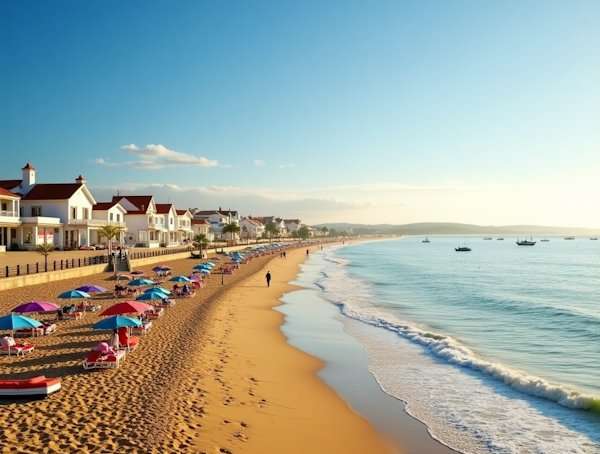
Most tourists rush to the popular beaches in Faro and miss the quiet shores we locals know about. These hidden spots have pristine sands and crystal-clear waters away from the packed beaches you’ll find across the Algarve region.
Hidden Access Points to Praia de Faro
Praia de Faro shows two distinct personalities. The lagoon side has calm waters perfect for swimming and water sports. Indeed, the Atlantic side brings strong currents and impressive waves—they look beautiful but can be dangerous for swimmers. The sort of thing I love is the Ancão Peninsula, which sits between the busy Praia de Faro and Praia da Quinta do Lago. You’ll need to put in some effort to reach it.
We locals get there through Quinta do Lago (it’s tougher but beautiful) or by walking the shoreline from Praia de Faro past the fishermen’s shacks. The reward is smooth sand and gentle waves on the dunes’ south side, while the north offers Ria Formosa’s warm, relaxed main channel—perfect for a peaceful swim away from crowds.
The Unmarked Path to Barreta’s Quiet End
Ilha Deserta (Desert Island), also called Barreta, gives you one of the Algarve’s most untouched beach experiences. This empty island in Ria Formosa has a 7-kilometer stretch of sand where you can escape from everything. The barrier island south of Faro lets you truly get away from it all with just one building—a restaurant serving excellent local seafood.
The real magic happens when you walk far from the ferry landing point. While other visitors stay near the pier and restaurant, we know that a determined walk along the shore leads to complete solitude. The waters here are the warmest on Portugal’s mainland, which makes them great for long swims.
Barreta gives you a true escape from tourist crowds. The landscape looks simple—flat, bright, without shade—but the crystal waters make up for it. Smart visitors bring sunshades, sunscreen, food and lots of water before taking the ferry from Faro’s old town jetty.
Locals’ Favorite Spots on Ilha da Culatra
Ilha da Culatra shows you traditional Portuguese fishing life that most tourists never see. This amazing island in Ria Formosa Natural Park has three main areas: Culatra village (northern banks), Farol (western end) and Hângares—a quiet spot with basic facilities that locals love.
Portuguese families come here more than international tourists, so the beaches never get packed, even in summer. Some residents use the island’s privacy for nude sunbathing, though it’s not an official naturist beach.
To experience Culatra like a local:
- Take the ferry from Faro (40 minutes) or Olhão (30 minutes)
- Walk through the charming fishing village with its pretty fishermen’s houses
- Follow the boardwalk to the ocean beaches
- Head east toward the quieter end where you’ll find peace even in summer
A Taska da Culatra in the village serves incredibly fresh seafood—you might see it coming straight from boats to your plate. Winter transforms these beaches into perfect spots for quiet walks where dolphins and seabirds play against endless dunes.
More on the Portugal food culture.
Hidden Natural Wonders Around Faro
Nature lovers will be thrilled by the hidden natural wonders surrounding Faro. These pristine havens sit just minutes from downtown and give visitors amazing wildlife encounters away from tourist crowds.
The Secret Bird-watching Peninsula
Ria Formosa Natural Park ranks among Portugal’s Seven Natural Wonders, though most visitors miss its best bird-watching spots. The Zona do Ludo peninsula between Faro airport and Quinta do Lago is a chance to spot some of the 200+ bird species that call this area home or pass through during migration. This protected wetland connects Europe and Africa as a vital migration route and winter brings nearly 20,000 water birds to the area.
The best time to visit is early morning according to local bird enthusiasts. You’ll see flamingos, storks, and the Purple Swamphen – the park’s official symbol – at their most active. The salt pans become perfect feeding grounds for flamingos from November through March. Local bird watchers skip the commercial tours and bring their own scopes to quiet spots along the eastern marshes.
Forgotten Hiking Trails with Lagoon Views
The real gems lie away from popular tourist paths on hidden trails with amazing views of the Ria Formosa lagoon system. The Ilha da Culatra Hiking Trail takes you through peaceful dunes and salt marshes. You’ll see the island’s rich wildlife without fighting crowds, even in peak season.
The Estoi Countryside Trail winds through olive groves and almond orchards a short drive from Faro. This 6km moderate path shows off the area’s farming heritage with beautiful lagoon views. The trail shines during Portuguese autumn and winter as peaceful scenes unfold with colorful migrating birds dotting the horizon.
The Locals’ Favorite Picnic Grove
Estombar’s Fontes remains a true hidden gem where Faro locals escape busy beaches for family time in nature. This green oasis features 12+ picnic tables and six communal BBQs that local families quickly claim on weekends. You’ll need just charcoal and cooking tools to enjoy a genuine Portuguese outdoor meal.
A charming green path circles the Arade River’s estuary, complete with an old water wheel, amphitheater and historic miller’s house. Bird watchers will love spotting various species year-round, and seasonal flamingo visits paint pink streaks across the landscape.
Underground Cultural Spots in Faro
A thriving underground cultural scene exists beyond Faro’s sunlit streets and historic walls. Most tourists miss these hidden venues that showcase the city’s artistic heart. The creative pulse beats strongest away from the mainstream attractions.
The Hidden Art Galleries
Galería do Arte Arco perches on Faro’s medieval city walls and gives visitors magnificent views of the Ria Formosa lagoons. The gallery specializes in contemporary Portuguese art and amazes visitors with its collection of vintage toys from the early 20th century. Moreover, the collection has 600 artifacts including dolls, toy trains and cars. The atmospheric space hosts rotating temporary exhibitions throughout the year, which makes each visit different.
In the heart of Faro’s winding streets, Raiz D’Arte welcomes visitors to its bright, open space. The gallery shows exceptional selections from national and international contemporary artists. Since its founding as a non-profit cultural organization in 2003, this space has promoted experimental art and supported regional work from emerging artists ready to leave their mark.
Secret Live Music Venues
Associação Recreativa e Cultural de Músicos (ARCM) calls one of the area’s most iconic buildings home—a former beer factory now recognized as a property of public interest. The venue has hosted diverse performances in its industrial setting since 1990. Local music lovers head to weekly jam sessions here to experience authentic performances away from tourist hotspots.
Sofar Sounds creates a unique experience with secret concerts. The locations remain hidden until 36 hours before events. This worldwide community brings musicians to unexpected places—from museums to living rooms. These intimate musical gatherings have helped launch artists like Billie Eilish and Ed Sheeran.
The Local Theater Scene Tourists Miss
Teatro Lethes stands as Faro’s hidden cultural gem—an Italian-style opera house from 1845. The building started as a Jesuit college in 1599 and now features an intimate venue with four tiers of wooden viewing boxes around the auditorium. Red velvet seats line the rows. The theater’s simple exterior hides a 19th-century theatrical experience that most tourists never see.
What are the best beaches in Algarve?
Enjoy Faro Portugal
Faro is not just a gateway to the Algarve. The city rewards travelers who explore beyond tourist hotspots with authentic experiences. Curious visitors can find magic in the city’s hidden gems – ancient passages under the Old Town, quiet beaches along Ria Formosa and cultural spaces tucked away from regular tourist paths.
São Pedro and Montenegro neighborhoods show visitors Portugal’s real daily life. The city’s creative spirit comes alive through secret sunset viewing spots and tucked-away art galleries. These authentic spots paint Faro’s true character, one that locals treasure but most tourists miss.
Faro’s blend of rich history, natural beauty and vibrant culture makes it special. The city keeps its authentic charm while embracing new creative energy. These hidden spots give travelers something rare today – real connections with local life that mass tourism hasn’t touched.
FAQs
Q1. What are some hidden gems in Faro’s Old Town?
Faro’s Old Town hides secret passages behind Arco da Vila, a forgotten Jewish quarter and hidden courtyards loved by locals. These lesser-known spots offer a glimpse into the city’s rich history and authentic local life.
Q2. Where can I find secluded beaches near Faro?
Locals favor hidden access points to Praia de Faro, the unmarked path to Barreta’s quiet end, and secluded spots on Ilha da Culatra. These beaches offer pristine sands and clear waters away from tourist crowds.
Q3. Are there any unique natural attractions around Faro?
Yes, Faro is surrounded by hidden natural wonders including a secret bird-watching peninsula in Ria Formosa Natural Park, forgotten hiking trails with lagoon views and a locals’ favorite picnic grove in Estombar.
Q4. What are some off-the-beaten-path cultural experiences in Faro?
Faro boasts underground cultural spots like hidden art galleries, secret live music venues and a local theater scene often missed by tourists. These include unique spaces like the Galería do Arte Arco and the historic Teatro Lethes.
Q5. How can I experience Faro like a local?
To experience Faro authentically, explore neighborhoods like São Pedro and Montenegro, visit local markets, enjoy sunset viewpoints along Ria Formosa, and dine at small, family-run restaurants away from tourist areas. Interacting with locals and participating in community events can also provide genuine experiences.







Leave A Comment