
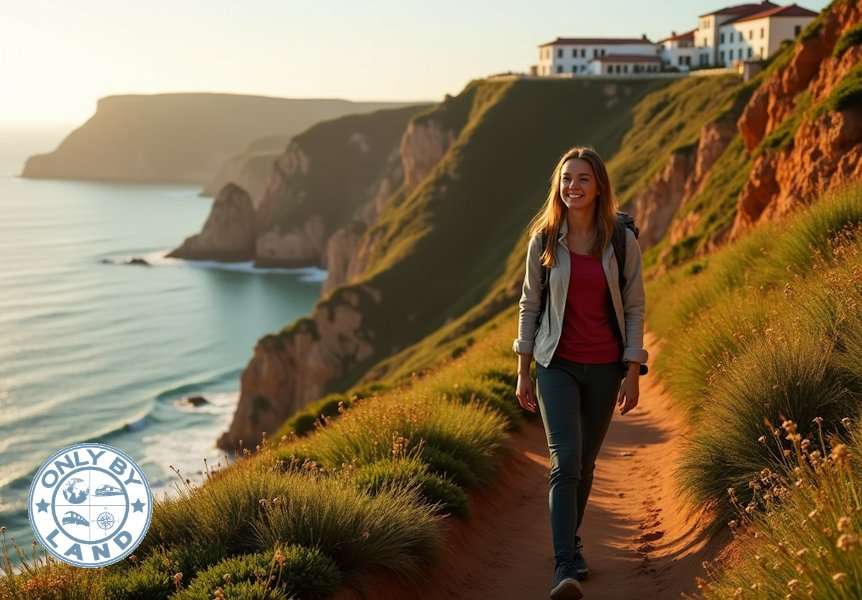
Portugal boasts an incredible 8,209 hiking trails that range from family-friendly walks to challenging mountain adventures. The country’s trail network includes 748 routes perfect for families and 15 trails that are available for wheelchair users. The remarkable Caminho Português da Costa stretches an impressive 400.5 miles.
The Paiva Walkways and its record-breaking suspension bridge draw large crowds, but Portugal’s true treasures lie in its lesser-known paths that locals cherish. Nature lovers can explore everything from the rugged terrains of Peneda-Gerês National Park to the beautiful Douro Valley vineyards. These hidden paths showcase Portugal’s natural beauty in a variety of landscapes.
Let’s take a closer look at the secret trails that wind through Northern Portugal, Central regions, Southern Algarve and the islands of Madeira and Azores. These carefully chosen routes offer a genuine Portuguese hiking experience away from the usual tourist spots.
Northern Portugal’s Secret Trails

Northern Portugal keeps some of the country’s most beautiful hiking secrets away from common tourist paths. Adventurous hikers who take these less traveled trails get authentic experiences and stunning views that most visitors never see.
Peneda-Gerês Hidden Paths Beyond the Tourist Maps
Portugal’s only national park holds trails that even experienced hikers miss. The hidden valley of Pitões das Júnias has an amazing 4km marked trail that leads to a 12th-century monastery and a rushing waterfall. Hikers need about 90 minutes to complete this path, which shows off the Gerês mountains’ most rugged peaks.
The Seven Lagoons trail lets experienced hikers see crystal-clear pools in the Cabril river. Hikers who want peace and quiet should know that paths through Total Protection Zones need advance permission from the ICNF (Instituto da Conservação da Natureza e das Florestas), especially when groups have more than 10 people.
Ancient Shepherd Routes in Trás-os-Montes
Trás-os-Montes—which means “Behind-the-Mountains”—has paths that shepherds and smugglers used for centuries along the Spanish-Portuguese border. This name perfectly fits its remote nature, with magical views of plateaus and mighty mountains.
The Babia de Abajo cordel gives one of the most genuine experiences. This ancient path served transhumant shepherds who moved their merino sheep between summer mountain passes and winter valleys. These routes pass through limestone ravines, large oak woods and grasslands where strong mastiffs guard their flocks.
The “9 Steps Project” from nine local towns created marked paths across the region. These include the 8.3km linear Trail of Sabor and the 6.8km circular Carvalho Trail. Each path leads to untouched historical villages that keep their old traditions alive.
Local’s Favorite Day Hikes near Porto
People who live in Porto head to nearby natural spots on weekends that most international visitors never see. Local hikers love the Serra de Canelas/Negrelos and the Trilho do Rio Febros trails, which always get great reviews from residents.
The Porto City Tour makes a great day trip with its 7.8km moderate hike that takes about three hours. Hikers looking for more challenge can try Amarante’s 13.6km Rio Marão trail (PR6), which shows off varied wildlife and plants with amazing views.
The hidden treasure Passadiços Da Encosta Do Douro shows beautiful views of the Douro River valley without the crowds you’d find on better-known boardwalks. Towns along the Douro have their own hiking trails, but you’ll usually need to visit local tourism offices to get information, as it’s rarely online.
Central Portugal’s Undiscovered Hiking Gems

Central Portugal hides some of the most breathtaking hiking territories that many visitors miss. This region’s extraordinary trails showcase nature’s raw beauty untouched by tourist crowds.
Serra da Estrela’s Lesser-known Mountain Trails
Portugal’s highest mountain range contains isolated paths that reveal rugged landscapes away from busy spots. The Rota do Glaciar provides a gentle hike through a glacier valley with spectacular waterfalls. The trail to Covão do Boi takes you to a quiet valley filled with lush vegetation and crystal-clear rivers—an ideal spot for a peaceful picnic.
The Vale do Rossim path takes hikers to a beautiful lake nestled in green forests. Adventure seekers can discover the Upper Plateau Lagoon Trail, an easy walk that curves around granite mounds between artificial lagoons. Torre sits at 1993m elevation at Serra da Estrela’s peak and rewards visitors with dramatic views below.
Schist Village Routes Only Locals Frequent
The network of 27 Schist Villages across central Portugal creates unique hiking experiences between timeless communities. The PR2 LSA circular trail stands out—a 6km route that connects Lousã Castle with Talasnal and Casal Novo villages. This path follows ancient routes that villagers once used as their only way to reach Lousã.
The GR 22 Schist Villages Trail connects multiple slate-built settlements. These paths cut through cork oak, chestnut and pine forests that create perfect routes for hikers and mountain bikers alike.
Hidden Waterfall Hikes in Lousã Mountains
Lousã Mountains hide Portugal’s most captivating waterfalls. The new Mondego Boardwalks make previously difficult terrain easy to explore. A moderately challenging trail near Candal’s schist village leads to the stunning Candal Waterfall, where water tumbles down rocky slopes into peaceful pools.
The Ribeira de Quelhas features cascading waters near Coentral village, which wooden walkways installed in 2020 make easy to reach. The Fragas de São Simão Walkways link traditional villages to viewpoints that overlook natural pools where clear water flows over moss-covered rocks.
Visit these famous Portugal landmarks.
Southern Portugal and Algarve’s Local Favorites
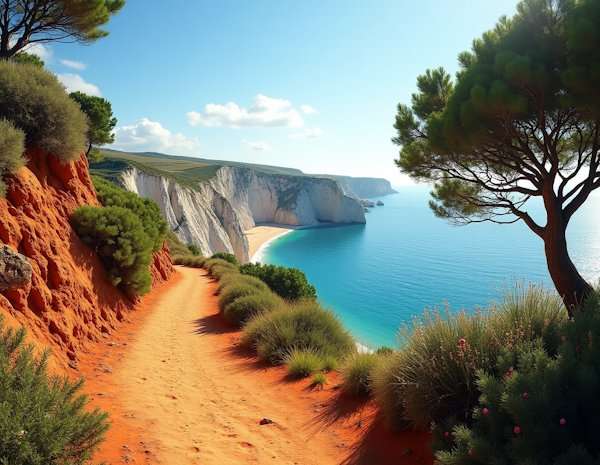
The Algarve’s sun-soaked coastline holds hiking secrets that rarely reach international visitors. Southern Portugal has extraordinary trails where locals escape to experience pristine landscapes, despite its reputation as a beach destination.
Beyond Rota Vicentina: Coastal Trails Locals Prefer
The 750km Rota Vicentina network with its famous Fishermen’s Trail draws international attention. Portuguese residents, however, prefer less crowded coastal paths. They skip complete marked routes and head straight to specific sections like Pontal da Carrapateira, a rugged headland trail with breathtaking Atlantic Ocean views. This path weaves through the Vicentine Coast Natural Park’s untouched coastal landscapes and empty beaches.
The Ponta da Piedade headland near Lagos showcases amazing rock formations, sea stacks and natural arches shaped through millennia. This geological marvel serves as a stunning alternative to the busier coastal sections. Telheiro Beach stands out with its fascinating 300-million-year-old rock formations that geologists love.
Inland Algarve Hiking Escapes From the Crowds
The Via Algarviana leads hikers away from the coast into the quiet interior. The trail passes through old villages, peaceful forests and pastoral landscapes. Spring brings an explosion of wildflowers that paint the countryside in vibrant colors.
The inland Algarve’s paths wind through cork oak forests and terraced hills where cherry, apple and chestnut trees grow. Goats and cows graze nearby. These rural scenes give hikers a peek into Portugal’s traditional life, complete with local artisans who make cheese, bread and honey.
Serra de Monchique’s Secret Paths
Serra de Monchique mountains hide some of Portugal’s most rewarding trails. The PR5 MCQ Waterfall Trail (Percurso das Cascatas) starts at Fóia, Algarve’s highest peak at 902 meters. This challenging 16.6km circular route takes hikers past several waterfalls including Penedo do Buraco, Chilrão and Barbelote.
Locals love the shorter trail from Fóia to the green lookout tower, which offers panoramic views of the region. These paths let hikers experience Serra de Monchique’s unique plant life. Cork oaks, arbutus trees and honeydew create a distinct mountain environment that sets it apart from the coast.
Island Treasures: Madeira and Azores Local Trails
Portugal’s Atlantic islands showcase dramatic hiking landscapes. Volcanic terrains blend with lush forests to create trails you won’t find anywhere on the mainland.
Madeira’s Hidden Levadas Away From Tourist Groups
Madeira has popular levada walks, but locals know about secret irrigation channels tucked away from the crowds. Levada do Moinho and Levada Nova create a peaceful loop trail that winds through lush greenery and waterfalls. You’ll get amazing views of Ribeira Brava Valley without the tourist crowds. These paths meander through the UNESCO-protected Laurissilva Forest, where ancient trees create natural tunnels above narrow trails.
Levada do Castelejo paired with Levada do Furado gives you an adventurous route that most tourists skip. More than 3,000 km of irrigation channels weave across Madeira, but visitors usually stick to just a few popular ones. This means hikers looking for quiet spots can easily find peaceful paths with minimal planning.
Local-recommended Trails in São Miguel
Local hikers on São Miguel Island love the Sanguinho Trail. This moderately challenging 4.5km route takes you to the restored village of Sanguinho and the serene Salto do Prego Waterfall. The trail’s extraordinary beauty stays hidden from most visitors.
The Poço Azul trail in Nordeste reveals another local gem – a short hike leads to a stunning natural pool with crystal-clear, blue-tinted water. Grená near Furnas charges a small entrance fee that keeps crowds away. You’ll discover ancient trees, hidden waterfalls, and mysterious old houses nestled in the forest.
São Jorge’s Untouched Hiking Experiences
São Jorge Island looks like a “green dragon” with its dramatic volcanic cliffs and unique coastal plains called fajãs. The island’s best trail connects Serra do Topo to Fajã da Caldeira do Santo Cristo and Fajã dos Cubres. Native vegetation and spectacular views surround you.
Fajã de João Dias stands out as a special spot. This uninhabited coastal area features renovated houses, equipped changing rooms and a small black sand beach – perfect for cooling off after your hike. The island has more than 80 fajãs but you can reach only 20 by land. Each fajã shows its own character and gives you a unique hiking experience.
Try Madeira food tours.
Enjoy Your Portugal Hiking Experience
Portuguese hiking trails are nowhere near your typical tourist experience. The famous routes might draw crowds, but countless hidden paths await you across the mainland and islands. These quiet trails stretch from Northern Portugal’s ancient shepherd paths to Madeira’s peaceful levadas and offer authentic adventures away from tourist hotspots.
You’ll need local knowledge to find these hidden gems. The small tourism offices are a great way to get trail details you won’t find online. Some paths might need advance permits or a local guide. The effort to find these secluded trails pays off with pristine landscapes, ancient villages and natural wonders that few visitors see.
Portugal’s trails match every skill level and interest. Families can take gentle coastal walks, while seasoned hikers can challenge themselves on mountain routes. Each region’s unique character shines through – from Peneda-Gerês’s rugged peaks to São Jorge’s dramatic fajãs. These paths showcase Portugal’s natural beauty from a local’s viewpoint.
FAQs
Q1. What are some hidden hiking gems in Portugal?
Portugal offers numerous lesser-known trails, including the hidden paths of Peneda-Gerês National Park, ancient shepherd routes in Trás-os-Montes and secluded levadas in Madeira. These trails provide authentic experiences away from tourist crowds and showcase Portugal’s diverse landscapes.
Q2. Are there any family-friendly hiking options in Portugal?
Yes, Portugal has many family-suitable hiking routes. Out of the country’s 8,209 hiking trails, 748 are suitable for families. Additionally, there are 15 wheelchair-accessible trails, making hiking accessible to a wide range of visitors.
Q3. What’s unique about hiking in the Azores?
The Azores islands offer dramatic volcanic landscapes and unique coastal trails. São Miguel Island features trails like the Sanguinho Trail leading to hidden waterfalls, while São Jorge Island boasts unique coastal plains called fajãs, each offering its own distinct hiking experience.
Q4. How can I find lesser-known hiking trails in Portugal?
To discover hidden trails, it’s best to seek local knowledge. Small tourism offices often have information about secluded paths that may not be available online. Some routes may require advance permissions or local guidance, but they reward hikers with pristine landscapes and authentic experiences.
Q5. What’s the longest hiking trail in Portugal?
The Caminho Português da Costa, stretching 400.5 miles, is one of the longest hiking trails in Portugal. However, a new trail called Palmilhar Portugal (Walking Portugal) is being developed, which will be an epic 3,000 kilometers long and pass through over 100 off-the-beaten-track attractions around the country.








Leave A Comment