

Spiritual landmarks in the Bible help believers navigate life’s uncertain terrain. “Do not move an ancient boundary stone [ancient landmarks] set up by your ancestors” stands as a wise instruction in Proverbs 22:28. These sacred guideposts have guided and reassured generations of people seeking God’s presence.
Life sometimes feels like “wandering into darkness”, particularly during tough seasons. Sacred landmarks are a great way to get illumination and stability. Jacob’s decision to name Bethel—meaning “House of God”—shows how these sacred spaces transform into personal encounters with God. Jeremiah 31:21 tells believers to “set up signposts, make landmarks; set your heart toward the highway”. This passage speaks directly to our need for spiritual direction. These landmarks serve as powerful reminders of God’s promises and past assurances that propel development in faith.
Rediscovering the Meaning of Spiritual Landmarks
Biblical history shows us how spiritual landmarks meant much more than just physical places or monuments. These sacred markers were tangible evidence of God’s active presence in human affairs. They held deep theological meaning and reminded believers about their encounters with God that shaped their faith.
These ancient spiritual landmarks showed God’s faithfulness and His promises to His people. They also became spiritual anchors that helped people stay grounded during uncertain times. Take the stone that Samuel named “Ebenezer” which means “Thus far the Lord has helped us.” This physical reminder of God’s help strengthened Israel’s memory as a nation.
These biblical landmarks were nothing like today’s tourist spots. Their importance came from spiritual encounters, not impressive features. Simple places became extraordinary because God showed up there. A scholar points out that these places were “lofty” because of their spiritual value, not their location on a map.
Every physical location in Scripture carried deeper meaning. Mountains became places to meet God, while rivers showed life-giving spiritual truths. People valued these landmarks not for how they looked but for what they meant spiritually.
The most powerful thing about these landmarks was how they taught future generations. Joshua placed twelve stones from the Jordan River with a clear purpose from God: “In the future, when your children ask, ‘What do these stones mean?'” These moments let parents share stories of God’s mighty works. This practice helped pass faith down through generations.
Personal spiritual landmarks help believers mark key moments in their faith experience. They become “anchors and refueling points” that people can remember during tough times. Modern believers can learn from ancient Israelites who built stone memorials after God showed up in their lives.
These ancient markers help believers find eternal truths about God’s character and His ongoing relationship with humanity.
The fastest growing religions in the world.
Biblical Landmarks That Shaped Faith

The Middle East’s landscape was more than just a setting for biblical events. This ancient region became a canvas where God revealed Himself through the most important spiritual encounters. These moments turned everyday places into sacred spaces that would influence faith across generations.
Samuel’s “Ebenezer” stone stands as a powerful example. This 3000-year old memorial sits between Mizpah and Shen, marking Israel’s victory over the Philistines. Samuel named it the “stone of help” to recognize God’s constant support during hard times. His words “Thus far the Lord has helped us” (1 Samuel 7:12) created a lasting reminder of God’s intervention in Israel’s story.
Mount Sinai remains a landmark where God made His covenant with Israel. Moses received the Ten Commandments and other laws here that would guide Israel’s relationship with God. The sacred mountain showed God’s authority and became the birthplace of Israel’s identity as “a kingdom of priests and a holy nation.”
Joshua’s story at the Jordan River adds another layer to this rich history. He asked twelve men—all but one from these tribes—to gather stones from where priests carrying the Ark had stood. These stones became teaching tools. Children’s questions about these stones let parents tell the story of how God parted the waters to show His power to everyone on Earth.
The Garden of Gethsemane holds maybe even deeper meaning. Jesus prayed in this olive grove at the Mount of Olives’s foot before His crucifixion. His words “Not my will, but yours be done” marked His complete surrender to God’s plan. His struggle there shows us what tested and victorious faith looks like.
Jacob’s night at Bethel changed a simple spot into holy ground. After seeing angels going up and down a heavenly stairway in his dream, Jacob placed a stone pillar and said, “This is none other than the house of God.”
These landmarks turned regular places into powerful witnesses of God’s presence among His people.
Why Spiritual Landmarks Still Matter Today
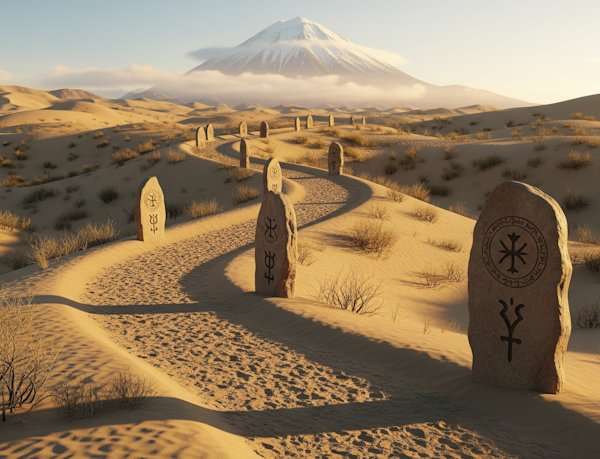
Spiritual landmarks serve as vital anchors for believers who navigate life’s complexities in our faster-changing world. These sacred markers continue to remind us of God’s faithfulness throughout generations and encourage faith and obedience in modern contexts. “Spiritual landmarks are not merely historical artifacts; they hold deep theological significance” as tangible reminders of God’s unchanging nature, according to one biblical scholar.
Spiritual landmarks play a significant role to transmit faith to future generations. Joshua’s pile of stones from the Jordan River became a powerful teaching tool when children asked about their meaning. This practice will give future generations knowledge of God’s deeds and character that creates a continuous legacy of faith. Parents find natural opportunities through these visible memorials to share stories of God’s faithfulness with their children.
Personal spiritual landmarks become powerful reference points during difficult seasons. These markers transform into “stones of help” that remind believers of God’s past interventions when they face health challenges, financial stress or relational conflict. Pastoral counselors suggest that establishing these “visual memorials” helps Christians avoid becoming “quick forgetters” of divine assistance.
Spiritual landmarks provide stability during life transitions and function as anchors whatever the circumstances might be. Many Christians establish personal “Ebenezer stones”—tangible reminders of God’s provision that strengthen their faith during uncertain times.
Modern culture gravitates toward constant change, yet spiritual landmarks encourage believers to maintain biblical foundations. Christians learn to avoid “removing ancient landmarks” that provide essential spiritual boundaries and guidance. These markers connect believers to timeless truths that remain relevant across generations instead of “reinventing” faith.
Appreciate Spiritual Landmarks in the Bible
Sacred landmarks have provided deep guidance to people seeking to predict their connection with God. These spiritual markers remain timeless symbols of God’s faithfulness that provide stability when life becomes uncertain. Their significance reaches beyond ancient times into today’s faith experiences.
A spiritual landmark captures God’s encounters frozen in time. Jacob’s Bethel, Samuel’s Ebenezer stone and Joshua’s river rocks served as physical signs of spiritual truths. Modern believers can benefit by creating their own memorial markers to commemorate God’s work in their lives.
These sacred markers carry forward through generations. Parents create natural opportunities to pass on faith when they show and explain spiritual landmarks to their children. God designed these memorials specifically so future generations would ask, “What do these stones mean?”
Challenging seasons often make clarity feel distant. Spiritual landmarks become crucial reference points during these times. Believers can find strength by revisiting these “stones of help” that remind them of God’s past faithfulness and promised presence.
Society’s values keep changing, but spiritual landmarks stay firm. They link believers of different generations to unchanging biblical truths. Circumstances may shift, yet faith’s core markers—God’s character, promises and presence—remain reliable guides for spiritual growth.
These sacred markers ended up directing believers toward eternal realities. They serve as reminders that faith combines memories of God’s past faithfulness with trust in His ongoing guidance. Properly honored landmarks turn ordinary experiences into powerful testimonies of divine relationship.
FAQs
Q1. What are spiritual landmarks in the Bible?
Spiritual landmarks in the Bible are significant places or physical markers that represent divine encounters or important moments in faith history. They serve as reminders of God’s presence, faithfulness and interventions in people’s lives.
Q2. Why are spiritual landmarks important for modern believers?
Spiritual landmarks remain important today because they provide stability during uncertain times, help transmit faith to future generations, serve as reminders of God’s faithfulness and offer guidance in navigating life’s challenges.
Q3. Can you give examples of spiritual landmarks from the Bible?
Some notable examples include Jacob’s Bethel (where he had a divine dream), Mount Sinai (where Moses received the Ten Commandments), Joshua’s stones at the Jordan River, Samuel’s Ebenezer stone and the Garden of Gethsemane where Jesus prayed before his crucifixion.
Q4. How can Christians create their own spiritual landmarks?
Christians can create personal spiritual landmarks by identifying and commemorating significant moments of divine intervention or spiritual growth in their lives. These can be physical objects, places, or practices that serve as reminders of God’s work in their personal faith journey.
Q5. What is the purpose of spiritual landmarks in passing on faith?
Spiritual landmarks serve as powerful teaching tools for passing faith to future generations. They provide tangible reminders of God’s actions in history and personal lives, offering natural opportunities for parents to share stories of faith and divine faithfulness with their children.












Leave A Comment